10 DIY Temporary Fence Ideas for Dogs That Actually Work (No-Dig & Rental-Friendly!)
If you need to keep your dog safe but can’t install a permanent fence, you’re not alone. I’ve rented places, fostered puppies, and camped with my dogs, and temporary fencing has saved me more than once.
The trick is to pick something sturdy enough for your dog’s size and energy, but easy to move or remove. Below are 10 DIY temporary fence ideas for dogs I’d actually use—most are weekend projects or faster.
Before you start, measure your dog’s height and jump style, check local rules, and always supervise. A temporary fence is a barrier, not a babysitter.
1. Zip-Tied Exercise Pen Panels
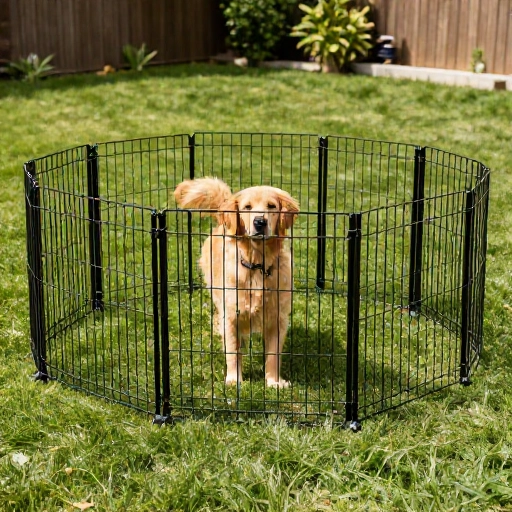
This is my go-to for a quick yard or garage setup. Metal exercise pens are already made for dogs, and you can connect several with heavy-duty zip ties to make a larger rectangle or a custom shape.
Set the panels on flat ground and secure the corners with ground stakes if your dog likes to push. For smaller dogs, 24–30 inches works; for jumpers, go 36–48 inches.
I like that you can fold it flat and store it. Just check the zip ties often and avoid leaving sharp ends where your dog can chew them.
2. PVC Frame with Wire Mesh
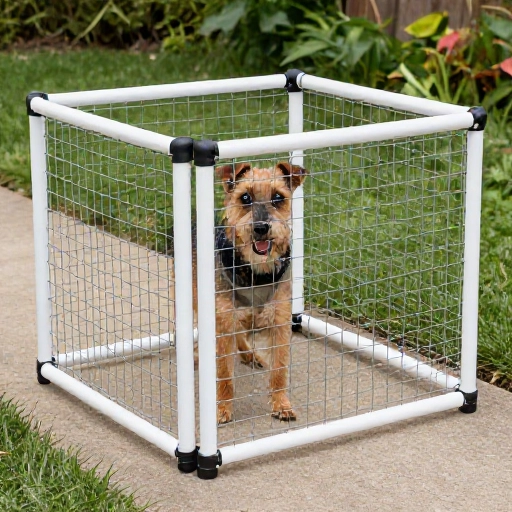
If I want a lightweight fence that looks intentional, I build panels from PVC pipe and welded wire or chicken wire. Cut PVC to size, make rectangles, and fit them together with elbows and tees.
Zip-tie wire mesh to the frame, then anchor the panels with tent stakes or sandbags. This works well for a patio edge, garden border, or rental yard.
Use thicker PVC for medium dogs and add a top rail for stability. It’s not chew-proof, so it’s best for dogs who respect a barrier.
3. No-Dig Plastic Garden Fence
No-dig plastic garden fencing is one of the fastest temporary dog fences. You push the pointed stakes into the ground and link the panels—no concrete, no digging, no big tools.
Choose a height taller than your dog’s shoulder, and add zip ties at the joints for extra strength. For determined diggers, line the bottom with paver stones or a rolled-up section of wire mesh.
I’ve used this around flower beds and rental backyards. It’s light, cheap, and easy to pull up when you move.
4. Pallet Fence on a Budget
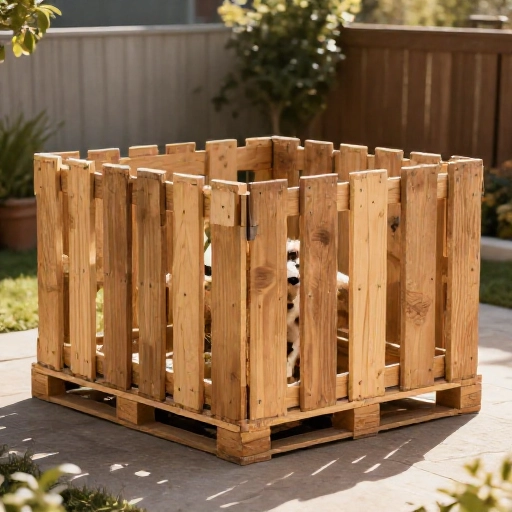
Pallet fences feel sturdy and rustic, and you can often find free pallets online. Stand pallets upright, connect them with screws or heavy zip ties, and brace the back with wooden stakes.
For a temporary version, skip digging. Set each pallet on concrete blocks or pressure-treated feet, then secure the bottom to the ground with stakes or sandbags.
Check every pallet for loose nails, splinters, and gaps. Small dogs can squeeze through slats, so attach wire mesh or hardware cloth if needed.
5. Snow Fence with T-Posts
Snow fence is cheap, rollable, and surprisingly useful for dogs. I unroll it between metal T-posts and secure it with zip ties or fencing wire.
Drive the posts with a post driver or hammer, then pull the snow fence tight so there are no loose spots. It’s great for a temporary boundary in a big yard or camping area.
This one is more of a visual barrier. If your dog is a jumper or a chewer, double the height or add a second layer of wire mesh.
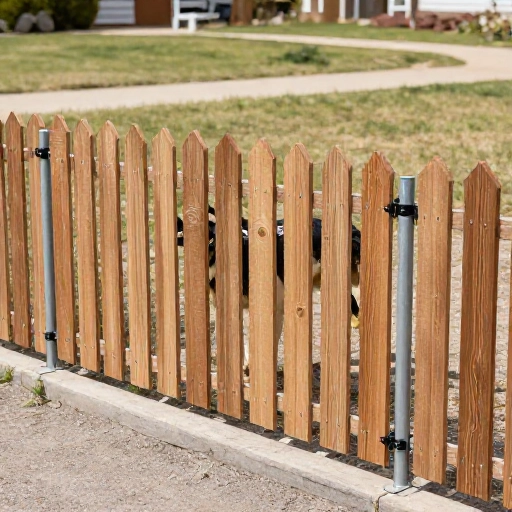
6. Bungee-Corded Mesh Gate for Porches
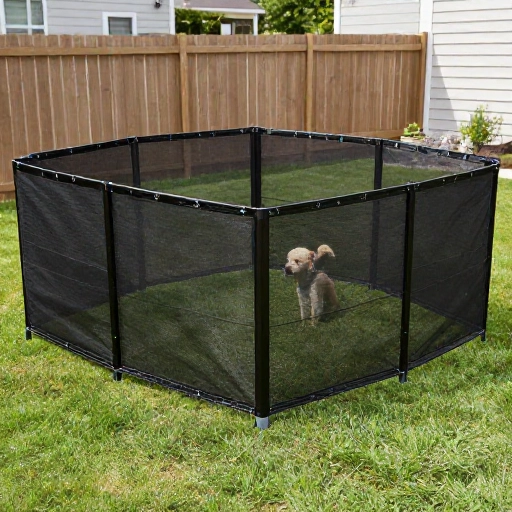
For porches, garages, and RV spots, I love a removable mesh gate. Use a piece of pet screen, shade cloth, or sturdy mesh fabric and stretch it across an opening.
Attach it with bungee cords, carabiners, or spring clamps to posts or railings. Add a few ground stakes at the bottom so your dog can’t push under it.
This is perfect when I want fresh air without my dog bolting. It’s not for unsupervised chewers, but it’s quick and packable.
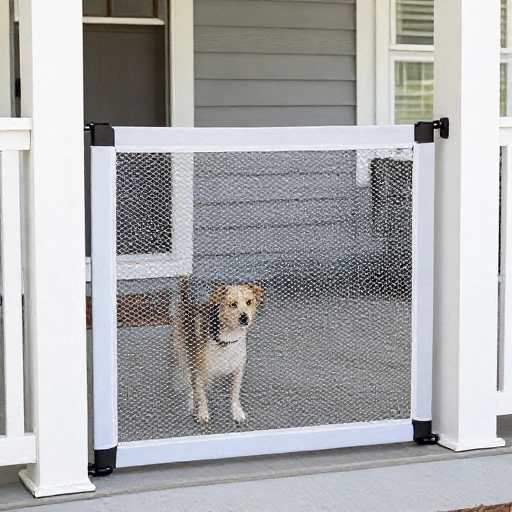
7. Trellis Panels as a Stylish Barrier
Wood or metal trellis panels can double as a pretty temporary dog fence. I zip-tie them together and lean them against the house, deck, or garden beds.
To keep them from falling, use L-brackets, planters, or sandbags at the base. Add chicken wire behind the trellis if your dog is small enough to slip through.
This is a nice option for patios because it looks like decor, not a construction zone. Just make sure the trellis is tall enough and not wobbly.
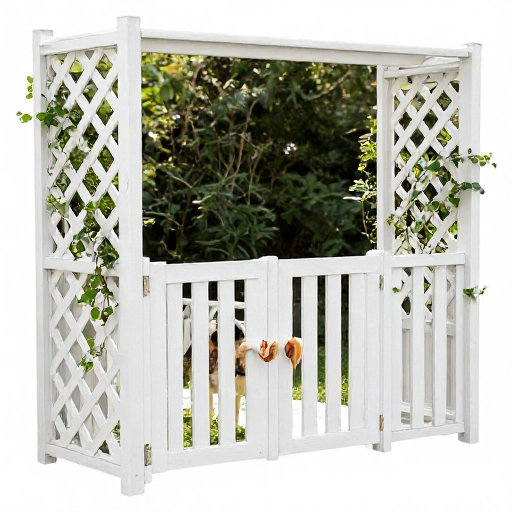
8. Portable Puppy Playpen with Stakes
A portable puppy playpen is basically a temporary fence in a bag. I look for one with ground stakes, a zippered door, and a removable top or shade cover.
Set it up on grass or patio, stake the corners, and add a water bowl and toy. It’s great for puppies, small dogs, and short supervised outdoor time.
For bigger dogs, choose a heavy-duty metal playpen instead of fabric. Fabric pens are light, but a determined dog can nose or chew through them.
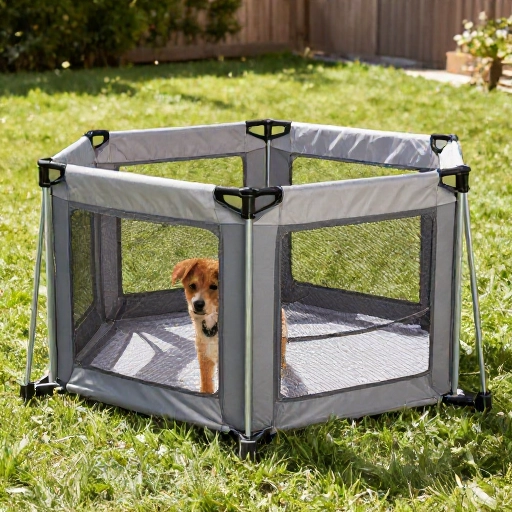
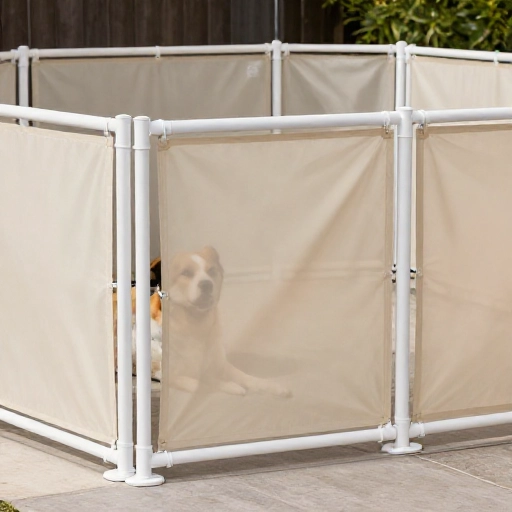
9. PVC and Shade Cloth Privacy Fence
If your dog gets barky or stressed by seeing the street, a PVC frame with shade cloth can help. Build simple PVC panels, then zip-tie shade cloth to one side.
Stake the panels down or connect them to a deck rail. The fabric blocks the view, which can calm dogs who fence-fight or patrol.
Leave a gap at the bottom for airflow, and never cover the whole yard—dogs still need to see and sniff. This is a visual barrier, so pair it with a sturdy lower fence if your dog pushes.
10. Baby Gates Zip-Tied for Indoor Zones
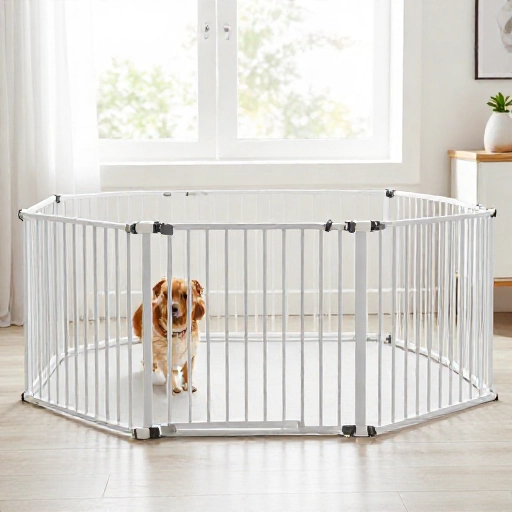
Indoor temporary fences count, too. I’ve zip-tied baby gates together to block a hallway, kitchen, or staircase landing without drilling into walls.
Use pressure-mounted gates or freestanding gate panels, and connect them with zip ties or gate connectors. Add non-slip pads under the feet so they don’t slide on hard floors.
This is my favorite for keeping a dog away from the front door or a Christmas tree. Check the height and bar spacing for your dog’s size, and never use a gate as a crate replacement.
Conclusion: Build a Temporary Dog Fence That Fits Your Real Life
The best DIY temporary fence for dogs is the one that matches your space, your budget, and your dog’s escape style. I start with the easiest option, watch how my dog reacts, and reinforce weak spots before leaving them alone.
Measure, anchor, and supervise. Even a simple zip-tied pen or no-dig garden fence can give you peace of mind—and give your dog a safe little zone to enjoy.
FAQ: DIY Temporary Fences for Dogs
How tall should a temporary dog fence be?
For most small dogs, 24–30 inches can work. Medium dogs usually need 36–48 inches, and jumpers need 4–6 feet or a top cover. Measure your dog’s shoulder height and add extra for jumping.
Can I use a temporary fence for a strong chewer?
Yes, but choose metal exercise pens, welded wire, or hardware cloth. Avoid flimsy plastic, fabric, and bird netting. Reinforce joints and check for chew spots often.
Will a temporary fence damage my rental yard?
No-dig options like plastic garden fence, exercise pens, and PVC panels are rental-friendly. If you use stakes, keep them small and fill holes with soil or sod after removing them.
How do I stop my dog from digging under the fence?
Line the bottom with pavers, bricks, or a folded section of wire mesh. You can also stake the fence tight to the ground and add a small trench-free apron.
Can I leave my dog alone behind a temporary fence?
Only if the fence is sturdy, anchored, and tested. I still supervise or use a camera for the first few days. Temporary fences are great barriers, but they’re not indestructible.