11 Training Tips Every Swiss Shepherd Owner Needs to Know
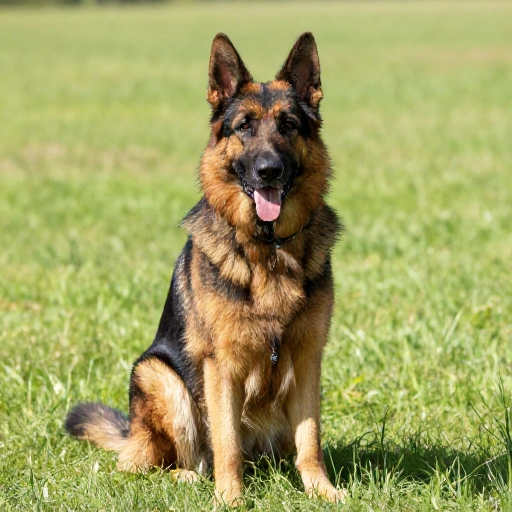
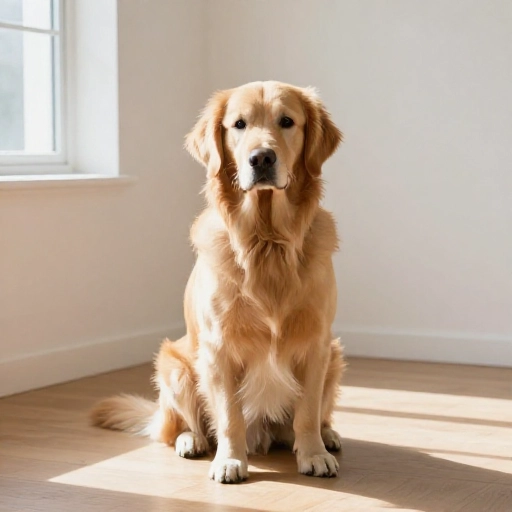
Bringing home a Swiss Shepherd is like gaining a shadow with a heartbeat. These dogs are smart, loyal, and full of energy. I remember the first week with my own Swiss Shepherd, Max. He was a fluffball of curiosity, but I quickly realized that training wasn’t just about teaching him to sit. It was about building a partnership.
Whether you have a puppy or an adult rescue, these training tips come from real-life experience. They are designed to help you and your dog understand each other better. No fancy jargon, just practical steps that work.
1. Start with the ‘Watch Me’ Game
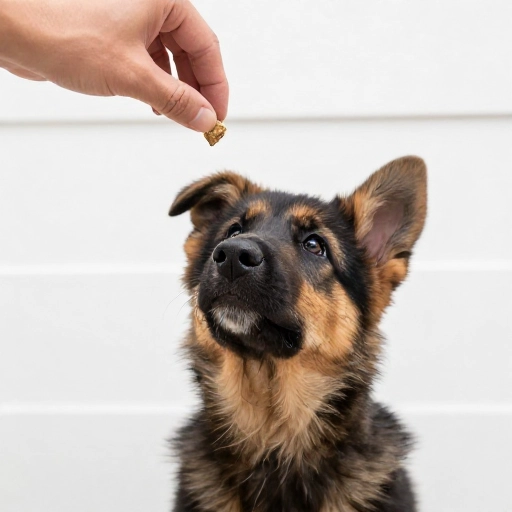
Before you teach any commands, teach your dog to focus on you. This is the foundation of everything. Hold a treat near your eye and say “Watch me.” When your Swiss Shepherd looks at your eyes, mark it with “Yes!” and give the treat.
Practice this in short bursts around the house. Once your dog locks eyes with you during distractions, you have a tool that makes all other training easier.
This simple game builds trust and attention. It also helps calm an excited puppy before a walk.
2. Use Their Herding Instincts to Your Advantage
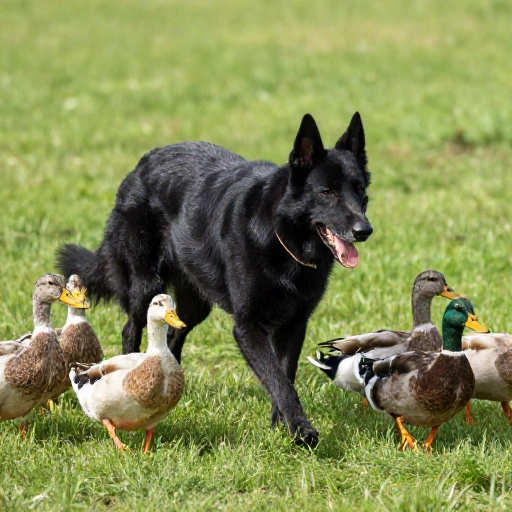
Swiss Shepherds were bred to work. They have a natural urge to move and control things. Use this in training by turning it into a game. Try a “round up” game where you walk in circles and reward your dog for staying close to your side.
You can also use a flirt pole. It mimics the movement of prey and taps into their drive. Let them catch it occasionally to keep the game rewarding.
Working with their instincts is far more effective than fighting against them.
3. Keep Training Sessions Short and Sweet
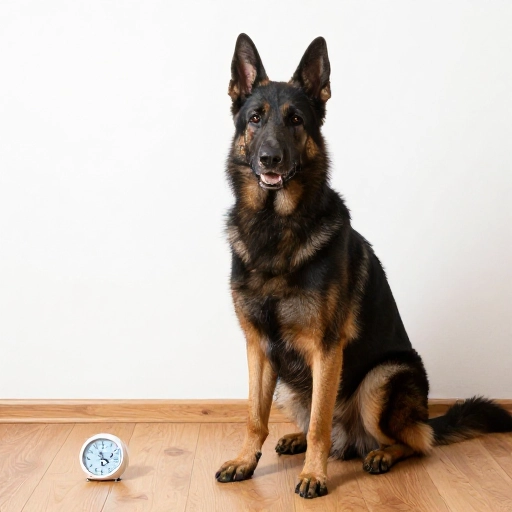
Long training sessions can bore or frustrate a Swiss Shepherd. They are smart and can get distracted if things drag on. Aim for five to ten minutes, two or three times a day.
End each session on a positive note. If your dog nails a trick, stop there. You want them to remember training as a fun, successful time.
Short sessions also fit easily into a busy day. You can practice sit while waiting for coffee or down before dinner.
4. Master the ‘Leave It’ Command Early
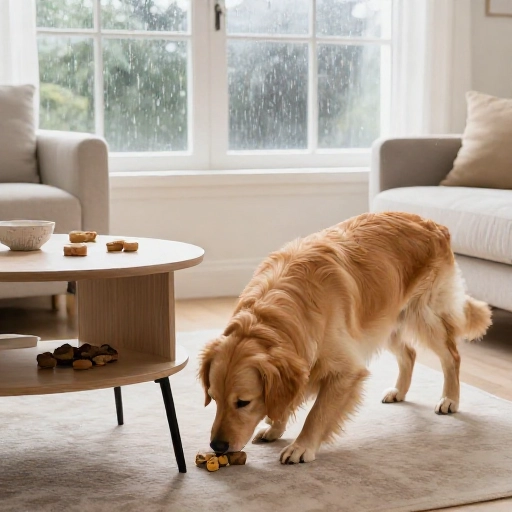
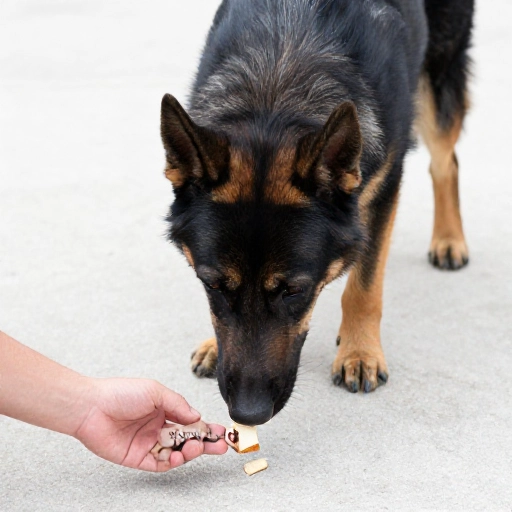
Swiss Shepherds have a strong prey drive. They might chase a squirrel or grab something off the ground. “Leave it” can be a lifesaver. Start by holding a treat in your closed fist.
When your dog sniffs or paws at it, ignore them. The moment they pull away or look at you, say “Yes!” and give a different treat from your other hand. Gradually move to tossing treats on the floor.
Practice this daily. It teaches impulse control, which is essential for a dog this strong and smart.
5. Socialize Beyond the Dog Park
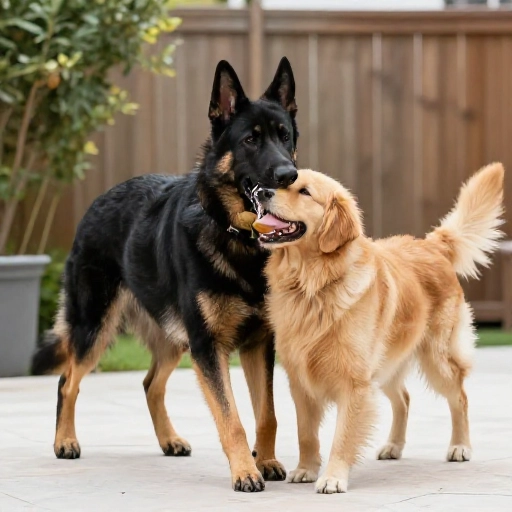
Dog parks can be overwhelming. Instead, focus on controlled socialization. Take your Swiss Shepherd to a quiet coffee shop patio or on a walk near a busy street. Let them watch the world calmly.
Invite calm, well-mannered dogs over for a structured playdate. Reward your dog for staying relaxed around new people and sounds.
The goal is a dog that can handle surprises without reacting. This builds a confident, steady companion.
6. Use a Long Line for Reliable Recall
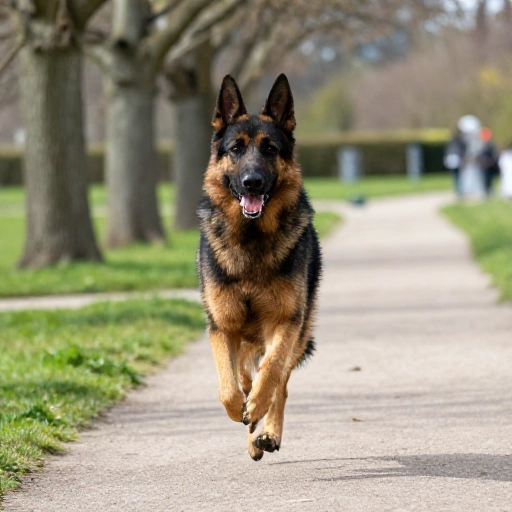
Recall is not always natural for Swiss Shepherds. They can get distracted by interesting scents. A long line (20 to 30 feet) gives them freedom while you stay in control.
Let them wander in a safe area. Call their name with an excited voice and run backwards. When they come to you, reward with high-value treats and praise.
Gradually use the long line in more distracting places. This builds a rock-solid recall over time.
7. Teach ‘Place’ for Calm Behavior
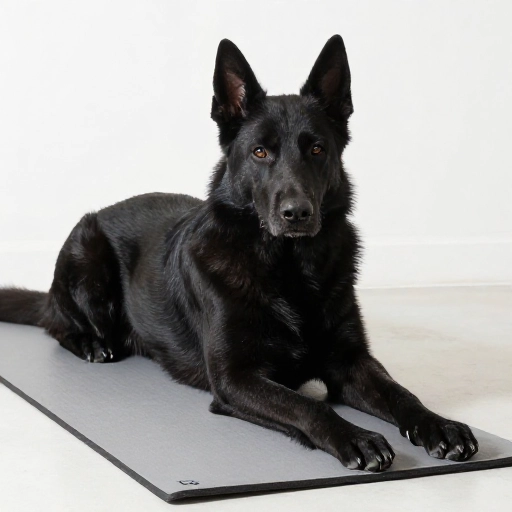
A Swiss Shepherd that doesn’t know how to settle can be exhausting. Teaching “place” gives them a job to do. Use a dog bed or mat. Lure them onto it with a treat, then say “Place.”
Reward them for staying on the mat for just a few seconds at first. Slowly increase the time. This becomes their safe spot when you have guests or need a quiet moment.
It also teaches them that calmness is rewarded. Over time, they will go to their mat on their own.
8. Be Consistent with Rules
If you don’t want your dog on the couch, never let them on the couch. If you let them jump up sometimes, they will get confused. Consistency is key for a breed that thrives on clear expectations.
Write down your household rules. Share them with everyone in your family. The dog learns faster when every person rewards the same behavior.
Mixed signals create a stressed dog. Clear rules create a calm one.
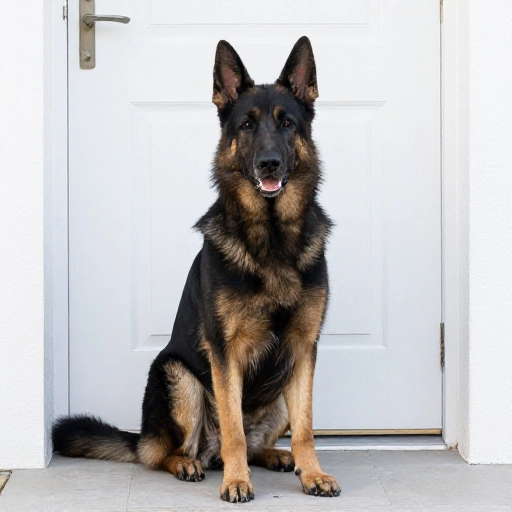
9. Make Training a Game
Swiss Shepherds love to think. Turn training into puzzles. Hide treats around the house and ask your dog to find them. Teach them to close a cabinet door or bring you a toy by name.
These mental games tire them out faster than physical exercise. A tired dog is a well-behaved dog.
Use a playful tone. Laugh when they make a mistake. Training should feel like fun, not a chore.
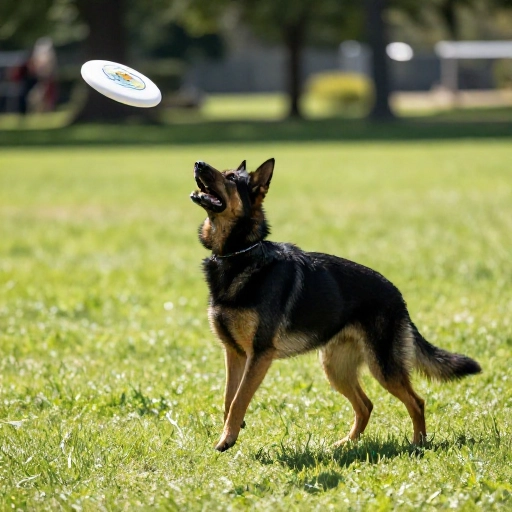
10. Don’t Skip Loose-Leash Walking
Walking a Swiss Shepherd that pulls is not fun. Start indoors or in a quiet yard. Stop walking the moment the leash goes tight. Only move forward when the leash is loose.
Reward your dog for checking in with you during the walk. Use a front-clip harness if needed. Consistency is everything here.
This takes patience, but the result is a peaceful walk where you both enjoy the scenery.
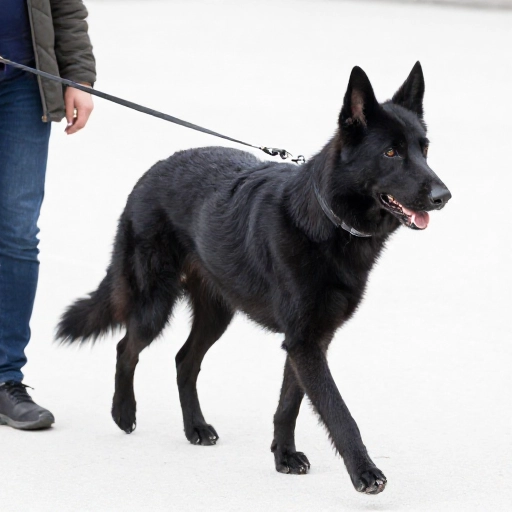
11. Embrace Their Sensitivity
Swiss Shepherds are sensitive souls. They do not respond well to harsh corrections. A loud voice or punishment can make them shut down or become fearful.
Use gentle guidance and positive reinforcement. If your dog is scared of something, don’t force them. Move at their pace and reward small steps forward.
Your calm energy sets the tone. When you stay patient, your dog stays confident.
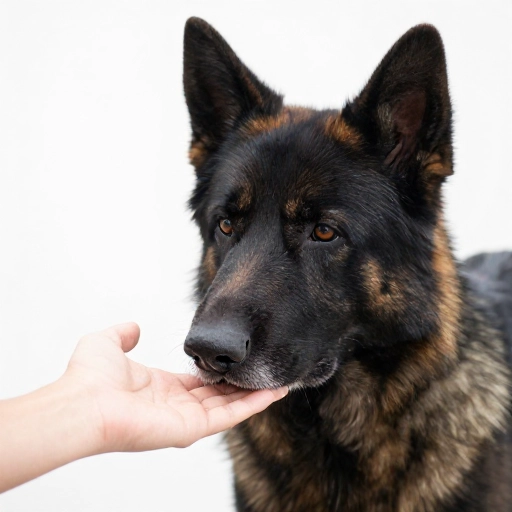
Conclusion
Training a Swiss Shepherd is a journey, not a destination. Some days will feel like you are making no progress. Then suddenly, your dog will do something amazing, and you will realize how far you have come.
Be patient with yourself and your dog. Celebrate the small wins. The bond you build through training will last a lifetime.
Frequently Asked Questions
How long does it take to train a Swiss Shepherd?
Basic obedience can take a few weeks of consistent practice. Advanced training and reliable behavior can take several months. Every dog learns at their own pace.
Are Swiss Shepherds easy to train?
Yes, they are very intelligent and eager to please. However, they can also be independent. Using positive, fun methods works best.
What is the best age to start training?
Start the day you bring them home. Puppies can learn simple commands at eight weeks old. Older dogs can learn new tricks at any age.
How much exercise does a Swiss Shepherd need?
They need at least an hour of exercise daily. Mental stimulation is just as important. Training sessions count as both.
Can I train my Swiss Shepherd without treats?
Yes, you can use praise, toys, or play as rewards. Treats are helpful for building new behaviors. Once a behavior is solid, you can phase treats out.