12 Black Cat Facts & Myths Explained

I’ve always had a soft spot for black cats. There’s something about their sleek, shadowy coats and those bright, knowing eyes that just draws me in. But let’s be honest—these beautiful creatures carry a lot of baggage. For centuries, they’ve been wrapped up in superstition, folklore, and a fair share of misunderstanding.
I remember growing up hearing whispers that a black cat crossing your path was bad luck. Then, as an adult, I met a little rescue panther named Binx, and everything I thought I knew changed. He was the sweetest, goofiest cat I’d ever known. That’s when I started digging into the real stories behind the myths.
So, let’s set the record straight. I’ll walk you through 12 of the most common black cat facts and myths, separating the spooky fiction from the wonderful, purring truth. You might just fall in love with these midnight-colored felines, too.
1. Myth: Black Cats Are Witches in Disguise
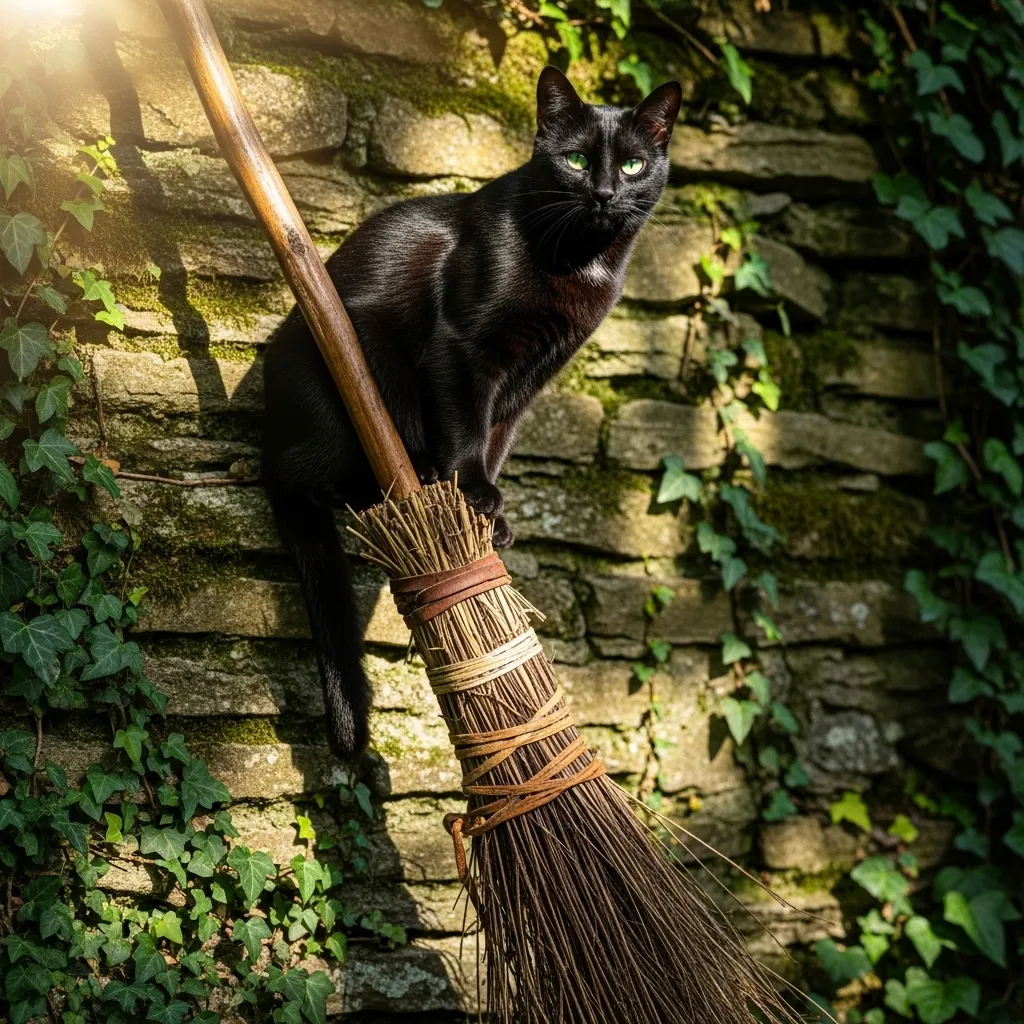
This is probably the oldest myth in the book. In medieval times, people believed that witches could transform into black cats to sneak around unnoticed. This was a quick way for a poor cat to get a bad reputation.
The truth is, this myth likely started because black cats are naturally stealthy at night. Their dark fur makes them hard to see, which probably seemed magical or suspicious to superstitious folks. In reality, they’re just cats—no broomsticks or spells involved.
I think it’s a shame because this myth led to a lot of unfair treatment. Today, we know they’re just regular cats with an incredible talent for blending into dark corners.
2. Fact: Black Cats Have Genetic Superpowers
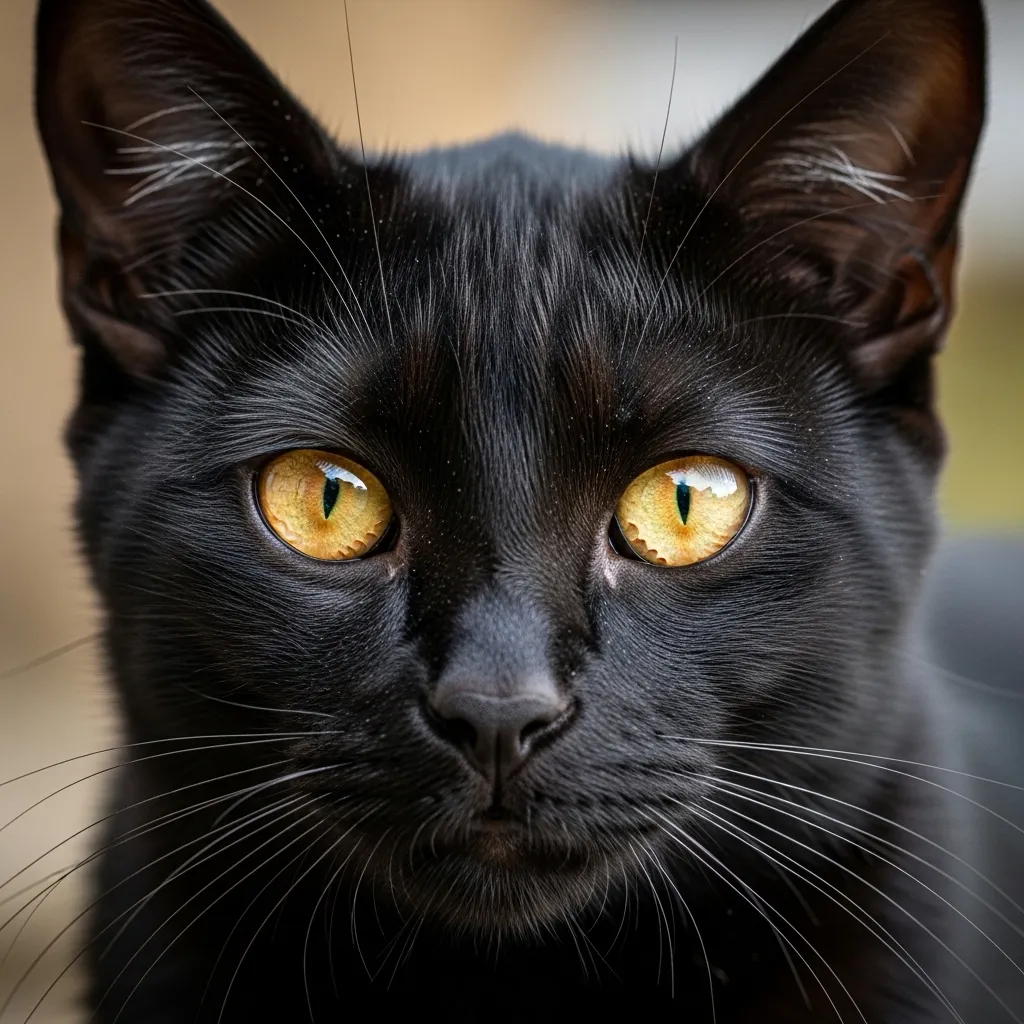
Here’s a cool scientific fact: the same gene that gives a black cat its dark coat is also linked to a stronger immune system. Yes, really. Studies have shown that the gene mutation responsible for black fur is related to disease resistance.
This means black cats may be less prone to certain illnesses than cats of other colors. It’s like they got a built-in health boost along with their beautiful coat. That’s a pretty amazing superpower if you ask me.
So, while they might not be witches, they do have a little bit of genetic magic working for them. It’s one of those facts that makes me appreciate them even more.
3. Myth: A Black Cat Crossing Your Path Brings Bad Luck
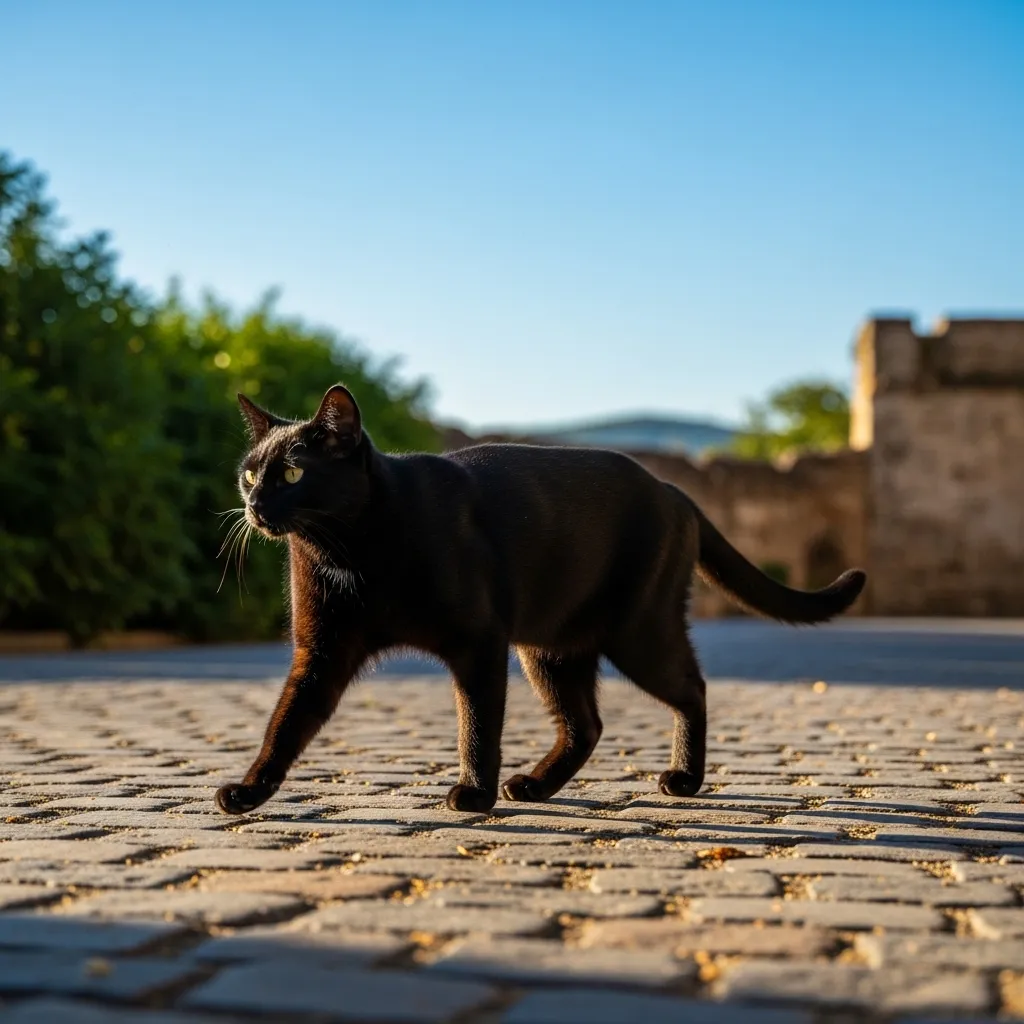
We’ve all heard this one. It’s ingrained in so many cultures. You’re walking along, a black cat darts in front of you, and suddenly you’re worried about your day going downhill.
But here’s the twist: in many parts of the world, it’s actually good luck. In Japan, a black cat crossing your path is a sign of good fortune. In Scotland, finding a strange black cat on your doorstep means prosperity is coming your way.
So, it really depends on where you live. Personally, I think any cat crossing your path is a moment of good luck—it’s a chance to see a beautiful animal doing its thing.
4. Fact: Black Cats Are Often Overlooked in Shelters
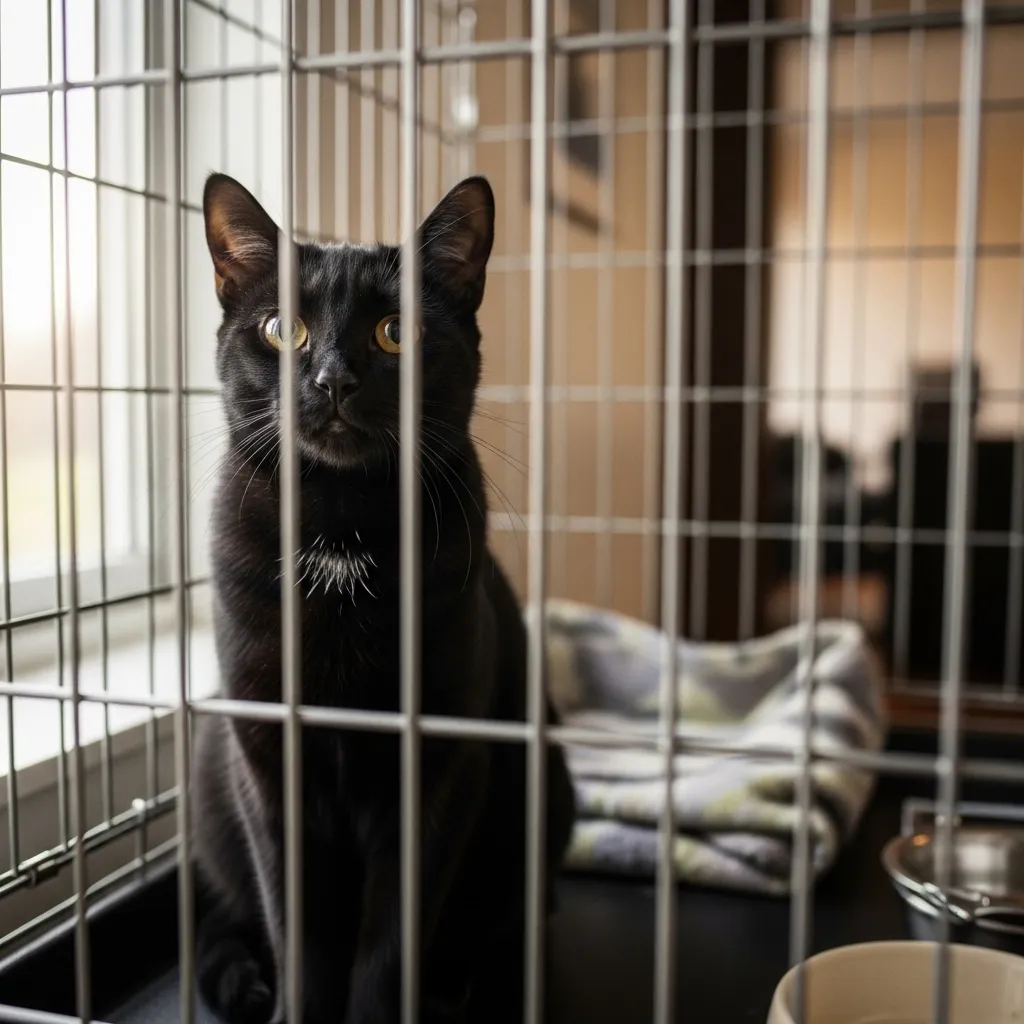
This is a sad but true fact. Because of all the old superstitions, black cats are frequently the last to be adopted from animal shelters. They get passed over for lighter-colored cats, especially around Halloween.
Some shelters even have “Black Cat Appreciation Days” to help change this. It’s heartbreaking because they are just as loving, playful, and loyal as any other cat. They just have a harder time finding a forever home.
If you’re thinking about getting a cat, I’d gently suggest giving the black ones a second look. They have so much love to give, and they often have the sweetest personalities.

5. Myth: Black Cats Are Associated with Satan
This myth goes way back to the Middle Ages, when people were terrified of anything they didn’t understand. Black cats were linked to the devil and dark magic, largely because of their color and nocturnal habits.
This is pure superstition with no basis in reality. Cats don’t have any religious or spiritual affiliations. They’re simply animals who care about food, naps, and chin scratches. The whole Satan connection is a historical misunderstanding.
It’s wild how long this myth has stuck around. I think it says more about human fears than it does about cats.
6. Fact: Their Fur Can Change Color
Did you know a black cat’s coat can actually change color over time? It’s true. If a black cat spends a lot of time in the sun, their fur can develop a rusty, reddish-brown tint.
This happens because the sun bleaches the melanin in their fur, just like it lightens human hair. You might also see “ghost stripes” appear when the light hits them just right. These are called “ghost tabby markings.”
It’s a little reminder that even the most solid color can have hidden layers. I think it makes them even more interesting to look at.
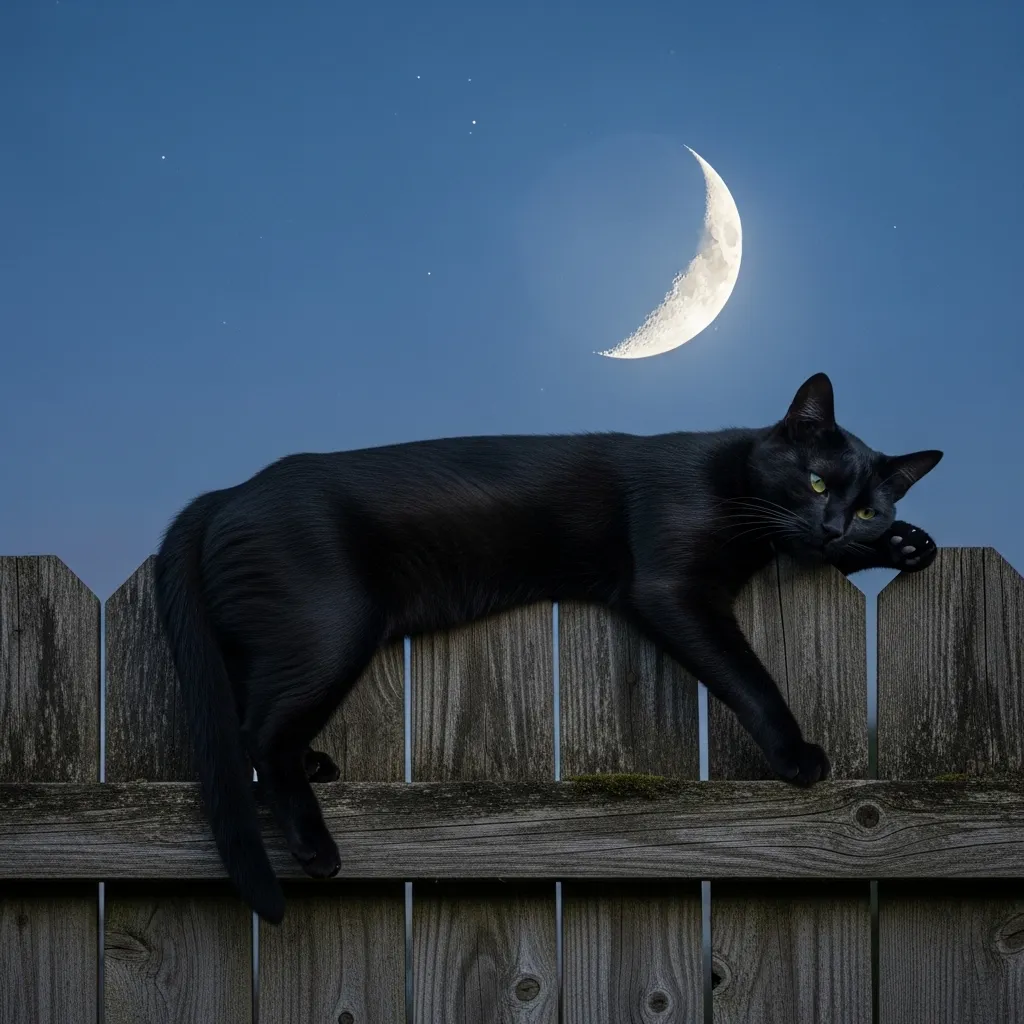
7. Myth: Black Cats Are Unfriendly or Aloof
Some people think black cats are more standoffish or moody than other cats. I’ve heard people say they have “witchy” attitudes. Honestly, that’s just a personality stereotype with no evidence to back it up.
A cat’s personality has nothing to do with its fur color. It’s all about their upbringing, environment, and individual temperament. I’ve met black cats who are cuddly lap cats, and others who are energetic troublemakers.
Basically, don’t judge a cat by its color. Each one is a unique little character, just like any other pet.
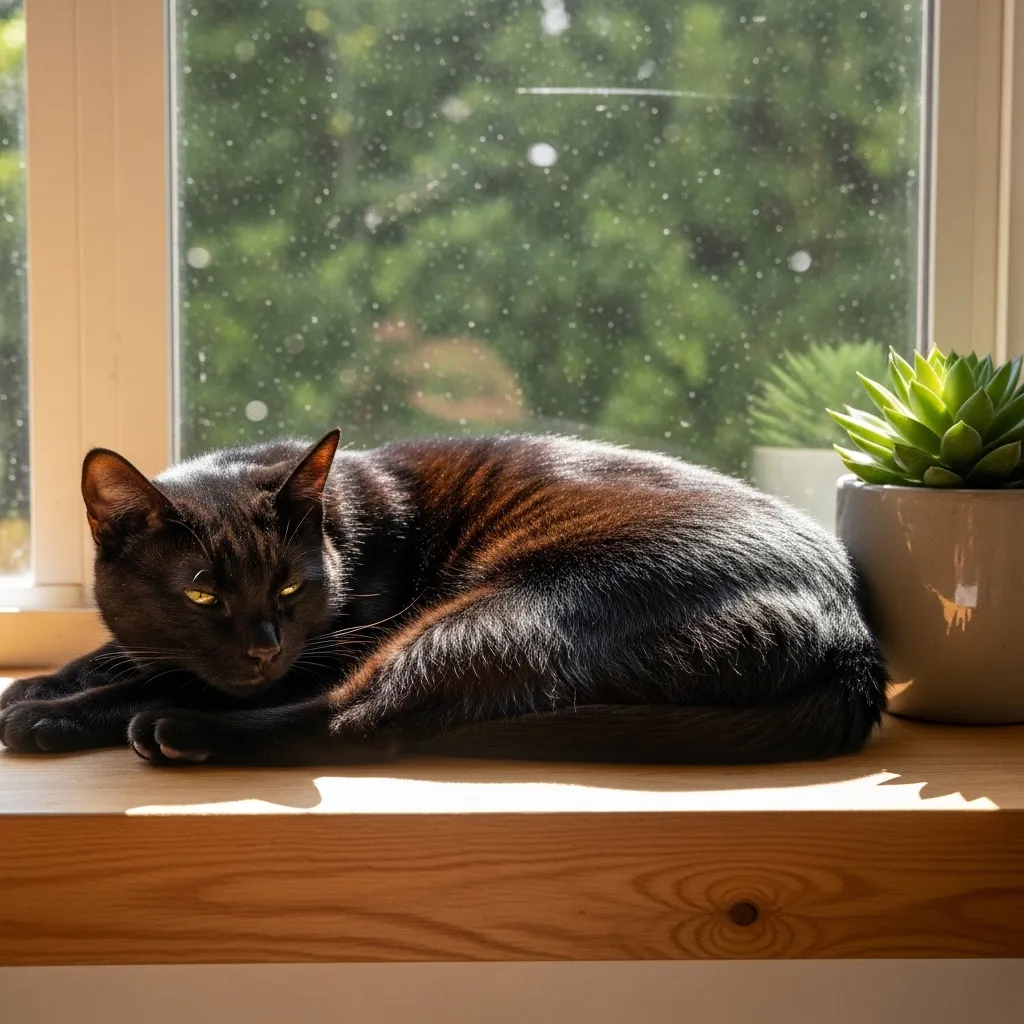
8. Fact: Black Cats Are Pirates’ Good Luck Charms
Here’s a fun historical fact that flips the superstition on its head. In the 16th and 17th centuries, pirates believed that black cats brought good luck. Some even thought a black cat walking toward you meant you’d find treasure.
There’s even a story that a pirate’s family cat was worth a small fortune. If you had one on your ship, it was seen as a sign of protection. This is a much happier myth than the witch one, don’t you think?
I love this one because it shows how the same animal can be seen completely differently depending on the context.
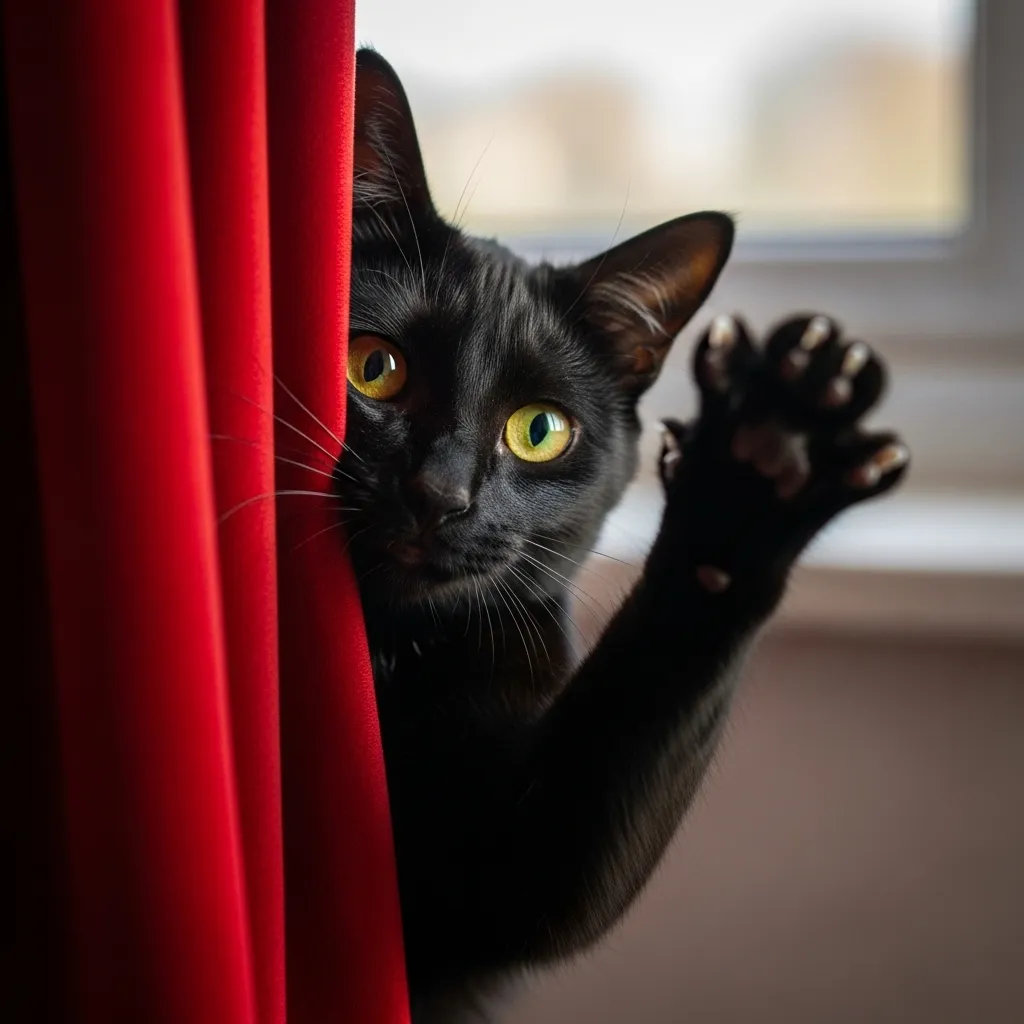
9. Myth: Black Cats Are Hard to See at Night
Okay, this one is technically true, but it’s not a myth about their personality. Black cats are harder to see in the dark, which is why they’re so good at sneaking up on you. But people sometimes use this to say they’re “spooky.”
The reality is, all cats are great at moving silently. Their dark fur just makes them extra stealthy. It’s actually a survival advantage for them in the wild, helping them hunt and hide from predators.
So yes, you might trip over them in a dark hallway. But it’s just their natural camouflage, not a ghostly trick.
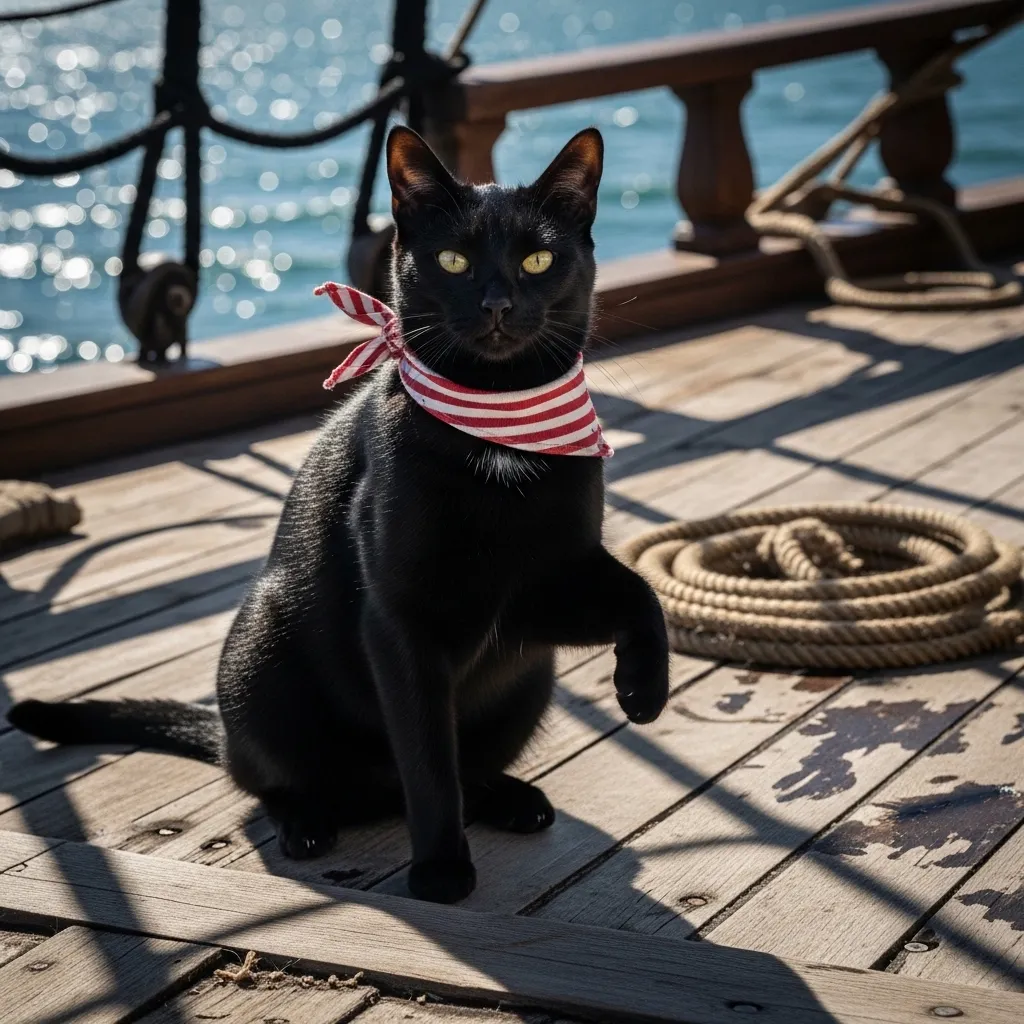
10. Fact: Black Cats Are Considered Royal in Some Cultures
While some cultures fear them, others revere them. In ancient Egypt, cats of all colors were worshipped, but black cats were especially prized. The goddess Bastet, who was the goddess of home, fertility, and protection, was often depicted as a lioness or a cat.
In some parts of France and the UK, giving a black cat as a wedding gift is still considered a sign of good luck for the new couple. That’s a much nicer tradition than avoiding them.
It’s a good reminder that the meaning we assign to animals is entirely cultural. A black cat can be a symbol of royalty just as easily as a symbol of bad luck.
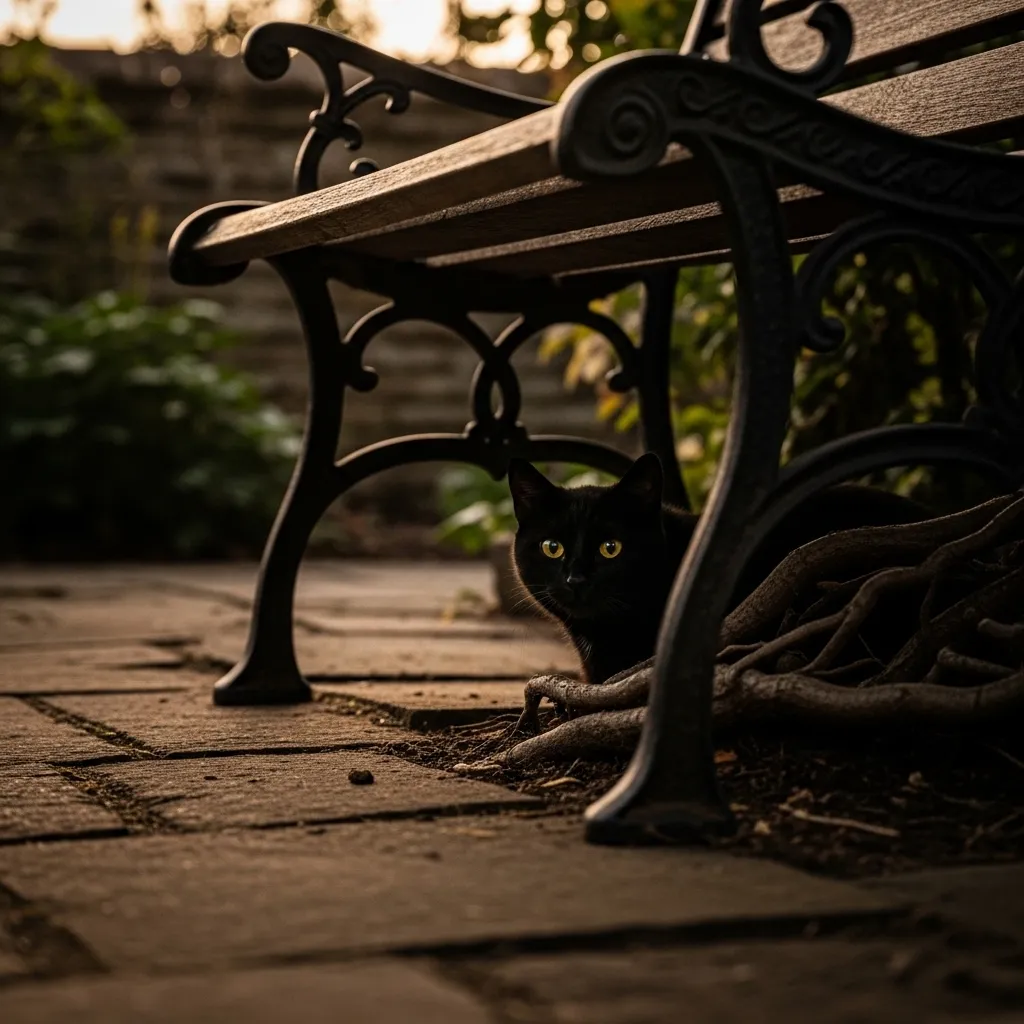
11. Myth: Black Cats Only Belong at Halloween
This is a modern myth that still hurts them today. Many people only think about black cats during October. Some shelters even stop adopting out black cats around Halloween because of concerns they might be used for pranks or rituals.
But black cats are not Halloween decorations. They are living, breathing animals who deserve love all year round. They don’t exist just to be a spooky aesthetic for one month of the year.
It’s important to see them as the wonderful pets they are, not just a seasonal symbol.
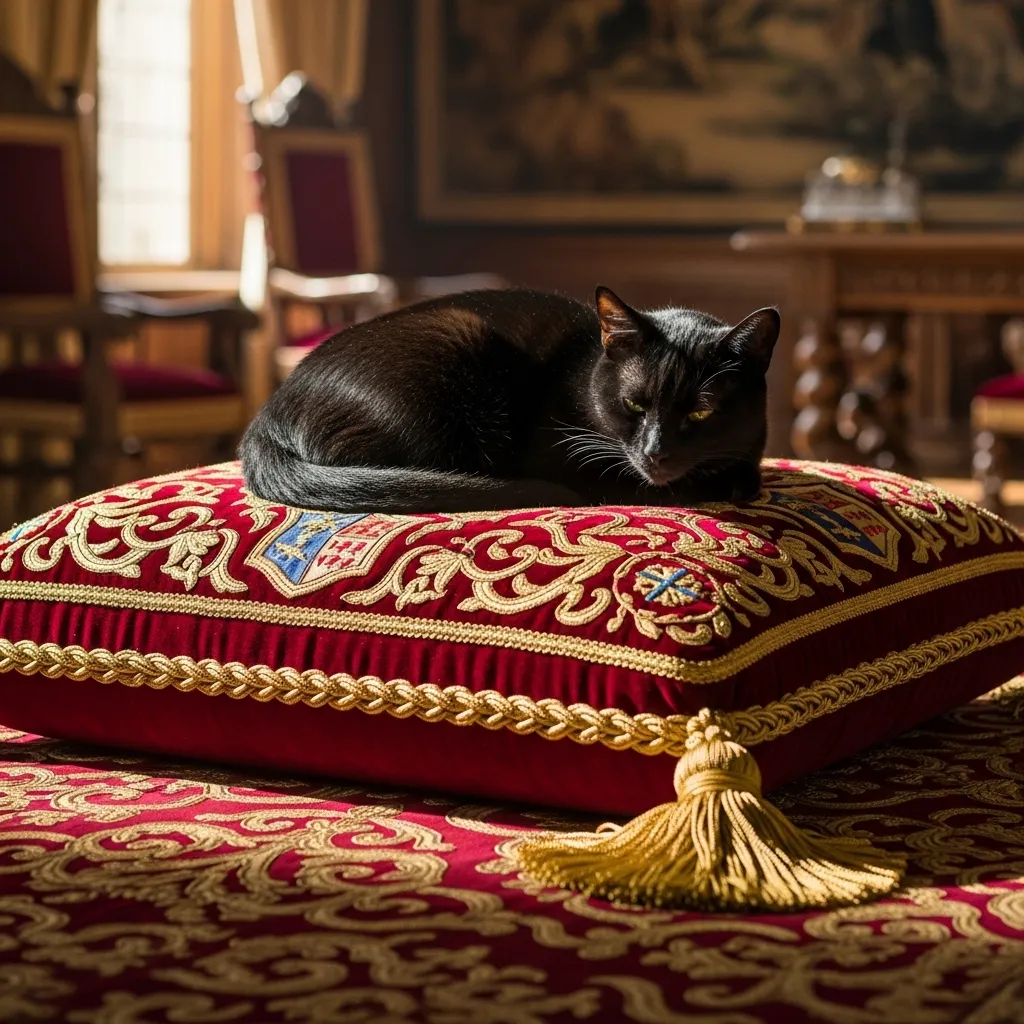
12. Fact: Black Cats Are Just Like Any Other Cat
At the end of the day, the biggest fact is that black cats are simply cats. They purr, they meow, they knock things off tables, and they curl up in your lap. Their fur color is just a cosmetic detail.
They have the same needs, the same quirks, and the same capacity for love as any orange tabby or calico. The myths are just stories we tell ourselves. The truth is much simpler and much sweeter.
If you give a black cat a chance, you’ll find a loyal friend who doesn’t care about superstition—they just care about you.
Conclusion
So, there you have it. Black cats are surrounded by a fascinating mix of myth and fact. They’ve been both feared and revered, but the truth is they are just wonderful, ordinary cats with an extraordinary history.
I hope this article has cleared up some of the old tales and maybe even made you see these dark-furred felines in a new light. Next time you see a black cat, whether it’s crossing your path or lounging in a window, give them a little smile. They deserve it.
And if you ever have the chance to adopt one, don’t hesitate. You might just find your new best friend.
Frequently Asked Questions
Are black cats really bad luck?
No, not at all. That’s just an old superstition. In many cultures, they are actually considered good luck. A cat’s color has nothing to do with your fortune.
Why are black cats harder to adopt?
Sadly, it’s because of lingering superstitions and the fact that they don’t photograph as well for online listings. Many people overlook them in shelters for these unfair reasons.
Can black cats have stripes?
Yes! Many black cats have “ghost stripes” that become visible in bright sunlight. They are technically black tabbies, but the stripes are usually hidden by the dark pigment.
Do black cats live longer than other cats?
There is some evidence that the gene for black fur is linked to a stronger immune system, which might help them fight off certain diseases. But it’s not a guarantee of a longer life.
Is it safe to adopt a black cat around Halloween?
It is safe as long as you are a responsible owner. Many shelters pause adoptions during this time to protect the cats, but if you have a good home, it’s fine. Just be mindful of keeping them indoors during the holiday.