12 Clever Yard Separation Ideas for Multiple Dogs (Peaceful Playtime Guaranteed!)
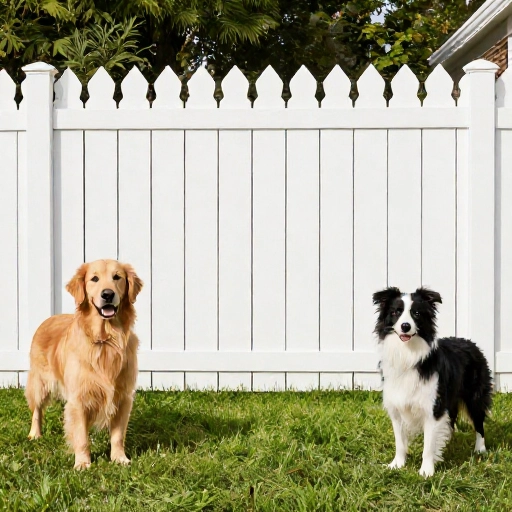
If you share your home with more than one dog, you know the backyard can turn into a wrestling ring fast. One pup wants to sprint, another wants to guard the fence line, and suddenly every potty break feels like a referee job. I’ve been there, and I’ve tried everything from tangled leashes to frantic recall sessions.
The good news? You don’t need a massive property or a professional contractor to create calm, separate spaces. With a few smart yard separation ideas, you can give each dog its own zone for play, training, and quiet time. Here are 12 ideas that actually work for multi-dog homes.
1. Split the Yard with a Classic Picket or Privacy Fence
A permanent fence is the gold standard when you want clear, reliable separation. I like a picket fence for sightlines and a privacy fence for dogs who get reactive when they see each other. You can divide the yard into two or three zones based on energy levels, size, or personality.
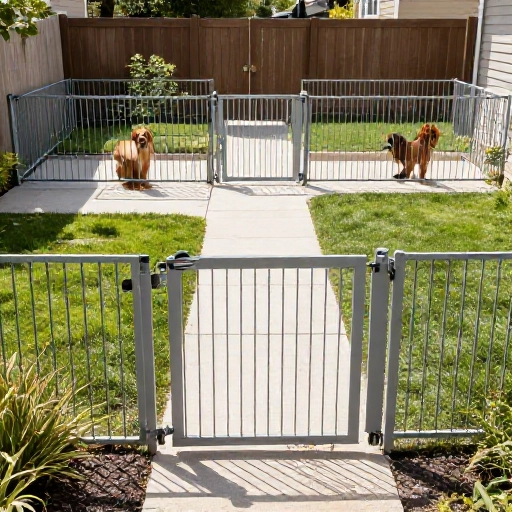
Plan gates so you can move between sections without letting everyone rush through at once. A double-gate setup at the main entrance makes a huge difference. It gives you a buffer zone for leashing up or calming an excited dog before opening the next gate.
If you’re handy, install the fence yourself with pre-built panels. If not, a contractor can usually finish a simple split in a weekend.
2. Use a Temporary Wire or Mesh Fence for Renters
Renting doesn’t mean you’re stuck with chaos. Temporary wire or mesh fencing is lightweight, affordable, and easy to move when you relocate. I’ve used it to create a small potty area for my senior dog while my younger dog got the bigger play space.
Look for panels with sturdy posts and a height that matches your tallest dog’s jump. Zip ties and ground stakes keep everything secure. You can also add a gate panel so you’re not stepping over the fence every time.
Just check your lease first, and avoid digging if you can’t put holes in the ground. Weighted bases or sandbags can hold panels in place on patios and decks.
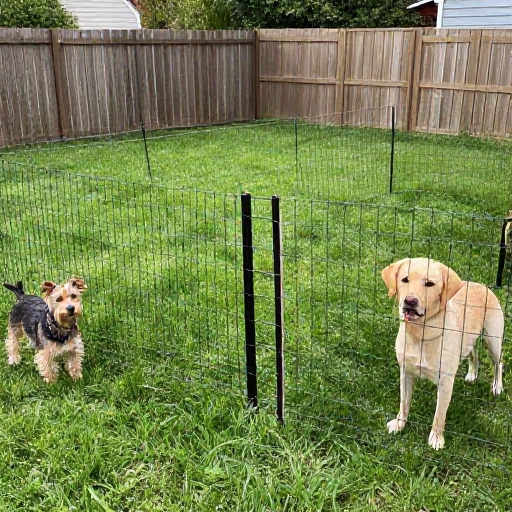
3. Create a Double-Gated Dog Run
A dog run is a narrow, secure lane where one dog can sprint, sniff, or relax without crossing paths with the others. The magic is in the double gate: one gate leads into the run, and another leads out to the main yard. That way, you never open a gate directly into “free-for-all” space.
I like to place a dog run along the side of the house where it’s out of the way. Add a shaded area, a water bowl, and a durable toy or two. This becomes a perfect time-out zone or a safe spot for a dog who needs a break from the group.
For multi-dog homes, a dog run also makes potty breaks faster. You can rotate dogs in and out without leashing everyone at once.
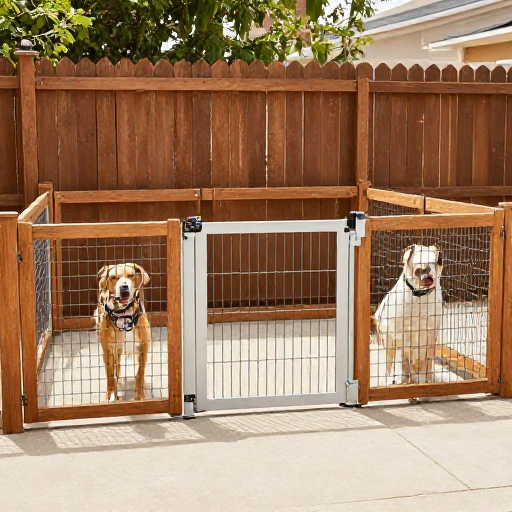
4. Install DIY Pallet or Plexiglass Dividers
If you want a separation idea that’s cheap, fast, and a little bit clever, try pallets or plexiglass. Wooden pallets can be sanded, sealed, and stood upright as a short visual barrier. They’re great for blocking fence-fighting between two dogs who just can’t stop staring at each other.
Plexiglass panels are another option. They let light through while stopping nose-to-nose contact. I’ve seen them used on decks and patios to divide a small space into two calm zones.
Make sure whatever you use is tall enough and anchored well. A determined dog can push over a flimsy divider in seconds. Add brackets, posts, or heavy planters at the base for stability.
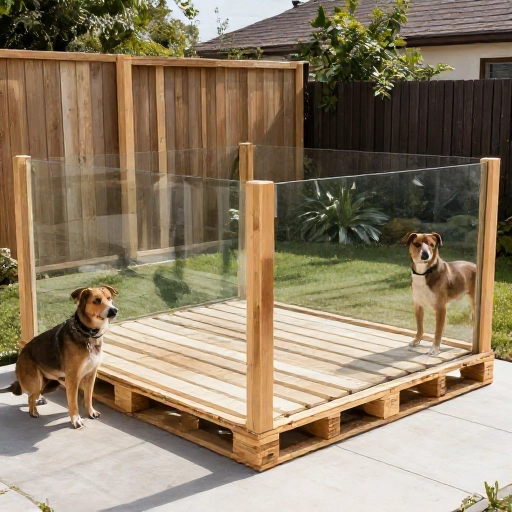
5. Use Raised Garden Beds as Natural Barriers
Raised garden beds do double duty: they grow your tomatoes and they block your dogs from charging through the middle of the yard. I love this idea because it looks intentional and keeps the space from feeling like a kennel.
Arrange beds in a line to create a clear boundary between two play areas. Leave a walkway on each side so you can still move around. The height of the beds—usually 12 to 18 inches—is enough to slow down most dogs and give them a visual cue that the space is divided.
Choose pet-safe plants and avoid toxic options like sago palm or azaleas. If your dog likes to dig, line the bottom of the beds with hardware cloth.
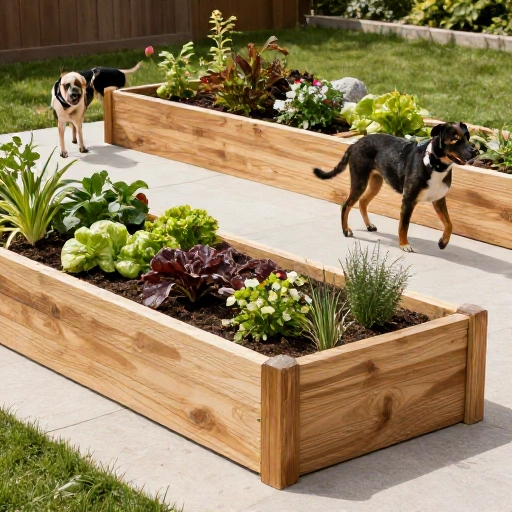
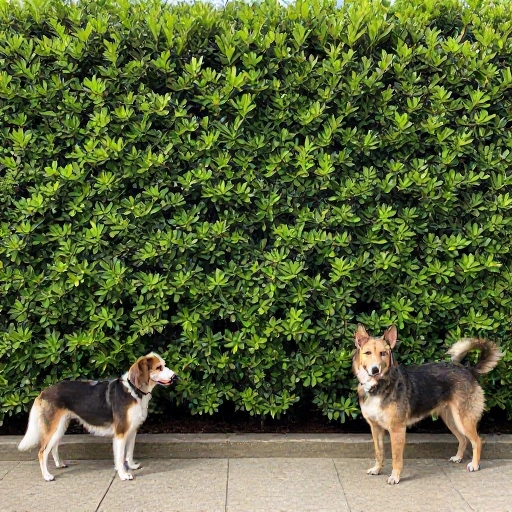
6. Add a Solid Hedge or Shrub Border
A living hedge is one of the prettiest yard separation ideas for multiple dogs. It blocks sightlines, absorbs some noise, and creates a natural cooling effect in summer. I’ve used boxwood, privet, and bamboo (in contained planters) to divide a yard into calm sections.
Plant the hedge along the line where you want the dogs to stay separated. Give it a year or two to fill in, and keep it trimmed to the height you need. For instant results, buy larger shrubs instead of tiny starters.
Remember that some dogs will try to push through gaps. Add a low wire fence inside the hedge until it’s thick enough to hold its shape.
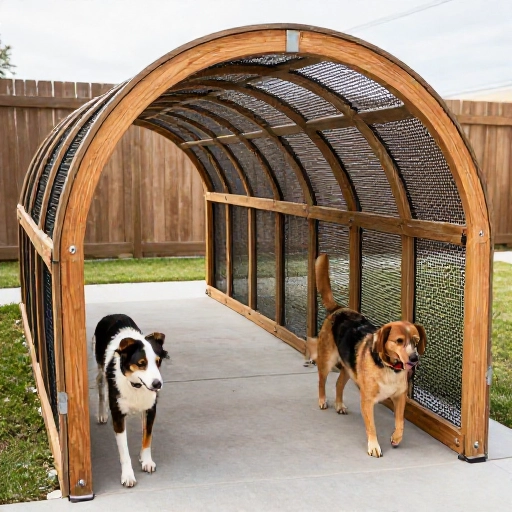
7. Build a Tunnel or Covered Walkway Between Zones
This one is a game-changer for dogs who get overstimulated by seeing each other. A tunnel or covered walkway gives you a way to move a dog from one zone to another without a full visual confrontation. It can be as simple as a row of tall planters with a shade cloth overhead.
I’ve also seen people use a chain-link dog run with a solid roof panel to create a “hallway” between the front and back sections of the yard. The dog walks through, and the other dogs can’t make direct eye contact.
It sounds fancy, but you can DIY it with PVC pipes, shade sails, and zip ties. The goal is calm transitions, not perfect architecture.
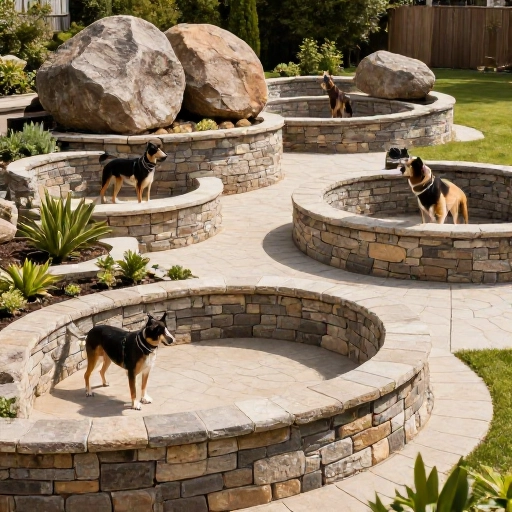
8. Use Decorative Retaining Walls or Boulders
If your yard has a slope or different levels, retaining walls and boulders can separate spaces while looking like part of the landscape. I used a low stone wall to divide a grassy play area from a gravel potty zone, and my dogs learned the boundary fast.
Boulders are great for dogs who like to perch and survey their kingdom. They also create a physical barrier that’s too heavy to push over. Just make sure the rocks are stable and won’t roll if a dog jumps on them.
For a cleaner look, add a row of pavers or a small step between levels. That gives you a safe walking path and reinforces the separation.
9. Set Up Indoor/Outdoor Crate-and-Run Zones
Sometimes the best separation isn’t a fence at all. It’s a crate-and-run setup where each dog has its own indoor crate that opens to a small outdoor run. This works beautifully for dogs who need quiet time away from each other but still want fresh air.
You can build a simple run with wire panels attached to a dog door or a crate. Each dog gets its own little patio. I’ve used this for a reactive dog who needed to see the yard without being in the middle of it.
Add shade, bedding, and a water bucket that can’t be tipped. Rotate dogs through the main yard so everyone gets exercise and one-on-one time.
10. Create a Visual Barrier with Tall Grasses
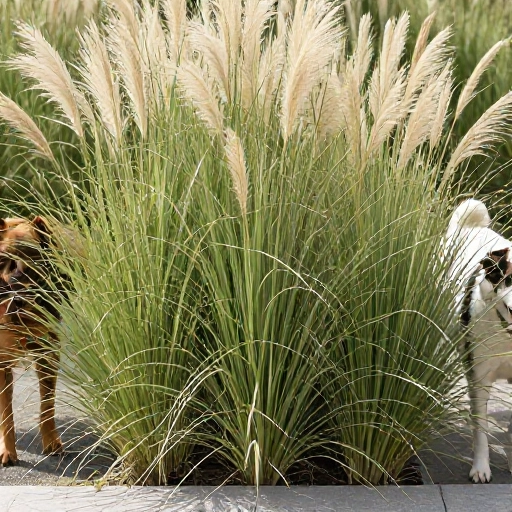
Tall ornamental grasses are a soft, natural way to block your dogs’ view of each other. They sway in the wind, add texture, and don’t look like a prison fence. I planted pampas grass and fountain grass along a shared fence line, and it cut down on barking almost immediately.
Grasses work best as a supplement to a real fence, not a replacement. Dogs can still run through them if they’re determined. Plant them in a thick row, and add a low edging to keep the roots from spreading.
In winter, the grasses may die back and lose their screening power. Mix in evergreen shrubs if you need year-round separation.
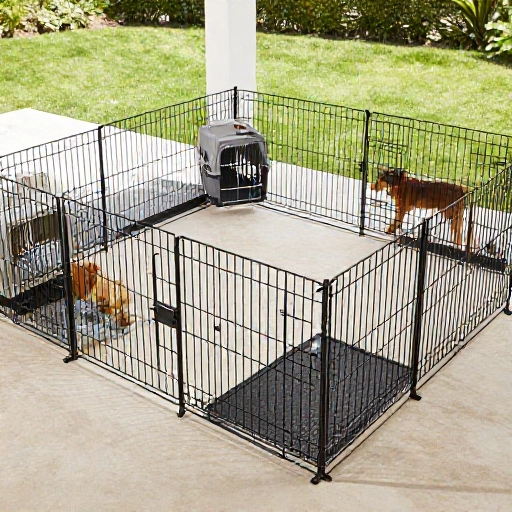
11. Use Movable Pens and Exercise Pens for Flexibility
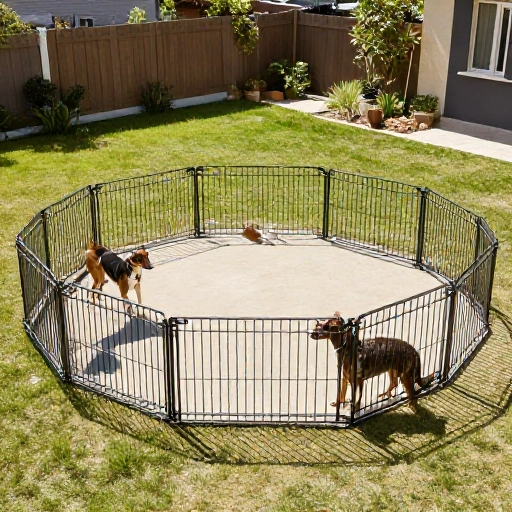
Movable exercise pens are my favorite tool for multi-dog homes because they change with your needs. One day you need a puppy zone, the next day you need a recovery area for a dog with a minor injury. Pens clip together in minutes and fold flat for storage.
I keep a set of tall wire pens and a few ground stakes in the garage. When two dogs need to be outside at the same time but not together, I set up two separate pens. Each dog gets a toy, a bowl, and a shaded corner.
Look for pens with a door panel so you can reach in without stepping over. If you have a jumper, add a top panel or use a taller pen.
12. Rotate Zones with a Schedule and Gates
The cleverest separation idea isn’t a physical structure—it’s a system. Create a rotation schedule where each dog gets time in the main yard, the side run, or the quiet zone. Use gates and visual markers to make the routine clear for everyone, including you.
I write the schedule on a whiteboard by the back door. Dog A gets 30 minutes in the big yard while Dog B relaxes in the dog run. Then we swap. This prevents boredom, reduces resource guarding, and gives every dog solo time with me.
Add a few “neutral” zones where no dog stays for long, like a potty strip or a training pad. That keeps the energy moving and stops one dog from claiming the whole yard.
Final Thoughts: Pick What Fits Your Pack
You don’t have to try all 12 yard separation ideas at once. Start with the one that solves your biggest headache, whether that’s fence-fighting, potty-time chaos, or a puppy who needs a safe zone. A few simple changes can turn your backyard from a stress zone into a happy place for every dog.
My best advice? Watch how your dogs move through the yard, then build around their natural habits. The right separation setup should feel calm, not complicated.
FAQ: Yard Separation for Multiple Dogs
Q: What is the best temporary yard divider for multiple dogs?
A: Tall wire exercise pens or mesh fence panels with ground stakes. They’re affordable, movable, and easy to store when not in use.
Q: How do I stop my dogs from seeing each other through the fence?
A: Add a visual barrier like privacy slats, shade cloth, tall grasses, or a solid hedge. Even a few inches of blockage can reduce barking and fence-fighting.
Q: Can I use plants to separate my dogs in the yard?
A: Yes. Raised beds, hedges, and tall ornamental grasses work well. Just avoid toxic plants and add a low fence if your dogs like to push through greenery.
Q: How wide should each dog’s yard section be?
A: It depends on breed and energy level. A small potty zone can be 4 x 6 feet, but a play area for a high-energy dog should be at least 10 x 20 feet if possible.
Q: What if my dogs still bark at each other through the barrier?
A: Add more visual blockage, rotate them separately for a while, and reward calm behavior. Sometimes a short training session with treats on each side of the barrier helps them relax.