12 Cozy Dog Room Ideas for Garage Conversions

I’ve always believed that our dogs deserve a space that’s just as cozy and personal as our own living rooms. When I first thought about converting my garage into a dedicated dog room, I was a bit overwhelmed. Would it feel like a kennel? Would my pup actually use it?
Let me tell you—after some trial and error (and yes, a few design mistakes), I found that a garage conversion can be the coziest, most practical gift you can give your furry friend. It keeps the main house clean, gives your dog a quiet retreat, and honestly, it’s a fun project to tackle.
Whether you have a small garage or a spacious one, here are twelve cozy dog room ideas that will make your garage feel like a five-star pet suite. No fancy tools required—just a little love and some smart planning.
1. Start with a Soft, Washable Floor
Concrete garage floors are cold and hard. Your dog’s joints will thank you for adding a soft layer. I used interlocking foam mats—they’re cheap, easy to clean, and come in fun colors. Just make sure they’re non-slip.
Another option is indoor-outdoor carpet tiles. They feel plush under paw but can be hosed down if accidents happen. Pro tip: buy a few extra tiles for quick swaps.
2. Create a Nook with a Raised Dog Bed
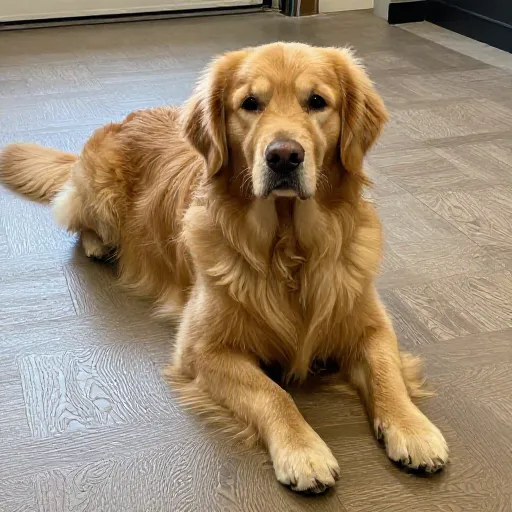
Dogs love having a designated spot that feels like a den. I built a simple raised platform bed from wood pallets. It keeps my pup off the cold floor and gives him a clear “this is my spot” vibe.
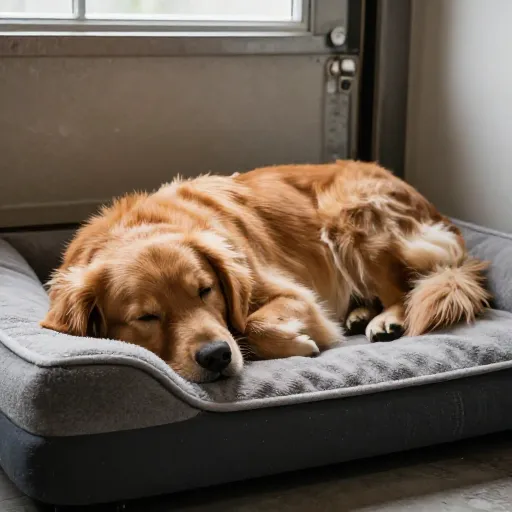
Add a thick, washable cushion and maybe a soft throw blanket. My dog curls up there every time he wants a nap—it’s his favorite corner now.
3. Install a Wall-Mounted Water Station
Spilled water bowls are the enemy of a cozy garage. I swapped our floor bowl for a wall-mounted dispenser. It keeps the water fresh, doesn’t tip over, and saves floor space.
Bonus: you can add a small drip tray underneath. It’s one less thing to clean, and your dog always has access to clean water.

4. Add Warm, Dimmable Lighting
Garage lights are usually harsh. I switched to a dimmable LED strip or a simple floor lamp with a warm bulb. Soft lighting makes the space feel like a cozy den, not a workshop.
If you don’t want to rewire, use plug-in fairy lights or a salt lamp. My dog actually seems more relaxed when the lighting is low—perfect for evening snuggles.
5. Build a Built-In Toy Storage
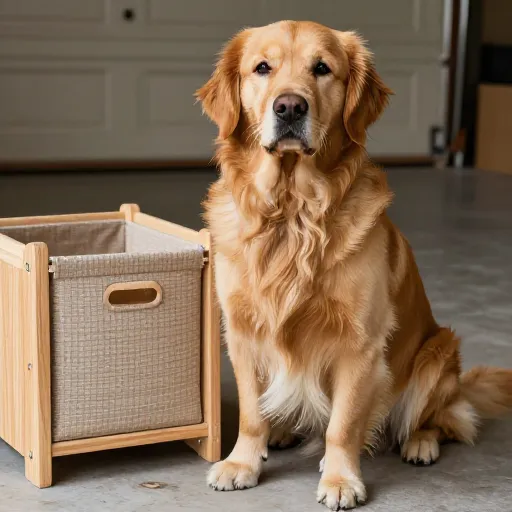
Toys everywhere? I feel you. I installed a low shelf or a simple wooden crate on the wall. It keeps tennis balls, ropes, and squeaky toys organized and easy for my dog to grab.
You can also hang a pegboard with hooks for leashes and harnesses. It keeps the room tidy and makes toy rotation a breeze—new toys feel exciting again.
6. Use Calming Paint Colors
Paint choice matters more than you think. I went with a soft sage green—it’s calming and hides dirt well. Blues, grays, or muted earth tones also work great for a dog room.
Avoid bright reds or oranges; they can overstimulate your pup. A neutral, warm palette helps your dog feel safe and settled.

7. Add a Window or Ventilation
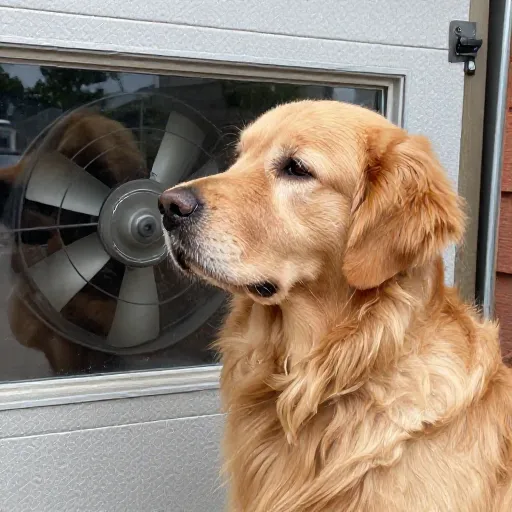
Garages can get stuffy. If you have a window, make sure it opens safely. I added a simple mesh screen so fresh air comes in without bugs. No window? A small exhaust fan works wonders.
Good airflow keeps the room from smelling like wet dog and stale air. Your nose and your pup’s lungs will thank you.
8. Create a “Potty Patch” Area
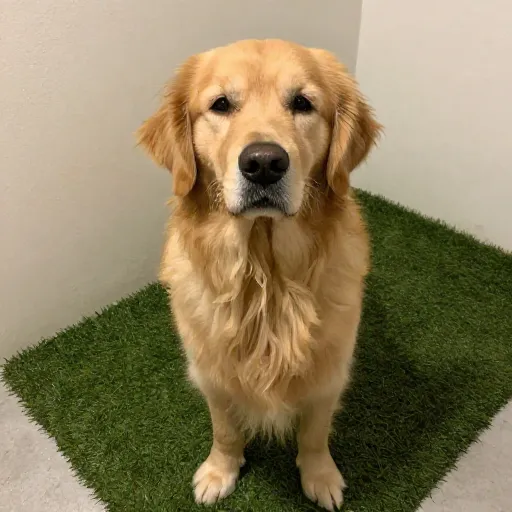
If you’re away during the day, a designated potty spot is a lifesaver. I used a large plastic tray with fake grass turf on top. It’s easy to rinse and my dog learned to use it quickly.
Place it away from the bed and water station. A small divider or rug can help separate the zones so it feels less like a bathroom and more like a room.
9. Hang Art or Personal Touches
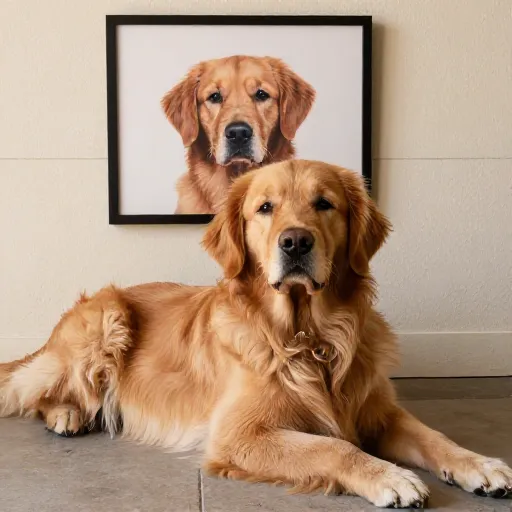
Yes, your dog cares—well, maybe not, but you will. I framed a few of my dog’s paw prints and hung a little sign with his name. It makes the space feel intentional and loved.
You can also add a wall decal of a paw or a simple canvas print. It’s cheap, easy, and makes the room feel like part of the home, not just a storage area.
10. Include a Cozy Crate or Covered Den
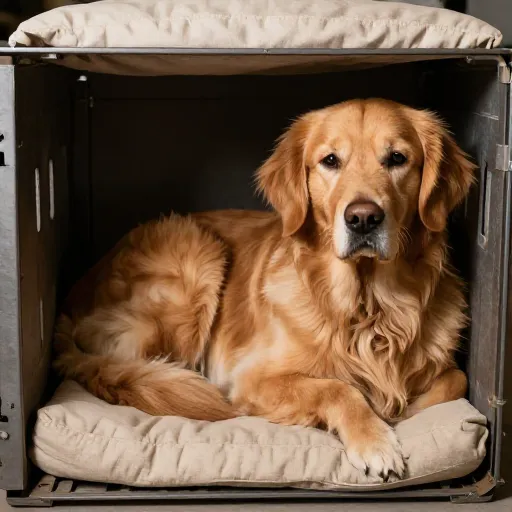
Some dogs love a crate for security. I placed a wire crate in one corner and draped a soft blanket over the top. It creates a cave-like feel that my dog loves during thunderstorms.
If you don’t want a crate, use a large cardboard box or a store-bought covered bed. The key is a roof over their head—it reduces anxiety and gives them a safe hideaway.
11. Use Rugs to Define Zones
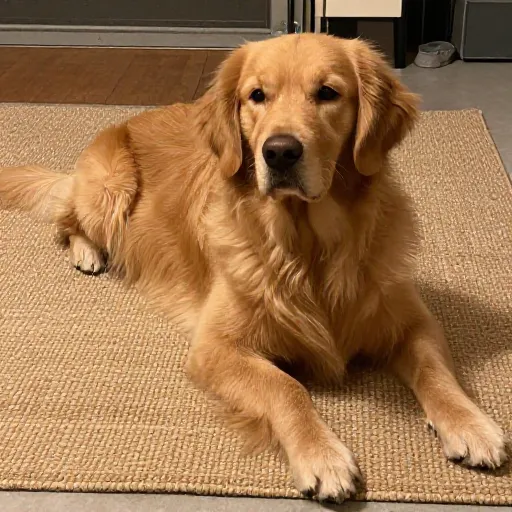
Rugs aren’t just pretty—they help your dog understand the layout. I placed a large rug in the sleeping area and a smaller, washable mat near the door. It visually separates activities.
Choose low-pile rugs that are easy to vacuum and don’t trap fur. My dog knows that the big fuzzy rug means nap time, and the mat means “wait here.”
12. Add a Small Fan or Heater (Seasonal)
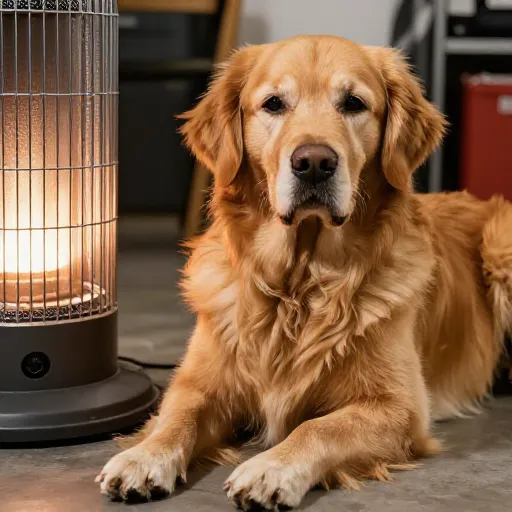
Garages can get too hot or too cold. I use a small space heater in winter and a clip-on fan in summer. Both are low-wattage and safe—just make sure cords are tucked away.
Your dog will be comfortable year-round, and you won’t worry about extreme temps. It’s a small investment for a lot of peace of mind.
Conclusion
Converting your garage into a cozy dog room doesn’t have to be complicated or expensive. With a few thoughtful touches—soft flooring, good lighting, and a little personalization—you can create a space your dog will adore. Start with one or two ideas and build from there. Your pup will thank you with wagging tails and happy naps.
FAQ
1. Is it safe to leave my dog in a converted garage?
Yes, as long as the space is well-ventilated, temperature-controlled, and free of hazards like toxic chemicals or sharp objects. Always secure electrical cords and store tools out of reach.
2. How do I keep the garage from smelling like dog?
Use washable bedding, vacuum regularly, and add an air purifier or fan. A potty patch with removable turf also helps control odors. Baking soda on carpets works too.
3. What’s the best flooring for a dog room?
Interlocking foam mats or indoor-outdoor carpet tiles are great. They’re soft, easy to clean, and gentle on joints. Avoid slippery tiles that can cause injuries.
4. Can I do this on a small budget?
Absolutely. Start with a second-hand dog bed, a rug, and a few toys. Use pallets for a raised bed and repurpose old shelves for storage. Every little bit adds comfort.
5. How do I introduce my dog to the new room?
Let them explore at their own pace. Place treats, toys, and their bed inside. Spend time with them in the room at first—read a book or just sit. Positive reinforcement works best.