15 Large Dog Run Ideas That Will Transform Your Backyard Into a Pup Paradise
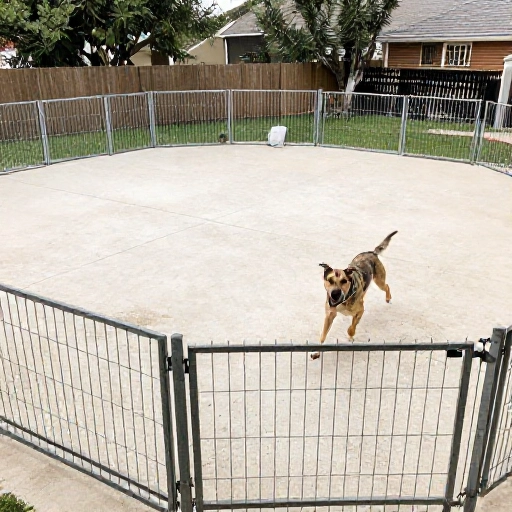
If you have a big dog, you know the struggle. They need space to zoom, stretch those long legs, and burn off that endless energy. But not everyone has acres of land to work with. I’ve spent years figuring out how to make the most of my own modest backyard for my Labrador, and let me tell you—it’s totally doable.
Whether you’re dealing with a narrow side yard, a sloped lot, or just a patch of grass that’s seen better days, there’s a solution. I’ve rounded up 15 clever, practical large dog run ideas that maximize every square inch of your yard. Think smart fencing, creative surfacing, and layouts that keep your pup happy and your garden intact. Let’s dive in!
Why Building a Dedicated Dog Run Is a Game Changer
Let’s be real—a dedicated dog run isn’t just about keeping your pup contained. It’s about giving them a safe, designated zone where they can be a dog. No more worrying about them digging up your prize-winning roses or escaping through a gap in the fence. It’s peace of mind for you and pure joy for them.
For large breeds, a run provides essential daily exercise, which keeps their joints healthy and their minds sharp. It also protects your lawn from wear and tear. Instead of a muddy track along the fence line, you can create a durable, low-maintenance surface that looks great and lasts for years. Plus, it keeps your pup away from delivery drivers and other potential stressors.
When you design a run that maximizes space, you’re not just building a pen. You’re creating an outdoor living area tailored to your dog’s needs. Think of it as their personal playground, complete with shade, water, and plenty of room to run wild. The best part? You can customize it to fit your yard perfectly, no matter how tricky the shape.
Essential Equipment & Tools You’ll Need
Before you start digging and hammering, let’s talk gear. Having the right tools makes this project a breeze, even if you’re a DIY beginner. I learned the hard way that using the wrong tools just leads to frustration and a trip back to the hardware store.
Here’s what you’ll need to get started:
- Measuring tape & string line: For laying out the exact dimensions of your run.
- Post hole digger or auger: To set sturdy fence posts deep in the ground.
- Level & shovel: For ensuring your posts are straight and the ground is prepped.
- Circular saw or metal cutter: For trimming fence panels or wire to size.
- Heavy-duty fence panels or welded wire: Look for at least 6 feet tall for large breeds.
- Galvanized screws & brackets: These resist rust and keep everything secure.
- Landscape fabric & gravel or pea pebbles: For a drainage-friendly, dig-proof base.
- Safety glasses & work gloves: Always protect yourself when working with tools.
If you’re using a pre-made metal kennel kit, your list will be shorter, but these basics apply to most custom builds. Having a helper for the heavy lifting is also a huge plus, especially when setting those posts!

Smart Ingredients & Materials for a Dog-Safe Run
Okay, “ingredients” for a dog run might sound funny, but the materials you choose are just as important as the recipe. You want a space that’s safe, durable, and comfortable for your dog’s paws all year round. I’ve tested a few options, and here’s what works best.
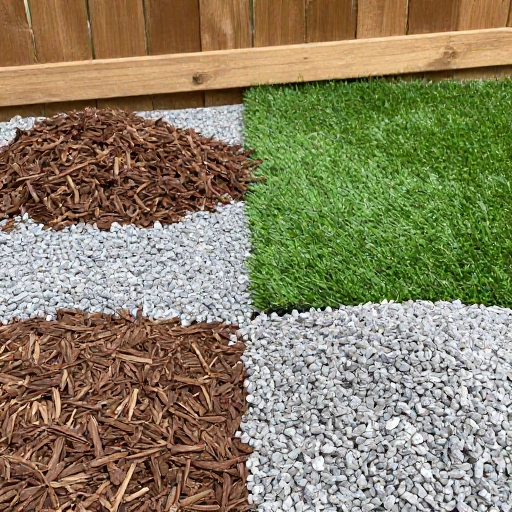
For the surface, you have a few great choices. Pea gravel is a top pick because it drains well, doesn’t get muddy, and is gentle on paws. Artificial turf is another fantastic option—it looks lush, feels great, and is super easy to clean. If you’re on a budget, a thick layer of sand works, though it can get messy.
Let’s break down the must-have materials:
- Dig-Proof Barrier: Bury chicken wire or hardware cloth along the bottom edge of your fence, bending it outward in an “L” shape to prevent escape artists.
- Shade Sail or Canopy: Large dogs overheat quickly. A shade sail provides essential UV protection without blocking airflow.
- Weatherproof Dog House: A cozy spot for them to retreat from rain or intense sun.
- Heavy-Duty Water Station: A large, tip-proof bowl or an automatic waterer is a must.
- Secure Latching Gate: Double-locking latches are crucial for smart dogs who learn to open simple hooks.
How to Build a Maximized Dog Run in 6 Simple Steps
Alright, let’s get to the fun part—the actual build. This process is straightforward, and you can adapt it to fit your yard’s unique shape. I’m going to walk you through my tried-and-true method that creates a spacious feel even in a tight area.
- Plan Your Layout: Measure your space and mark the corners. For a large dog, aim for a run that’s at least 10×20 feet, but if you have more room, go bigger! Use your string line to outline the shape.
- Prep the Ground: Clear the area of sod and weeds. Level the ground as much as possible. This step is key for both drainage and the final look.
- Set Your Fence Posts: Dig holes about 2 feet deep, place your posts, and fill with concrete. Make sure they’re perfectly level before the concrete sets. This is the backbone of your whole run.
- Attach Fencing: Secure your fence panels or welded wire to the posts. For large breeds, use a heavy gauge wire and tension it well to prevent sagging.
- Lay the Surface: Put down landscape fabric to stop weeds, then spread your gravel or turf. If using gravel, aim for a depth of 2-3 inches. If using turf, roll it out and secure the edges.
- Install the Extras: Add your dog house, shade sail, and water station. This is where your run becomes a comfortable haven for your pup.
Feeding Guidelines, Serving Size & Storage Tips
Once your dog run is ready, it’s time to think about daily use. The way you manage food and water inside the run can affect its cleanliness and your dog’s health. I keep things simple and practical to avoid constant cleaning.
For feeding, it’s best to establish a routine. Don’t leave food out all day, especially inside the run where it can attract bugs. Instead, feed your dog their meals at specific times. I like to keep the run for exercise and play, and use the main patio or kitchen for meal times. This keeps the run cleaner.
Here’s my system for keeping things in order:
- Water First: Always have fresh, clean water available in the run. I use a heavy-duty bucket that’s hard to tip, and I wash it out daily.
- Portion Control: Follow your vet’s guidelines for portion sizes. A large breed dog typically eats 3-4 cups of high-quality kibble per day, split into two meals.
- Clean Up: Scoop solid waste daily. A dedicated poop bin near the run makes this chore quick and easy.
- Seasonal Storage: If you use outdoor toys or cooling mats, store them in a waterproof deck box during harsh weather to extend their life.

Final Verdict & Summary
Creating a large dog run that maximizes your yard space is one of the best investments you can make for your furry friend. It’s a project that pays off in countless ways—from providing your dog with a secure place to exercise to saving your landscaping from destruction. I’ve seen my own backyard transform from a patchy mess to a functional, beautiful space that my dog absolutely loves.
Remember, you don’t need a massive property to give your big dog a fantastic outdoor experience. With a little planning and the right materials, you can carve out a dedicated zone that fits your space perfectly. The key is to focus on durability, safety, and comfort.
So, grab your tools and get started! Your dog will thank you with endless happy zoomies. And honestly, there’s nothing better than watching them finally have their own place to just be a dog.
Frequently Asked Questions
What is the ideal size for a large dog run?
For large breeds, bigger is always better. A minimum of 10×20 feet is a good starting point, but if you have the space, a 20×30 foot run allows for much more energetic play. The goal is to allow them to run, turn, and play fetch without feeling confined.
Is gravel or grass better for a dog run?
Gravel is generally better for durability and drainage. It doesn’t get muddy or develop bald spots like grass. Pea gravel is gentle on paws, but artificial turf is the premium option for a soft, natural feel with zero maintenance.
How do I stop my dog from digging under the fence?
Bury a wire mesh barrier along the bottom of the fence. Extend it outward into the yard about 12-18 inches and cover it with soil or gravel. This creates a physical barrier that deters digging. Also, ensure your dog gets enough exercise to reduce boredom digging.
Can I build a dog run on a slope?
Yes, you can! It takes a bit more work. You can terrace the area with retaining walls to create a level surface, or you can build the run with a slight incline, which actually helps with drainage. Just make sure all fence posts are securely set to handle the uneven terrain.
What is the most secure type of fencing for a large dog?
Welded wire panels or heavy-duty chain link are the most secure options. They are incredibly strong and difficult to chew or bend. Make sure the fencing is at least 6 feet tall, and consider adding a “coyote roller” at the top if your dog is a jumper.