13 Best Indoor Plants Your Cats Won’t Destroy
Let’s be real—if you have a cat, you know the struggle. You bring home a beautiful fern, and within 48 hours it’s looking like a chew toy that lost a fight. I’ve been there. My cat, Mochi, once treated my prized spider plant like an all-you-can-eat salad bar.
The good news? You don’t have to choose between a jungle home and a happy kitty. There are plenty of indoor plants that are genuinely unappealing to cats. Think tough leaves, fuzzy textures, or just plants that are totally boring to a feline’s senses. These picks survive (and thrive) even in a house full of curious paws.
Here are my 13 favorite cat-proof indoor plants that actually stand a chance. I’ve tested these with my own little monster, so you know they’re the real deal.
1. The Stalwart Cast Iron Plant
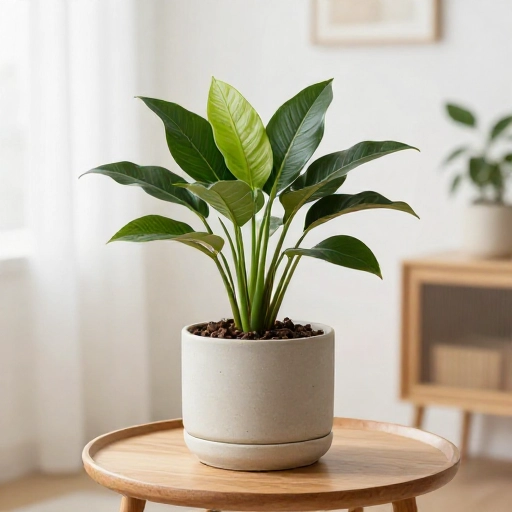
If there was an award for “plant that gives zero care,” this would win. The cast iron plant has thick, dark green leaves that are just too tough for most cats to bother with. They’re not floppy or tempting to bat around.
It tolerates low light, missed waterings, and general neglect. This is the plant you buy when you want something foolproof.
My cat walks right past it. It’s almost like she knows it’s not worth the effort.
2. The Chunky Hoya Heart
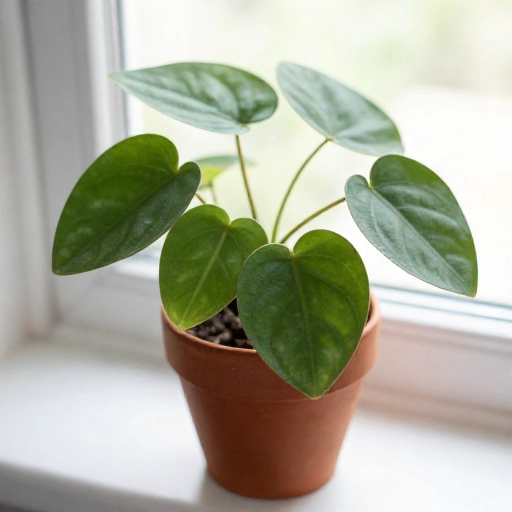
Have you seen those single-leaf hoya hearts? They’re adorable little succulent-like leaves that sit in a tiny pot. They look like green hearts, and cats usually just sniff them and lose interest.
Hoyas in general have waxy, thick leaves that don’t have that fun “crunch” that cats crave. Plus, they’re slow growers, so they’re not going to take over your shelf.
Just be careful—the “heart” is a single leaf, so don’t overwater it. It likes to stay dry.
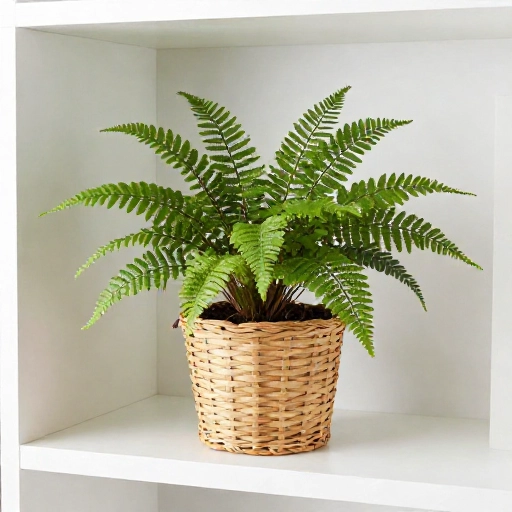
3. The Sensitive Fern
Okay, this one is a bit of a cheat, but hear me out. The sensitive fern has a texture that most cats find weird. It’s not soft and fuzzy like a catnip leaf; it’s a bit more papery and stiff.
I’ve found that cats who love to nibble on grassy plants usually ignore this one. It’s also a great bathroom plant because it loves humidity.
Keep the soil consistently moist, but don’t let it sit in water. It’s a bit more demanding than other ferns, but it’s worth it for the unique look.
4. The Unbothered Ponytail Palm
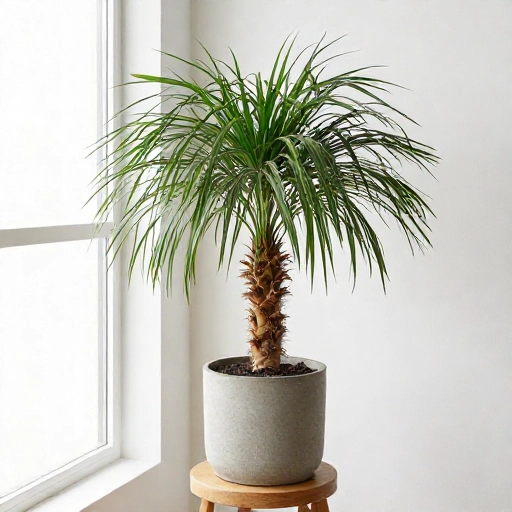
This is not a real palm, but it looks like one. The ponytail palm has a bulbous trunk and cascading, curly leaves that look like a fountain. Cats might stare at those leaves, but they’re surprisingly tough and springy.
They’re not easy to bite through, and the plant itself isn’t toxic. It’s also a slow grower, so you won’t have to repot it constantly.
Give it bright light and water it only when the soil is completely dry. It basically thrives on neglect.
5. The Fuzzy African Violet
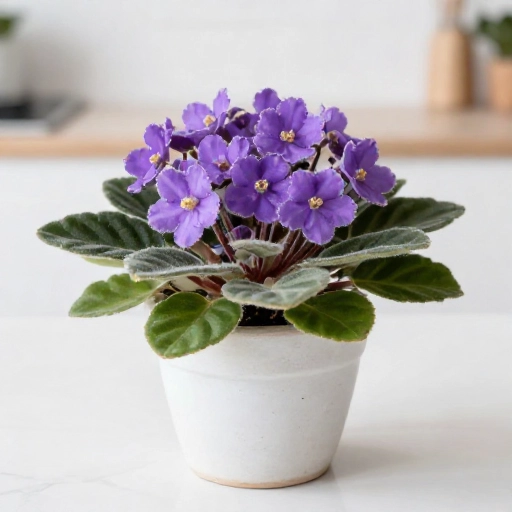
Here’s a secret: most cats hate fuzzy leaves. The African violet has these soft, slightly hairy leaves that feel strange on a cat’s tongue. Mochi took one taste and made the funniest “yuck” face.
Plus, they bloom in beautiful purples, pinks, and whites, so you get a pop of color without the drama.
Water them from the bottom to avoid getting water on the leaves, and they’ll reward you with flowers for months.
6. The Trendy String of Turtles
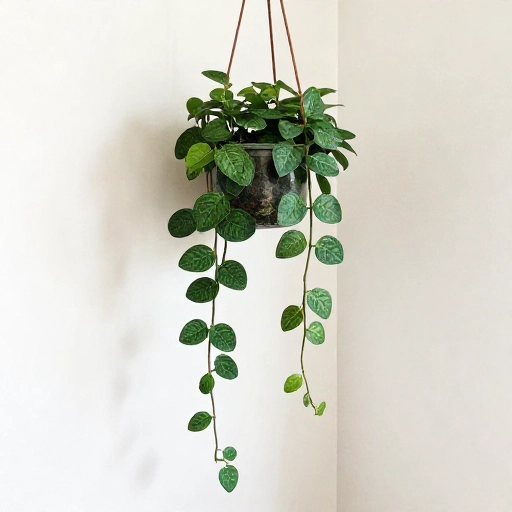
If you want a trailing plant, this is a great pick. The leaves look like tiny turtle shells with a pattern on them. They’re not stringy like a string of pearls (which cats love to swat), so they’re less tempting.
They grow slowly and stay compact. The texture is slightly bumpy, which seems to deter my cat from nibbling.
They like bright, indirect light and well-draining soil. Let them dry out completely between waterings.
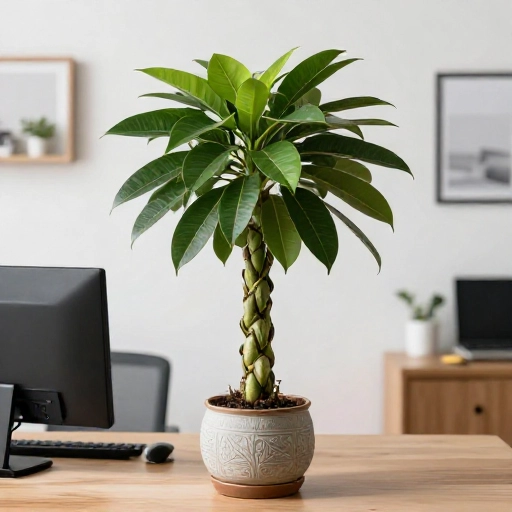
7. The Classic Money Tree
The money tree is a braided trunk with star-shaped leaves. It’s a popular feng shui plant, and it’s also pretty boring to cats. The leaves are a bit waxy and don’t have a strong smell.
I’ve had one for years, and Mochi has never even looked at it twice. It’s also very forgiving if you forget to water it.
It prefers medium, indirect light. Just don’t overwater it, or the roots will rot.
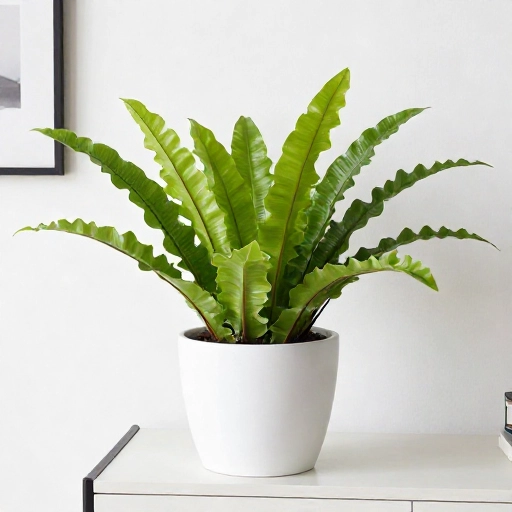
8. The Sturdy Bird’s Nest Fern
Unlike the frilly ferns that cats love to shred, the bird’s nest fern has smooth, wavy leaves that grow in a rosette pattern. They have a crisp, firm texture that’s not fun to chew.
It’s also a great plant for low-light corners. It won’t grow huge, but it will stay lush and green.
Keep the soil lightly moist, and it’s a happy camper. It’s a simple, elegant look for any room.
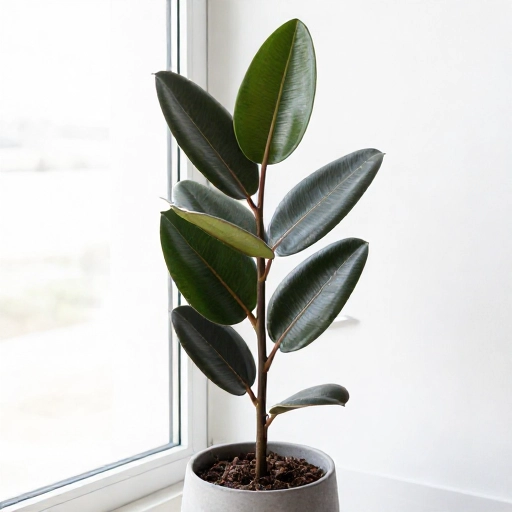
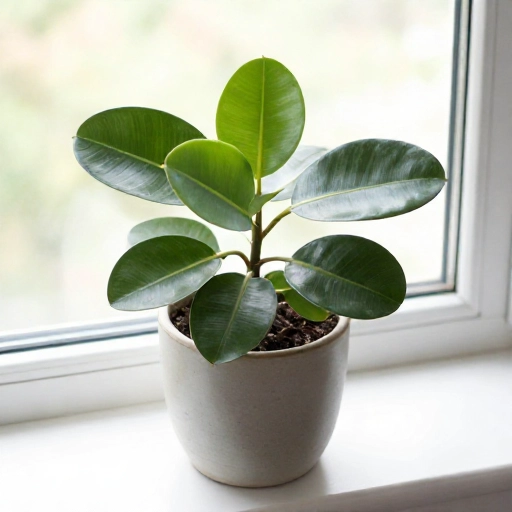
9. The Bold Rubber Tree
Rubber trees have big, bold, rubbery leaves. They are basically the opposite of a “tender snack” for a cat. The leaves are thick and tough, and they have a milky sap that tastes bitter (which cats dislike).
They’re also stunning statement pieces. You can find them in dark green, variegated, or even burgundy.
They like bright, indirect light. Keep the soil slightly moist, but let the top inch dry out first.
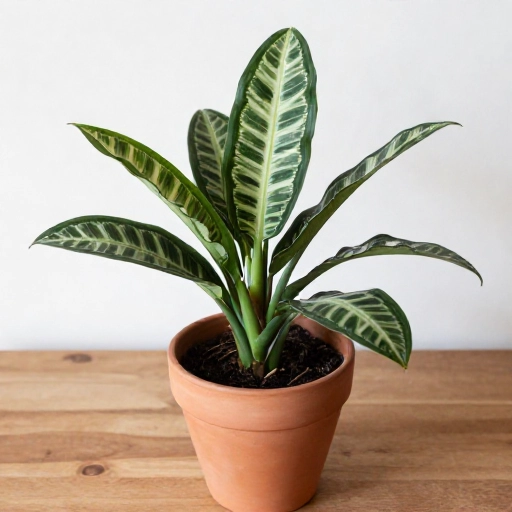
10. The Quirky Rattlesnake Plant
This plant has long, wavy leaves with a beautiful pattern of dark green and light green. The undersides are a stunning purple. It’s a showstopper, but it’s also surprisingly cat-resistant.
The leaves are a bit stiff and not very juicy. My cat prefers plants that have a little “give” to them.
This one loves humidity, so a bathroom or kitchen is perfect. Water it with filtered water to avoid brown tips.
11. The Underrated Peperomia Obtusifolia
The baby rubber plant (peperomia) has these cute, round, glossy leaves. They look like little coins. They’re not toxic, and the texture is very smooth and hard.
I find that cats are confused by them. They’re not grassy, they’re not fuzzy, they’re just… there.
They’re compact and perfect for desks or shelves. Water them only when the soil is dry.
12. The Elegant Orchid
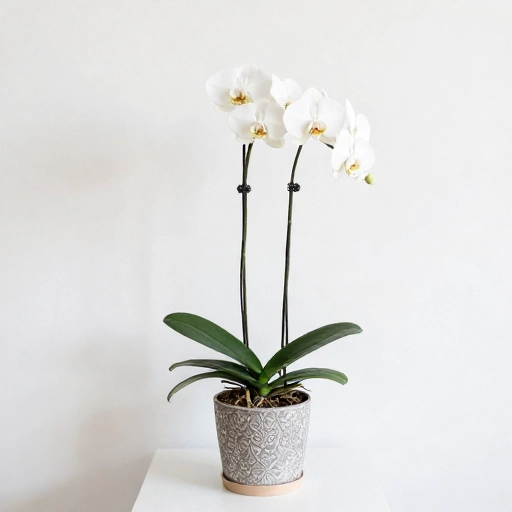
Orchids are non-toxic to cats, and while some cats might be tempted to nibble the flowers, the leaves are usually ignored. The leaves are thick, waxy, and leathery.
If you have a cat that loves to chew on everything, just hang the orchid or place it on a high shelf. The blooms are worth the extra effort.
They need bright, indirect light and a good soak once a week. Don’t let them sit in water.
13. The Calm Hoya Carnosa
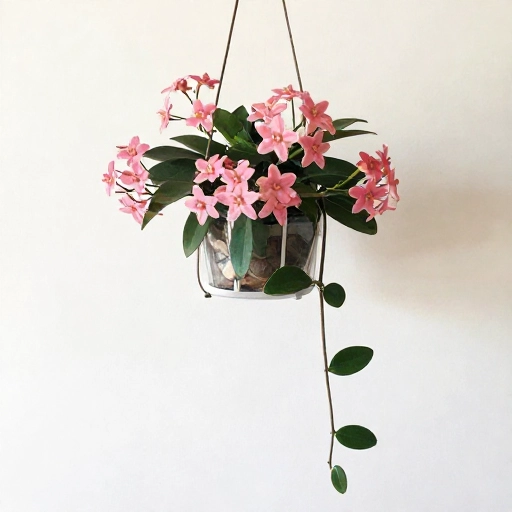
Yes, another hoya, but this one is a classic. The hoya carnosa (wax plant) has long, trailing vines with thick, waxy leaves. It’s a great hanging plant choice.
Cats usually leave it alone because the leaves are too firm. Plus, it’s a low-maintenance plant that can go a while without water.
Give it bright, indirect light, and it might even reward you with beautiful, star-shaped flowers that smell like chocolate.
Final Thoughts on Cat-Proofing Your Jungle
You don’t have to give up on having plants just because you have a furry friend. The trick is to pick plants with texture and toughness that cats simply don’t find appealing. It’s not about being a perfect plant parent; it’s about being a smart one.
Start with one or two of these, see how your cat reacts, and go from there. You might be surprised at how peaceful your windowsill can be.
FAQ: Your Cat and Plant Questions, Answered
Q: Are any of these plants toxic to cats?
A: All the plants listed above are considered non-toxic to cats according to the ASPCA. That said, every cat is different, and eating any plant can cause minor stomach upset just because it’s not part of their normal diet.
Q: My cat won’t stop eating my other plants. What should I do?
A: Try offering them their own cat grass (wheatgrass or oat grass). It gives them a safe outlet for their chewing instincts. It usually satisfies that craving without harming your other plants.
Q: How do I keep my cat away from the soil in potted plants?
A: Cats love digging in fresh soil. A simple fix is to cover the top of the soil with decorative pebbles or river rocks. It looks cute, and it stops the digging in its tracks.
Q: Do these plants need a lot of sunlight?
A: Not really. Most of them are quite adaptable to average indoor light. A few, like the orchid and rubber tree, prefer a bright spot, but they won’t die in moderate light. Just avoid dark corners.
Q: What if my cat still tries to nibble on these leaves?
A: If your cat is extra determined, try spraying the leaves with a bitter apple spray made for pets. It tastes terrible, and after one lick, they’ll usually never try again. It’s a simple deterrent that works wonders.