A Practical Guide to Socializing Your Dog (Without the Stress)
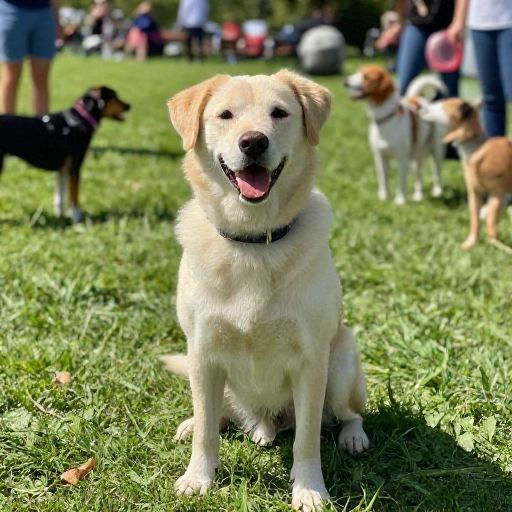
I remember the first time I took my shy rescue pup to a busy park. She tucked her tail, pressed against my legs, and looked at me as if I had betrayed her. In that moment, I realized socializing a dog isn’t just about introducing them to other dogs—it’s about building their confidence in a big, loud world.
Socialization is not a one-time event. It is a slow, gentle process of showing your dog that new people, places, and sounds are safe. When done right, it prevents fear-based behaviors and helps your pup become a calm, happy companion. Whether you have a new puppy or an older dog learning new tricks, this guide will walk you through practical steps that actually work.
Let’s get your dog feeling comfortable out there—one small step at a time.
1. Start With Neutral Territory
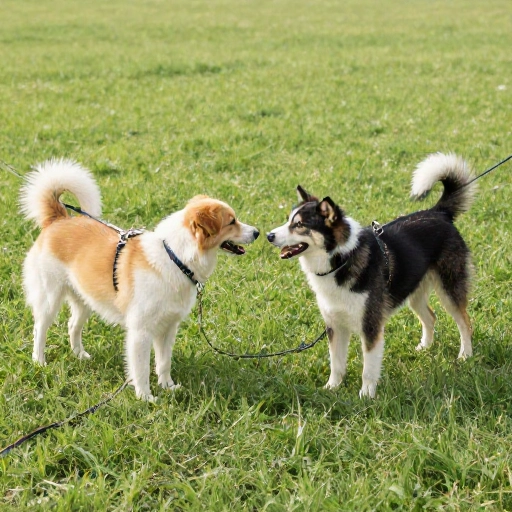
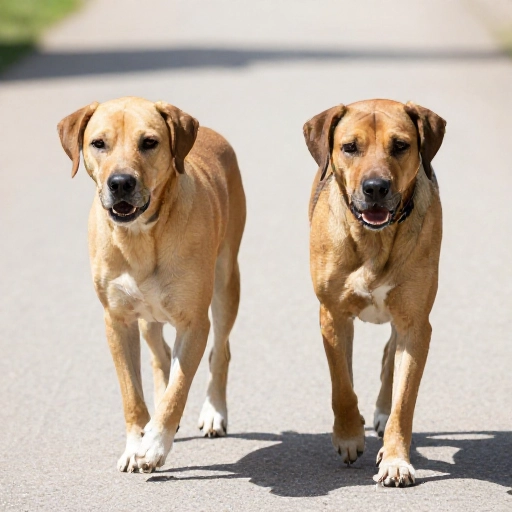
Meeting another dog for the first time? Do not do it in your home or your yard. Dogs can be territorial, and that space can trigger defensiveness. Instead, choose a neutral spot like a quiet park or a wide sidewalk.
Walk both dogs parallel to each other at a distance—far enough that neither feels threatened. Let them sniff the ground where the other walked. After a few minutes, slowly decrease the distance. This builds curiosity instead of tension.
The goal is a calm hello, not an excited frenzy. Keep the leash loose and your voice relaxed.
2. Use Treats to Create Positive Associations
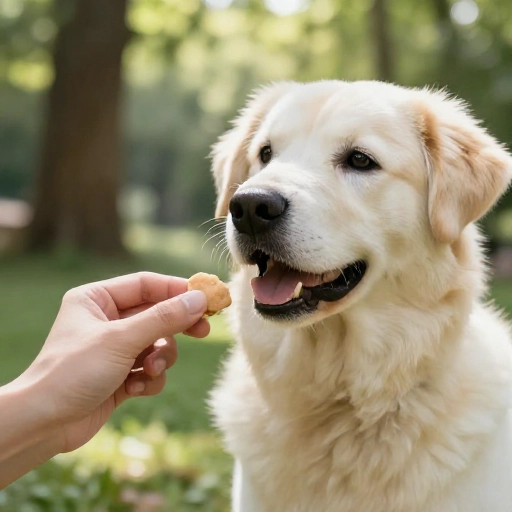
Every new experience should come with a tasty reward. When your dog sees a stranger, a bicycle, or another dog, immediately drop a high-value treat. Do this before your pup reacts. You are teaching them that good things happen when something new appears.
I like to keep a pouch of soft training treats on me at all times during walks. Tiny pieces of cheese or boiled chicken work wonders. The key is timing—treat right when they see the trigger, not after they have already barked or pulled.
3. Let Your Dog Set the Pace
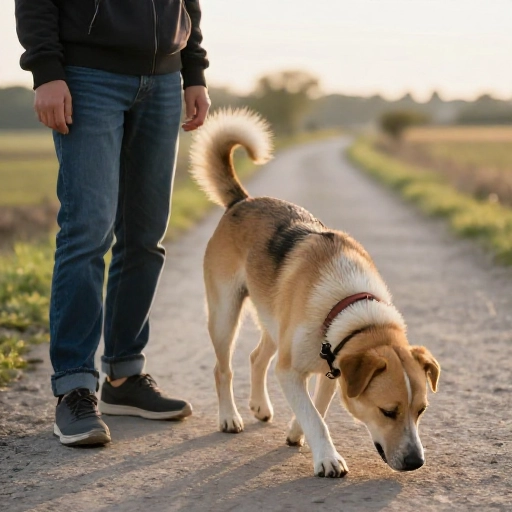
Forcing your dog into a scary situation never works. If your pup freezes, backs away, or tucks their tail, you have moved too fast. Take a step back—literally. Increase the distance from whatever is causing fear.
Watch for calming signals like yawning, lip licking, or turning the head away. These are your dog’s way of saying, “I need space.” Respecting these cues builds trust. Your dog learns you are a safe leader who listens.
4. Practice With Calm, Well-Mannered Dogs
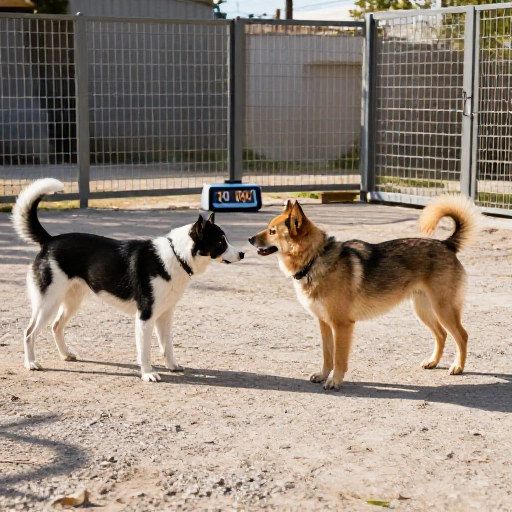
Not every dog is a good teacher. A bouncy, overly excited dog can overwhelm a nervous pup. Look for calm, balanced dogs who offer gentle sniffs and soft body language. Ask a friend with a steady older dog to help.
Start with short, leashed greetings. If both dogs seem relaxed, you can let them sniff for a few seconds before moving on. End the interaction while it is still positive. Leave them wanting more.
5. Expose Your Dog to Different Environments
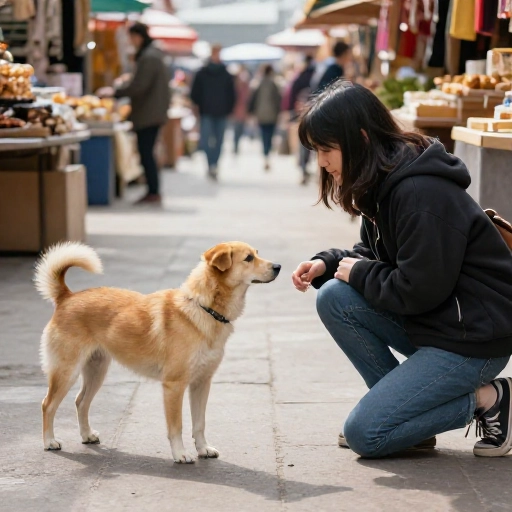
Socialization is not just about dog-to-dog meetings. Your pup also needs to feel safe around traffic, crowds, loud noises, and different surfaces. Start with quiet places and work up to busier ones.
Visit a low-traffic sidewalk, then a pet store during off-hours. Walk on grass, gravel, and pavement. Let them hear a vacuum, a doorbell, or rain from a safe distance. Pair every new sound or surface with treats and praise.
6. Keep Early Sessions Short and Sweet
Dogs, especially puppies, have short attention spans. A ten-minute exposure session is plenty. Pushing for longer can lead to stress or overstimulation. Watch for signs of fatigue—panting, avoiding eye contact, or lying down.
End every session on a good note. If your dog just calmly watched a jogger pass by, call it a win. Reward and go home. Consistency matters more than length.
7. Teach a Solid “Watch Me” Cue
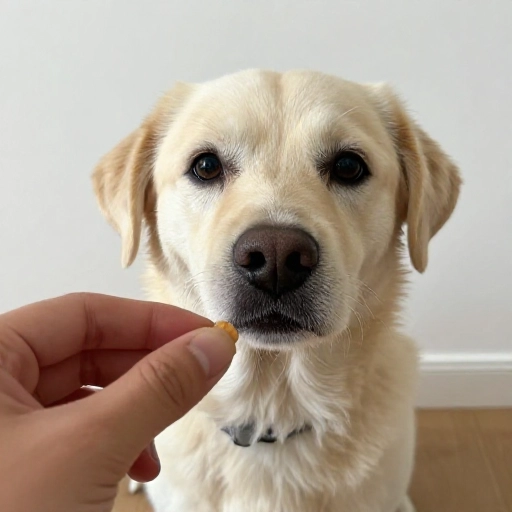
Before you can manage your dog around distractions, you need their attention. Practice the “watch me” cue at home first. Hold a treat near your eye, say “watch me,” and reward when your dog makes eye contact.
Once they have it down indoors, try it outside. Use this cue when you see a potential trigger approaching. A dog that looks at you instead of the other dog is a dog ready to learn.
8. Don’t Forget About People and Handling
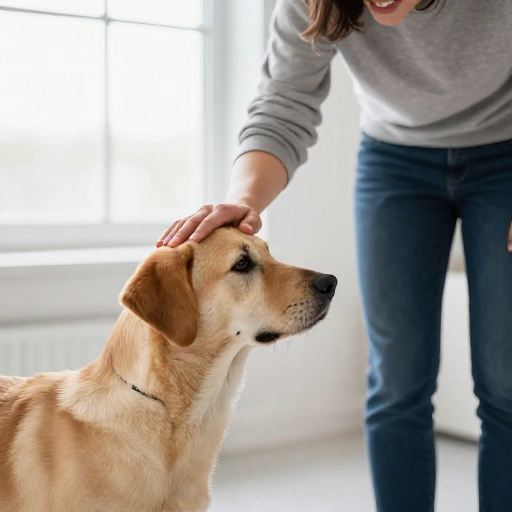
Your dog will meet more humans than dogs in their life. Make sure they are comfortable with people of all ages, sizes, and appearances. Have calm friends offer treats from an open palm—no reaching over the head.
Also practice gentle handling at home. Touch their paws, ears, and mouth while giving treats. This will make vet visits and grooming much less stressful. Your dog learns that human hands bring good things.
9. Avoid Overwhelming Group Settings
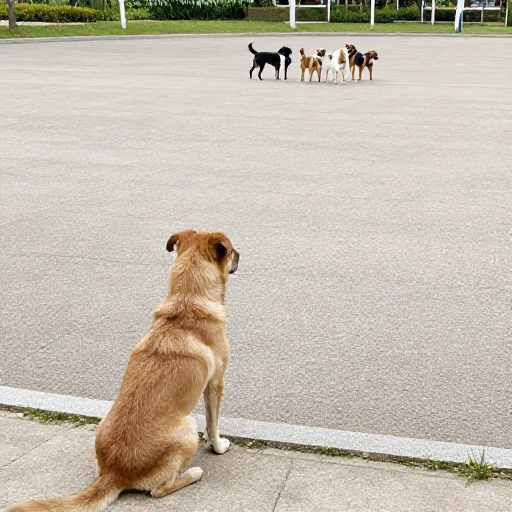
Dog parks can be chaos. Too many dogs, too much energy, and no escape route. This is often the worst place to socialize a nervous or new dog. Instead, try small, supervised playdates with one or two dogs you trust.
If you do visit a dog park, go during off-peak hours. Stay close and watch body language. Leave immediately if things get rough. Your dog’s safety and comfort always come first.
10. Be Patient and Celebrate Small Wins
Socialization is not a race. Some dogs take weeks, others take months. Your quiet, steady presence is the most powerful tool you have. Celebrate the little things—a tail wag near a stranger, a calm sniff of another dog, a relaxed walk past a loud truck.
I keep a small journal of my dog’s progress. Looking back at where we started reminds me how far we have come. Every small step is a victory. Your dog is trying their best—meet them there.
Conclusion
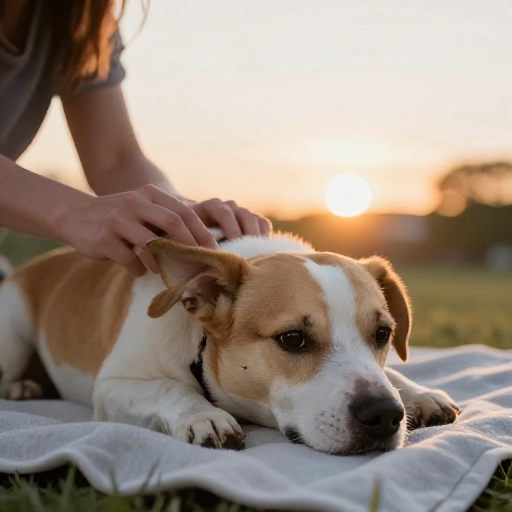
Socializing a dog is one of the most rewarding journeys you can take together. It is not about making your dog perfect—it is about helping them feel safe in a big, busy world. Every patient walk, every calm greeting, and every treat given at the right moment builds a foundation of trust.
Your dog looks to you for guidance. Be their calm anchor. Go slow, stay kind, and remember that connection matters more than perfection. You have got this.
Frequently Asked Questions
What if my dog is already fearful of other dogs?
Start at a distance where your dog is comfortable and reward calm behavior. Work with a positive reinforcement trainer if needed. Never force interactions—that usually makes fear worse.
Can I socialize an adult dog?
Absolutely. Adult dogs can learn new skills and build confidence. It may take more patience than with a puppy, but the same principles apply—slow exposure, positive rewards, and respecting their limits.
How long should each socialization session last?
Keep sessions short—five to fifteen minutes is ideal for most dogs. Watch for signs of stress and end on a positive note. Short, frequent sessions are more effective than long, overwhelming ones.
Is it too late to socialize my rescue dog?
It is never too late. Rescue dogs often need extra patience and understanding. Go at their pace, focus on building trust, and celebrate every small step. Many rescue dogs become wonderfully social with time.
What should I do if my dog growls during a greeting?
Growling is communication, not bad behavior. It means your dog is uncomfortable. Immediately increase distance and remove the trigger. Never punish a growl—you want your dog to warn you instead of skipping straight to a bite.