12 Dog Boarding at Home Setup Tips That Make It a Breeze
So, you’re thinking about turning your home into a cozy little doggy hotel? That’s awesome! I started doing this a couple of years back for some extra cash, and honestly, it’s one of the most rewarding gigs I’ve ever had. But let me tell you, the first time a new furry guest walked in, I was totally scrambling for a leash and a spare bowl.
Setting up your space the right way makes all the difference. It’s not about being fancy; it’s about being prepared. You want your human clients to feel at ease dropping off their pup, and you want the dogs to feel like they’re on a little vacation, not in a weird, sterile room.
Here are the top 12 things I’ve learned about prepping my home for boarding guests. These are the little tweaks that turned my chaotic hobby into a smooth, happy routine for everyone involved.
1. Designate a Pup-Proofed “Welcome Zone”
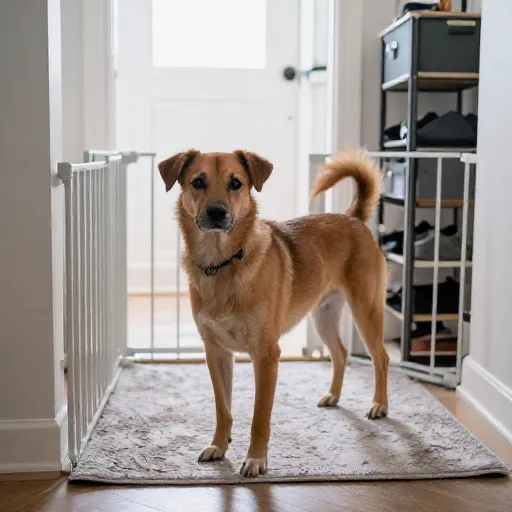
I don’t let new dogs run wild through the whole house the second they walk in. That’s a recipe for accidents and overwhelm. Instead, I set up a specific “welcome zone” right by the entryway. It’s a contained area where they can sniff me, get a treat, and do a little greeting dance before we explore the rest of the house.
This area is super easy to clean. I use a large, washable rug and keep a basket of towels right there. It’s amazing how much dirt and excitement gets trapped in that one little spot, saving the rest of my floors from muddy paw prints.
Make sure this zone is free of loose shoes, electrical cords, and anything small they could chew. It’s their first impression, so you want it to be calm and safe.
2. Set Up a Dedicated Sleeping Station
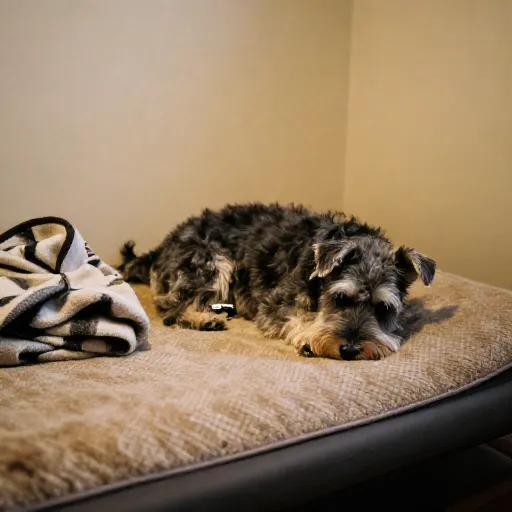
I learned early on that letting a boarding dog decide where to sleep is a gamble. Some want to be velcroed to your side, others want to guard the front door all night. I now have a dedicated “sleeping station” in my bedroom corner. It’s just a comfy, washable dog bed and a crate with the door left open.
Having this designated spot gives the dog a clear cue that it’s time to settle down. It also helps them establish a routine. They know where their safe space is, which cuts down on nighttime anxiety significantly.
I always ask the owner to bring a t-shirt or blanket that smells like home. Placing that in the sleeping station is like a magic trick for helping them fall asleep faster.
3. Create a “Community” Water Station
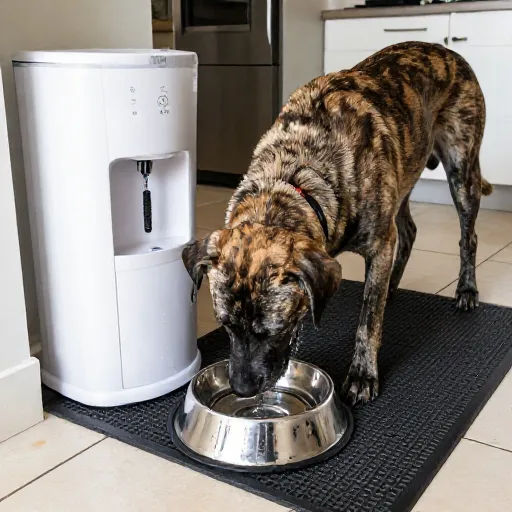
Bowls scattered around the house can get knocked over, or worse, a dog will guard one. I have one central, heavy-duty water station in the kitchen. It’s a large, non-slip bowl that’s hard to tip over, and I check it constantly.
I also keep a pitcher of fresh water nearby so I can top it off throughout the day without having to fill it from the sink each time. It seems small, but it’s a huge time-saver when you have multiple dogs with different drinking habits.
Make sure this area is away from doorways and heavy foot traffic so nobody gets bumped while they’re taking a sip.
4. Build a “Pee Pad” Backup Plan
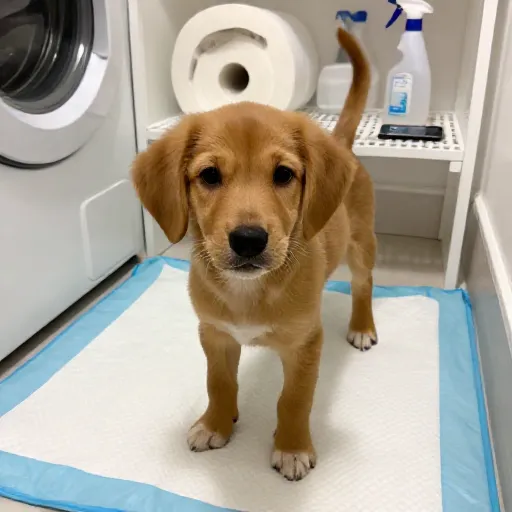
Even with the best potty schedule, accidents happen. Whether it’s a puppy or a senior dog who gets a little too excited, you need a backup plan. I have washable, waterproof pee pads placed strategically in the laundry room and near the back door.
Don’t just toss them on the floor—they slide around. I use a rubber mat underneath to keep them in place. This gives the dog a clear alternative to your carpet if they just can’t hold it.
It’s saved my carpets more times than I can count, especially during thunderstorms when dogs get nervous and might not want to go outside.
5. Stock a “Boredom Buster” Toy Box
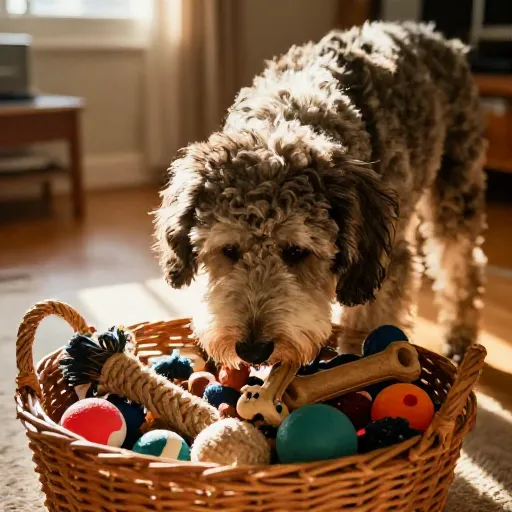
A bored dog is a destructive dog. I have a big basket filled with different types of toys, but I don’t leave them all out at once. I rotate them! I’ll put out three or four toys, and when the dogs seem bored, I swap them for different ones from the box.
I include a mix of chew toys (like nylabones), soft plushies, and puzzle toys that dispense treats. The puzzle toys are the real heroes here. They keep a busy dog occupied for a solid 20 minutes, which feels like an eternity in dog-time.
Always supervise play with new toys until you’re sure the dog won’t try to eat them.
6. Install a Simple “Muddy Paw” Cleaning Kit
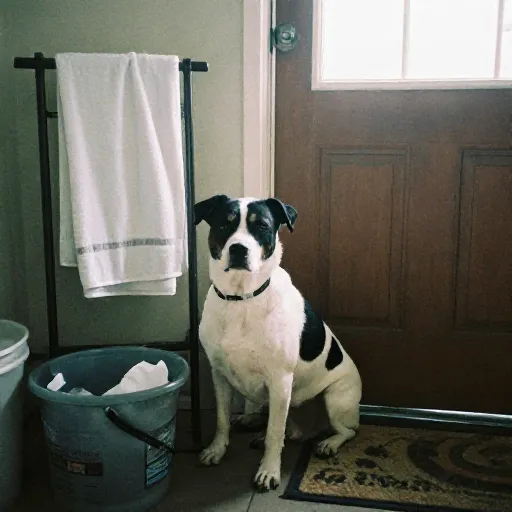
Rainy days are the enemy of a clean house. I keep a “muddy paw” kit right by the back door. It’s a small bucket with a towel, some dog-safe wipes, and a spray bottle of water. When we come back inside, I can quickly wipe off paws before they track dirt through the kitchen.
I also keep a cheap, absorbent mat just outside the door for a first pass. This combo of outdoor mat and indoor wipe-down has cut my cleaning time in half.
It’s a simple setup, but it makes a world of difference if you have a dog who loves to dig or splash in puddles.
7. Prepare a “Quiet Corner” for Downtime
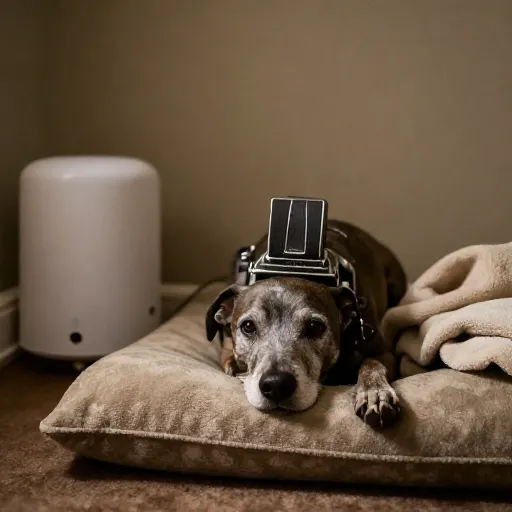
Not all dogs want to play all the time. Some need a quiet space to decompress. I created a “quiet corner” in my office away from the main action. It’s just a cozy bed in a low-traffic area with a white noise machine.
This is especially helpful for shy dogs or older dogs who get overwhelmed by younger, more energetic guests. When I see a dog looking stressed or tired, I lead them to this corner for a break.
It’s a little sanctuary, and it prevents a lot of unnecessary scuffles from overstimulation.
8. Use a “Crate” as a Safe Haven, Not a Jail
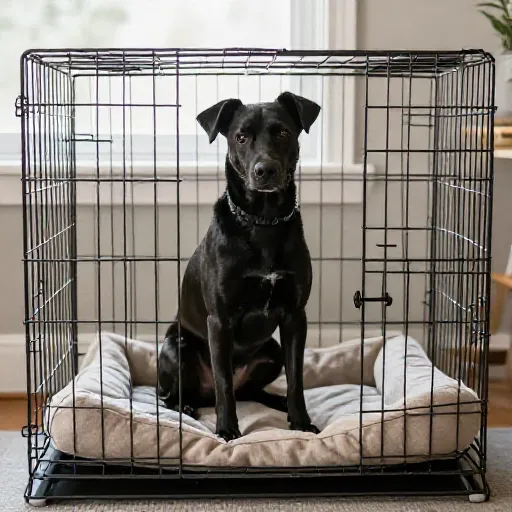
Even if the owner says their dog is “crate-trained,” I always set up a spare crate in a quiet room. I leave the door open and put a comfy bed inside. It’s a personal den for them.
I never force a dog into the crate. Instead, I toss a treat inside and let them discover it on their own. For most dogs, it becomes their favorite spot to nap in the afternoon.
It’s also a lifesaver if I need to leave the house for an hour or two. I know they are safe and secure, and they know they have a familiar place to chill.
9. Design a Feeding Station That Prevents Drama
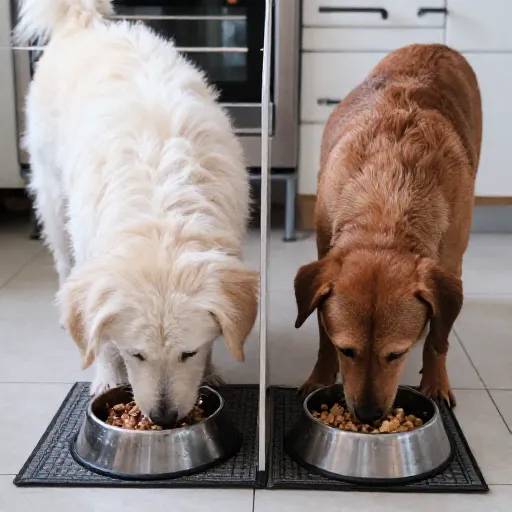
Food is a big deal, and food aggression is a real thing, even if an owner doesn’t mention it. I have a feeding station in the kitchen with a “place” mat for each dog. I feed them in separate areas, usually a few feet apart, so there’s no competition.
I use elevated bowls for bigger dogs and regular bowls for smaller ones. This isn’t just about style; it’s about comfort and digestion.
I always feed the boarding dog last, so they learn that I’m the pack leader and there’s no need to rush or guard their bowl.
10. Keep a “First Aid & Info” Binder Handy
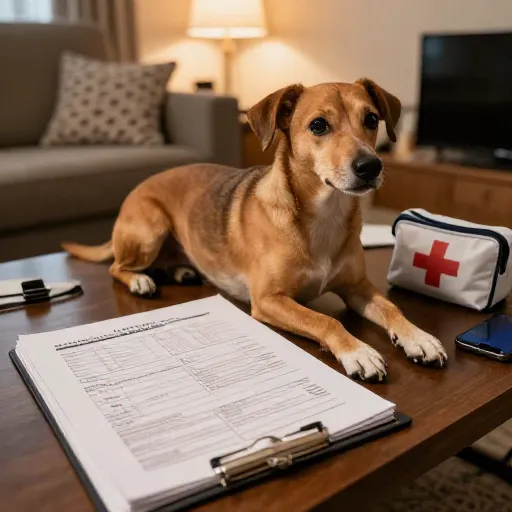
This is the most important, non-cute part of the setup. I have a binder that I keep on the kitchen counter. For every dog, I have a one-page info sheet with their vet’s number, vaccination records, and any allergies or medications.
I also have a well-stocked doggy first aid kit in the same spot. It has gauze, bandage tape, antiseptic wipes, and a pair of tweezers. I’ve only had to use it for minor scrapes, but it’s a huge relief to have it ready.
I also write down the owner’s emergency contact info and a backup contact in case they are unreachable.
11. Set Up a “Meet & Greet” Trial Run
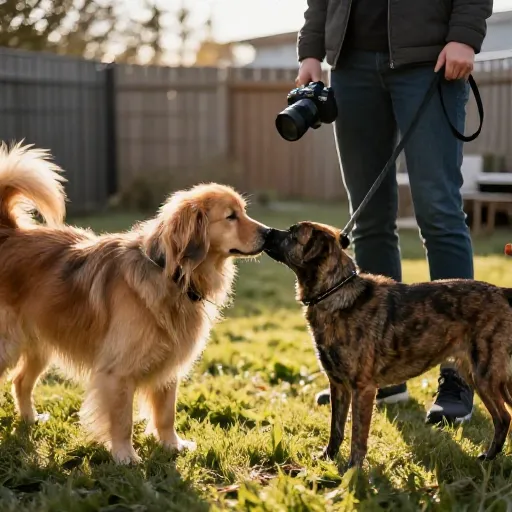
Before the actual boarding stay, I always schedule a “meet and greet” at my home. This isn’t just a quick hello at the door. I invite the dog and owner over for 30 minutes to walk around the yard and sniff the main rooms.
This is a trial run for the dog to get familiar with the smells and sights. It also gives me a chance to see how the dog interacts with my own pets, if I have any, and my family members.
It dramatically reduces the stress of the first official drop-off because the dog already knows this isn’t a scary place.
12. Create a “Departure” Routine to Keep it Positive
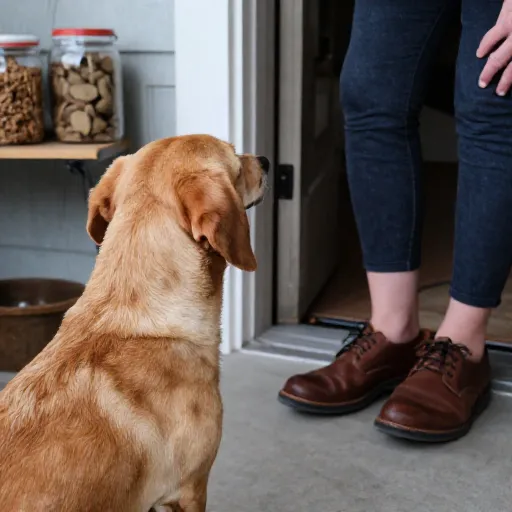
Goodbyes are hard for dogs, so I don’t make a big fuss when the owner leaves. Instead, I have a “departure” routine. I take the dog to their favorite spot—usually the backyard—and give them a high-value treat, like a frozen Kong filled with peanut butter.
I do this right before the owner leaves, so the dog associates the owner leaving with getting something awesome. It’s a positive distraction that turns a potentially stressful moment into a happy one.
When the owner comes back, I keep my tone calm and happy, but not overly excited. This helps the dog understand that coming and going is just a normal part of life.
Conclusion
Setting up your home for dog boarding doesn’t require a massive renovation. It’s all about having a plan and a dedicated spot for the essential things—sleeping, eating, playing, and potty breaks. Once you have these systems in place, you can actually relax and enjoy the company of your furry guests.
Remember that every dog is different, so you’ll tweak your setup as you go. The goal is to make it feel safe, predictable, and fun. When you’re prepared, you’re not just a host; you’re a hero to both the pups and their parents.
Frequently Asked Questions
What is the most important thing to ask an owner before booking?
Always ask about vaccination records and any behavioral triggers, like fear of thunder or resource guarding. It’s also crucial to ask about their daily routine, including feeding times and potty schedules, so you can keep it as close to home as possible.
How do I handle a dog that won’t stop barking?
First, try to figure out why they are barking. Are they bored, anxious, or hearing outside noises? I usually try a puzzle toy or a long walk to tire them out. If it’s anxiety, moving them to a quieter room with the white noise machine often helps a lot.
Is it okay to let boarding dogs interact with my own pets?
Yes, but only after a careful, supervised introduction on neutral territory, like a park or a front yard. Start with short, leashed walks together before allowing them to play freely in the backyard. Always have a plan to separate them if play gets too rough.
What if a dog has an accident on my carpet?
Don’t panic. Clean it up immediately with an enzymatic cleaner specifically designed for pet messes. Regular cleaners don’t break down the proteins in urine, so the smell will linger and encourage them to go in the same spot again.
How many dogs should I board at one time?
Start small! I recommend boarding just one or two dogs at a time when you’re starting out. This allows you to give each dog the attention they need and learn their personalities without getting overwhelmed. You can always take on more later if you feel comfortable.