14 Dog Mud Room Ideas for Organized Homes
If you have a dog, you know the struggle. Muddy paws, wet fur, and stray toys seem to multiply the second you walk through the door. Your mud room can either be a daily disaster zone or a smart, functional space that makes life easier. Over the years, I’ve tested plenty of setups, and these 14 ideas are the ones that actually work.
Think of your mud room as your dog’s personal entry station. With a few clever tweaks, you can cut down on mess, keep gear tidy, and even make your pup feel welcomed. Let’s walk through my favorite mud room solutions for dog owners.
These ideas are practical, budget-friendly, and designed to fit real homes. Whether you have a small closet or a spacious entryway, there’s something here for you.
1. Built-In Dog Cubby With Cushion
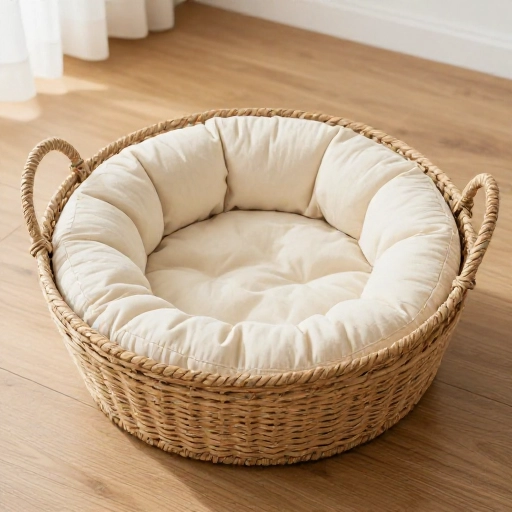
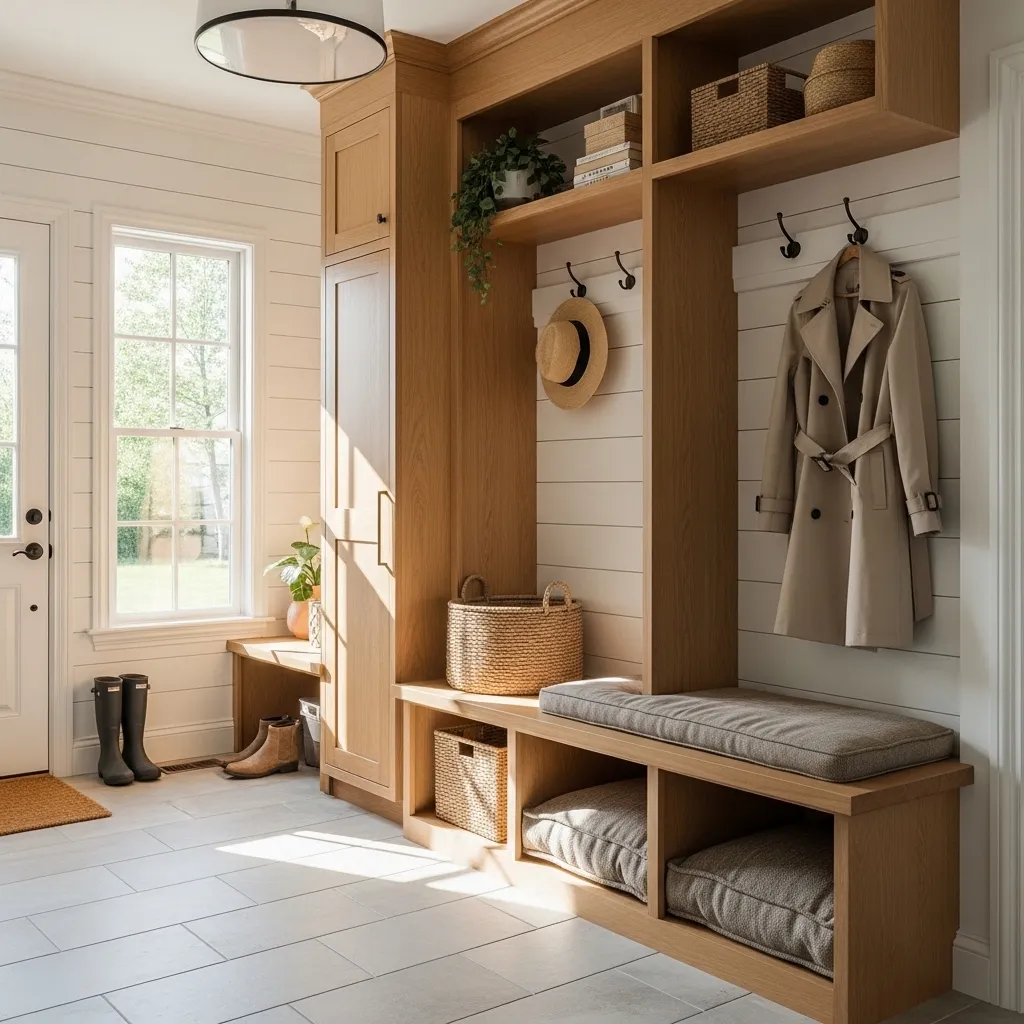
Give your dog a designated spot inside the mud room. A built-in cubby with a removable cushion creates a cozy den-like space. It keeps your dog from wandering through the house with wet paws.
Measure your dog’s length and height before building or buying. Add a washable cover so you can toss it in the laundry after muddy walks. Your pup will love having their own corner, and you’ll love containing the mess.
2. Paw Washing Station at Dog Height
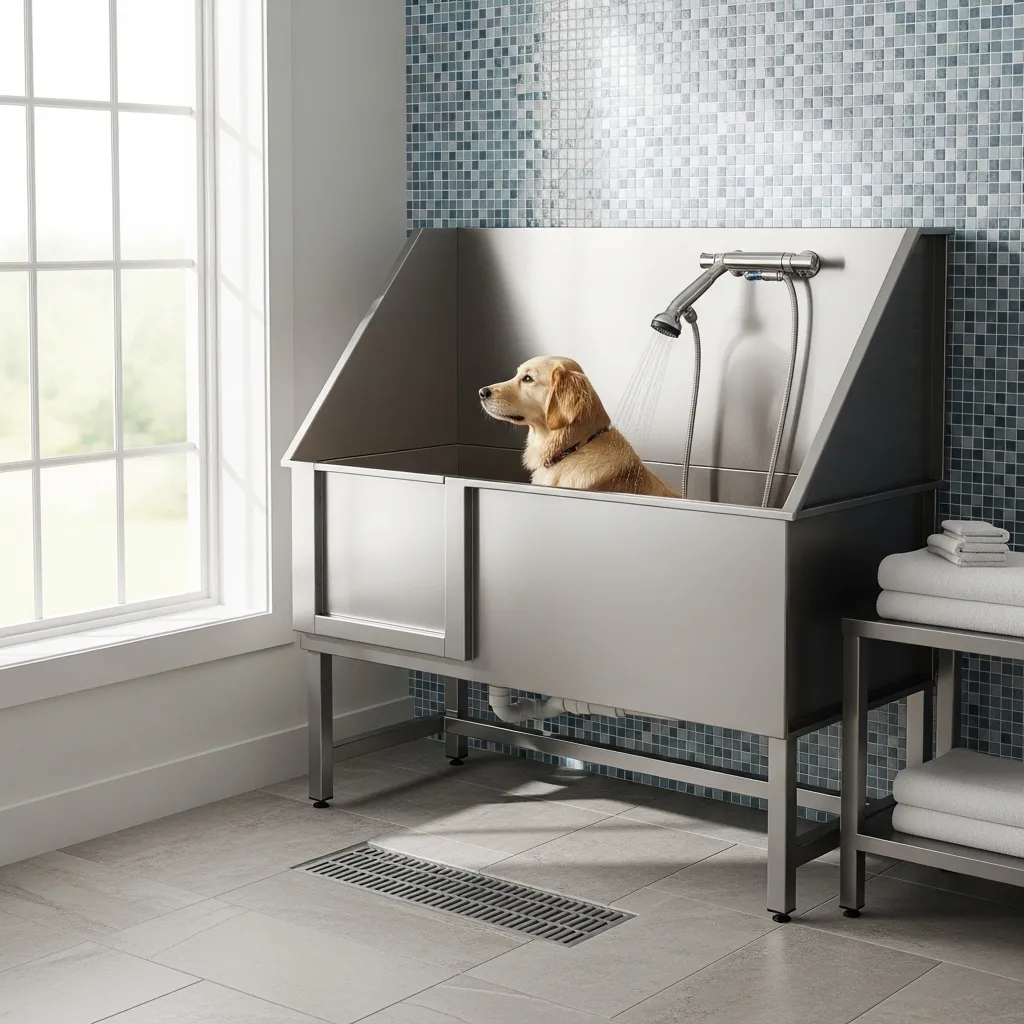
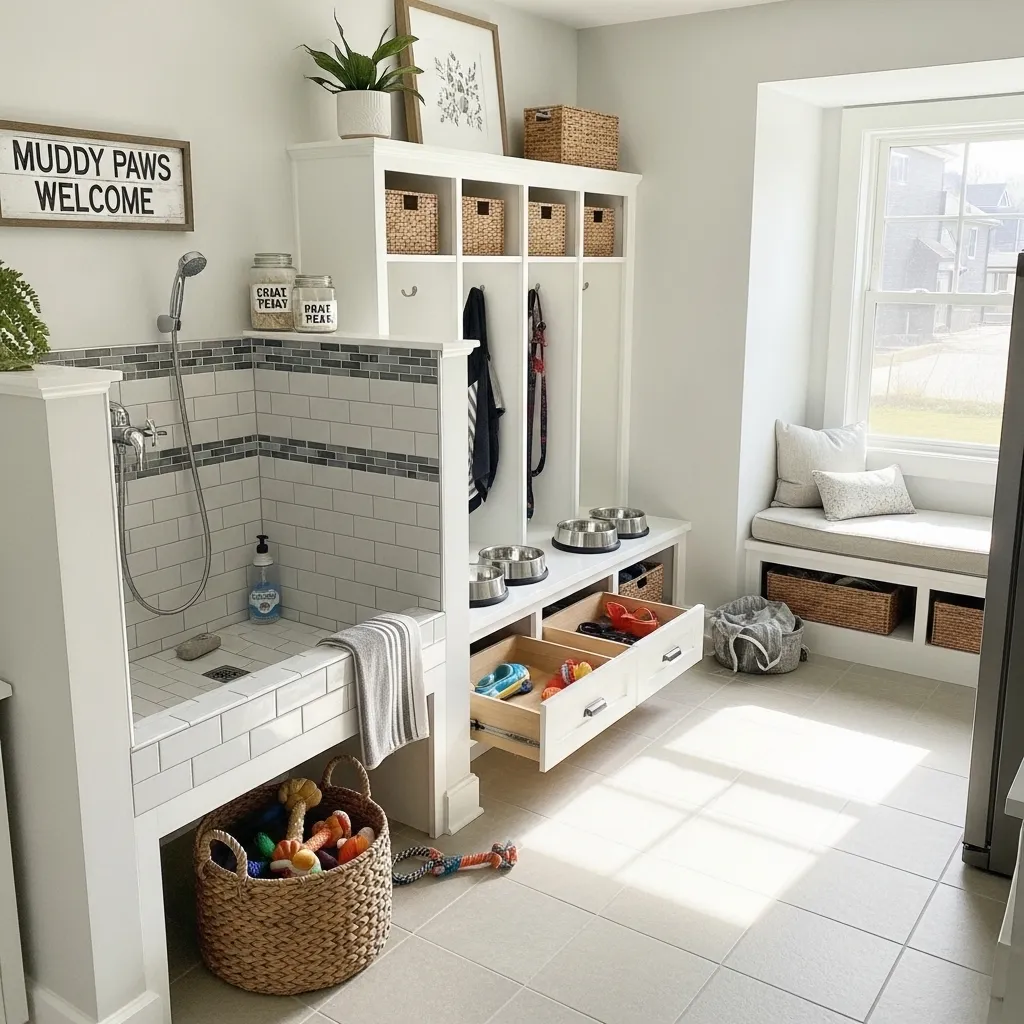
A low-mounted utility sink or a simple foot bath changes everything. Install it at a height your dog can comfortably reach. Add a handheld sprayer and you can rinse off muddy paws in seconds.
Keep a towel rack right next to it. I use a small caddy with dog-safe soap and a brush. This setup saves your floors and your sanity during rainy seasons.
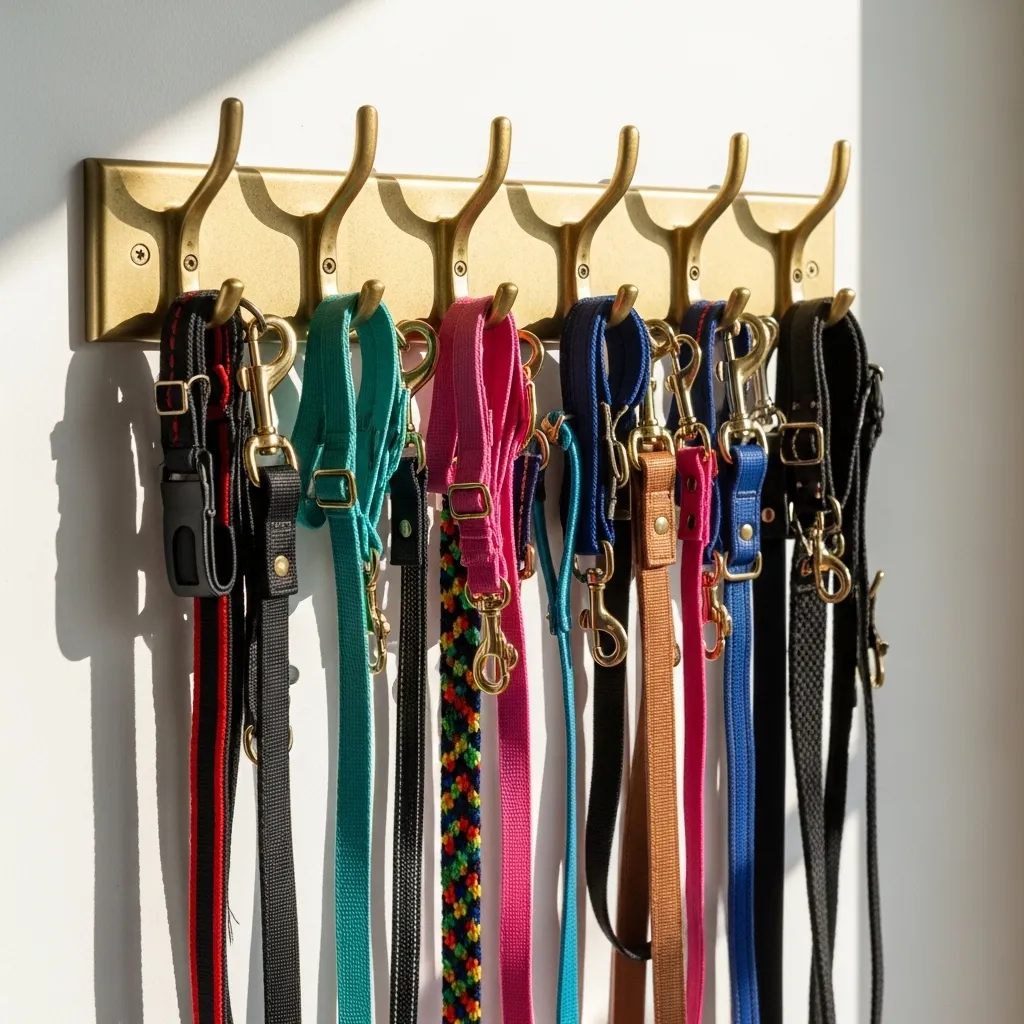
3. Wall-Mounted Leash and Collar Hooks
Stop hunting for leashes every morning. Install a row of sturdy hooks at a reachable height. Assign one hook per dog, and add a small shelf above for collars and harnesses.
I like using labeled hooks so everyone in the family puts things back in the right spot. It’s a small change that creates a big sense of order. Plus, it frees up counter space.
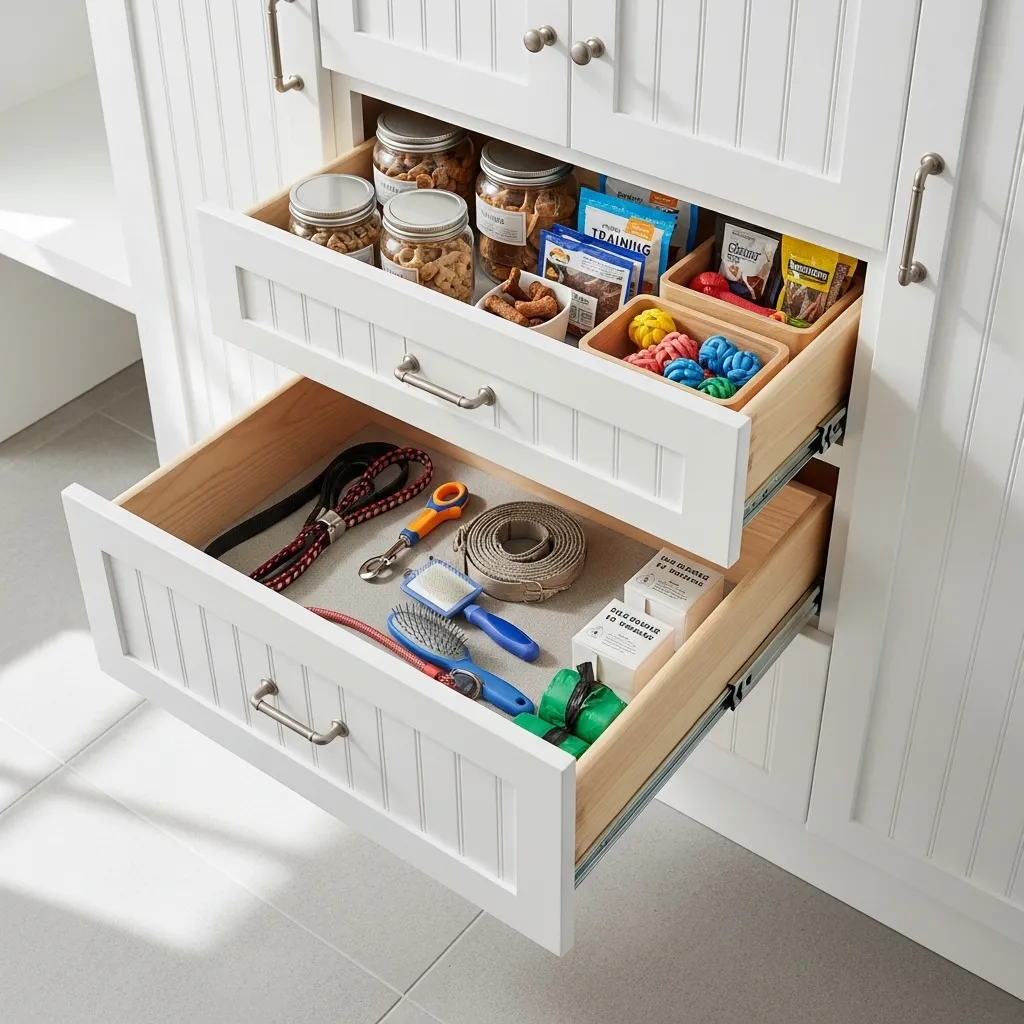
4. Sliding Storage for Treats and Supplies
Maximize every inch of your mud room with pull-out drawers or sliding baskets. Store dog treats, poop bags, and grooming tools inside. You can access them quickly without rummaging through a deep cabinet.
Use clear containers or labels so you can see what’s running low. This system works especially well in narrow mud rooms where every bit of space counts.
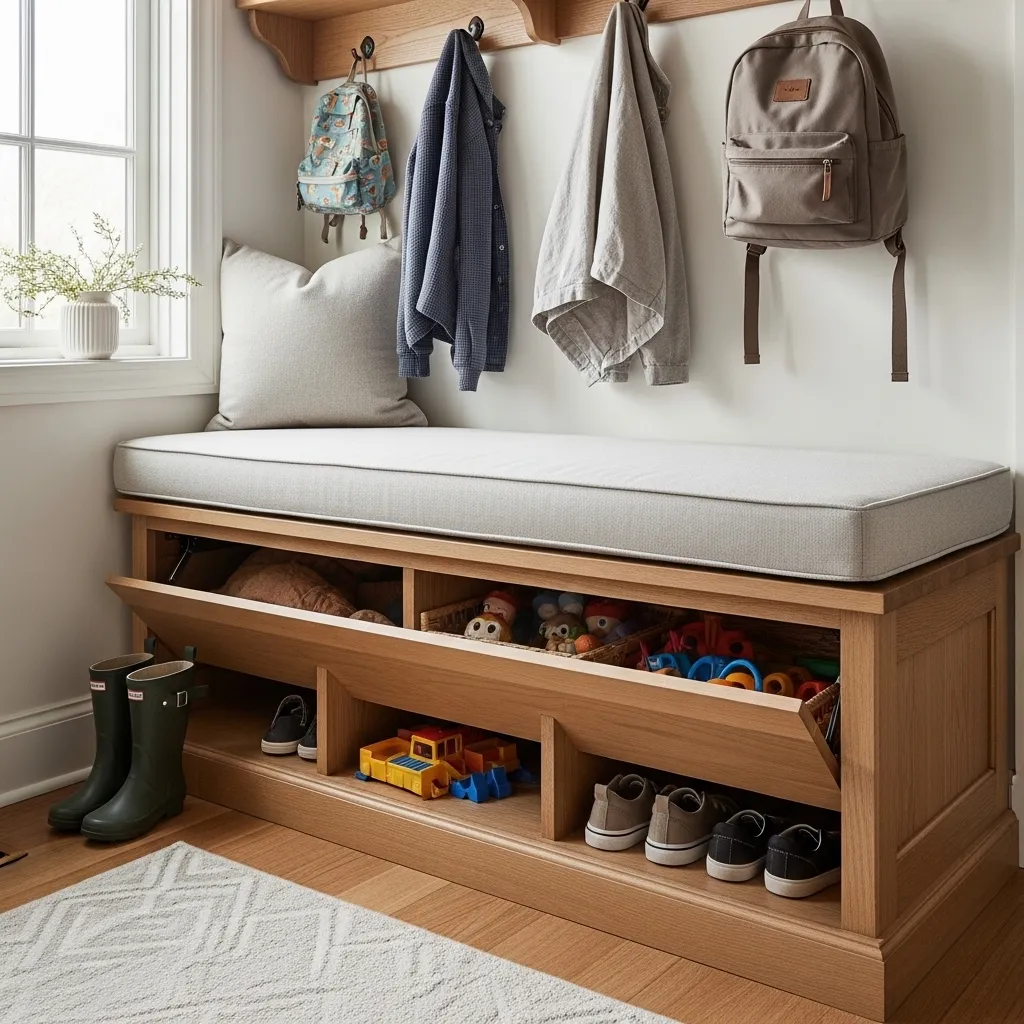
5. Mud Room Bench With Hidden Toy Storage
Choose a bench with a lift-up seat or deep drawers underneath. It doubles as a place to sit while putting on boots and a secret spot for dog toys. Your mud room stays tidy because toys are out of sight.
I recommend a bench with a waterproof cushion in case your dog jumps up with damp fur. It’s a simple swap that keeps your seating clean and comfortable.
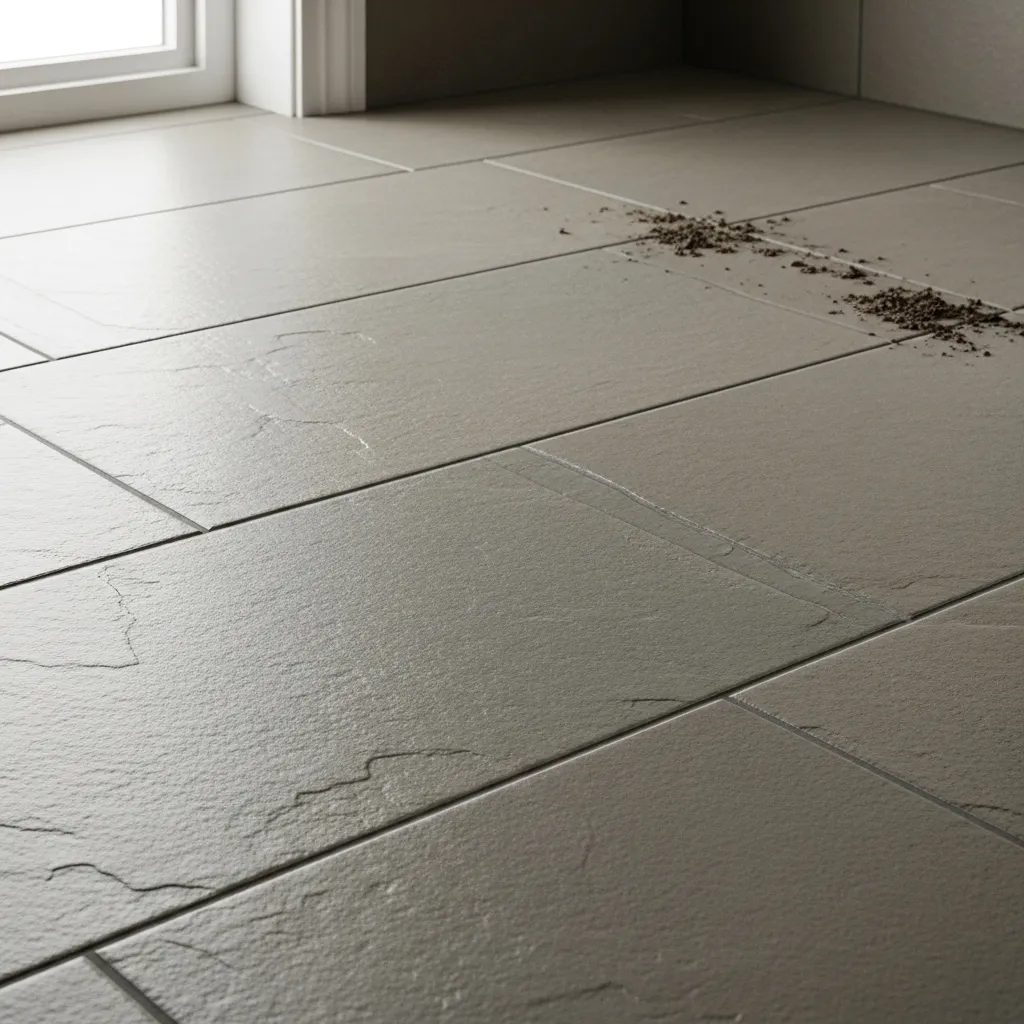
6. Durable, Easy-Clean Flooring
Your mud room floor takes a beating. Swap carpet or delicate tile for luxury vinyl plank, ceramic tile, or sealed concrete. These materials resist scratches and wipe clean with a mop.
Add a washable runner rug near the door to catch extra dirt. I keep a second rug inside the dog zone for easy swapping on muddy days. Your floors will thank you.
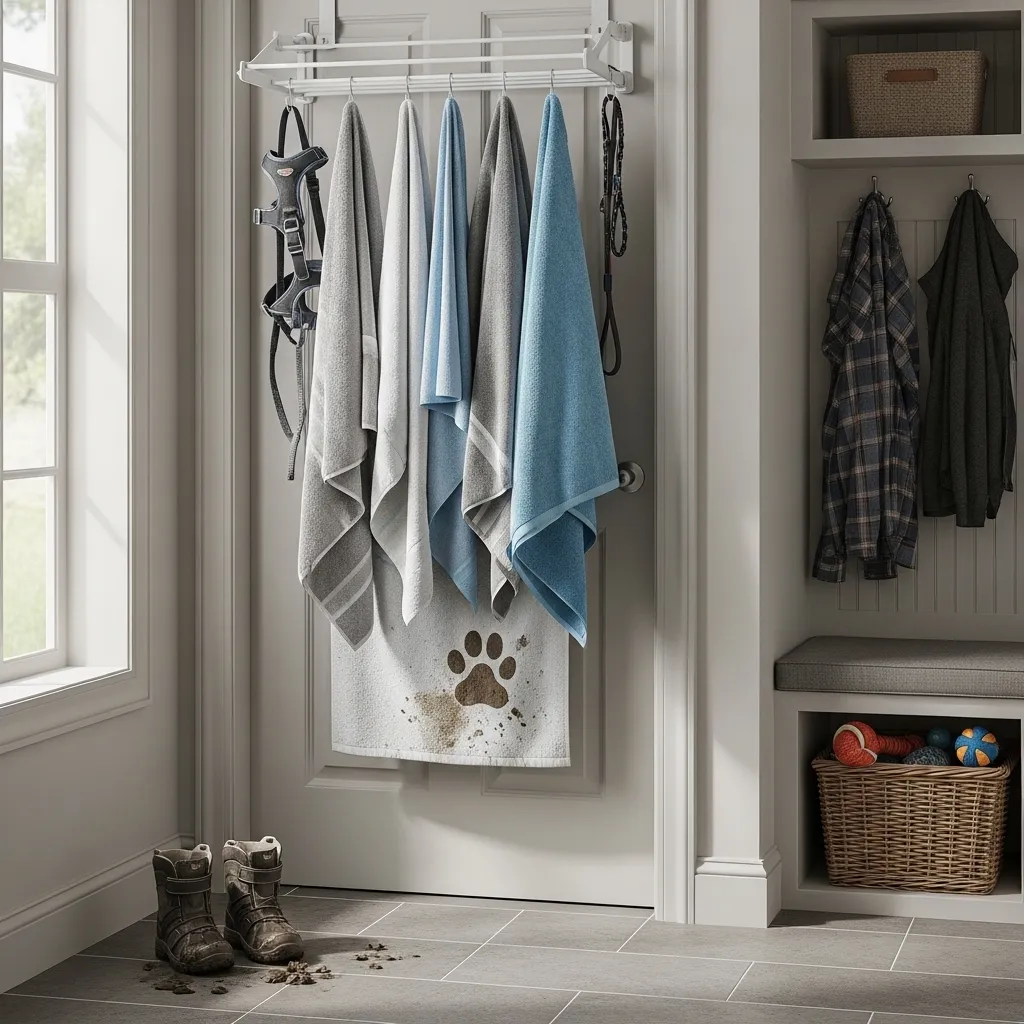
7. Over-the-Door Drying Rack
Wet dog towels and muddy gear need a place to dry. Install an over-the-door rack or a wall-mounted drying bar. It keeps damp items off the floor and allows air circulation.
Hang a dedicated towel for each dog. This simple setup prevents musty smells and keeps your mud room ready for the next walk. I use clip hangers for smaller items like bandanas.
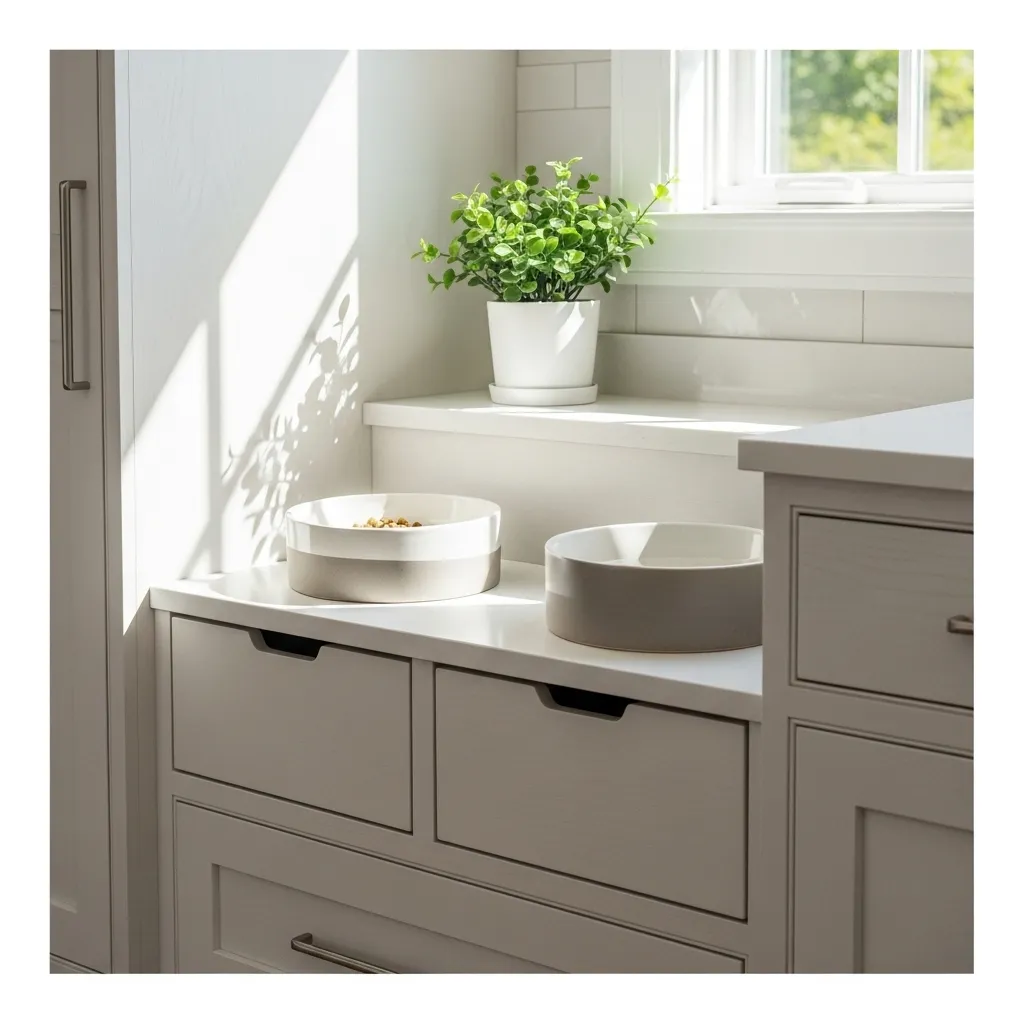
8. Built-In Feeding Station
Create a feeding nook inside your mud room. A low cabinet with pull-out bowls keeps food and water contained. It also prevents your dog from eating too fast or knocking the bowls over.
Raise the bowls to a comfortable height for your dog’s breed. This reduces neck strain and makes mealtime more comfortable. Store food in an airtight container right inside the cabinet.
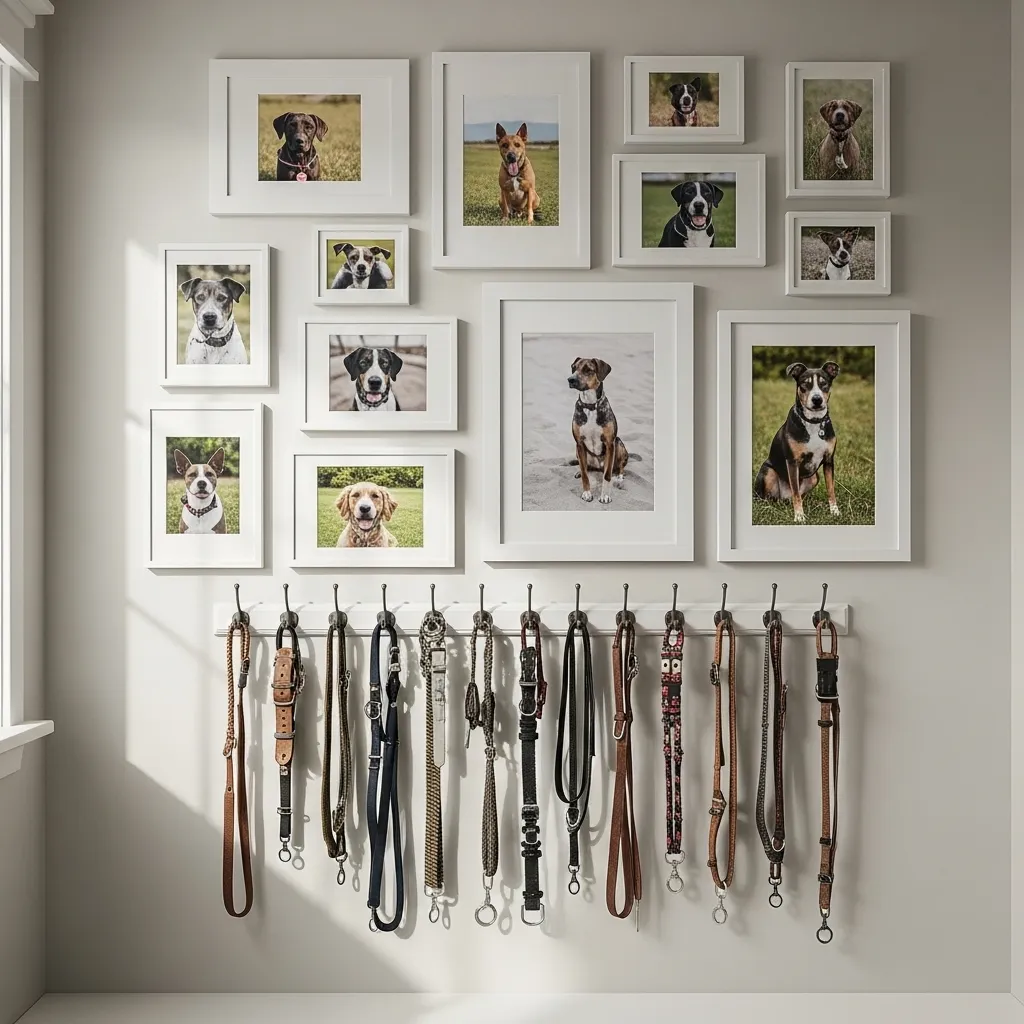
9. Mud Room Wall for Dog Photos and Collars
Turn an empty wall into a functional display. Hang a small gallery of your dog’s photos alongside hooks for special collars or bandanas. It adds personality while keeping accessories organized.
Use lightweight frames and command strips to avoid wall damage. This idea makes your mud room feel warm and personal, not just utilitarian. Your guests will smile when they see it.
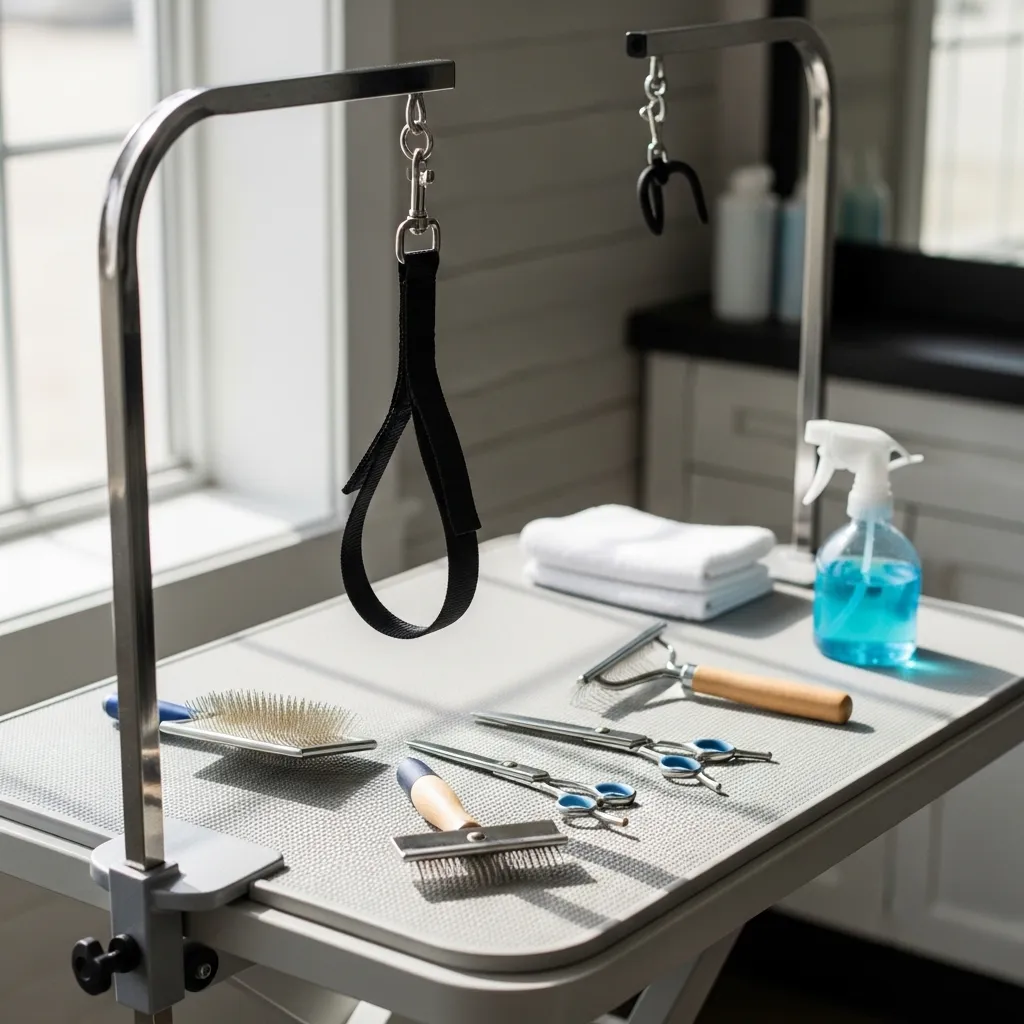
10. Grooming Station With a Restraint Loop
Install a low table or counter with a non-slip mat for quick grooming. Add a restraint loop attached to the wall to keep your dog steady. This is perfect for brushing out mud and loose fur after walks.
Keep a small bin with a brush, comb, and wipes nearby. You can tidy up your dog before they step into the rest of the house. It saves you from finding fur tumbleweeds later.
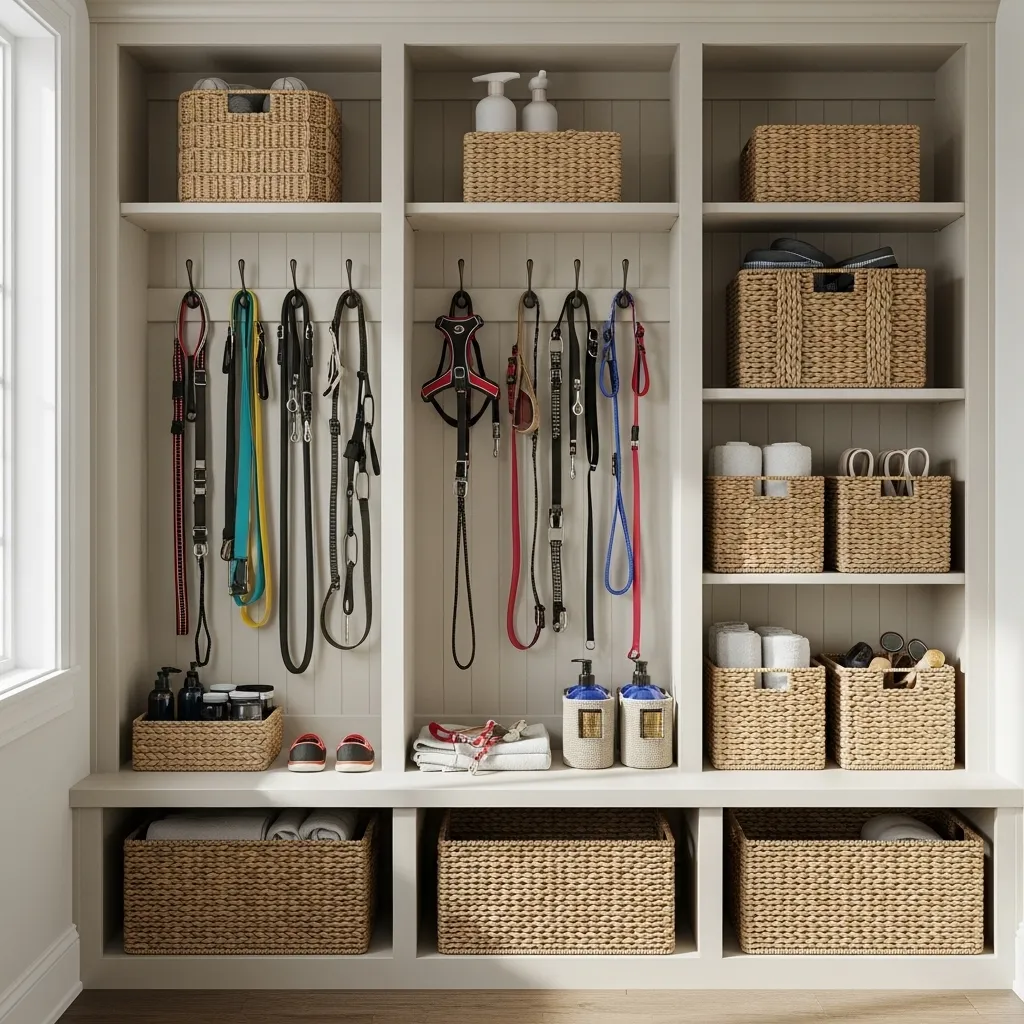
11. Open Shelving for Dog Gear
Open shelves make it easy to grab what you need quickly. Store dog jackets, boots, and hiking gear in neat piles or baskets. You can see everything at a glance, no digging required.
Use matching baskets or bins to keep the look cohesive. I label each basket by season or activity. This system works great if you have multiple dogs with different gear needs.
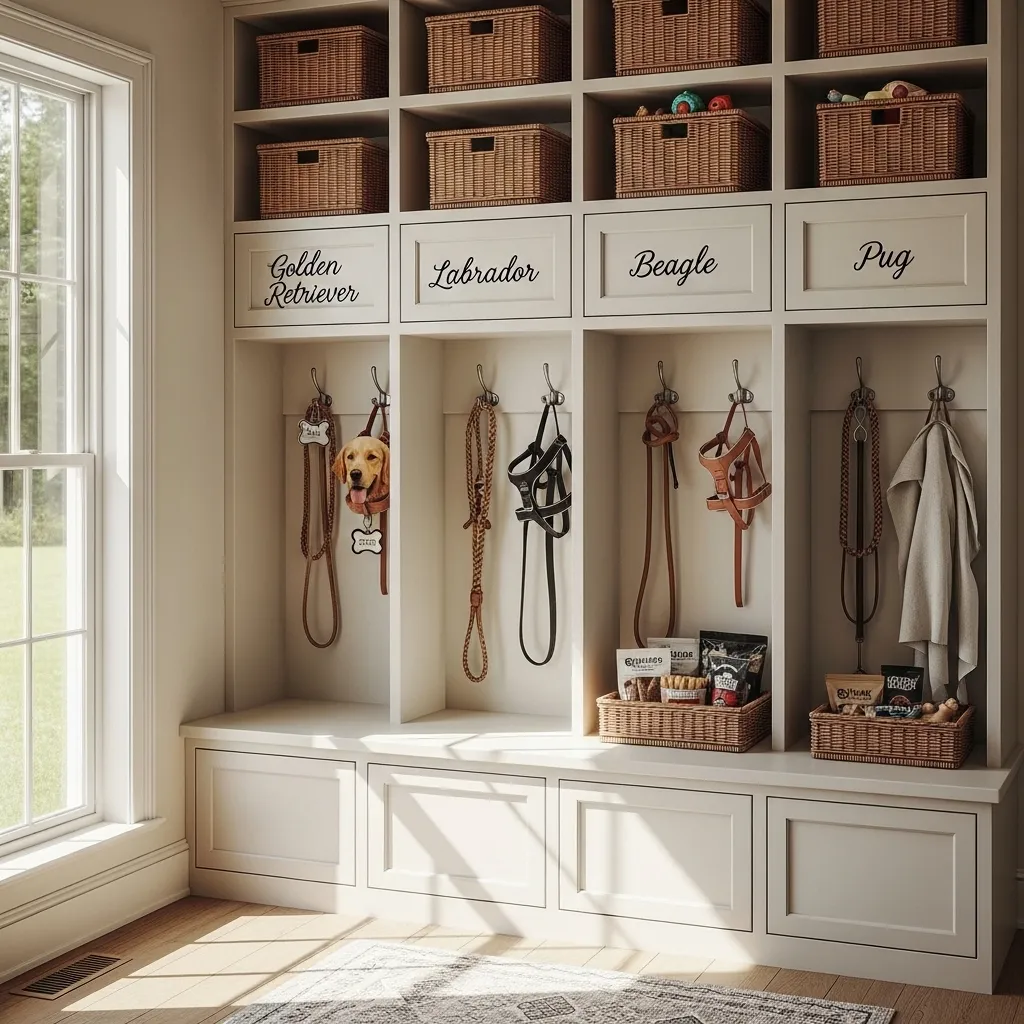
12. Mud Room Lockers for Each Dog
If you have space, install a row of cubby lockers. Assign one locker per dog for their leash, harness, towel, and treats. It keeps everyone’s gear separate and easy to find.
Add a hook inside each locker for hanging items. You can also attach a small whiteboard on the door for walk reminders. This is my favorite solution for households with multiple dogs.
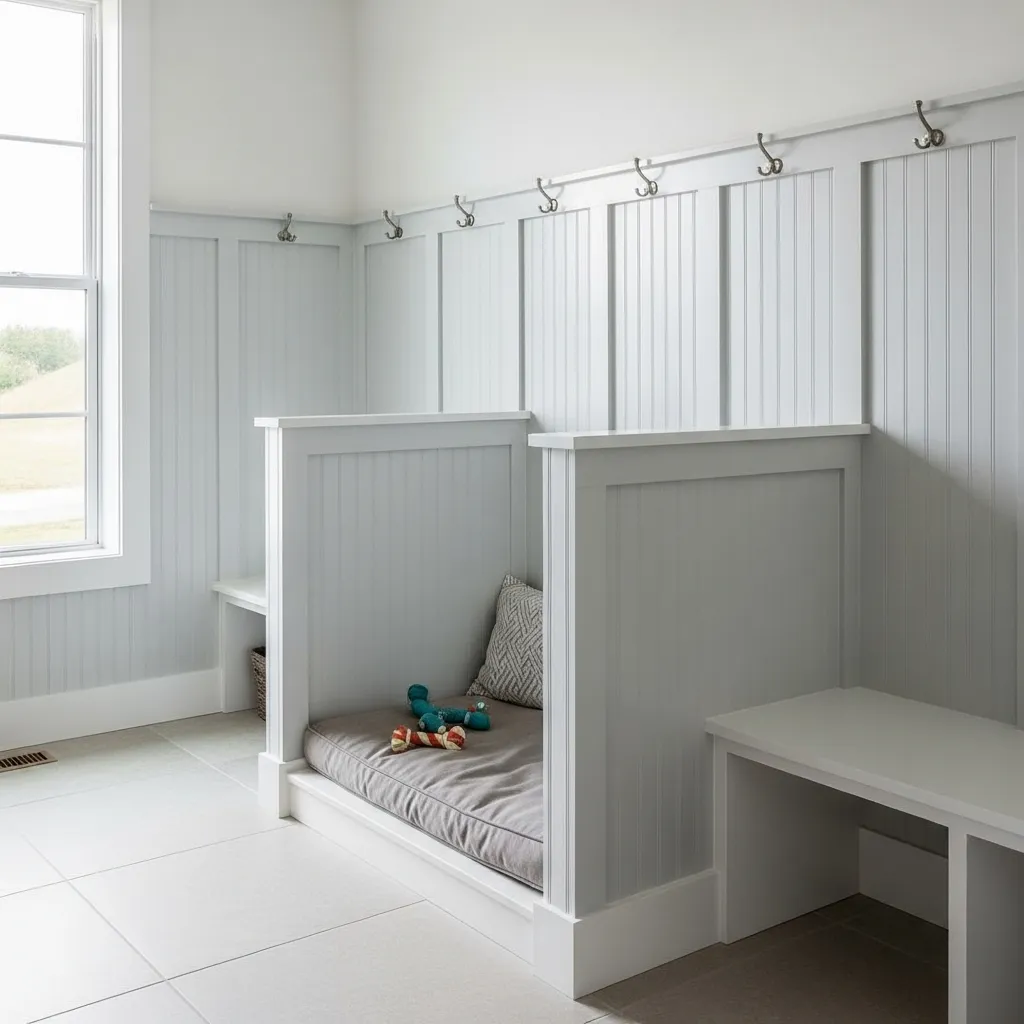
13. Washable Wall Panels Behind the Dog Zone
Dogs shake, splash, and rub against walls. Install washable wall panels like beadboard, tile, or peel-and-stick wallpaper in the dog area. You can wipe them down with a cloth and cleaner.
Focus on the wall near the door and the feeding station. This small upgrade prevents stains and odors from setting in. It’s a practical update that keeps your mud room looking fresh.
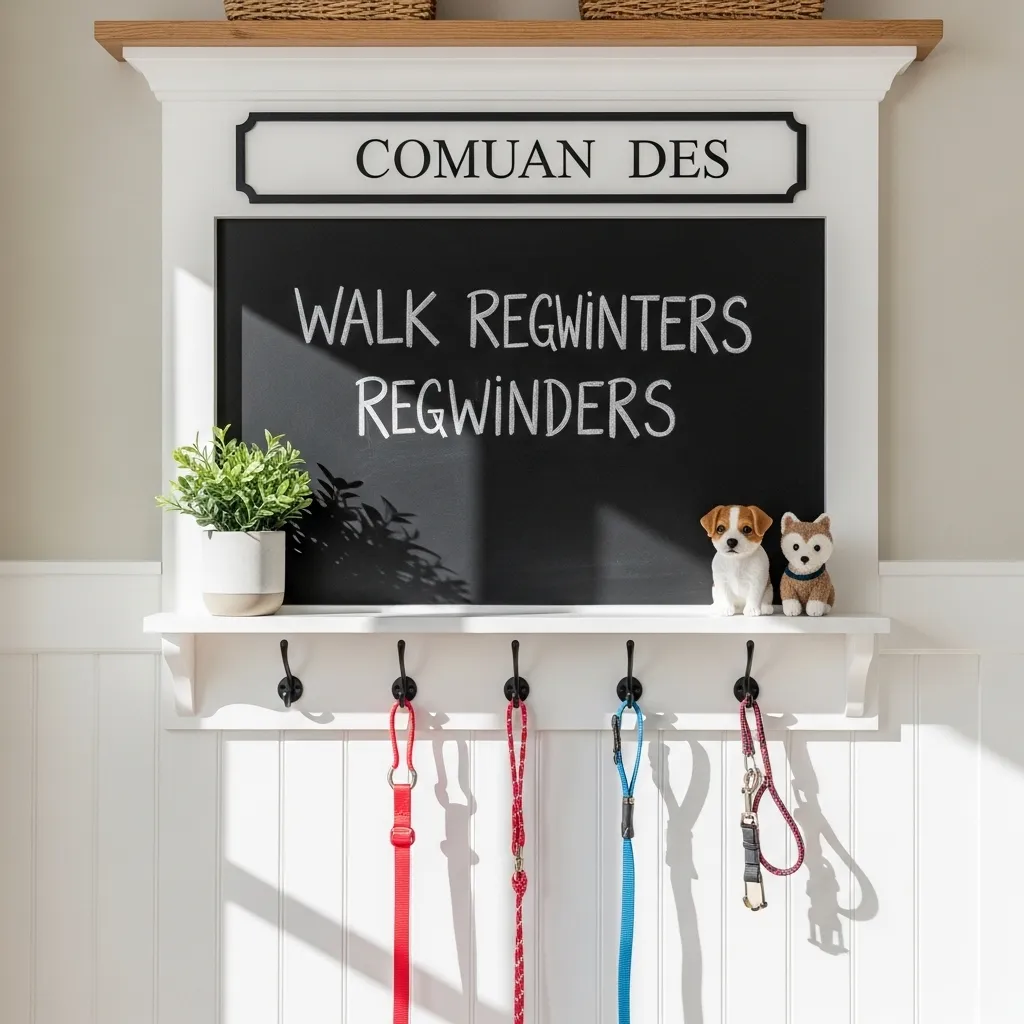
14. Command Center for Walk Reminders
Create a small command center with a dry-erase board, a clock, and a weekly schedule. Use it to track walks, vet appointments, and feeding times. It keeps the whole family on the same page.
Add a small bin for poop bags and a hook for the leash. You’ll never forget a walk or a scoop again. This idea turns your mud room into a functional hub for dog care.
Conclusion
Your mud room can be a peaceful, organized space that makes life with a dog simpler. Start with one or two ideas that fit your space and your dog’s needs. Over time, you’ll build a system that works for your whole family.
Remember, the best mud room is the one you actually use every day. Keep it practical, keep it clean, and let your dog enjoy their own little entryway. Happy organizing!
Frequently Asked Questions
1. What is the best flooring for a dog mud room?
Luxury vinyl plank, ceramic tile, or sealed concrete are the best choices. They resist scratches, are easy to clean, and hold up well to moisture. Avoid carpet or soft wood.
2. How do I keep my mud room from smelling like wet dog?
Use washable rugs, air out towels immediately, and add a small dehumidifier if needed. Wash dog bedding and towels weekly. Open a window or use an air purifier for extra freshness.
3. Can I create a dog mud room in a small space?
Absolutely. Use vertical storage with hooks and shelves. A slim bench with under-seat storage works wonders. Even a closet can become a functional dog mud room with a little creativity.
4. How do I stop my dog from tracking mud through the house?
Train your dog to wait at the mud room door. Use a paw washing station or a towel for quick cleanups. Place a large mat on both sides of the door to catch extra dirt.
5. What should I store in my dog mud room?
Store leashes, collars, harnesses, towels, poop bags, treats, grooming tools, and a spare set of dog boots. Keep seasonal items like raincoats or sweaters in labeled bins. Only keep what you use regularly.