14 Easy Dog Crate Training Tips for New Puppy Owners

Bringing home a new puppy is one of the most exciting days, but it also comes with a lot of questions. One of the first things I learned was that crate training doesn’t have to be a struggle. When done right, the crate becomes your puppy’s cozy den, not a punishment zone.
I remember feeling guilty about the idea at first. But after countless coffee-fueled research sessions and real-life trials with my own rambunctious pup, I found that a few simple tricks make all the difference. Here are the 14 tips that actually worked for us.
1. Make the Crate a Five-Star Bedroom
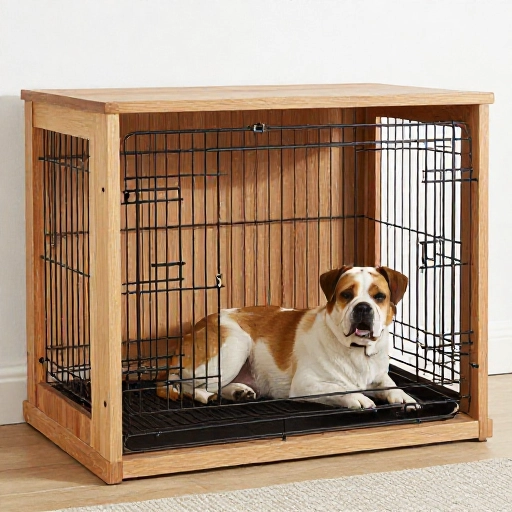
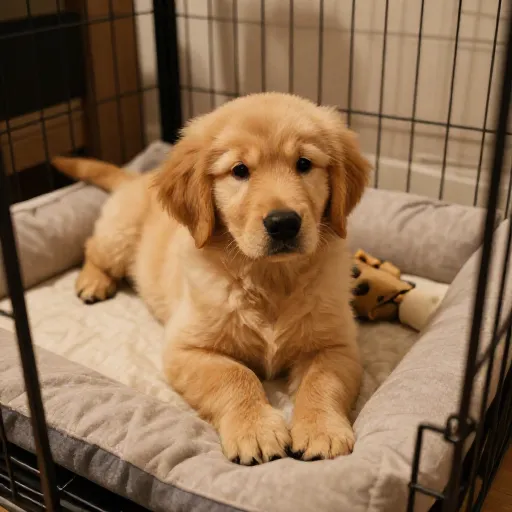
Before you even bring your puppy home, set the crate up in a busy area of the house. Toss in a soft blanket, a safe chew toy, and maybe an old t-shirt that smells like you. The goal is to make it smell familiar and feel comfy.
Leave the door open at first. Sprinkle a few treats inside so your puppy walks in and out on their own. This builds a positive first impression without any pressure.
2. Feed Meals Inside the Crate
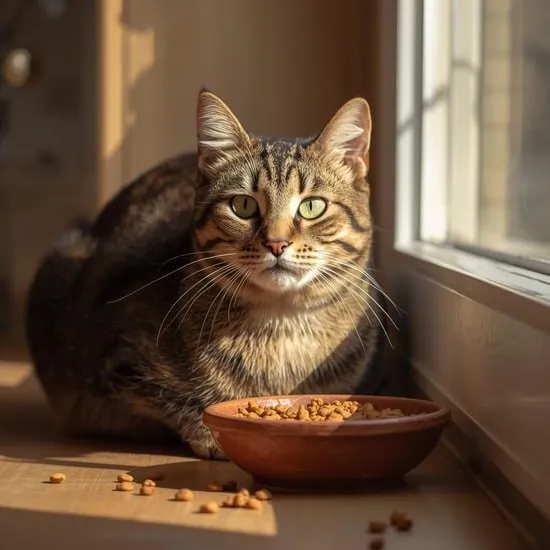
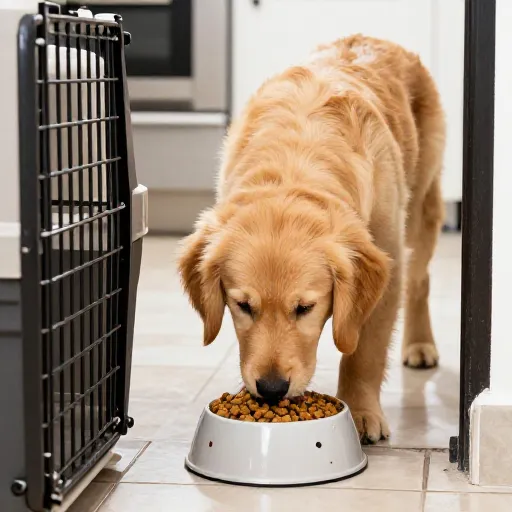
Turn mealtime into a crate game. Place your puppy’s food bowl just inside the door, then gradually move it to the back as they get comfortable. Soon, your pup will associate the crate with something they love—food.
For picky eaters, try scattering a few kibble pieces inside. It turns the crate into a treasure hunt, which is way more fun than a plain bowl.
3. Use High-Value Treats
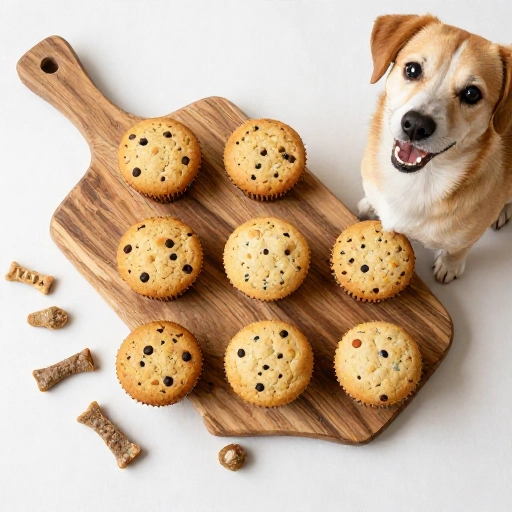
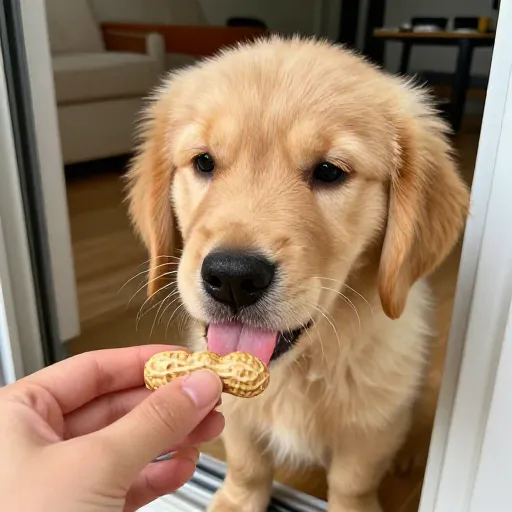
Not all treats are created equal. Save the really smelly, delicious ones (like freeze-dried liver or cheese bits) exclusively for crate time. This makes the crate the most exciting place in the house.
Toss a treat in and say “kennel” or “crate” in a cheerful voice. When your puppy goes in, close the door for just one second, then open it. Repeat this until they eagerly dash inside.
4. Start with Super Short Sessions
Don’t expect your puppy to nap in the crate for an hour on day one. Begin with 30-second sessions while you stand right there. Gradually increase the time as your pup stays calm.
I used to close the door, walk two steps away, then come right back. It sounds silly, but it teaches your puppy that you always return. This builds trust slowly.
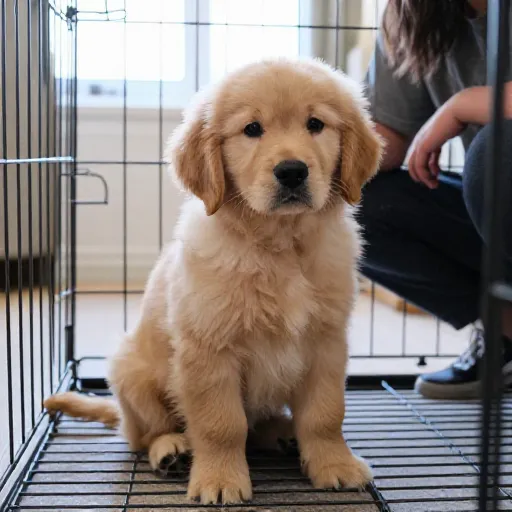
5. Never Use the Crate as Punishment
This is a big one. If you send your puppy to the crate when they’ve had an accident or chewed a shoe, they’ll start to see it as a jail cell. The crate should always feel safe and neutral.
Instead, use a “time-out” spot like a bathroom or a gated area if you need a break. Keep the crate strictly for happy moments—treats, naps, and quiet time.
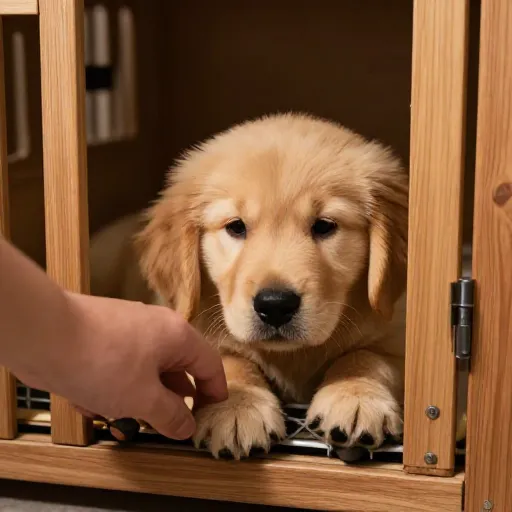
6. Cover the Crate for Cozy Vibes
Many puppies settle faster when the crate is covered. A lightweight blanket or a crate cover creates a cave-like atmosphere that blocks out visual distractions. Just make sure there’s good airflow.
Leave one side open so your puppy can see you. This helps them feel secure, knowing you’re nearby without feeling overstimulated by everything going on in the room.
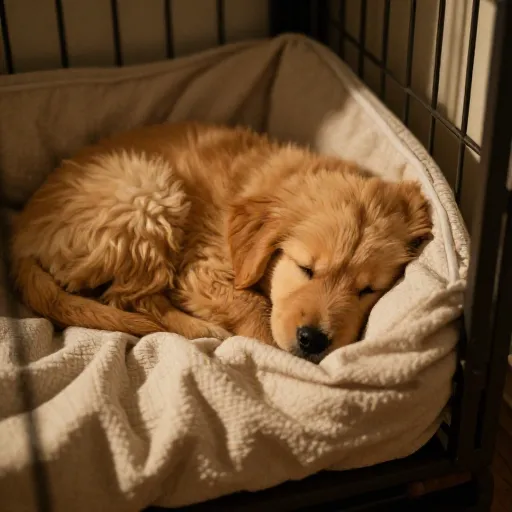
7. Stick to a Potty Schedule
Puppies have tiny bladders. A good rule of thumb is that they can hold it for about one hour per month of age (plus one). So a two-month-old puppy needs a potty break every three hours, even at night.
Set a timer. When you let them out of the crate, go straight outside. If they potty, reward them like they just won the lottery. If not, try again in 10 minutes.
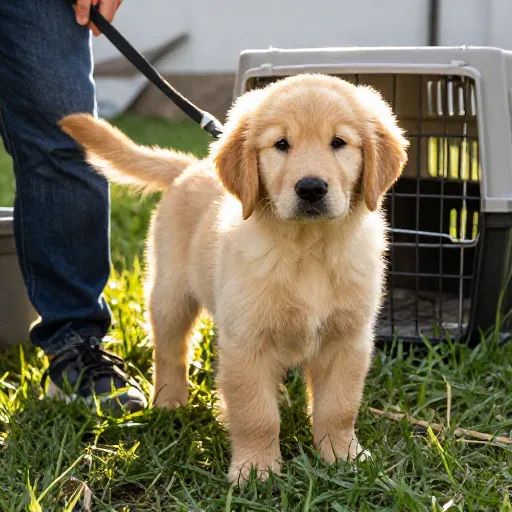
8. Use a Calming Cue Word
Pick a word like “settle” or “easy” and say it softly when your puppy is calm in the crate. Then, drop a treat inside. Over time, your puppy will learn that being quiet earns them rewards.
This works wonders for hyper pups. I paired the word with a gentle hand on the crate door, and within a week, my puppy would lie down when I whispered “settle.”
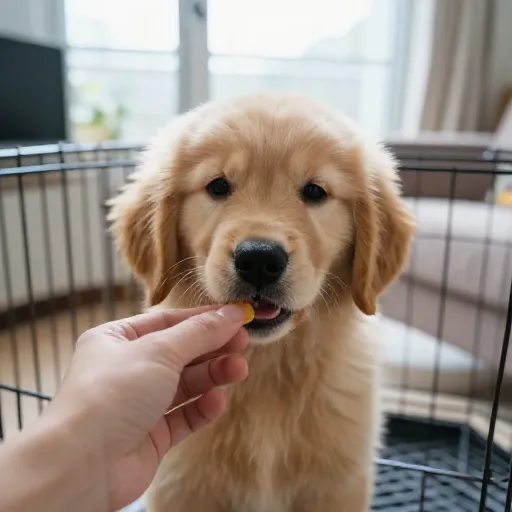
9. Exercise First, Crate Second
A tired puppy is a good puppy. Before a crate session, spend 10–15 minutes playing fetch, running around the yard, or doing a short training session. A little exercise makes the crate feel like a welcome rest stop.
Don’t overdo it with very young puppies though. Short bursts of play followed by quiet time work best. You want them relaxed, not exhausted.
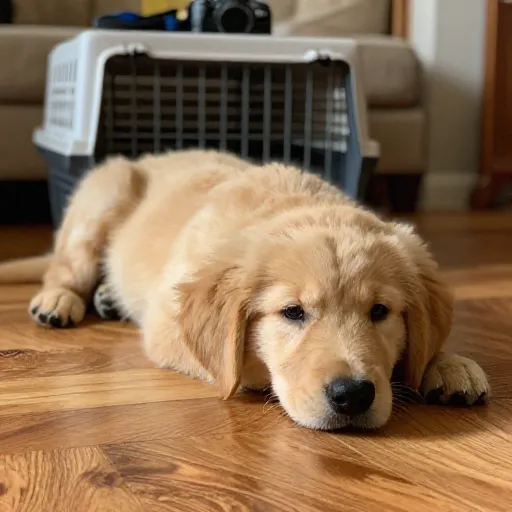
10. Gradually Increase Alone Time
Once your puppy is comfortable with short crating sessions, start leaving the room. Step into the kitchen for two minutes, then come back. Slowly stretch this to five, ten, and twenty minutes.
If your puppy starts whining, wait for a quiet moment before letting them out. Rushing back when they cry teaches them that whining works. Patience here pays off big time.
[[IMG:IMG11]]
11. Keep a Crate Routine
Puppies thrive on predictability. Try to crate your puppy at the same times each day—after meals, after playtime, and during your own work hours. A routine helps their internal clock adjust.
I used to follow the same pattern: potty break, crate time, treat, nap. Within a few days, my puppy would walk to the crate on his own when he saw me grab the treat jar.

12. Give Them a “Job” in the Crate
Give your puppy something to do while they’re in the crate. A stuffed Kong, a safe chew toy, or a puzzle feeder keeps their brain busy. This turns crate time into a fun activity, not a boring wait.
Freeze a Kong with peanut butter (xylitol-free) and kibble. It takes them a while to work through it, and by the time they’re done, they’re usually ready for a nap.
[[IMG:IMG13]]
13. Ignore the Whining (When It’s Safe)
This is the hardest tip to follow. If you know your puppy has been pottied, fed, and played with, and they still whine, it’s often just a protest. Responding every time teaches them to cry for attention.
Wait for a pause—even a two-second break—then calmly reward the silence. Over a few days, the whining usually fades as they learn that quiet gets them what they want.
[[IMG:IMG14]]
14. Celebrate Small Wins
Every time your puppy goes into the crate willingly, stays calm for a few minutes, or naps quietly, celebrate. Use a happy voice, give a treat, or offer a quick play session outside the crate.
Positive reinforcement builds confidence. Your puppy will start to see the crate as a place where good things happen, and that’s the whole goal. Be patient, and don’t compare your progress to anyone else’s.
[[IMG:IMG15]]
Conclusion
Crate training doesn’t happen overnight, and that’s okay. Every puppy learns at their own pace. The secret is consistency, patience, and keeping things positive. Remember, the crate is a tool to help your puppy feel safe, not a shortcut to a perfect dog.
You’ve got this. Stick with these tips, adjust them to fit your puppy’s personality, and soon the crate will just be a normal part of your daily routine. Your pup will thank you with tail wags and peaceful naps.
Frequently Asked Questions
How long does it take to crate train a puppy?
Most puppies adjust within a few weeks if you’re consistent. Some catch on in just a few days, while others need a month or more. It really depends on your puppy’s temperament and your routine.
Should I put water in the crate?
For short periods (under 2 hours), skip the water bowl to avoid messes. For longer crating times, attach a spill-proof bowl. Always make sure your puppy has plenty of water outside the crate.
What if my puppy cries all night?
First, rule out a potty need. If they just went, wait a few minutes to see if they settle. Try covering the crate and placing it near your bed. Your presence often calms them down.
Can I crate train an older dog?
Absolutely. The same tips apply—just go slower and use extra patience. Older dogs may have some anxiety or past experiences, so keep sessions short and very positive.
When can I stop using the crate?
There’s no rush. Many owners keep the crate available as a safe space for years. You can phase it out once your puppy is reliably potty-trained and doesn’t chew things when unsupervised, usually around 1–2 years old.