14 Step-In Dog Harness Tutorials: Easy No-Fuss Ways to Walk Your Pup
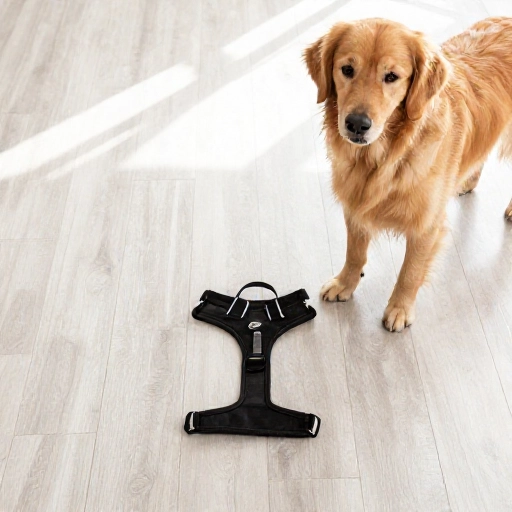
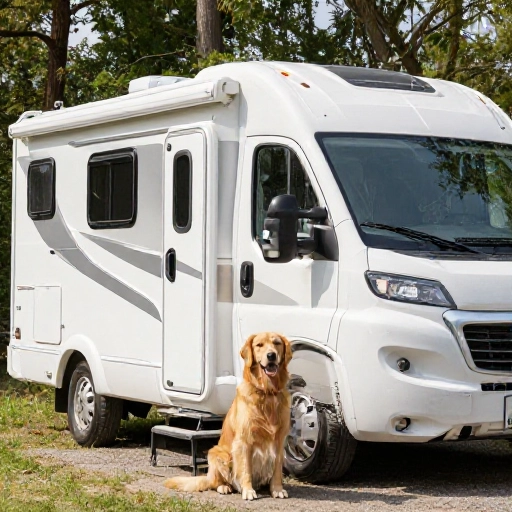
If you have a wiggly, excited pup who hates things going over their head, a step-in harness is an absolute game-changer. I remember the first time I tried one with my golden retriever, Charlie. He used to duck and weave whenever I brought out his old harness, but the moment I switched to a step-in style, walks became so much easier.
Step-in harnesses are genius because they let your dog literally step into the harness and you just clip it on their back. No wrestling, no pulling over the ears, and no fuss. Whether you have a tiny Chihuahua or a strong pitbull, these tutorials will help you master the process in minutes.
1. The Classic Floor Lay-Flat Method
This is the most common way to put on a step-in harness. Lay the harness flat on the floor with the belly straps facing up. Guide your dog to stand over it with one paw in each of the two openings. Once both feet are in, pull the straps up and clip them together on the back. It really is that simple.
Make sure the harness isn’t twisted before you bring your pup over. If the straps are crossed, the fit will be off and your dog will feel uncomfortable. A quick visual check saves you from having to start over.
If your dog is impatient, practice this a few times without clipping the back. Just let them stand in the harness and give them a treat. This builds positive associations.
2. The Luring Sit-and-Step Trick
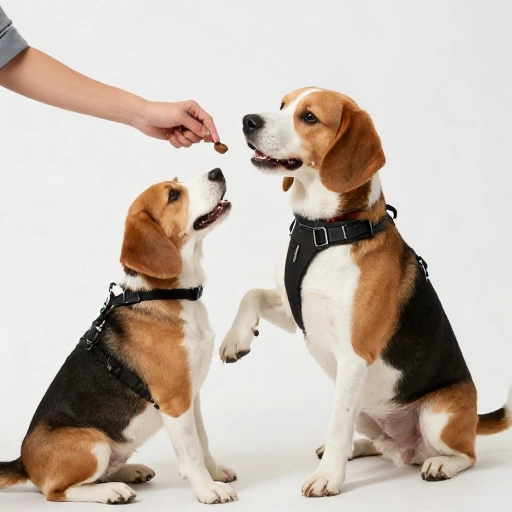
Some dogs just won’t stand still long enough to step in. I feel your pain. For these super energetic pups, use a treat to guide them into a sit position first. Hold the harness open in front of them, then place a treat on the floor between the paw holes.
As they lean down to sniff the treat, gently guide their front paw into the first hole, then the second. The movement is quick and natural. Once both paws are in, they will naturally stand up, and you can clip the back straps.
This method works wonders for puppies who are still learning body awareness. It makes the whole process feel like a fun game rather than a chore.
3. The “Puppy Pick-Up” Method for Tiny Dogs
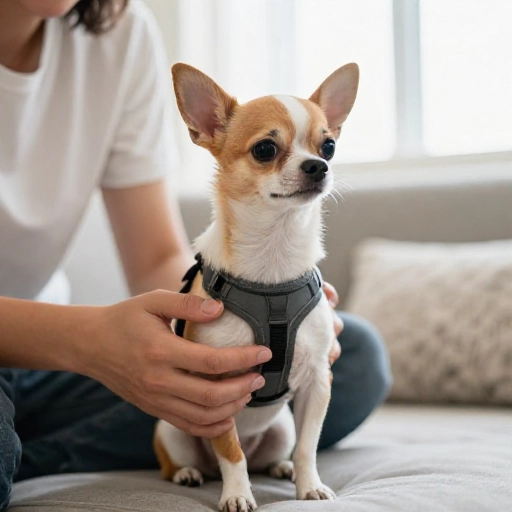
For toy breeds and puppies, bending down to the floor can feel like a lot of work. Instead, pick your dog up gently and place them on a low, stable surface like a couch or a bench. Lay the harness flat on the surface and guide their feet into the holes one at a time.
Having them at waist height is a lifesaver for your back. It also gives you a clearer view of what you’re doing, so you can easily adjust the straps without guessing. Just make sure the surface is non-slip.
Once clipped, lift them down gently and give them a treat. They will quickly learn that this surface means “harness time” and walks are coming next.
4. The Front-Clip Adjuster Method
Many step-in harnesses have a front clip for better control. To use this style effectively, start by loosening all the straps completely. This gives you more room to work with, especially if your dog is fluffy or has a thick coat.
Have your dog step in as usual, but before you clip the back, reach under their chest and clip the front ring first. Then, tighten the side straps evenly on both sides. Finally, clip the back piece for a secure fit.
The key here is to adjust the straps gradually. You want the harness snug enough that they can’t slip out, but loose enough that you can fit two fingers flat between the strap and their body.
5. The Two-Human Team Method for Big Dogs
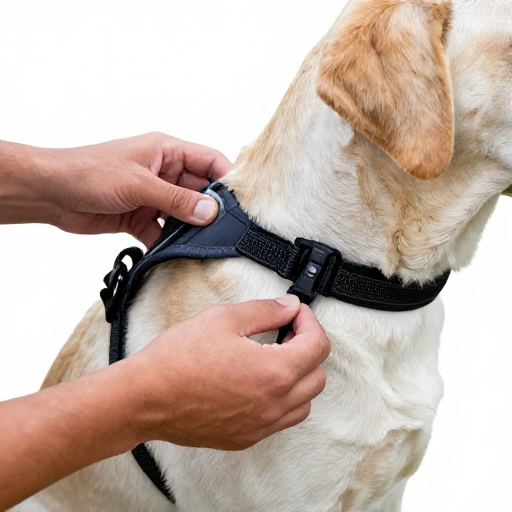
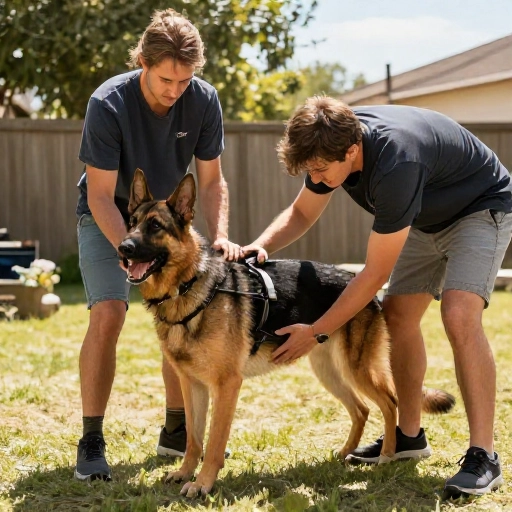
If you have a large, strong dog who loves to bounce around, don’t be afraid to ask for backup. One person holds the dog’s attention with treats while the other person handles the harness. This takes the stress off everyone involved.
The second person can gently hold the dog’s collar to keep them steady while the first person guides the paws into the holes. It’s much easier to manage a heavy dog when you’re not trying to do everything at once.
This teamwork approach is also great for senior dogs who might need a little extra support to balance while stepping in. It’s a simple solution that makes a huge difference.
6. The “Treat on the Nose” Distraction Method
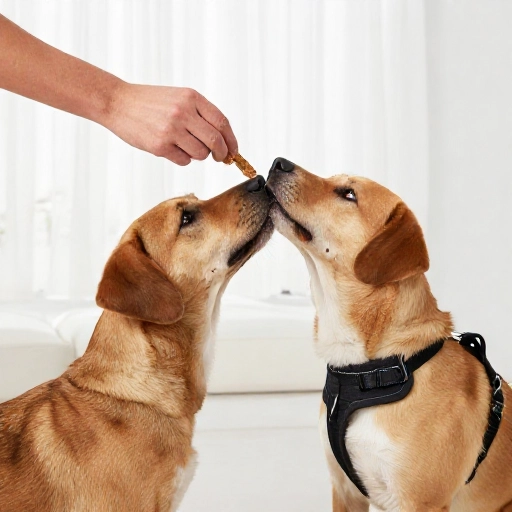
This is my go-to trick for dogs who try to sit down the moment they feel the harness touch their legs. Hold a treat right at your dog’s nose level, keeping their head up and their focus on you. While they are busy sniffing the treat, gently place the harness under their belly.
Guide one paw in, then the other, all while keeping that treat in front of their face. The distraction keeps them from looking down and panicking. Once you clip the back, give them the treat immediately.
This method builds confidence. Over time, your dog will associate the harness with sniffing delicious things, making the whole process faster.
7. The Pre-Clipped Loop Method
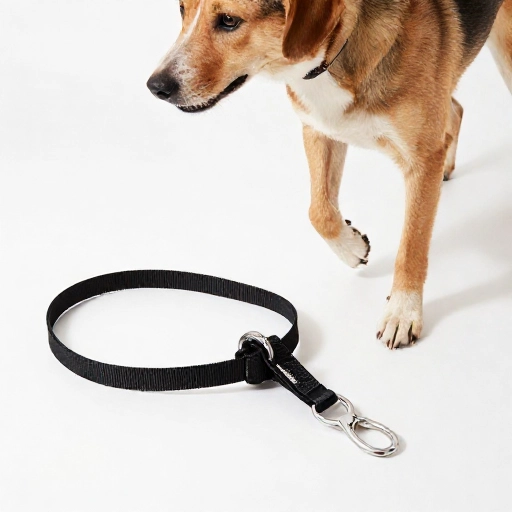
Here’s a clever hack: clip the back straps together before you even put the harness on your dog. This turns the harness into a single loop with two holes for the legs. It’s incredibly easy to guide your dog’s paws through a pre-formed loop.
Simply open the loop wide and lower it over your dog’s front legs. It works like a pair of pants. Once both legs are through, pull the loop up and you’re done.
This is perfect for dogs who get nervous about the clipping sound. By clipping it behind your back, you eliminate the scary noise and just do a quick pull-up motion.
8. The Lying Down Method for Anxious Dogs
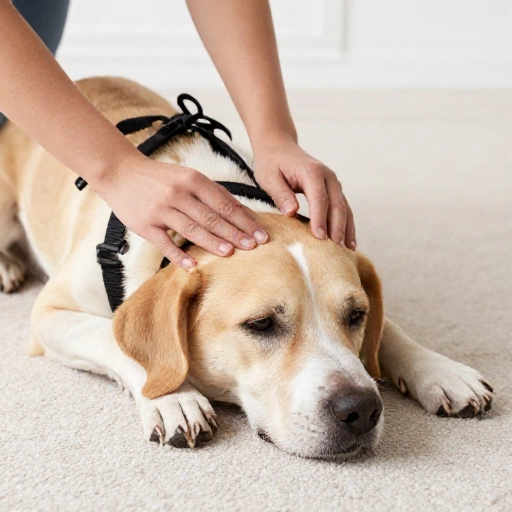
Some dogs prefer to lie down when they feel nervous. If your dog resists standing, don’t fight them. Let them stay in a comfortable down position. Gently lift one front paw and place it through the hole, then do the same with the other.
Once both front legs are in, you can pull the harness up over their shoulders while they are still lying down. Then, ask them to stand up so you can clip the back straps.
This low-pressure approach works wonders for rescue dogs who are still building trust. It shows them that you are patient and that harness time doesn’t have to be scary.
9. The “Backwards” Step-In for Wiggly Bottoms
If your dog likes to turn around in circles when you try to put the harness on, try this backward trick. Stand behind your dog and place the harness on the floor. Gently guide them backward so their paws back into the holes.
This works surprisingly well because dogs naturally back up when they feel pressure on their chest. You can use your legs to gently guide them backward into the correct position.
Once their paws are in the holes, simply pull the straps up and clip. It sounds odd, but it’s a brilliant solution for those dogs who won’t stand still facing you.
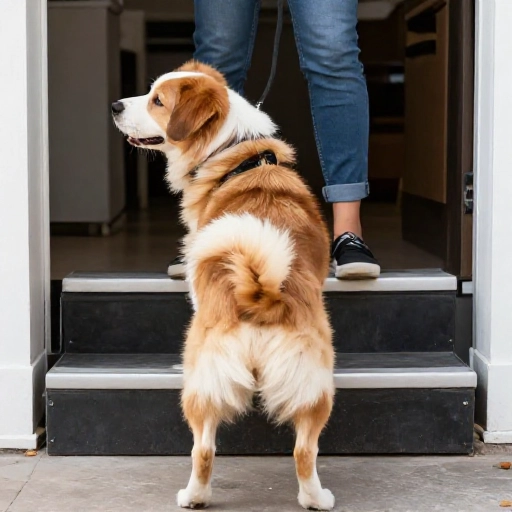
10. The Squat-and-Slide Method
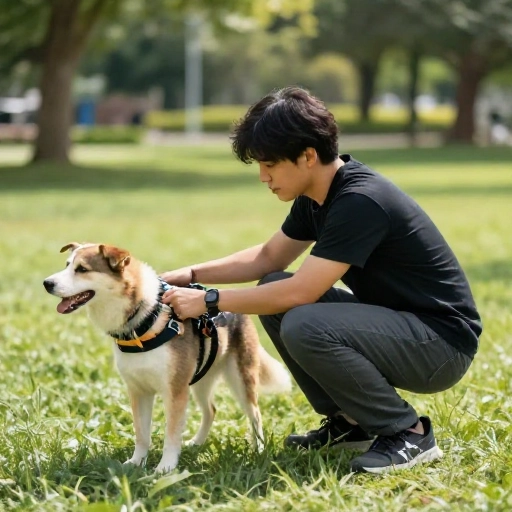
This is a variation of the classic method, but it focuses on your body mechanics. Instead of bending over, squat down to your dog’s level. Place the harness on your knees, open it up, and slide it forward over your dog’s front paws.
Because you are at eye level with your pup, they are less likely to feel intimidated. It also gives you better leverage to lift the harness up and clip it without straining your back.
I love this method for dogs who are easily spooked by people leaning over them. It feels much more respectful and calm.
11. The Treat Trail Method for Stubborn Steppers
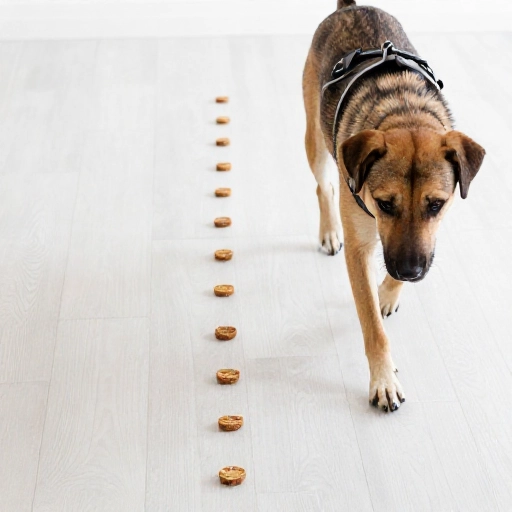
For dogs who seem to have “two left feet,” create a small trail of treats. Place three or four treats in a straight line on the ground. Lay the harness flat at the end of the trail. As your dog walks forward, sniffing and eating the treats, they will naturally step into the harness.
When they reach the last treat, their paws should be perfectly in place. You can then quickly pull up the straps and clip. It’s a genius way to use their natural foraging instincts to your advantage.
This is also a great mental workout for your dog. They get to use their nose, which tires them out just as much as a walk does.
12. The High-Reach Method for Deep-Chested Dogs
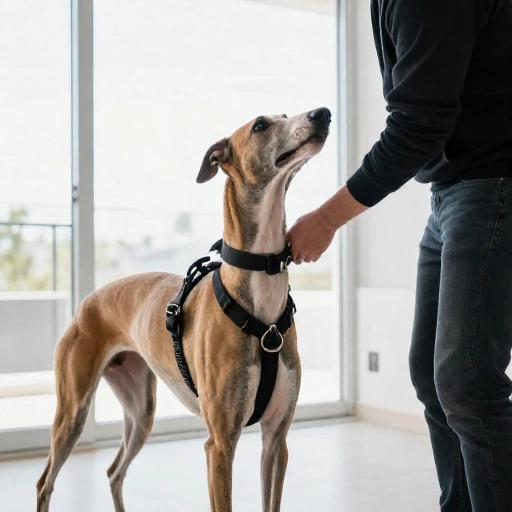
Dogs like Great Danes or Dobermans have deep chests, which can make the straps feel like they are in the wrong place. For these breeds, you need to adjust the straps longer before you start. Make sure the chest plate sits low, right behind their front legs.
Guide their paws in as usual, but when you pull up, make sure the center chest piece is centered. You might need to adjust the side straps after clipping to ensure it sits straight.
A deep-chested dog needs the harness to sit lower to prevent chafing under the armpits. Take the time to get this right, and your dog will be much happier on the walk.
13. The Lap Method for Couch Potatoes
If you have a small, lazy dog who loves cuddles, this is the easiest way. Sit on the floor or on a couch and place your dog in your lap, facing away from you. Lay the harness over their legs and guide each paw through the holes.
Since they are already in a relaxed position, they won’t fight you. You can easily reach around and clip the back straps without having to chase them around the house.
This method turns the harness process into a bonding moment. It’s calm, quiet, and perfect for a rainy day when you need to get gear on quickly.
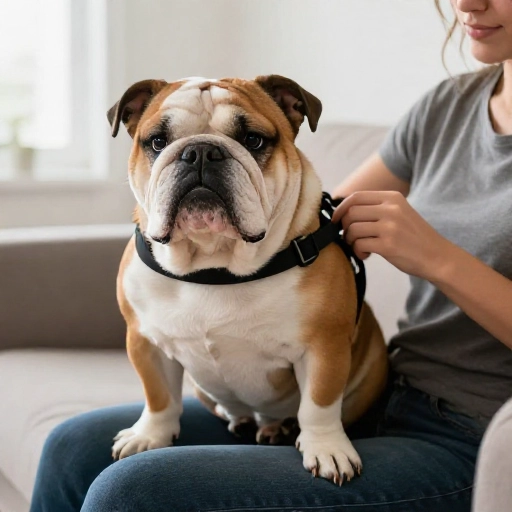
14. The Practice Makes Perfect Drill
Don’t wait until it’s time for a walk to practice. Spend five minutes a day just putting the harness on and taking it off. Do this without the expectation of going outside. Give your dog a high-value treat every time they step in.
You can even practice clipping and unclipping the back straps while your dog is sitting. This desensitizes them to the sounds and sensations. Before you know it, your dog will run to the door when they see the harness.
Consistency is key. The more you practice, the faster your routine will become. The goal is to make it so boring that your dog doesn’t even think about it.
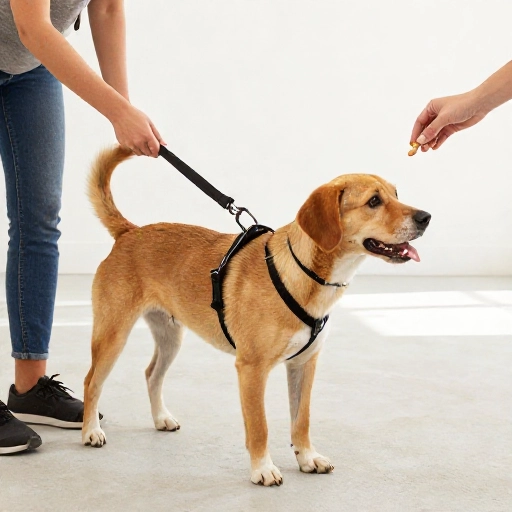
Final Thoughts on Step-In Harnesses
Switching to a step-in harness was one of the best decisions I made for my dog’s comfort. It takes a little bit of practice, but once you and your pup get the hang of it, you’ll wonder why you ever struggled with over-the-head styles. The key is to stay patient and positive.
Remember, every dog is different. What works for one might not work for another. Don’t be afraid to try a few of these methods and see which one your dog responds to best. Happy walking, and enjoy those stress-free strolls!
Frequently Asked Questions
1. How do I know if the step-in harness fits correctly?
You should be able to fit two fingers flat underneath the straps, but you shouldn’t be able to pull the harness off over their head. The chest plate should sit right behind the front legs and not rub against their armpits.
2. Can I use a step-in harness on a puppy?
Absolutely! In fact, it’s often better for puppies because it avoids the scary “over the head” motion. Just make sure you buy a size that fits them now, not one they will grow into next month. A loose harness is dangerous.
3. Are step-in harnesses escape-proof?
No harness is 100% escape-proof, but step-in harnesses are very secure when fitted properly. The key is the back clip. If the clip is strong and the straps are snug, it’s very difficult for a dog to back out of it.
4. My dog hates it when I touch their paws. What do I do?
Start by touching their paws gently while giving them treats, without the harness involved. Do this for a few days. Then, introduce the harness and only guide the paw for a second before rewarding them. Patience is your best friend here.
5. Can I leave the step-in harness on my dog all day?
No, you should never leave a harness on your dog unsupervised. They can get caught on furniture or chew on the straps. Only put the harness on right before your walk and take it off as soon as you get home.