15 Cat Grooming Tips for 2026
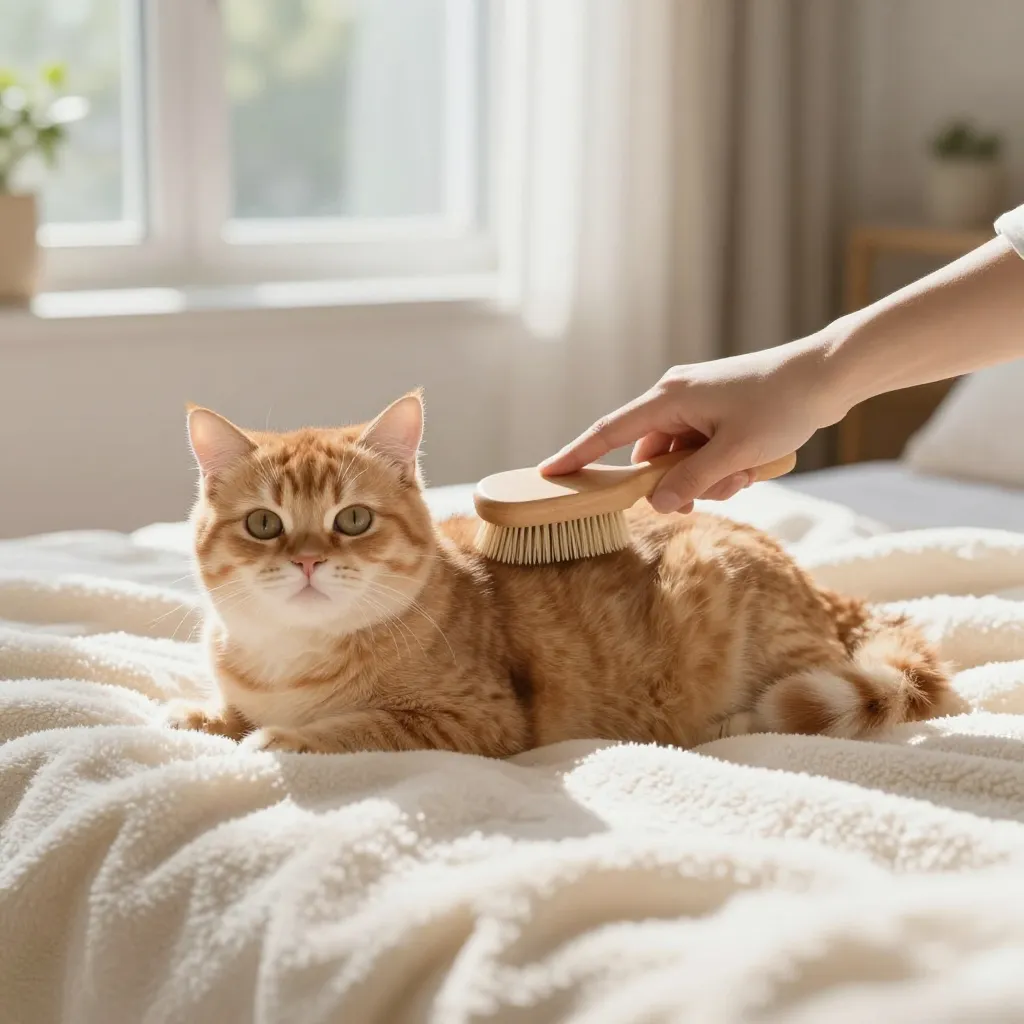
If you have a cat, you already know they spend half their day licking themselves clean. But even the best self-groomer needs a little help sometimes. I’ve learned that a good grooming routine doesn’t just keep fur off your couch—it also keeps your cat healthy and happy.
Let’s be real: some cats hate being brushed. Others act like you’re interrupting a very important nap. Over the years, I’ve picked up tricks that actually work. Here are 15 grooming tips for 2026 that are simple, gentle, and cat-approved.
Whether you have a fluffy Maine Coon or a sleek Siamese, these ideas will make grooming easier for both of you. No fancy tools needed, just patience and a few smart habits.
1. Start Young, Go Slow
Kittens are way more open to grooming than adult cats. If you can, start handling their paws, ears, and fur early. But even with an older cat, slow wins the race.
Let them sniff the brush first. Then do one or two gentle strokes. Stop before they get annoyed. Over time, they’ll learn it’s no big deal.
I always give a tiny treat after a session. It works like magic.
2. Choose the Right Brush for Their Coat
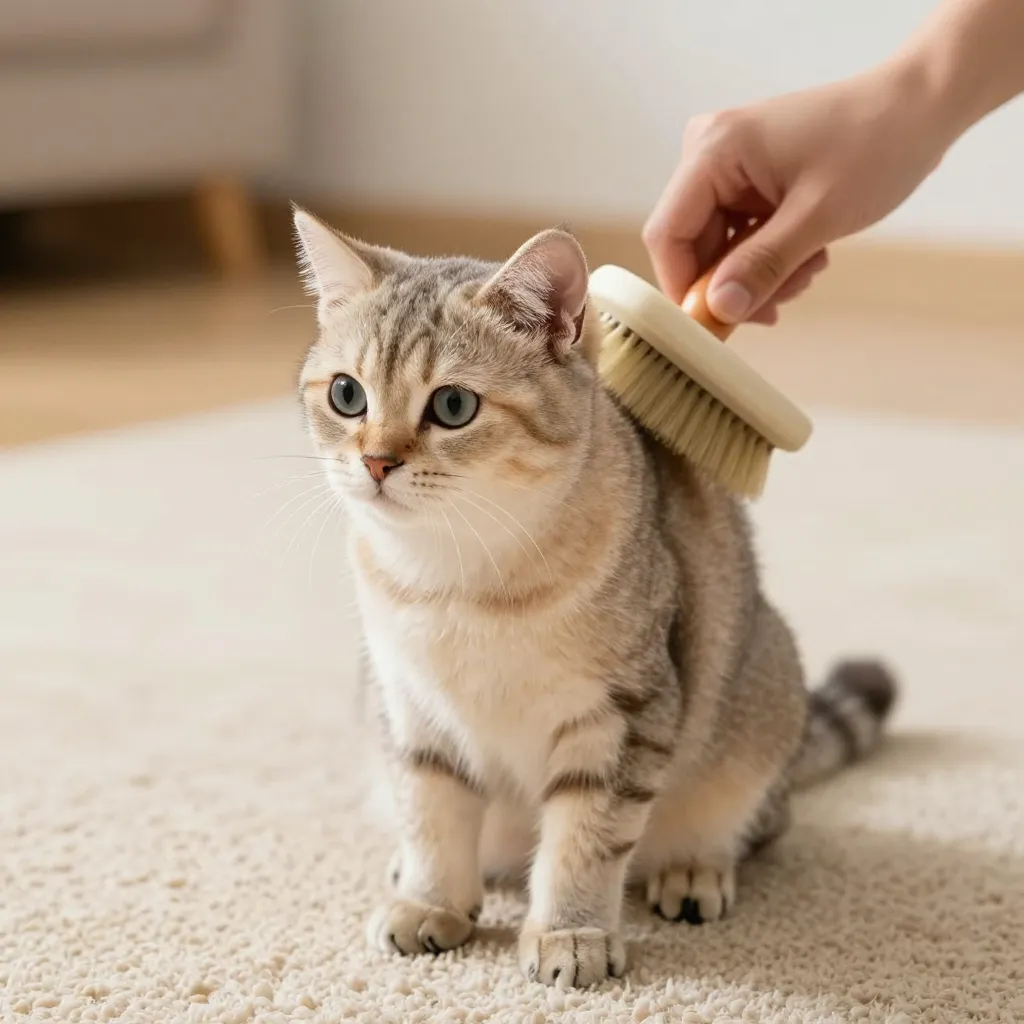
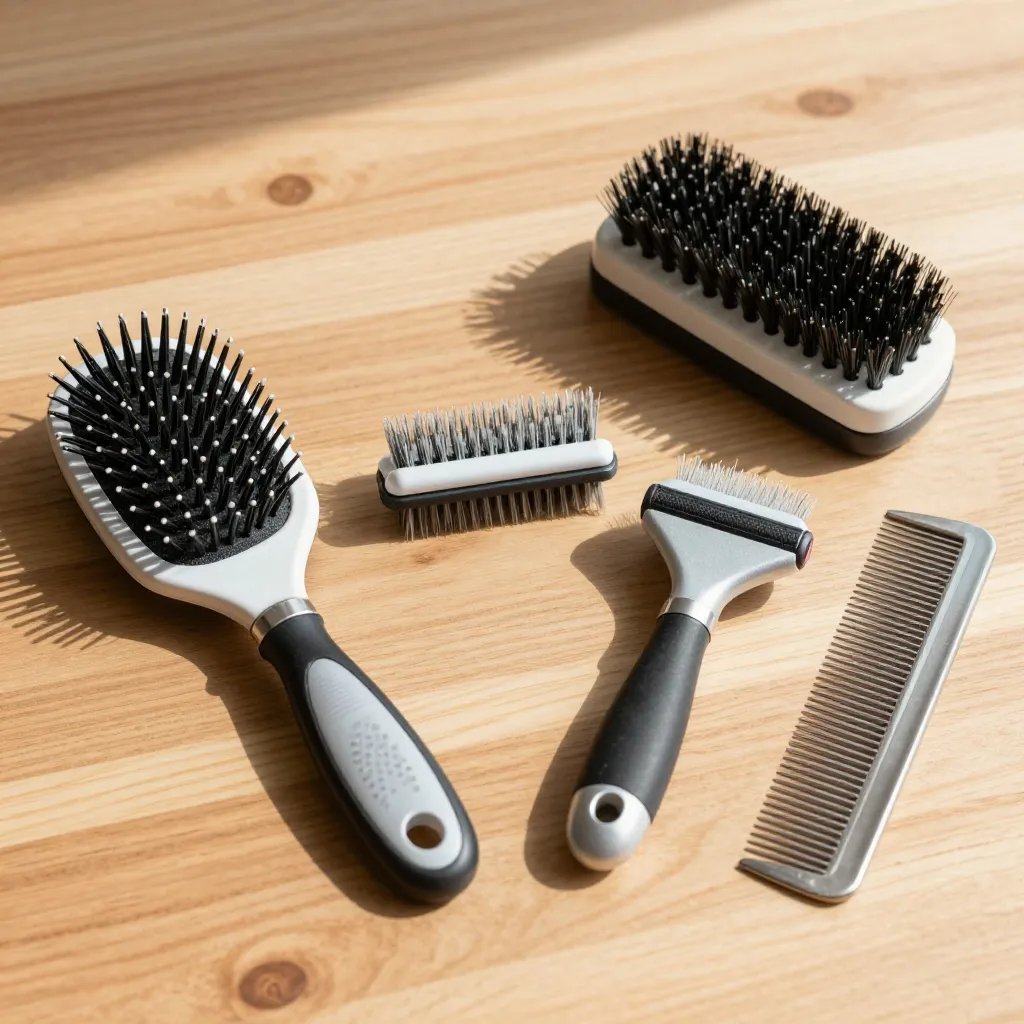
Not all brushes are the same. A slicker brush works great for long hair, while a rubber curry comb is perfect for short coats. Using the wrong tool just pulls fur and makes them hate grooming.
If your cat has a double coat, like a Persian, look for an undercoat rake. For shorthairs, a simple glove brush is often enough. Test a few to see which one they tolerate best.
Remember: if it hurts, they’ll remember forever.
3. Brush in Their Favorite Spot
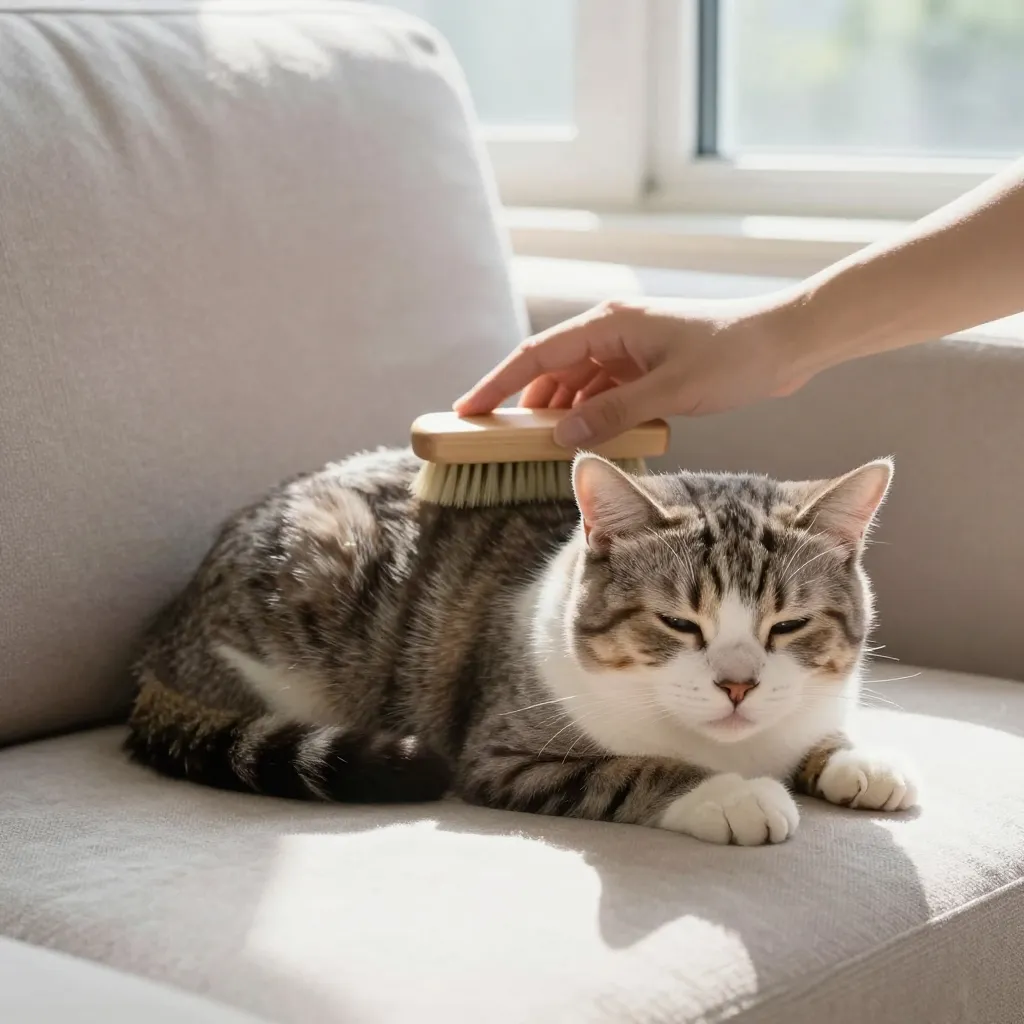
Don’t force grooming on a cold floor. Do it where they feel safe—on the couch, their bed, or even your lap. Comfort makes everything easier.
I brush my cat while she’s sunbathing by the window. She barely notices. Pick a calm time, not right after a loud noise or when they’re hungry.
Location is half the battle.
4. Use Treats as Bribes (It’s Okay)
There’s no shame in a little bribery. Give a treat before you start, then another during a break, and one at the end. Your cat will start to associate grooming with good things.
Just keep treats small. You don’t want a chubby cat with a shiny coat. I use those soft, single-ingredient ones.
It’s positive reinforcement, not bribery. That’s my story and I’m sticking to it.
5. Don’t Forget the Ears
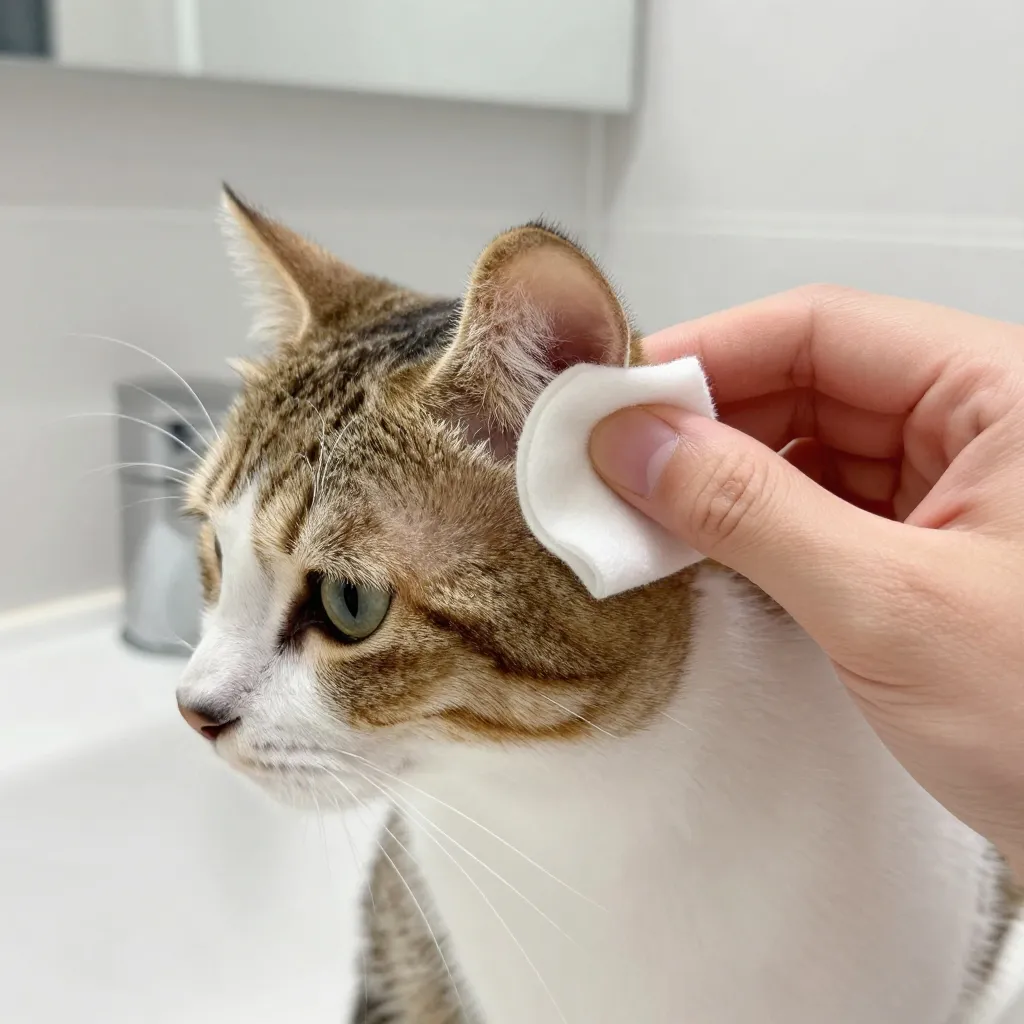
Ears can get waxy or dirty, especially in floppy-eared breeds. Check them once a week. Use a cotton ball with a little vet-approved ear cleaner—never a Q-tip inside the ear.
Gently wipe the outer flap. If you see redness or a lot of dark wax, call your vet. Clean ears are happy ears.
My cat actually purrs when I rub her ears. It’s become a bonding moment.
6. Nail Trims Don’t Have to Be Scary
I used to dread nail trims. Then I learned the “burrito wrap.” Wrap your cat in a soft towel with one paw out. It keeps them calm and contained.
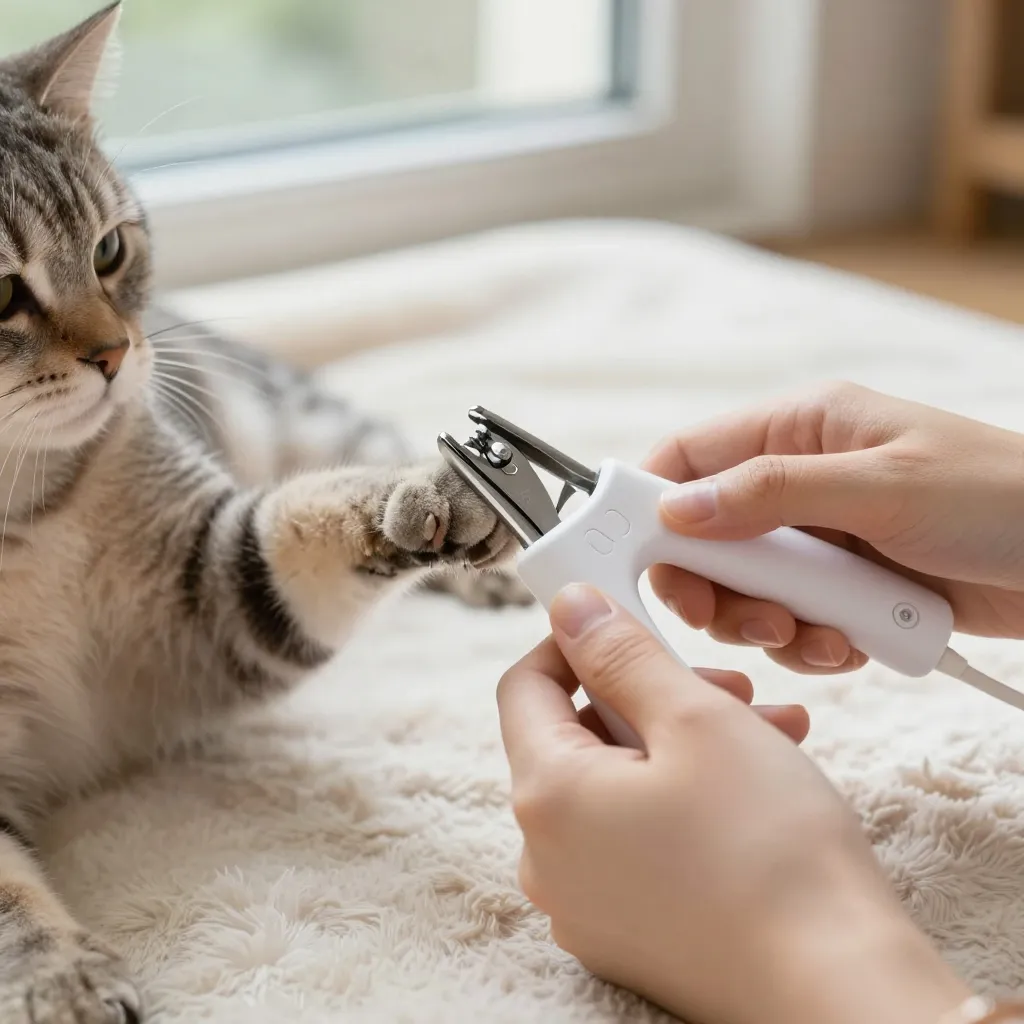
Clip only the white tip, not the pink part (the quick). If you’re nervous, just do one paw a day. No rush.
Use cat-specific nail clippers. Human ones can split the nail.
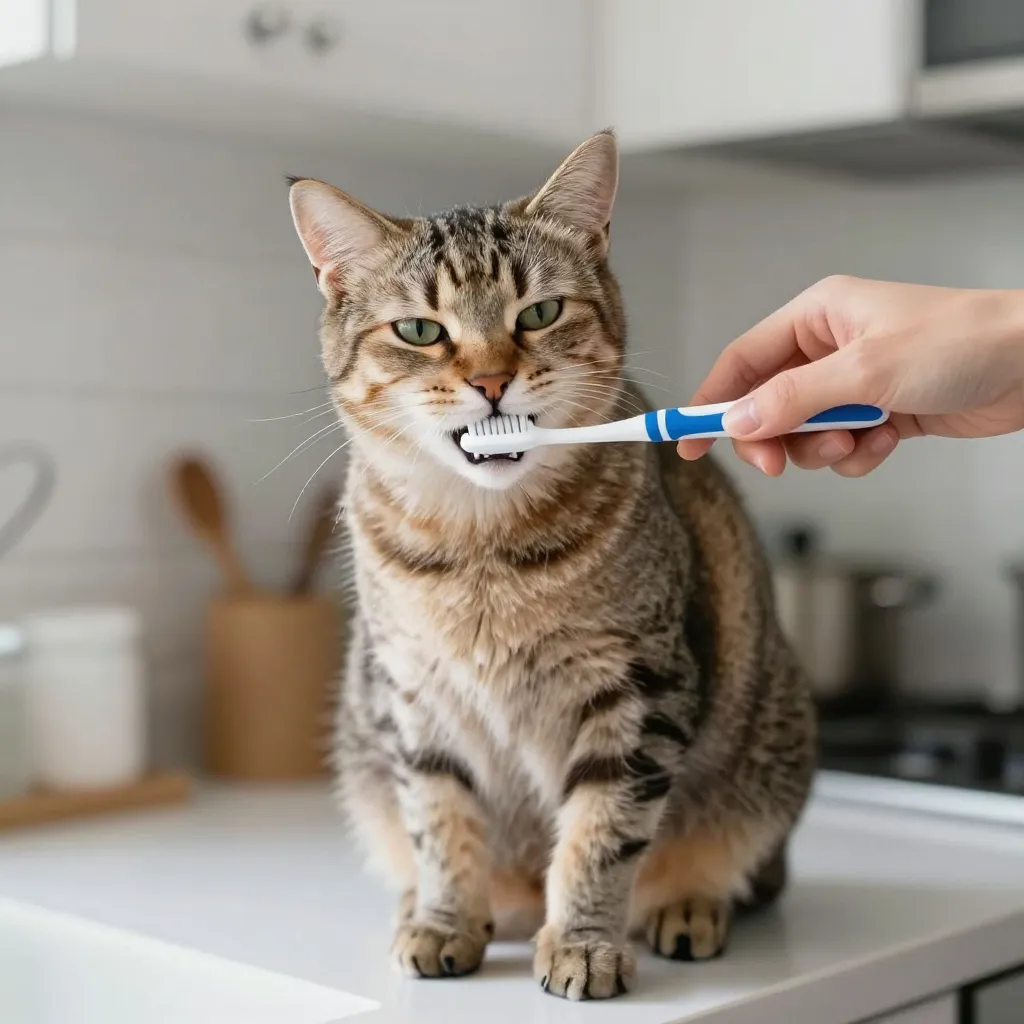
7. Brush Their Teeth (Yes, Really)
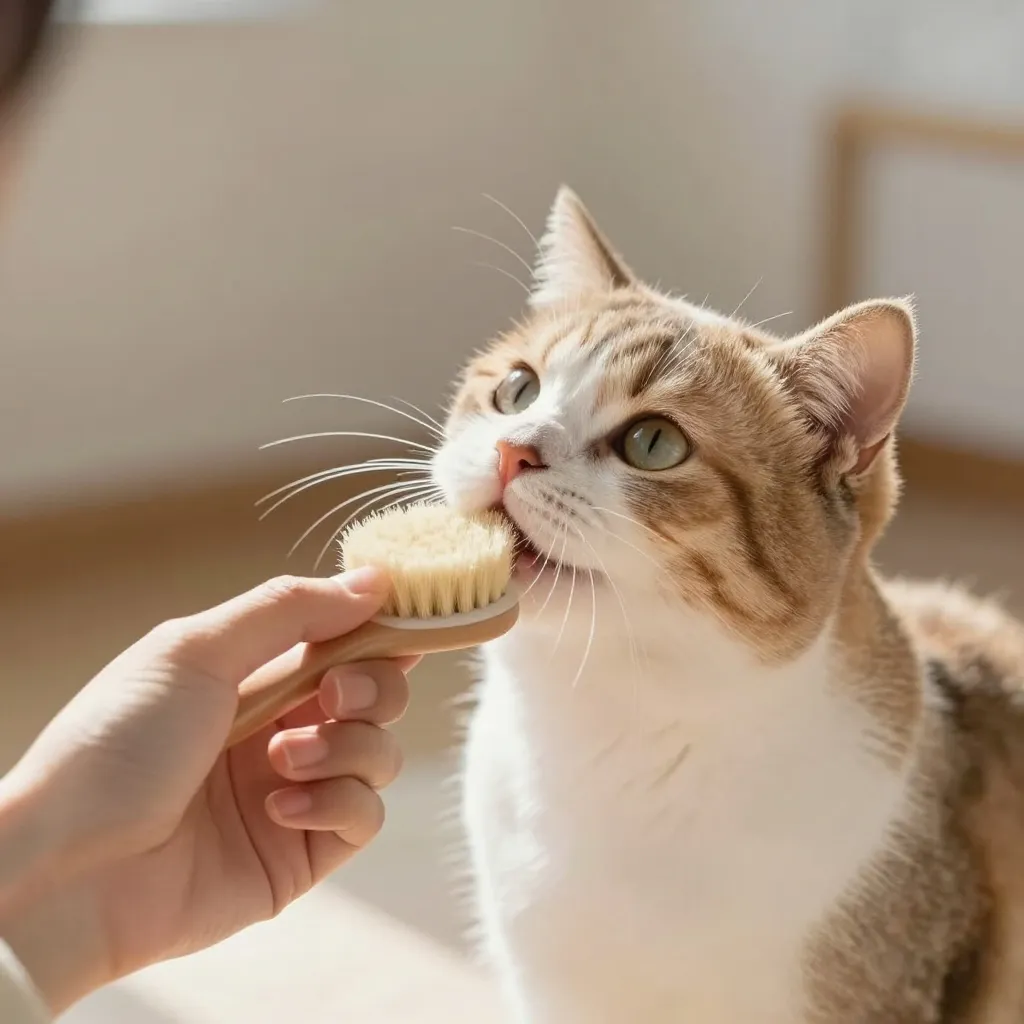
Dental health is huge for cats. Plaque builds up fast and can cause pain or worse. Start with a finger brush and cat toothpaste (never human toothpaste).
Let them lick the paste first. Then gently rub their gums. Even doing it twice a week helps.
If your cat absolutely refuses, try dental treats or water additives. Something is better than nothing.
8. Watch for Mats in Hidden Places
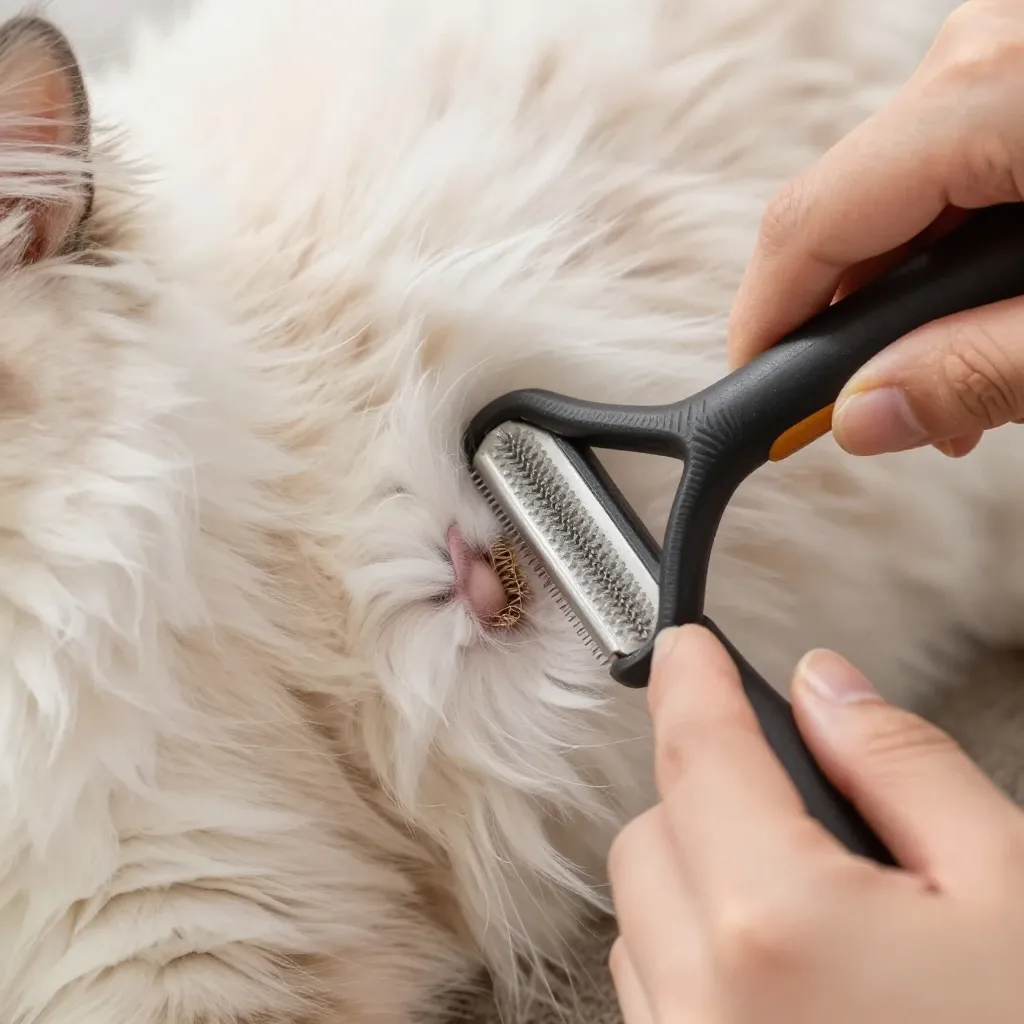
Mats often form behind the ears, under the chin, and near the tail. These spots are easy to miss. Run your fingers through their fur regularly to feel for tangles.
Never pull mats out. Use a detangling spray or a mat splitter. If it’s too tight, a vet or groomer can shave it safely.
I check my cat while she’s purring on my lap. She barely stirs.
9. Bathe Only When Needed
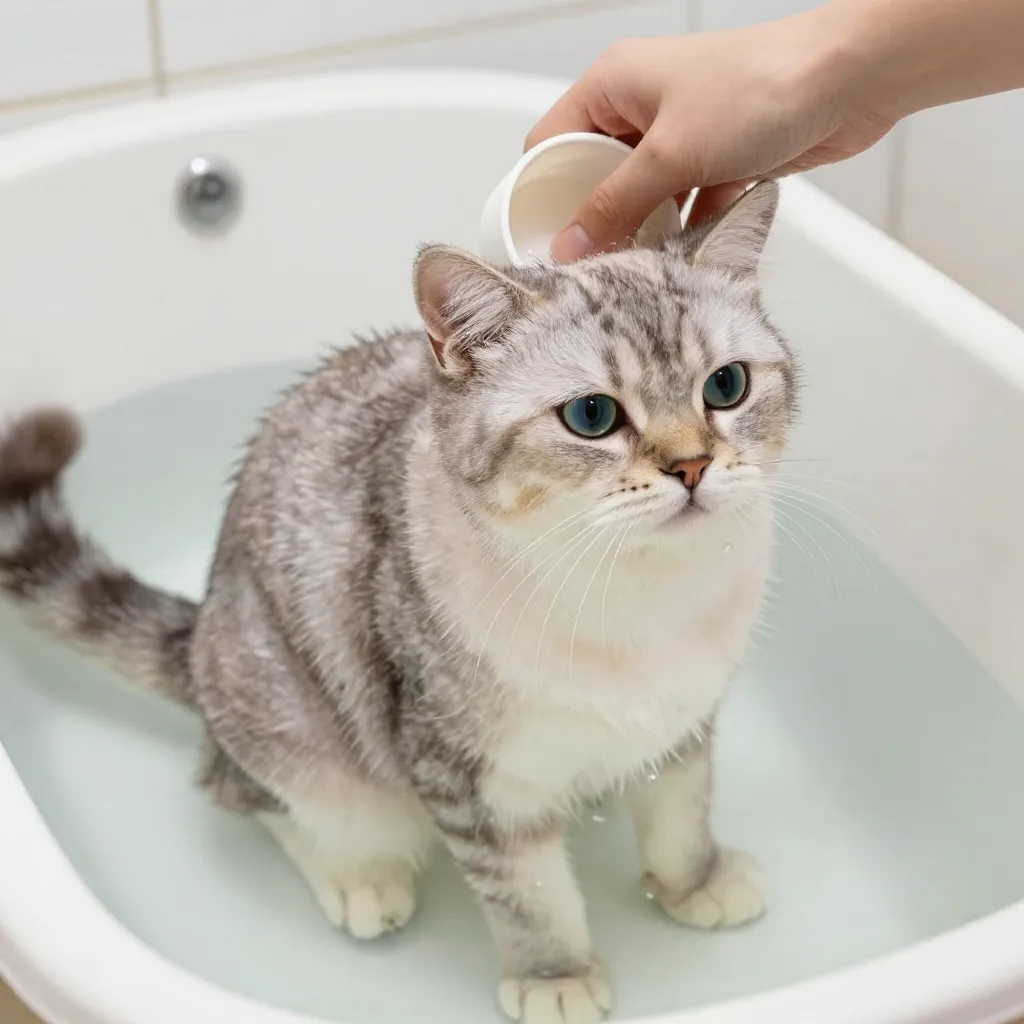
Most cats don’t need baths. But sometimes they get into something sticky or smelly. When you do bathe them, use lukewarm water and cat shampoo only.
Have everything ready before you start. A slippery cat is hard to hold. Rinse thoroughly—leftover soap can irritate their skin.
I only bathe mine once a year, tops. She’d rather die, honestly.
10. Shedding Season? Level Up Your Brush Game
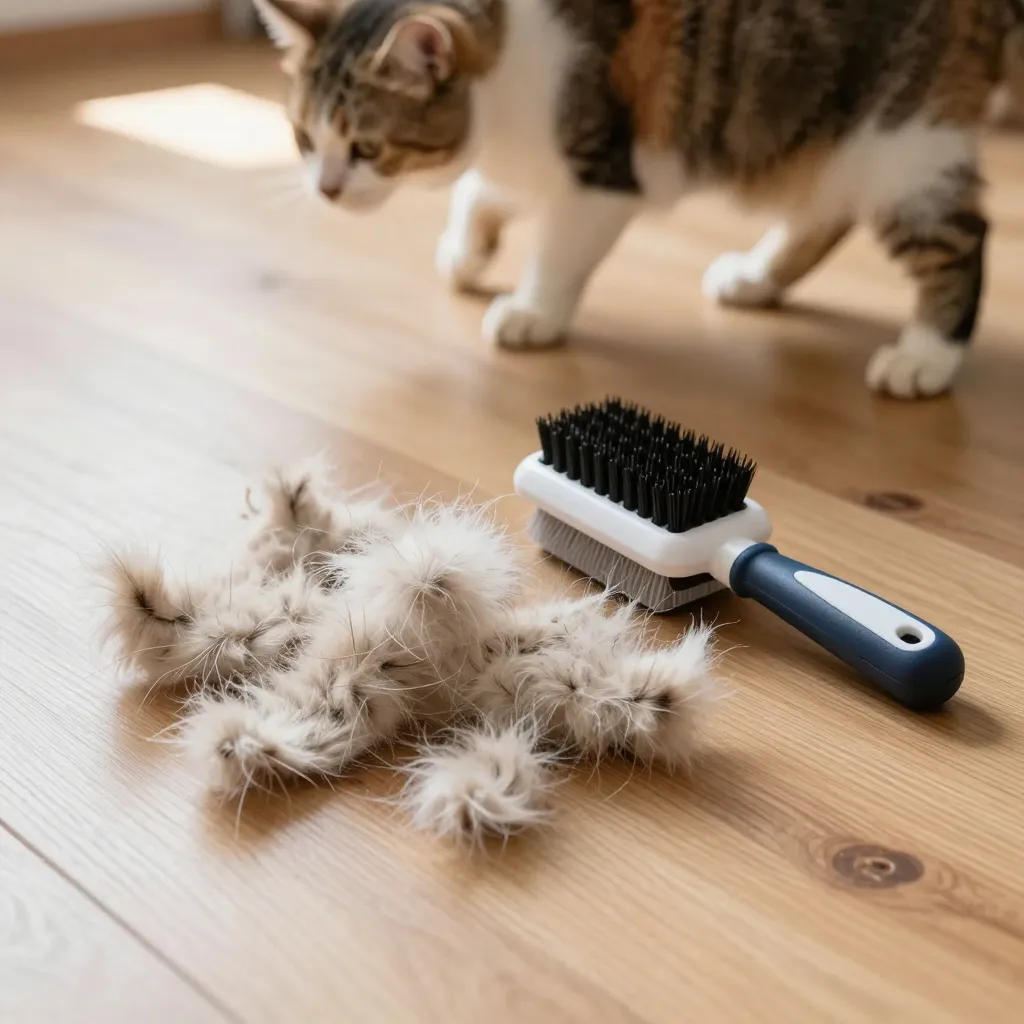
Spring and fall are peak shedding times. You’ll see fur tumbleweeds everywhere. That’s when you need to brush more often—maybe every day for a week.
Use a de-shedding tool like a Furminator (but gently). Too much pressure can hurt. Brush in the direction of fur growth.
Your cat will shed less on furniture, and you’ll both feel better.
11. Keep Their Environment Clean
A clean home means a cleaner cat. Vacuum regularly, wash their bedding, and wipe down surfaces. Less dust and dander means less itching and shedding.
Air purifiers help too, especially if you have allergies. I noticed my cat’s coat looks glossier since I started using one.
It’s not directly grooming, but it makes a big difference.

12. Check for Fleas and Ticks Year-Round
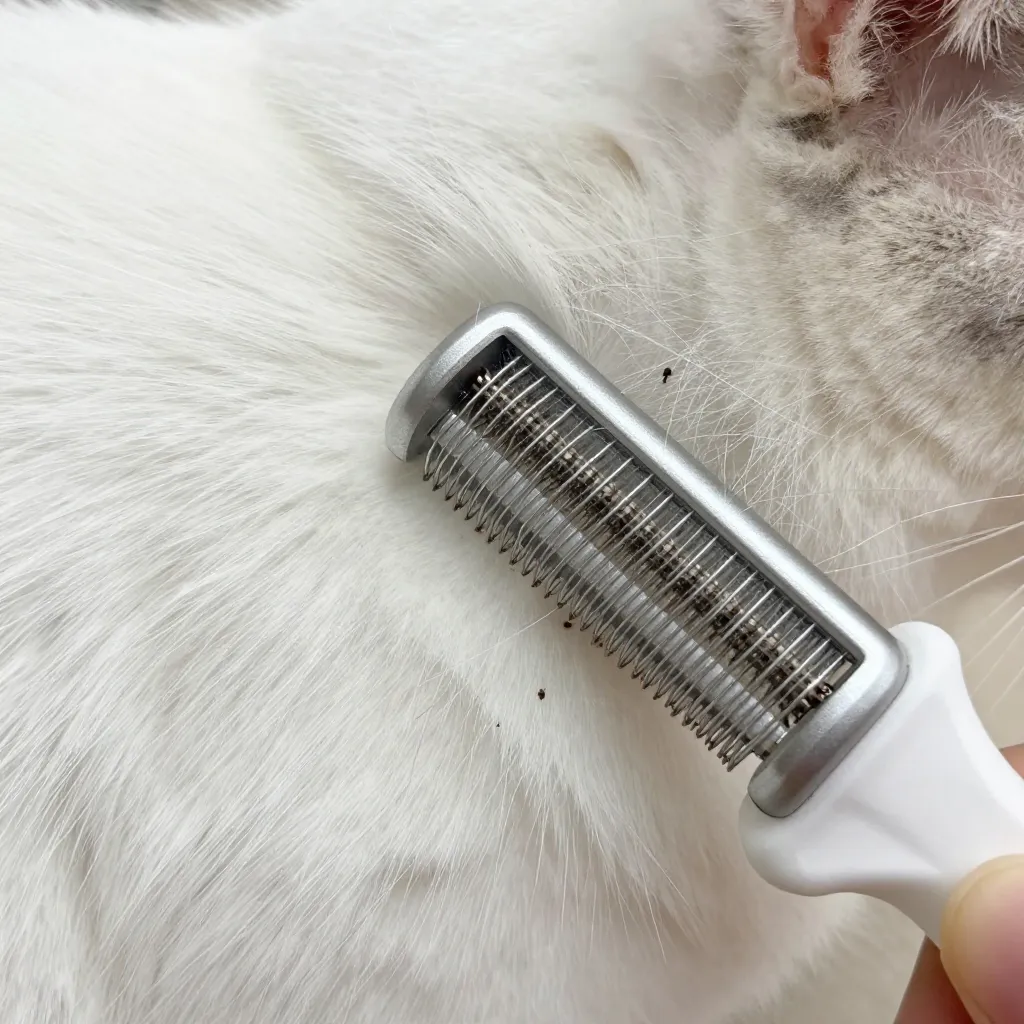
Fleas are nasty. Even indoor cats can get them if you bring them in on your clothes. Use a fine-toothed flea comb to check their fur, especially around the neck and tail base.
If you see tiny black specks (flea dirt), act fast. Talk to your vet about prevention. I use a monthly spot-on treatment.
A flea comb also gives a nice little massage. Win-win.
13. Make It a Routine, Not a Chore
Cats love predictability. If you groom at the same time each week, they’ll learn to expect it. Sunday afternoons are our grooming time.
Keep sessions short at first—five minutes is plenty. Gradually extend as they get comfortable. Routine reduces stress for both of you.
Plus, you’ll catch any health issues early, like lumps or skin changes.
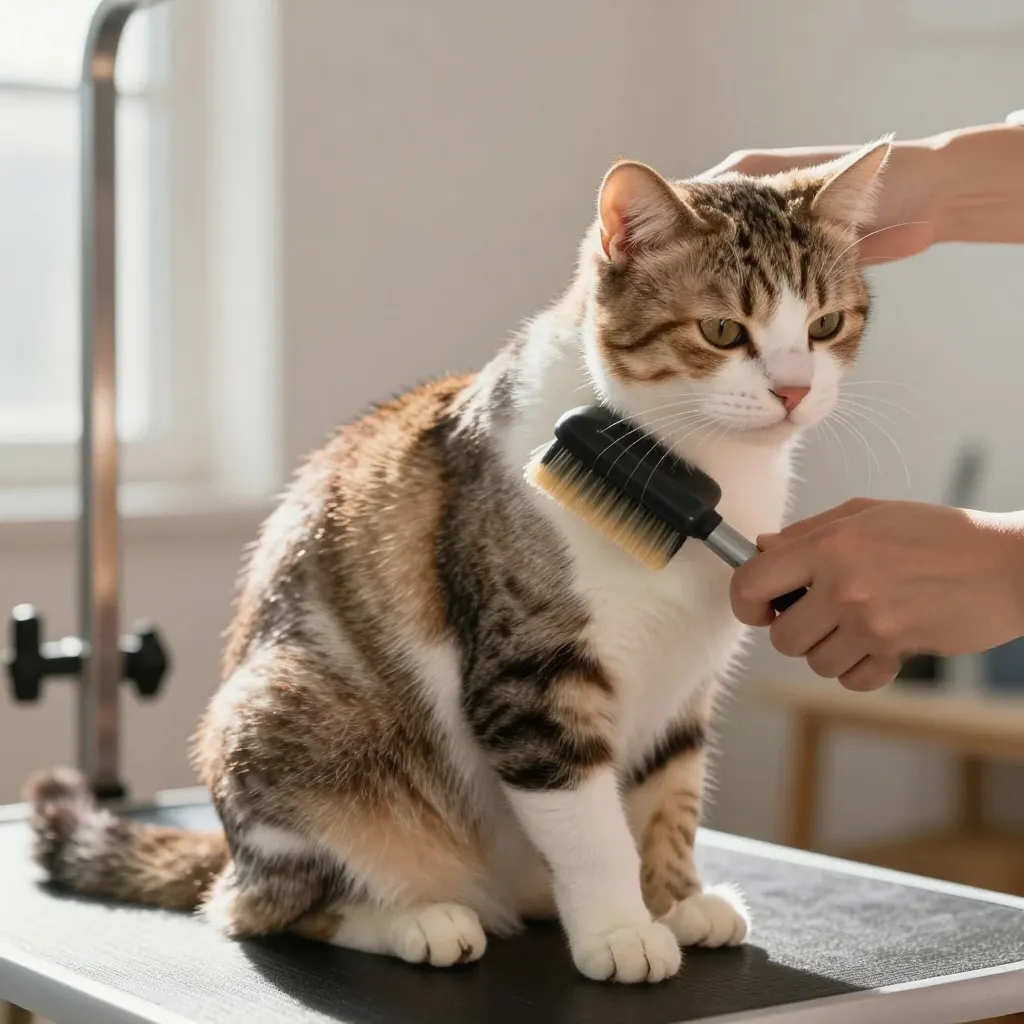
14. Use Calming Aids If Needed
Some cats are just anxious. That’s okay. Try a calming spray on the brush or a pheromone diffuser in the room. Some cats respond well to soft music.
I play classical piano during grooming. My cat goes from tense to sleepy in minutes. Find what works for yours.
Never force it. If they’re too stressed, stop and try later.

15. Listen to Your Cat
The best tip I ever learned: pay attention. If they flick their tail, flatten their ears, or growl, stop. You’re pushing too far.
Grooming should be a gentle connection, not a battle. Respect their limits. Over time, they’ll trust you more.
My cat now comes to me when she sees the brush. That’s the goal. Trust over perfection.
Conclusion
Grooming your cat doesn’t have to be a struggle. With a little patience and the right approach, it can become a nice ritual for both of you. Start small, be consistent, and always listen to what your cat is telling you.
Remember, every cat is different. What works for one might not work for another. That’s okay. The fact that you’re trying already makes you a great cat parent.
Here’s to less fur on the couch and more purrs in your lap.
FAQ
How often should I brush my cat?
For long-haired cats, daily is best. For short-hairs, 2–3 times a week is usually enough. Shedding season might need more frequent sessions.
My cat hates being brushed. What can I do?
Go very slowly. Let them sniff the brush first. Use treats, keep sessions short, and stop before they get upset. Try different brush types too.
Do indoor cats need nail trims?
Yes. Indoor cats don’t wear down their nails naturally. Trim every 2–4 weeks to prevent snags and overgrowth.
Can I use human shampoo on my cat?
No. Human shampoo is too harsh and can dry out their skin. Always use a shampoo made specifically for cats.
When should I call a professional groomer?
If your cat has severe mats, is very anxious, or you’re not comfortable trimming nails or bathing them. Some cats just do better with a pro.