15 Dog Food Storage Ideas That Actually Keep Kibble Fresh
I don’t know about you, but nothing stresses me out more than opening a bag of dog food and finding it’s gone stale—or worse, attracted bugs. I’ve been through it all: the crushed bag corners, the mystery smells, and the frantic late-night runs to the pet store because I thought I had more food.
After years of trial and error (and a few sad, stale kibble moments), I’ve put together a list of 15 dog food storage ideas that actually work. These aren’t just pretty containers—they’re practical solutions to keep your pup’s food fresh, safe, and easy to access. Let’s dive in, because your dog deserves better than yesterday’s crumbs.
Whether you have a tiny apartment or a dedicated pet pantry, there’s an idea here for you. I’ve organized them from simple to more creative, so you can pick what fits your space and budget best.
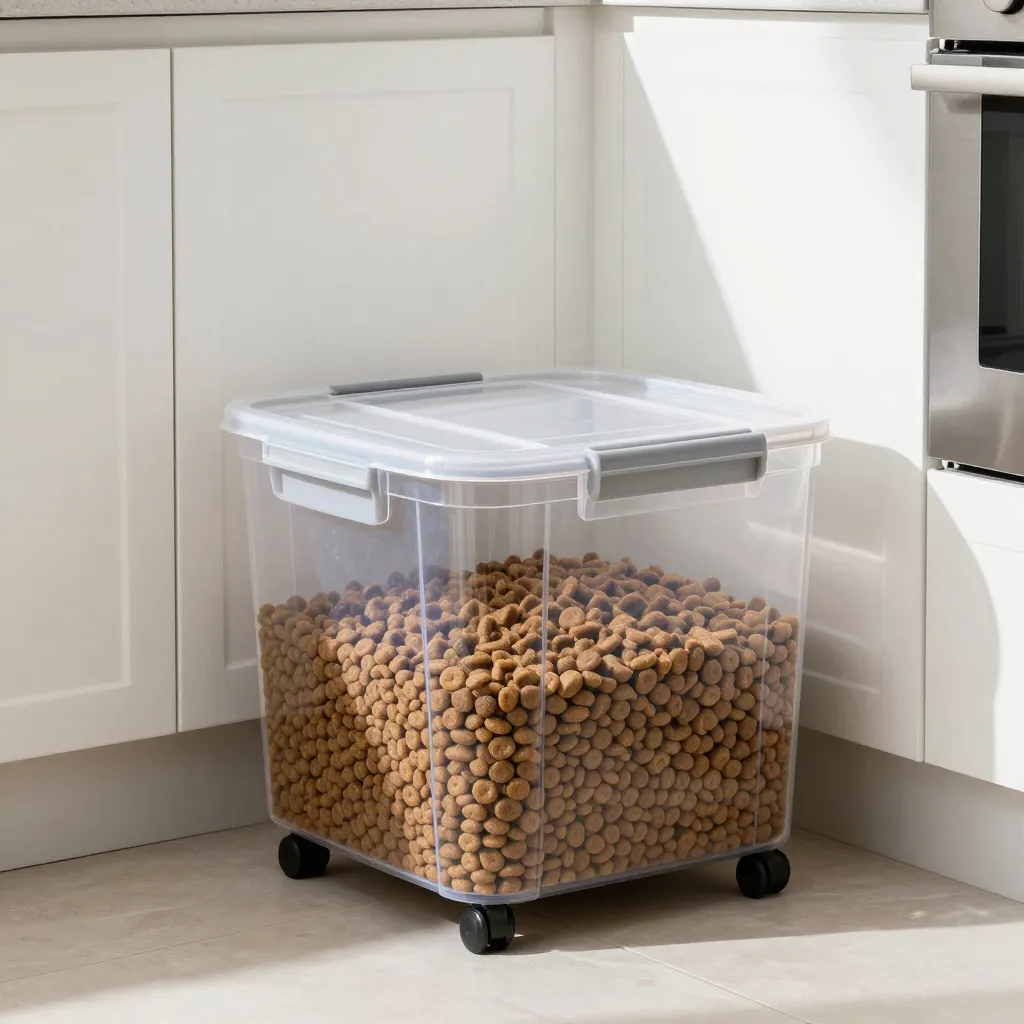
1. The Airtight Plastic Bin with Wheels
This is the classic for a reason. I use a large, BPA-free plastic bin with a snap-tight lid and wheels on the bottom. It’s perfect for a full 30-pound bag of kibble.
The wheels make it easy to roll out from under a counter or pantry shelf. Just make sure the lid seals completely—test it by pressing down and listening for a pop. No air means no stale food.
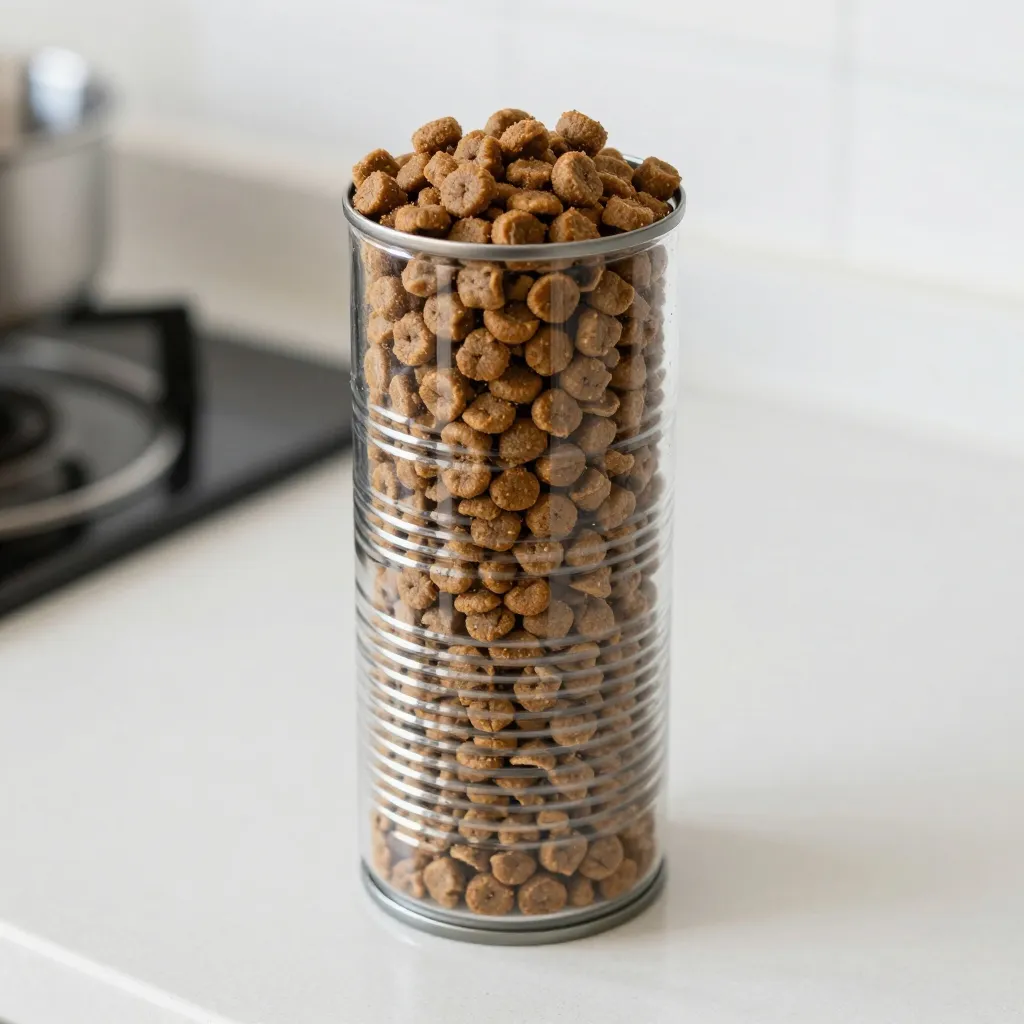
2. A Slim, Stackable Canister Set
If you’re short on counter space or have multiple types of food (like kibble and treats), stackable canisters are a game-changer. I keep a set of three on my kitchen counter: one for dry food, one for treats, and one for a backup supply.
Look for ones with a silicone seal on the lid. They’re easy to pour from and keep everything visible through clear sides. Plus, they look nice enough to leave out.
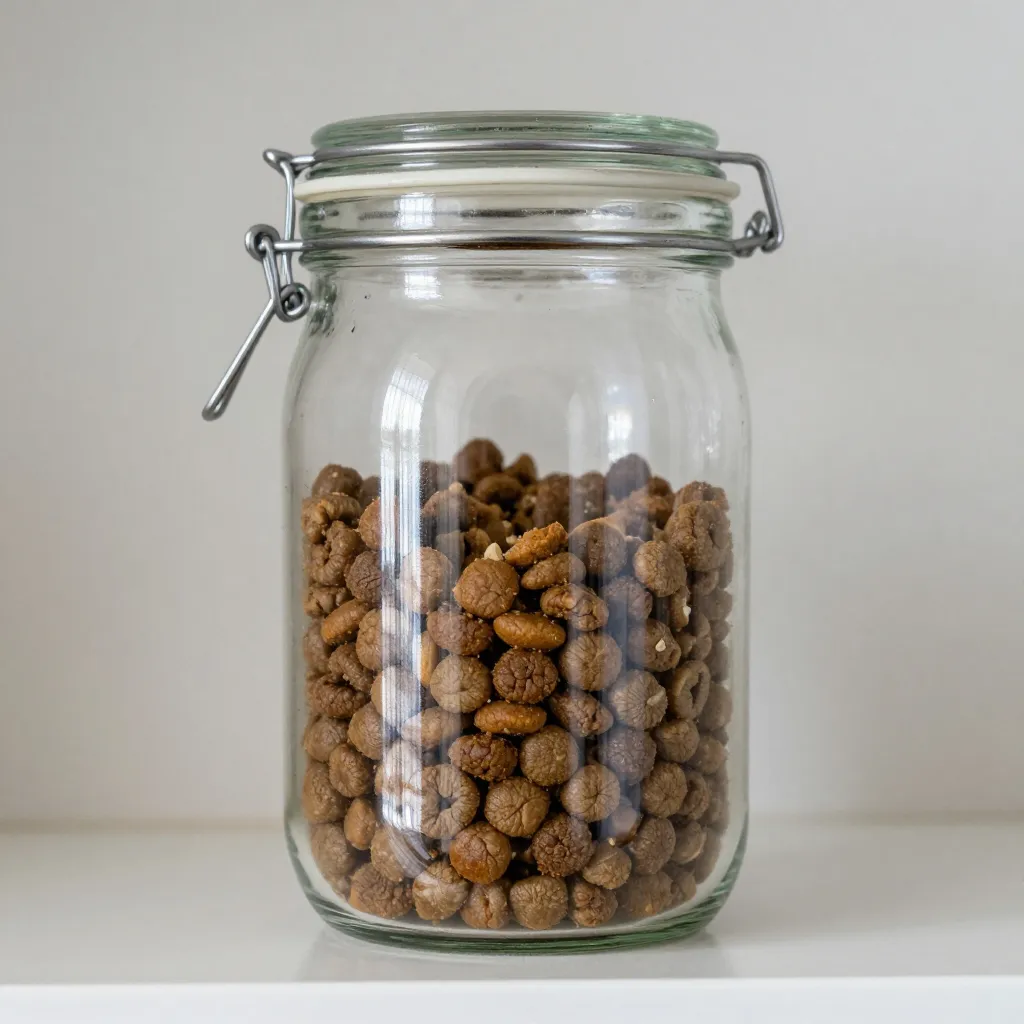
3. A Repurposed Glass Cookie Jar
Don’t overlook a big glass cookie jar with a tight-fitting lid. I found one at a thrift store for $5, and it holds about 10 cups of kibble perfectly. It’s great for daily use because you can see exactly how much food is left.
Just make sure the lid has a rubber gasket to seal it. Glass is non-porous, so it won’t absorb smells. This is my go-to for the small, frequent-feeding bag.
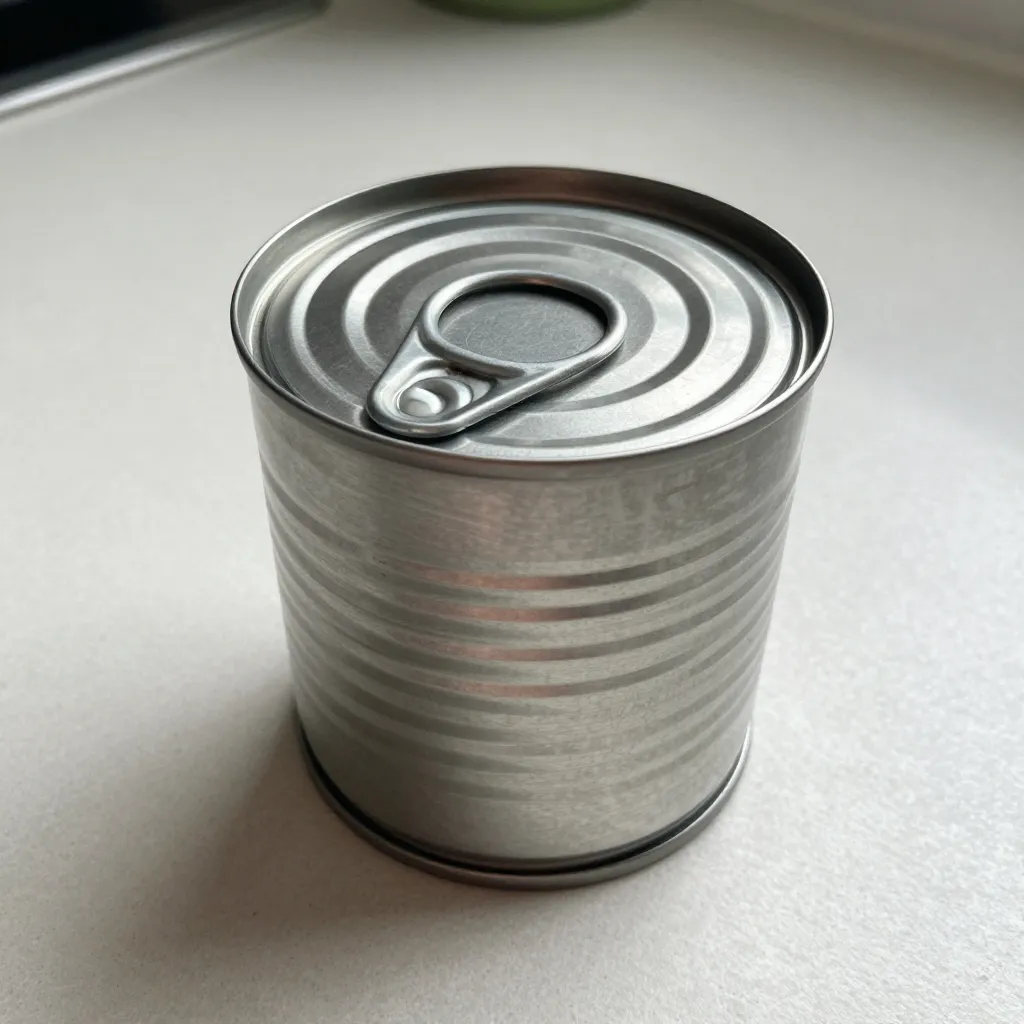
4. A Metal Pet Food Can with a Clamp Lid
Metal containers are excellent for keeping out light and pests. I have a vintage-style metal can with a clamp-down lid from a pet store, and it’s become a favorite in my house.
The dark interior protects the food from light damage, and the clamp keeps it airtight. It also looks super cute styled on a sideboard or in a mudroom. Just avoid rusty cans—stick to food-grade stainless or painted steel.
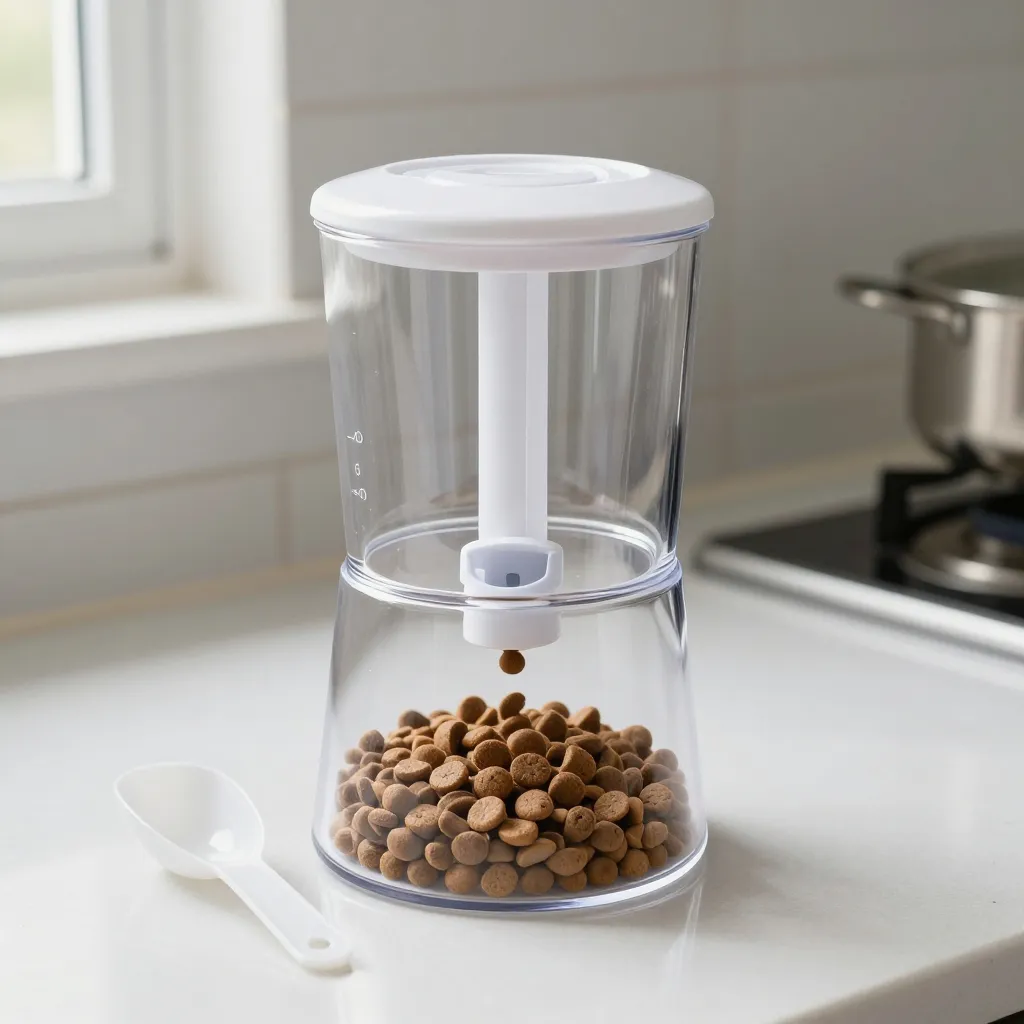
5. A Clear Pet Food Dispenser with a Scoop
I love a dispenser that has a built-in scoop or a pull-out drawer at the bottom. These are often made of clear plastic, so you can see the level of food at a glance.
The best part? No digging in a bag. Just pull the lever or open the drawer, and your portion is ready. This is especially handy if you have multiple dogs or measure food precisely. Just keep it out of direct sunlight to prevent the plastic from warping.
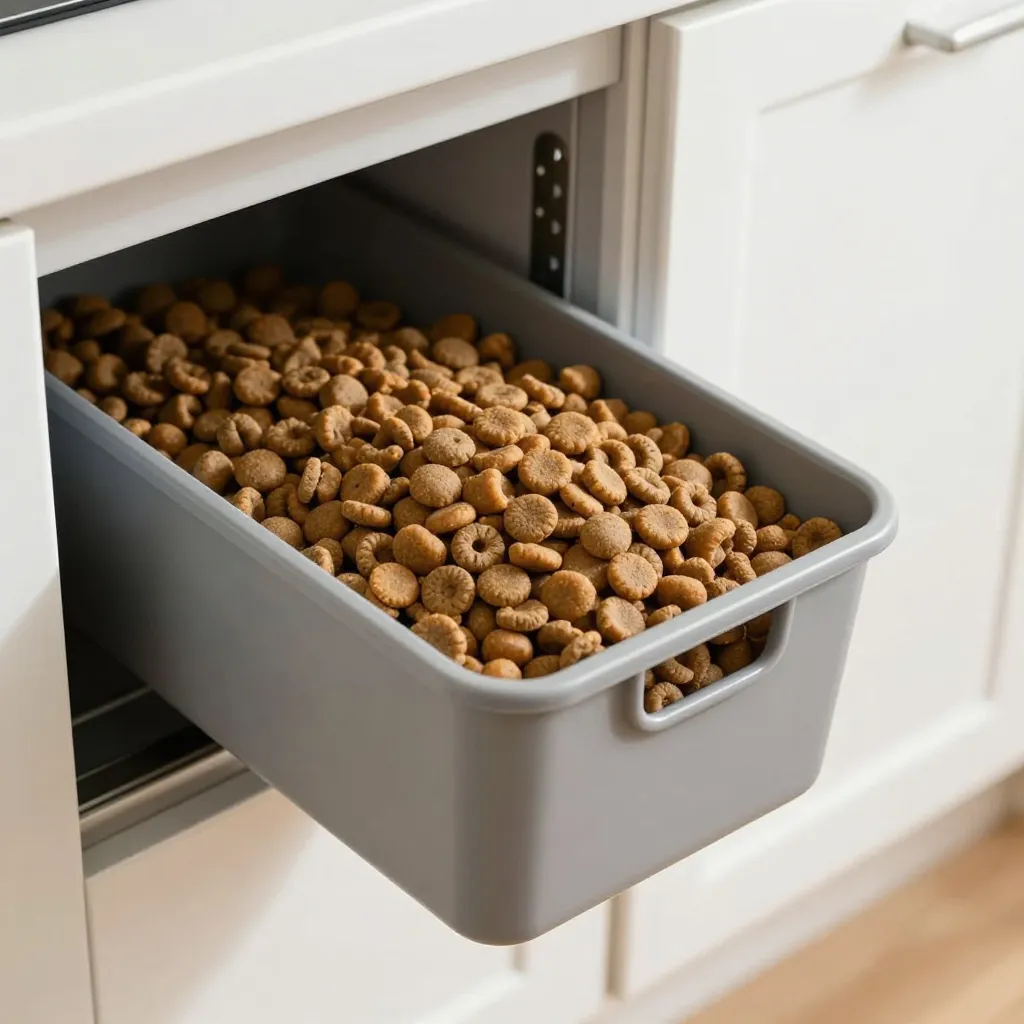
6. A Pantry Pull-Out Bin (DIY or Pre-Made)
If you have a deep pantry, install a pull-out bin on a sliding drawer mechanism. I did this with a simple plastic bin and a sliding track from the hardware store. It’s a total space-saver.
Now I can pull the bin out to scoop food without reaching into the back of a dark shelf. It also keeps the bag upright, so kibble doesn’t spill everywhere. This one takes a little setup, but it’s so worth it.
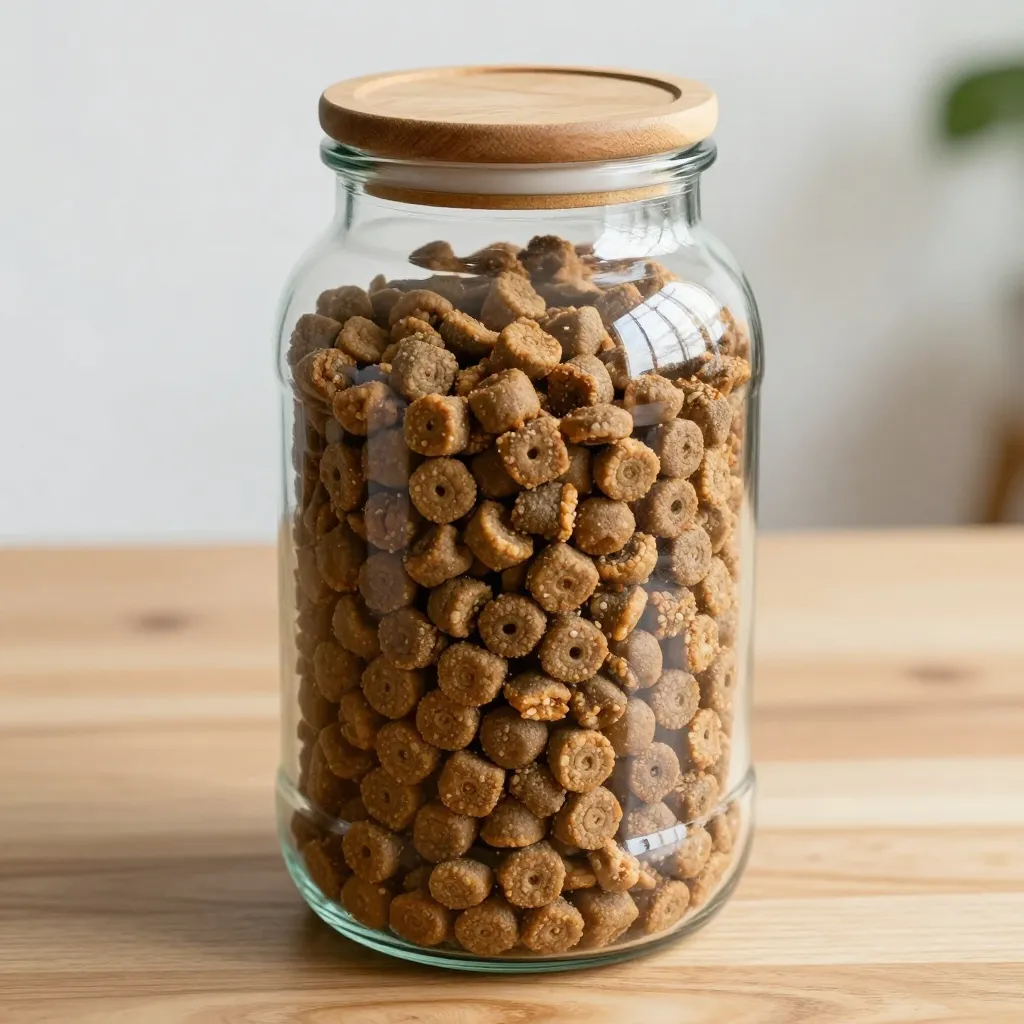
7. A Large Glass Jar with a Wooden Lid
For a more aesthetic approach, try a big glass jar with a wooden lid that has a silicone seal. I have one on my kitchen island, and it holds about 15 cups of kibble. The wood adds warmth, and the glass keeps everything visible.
Just check that the seal is tight—wooden lids can sometimes warp over time. I test mine every few months by turning the jar upside down to see if any air escapes. No leaks? You’re good.
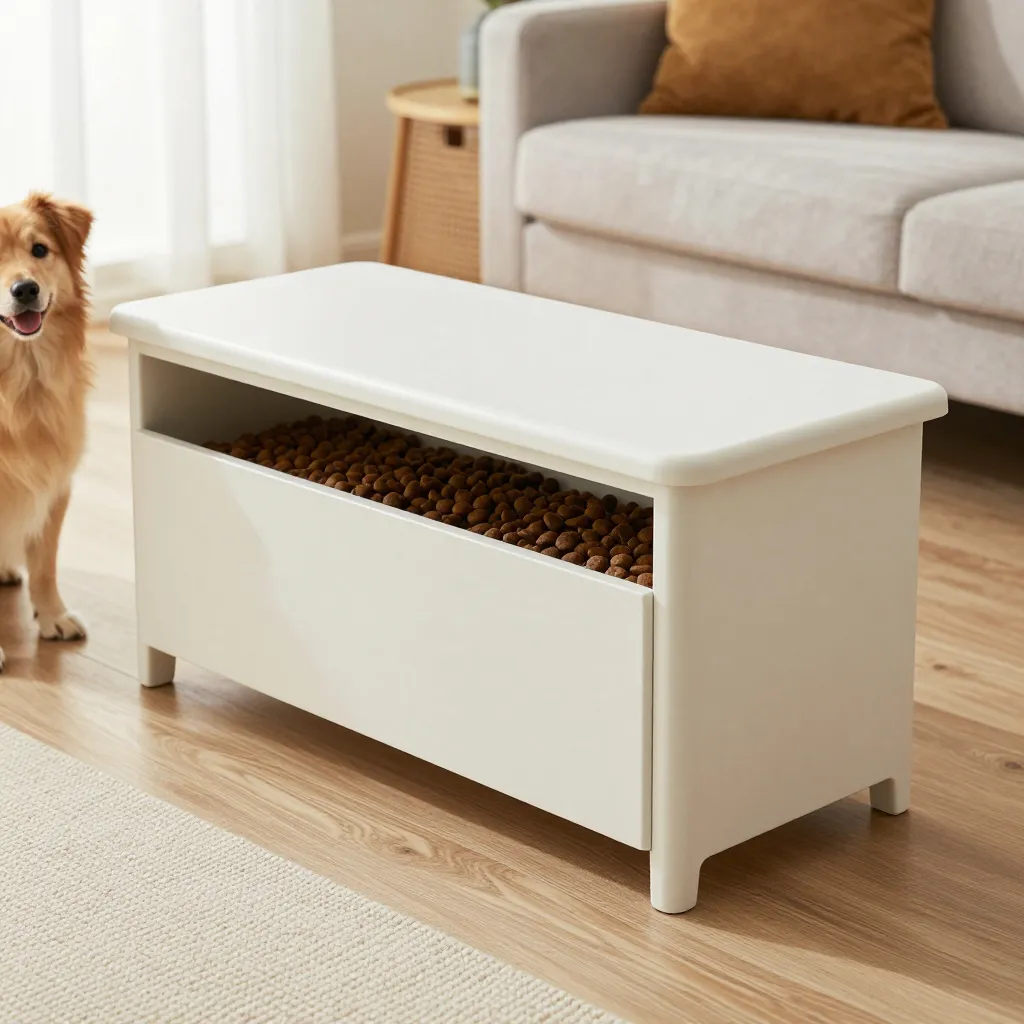
8. A Pet Food Storage Bench or Ottoman
This is my favorite multi-tasking trick. I bought a storage ottoman that looks like a regular piece of furniture, but inside it holds a full bag of dog food. It doubles as extra seating in my living room.
Look for one with a sturdy lid that seals well. Some even have a removable plastic liner. It’s great for small spaces where you don’t have a dedicated pantry. Plus, it keeps the food completely hidden.
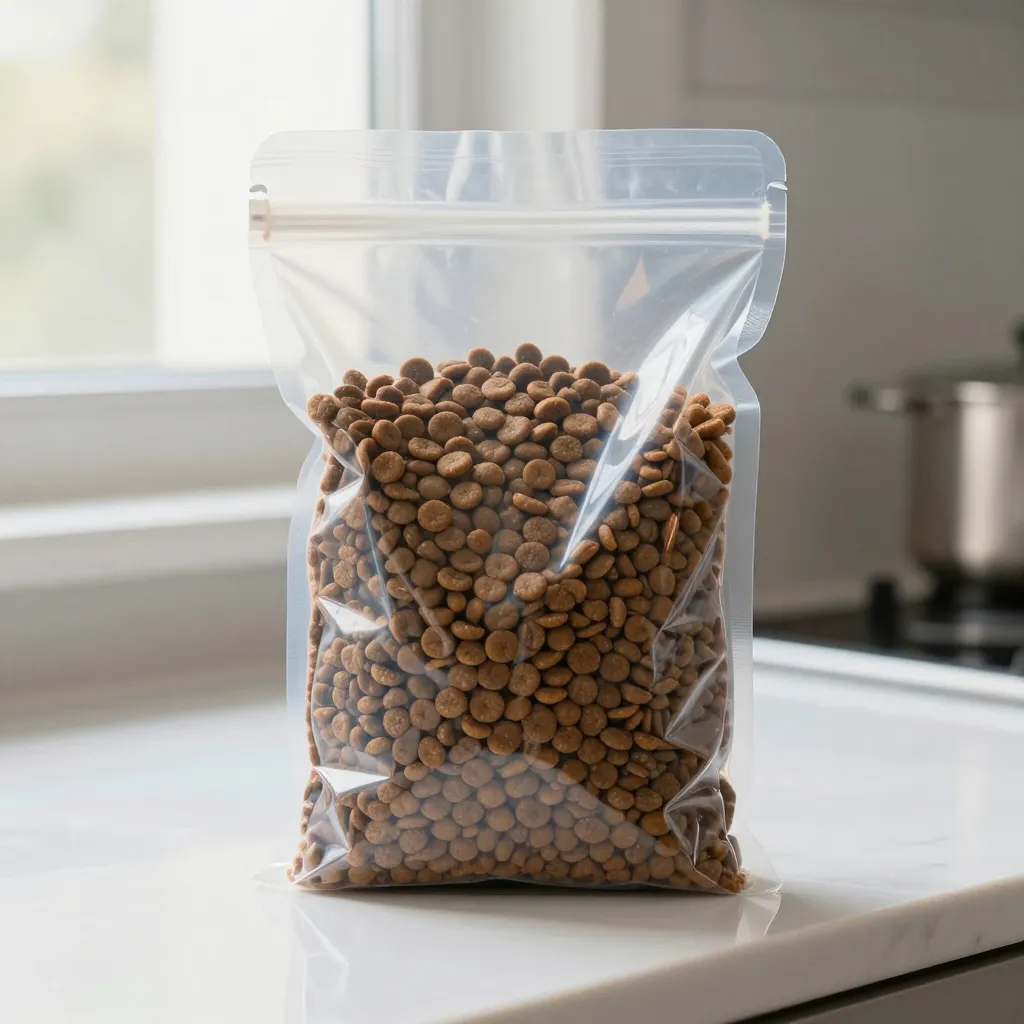
9. A Vacuum-Sealed Bag or Container System
If you buy in bulk or live in a humid area, a vacuum-sealed system is a lifesaver. I use a reusable vacuum-seal container with a pump. It sucks all the air out, keeping kibble fresh for months.
These are a bit pricier, but they’re perfect for long-term storage. I keep one for emergency backup food and one for daily use. The food stays crunchy and never gets that stale, soft texture.
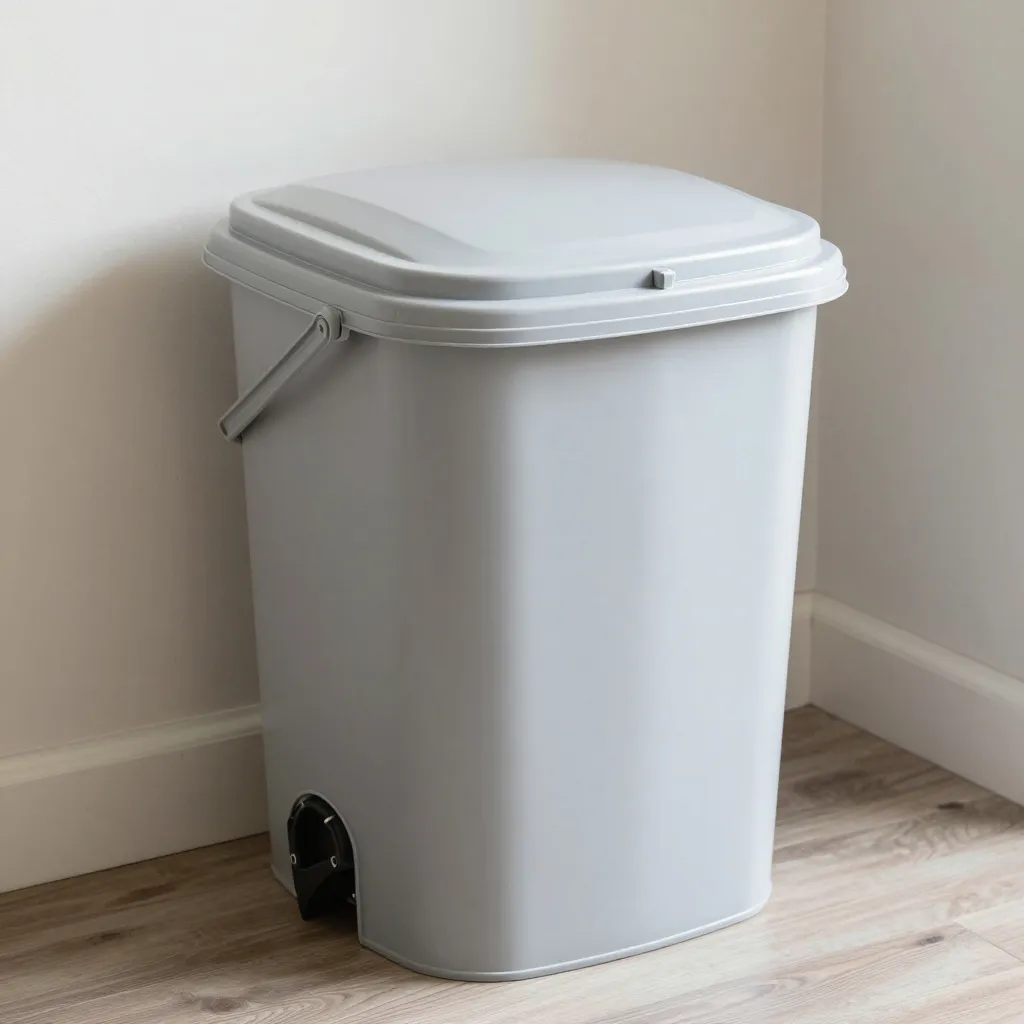
10. A Simple, Heavy-Duty Plastic Trash Can (New, of Course)
Before you judge, hear me out. A brand-new, food-grade plastic trash can with a tight lid is a cheap, effective storage solution. I bought a small one (around 13 gallons) from a home store, washed it thoroughly, and use it for a full 40-pound bag.
It’s not the prettiest, but it works. I keep it in the garage or laundry room. The lid snaps on securely, and the plastic is tough enough to keep out rodents and bugs. Just make sure it’s never been used for trash.
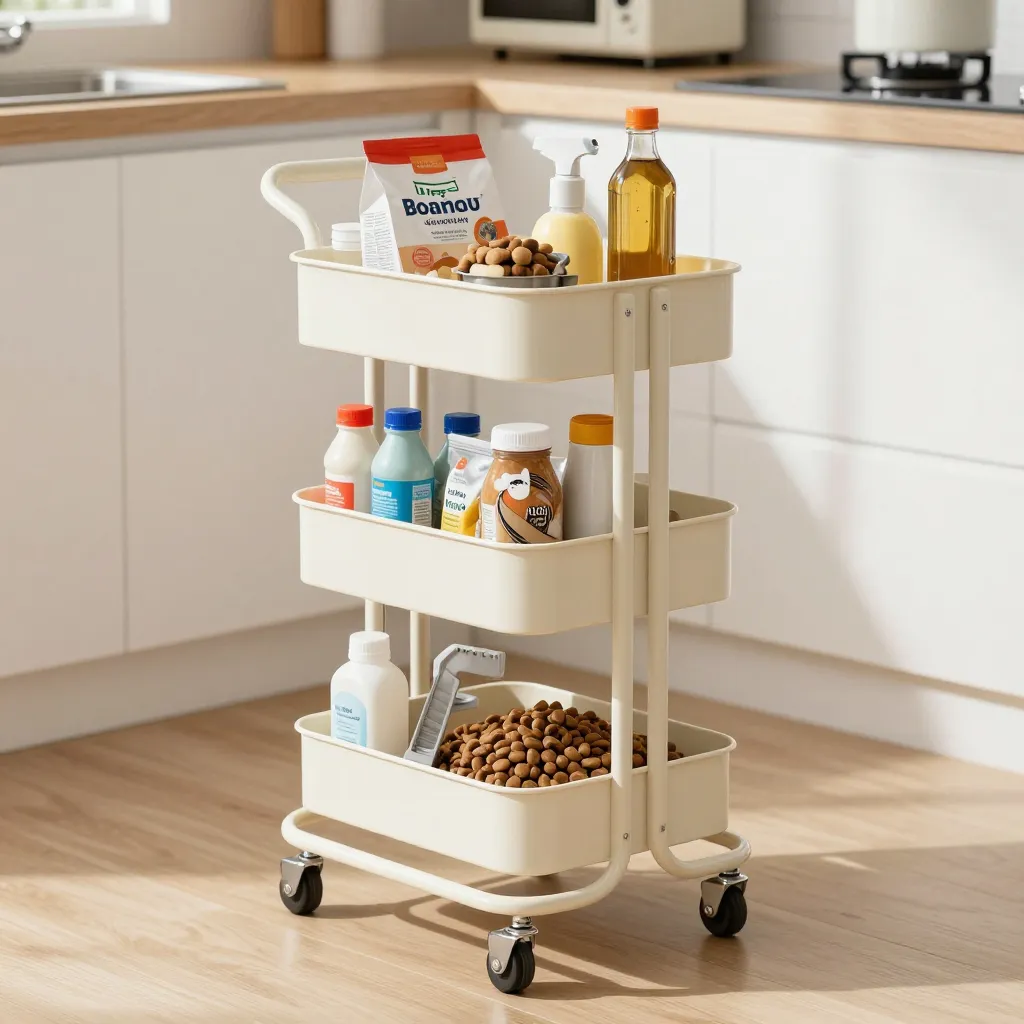
11. A Rolling Utility Cart with Bins
I love a rolling utility cart. I use one with three wire shelves and place a small plastic bin on each shelf. One bin holds kibble, one holds treats, and one holds bowls and toys.
It’s mobile, so I can roll it from the kitchen to the feeding area. The open design lets air circulate, but the bins themselves are airtight. It’s a super flexible system if you like to rearrange things often.
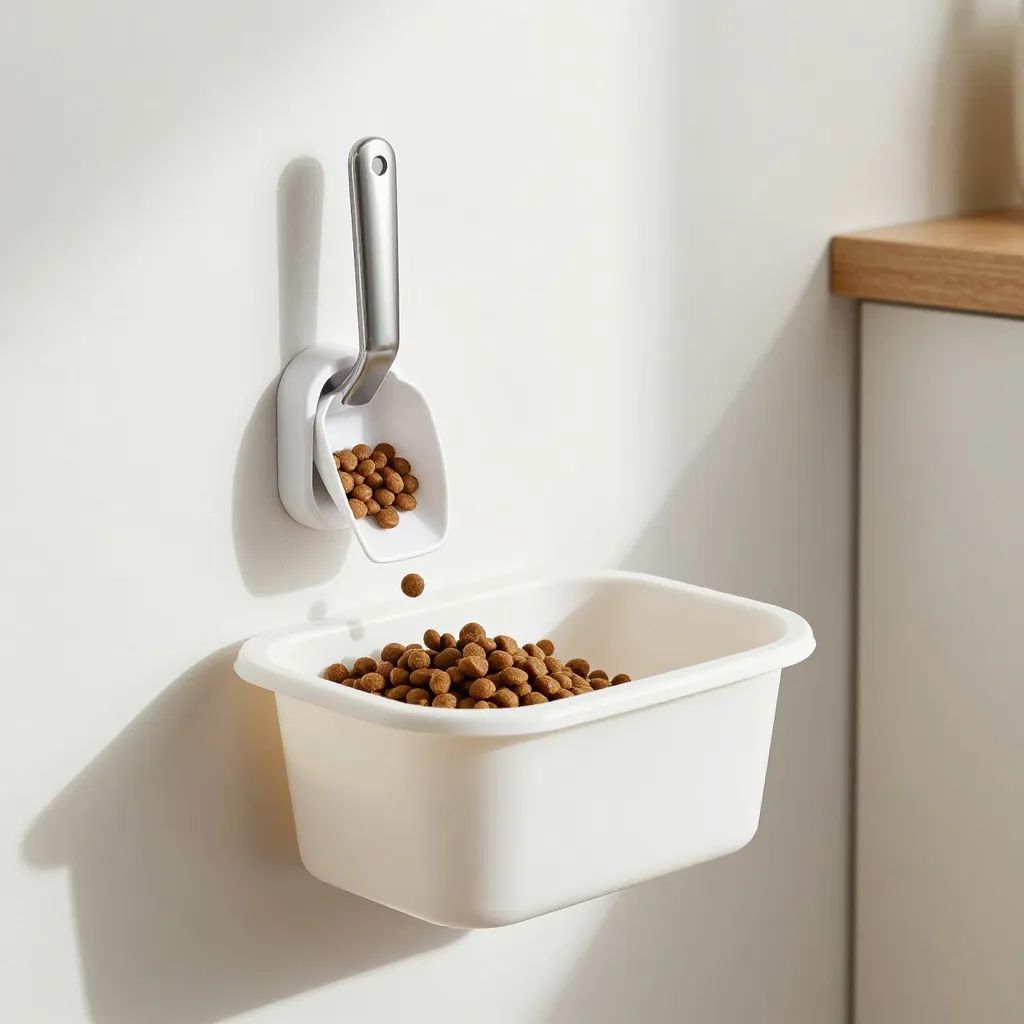
12. A Wall-Mounted Scoop Holder and Bin Combo
Keep your scoop handy and your bin tidy. I installed a small wall-mounted scoop holder right next to my dog food bin. No more digging around in the kibble for the scoop.
Pair this with any airtight bin you like. The scoop stays clean, and you always know where it is. This is a tiny change that makes a big difference in daily routine.
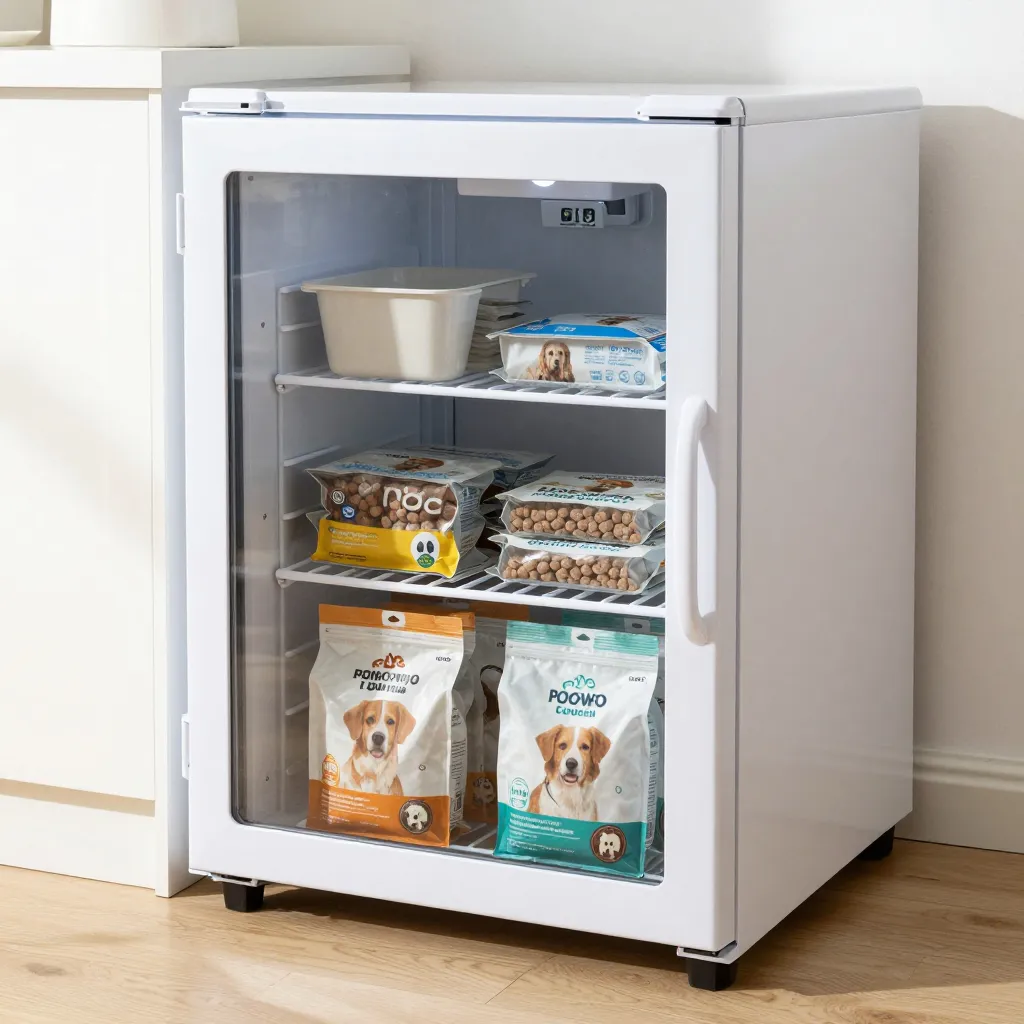
13. A Temperature-Controlled Cabinet or Mini Fridge
If you live in a hot climate, consider storing your dog food in a cool, dark cabinet—or even a mini fridge set to a low, non-freezing temperature. I have a friend who uses a small beverage fridge for her dog’s raw food and kibble.
It keeps the food from spoiling in the summer heat. Just make sure the fridge is clean and doesn’t have any strong smells. This is a bit of an investment, but it’s perfect for premium or sensitive foods.
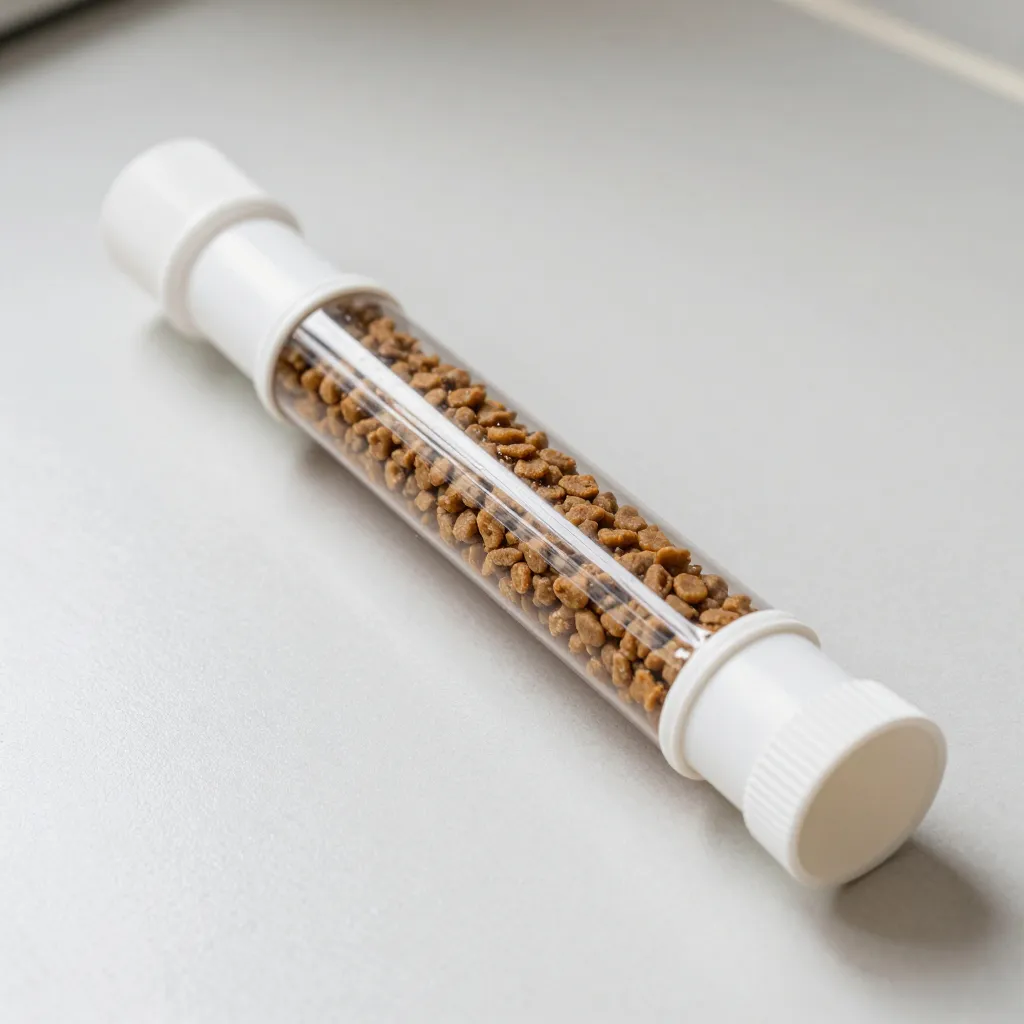
14. A DIY PVC Pipe Food Tube
This is a fun, crafty one. I made a food tube from a large-diameter PVC pipe (about 4 inches wide) with a screw-on cap. I cut a length that holds about 10 cups, and I use it to store kibble for travel or small portions.
It’s lightweight, waterproof, and completely airtight. I also decorated mine with some washi tape. It’s great for camping trips or just keeping a small stash in the car. Just make sure the PVC is food-grade and BPA-free.
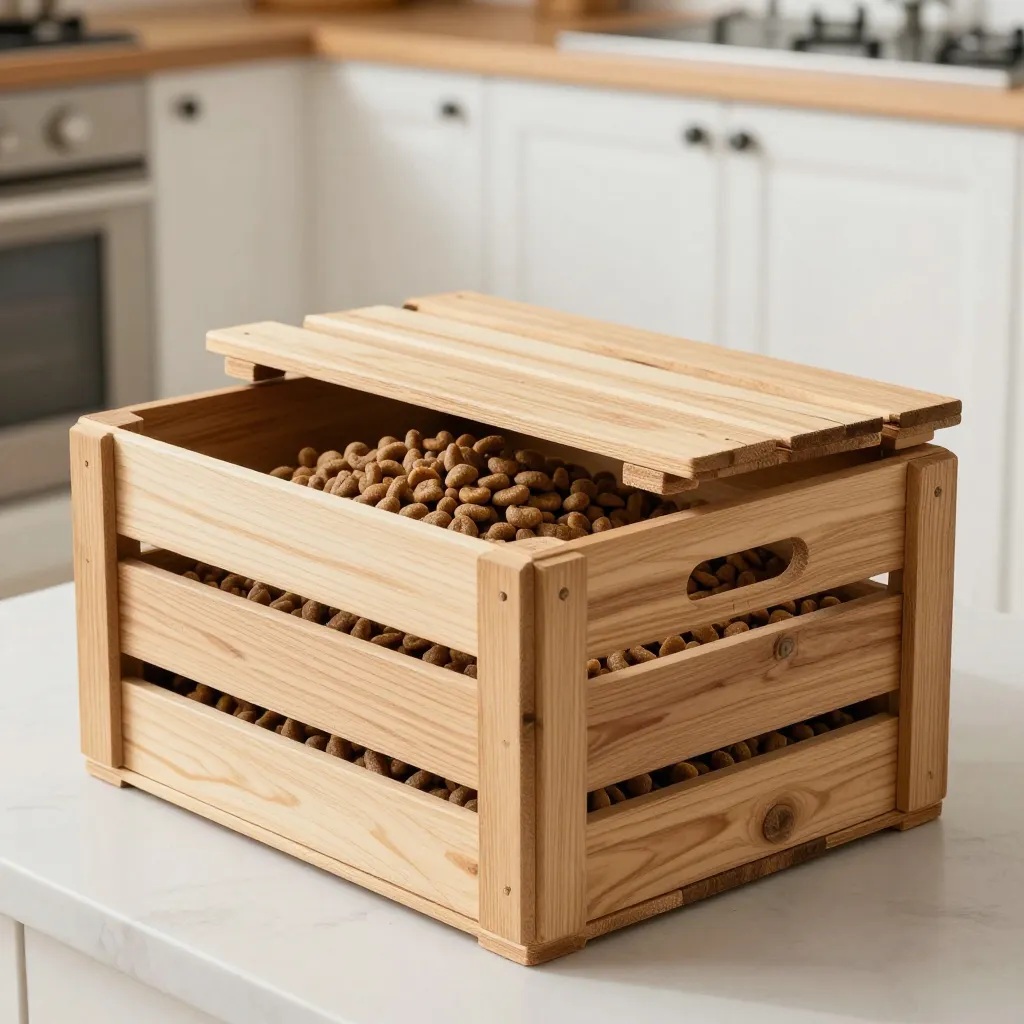
15. A Custom Wooden Crate with a Hinged Lid
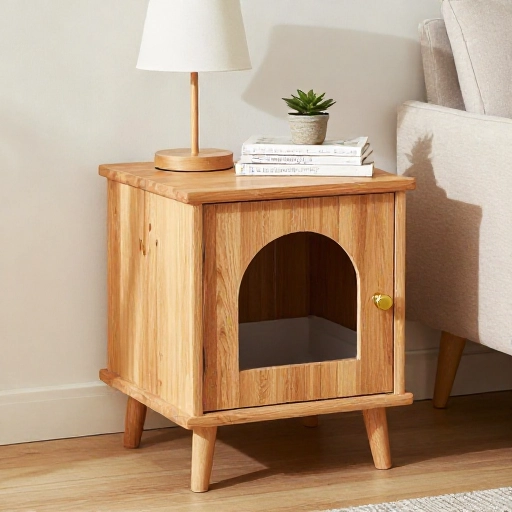
For a beautiful, furniture-quality option, build or buy a wooden crate with a hinged lid and a soft-close mechanism. I ordered one from a small woodworker that has a magnetic latch and a removable plastic liner inside.
It looks like a stylish side table, but it holds a full bag of food. The lid keeps out dust and pets, and the liner makes cleanup easy. This is the most aesthetic option if you want something that blends into your home decor.
Conclusion
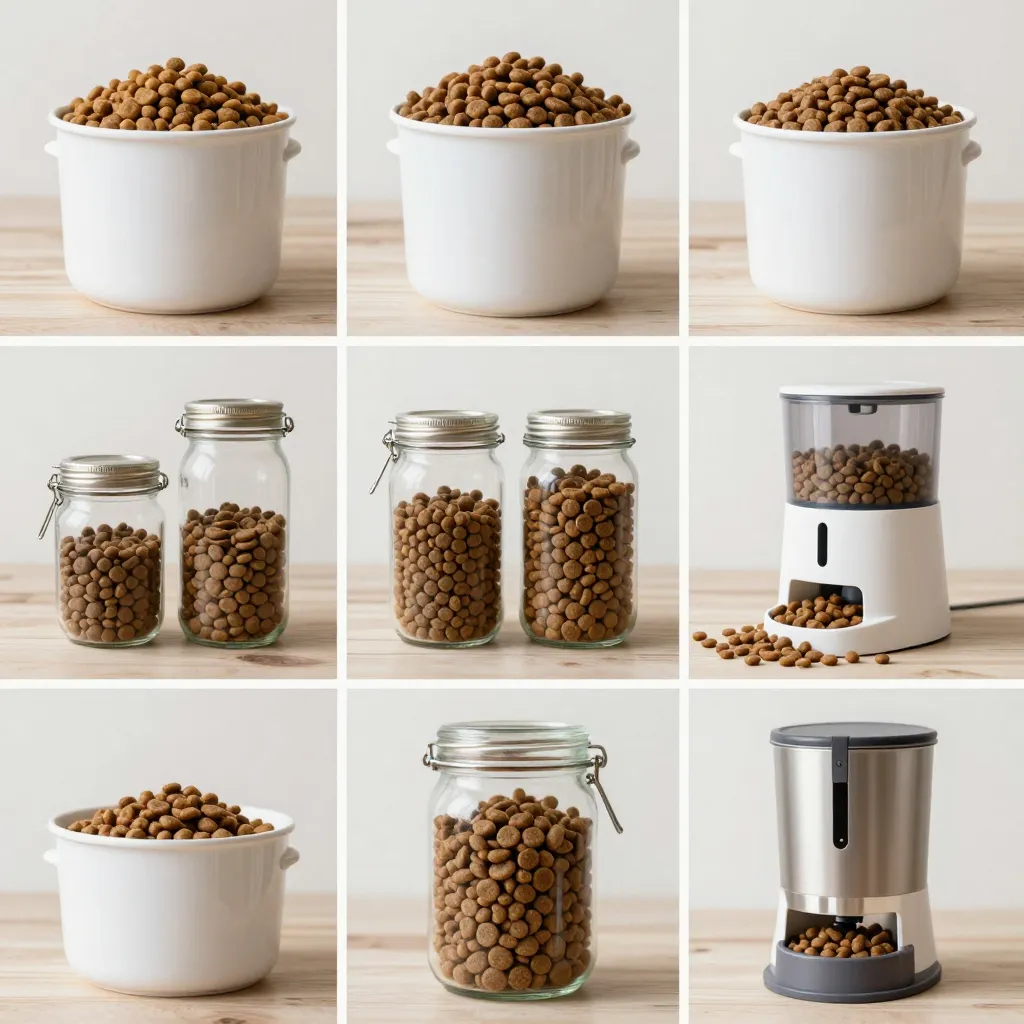
I hope these ideas give you some fresh inspiration for storing your dog’s food. The key is finding something that fits your space, your budget, and your daily habits. Whether you go with a simple plastic bin or a custom crate, keeping food airtight, cool, and dry will make a huge difference in freshness and taste.
Your dog will thank you with every happy crunch. And honestly, you’ll thank yourself when you don’t have to throw away half a bag of stale kibble. Happy storing!
FAQ
1. Can I store dog food in the original bag inside a container?
Yes, absolutely. I actually recommend keeping the food in its original bag, then placing the whole bag inside your storage container. The bag has a built-in moisture barrier, and the container adds an extra layer of protection. Just clip the bag closed before putting it in.
2. How long does dog food stay fresh in an airtight container?
If stored properly in a cool, dark place, dry kibble can stay fresh for up to six weeks after opening. Airtight containers help extend that by preventing air and moisture from getting in. Always check the expiration date on the bag, though.
3. Is it safe to store dog food in plastic containers?
Yes, as long as the plastic is food-grade and BPA-free. Look for containers labeled for food storage. Avoid containers that previously held chemicals or strong-smelling items, as they can leach into the food.
4. Where should I store my dog food container?
Keep it in a cool, dry place away from direct sunlight, heat sources, and moisture. A pantry, a kitchen cabinet, or a laundry room shelf are all good options. Avoid garages or basements that get too hot or humid.
5. Can I freeze dog food for long-term storage?
Yes, you can freeze dry dog food to keep it fresh for several months. Just make sure the bag is sealed tightly or use a freezer-safe container. Thaw it in the fridge before feeding. Freezing is especially useful if you buy in bulk or have a small dog.