15 Dog Breeds That Don’t Bark Much (Perfect for Peaceful Homes)
I absolutely love dogs, but I’m not going to lie—constant barking can test anyone’s patience. Whether you live in an apartment, work from home, or just value quiet mornings, finding a dog that doesn’t feel the need to announce every passing squirrel is a game-changer.
Over the years, I’ve discovered that some breeds are naturally more reserved with their voices. They communicate in other ways—soft grumbles, tail wags, or just staring at you until you figure it out. If you’re looking for a four-legged friend who won’t wake the neighbors, here are 15 breeds that tend to be quiet and calm.
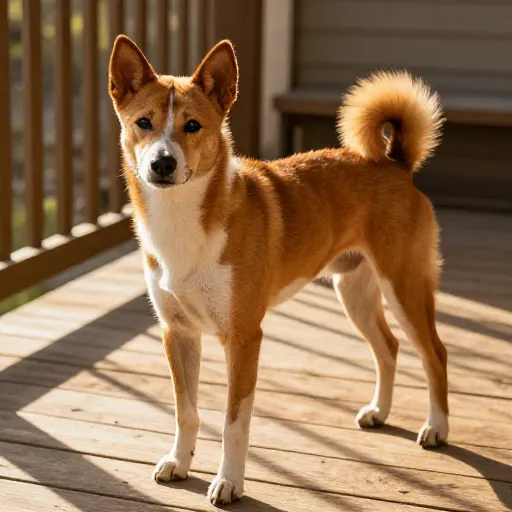
1. Basenji
The Basenji is famously known as the “barkless dog.” Instead of a typical bark, they make a unique sound called a “yodel” or “baroo.” It’s quiet, weirdly charming, and rarely disruptive.
They are independent and cat-like, which means they don’t need constant attention. Just be prepared for a clever, curious pup who might outsmart you.
If you want a dog that’s quiet but full of personality, this is a top pick.
2. Greyhound
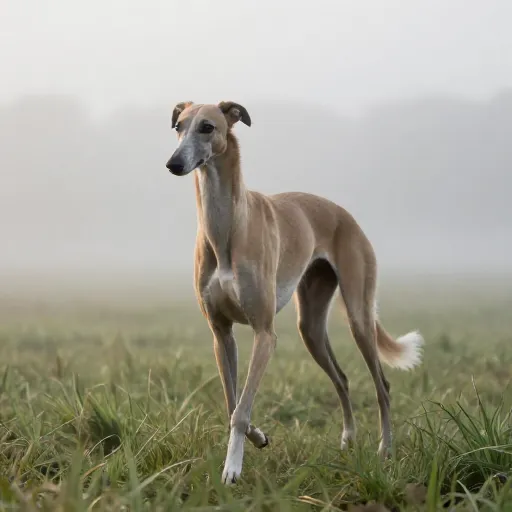
Greyhounds are surprisingly quiet dogs. They’re known for being sprinters, but at home, they’re total couch potatoes. I’ve met Greyhounds that barely make a peep all day.
They are gentle, calm, and rarely bark unless something truly startles them. If you adopt a retired racer, you’ll get a sweet, quiet companion who just wants a soft bed.
They’re also great for apartments because they sleep so much.

3. Cavalier King Charles Spaniel
This little dog has a big heart and a very soft voice. They bark so rarely that when they do, it’s almost surprising. Cavaliers are bred to be companion dogs, so they’re more interested in cuddling than making noise.
They’re friendly with everyone—kids, strangers, other pets. That easygoing nature means fewer reasons to bark.
If you want a quiet lap dog, this breed is hard to beat.

4. Shih Tzu
Shih Tzus were literally bred to be palace dogs in ancient China. They were expected to be quiet and polite, and that trait still holds true today. They might bark at the doorbell, but it’s usually a quick, single bark.
They love being with their people and don’t have a strong prey drive, so they aren’t triggered by every bird or squirrel. Plus, they’re adorable and fluffy.
Perfect for small spaces and quiet households.

5. Japanese Chin
The Japanese Chin is a tiny, elegant dog that rarely barks. They communicate more with their expressive faces and gentle movements. I once watched a Japanese Chin sit quietly next to its owner for an entire afternoon.
They are affectionate but not demanding. They won’t yap at every sound, making them ideal for apartments.
If you want a quiet, refined little dog, this is a wonderful choice.
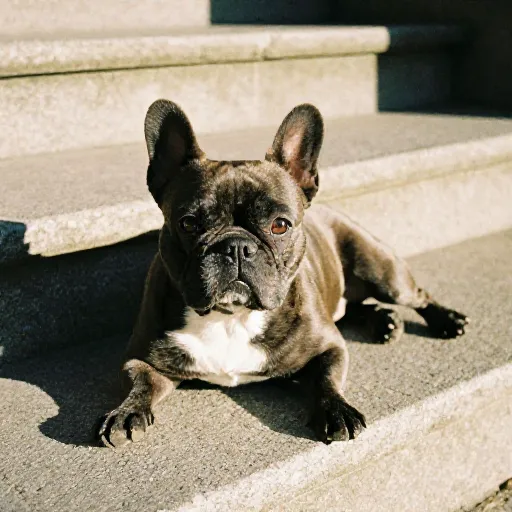
6. French Bulldog
French Bulldogs are famous for being comedic, affectionate, and quiet. They don’t bark much at all. Instead, they snort, snore, and make funny little grunting sounds.
They are low-energy and don’t need excessive exercise, so they’re happy to lounge around. That calm attitude means less barking at things outside.
They’re also great for city living because they’re fairly quiet and small.
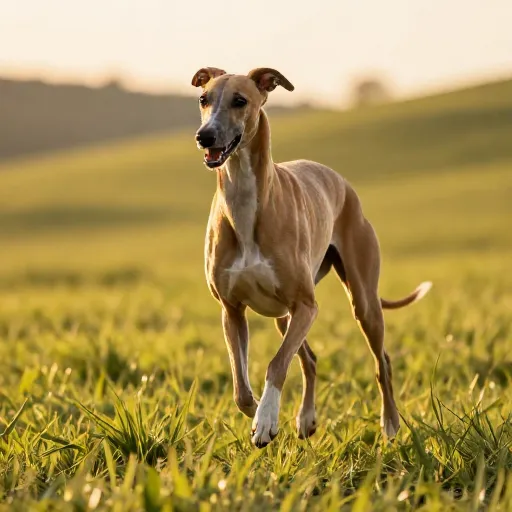
7. Whippet
Whippets are like smaller, quieter Greyhounds. They are gentle, sweet, and almost silent indoors. They love to run outside, but inside, they’re peaceful and sleep a lot.
They rarely bark, and when they do, it’s usually for a good reason. They’re also very sensitive and respond well to gentle training.
If you want a calm, quiet dog that’s also athletic, this is it.
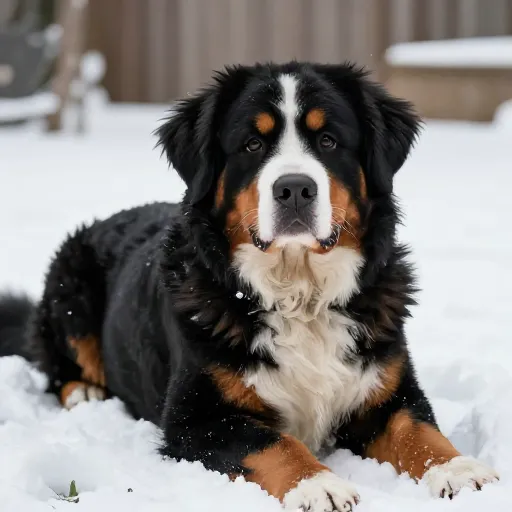
8. Bernese Mountain Dog
This giant breed is surprisingly quiet. Bernese Mountain Dogs are known for their calm, patient temperament. They don’t bark unless they feel something is genuinely wrong.
They are loyal and love their families, but they’re not yappy. Their size can be intimidating, but their voice is rarely used.
They do need space and exercise, but they’ll repay you with peaceful companionship.
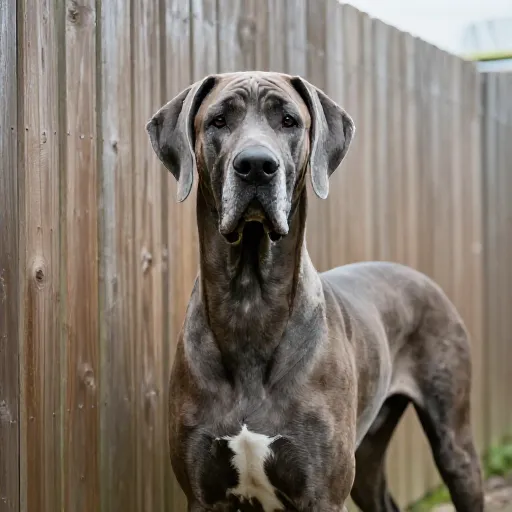
9. Great Dane
Despite their massive size, Great Danes are often called “gentle giants.” They don’t bark much at all. They’re confident dogs that don’t feel the need to announce every little thing.
A Great Dane might bark if a stranger approaches, but it’s usually a deep, brief warning. They are calm, friendly, and surprisingly low-energy indoors.
If you can handle the size, you’ll get a quiet, loving friend.
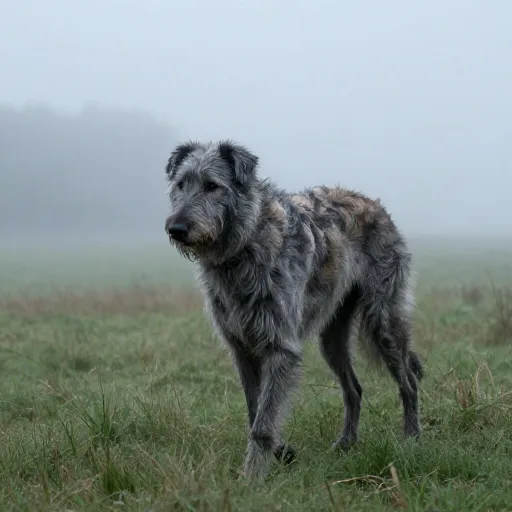
10. Irish Wolfhound
Irish Wolfhounds are one of the tallest dog breeds, but they are incredibly gentle and quiet. They were bred to hunt wolves, not to be guard dogs, so they don’t have a strong barking instinct.
They are calm, dignified, and affectionate. They might lean on you for attention, but they won’t bark for it.
They do need space and exercise, but their quiet nature makes them wonderful family dogs.
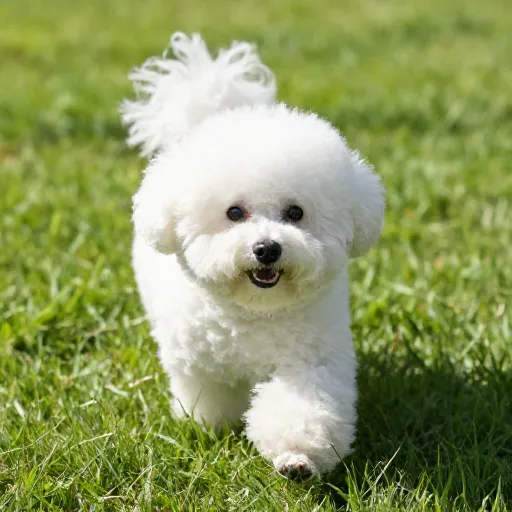
11. Bichon Frise
Bichon Frises are cheerful little dogs that don’t bark excessively. They can be trained to be quiet easily because they love pleasing their owners. They’re more likely to do a happy dance than bark.
They are hypoallergenic and have a playful, gentle personality. They do need regular grooming, but their quiet, happy nature is worth it.
Perfect for families and apartment dwellers.
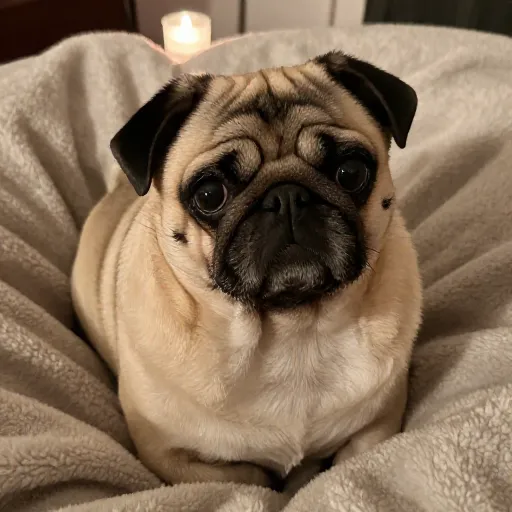
12. Pug
Pugs are hilarious little dogs that don’t bark much. They snort, snore, and make funny noises, but barking is rare. They’re too busy being charming and lazy.
They love attention and will follow you everywhere, but they won’t bark to get it. They’ll just stare at you with those big, sad eyes.
If you want a quiet, goofy companion, a Pug is a great choice.
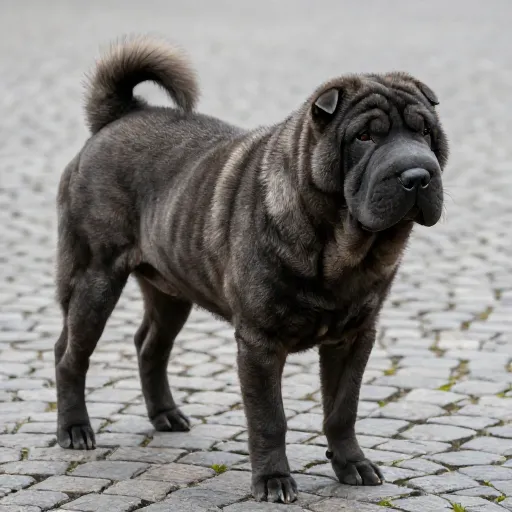
13. Chinese Shar-Pei
The Shar-Pei is a unique-looking breed that is naturally quiet and reserved. They are independent and often aloof with strangers, but they don’t bark to express themselves.
They are loyal to their family and can be protective, but they’re not yappy. They communicate more through body language.
If you want a calm, dignified dog that doesn’t need to be the center of attention, this is it.
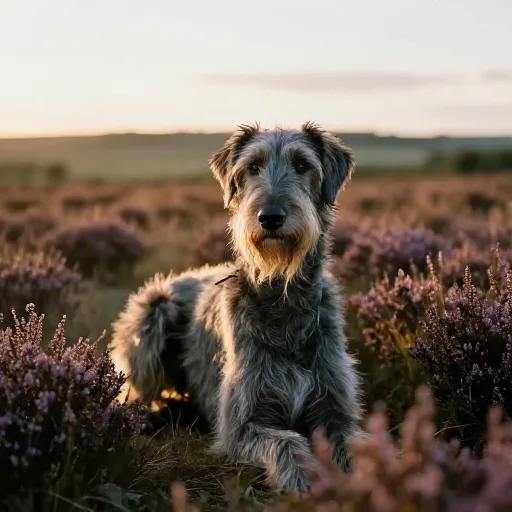
14. Scottish Deerhound
Scottish Deerhounds are tall, elegant, and very quiet. They are similar to Greyhounds in temperament—gentle, calm, and rarely vocal. They were bred for hunting in silence.
They are affectionate with their families but reserved with strangers. They don’t bark unless truly alarmed.
They need space to run, but inside, they are peaceful and quiet.
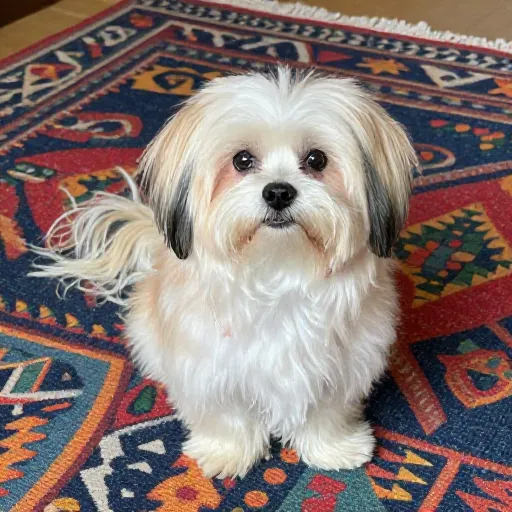
15. Havanese
Havanese dogs are small, cheerful, and not big barkers. They can be trained to be quiet, and they’re more interested in playing and cuddling than making noise.
They are smart and love to learn tricks. They do bark occasionally, but it’s usually just to get your attention for something important (like a treat).
They’re great for apartments and families alike.
Conclusion
Finding a quiet dog breed doesn’t mean you have to sacrifice personality or love. Every dog on this list has its own unique charm, and none of them rely on constant barking to communicate. A quiet dog can still be playful, affectionate, and protective—they just choose their moments wisely.
Remember, even quiet breeds can bark if they’re bored, anxious, or untrained. A happy, well-exercised dog is always quieter than one who’s stressed. So give your pup plenty of walks, mental stimulation, and love. That’s the real secret to a peaceful home.
Frequently Asked Questions
1. Do quiet dog breeds still bark sometimes?
Yes, all dogs bark occasionally. It’s a natural form of communication. But the breeds on this list bark much less frequently and usually only for important reasons like danger or excitement.
2. Are quiet dogs harder to train?
Not at all. In fact, many quiet breeds are eager to please and easy to train. Their calm nature often makes training sessions more focused and enjoyable.
3. Can a quiet dog still be a good guard dog?
Some quiet breeds, like the Great Dane or Shar-Pei, can be protective. They may not bark often, but they will alert you if something is truly wrong. A bark is not the only way to guard a home.
4. Do small dogs bark more than big dogs?
Not necessarily. Many small breeds like the Shih Tzu, Cavalier, and Japanese Chin are very quiet. It’s more about the breed’s temperament than its size.
5. What if my quiet dog starts barking a lot?
Sudden changes in barking can mean your dog is bored, anxious, or in pain. Make sure they get enough exercise and mental stimulation. If the barking persists, a visit to the vet is a good idea.