14 Day Dog Training Plan for Beginners
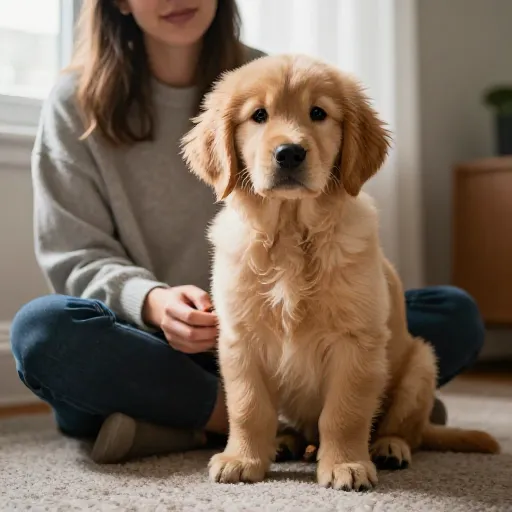
Bringing home a new dog is one of the best feelings in the world. But let’s be real—those first few weeks can feel a little chaotic. You’re learning each other’s language, and your pup has no idea that jumping on guests or chewing your favorite shoes isn’t the best look.
I remember sitting on my living room floor with my first dog, wondering if I was doing everything wrong. Spoiler: I wasn’t. And neither are you. Training doesn’t have to be harsh or complicated. It just needs to be consistent, kind, and broken into small wins.
This 14-day plan is built for real life. No fancy equipment. No dog whispering. Just simple steps you can start today. Let’s turn your puppy or rescue into a polite, happy family member—one day at a time.
Day 1: Build Your Bond with the “Name Game”
Before you teach “sit” or “stay,” your dog needs to know their own name. This is the foundation for everything else.
Grab a handful of tiny, soft treats. Say your dog’s name in a happy voice. The second they look at you, mark it with a word like “yes” and give a treat. Do this ten times in a row, three times a day.
Keep sessions playful. If your dog ignores you, try a higher-pitched voice or a little bounce. You want their name to mean “good things are coming.”
Day 2: Master “Sit” in 5 Minutes
“Sit” is the golden ticket. It calms your dog down and opens the door to other commands.
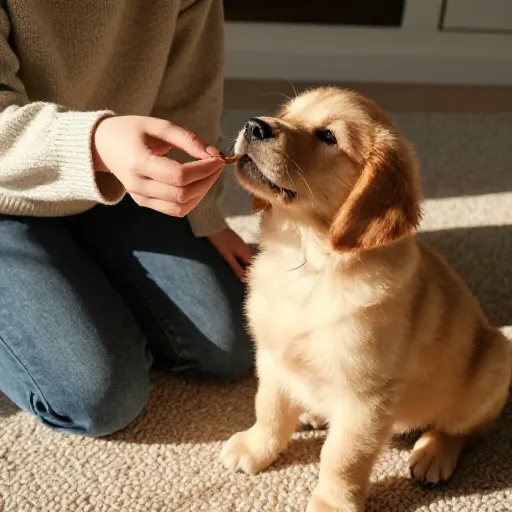
Hold a treat close to your dog’s nose, then slowly lift it up and slightly back over their head. As their nose follows the treat, their bottom will naturally hit the floor. The moment it does, say “yes” and reward.
Practice this five times in a row. If they pop up, just try again. No frustration. Some dogs get it in three tries; others take ten. That’s totally okay.
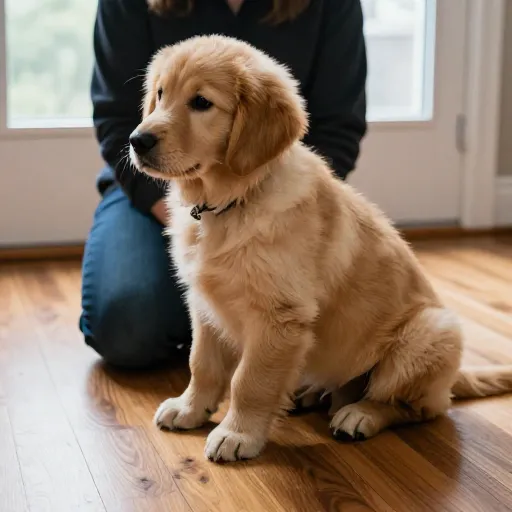
Day 3: Introduce “Down” with Patience
Down is harder than sit because it puts your dog in a vulnerable position. Go slow.
Start with your dog in a sit. Hold a treat in your closed fist and let them sniff it. Then lower your hand straight down to the floor, right between their paws. If they follow the treat all the way down, say “yes” and reward.
If they just stare at you, try sliding the treat along the floor like you’re drawing a line. Don’t push their shoulders down. Let them figure it out.
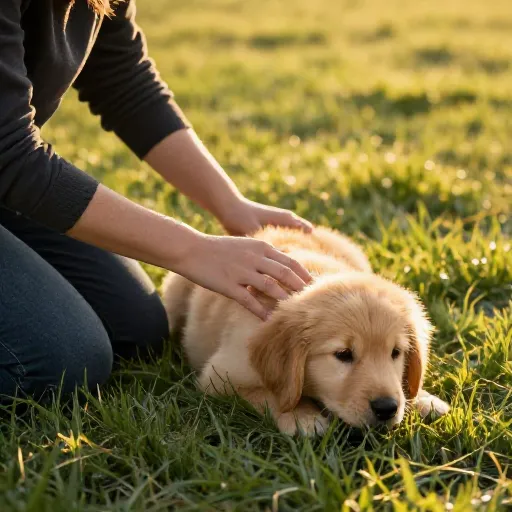
Day 4: Teach a Solid “Leave It”
This one keeps your dog safe—and saves your socks. Start easy.
Place a treat on the floor and cover it with your hand. When your dog sniffs or paws at it, just wait. The second they pull away or look at you, say “yes” and give them a different treat from your other hand.
Repeat until they immediately look at you when they see the covered treat. Next session, try uncovering the treat. Life changer for walks and counter surfing.
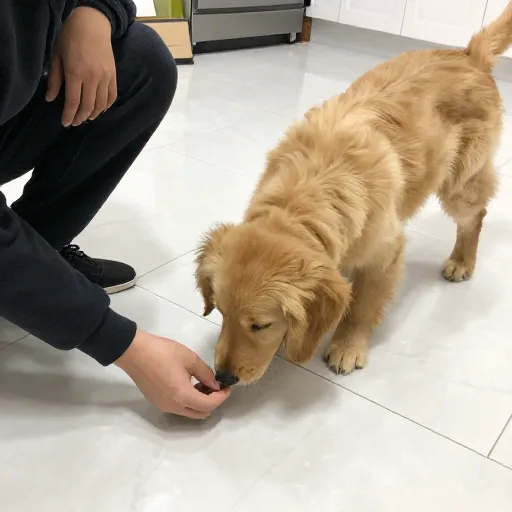
Day 5: Loose Leash Walking—Start Indoors
Your dog won’t learn to walk nicely on a leash outside if distractions are everywhere. Start inside your home or backyard.
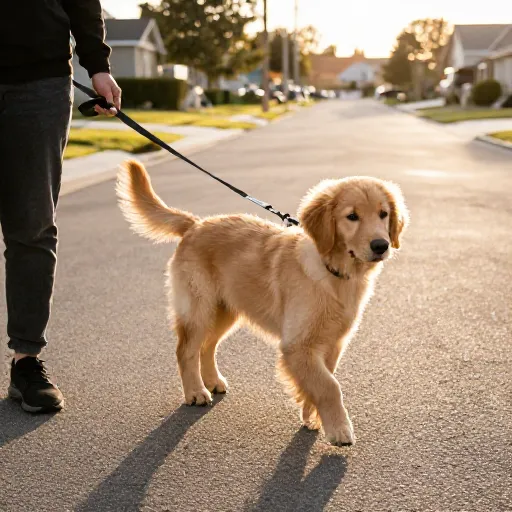
Clip on the leash and let it drag. Pick it up and stand still. The moment the leash goes slack (even for one second), say “yes” and drop a treat at your feet. Do this for two minutes.
Then take one step. If they follow without pulling, reward. If they pull, stop and wait. You’re teaching them that pulling makes the walk stop.
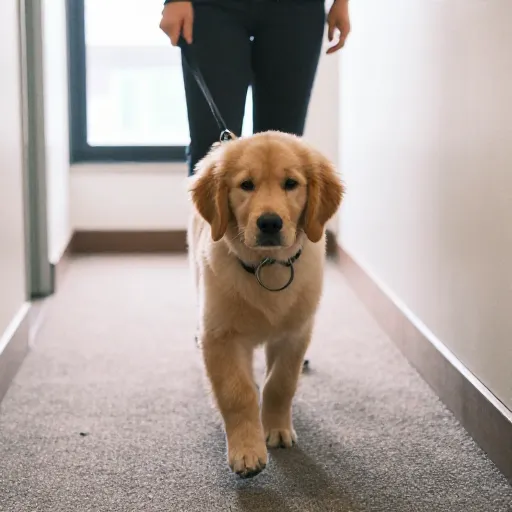
Day 6: Crate Training—Make It Cozy
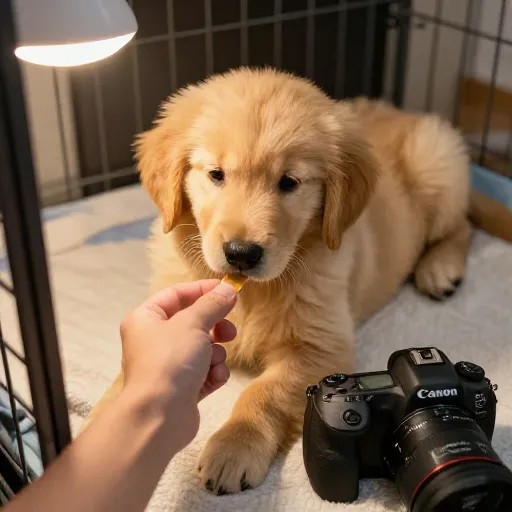
Crate training isn’t about locking your dog away. It’s about giving them a safe den. Start with the door open.
Toss treats inside the crate. Let them wander in and out freely. Feed their meals near the crate, then inside the crate. Don’t close the door yet.
Once they go in willingly, close the door for three seconds, then open it. Gradually increase the time. If they whine, you went too fast—back up a step.
Day 7: Hand Targeting for Confidence
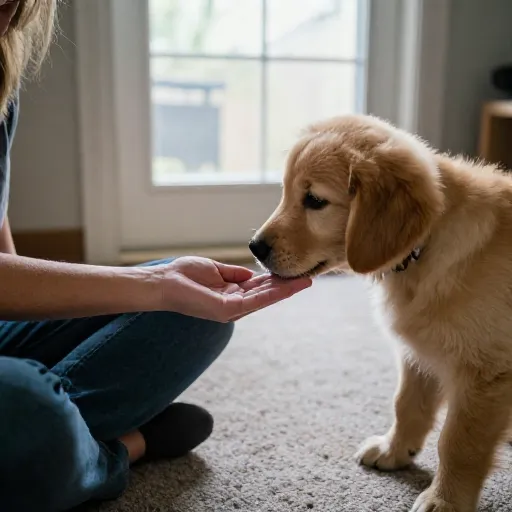
Hand targeting is a fun trick that builds trust. Hold out your flat palm a few inches from your dog’s nose.
Most dogs will naturally sniff your hand. The second their nose touches your palm, say “yes” and treat. Repeat ten times.
Once they understand, start moving your hand a little farther away. This becomes a brilliant way to guide your dog into position without grabbing them.
Day 8: The “Wait” Game at Doorways
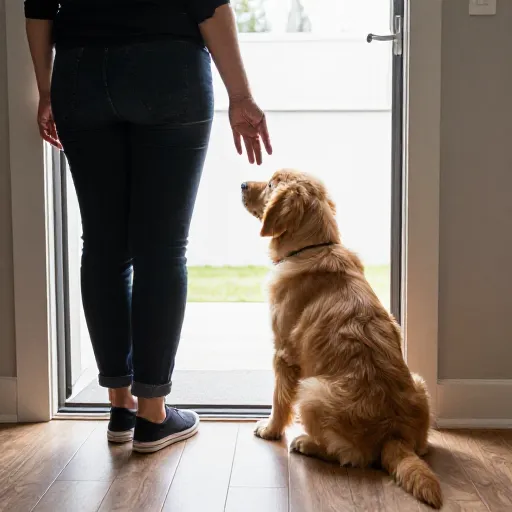
Does your dog bolt out the front door? “Wait” teaches impulse control. Start at a door that leads to a hallway or fenced area.
Put your hand on the door handle. If your dog moves toward it, just stand still. The second they pause or look at you, say “yes” and open the door a crack. If they still wait, reward.
Work up to opening the door fully. This takes multiple sessions, but it’s worth every second.
Day 9: Recall—Come When Called
A reliable recall can save your dog’s life. Start in a boring room with no distractions.
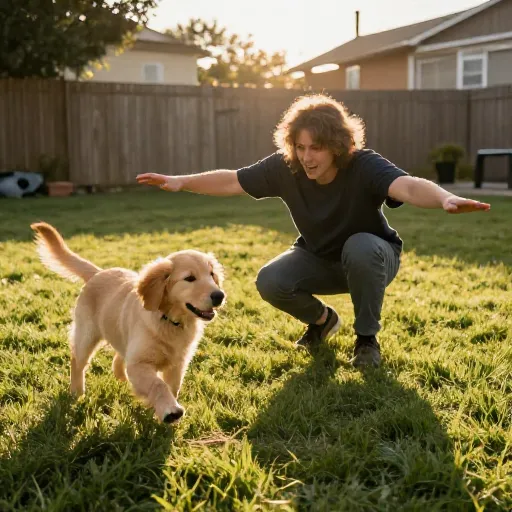
Crouch down, open your arms, and say their name plus “come!” in a super excited voice. When they run to you, party like it’s their birthday—treats, pets, happy noises.
Never call your dog to you for something they hate, like a bath or nail trim. You want them to think “come” always means amazing things.
Day 10: Handling and Grooming Practice
Many dogs hate having their paws touched or ears cleaned. You can fix that in just two minutes a day.
Sit on the floor with your dog. Gently touch their paw for one second, then treat. Repeat with ears, tail, and mouth area. If they pull away, you’re moving too fast.
This makes vet visits and brushing so much easier. Your dog learns that human hands mean treats, not stress.
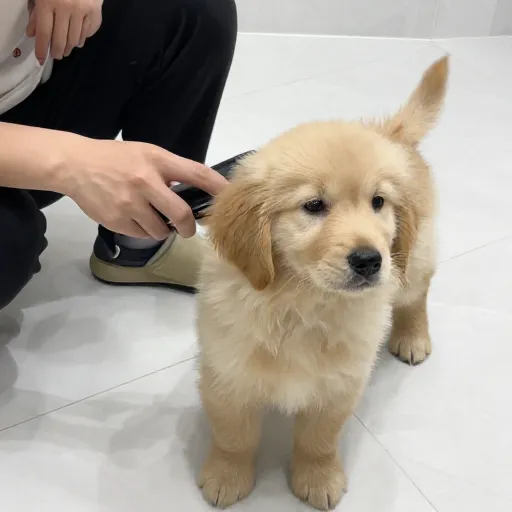
Day 11: Polite Greetings—No Jumping
Jumping is usually excitement, not bad behavior. But it’s still annoying. Here’s the fix.
When you walk in the door, ignore your dog completely until all four paws are on the floor. No eye contact, no talking, no touching. The second they settle, calmly say hello and give a treat.
Ask guests to do the same. Your dog will quickly learn that jumping makes people disappear, and sitting makes people appear.
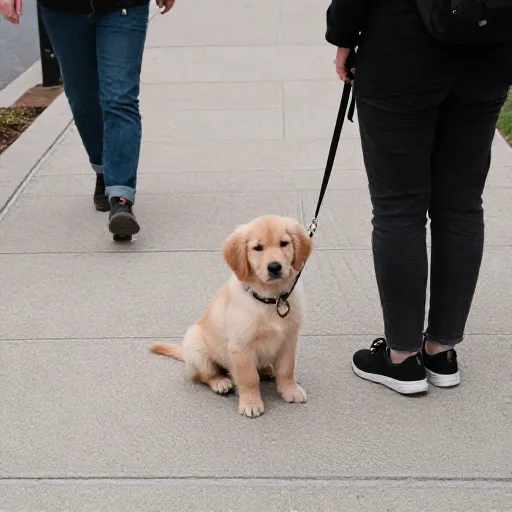
Day 12: Drop It—The Game Changer
Got a dog who steals your socks or picks up random stuff on walks? “Drop it” is your new best friend.
Play tug with a toy. While your dog is holding it, hold a high-value treat right at their nose. When they open their mouth to get the treat, say “drop it” and give the treat. Then give the toy back.
Never chase or pry their mouth open. Trading for something better teaches them that dropping things is rewarding.
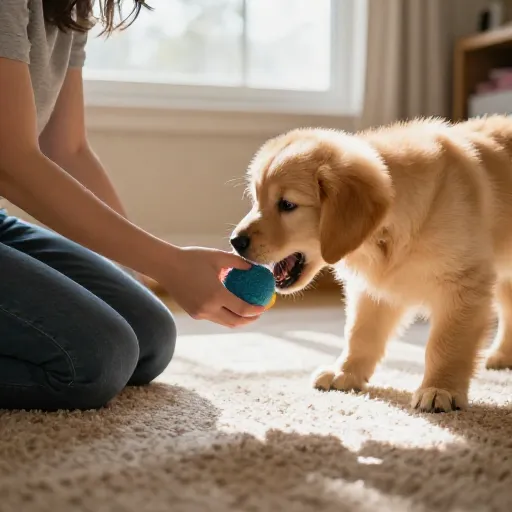
Day 13: Short Duration “Stay”
Stay is different from wait. It means hold that position until I release you. Start with sit or down.
Ask your dog to sit. Say “stay” with a calm hand signal (palm out). Take one tiny step back. If they stay, return to them, say “free,” and reward. If they break, just try a smaller step.
Build up to two steps, then five. Always return to your dog to release them—don’t call them to you.
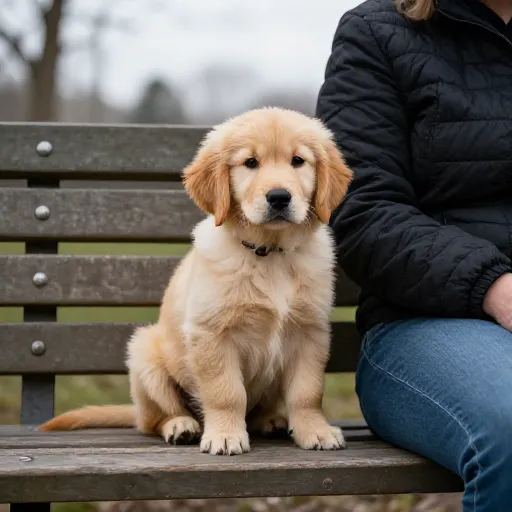
Day 14: Celebrate with a “Real World” Practice Walk
Today is about putting it all together. Take your dog to a mildly distracting spot—like a quiet park or a friend’s backyard.
Run through your favorite commands: sit before crossing the street, a few seconds of loose leash walking, a recall game. Keep it short and fun.
End with a big play session or a chew toy. You both earned it. This is just the beginning of your journey together.
Conclusion
Fourteen days might sound short, but you’ve laid the groundwork for a lifetime of good manners. Your dog now knows their name, basic commands, and how to handle real-life situations like doorways and greetings.
The biggest secret? Training never really ends. Keep practicing these skills in new places, and don’t forget to have fun. Your dog wants to please you—they just need you to show them how.
Celebrate every small win. One day you’ll look back and realize your chaotic puppy turned into your best friend. And it all started with these two weeks.
[[IMG:IMG16]]
Frequently Asked Questions
How long should each training session be?
Keep sessions to 2–5 minutes for puppies, and up to 10 minutes for adult dogs. Short, frequent sessions work way better than one long drill.
What treats should I use?
Use soft, pea-sized treats your dog goes crazy for. Think boiled chicken, cheese cubes, or training liver treats. Save the highest value ones for tough commands like recall.
My dog isn’t getting a command. What do I do?
Break it into smaller steps. Go back to the last step your dog understood and practice there. If they’re frustrated, take a break and try later. Patience is everything.
Can I train an older dog?
Absolutely. Old dogs learn new tricks all the time. They might be a little slower, but they often have better focus than puppies. The same rules apply—positive reinforcement and consistency.
What if my dog has accidents during training?
Accidents happen, especially with young puppies. Increase potty breaks, clean accidents with an enzyme cleaner, and don’t punish. Just stick to your schedule and reward heavily when they go outside.