15 Safe Indoor Plants for Cat Owners (That Won’t Stress You Out)
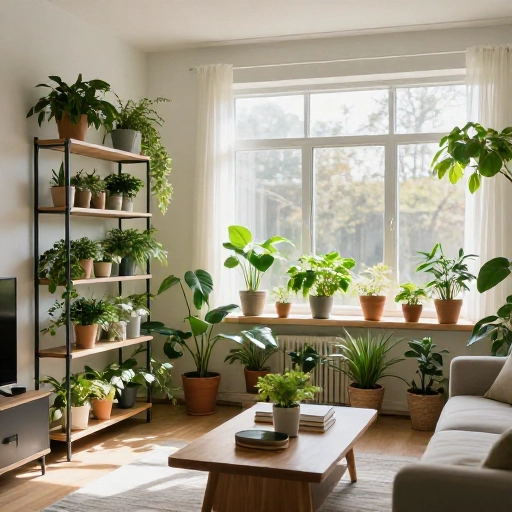
When I first brought home my cat, Mochi, I panicked. My apartment was filled with plants—monsteras, pothos, snake plants—and I had no idea which ones could actually hurt her. Turns out, a lot of my favorites were on the toxic list. I had to do a full plant overhaul.
If you’re like me, you want your home to feel like a lush, green sanctuary without worrying every time your cat takes a nibble. The good news? There are plenty of stunning, cat-safe plants that look amazing and won’t send you rushing to the vet. I’ve tested many of these myself (and so has Mochi, unfortunately for her).
Here are 15 indoor plants that are completely safe for your feline friend. No stress, just green vibes.
1. Spider Plant
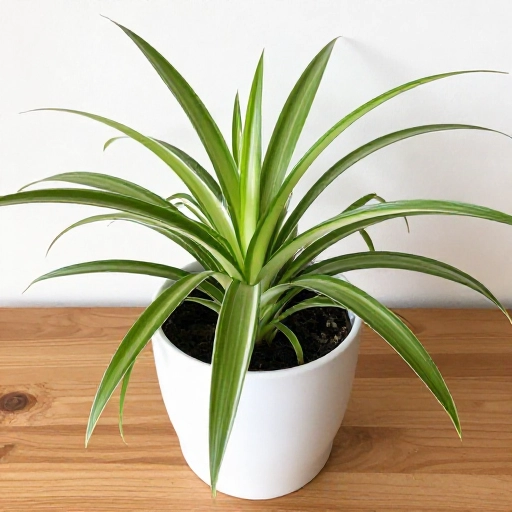
Spider plants are basically the gold standard for cat owners. They’re incredibly forgiving—I’ve forgotten to water mine for weeks, and it still thrives. The long, arching leaves look beautiful in a hanging planter, which also keeps them out of reach if your cat is extra curious.
Bonus: they produce tiny “babies” you can propagate. Mochi loves batting at the dangling leaves, but they’re totally harmless if she manages to snag one.
Just keep the soil healthy and give it bright, indirect light. It’s almost impossible to kill.
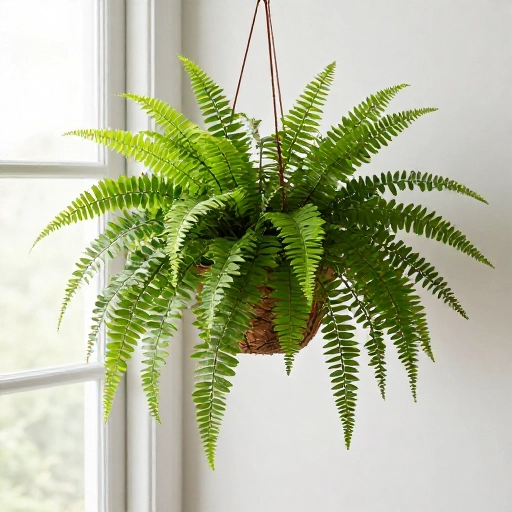
2. Boston Fern
Boston ferns are fluffy, dramatic, and completely non-toxic. They love humidity, so they’re perfect for bathrooms or kitchens. I have one in my laundry room, and it’s become a jungle.
Your cat might try to hide behind the fronds or take a curious sniff. That’s fine. Just be aware these ferns shed a bit—you’ll find little leaves around. But that’s a small price for a plant that looks so lush and airy.
They do need consistent moisture. Don’t let the soil dry out completely.
3. Areca Palm
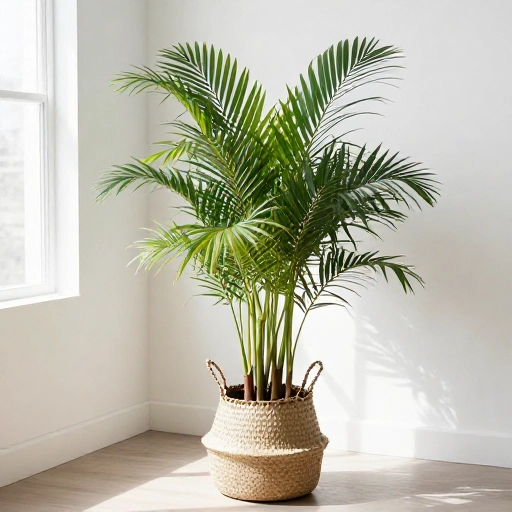
If you want a tall, tropical statement piece, the Areca palm is your best friend. It’s safe for cats and adds instant vacation vibes to any room. I have one in my living room corner and it makes the space feel so much bigger.
It’s a bit picky about water—too much and the leaves turn yellow. But once you find the rhythm, it’s easy. And your cat can rub against its fronds without any issue.
Bright, indirect light is ideal. Direct sun can scorch the leaves.
4. Calathea
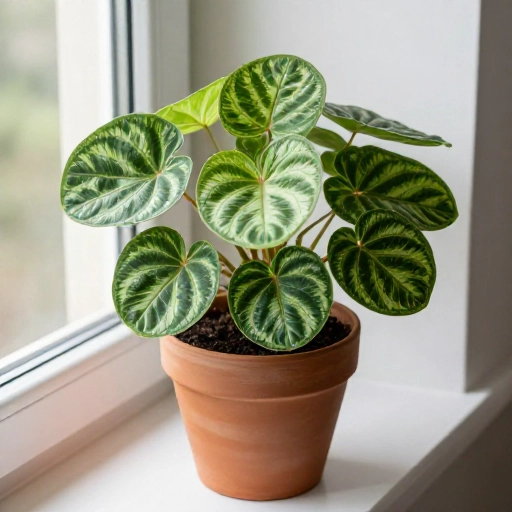
Calatheas are known for their stunning, patterned leaves that almost look painted. They’re completely pet-safe and come in so many varieties—rattlesnake, zebra, peacock. I have a rattlesnake calathea and Mochi loves to sit next to it and stare.
They’re a little dramatic about humidity. If the air is too dry, the leaves curl. But a pebble tray or a humidifier solves that. Worth the effort for the beauty they bring.
Keep them in low to medium light. No direct sun.
5. Parlor Palm
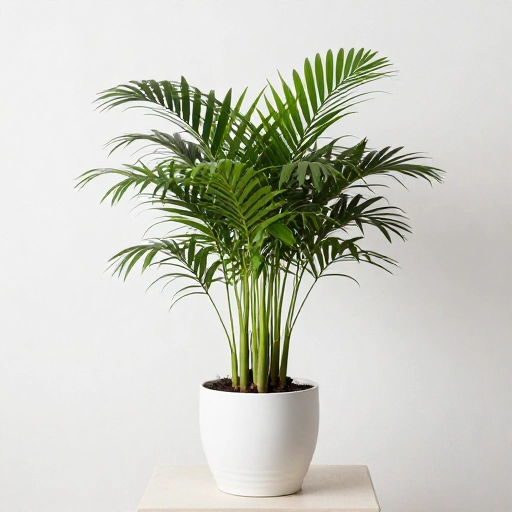
The parlor palm is a classic, elegant plant that stays compact. It’s perfect for tabletops or bookshelves. I have one on my desk and it adds a gentle, soft texture to the space.
It’s extremely low-maintenance—low light, infrequent water. And it’s one of the safest plants for cats. Mine has never tried to eat it, but I’ve heard of cats nibbling the fronds without any harm.
Just don’t overwater. Let the top inch of soil dry out between waterings.
6. Friendship Plant
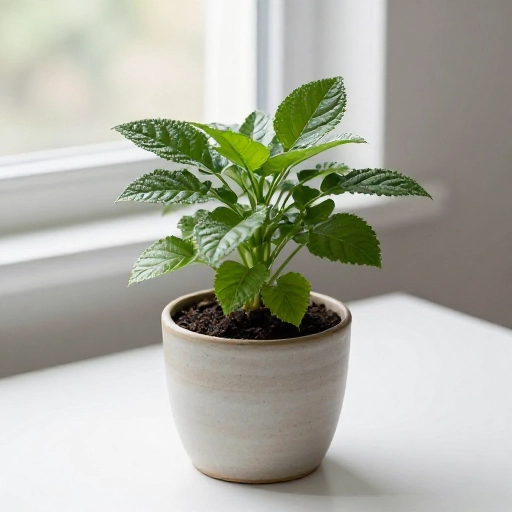
This one is a hidden gem. Friendship plant (Pilea involucrata) has textured, quilted leaves with a lovely green hue. It’s compact, bushy, and easy to propagate—so you can share with friends (hence the name).
It’s safe for cats and thrives in medium, indirect light. I keep mine in a terrarium, which also keeps Mochi from digging in the soil. But even if she gets to it, no worries.
Keep the soil slightly moist. It likes humidity.
7. African Violet
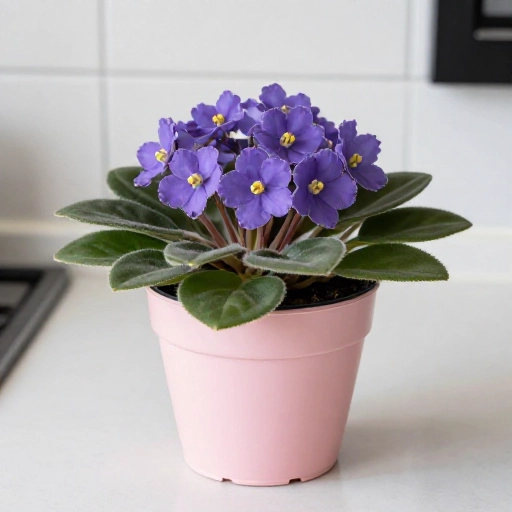
African violets are perfect if you want a pop of color. They bloom in purples, pinks, and whites, and they’re completely safe for cats. I have a pink one on my kitchen windowsill and it flowers almost year-round.
They’re small, so they fit anywhere. Just avoid getting water on the fuzzy leaves—it can cause spots. Water from the bottom instead.
Bright, indirect light is best. They love being slightly root-bound.
8. Haworthia
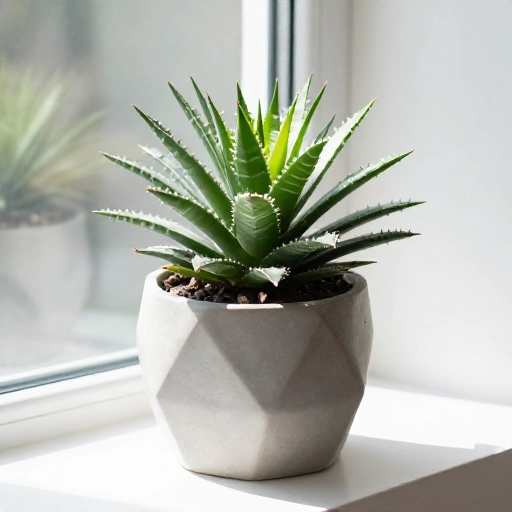
Haworthias are small succulents that look like little aloe plants (but safe!). They’re perfect for desks, shelves, or windowsills. I have three in tiny pots and they’re practically indestructible.
They need very little water—think once every two weeks. And they’re non-toxic, so if your cat takes a curious bite, you’re fine. Mine has never bothered them, probably because they’re a bit spiky.
Bright, indirect light to direct sun. Let the soil dry completely between waterings.
9. Cat Grass
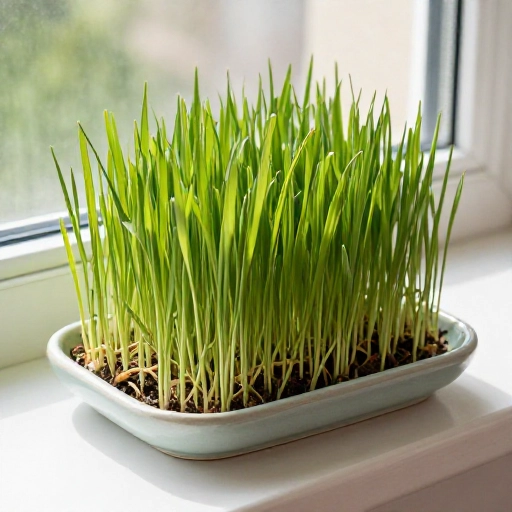
Okay, this one is technically grown from seeds (wheatgrass or oat grass), but it’s a must-have for cat owners. It’s completely safe and actually good for your cat—it helps with digestion and satisfies their urge to chew.
I grow a small pot of cat grass on my counter. Mochi goes crazy for it, but it keeps her away from my other plants. It’s cheap and easy to regrow.
Just keep it in bright light and water regularly. It grows fast and lasts about two weeks before needing a refresh.
10. Peperomia
Peperomias come in so many shapes and colors—round leaves, rippled leaves, green, red. They’re all safe for cats. I have a watermelon peperomia and it’s one of my favorites.
They stay compact and do well in low to medium light. They’re also drought-tolerant, so you can forget to water them sometimes. Perfect for busy plant parents.
Just avoid overwatering. They’re prone to root rot.
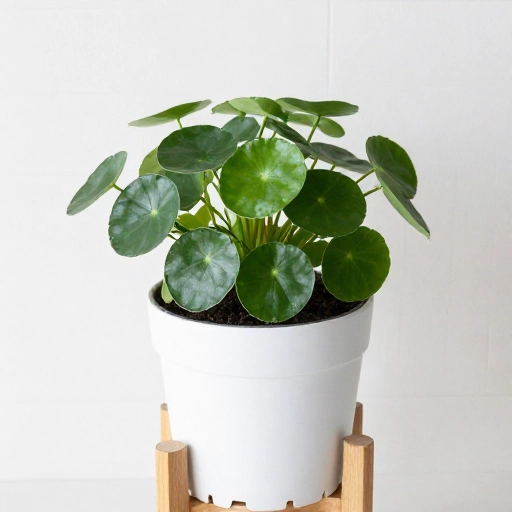
11. Money Tree
The money tree (Pachira aquatica) is not only safe for cats but also thought to bring good luck. It has a braided trunk and large, hand-shaped leaves. I have one in my entryway and it makes the space feel welcoming.
It’s easy to care for—medium light, water when the top inch of soil is dry. Mochi sometimes taps the leaves, but she’s never tried to eat them.
It can grow quite tall, so give it space. It’s a statement plant that’s totally worry-free.
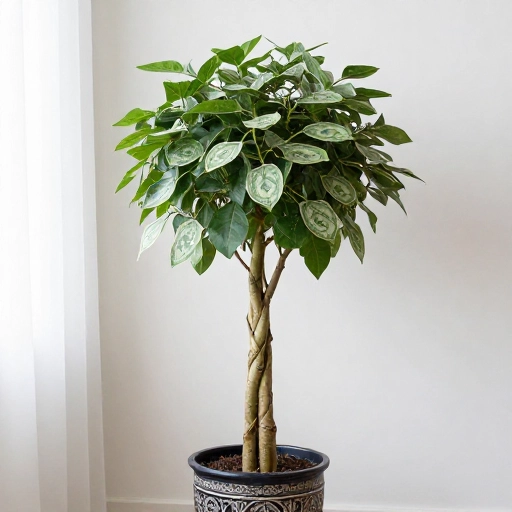
12. Burro’s Tail
Burro’s tail is a trailing succulent with plump, bead-like leaves. It’s adorable and completely safe for cats. I have one hanging in my bedroom and it’s become a conversation piece.
It’s very drought-tolerant—water only when the soil is dry. The leaves are fragile and can fall off if bumped, but they root easily. So your cat might accidentally propagate it for you!
Bright, indirect light is perfect. Keep it in a hanging planter for best effect.
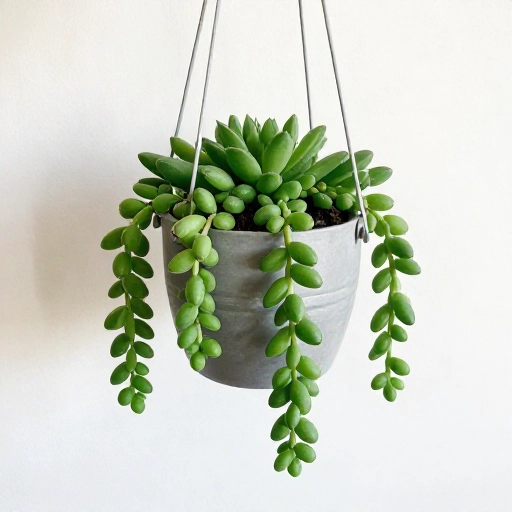
13. Rattlesnake Plant
The rattlesnake plant (a type of Calathea) has long, wavy leaves with dark green spots and purple undersides. It’s safe for cats and truly eye-catching. I have one on a plant stand and it adds so much texture.
It likes humidity and consistent moisture. Don’t let it dry out completely. And keep it away from drafts. A bit high-maintenance, but the visual payoff is huge.
Medium to low light is best. No direct sun.
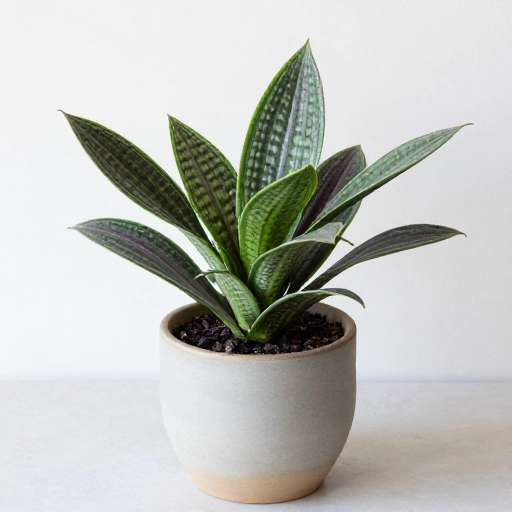
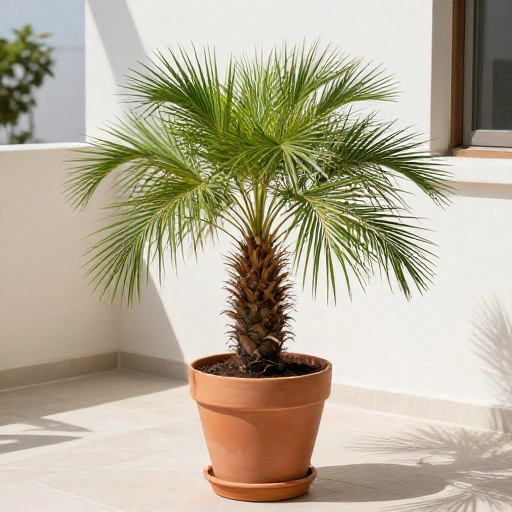
14. Ponytail Palm
Despite the name, the ponytail palm is not a real palm—it’s a succulent. It has a bulbous trunk and a fountain of curly leaves. It’s totally safe for cats and looks quirky and fun.
It’s very low-maintenance. Water every few weeks and give it bright light. I have one in my home office and it always makes me smile. Mochi ignores it completely.
Perfect for beginners or anyone who wants a unique, safe plant.
15. Christmas Cactus
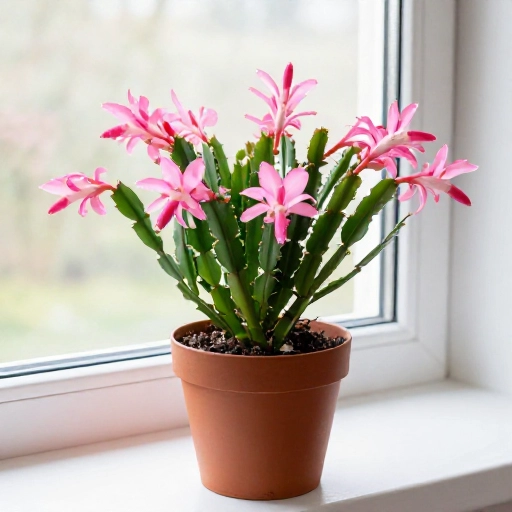
Christmas cactus is a festive, long-living plant that blooms in winter. It’s safe for cats and can live for decades. I inherited one from my grandmother and it’s still going strong.
It needs bright, indirect light and water when the soil feels dry. It’s not a true cactus, so it doesn’t like being bone-dry. The flowers are stunning and non-toxic.
Just don’t move it around too much—it likes stability. A perfect heirloom plant for cat lovers.
Conclusion
You don’t have to choose between a green home and a safe home for your cat. These 15 plants prove you can have both. I’ve learned that a little planning goes a long way—and my cat is happier (and healthier) for it.
Start with one or two easy ones like the spider plant or parlor palm. See how your cat reacts. Most cats lose interest after a sniff or two. And if yours is a persistent nibbler, cat grass is your best friend.
Happy planting, and give your cat a scratch from me.
FAQ: Safe Indoor Plants for Cat Owners
Q: What should I do if my cat eats a plant I’m unsure about?
A: First, remove the plant and check if it’s on a toxic list. If you’re unsure, call your vet or a pet poison hotline immediately. Better safe than sorry.
Q: Are succulents safe for cats?
A: Not all. Many succulents like aloe and jade are toxic. But Haworthia, Burro’s tail, and Christmas cactus are safe. Always double-check before buying.
Q: How can I stop my cat from digging in plant soil?
A: Try covering the soil with pebbles, decorative stones, or even pine cones. You can also place citrus peels on top—cats dislike the smell.
Q: Can I have a monstera if I have a cat?
A: No, monstera is toxic to cats. If you love the look, try a safe alternative like the split-leaf philodendron (but check first—even that can be mildly toxic). Stick with the ones on this list.
Q: Are all ferns safe for cats?
A: No, some ferns like asparagus fern are toxic. But Boston ferns, maidenhair ferns, and bird’s nest ferns are safe. Always look up the specific variety.