15 Smart Dog Training Tricks That Work in No Time (Even If You’re Busy)
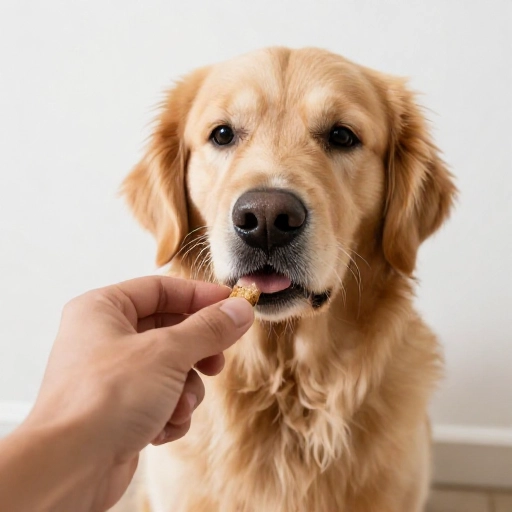
Let’s be real—life gets busy. Between work, errands, and trying to remember what you walked into the kitchen for, carving out an hour a day for dog training feels impossible. But here’s the secret: you don’t need an hour. You need five minutes, a pocket full of treats, and the right tricks in your back pocket.
I’ve tested these with my own whirlwind of a pup, and these are the smartest, fastest wins that actually stick. No boring drills, no endless repetition. Just clever, practical training that fits right into your daily routine. Let’s make your dog the smartest one at the park—without breaking a sweat.
1. The “Look at Me” Focus Drill
This is the magic button for everything else. Start by holding a treat at your nose level. The second your dog makes eye contact, say “yes!” and give the treat. Do this a few times a day for a minute at a time.
Why it’s a game-changer: A dog that checks in with you is a dog that won’t bolt after a squirrel. It’s the ultimate reset button for a distracted pup.
Pro tip: Practice this near the front door or before meals. Real-world distractions make the skill stick faster.
2. The “Touch” Target Trick
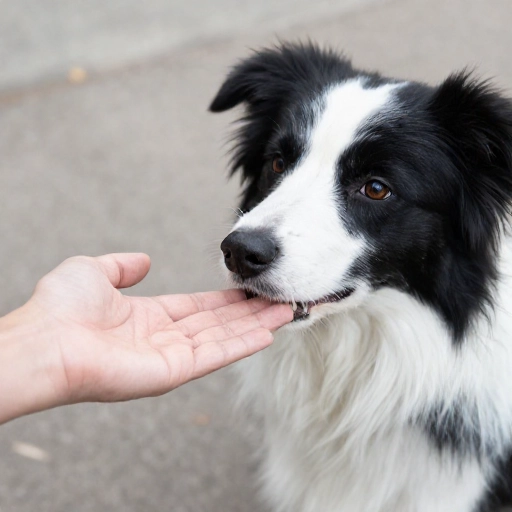
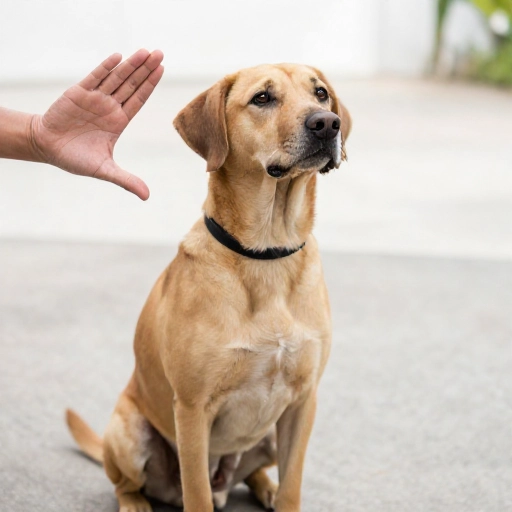
Hold out your open palm. The moment your dog’s nose boops your hand, mark it with “yes!” and reward. It takes about three tries for most dogs to get it. Then, move your hand a few inches away and repeat.
This is my favorite trick to teach when I have zero energy. It’s easy, it’s fast, and it builds a foundation for recall and agility later. Plus, it’s adorable.
Use it to guide your dog into the crate or away from the trash—just point and let the nose lead the way.
3. The “Settle” Command for Couch Potatoes
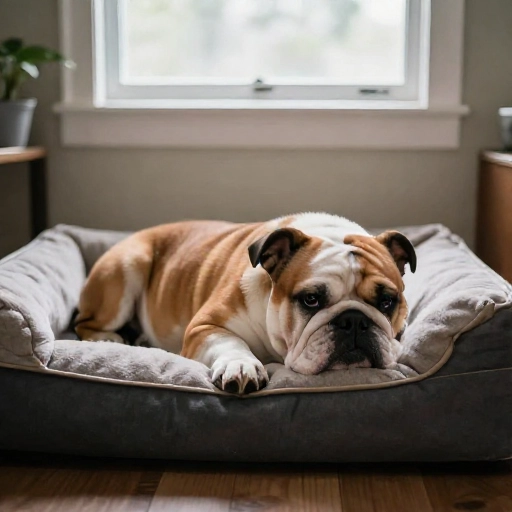
Wait, you want your dog to calm down? Yes, and it’s easier than you think. Lure your dog to a down position, then gently say “settle” and feed a few treats in a row while they stay down. The goal is a relaxed, flat-on-the-floor dog.
The trick is duration, not position. Start with three seconds of stillness, then slowly increase. This is perfect for when you’re on a work call or trying to watch a movie.
It’s not about “down”—it’s about teaching your dog that chill time earns rewards. Your future, peaceful evenings will thank you.
4. The “Leave It” Lifesaver
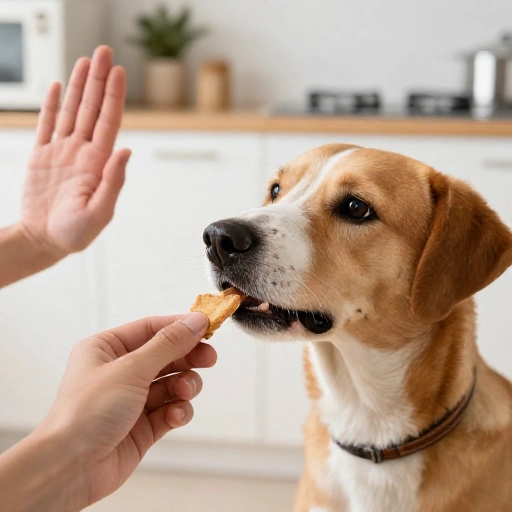
Hold a treat in your closed fist. Let your dog sniff, lick, and paw at it. The instant they pull back, even for a split second, say “yes!” and reward from your other hand. Repeat until they back off quickly.
This one literally saves lives. It stops your dog from eating random sidewalk snacks or chasing something dangerous. Practice with low-value items first, then level up to stinky stuff.
My dog once tried to eat a dropped pill. Two seconds of “leave it” saved us a vet bill. This is non-negotiable training.
5. The “Wait” at Doorways
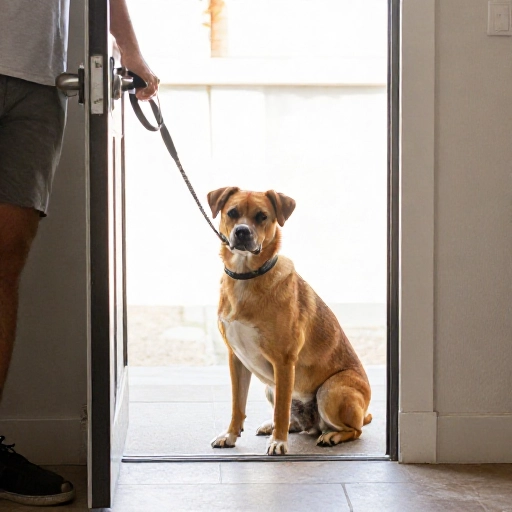
This isn’t just about not bolting outside. It’s about impulse control. Ask your dog to sit, open the door a crack, and say “wait.” If they move, close the door. If they stay, reward and release with “okay!”
Start with boring doors (like the closet), then graduate to the exciting front door. The key is consistency—never let them charge out without the release word.
It takes two days to see a huge difference. It also makes coming home from a walk way less chaotic.
6. The “Spin” Party Trick
Lure your dog in a circle with a treat. Say “spin” as they follow. After a few reps, they’ll do it on command. It’s flashy, fun, and takes about five minutes to teach.
This is a great confidence booster for shy dogs. It’s also a silly way to burn off a tiny bit of zoomies energy.
Tip: Teach “spin” one direction, then add “other way” for a second trick. Double the fun, zero extra effort.
7. The “Go to Mat” Reset Button
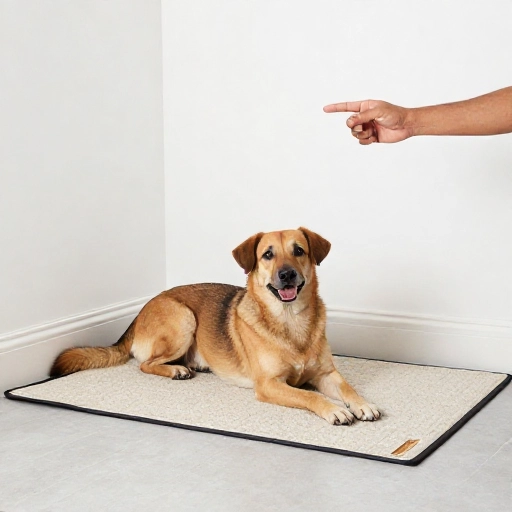
Throw a treat onto a mat or dog bed. When your dog steps on it, say “yes!” and toss another treat. Repeat until they’re standing on it consistently. Then add the cue “go to mat.”
This is the ultimate tool for when guests come over or when you’re eating dinner. It gives your dog a job—and keeps them out of your hair.
It’s like a “place” command but less formal. It’s become my dog’s default spot when the doorbell rings.
8. The “Name Game” Recall Booster
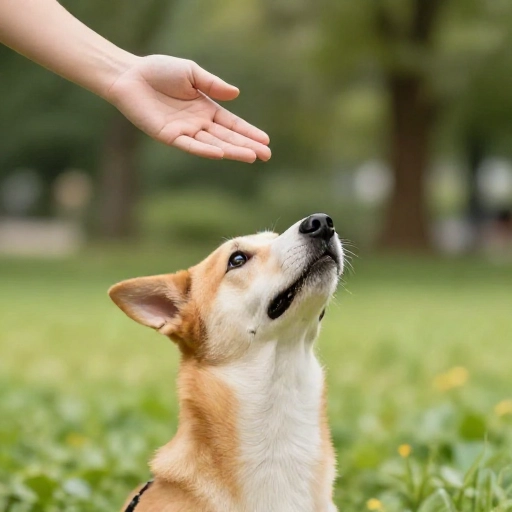
Say your dog’s name in a happy, high-pitched voice. The instant they look at you, throw a jackpot of treats on the floor. Do this randomly throughout the day, not just when you’re calling them in from the yard.
You want your dog to think their name means “awesome things happen.” This makes off-leash recall way more reliable.
Never say their name to scold them. Keep it 100% positive, and you’ll have a dog that whips their head around every time.
9. The “Paw” Handshake
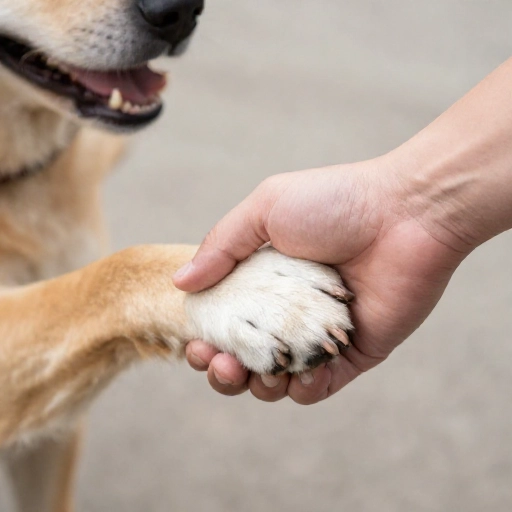
Hold a treat in your fist. When your dog paws at it, say “paw,” then open your hand and reward. It’s a classic, but it’s still one of the fastest tricks to teach.
It’s great for nail trims (you can gently hold the paw) and for impressing your friends. It’s also a great way to bond with a new rescue dog.
Once they get it, try switching it up—ask for the left paw or the right paw. It’s a sneaky way to teach them “left” and “right.”
10. The “Under” Trick for Small Spaces
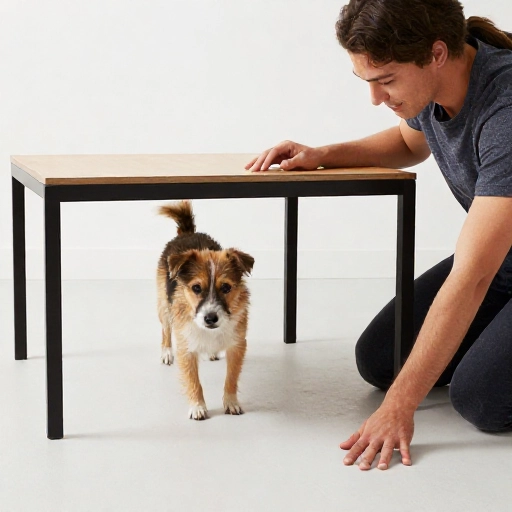
Hold a treat near the floor and lure your dog under a chair or your legs. Say “under” as they crawl through. Reward them on the other side.
It’s a low-impact trick that’s perfect for senior dogs or rainy days. It also builds body awareness and coordination.
It’s shockingly easy to teach and looks way more impressive than it is. Use a coffee table or a low stool to start.
11. The “Quiet” Command for Barking
This is a smart one. Wait for a bark (yes, really). Say “quiet” in a calm voice. The second they stop, even for a breath, say “yes!” and treat. It’s all about timing.
If your dog doesn’t bark on cue, try knocking on a wall or squeaking a toy to trigger one. Teach this on your terms, not in the middle of a mailman meltdown.
It’s not about silencing them—it’s about teaching a pause. That pause is all you need to redirect their focus.
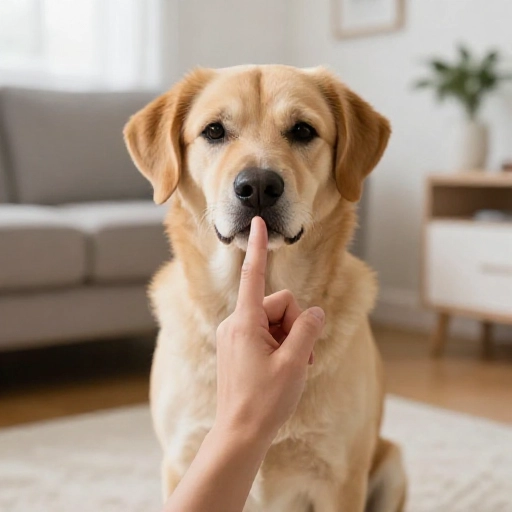
12. The “Back Up” Move
Stand facing your dog and step into their space. As they back up, say “back” and reward. It’s a brilliant way to create space when you’re carrying groceries or when the doorbell rings.
This trick is great for dogs that crowd you at the door or get underfoot in the kitchen. It’s also a fun little workout for them.
Start with one step backward, then build to a few steps. It’s a subtle but powerful tool for managing space.
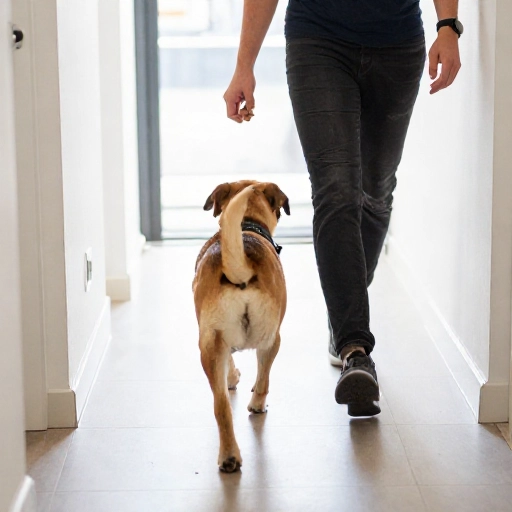
13. The “Catch” Game
Sit on the floor and gently toss a treat near your dog’s mouth. Say “catch” as it lands. At first, they’ll miss a lot—that’s okay. Keep the toss short and soft.
This is a fantastic way to build focus and hand-eye coordination. It also turns treat time into a mini training session.
Once they’re good at it, try tossing a toy. It’s a gateway to fetch, but way easier to teach indoors.
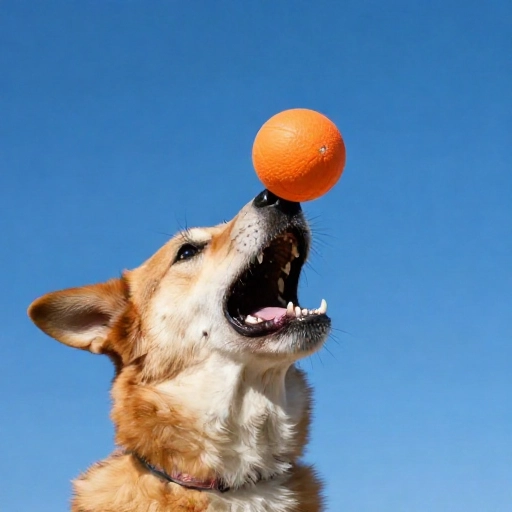
14. The “Crate” Recall
This is not just “go to crate.” It’s teaching your dog that the crate is the best place ever. Throw a high-value treat inside and say “crate.” Close the door for two seconds, then open it and reward again.
Build up the time gradually. The goal is a dog that runs into their crate voluntarily when you say the word—even during a thunderstorm.
It’s a lifesaver for travel and vet visits. And it gives your dog a safe, cozy den to retreat to when the world is too loud.
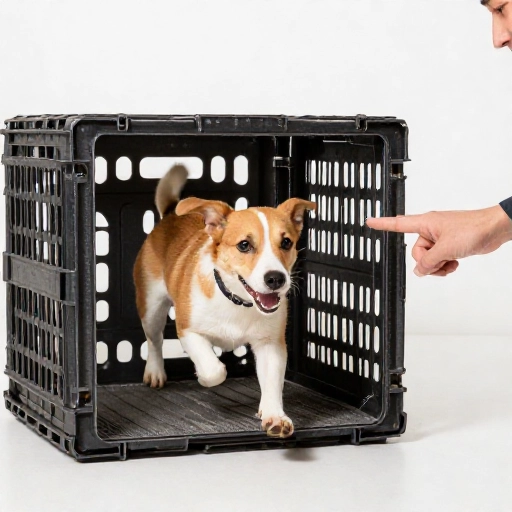
15. The “Finished” Release Word
Teach your dog that “finished” (or “free” or “break”) means the training session is over. After a trick, say “finished!” and toss a treat away from you. This signals a clear end to the fun.
It’s a tiny trick, but it’s a huge mental shift. It tells your dog, “we’re done, go relax.” It prevents that frantic, over-excited energy after training.
Use it every single time you finish a session. It’s the period at the end of the sentence—and it makes the next session even more focused.
Final Thoughts
You don’t need a perfect schedule or a professional trainer to have a well-mannered dog. You just need a few smart tricks and a willingness to practice in tiny, consistent bursts. Pick two or three from this list and start today. You’ll be shocked at how quickly your dog picks them up—and how much fun you’ll have teaching them.
Remember, training is a conversation, not a lecture. Keep it short, keep it sweet, and always end on a win. Your dog wants to learn. You just have to show them how.
FAQ: Quick Answers to Common Training Questions
Q1: How long should each training session be?
Keep it to 3–5 minutes, max. Short, frequent sessions (2–3 times a day) are way more effective than one long, boring drill. Stop before your dog gets tired of it.
Q2: What if my dog doesn’t like treats?
Use their kibble as treats, or try a toy, praise, or a game of tug. Find what makes your dog’s tail wag and use that as the reward. Every dog is different.
Q3: My dog is a senior. Can they still learn new tricks?
Absolutely! Older dogs can learn, they just might need a bit more patience and lower-impact tricks. “Touch” and “go to mat” are perfect for senior pups.
Q4: How do I stop my dog from getting distracted during training?
Start in a quiet room with no distractions. Then, slowly add distractions—like a TV on or a friend walking by. If your dog fails, you’ve moved too fast. Go back a step.
Q5: What’s the most important thing about dog training?
Consistency and patience. Training isn’t a one-time thing—it’s a daily habit. Always use the same words, the same hand signals, and the same happy tone. And never, ever punish a mistake. Just reset and try again.