18 Creative DIY Dog Fence Ideas That Will Transform Your Yard (And Keep Your Pup Safe)
Let’s be real—our dogs are family. But that doesn’t mean they should have free rein over your flower beds, your neighbor’s lawn, or the entire neighborhood. Finding the perfect fence can be expensive, and honestly, sometimes the classic chain-link just doesn’t fit your aesthetic. That’s why I started brainstorming DIY solutions that are both functional and actually look good in a backyard.
I’ve rounded up 18 of the most creative, budget-friendly, and doable dog fence ideas I could find. Whether you have a tiny yard, a huge property, a digger, or a jumper, there’s a project here for you. Grab your tools, put on your favorite playlist, and let’s build something amazing for your furry best friend.
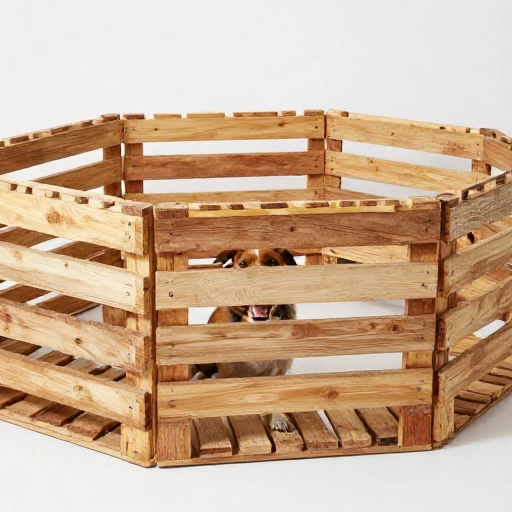
1. Repurposed Pallet Paradise
Pallets are the ultimate DIY dream material because they’re often free. You can stand them upright and attach them together to create a rustic, farmhouse-style fence. They’re sturdy enough to contain most medium-sized dogs, and the gaps between the slats allow for airflow so your pup can still see what’s going on.
Sand them down to avoid splinters and apply a non-toxic outdoor sealant to protect them from rain. You can even paint them in fun, vibrant colors to match your home’s exterior.
The best part? If one plank breaks, you can easily replace it without rebuilding the whole fence. It’s a sustainable and stylish choice.
2. The Invisible Wire Solution
If you have a view you don’t want to obstruct, an invisible fence might be your best bet. This involves burying a wire around the perimeter of your yard and having your dog wear a special collar that emits a warning beep (and a mild static correction) if they cross the line.
This is one of the most cost-effective options, especially if you have a large property. It requires a bit of training for your dog, but most pups learn the boundaries within a few weeks.
I love this option because it keeps your yard looking completely natural. Just remember, it doesn’t keep other animals out, so you’ll need to supervise your dog when they’re outside.
3. Decorative Metal Garden Panels
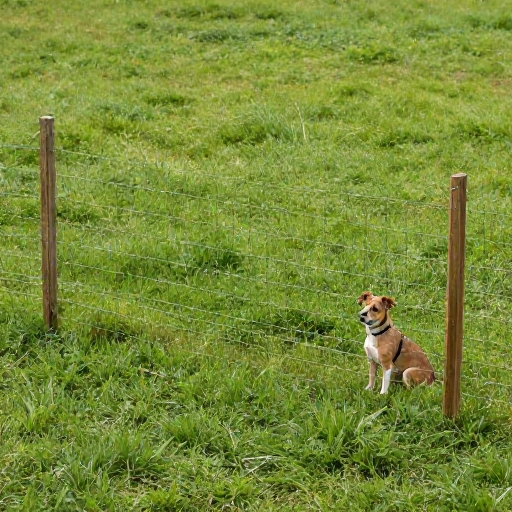
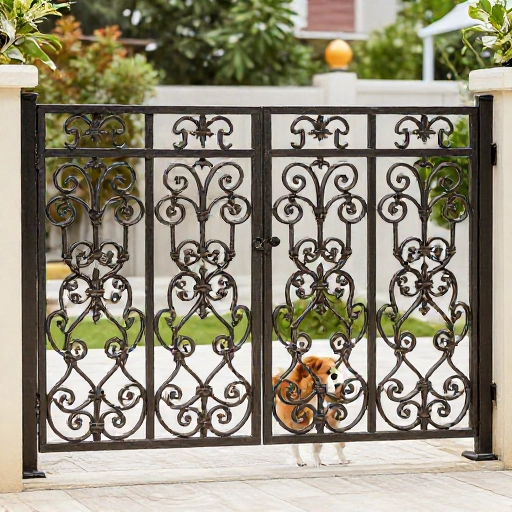
Those ornate metal garden panels you see at the hardware store aren’t just for climbing roses. You can attach them to wooden posts to create a beautiful, airy fence that feels more like a garden feature than a dog barrier.
They come in various heights and designs, from simple geometric patterns to intricate scrollwork. They’re excellent for small dogs and provide a very clear visual boundary. The metal is durable and requires little to no maintenance.
You can also plant climbing vines along the base to create a living fence that offers privacy and beauty as it grows.
4. The Portable PVC Fence
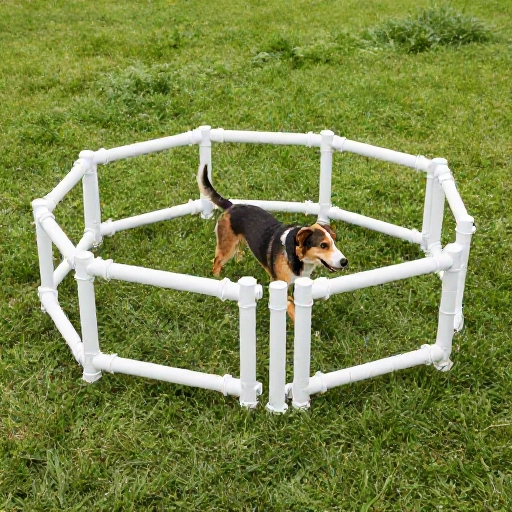
This is perfect for renters or anyone who wants a temporary solution. Build lightweight panels using PVC pipes and fittings, then cover them with a durable mesh or netting. You can easily move these panels around to change the size of your dog’s play area.
They are super easy to clean—just hose them down! And because the PVC doesn’t rot, they can last for years. You can even create a corner enclosure or a long run along the side of your house.
This is a weekend project that literally anyone can tackle with just a saw and some glue.
5. Rustic Branch Fencing
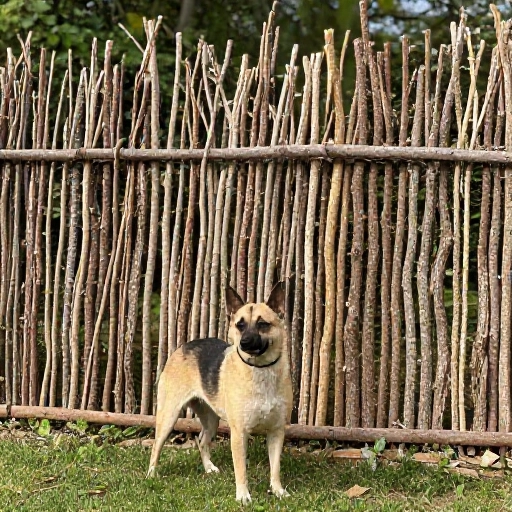
If you live in a wooded area or just love a natural, woodland aesthetic, this one’s for you. Gather fallen branches and limbs from your property and weave them together to create a rustic, wattle-style fence.
This is one of the cheapest options since the materials are free. It looks magical, especially when the yard is full of greenery. It’s best for smaller dogs or as a decorative boundary within a larger fenced area.
Just make sure the branches are sturdy and thick enough so your dog can’t push through them. Adding a few vertical posts will help keep the structure stable.
6. Chicken Wire with a Wooden Frame
Chicken wire alone is flimsy, but when you build a sturdy wooden frame and stretch the wire over it, you get a solid, budget-friendly fence. This is a classic DIY approach that keeps even the most determined small dogs contained.
Start by building rectangular frames from 2x4s, then staple chicken wire to one side. You can then attach these frames to fence posts. This method works great for uneven ground because you can adjust each frame individually.
It’s a bit of a workout, but the sense of accomplishment (and the money you save) is totally worth it.
7. The “No-Dig” Fence with Garden Edging
Are you dealing with a digger? Sometimes the issue isn’t jumping over but going under. A simple solution is to use rigid plastic or metal garden edging, buried a few inches into the ground along the bottom of your existing fence line.
This creates a barrier that stops your dog from digging their way to freedom. It’s cheap, easy to install, and nearly invisible from a distance. You can find edging in various heights to match your needs.
This is a quick Saturday afternoon fix that can save you a ton of frustration (and lost dogs).
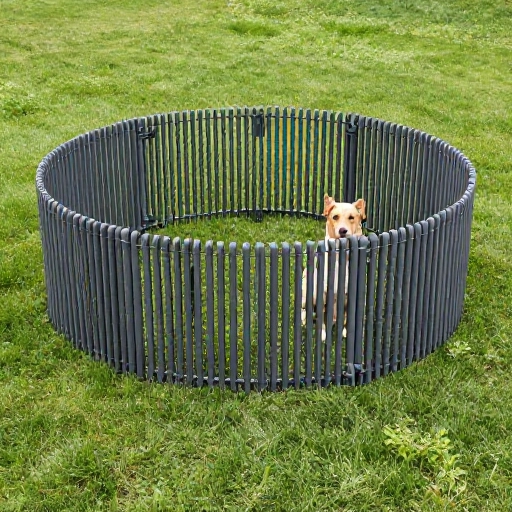
8. Upcycled Window Frames
For a quirky, shabby-chic look, why not use old window frames? Attach them to wooden posts to create a fence that looks like a piece of art. The glass panes can be left intact or removed and replaced with wire mesh.
This is a fantastic way to add character and charm to your yard. It’s a great conversation starter, and it gives your dog a clear view of the outside world without them escaping.
Just be sure to secure the frames firmly to the posts so they don’t swing or fall over.
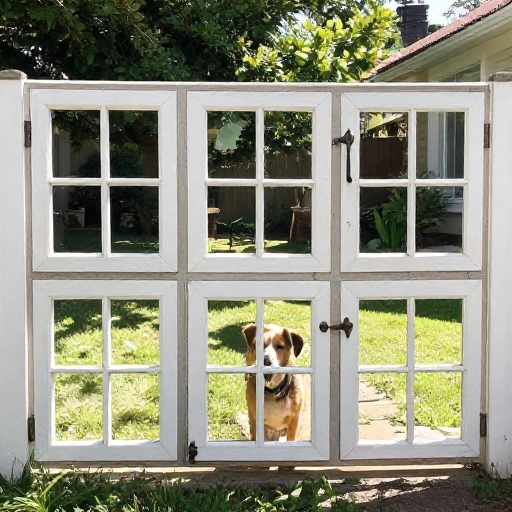
9. Bamboo Privacy Screen
Bamboo rolls are cheap, easy to find, and instantly give your yard a zen, tropical vibe. You can attach them to a simple chain-link fence or use them on their own with wooden support posts.
They provide excellent privacy, which is great if your dog barks at neighbors. Bamboo is surprisingly durable, but you’ll want to seal it to protect it from the elements and prevent cracking.
It rolls out quickly, making this one of the fastest DIY fence projects on this list.
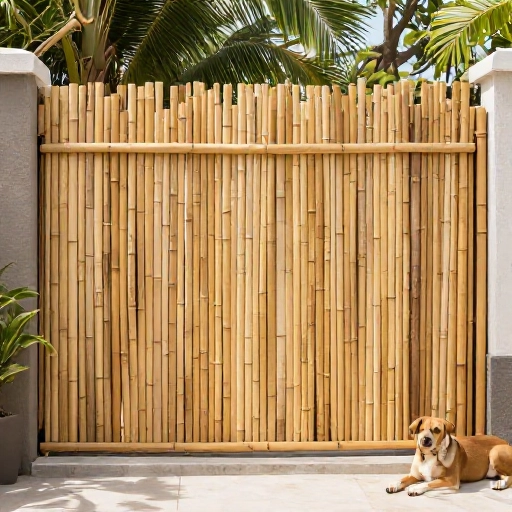
10. Cattle Panel Archway Fence
Cattle panels are heavy-duty welded wire panels used for livestock. They are incredibly strong and tall, making them perfect for large, athletic dogs who love to jump. You can bend them into an arch over a pathway or simply stand them upright in a curved line.
They usually come in 16-foot lengths, which gives you a lot of coverage for your money. You can secure them to T-posts for a sturdy, farm-style fence.
This is a heavy-duty option that requires a bit of muscle to install, but it will last a lifetime.
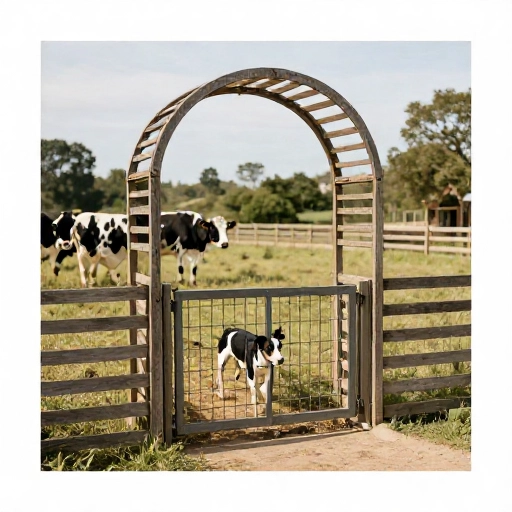
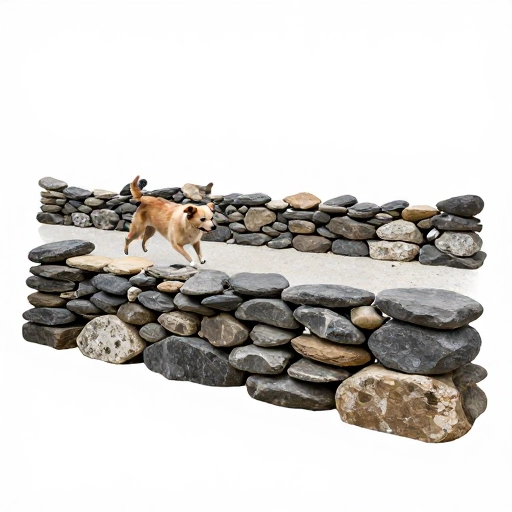
11. Build a Rock Garden Border
If you have a smaller dog and just need to keep them out of specific areas, a rock border can be a beautiful and effective solution. Place large, heavy stones side-by-side to create a barrier that’s too heavy for your pup to move and too tall for them to easily climb.
This is more of a landscaping feature than a traditional fence. It works wonders for protecting flower beds or vegetable gardens. Plus, you can use rocks you find on your property to make it completely free.
It’s a great way to add visual interest while solving a practical problem.
12. The Gabion Cage Wall
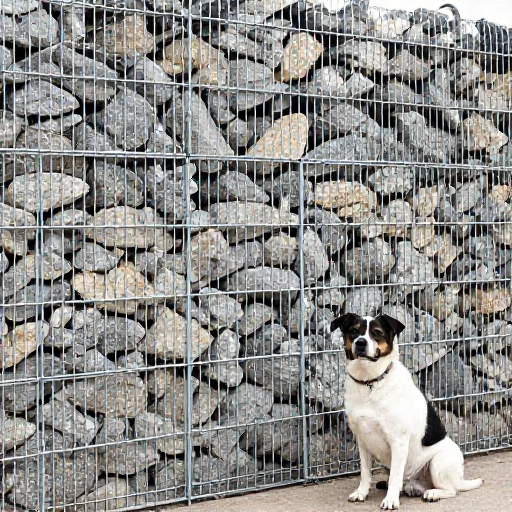
For a modern, industrial look, consider building a gabion wall. This involves filling wire cages with stones or rocks. It’s a substantial build, but the result is an incredibly sturdy, permanent, and soundproof fence.
This isn’t a quick weekend project, but it’s a showstopper. It’s perfect for large properties and owners who want a zero-maintenance fence. The rocks are heavy enough to stop any dog from digging under.
You can mix different colored stones to create a unique pattern.
13. Trellis and Vines Fence
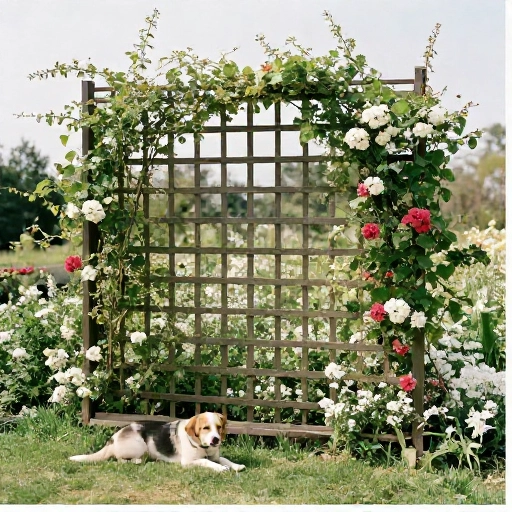
Combine a simple wooden trellis with fast-growing vines to create a living fence. This is a beautiful, eco-friendly option that provides shade and privacy as the plants mature. Once established, the dense foliage creates a solid barrier.
It’s best for smaller dogs, as determined large breeds might push through the gaps. Start with sturdy trellis panels and plant climbing roses, clematis, or ivy at the base.
This fence will only get better with time, turning into a lush green wall in a couple of seasons.
14. Repurposed Dog Kennel Panels
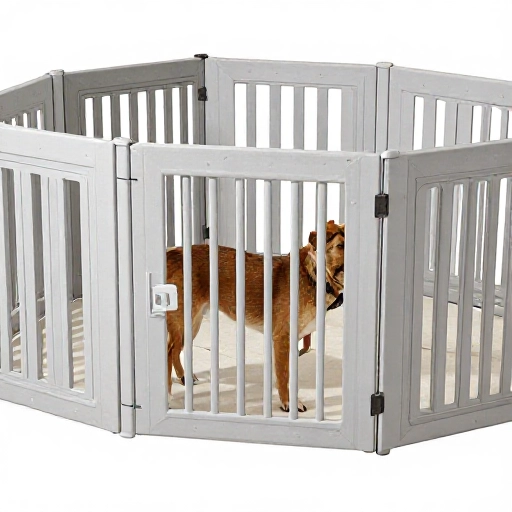
Do you have an old chain-link dog kennel sitting in your garage? Deconstruct it and use the panels to build a custom fence! These panels are durable, already have a gate, and are the perfect height to keep your dog contained.
You can connect them with zip ties or wire to create a larger run than the original kennel. This is a great way to repurpose something you already own, saving money and reducing waste.
You can even paint them to match your outdoor decor.
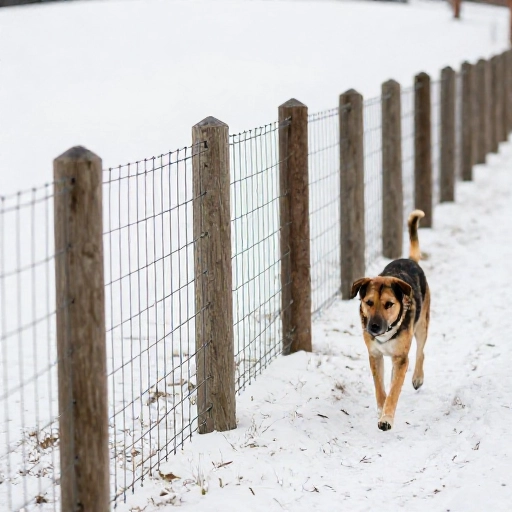
15. The Simple Post and Rail with Mesh
This is a classic, clean look that fits almost any home style. Set wooden posts in the ground, attach horizontal rails, and then secure a strong, small-gauge mesh wire to the inside of the rails.
The mesh prevents your dog from slipping through, while the post-and-rail structure provides the strength. This looks much more polished than just a wire fence. You can use a dark mesh that blends in with the background for a more invisible look.
It’s a straightforward build that you can customize to fit any yard shape.
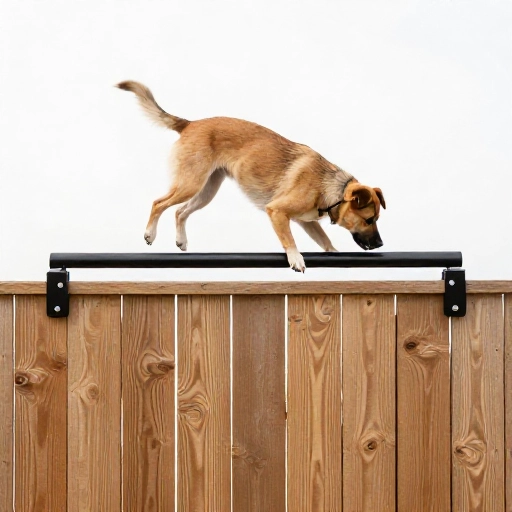
16. The “Anti-Jump” Roller Bar
If you have a Houdini dog that can scale any fence, this is the hack for you. Install a PVC pipe that can spin freely along the top of your existing fence. When your dog tries to get a grip on top, the pipe rolls, and they lose their footing.
This is a clever, low-cost solution to a really frustrating problem. You just need a length of PVC pipe, some brackets to hold it, and a couple of minutes. You can install this on any existing fence—wood, metal, or chain link.
It’s a humane way to deter jumping without adding height to your fence.
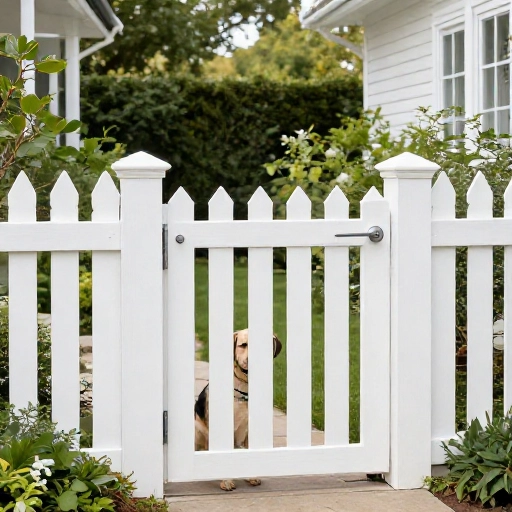
17. Picket Fence with a View
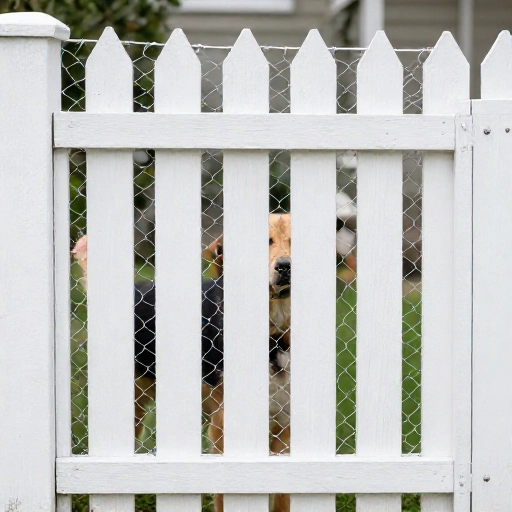
You don’t always need a solid wall. A classic picket fence is charming and effective for non-jumpers. You can build it from pre-made pickets and rails in a day. Leave gaps between the pickets for a traditional look, or space them closer together for more security.
This fence defines your property line beautifully. Paint it white for a classic American feel, or go bold with a dark stain for a modern farmhouse vibe.
It’s a timeless choice that adds value to your home while keeping your pup safe.
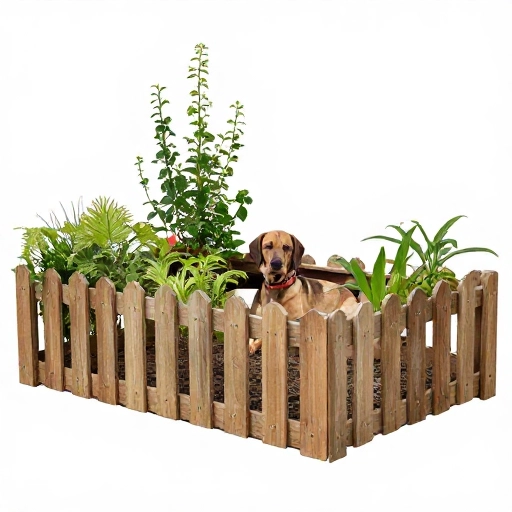
18. The Multi-Purpose Raised Garden Bed Fence
This is a two-for-one deal. Build a short fence around your vegetable garden that is high enough to keep small dogs out and sturdy enough to act as a trellis for your climbing plants. Use a combination of vertical posts and horizontal netting.
Your dog gets to sniff the fresh herbs from outside the barrier, and your veggies stay safe from trampling. It’s practical, space-saving, and looks intentional.
You can use a simple wooden frame and attach plastic bird netting for a budget-friendly version.
Conclusion
Building a DIY dog fence doesn’t have to be a chore—it can be a fun project that adds value to your home and happiness to your dog’s life. Whether you choose the rustic charm of pallets or the modern elegance of a gabion wall, the key is to make it safe, secure, and suited to your pet’s specific habits.
Take your time, measure twice, and cut once. Your furry friend will thank you with endless happy zoomies in their new, safe space!
Frequently Asked Questions
What is the cheapest way to fence a yard for a dog?
The absolute cheapest way is often using repurposed materials like pallets or branches. If you need to buy something, chicken wire attached to wooden posts is a very budget-friendly classic.
How tall should a fence be for a large dog?
For most large breeds, a fence should be at least 6 feet tall. For athletic breeds like Huskies or Greyhounds, you might need 7-8 feet, or you can add a roller bar at the top to prevent them from getting a grip.
How do I stop my dog from digging under the fence?
Bury chicken wire or metal garden edging a few inches below the ground along the fence line. You can also place large rocks or pavers along the base to make digging difficult.
Is an invisible fence a good idea?
It can be great for large properties and for dogs that are easy to train. However, it doesn’t keep other animals or people out, and some dogs might run through it if they are very excited.
What is the best material for a dog fence?
Wood and metal are the most durable options. Wood offers privacy and looks great but requires maintenance. Metal (like aluminum or steel) is long-lasting and low-maintenance but offers less privacy unless you add slats.