7 DIY Dog Potty Box Plans for Indoor Use (Easy, Cheap, and Actually Works)
There’s a certain kind of panic that hits at 11 p.m. when it’s pouring rain, you’re already in pajamas, and your dog is staring at the door like it’s a personal insult. I’ve been there. After one too many soggy midnight trips outside with my senior beagle, I started looking into indoor potty setups, and honestly, I wish I’d done it years earlier.
The good news? You don’t need to buy a fancy $200 potty station. With a trip to the hardware store and about an afternoon of your time, you can build something that fits your dog, your space, and your budget. I’ve tried several of these myself and helped friends build a few more.
Here are seven DIY dog potty box plans I’d actually recommend, from a ten-minute no-tool version to a sturdier wooden setup that looks decent in a living room. Pick the one that matches your dog’s size, habits, and how much you feel like building this weekend.
1. The Ten-Minute Storage Tote Potty Box
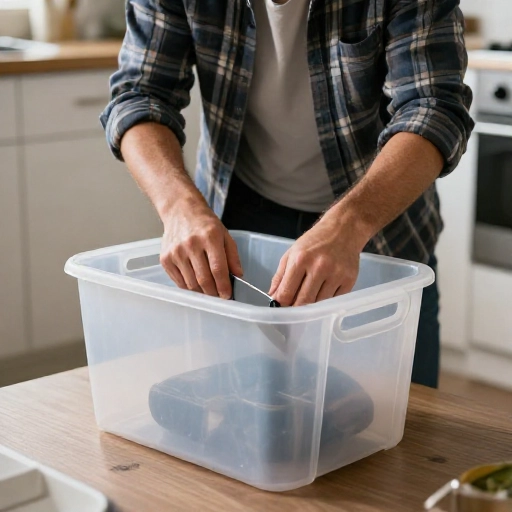
This is the one I tell everyone to start with, because it costs about fifteen dollars and takes less time than making dinner. Grab a large plastic storage tote with a lid, and cut a low doorway into one of the short sides so your dog can step in and out.
Line the bottom with pee pads, or add a thin layer of sod or turf if you want something more natural. The lid is the secret weapon here. Snap it on when the box isn’t in use, and your living room suddenly looks like a living room again instead of a bathroom.
A few things I learned the hard way:
- Get a tote at least 4 inches taller than your dog’s leg length so nothing splashes over the edge.
- Sand the cut edges with a bit of sandpaper so no one gets scratched.
- Put a cheap boot tray underneath. Trust me, it saves your floors.
This version is perfect for apartment dwellers, renters, or anyone who wants to test the whole indoor potty idea before committing to something bigger.
2. The Real Grass Sod Box
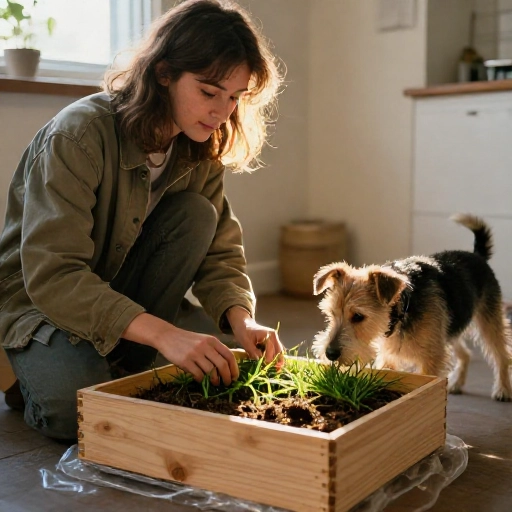
Some dogs just won’t go on plastic. My friend’s terrier refused every pad and fake turf option until she built a sod box, and then he walked right in like he owned the place. Dogs recognize the smell and texture of real grass, and that familiarity makes training so much faster.
The build is simple. Use a shallow plastic tray or lined wooden box, add about two inches of potting soil, then lay down a piece of sod cut to fit. Trim the edges with a utility knife so it sits flush.
You’ll want to water it lightly every day or two, and replace the sod every two to three weeks depending on how much your dog uses it. It’s a bit more maintenance than synthetic options, but the transition period is usually almost nonexistent.
One tip: keep a second piece of sod ready in a tray so you can swap it out instantly on replacement day. No gap in service, no accidents.
3. Artificial Turf Box With a Drainage Layer
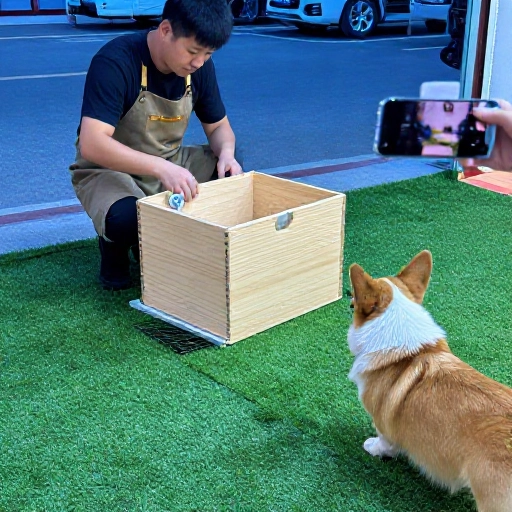
If you love the grass idea but hate the upkeep, artificial turf is your answer. The key is building in drainage so urine doesn’t just sit there smelling up your spare room. That’s the mistake most people make, and it’s why fake grass gets a bad reputation.
Here’s the layering that works: a waterproof tray on the bottom, then a layer of pee pads or a shallow reservoir, then an egg-crate light diffuser panel cut to fit as a grate, and finally the turf on top. Liquids drain down and away from your dog’s paws.
To clean it, take the turf outside, hose it down, and spray it with an enzymatic cleaner. Let it dry in the sun if you can. I do a full wash twice a week and a quick rinse daily, and there’s zero odor.
Pick a turf with a shorter pile height. Long, shaggy turf holds smell and is harder to rinse clean.
4. The Pee Pad Tray for Puppies and Small Dogs
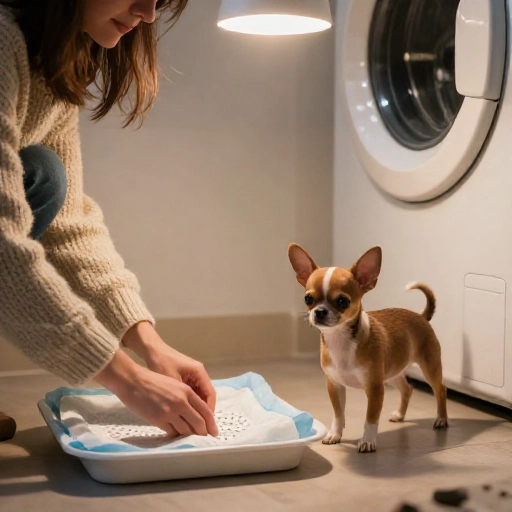
Puppies don’t have full bladder control until around four to six months, so a pad tray is less about convenience and more about survival. The simple version is a rimmed tray with a grate or clip frame that holds the pad flat so it doesn’t slide or bunch up.
You can build one from a plastic boot tray plus a few strips of wood or PVC trim screwed along the edges to create a lip. Or go even simpler and use a commercial pad holder inside a shallow box. Either way, the goal is keeping the pad in one place.
Place the box where your puppy already tends to go, not where you wish they’d go. Then slowly move it an inch or two a day toward your final spot. That slow drift trick worked better for me than any treat-based training method.
Change pads as soon as they’re used. Puppies won’t reuse a dirty spot, and a smelly box teaches bad habits fast.
5. The Wood Pellet or Cedar Chip Box
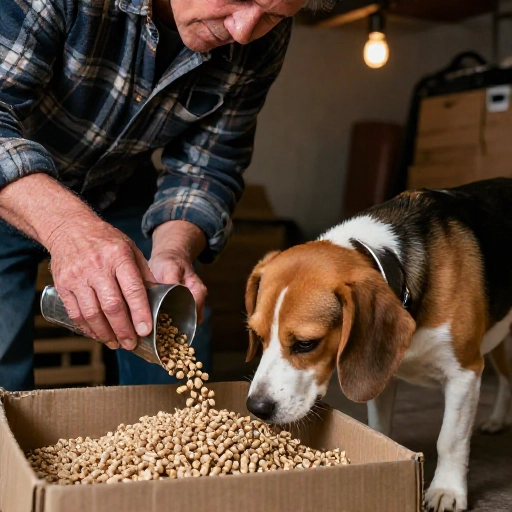
This one surprised me. A box filled with wood pellets, the kind sold for pellet stoves, absorbs liquid and controls odor shockingly well. It’s cheap, it’s natural, and the pellets break down into sawdust as they get used.
Build or buy a shallow box with sides about four to six inches high, then fill it with two inches of pellets. Scoop solids daily like you would a litter box, and stir the pellets around to help them break down evenly.
Every week or so, dump the whole thing and start fresh. The used pellets can go in the compost or yard waste if your local rules allow it.
One warning: not every dog takes to pellets right away. Sprinkle a little of their usual outdoor spot on top for the first few days and most dogs figure it out within a week.
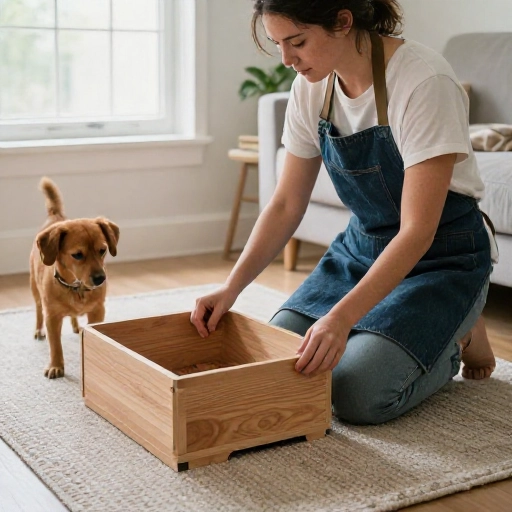
6. The Wooden Framed Potty Station
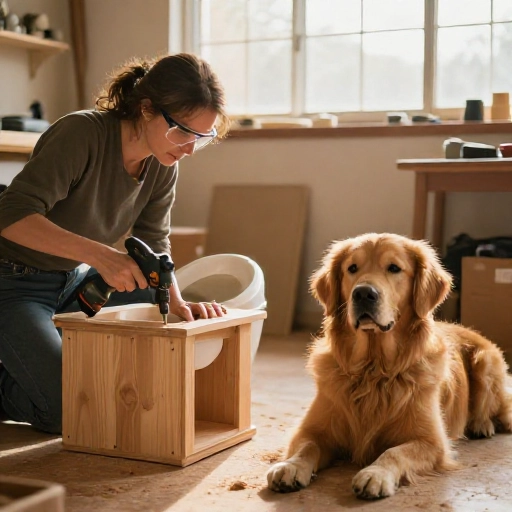
If you want something that doesn’t scream “dog bathroom,” build a wooden frame that looks like a low planter or side table. This is my favorite version for living rooms because guests genuinely don’t notice it.
Use 1×6 or 1×8 boards for the sides and a piece of plywood for the base, then seal everything with two coats of waterproof polyurethane. Silicone the inside seams so nothing leaks. Inside, you can drop in a turf tray, a pad holder, or a shallow litter pan depending on your dog.
Add a small lip along the front edge so your dog steps over instead of walking through. It keeps paws cleaner and contains any splashes.
Since it’s wood, plan on wiping the interior down with an enzymatic cleaner every couple of days. Seal it well and it’ll hold up for years.
7. The Two-Zone Potty Corner for Puppies and Litters
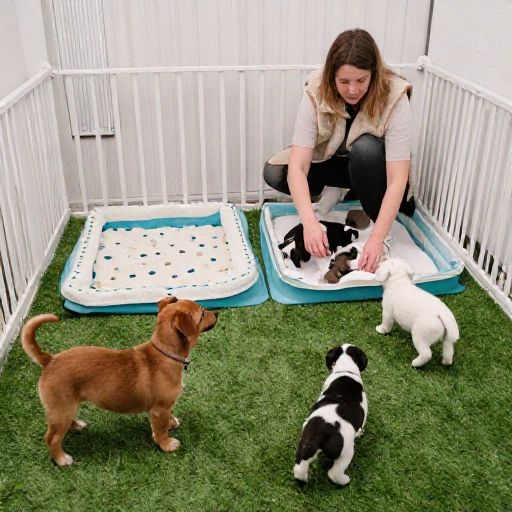
If you’re raising a litter or managing multiple small puppies, one box won’t cut it. What works better is a two-zone setup: a sleeping and play area on one side, and a potty box on the other, divided by a low barrier.
The potty side can be as simple as a shallow tray with pads, or a low-sided box with turf. The important part is the divider. Puppies naturally avoid soiling where they sleep, so giving them a clear separation speeds up training enormously.
Keep the potty zone close to the sleeping area but not touching it. About a foot of walking space is the sweet spot.
Clean the potty side twice a day minimum. With multiple puppies, odor builds fast and can undo your progress in a single afternoon.
Wrapping It Up
My honest advice? Start with the storage tote or the pad tray, even if you plan to build something fancier later. Those two options will tell you whether your dog will actually use an indoor potty before you spend a weekend building a wooden box.
Once you know it’ll work, upgrade to turf or grass for a cleaner look and easier cleanup. Whatever you choose, put a waterproof mat underneath, keep an enzymatic cleaner nearby, and be patient for the first week or two. Almost every dog catches on faster than their owners expect.
Frequently Asked Questions
How do I get my dog to use an indoor potty box?
Start by placing the box where your dog already goes, then slowly move it to your preferred spot. Take them to it on a leash at their usual potty times, and reward immediately after they go. Most dogs get it within one to two weeks.
How often should I clean an indoor dog potty box?
Scoop or change pads daily, and do a full wash with an enzymatic cleaner two to three times a week. Grass sod should be replaced every two to three weeks. Consistent cleaning is the single biggest factor in keeping odor away.
Will my dog stop going outside if I add an indoor potty?
No, as long as you keep up your outdoor routine. Think of the indoor box as a backup for bad weather, late nights, or health issues. Dogs easily learn that both options are acceptable.
What size potty box does my dog need?
The box should be about one and a half times your dog’s length from nose to tail base. A dog who can’t turn around comfortably won’t use it, so when in doubt, size up.
Is artificial turf or real grass better for an indoor potty?
Real grass trains faster because of the natural scent, but it needs replacing every few weeks. Artificial turf costs more upfront and needs regular rinsing, but lasts for years. Pick grass if you want speed, turf if you want low maintenance.