13 Stunning Outdoor Cat Room Ideas You Need To See
Let’s be real—our cats love being outside, but we love knowing they’re safe. Fences, predators, and busy streets can turn a simple outdoor hangout into a stress fest. That’s why building a dedicated outdoor cat room (or “catio”) is the perfect middle ground. It gives your feline all the fresh air, sunshine, and bird-watching action they crave, without any of the worry.
I’ve spent way too many weekends scrolling through catio inspiration, and honestly, the creativity out there is amazing. Whether you have a tiny balcony or a sprawling backyard, there’s a design that will fit your space and your cat’s personality. I’ve rounded up my absolute favorite ideas to get your own project started.
1. The Window Box Pop-Out
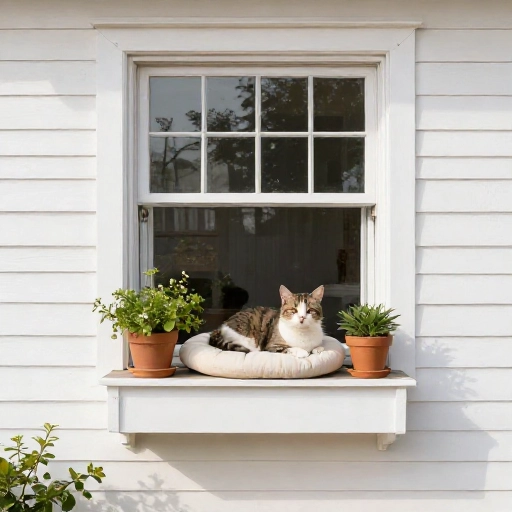
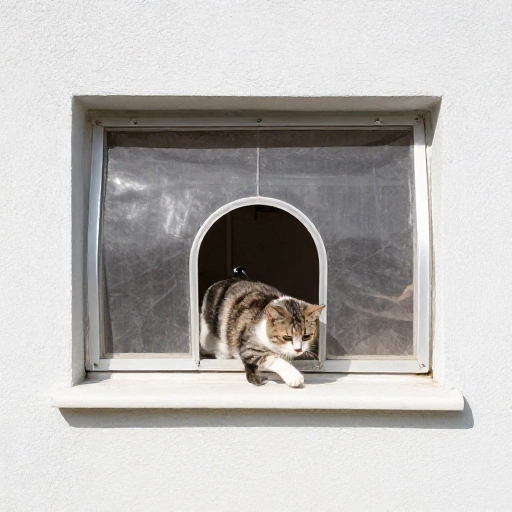
This is the ultimate starter catio. If you’re short on ground space, a window box that juts out just a few feet is a game-changer. It’s like a bay window, but for your cat. You can install a simple shelf, add some screening, and let your cat step right out from their favorite window sill.
I love this option because it’s affordable and doesn’t require a massive construction project. You can use a pre-made window planter box and just add a screen lid. It’s perfect for apartment dwellers who want to give their indoor cat a taste of the outdoors.
One thing to consider is the heat. Make sure the box has good airflow and a bit of shade, so your cat doesn’t get too toasty on hot days.
2. The Classic Freestanding Catio
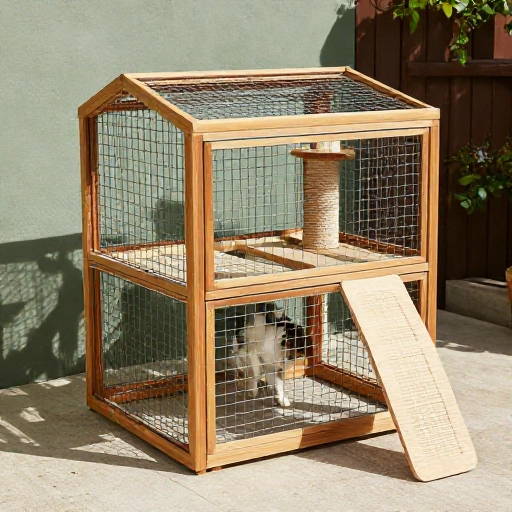
If you have a decent-sized yard, a freestanding structure is the way to go. Think of it as a little doghouse, but way cooler. You can build it from scratch with wood and wire mesh, or grab a kit and assemble it in an afternoon. These rooms give your cat plenty of room to run, climb, and roll around in the grass.
The best part about a freestanding catio is that you can place it anywhere. Tuck it under a tree for dappled shade, or set it up in a sunny corner of the yard. I’ve seen some people connect them to a house with a tunnel, which makes it even more fun.
Don’t forget to include a solid floor. You can use paving stones, deck tiles, or even just a layer of gravel to keep the area clean and prevent your cat from digging out.
3. The Screen Room Conversion
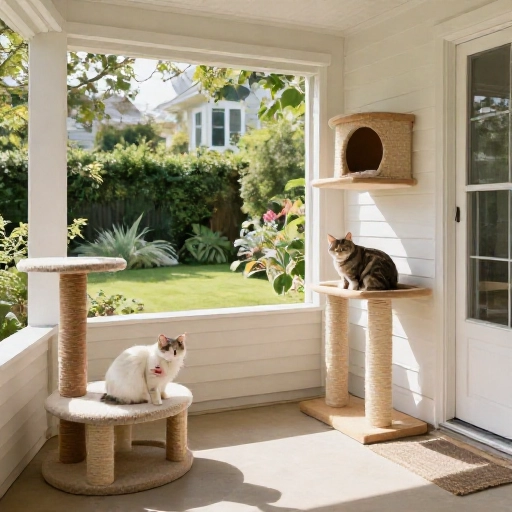
Do you have an old porch, a screened-in patio, or even a carport that’s not being used? Turn it into a luxury cat suite. This is probably the easiest and most spacious option. You’re basically just cat-proofing a space that already exists.
I did this with my own back porch. I replaced the standard screens with heavy-duty pet mesh and added a few vertical climbing posts. It took a weekend, but now my cats have a massive, safe area to lounge in. It feels less like a cage and more like a natural extension of the house.
To make it cozy, add some outdoor rugs, a couple of cat trees, and a water fountain. They’ll feel like royalty.
4. The DIY Pallet Project
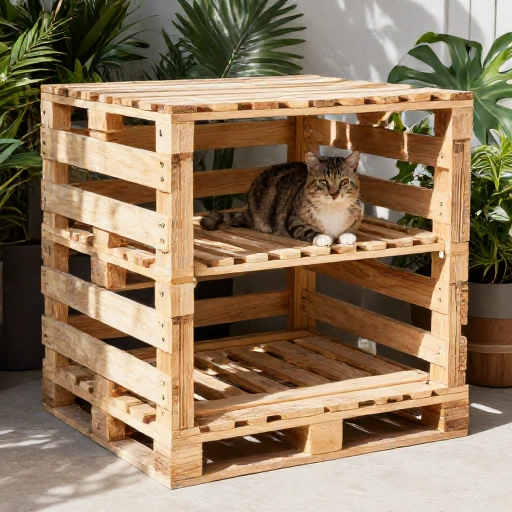
For the budget-conscious DIYer, pallets are your best friend. You can often find them for free, and they make a surprisingly sturdy frame for a catio. You’ll need to sand them down to avoid splinters, but the rustic look is actually pretty charming.
This project is all about flexibility. You can lean pallets against a wall to make a simple enclosure, or stack them to create a multi-level structure. Just make sure you’re using heat-treated pallets (stamped with “HT”) rather than chemically treated ones.
Wrap the pallets in strong wire mesh or chicken wire, and you’ve got a cheap, functional room. Add a waterproof roof, and your cats are set for years.
5. The Elevated Walkway
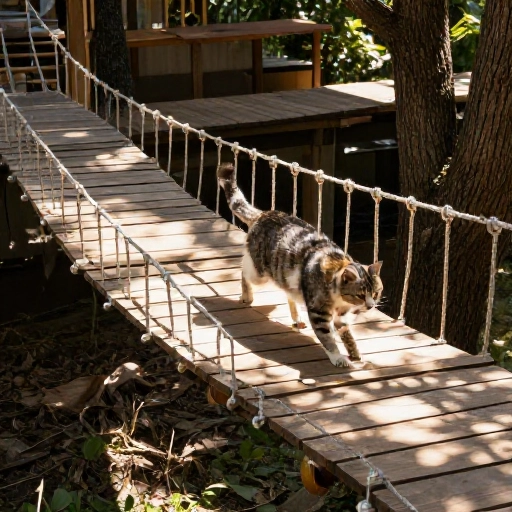
Cats love to be up high. So why not build them a walkway that runs along the top of your fence or the side of your house? This is a fantastic way to give your cat a “jungle gym” experience. It’s like a cat bridge that lets them patrol their territory safely.
You’ll need to install sturdy shelves or planks along the wall, making sure they’re securely anchored. Add some wire mesh or a clear polycarbonate roof to keep them from jumping down (or climbing up) into the rest of the yard.
I love watching cats use these. They walk back and forth, surveying their kingdom like little panthers. It’s great exercise and provides tons of mental stimulation.
6. The Greenhouse Greenhouse
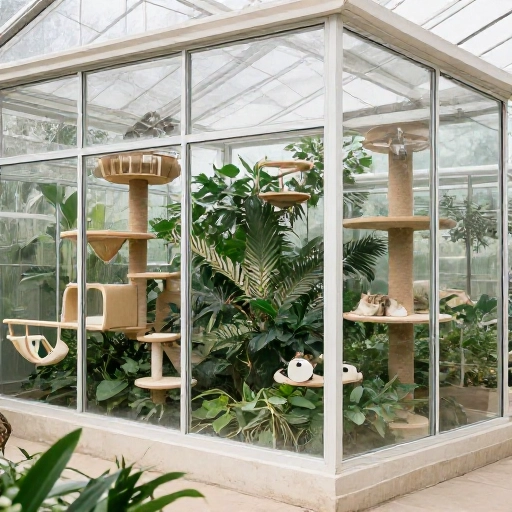
This is a genius idea for the plant lover. If you have a greenhouse that’s not being used, or if you’re building one, dedicate half of it to your cats. It’s a win-win: your plants get the humidity they need, and your cats get a warm, sunny spot to nap.
Just keep in mind that many common houseplants are toxic to cats. So, inside this room, stick to cat-safe greenery like cat grass, spider plants, or Boston ferns. You can create a little garden bed just for them.
The glass walls give them an unobstructed view of the backyard, making it a perfect bird-watching station. Just make sure to have some vents open so it doesn’t turn into a sauna.
7. The Tunnel Connection
Maybe you don’t want a huge structure in your yard. That’s fine. You can build a small box or cage, but connect it to your house using a flexible tunnel. This allows your cat to go in and out as they please (if you install a cat door) without having a giant eyesore in the middle of your lawn.
These tunnels are usually made of wire and fabric, and they can be bent and shaped around corners or along walls. It feels like a secret passageway for your cat, which they will absolutely love.
You can extend this idea further by connecting multiple small boxes with tunnels, creating a modular playground that you can rearrange.
8. The Upcycled Shed
Got an old garden shed that’s falling apart? Don’t tear it down—transform it. This is a heavy-duty project, but the results are stunning. You can gut the inside, add windows or screen panels, and turn it into a fully insulated cat house.
This is perfect for people in colder climates. You can add a small heater for the winter and a fan for the summer. It’s basically an extension of your home, but for your pets.
I’ve seen people paint them to match their house and add cute little porches. It becomes a real showpiece for the garden.
9. The Multi-Level Tower
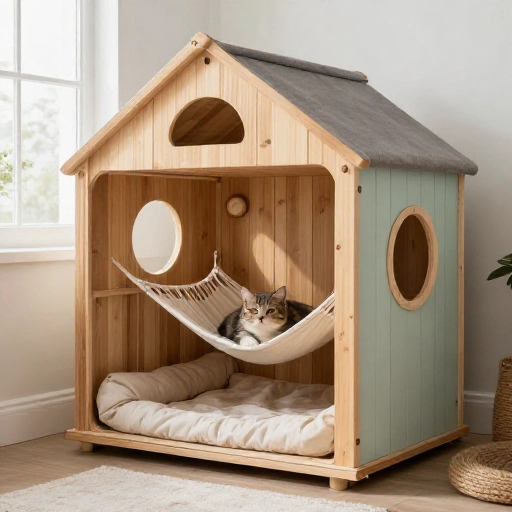
If your cats are climbers, they need vertical space. Build a catio that looks like a tower or a jungle gym. You can use sturdy posts and platforms to create multiple levels, all enclosed in wire mesh.
This design maximizes space in a small footprint. It’s like a giant cat tree that’s outside. You can add ramps, rope bridges, and perches at different heights to keep them entertained for hours.
The higher platforms will be their favorite spots for sunbathing and napping. It’s a great way to keep them active and agile.
10. The Balcony Enclosure
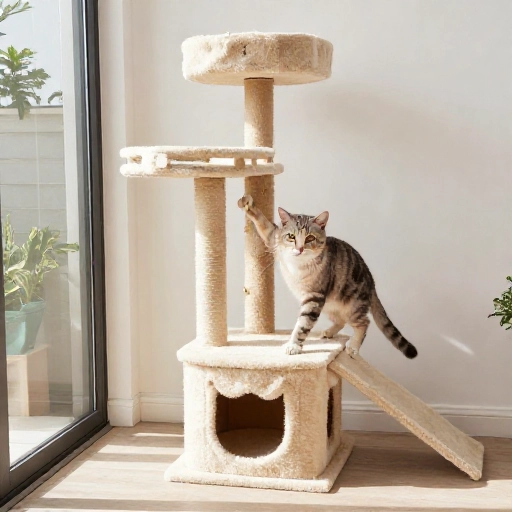
Apartment dwellers, this one is for you. Many apartments don’t allow you to build permanent structures, but you can often enclose a balcony. Use metal brackets and wire mesh to create a safe barrier that doesn’t damage the building.
This gives your cat access to fresh air without the risk of them jumping off. You can put a comfy bed out there, some plants (cat-safe ones!), and a scratching post. It turns a boring balcony into a feline paradise.
Make sure to check with your landlord first, but many are okay with this as long as it’s removable and looks neat.
11. The Natural “Cat Habitat”
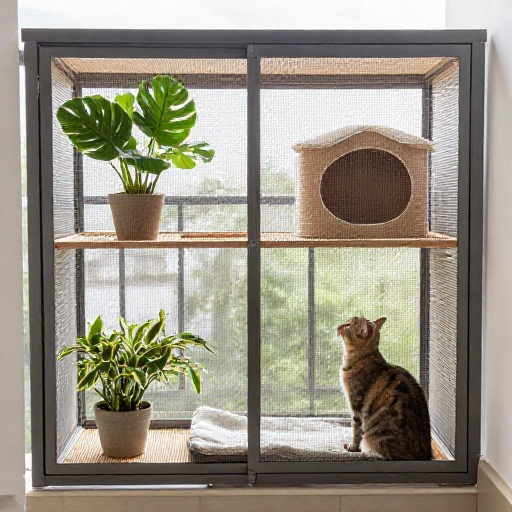
Instead of a structured cage, why not create a natural enclosure using existing landscaping? If you have a patio or a section of the yard, you can build a fence around it using bamboo, lattice, or even tall shrubs. This creates a more natural-looking room.
This works best in a corner of the yard that’s already fenced. You just need to secure the top and make sure there are no escape routes. You can add logs, rocks, and native plants to make it feel like a mini wilderness.
It’s less “cage” and more “secret garden.” Your cat will love exploring the different textures and smells.
12. The Simple PVC Frame
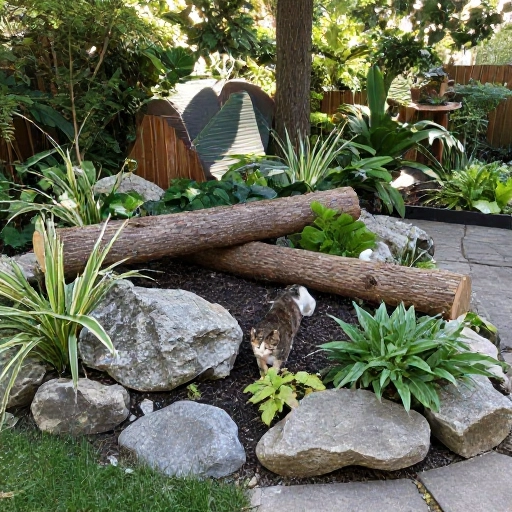
This is probably the easiest and cheapest DIY project on this list. All you need is PVC pipe, connectors, and some wire mesh. You can build a cube or a teepee shape in an afternoon. It’s lightweight, portable, and easy to clean.
I love this for people who want a temporary solution or who move frequently. You can take it apart and store it flat when not in use. It’s not the prettiest option, but you can paint the PVC to match your patio.
Just make sure to anchor it down with some stakes, as it can be light enough to tip over in the wind.
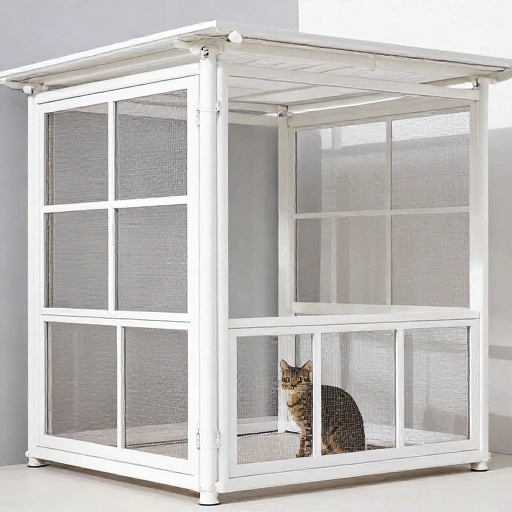
13. The Luxurious “Cat Villa”
If you have a bigger budget, let’s go all out. Think of a small garden shed, but built with high-quality materials, sliding glass doors, and a beautifully finished interior. This is a permanent structure that adds value to your home.
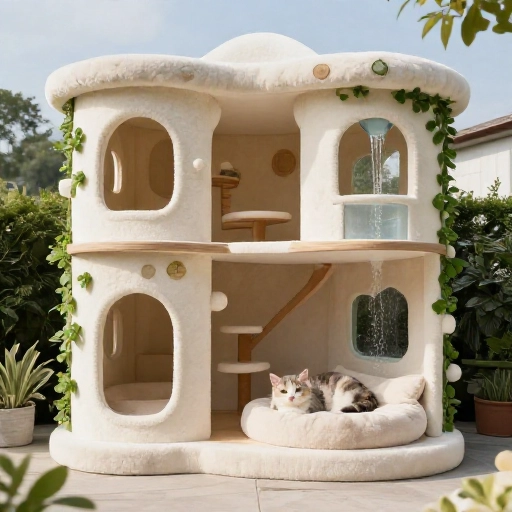
Inside, you can have built-in shelves that double as climbing stairs, heated floors, and even a small water feature. It’s a luxury apartment for your cat. You can use cedar or composite decking for the floor, which is durable and smells great.
This is the ultimate goal. It’s not just a catio; it’s a statement piece.
Final Thoughts: Building the Purrfect Space
No matter which idea you choose, the goal is to give your cat a safe, enriching environment. Start small if you have to—even a window box makes a huge difference in your cat’s quality of life. They get to feel the breeze, hear the birds, and soak up the sun, all while staying safe.
Remember to always supervise the first time your cat uses the new space. Make sure the structure is secure and that there are no sharp edges. With a little effort, you’ll create a place your cat will love for years to come.
Frequently Asked Questions
1. Do I need a permit to build a catio?
This depends on your local zoning laws. A small, freestanding structure under a certain size usually doesn’t need one, but larger permanent structures attached to your house might. It’s always best to check with your local building department before you start.
2. What is the best material for the floor?
You want something that’s easy to clean and drains well. Paving stones, pea gravel, or outdoor deck tiles are great options. Avoid bare dirt, as it can turn to mud and harbor parasites.
3. How do I keep the catio cool in the summer?
Make sure you have good airflow. Add a roof with a slight overhang for shade, and consider adding a small fan or a misting system on super hot days. You can also use a green roof or plant climbing vines on the outside to keep it cool naturally.
4. Can I leave my cat in the catio overnight?
This is generally safe, but you need to make sure they have access to water, a litter box, and shelter from the elements. If you live in an area with raccoons or other predators, it’s safer to bring them in at night.
5. My cat is a senior. Will they use a catio?
Absolutely. Just make sure you include ramps or low steps instead of tall climbing structures. A quiet spot with a soft bed and a view is often all a senior cat needs to enjoy the outdoors comfortably.