7 Dog Park at Home Ideas That Turn Your Yard Into a Tail-Wagging Playground
My dog used to stare at me every afternoon like I owed him a trip to the park. Rain, heat wave, or a packed schedule — none of that mattered to him. So I stopped waiting for perfect conditions and started building a dog park right at home.
Turns out, you do not need a half acre or a fancy budget. A corner of the yard, a few dollar-store finds, and a little imagination go a long way. My pup now gets his zoomies, sniffs, and social time without me loading him into the car.
Here are my seven favorite setups. Pick one to start, or mix and match — your dog will not complain either way.
1. Build a Backyard Sniffari Trail
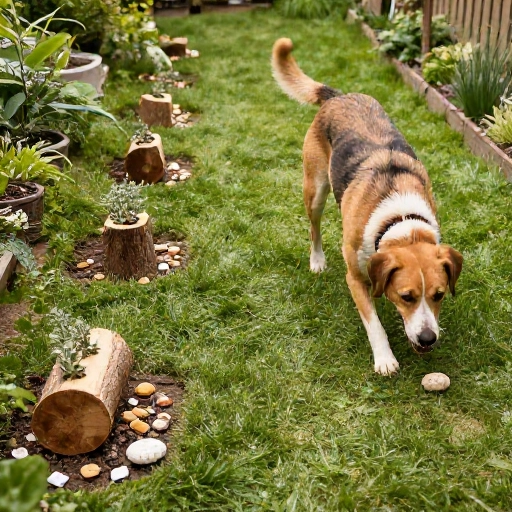
Sniffing is the dog version of reading the news. It tires them out faster than running, and it is honestly the easiest thing to set up. I call ours the sniffari trail because my dog wanders it like a tourist with a map.
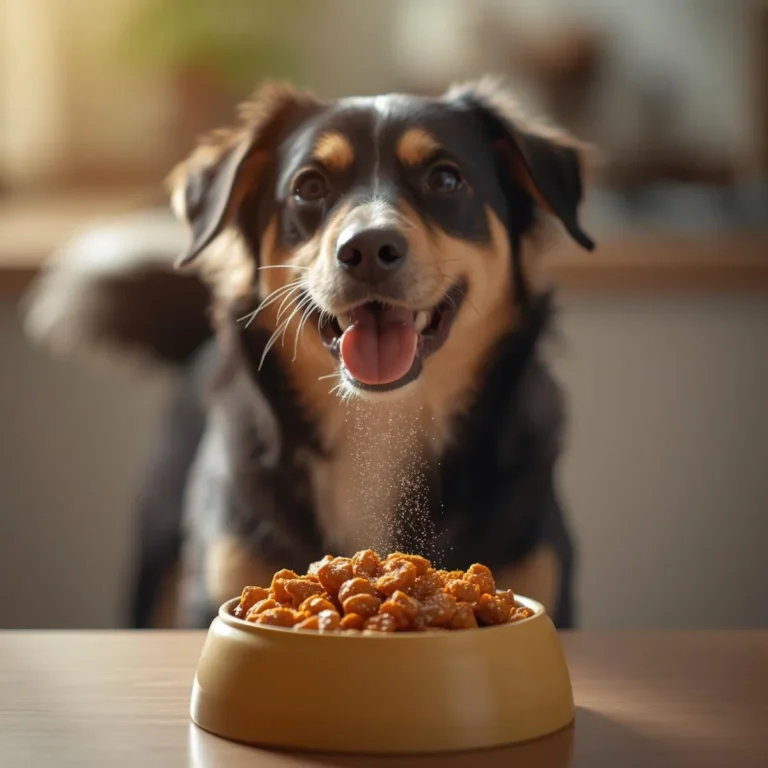
I scatter a handful of treats, a few kibble pieces, and some smelly stuff like a dab of peanut butter on a flat rock. Then I let him loose to follow his nose. Ten minutes of this and he flops down like he ran a marathon.
To keep it interesting, I move the “stations” every few days:
- Treats tucked into grass tufts or a snuffle mat
- A cardboard box with kibble rattling inside
- Herbs like mint or rosemary rubbed on a fence post
- A towel rolled up with treats in the folds
2. Set Up a Mini Agility Course
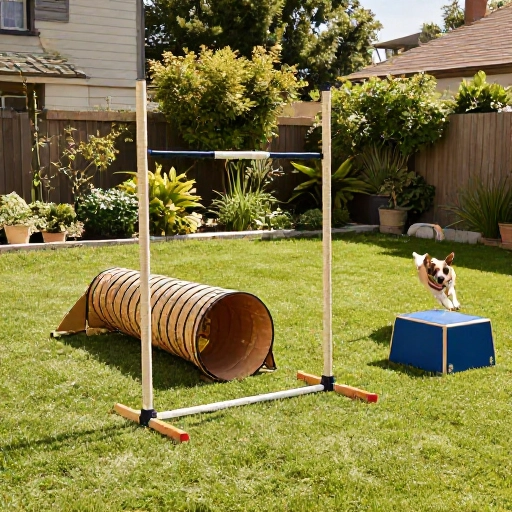
Agility sounds like a sport for serious competitors, but at home it is just fancy playing. My course cost me about fifteen dollars and it lives in the back corner of the yard.
You can use things you already own. Broomsticks on buckets make jumps. A hula hoop on the ground works as a tire. Two chairs with a blanket over them become a tunnel. My dog learned “over” and “through” in one afternoon with a pocket full of cheese.
Keep jumps low — ankle height for small dogs, knee height for big ones. Puppies and seniors should stick to ground-level obstacles like hoops, weave poles, and tunnels. Always end on a win so they beg to come back.
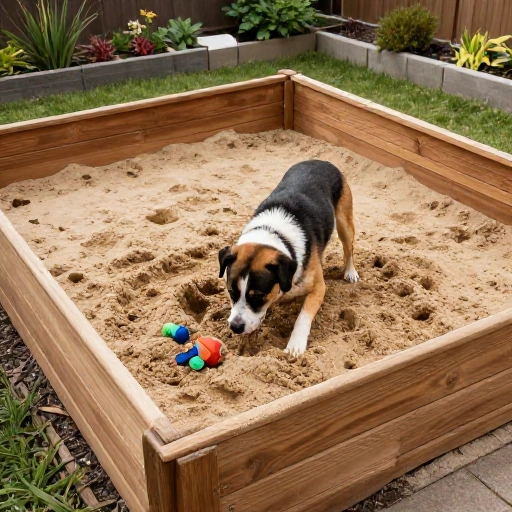
3. Add a Dedicated Dig Zone
If your dog is a digger, fighting it is a losing battle. I learned that the hard way after my flower bed got rearranged. The fix was simple: give him a spot where digging is always allowed.
I filled a shallow plastic kiddie pool with play sand and buried toys and treats a few inches deep. Now he heads straight there instead of the garden. A sandbox, a raised bed, or just a marked-off patch of soft dirt all work.
A few tips I picked up along the way:
- Put it somewhere you do not mind getting messy
- Bury a favorite toy so the first dig is a big reward
- Refill and re-bury treats weekly to keep it fresh
- Cover it during heavy rain so it does not turn into mud soup
4. Create a Fetch and Tug Wall
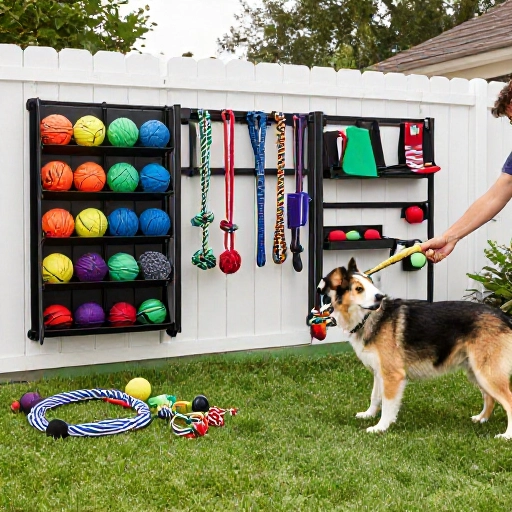
Fetch is my go-to when I am short on time but my dog is bouncing off the walls. I turned one fence section into a fetch wall with a couple of cheap additions, and it saves my arm every single day.
A ball launcher does most of the work, and a tug toy tied to a sturdy post gives him something to grab and shake. I also hung a rope from a beam so he can play tug solo while I water the plants. Supervision matters here — I never leave him alone with anything tied up.
Rotate the toys every week or so. A ball that disappears for a few days comes back feeling brand new, and my dog acts like I bought him a gift.
5. Turn On the Splash Zone
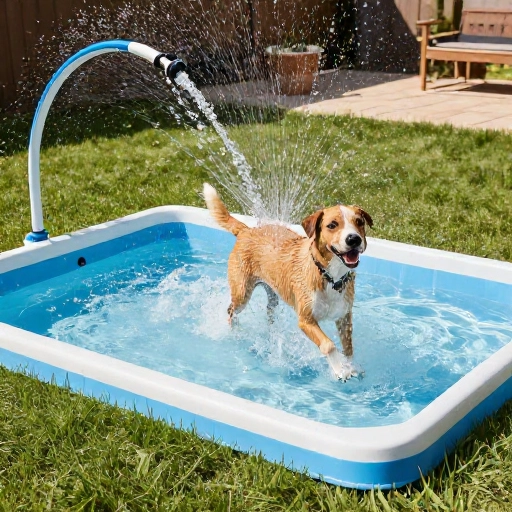
Summer afternoons are brutal, and my dog refuses to come inside until he is good and ready. So I gave him a splash zone — and now it is the most popular spot in the yard.
All it takes is a shallow hard plastic pool, a sprinkler on a low setting, and a few floating toys. I toss in ice cubes on hot days and he spends twenty minutes chasing them around. A folded towel by the door keeps the mud situation under control.
Always use shallow water that your dog can step out of easily, and never leave them unattended. Empty the pool when playtime is over so it does not turn into a mosquito nursery.
6. Start a Neighborhood Playdate Rotation
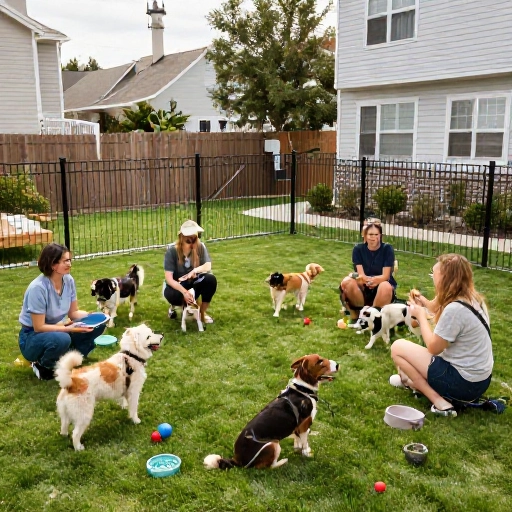
No amount of toys replaces another dog. That is the one thing I could not DIY, so I started a simple playdate rotation with two neighbors and their pups.
We take turns hosting in fenced yards, usually for thirty to forty minutes. The dogs wrestle, chase, and nap afterward like they went to camp. We keep it small — two or three dogs max — so nobody gets overwhelmed.
It helps to match energy levels and play styles. A bouncy young lab and a grumpy senior are not a great pairing, and that is fine. Swap buddies until you find the ones your dog clicks with.
7. Make a Cool-Down Lounge and Puzzle Corner
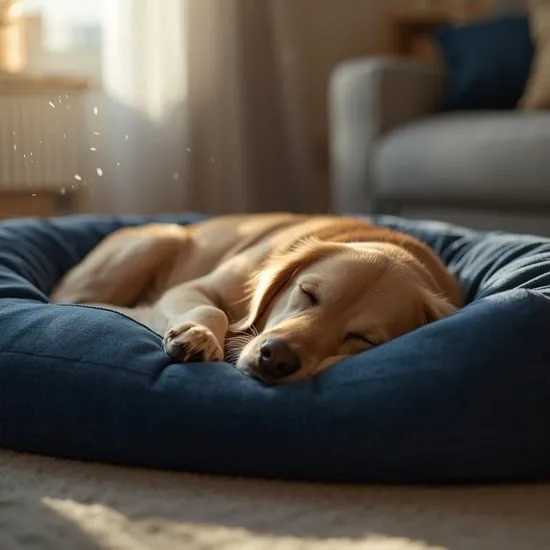
Every good dog park has a quiet corner, and mine does too. After all the running and sniffing, my dog needs a place to flop, chew, and reset. Without it, he gets overtired and starts acting like a tiny gremlin.
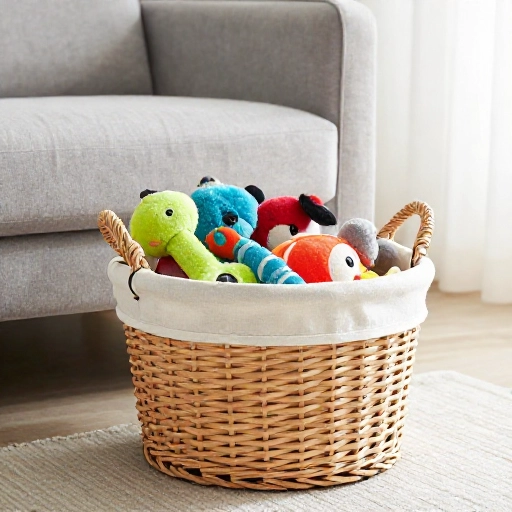
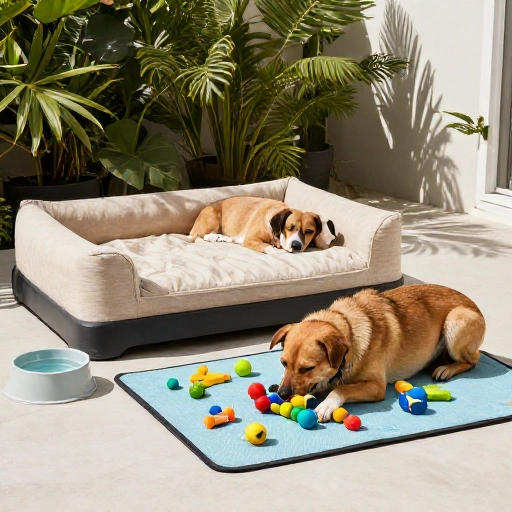
I set up a shaded spot with a raised cot, a water bowl, and a basket of puzzle toys. Frozen Kongs, snuffle mats, and lick mats are my secret weapons on days when he needs to chill but his brain is still buzzing.
This is also where I keep the boring-but-important stuff: fresh water, a shady spot, and a calm place to watch the world go by. Sometimes the best enrichment is just lying in the grass with a good chew.
Final Thoughts
You do not need a big yard or a big budget to give your dog a park-worthy day. Start with one idea, see what makes your pup light up, and build from there. My own yard grew from a single snuffle mat into a full-on playground over a few weekends.
The best part? You get to skip the car ride, the traffic, and the stranger’s dog who does not understand personal space. Just you, your pup, and a backyard that finally pulls its weight.
Frequently Asked Questions
How big does my yard need to be?
Not big at all. A patio, a balcony, or a small patch of grass works for sniffari trails and puzzle toys. You only need more room for fetch and agility, and even then a few paces is plenty.
How often should I change things up?
I rotate toys weekly and move sniff stations every few days. Dogs get bored with the same setup, and a small change makes everything feel new again.
Is it safe to leave my dog playing alone outside?
No — not with toys, water, or anything tied up. I always supervise, especially with pools, ropes, and small treats that could be a choking risk.
What if my dog ignores everything I set up?
Start smaller and make it easier to win. Toss a treat on the ground, praise the first sniff, and build up. Some dogs need a few tries before a new game clicks.
How do I keep the area clean and safe?
Scoop daily, rinse water bowls, empty pools after use, and check toys for rips. A quick five-minute tidy keeps the whole setup fun and hygienic.