Best Homemade Dog Food for Sensitive Stomachs
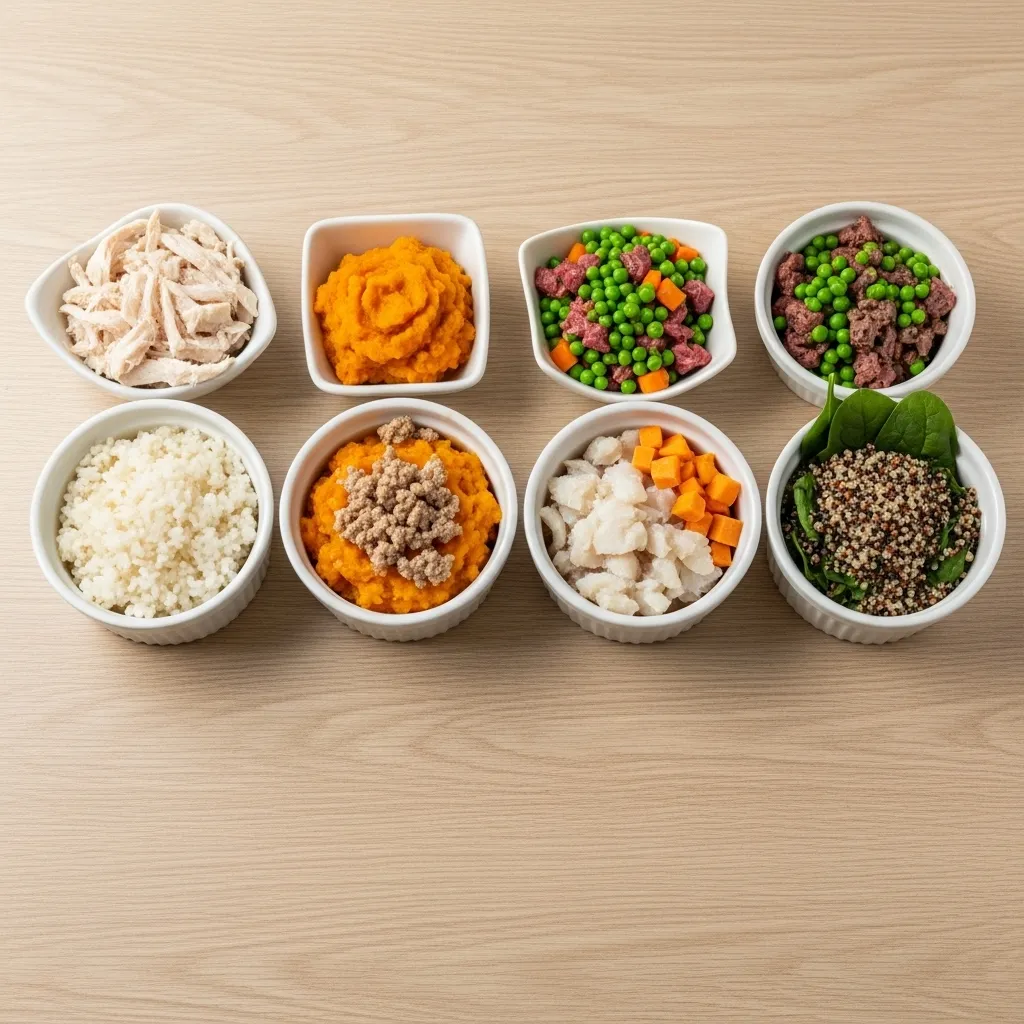
Watching your dog struggle with a sensitive stomach is heartbreaking. The licking of lips, the gurgling sounds, the soft stools. I’ve been there, and I know how frustrating it can be to find a food that works.
Over the years, I learned that homemade meals can be a game-changer. You control every single ingredient. No mystery fillers, no artificial additives. Just real, whole foods that are gentle on your pup’s belly.
Let me share my favorite recipes and tips that helped my own dog thrive. These meals are simple, balanced, and designed to soothe a sensitive digestive system.
1. Simple Boiled Chicken and White Rice
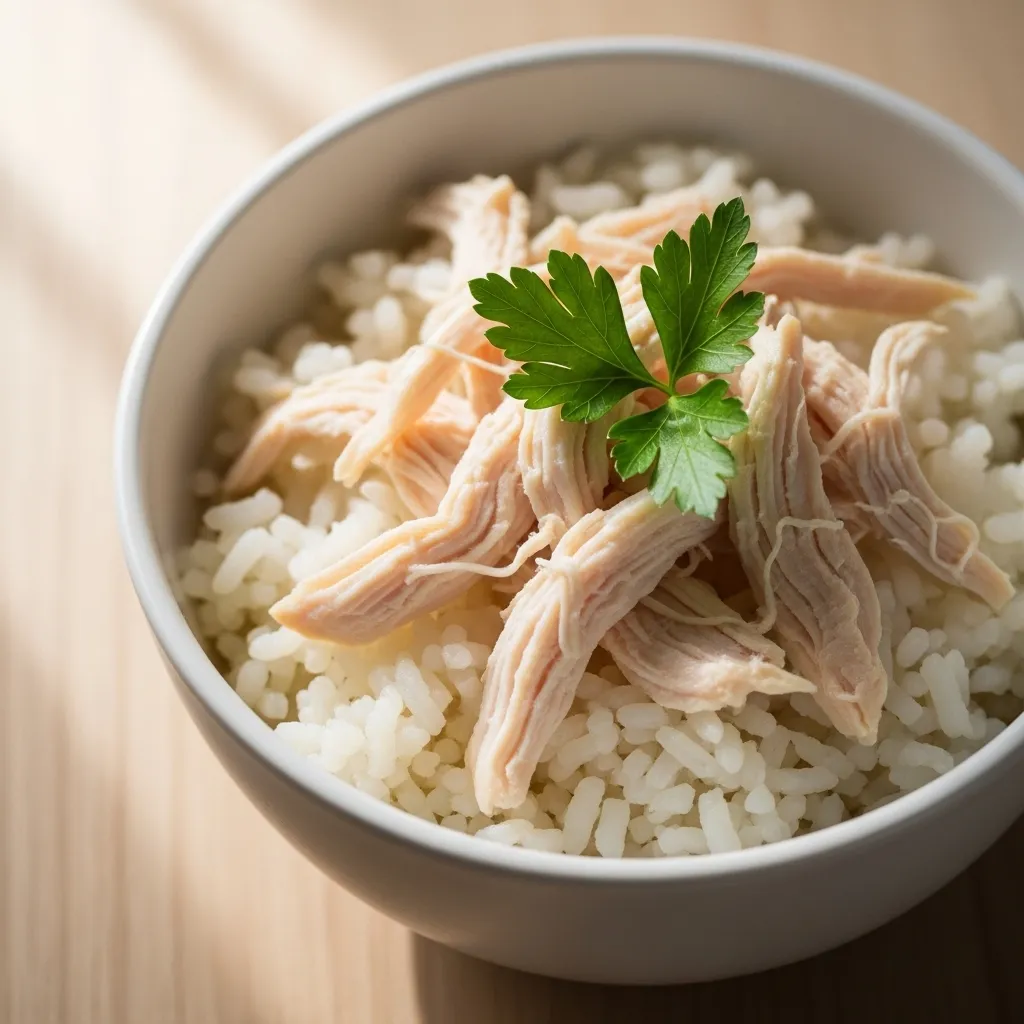
This is the gold standard for upset stomachs. It’s bland, easy to digest, and most dogs love it. Boil boneless, skinless chicken breasts until fully cooked. Shred the meat and mix with plain white rice.
Use a 2:1 ratio of rice to chicken for the first few days. This helps settle the stomach without overloading it with protein. Serve small portions several times a day.
Once your dog tolerates this well, you can slowly add other ingredients. But start here. It’s safe and effective.
2. Lean Ground Turkey and Pumpkin
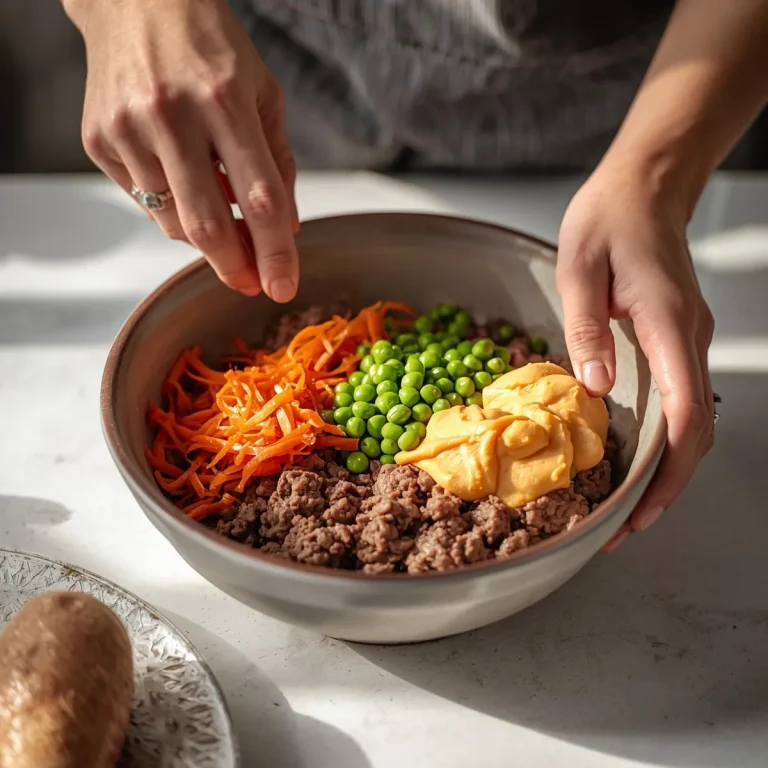
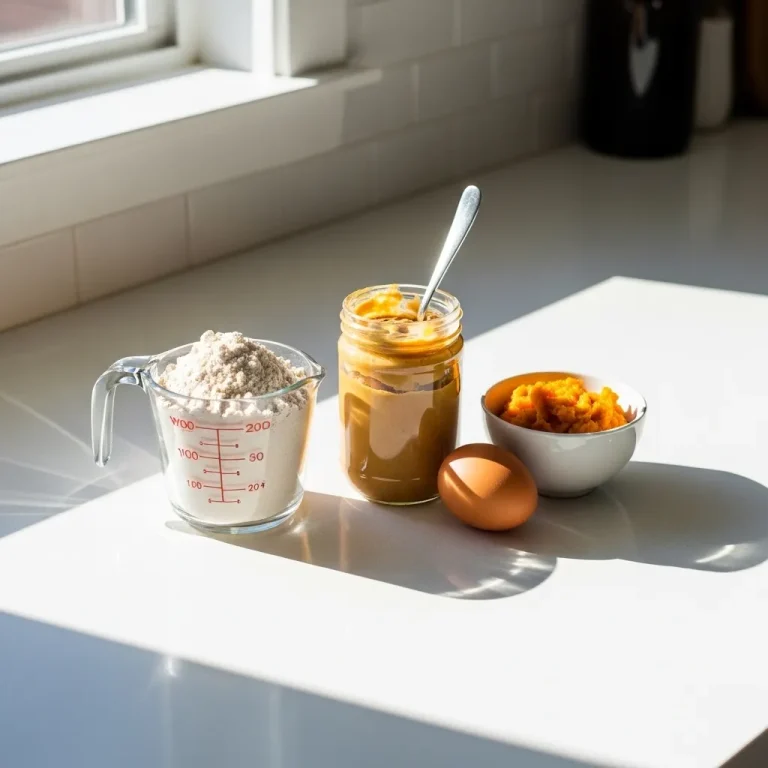
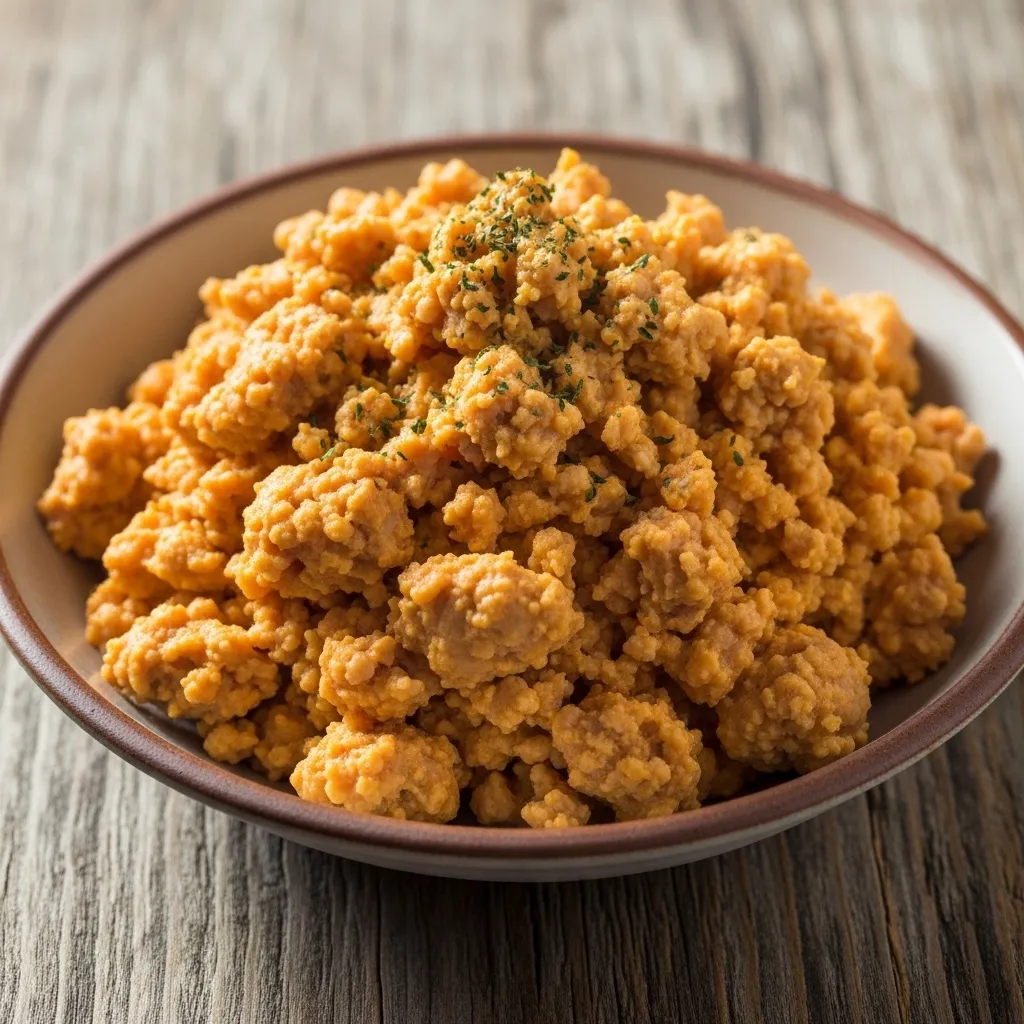
Ground turkey is lighter than beef but still packed with protein. Cook it thoroughly, draining any excess fat. Then mix with plain canned pumpkin (not pumpkin pie filling).
Pumpkin is magic for sensitive stomachs. It has soluble fiber that helps firm up loose stools. It also soothes the digestive tract naturally.
I often add a pinch of turmeric for its anti-inflammatory benefits. Just a tiny amount goes a long way. This combo is a weekly staple in my kitchen.
3. Fish and Sweet Potato Mash
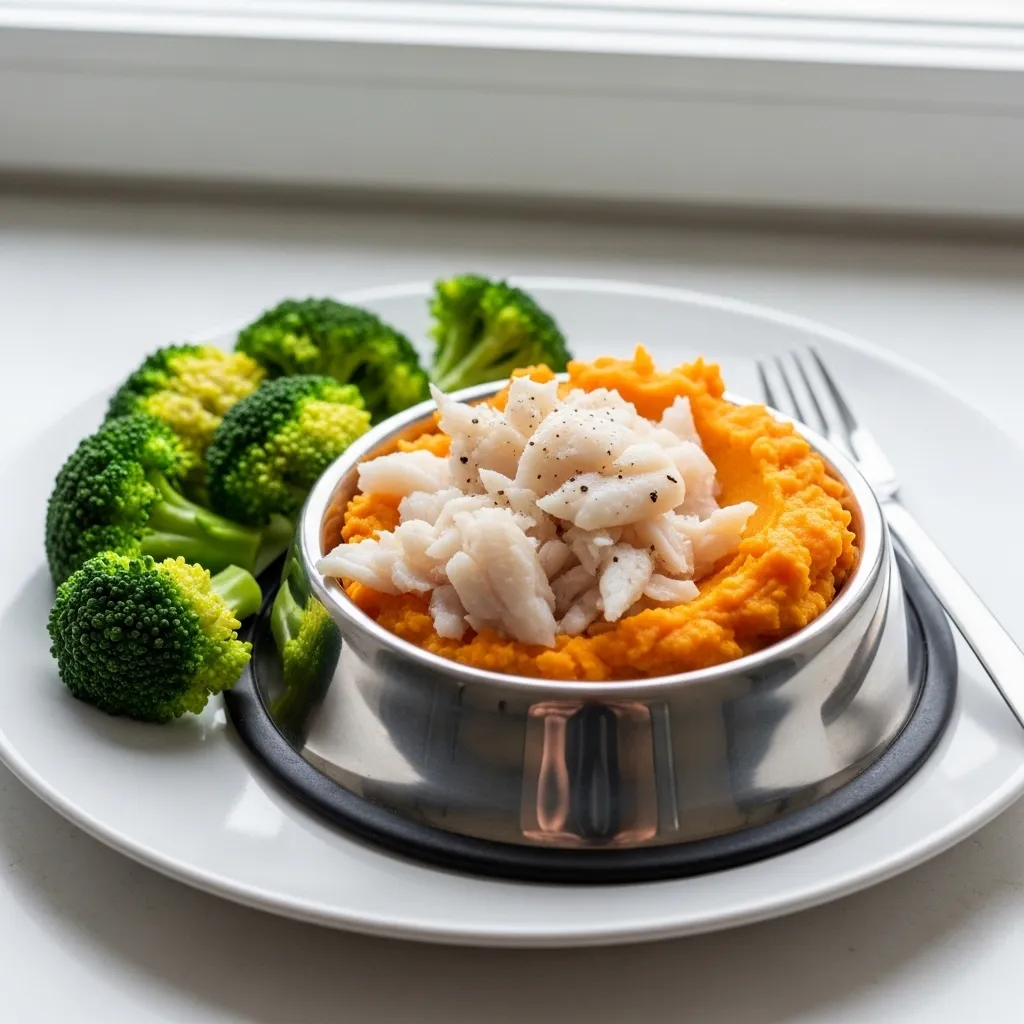
White fish like cod or tilapia is very gentle on the stomach. It’s low in fat and easy to digest. Poach or bake the fish, then flake it into small pieces.
Sweet potatoes are a wonderful carb source. They are rich in fiber and vitamins. Mash them well and mix with the fish.
This meal is great for dogs who are allergic to chicken or beef. It’s also a nice change of pace. My dog licks the bowl clean every time.
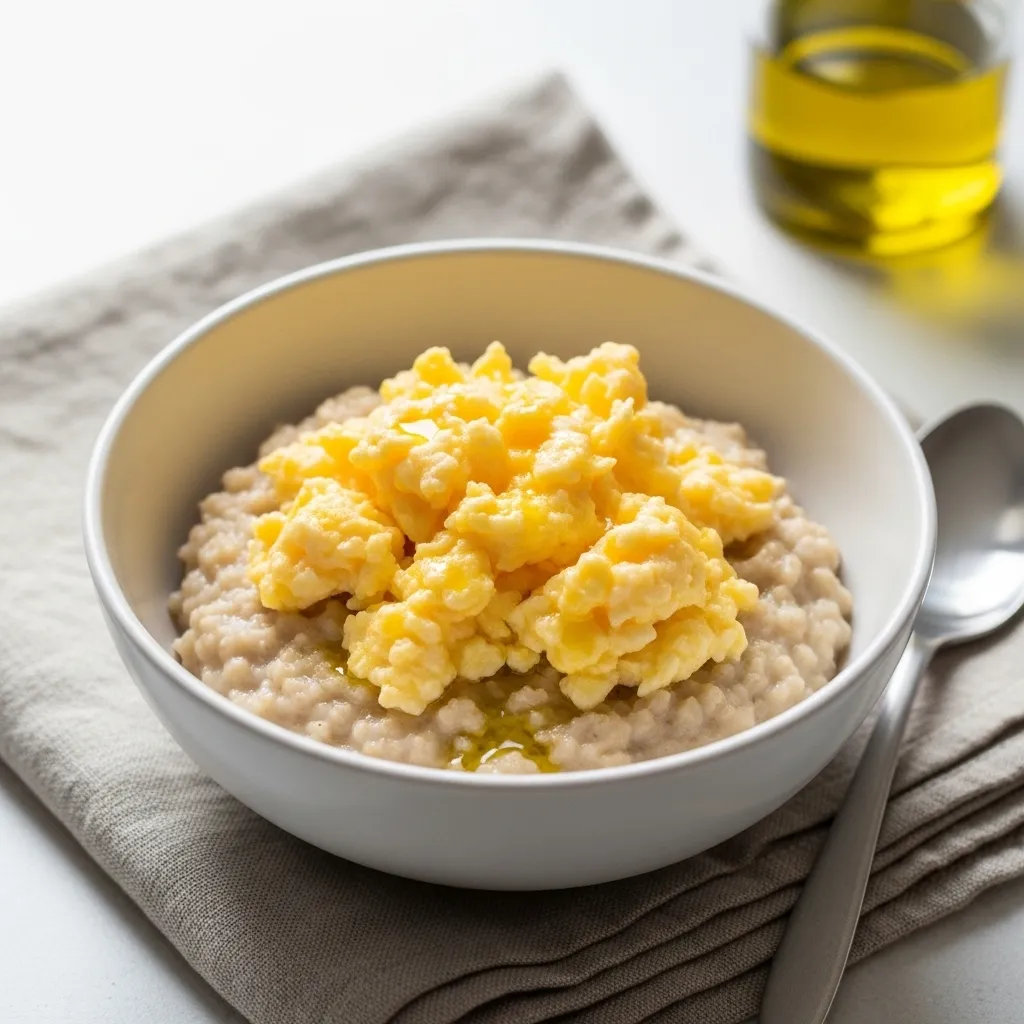
4. Oatmeal and Scrambled Eggs
For a breakfast-style meal, try plain cooked oatmeal and scrambled eggs. Use rolled oats, not instant packets with added sugar. Cook them in water or a little low-sodium broth.
Scramble the eggs with no butter or oil. Eggs are a great source of easily digestible protein. They also contain amino acids that support gut health.
This meal is especially helpful if your dog has diarrhea. The oatmeal provides gentle bulk, and the eggs are soothing. Let it cool completely before serving.
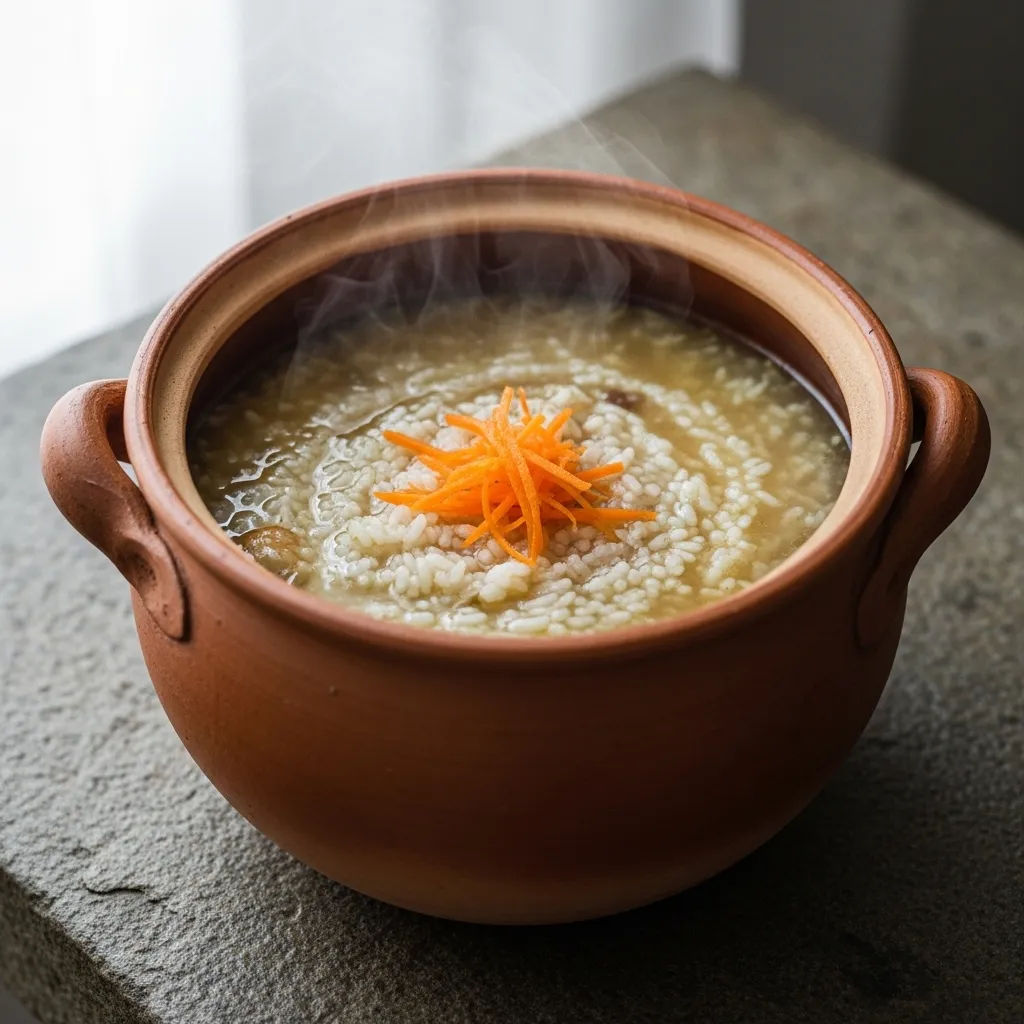
5. Bone Broth and Rice Porridge
Homemade bone broth is liquid gold for sensitive tummies. Simmer chicken or beef bones with water for 12-24 hours. Strain out the bones and let the broth cool.
Mix the broth with cooked white rice to make a thin porridge. This is incredibly hydrating and easy to digest. The collagen in the broth supports the gut lining.
I freeze broth in ice cube trays for easy portions. Just pop one out, melt it, and mix with rice. It’s a lifesaver when my dog is feeling off.
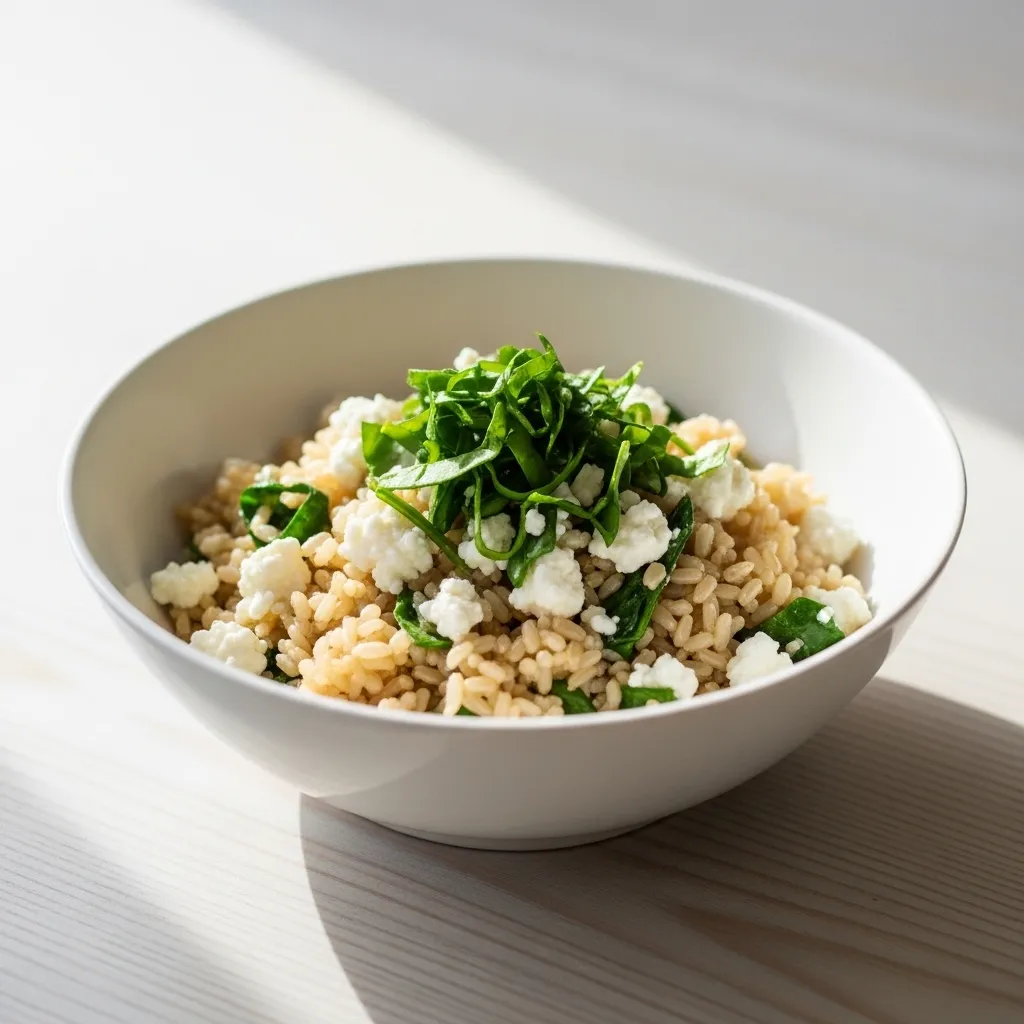
6. Cottage Cheese and Brown Rice
Low-fat cottage cheese is a gentle dairy option for dogs who tolerate lactose. It’s packed with probiotics that aid digestion. Mix it with cooked brown rice for a balanced meal.
Brown rice has more fiber than white rice, which helps regulate bowel movements. Start with a small amount to see how your dog reacts.
I like to add a spoonful of plain yogurt for extra probiotics. This combo is creamy, filling, and belly-friendly. It’s one of my go-to meals.
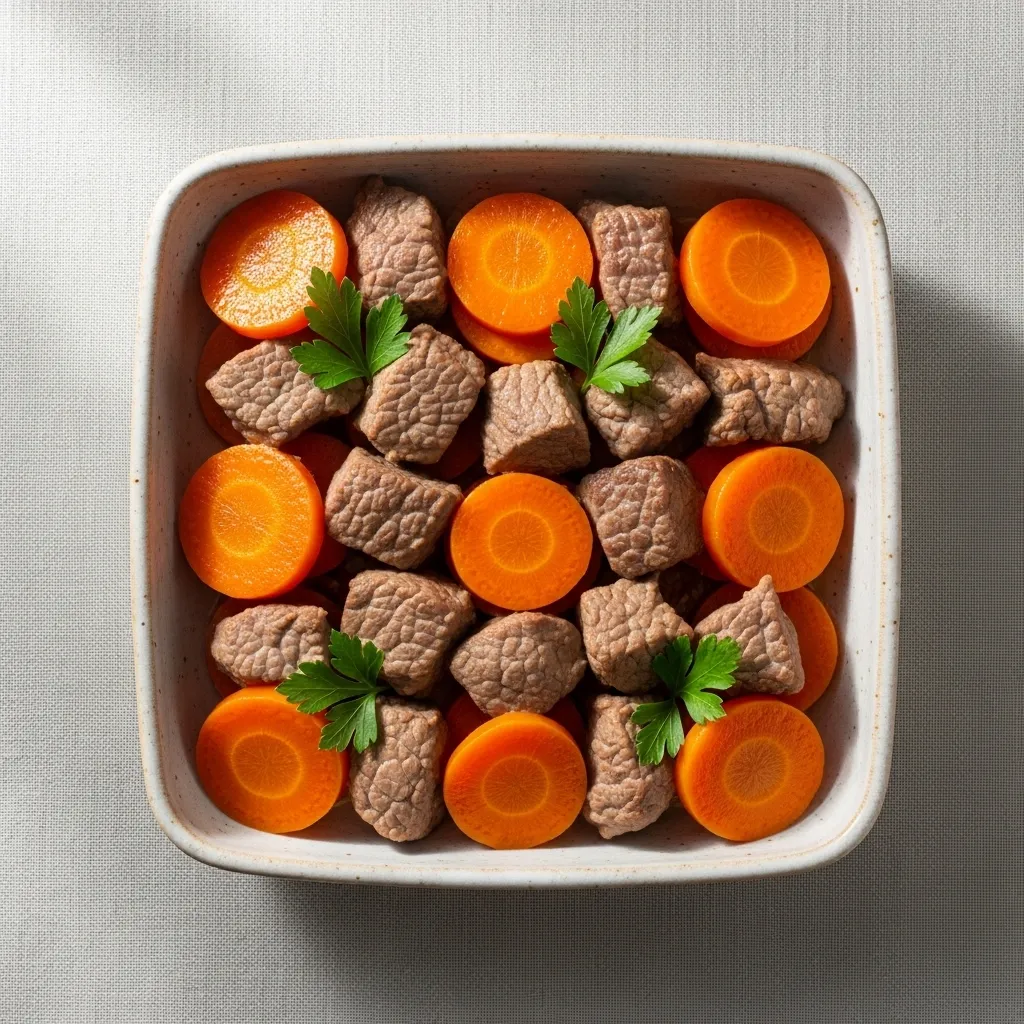
7. Boiled Beef and Carrots
Lean beef, like sirloin or round, can be a good protein source. Boil it thoroughly and remove any visible fat. Shred or dice the meat into small pieces.
Steam or boil carrots until they are very soft. Carrots are rich in beta-carotene and fiber. Mash them or chop them finely for easy digestion.
This meal is heartier and great for dogs who need a little more substance. It’s also a good option for picky eaters. The natural sweetness of carrots helps.
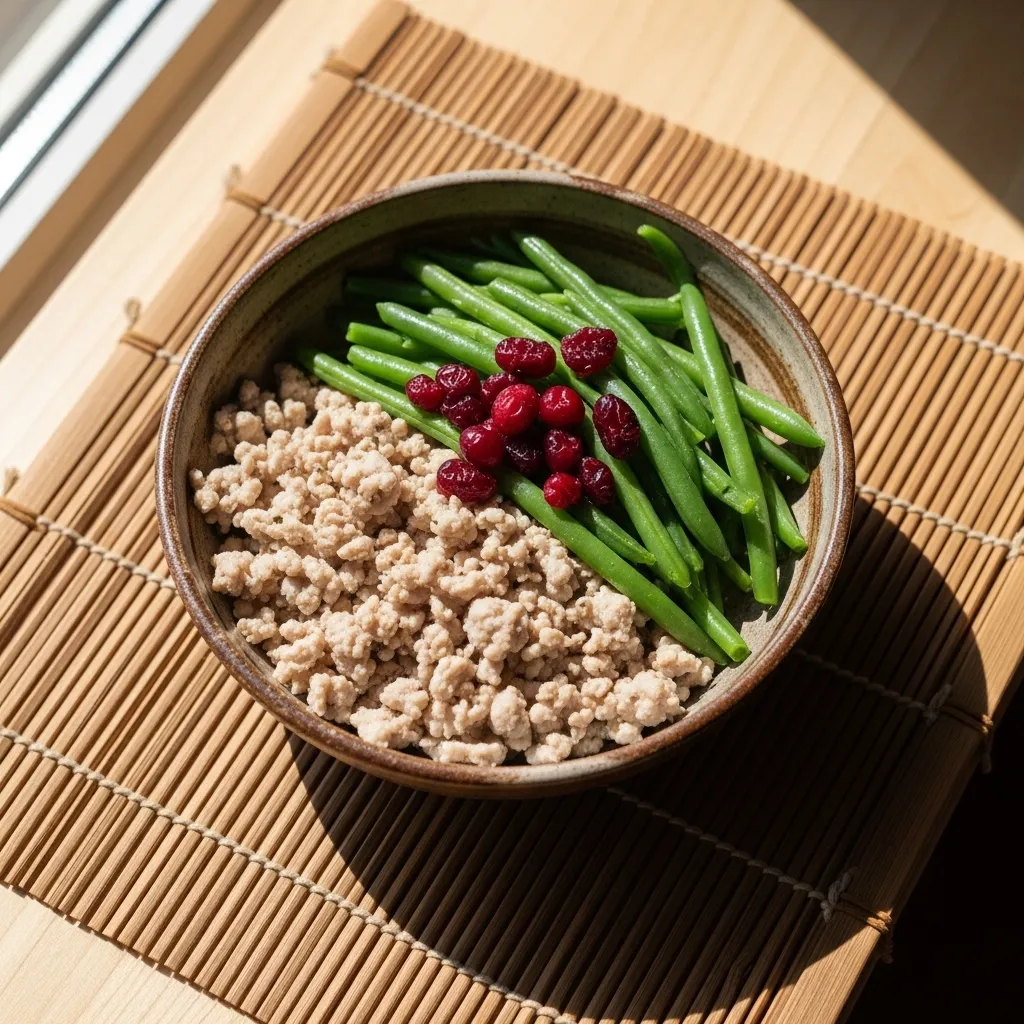
8. Turkey and Green Bean Medley
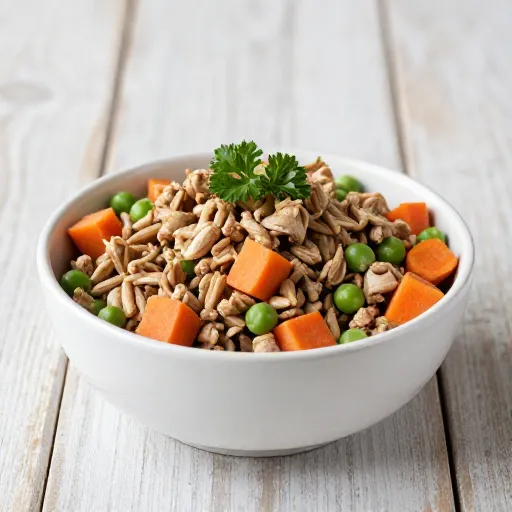
Ground turkey and green beans make a light, fiber-rich meal. Cook the turkey and drain the fat. Steam or boil fresh green beans until tender.
Chop the green beans into small pieces to prevent choking. Mix them with the turkey for a colorful, nutritious dish. Green beans are low in calories and high in vitamins.
This meal is perfect for dogs who need to lose weight while healing their stomach. It’s satisfying without being heavy. My dog loves the crunch.
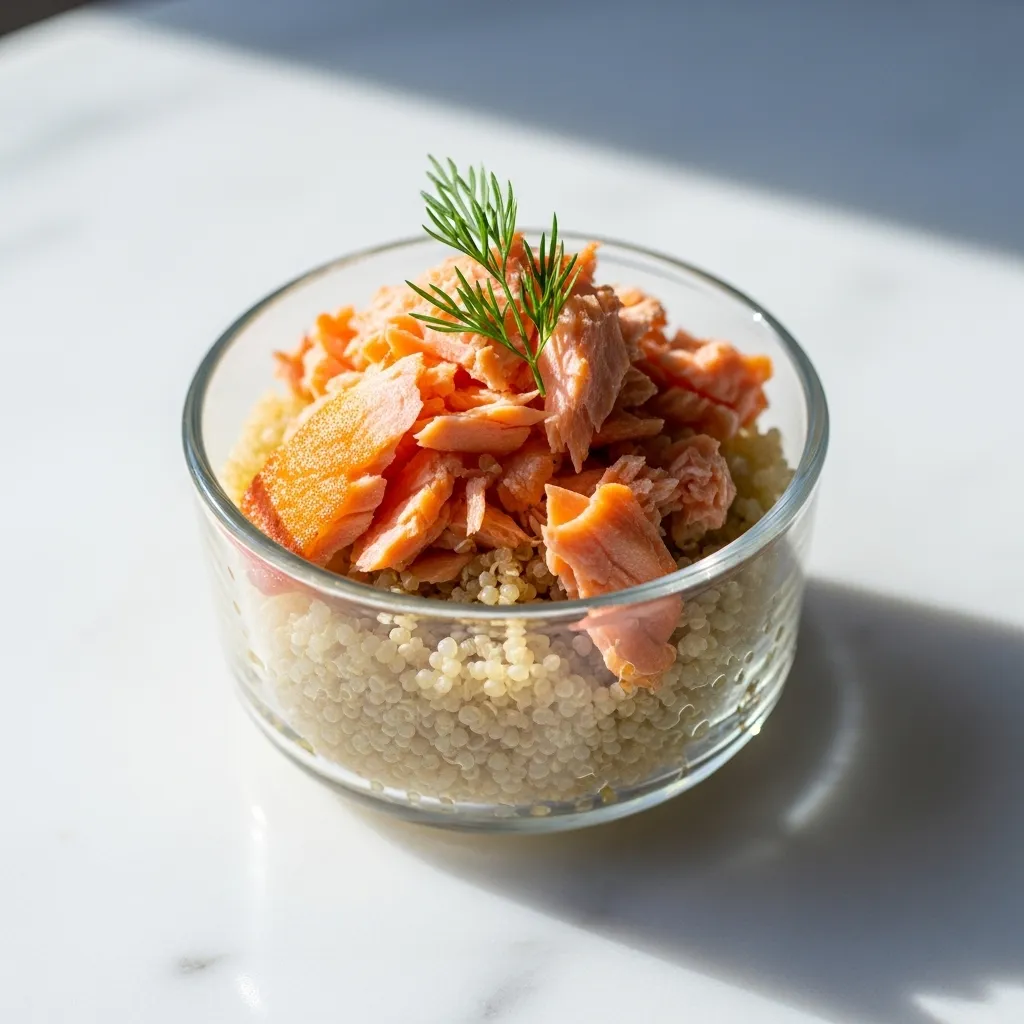
9. Salmon and Quinoa Bowl
Salmon is rich in omega-3 fatty acids that reduce inflammation in the gut. Bake or poach fresh salmon, removing all bones. Flake it into small pieces.
Quinoa is a gluten-free grain that is easy on the stomach. It’s a complete protein, meaning it has all essential amino acids. Cook it in water or broth for extra flavor.
This meal is a powerhouse of nutrition. It’s great for dogs with chronic digestive issues. The omega-3s also help with skin and coat health.
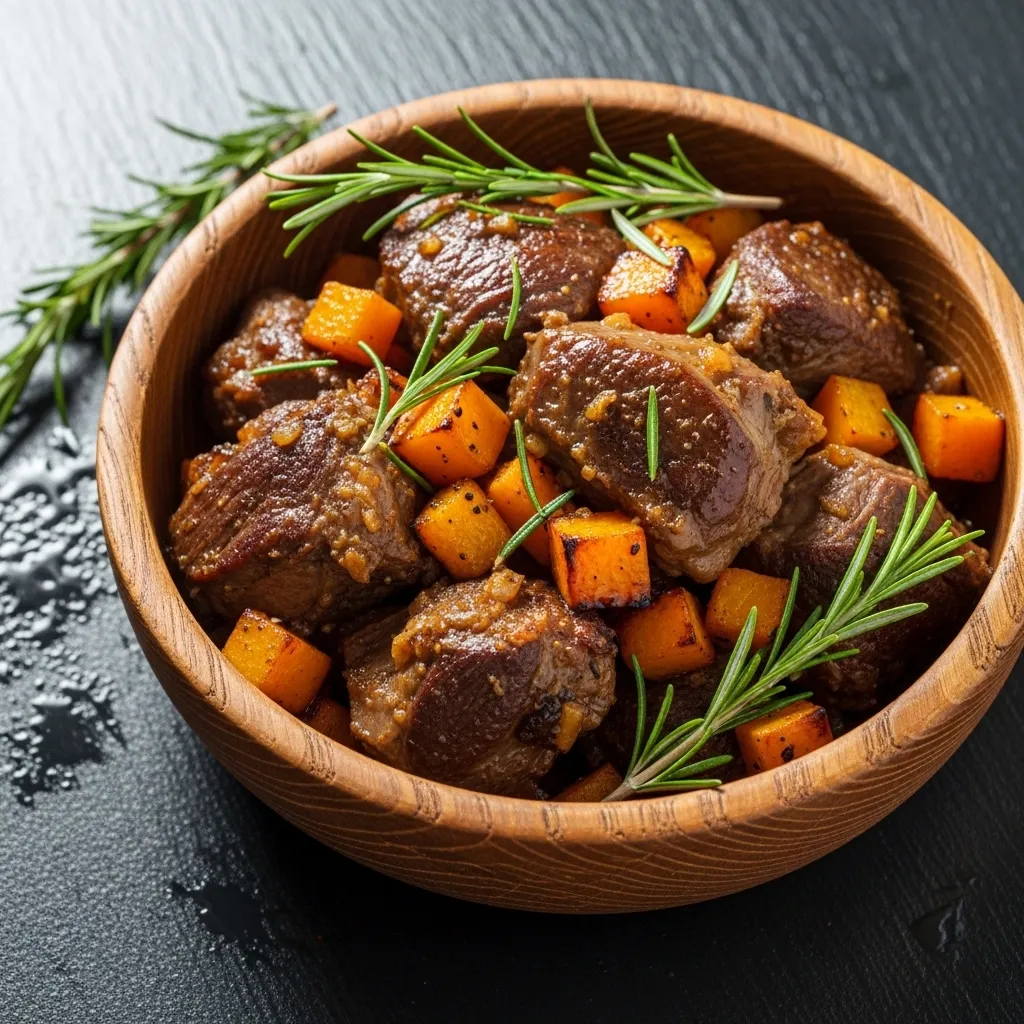
10. Lamb and Butternut Squash
Lamb is a novel protein for many dogs, making it a good option for allergies. Use lean ground lamb and cook it well. Drain any excess fat.
Butternut squash is similar to pumpkin but with a sweeter taste. Roast or steam it until soft, then mash it. It’s full of fiber and vitamins A and C.
This combination is soothing and flavorful. It’s a wonderful change from chicken-based meals. My dog’s sensitive stomach never complains about this one.
Final Thoughts
Homemade dog food can truly transform your dog’s health. Start with simple recipes and see how your pup responds. Every dog is different, so pay attention to what works best.
Always consult your vet before making big changes. They can help ensure your dog gets all the nutrients needed. With a little patience, you’ll find the perfect meal plan.
I hope these recipes bring your dog relief. There’s nothing better than seeing them happy, healthy, and excited for dinner.
Frequently Asked Questions
Can I feed homemade food every day?
Yes, but it must be nutritionally balanced. Work with your vet or a pet nutritionist to make sure your dog gets all essential vitamins and minerals.
How do I transition to homemade food?
Start by mixing a small amount of homemade food with your dog’s current food. Gradually increase the ratio over 7-10 days to avoid stomach upset.
What ingredients should I avoid?
Avoid onions, garlic, grapes, raisins, chocolate, xylitol, and excessive salt. Also, be careful with high-fat meats that can cause pancreatitis.
How long does homemade food last?
Store it in the fridge for up to 3-4 days. You can also freeze portions for up to 3 months. Thaw in the fridge before serving.
My dog still has loose stools. What should I do?
Go back to a very simple meal like boiled chicken and rice. If the problem continues, see your vet to rule out underlying issues.