Best Homemade Dog Food Ingredients for Happy Pups
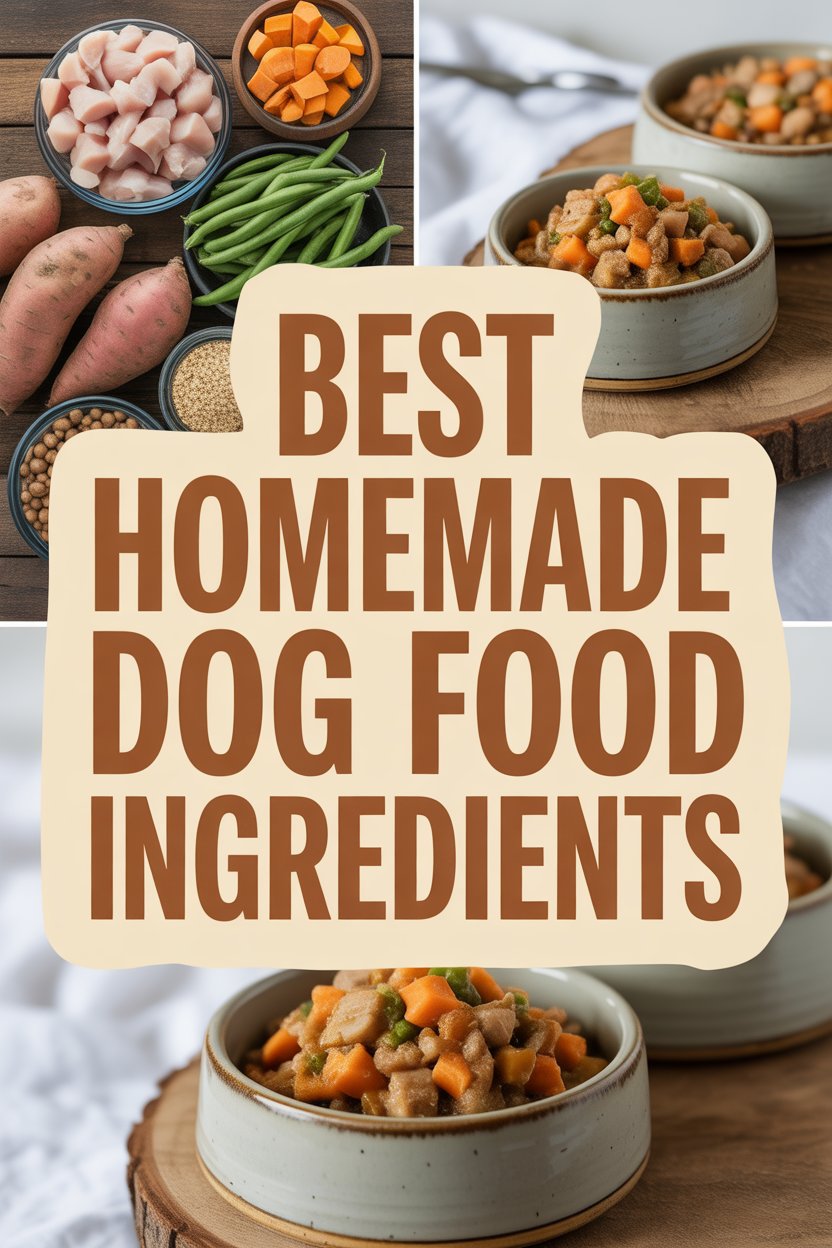
Best Homemade Dog Food Ingredients for Happy Pups
When I first started making homemade food for my dog, Charlie, I was nervous. I wanted to give him something healthier than store-bought kibble but had no idea where to start. I spent weeks researching, talking to vets, and experimenting with recipes until I found what worked best for him. Watching Charlie’s coat shine brighter and his tail wag faster made every minute worth it. If you’ve ever thought about preparing your dog’s meals at home, you’re about to learn exactly which ingredients make the best homemade dog food—because your furry friend deserves nothing but the best.
Homemade dog food isn’t just a trend—it’s a way to take control of your dog’s health, ensuring every bite they eat is filled with love, nutrition, and natural goodness.
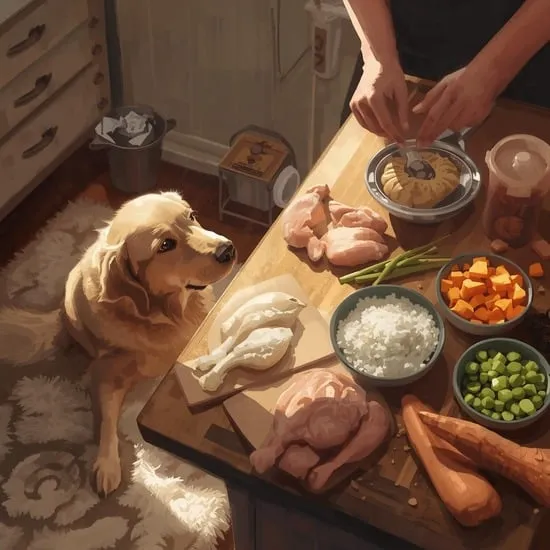
Why Choose Homemade Dog Food?
Feeding your dog homemade food means you know exactly what’s going into their bowl. No preservatives, no fillers—just whole, real ingredients. It can help improve digestion, boost energy, and even make their fur shinier. Plus, it’s a wonderful way to bond with your pup through the care you put into every meal.
When Charlie started eating homemade meals, I noticed a change almost immediately—his eyes sparkled brighter, and his energy seemed endless. It reminded me how much what we feed our pets truly matters.
Essential Homemade Dog Food Ingredients
Creating balanced dog food at home means choosing ingredients that provide protein, carbohydrates, healthy fats, vitamins, and minerals. Here are some of the best and safest ingredients to include in your dog’s homemade meals:
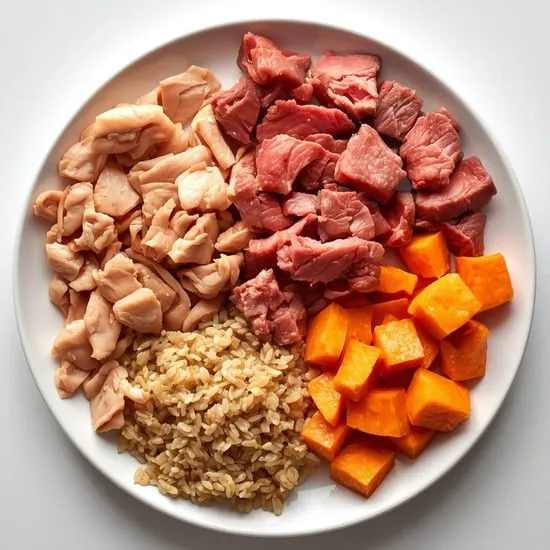
1. Lean Proteins
Protein is the foundation of any healthy dog diet. It supports muscle growth, tissue repair, and immune health. Great protein options include:
- Chicken or turkey (skinless and boneless)
- Lean beef or lamb
- Fish like salmon or whitefish (great for omega-3s)
- Eggs (cooked only)
Always cook meat thoroughly to eliminate harmful bacteria, and avoid using too much fat or seasoning.
2. Healthy Carbohydrates
Carbs provide energy and keep your dog’s digestive system running smoothly. The best carbohydrate sources for dogs are those rich in fiber and nutrients, such as:
- Brown rice
- Sweet potatoes
- Oats
- Quinoa
- Pumpkin (great for digestion)
Sweet potatoes and pumpkin are Charlie’s favorites—they make his meals naturally sweet and give him the energy to zoom around the yard all day.
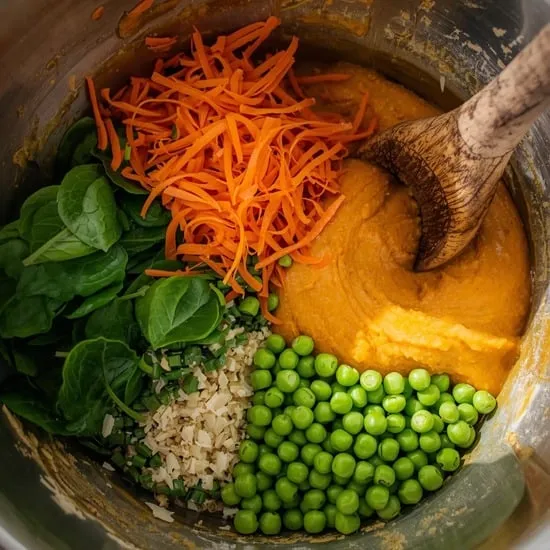
3. Fresh Vegetables
Veggies are packed with vitamins, minerals, and antioxidants. They’re a must for a balanced diet. Some dog-friendly options include:
- Carrots
- Spinach
- Broccoli
- Green beans
- Peas
Lightly steaming or cooking vegetables makes them easier to digest and helps your dog absorb more nutrients. Avoid onions, garlic, and anything seasoned with salt or spices.
4. Healthy Fats
Fats are essential for skin health, a shiny coat, and brain function. You can add natural sources like:
- Fish oil
- Flaxseed oil
- Coconut oil (in moderation)
- Salmon
I add a teaspoon of salmon oil to Charlie’s dinner every other night. It’s a simple addition that makes a big difference in his coat and overall energy levels.
5. Fruits for Natural Sweetness
Fruits can make your dog’s meals more exciting while offering a boost of vitamins and antioxidants. Some great dog-safe options include:
- Blueberries (for antioxidants)
- Apples (without seeds)
- Bananas (for potassium)
- Watermelon (seedless)
- Strawberries (in small amounts)
Charlie loves frozen blueberries in the summer—they make for a healthy, refreshing treat after playtime.
Ingredients to Avoid
While homemade dog food is wonderful, it’s important to know what to avoid. Some foods are toxic or harmful to dogs, even in small amounts. Keep these out of your dog’s bowl:
- Onions and garlic
- Chocolate and caffeine
- Grapes and raisins
- Avocado
- Macadamia nuts
- Artificial sweeteners like xylitol
Always check ingredients before adding something new, and consult your vet to ensure your recipes meet your dog’s specific nutritional needs.
Balancing Homemade Meals
Homemade dog food should be balanced with the right ratio of protein, carbs, and fat. Most dogs thrive on meals that are about 40% protein, 50% vegetables and carbs, and 10% healthy fats. If you’re unsure, talk to your vet or a pet nutritionist for guidance—they can help tailor recipes to your dog’s size, breed, and activity level.
For added nutrition, consider supplements like calcium or multivitamins specifically designed for dogs. These help ensure your pup gets everything they need for strong bones and a healthy immune system.
Final Thoughts: Cooking with Love
Cooking homemade food for your dog isn’t just about health—it’s an act of love. Every time I watch Charlie lick his bowl clean, tail wagging in pure delight, I feel this deep sense of happiness knowing I’m giving him the best. With the right ingredients, you can do the same for your furry companion—helping them live longer, healthier, and happier lives.
After all, our dogs give us unconditional love every single day. The least we can do is return it—with a bowl full of wholesome, homemade goodness.