Homemade Bone Broth Recipes Cats Love
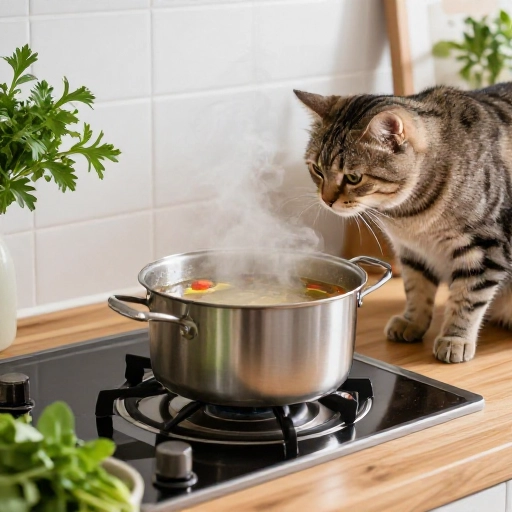
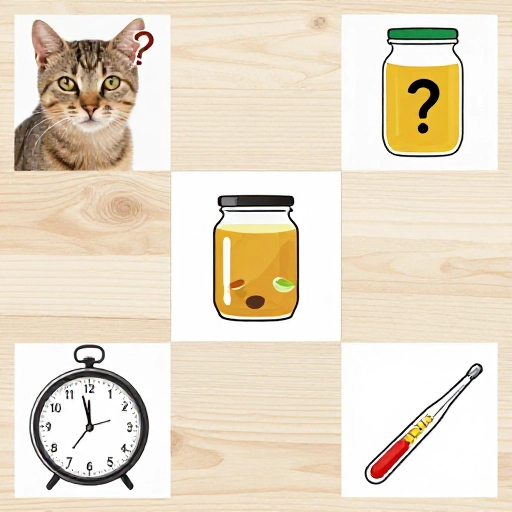
If you’ve ever watched your cat sniff a bowl of food and walk away, you know the struggle. I started making bone broth at home because I wanted something simple, healthy, and irresistible for my picky feline. Turns out, a warm cup of homemade broth is like catnip—minus the craziness.
Making your own bone broth means you control what goes in. No weird additives, no excessive salt, just pure goodness. My cats perk up the second I start simmering bones, and honestly, I love sipping it too. It’s a win-win.
In this post, I’ll share my go-to recipes that cats actually love. They’re easy, affordable, and perfect for adding to wet food, freezing into ice cubes, or serving as a warm treat on chilly days.
Equipment You’ll Need
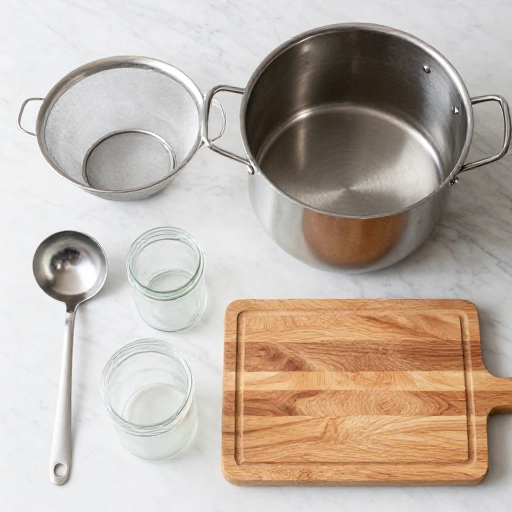
You don’t need fancy gear. A large pot or slow cooker works perfectly. I use a 6-quart slow cooker because it’s set-and-forget. A fine-mesh strainer is essential for catching tiny bone fragments. Cheesecloth helps if you want super clear broth. Glass jars or silicone ice cube trays store the broth neatly. That’s it—no special gadgets required.
Ingredients for Cat-Safe Bone Broth
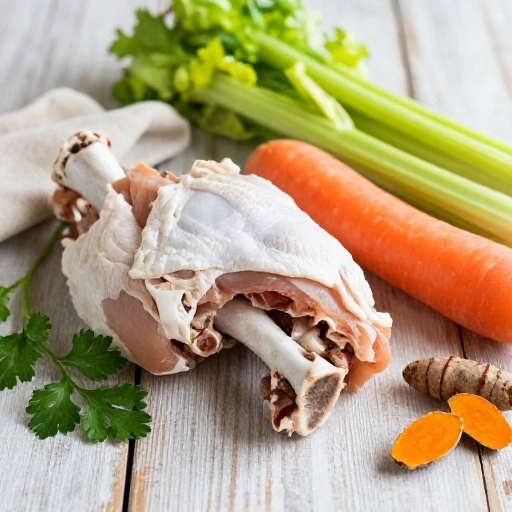
Start with high-quality bones. Chicken feet, turkey necks, or beef knuckles are excellent. Add a splash of apple cider vinegar—this helps pull nutrients from the bones. Water is the base. That’s all your cat needs. Avoid onions, garlic, salt, or any seasoning. Cats have sensitive kidneys and digestive systems. Keep it purely bone and water.
How to Make Bone Broth Your Cat Will Love
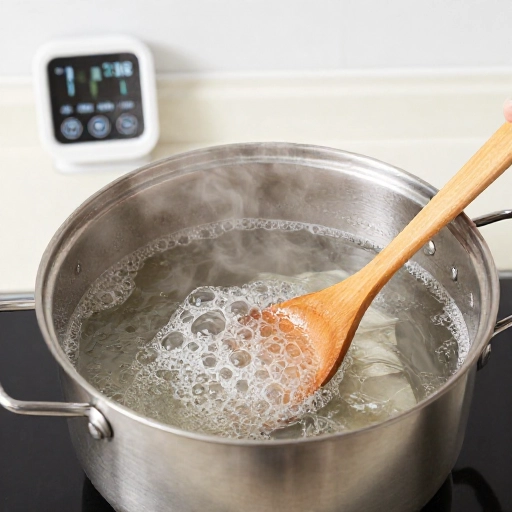
Place bones in your pot or slow cooker. Cover completely with water. Add one tablespoon of apple cider vinegar per quart of water. Let it sit for 30 minutes—this helps extract minerals. Turn the heat to low and simmer for 12–24 hours. Chicken bones need less time (12 hours), beef bones can go 24 hours. Skim off any foam that rises in the first hour.
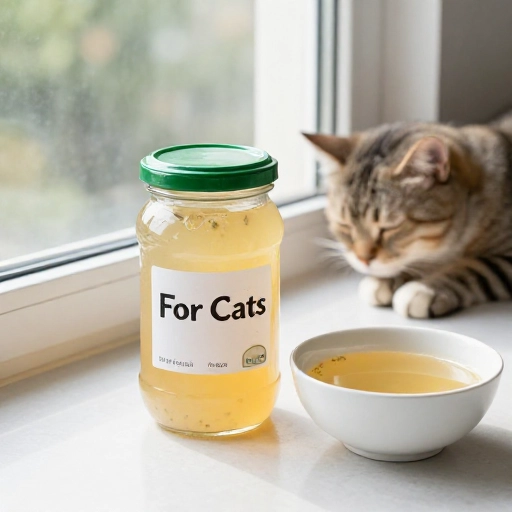
Once done, let it cool slightly. Strain through a fine-mesh strainer and cheesecloth. Discard bones. Pour broth into jars or ice cube trays. Refrigerate for up to 5 days or freeze for months. When serving, warm slightly—cats prefer it lukewarm. Never serve hot.
Why This Recipe Works for Cats
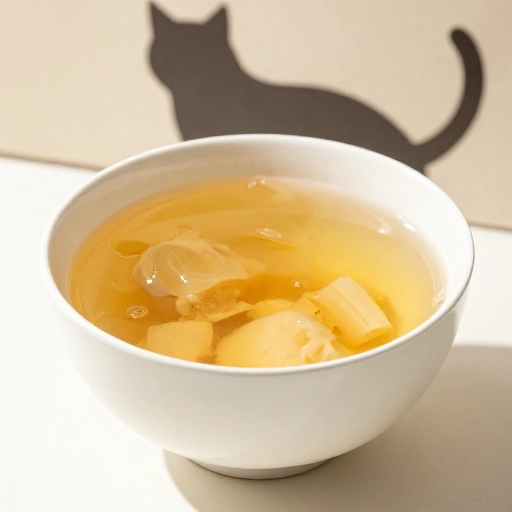
This broth is hydrating, gentle on tummies, and packed with collagen and amino acids. My senior cat with arthritis moves better after a few days of broth. Kittens love it as a weaning aid. Even the fussiest eaters can’t resist. The natural gelatin soothes digestion and adds moisture to dry kibble. No fillers, no junk—just real food.
Conclusion
Homemade bone broth is one of the easiest ways to spoil your cat healthily. It takes minimal effort, uses simple ingredients, and pays off in purrs and better health. Start with a small batch and see how your cat reacts. I bet they’ll become a fan. Plus, you can enjoy a cup yourself—just add a pinch of salt for you.
Frequently Asked Questions
Can I use leftover rotisserie chicken bones?
Not recommended. Cooked chicken bones can splinter and harm your cat. Always use raw bones from a butcher or grocery store.
How much broth should I give my cat?
Start with one tablespoon per day for a small cat, up to two tablespoons for larger cats. Mix with food or serve alone.
Can I add vegetables or herbs?
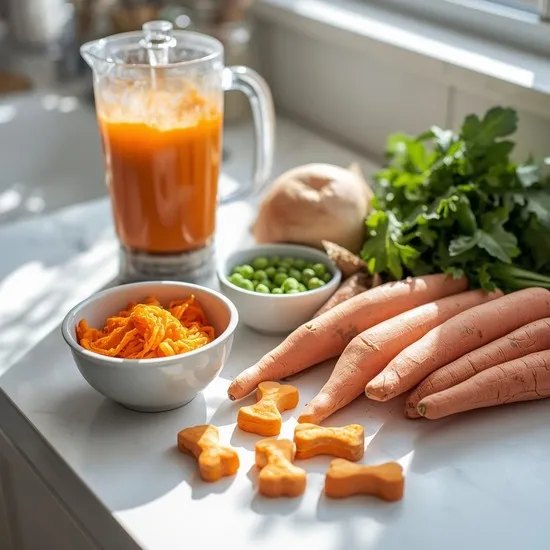
Only cat-safe options like a small piece of carrot or parsley. Avoid onions, garlic, and tomatoes. Plain bone broth is best.
How long does homemade broth last?
In the fridge, 5 days. In the freezer, up to 6 months. Store in small portions so you can thaw only what you need.
Is bone broth safe for kittens?
Yes, for kittens over 8 weeks. Start with a tiny amount mixed into wet food. Always check with your vet first if you’re unsure.