How Much Dog Shampoo Should You Use Per Bath? The Simple Rule I Wish I’d Known Years Ago
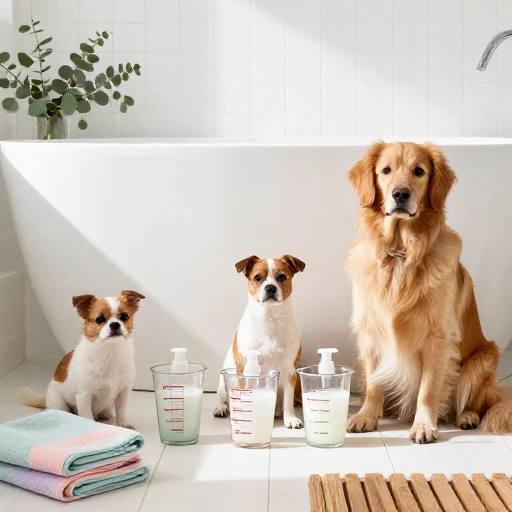
For years I did what I think most of us do: I squirted a big blob of dog shampoo into my palm, lathered until the bubbles looked impressive, and called it a bath. Then my vet asked one simple question that changed everything — “How much are you actually using?”
Turns out, most dog owners use way more shampoo than we need. And that extra soap doesn’t get your dog cleaner. It just leaves behind residue that dries out the skin, dulls the coat, and makes your dog scratch for days.
The good news? There’s a simple measuring rule that works for almost every dog, and once you know it, bath time gets faster, cheaper, and a whole lot less itchy. Let me walk you through exactly what I’ve learned.
The Quick Answer: How Much Shampoo Per Bath by Dog Size
Here’s the cheat sheet I keep taped inside my bathroom cabinet. These amounts are for concentrated shampoo straight out of the bottle, so if you dilute it (and you should — more on that in a minute), you’ll use even less product.
- Small dogs (under 20 lbs): about 1 teaspoon
- Medium dogs (20–50 lbs): 1 to 2 tablespoons
- Large dogs (50–90 lbs): 2 to 3 tablespoons
- Giant breeds (90+ lbs): up to 1/4 cup
If you’re anything like me, that probably sounds shockingly low. But here’s the thing: dog shampoo is formulated to be super concentrated. A little bit goes a long way, especially once it hits water and foams up.
Start at the lower end of the range, lather, and only add more if you genuinely can’t work up a lather. I almost never need to add a second round anymore.
Why Using Too Much Shampoo Is Worse Than Not Enough
Over-shampooing is the number one bath mistake I see friends make. When there’s too much soap, you can’t rinse it all out — no matter how long you stand there with the shower head. What’s left behind sits on the skin and strips away natural oils.
After a few over-soaped baths, the signs start showing up: flaky skin, a dull coat that feels almost sticky, endless scratching, and sometimes a funky smell that comes back two days later. That smell is often leftover residue trapping bacteria and yeast.
Using slightly too little shampoo is honestly the safer error. Your dog will still get clean, and you won’t risk irritating their skin. When in doubt, go lighter.
The Dilution Trick That Completely Changed My Bath Routine
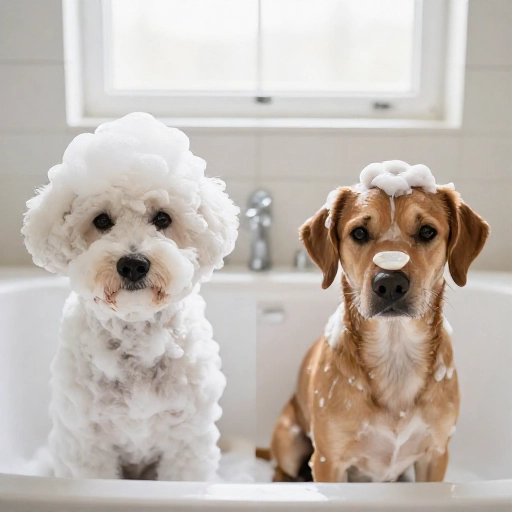
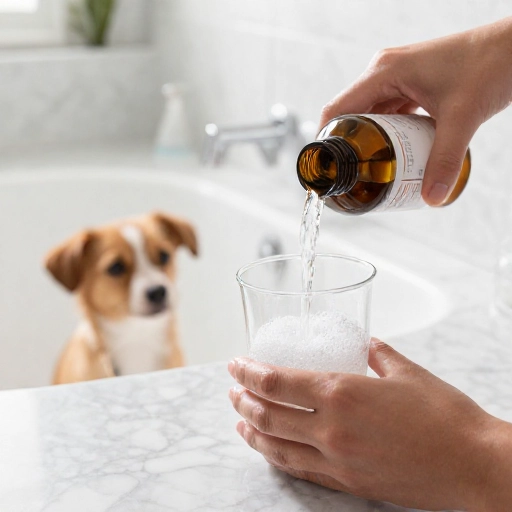
If you take one thing from this post, let it be this: dilute your shampoo before it touches your dog. I mix shampoo and warm water in a squeeze bottle at roughly a 1:10 ratio — one part shampoo to ten parts water.
The benefits are kind of amazing. The shampoo spreads evenly instead of clumping in one spot, it rinses out way faster, and I use about half the product I used to. My bottle of shampoo lasts months longer now.
A clean squeeze bottle or a cup works fine. Shake it up, then squeeze it along your dog’s back and work it in with your hands. It reaches the skin so much better than a blob on top of the fur.
Match the Amount to Your Dog’s Coat Type
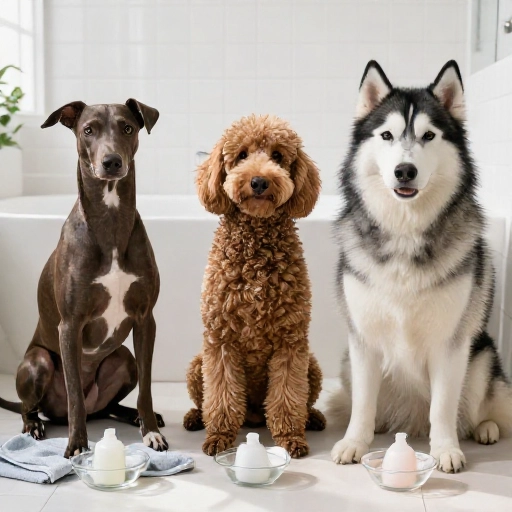
Coat type matters as much as size. A short-coated dog needs less shampoo than a fluffy double-coated breed, simply because there’s less fur to work through and less chance of trapping residue.
- Short, smooth coats (Beagle, Boxer): use the low end of your size range
- Double coats (Husky, Golden Retriever): a touch more, and work it in layers
- Curly or doodle coats: dilute well and part the fur so soap reaches the skin
- Hairless or very thin coats (Chinese Crested): use the tiniest amount and rinse twice
With my doodle, I have to section the fur with my fingers or the shampoo just sits on the surface. With my short-haired terrier mix, one small palmful does the job in about thirty seconds.
How Much Shampoo Does a Puppy Need?
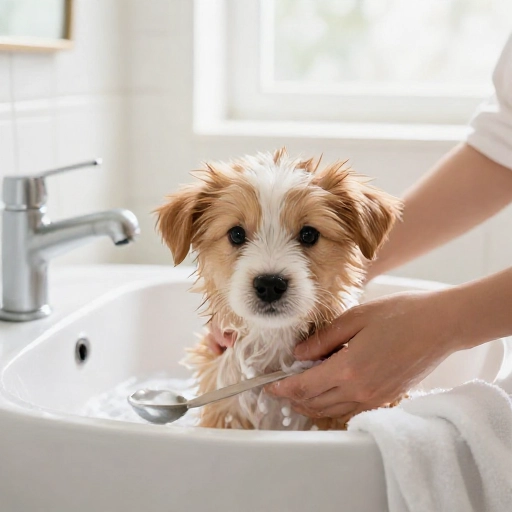
Puppies need less than you’d think, and they usually don’t need a full bath very often. Their skin is thinner and more sensitive than an adult dog’s, so gentle and minimal is the goal.
For a puppy’s first bath, I use about half the amount I’d use for an adult of the same size, diluted extra well. Their coat is often shorter and fluffier anyway, so it’s easy to overdo it.
Keep the bath short, use lukewarm water, and skip the bath entirely if your puppy is under eight weeks old or hasn’t finished their vaccinations — a warm damp washcloth usually does the trick instead. Always check with your vet if you’re unsure.
When You Actually Need Two Rounds of Shampoo
Most baths only need one wash. But there are real situations where a second round makes sense — and I’ll be honest, they’re rarer than the internet makes them sound.
- Your dog rolled in something genuinely awful (skunk, dead thing, mystery pond sludge)
- They’re extremely dirty from a camping trip or a mud run
- Their coat is very long and thick, so the first wash mostly gets the outer layer
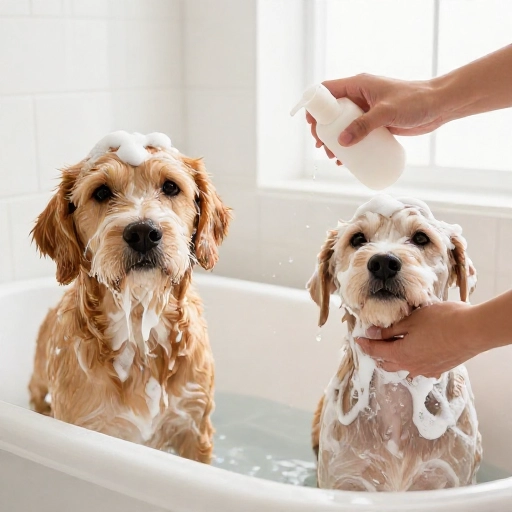
When I do a two-round bath, I use a small amount each time rather than a big amount once. The first round breaks down the dirt, the second round actually cleans. Two light washes rinse out far better than one heavy one.
Even then, if your dog is just normally stinky and a bit dusty, one properly diluted wash is plenty.
Medicated and Prescription Shampoos Are a Different Story
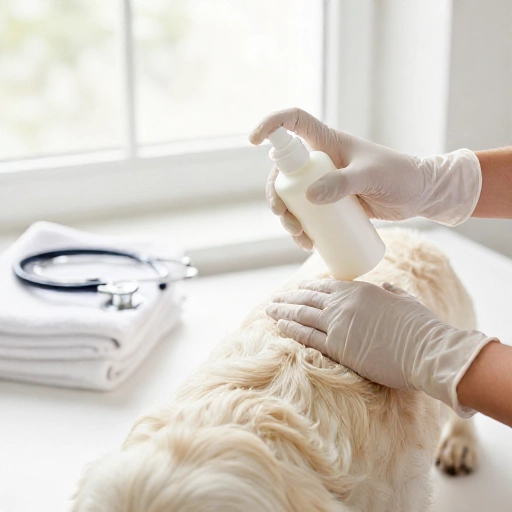
Medicated shampoos don’t follow the normal rules. If your vet prescribed one, the amount and the contact time usually matter a lot — often more than the lather does.
Many medicated shampoos need to sit on the skin for five to ten minutes to actually work. That means you want enough to cover the whole body evenly, but not so much that it’s dripping everywhere and impossible to rinse.
Follow the label or your vet’s instructions exactly, and don’t dilute a medicated shampoo unless the label says it’s okay. Diluting can mess with the active ingredients and make the treatment less effective.
The Cheap Little Tools That Keep Me From Over-Pouring
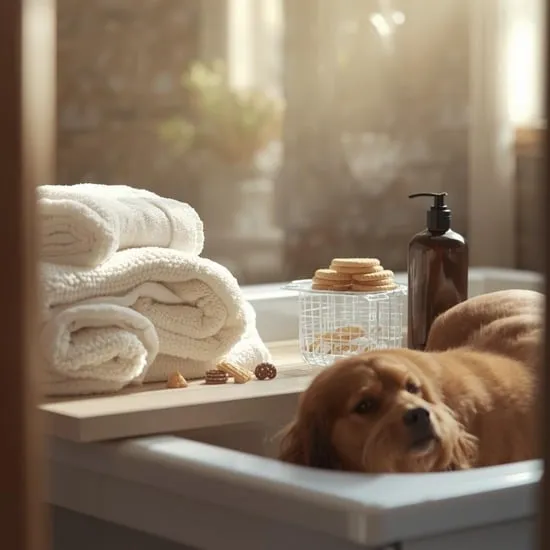
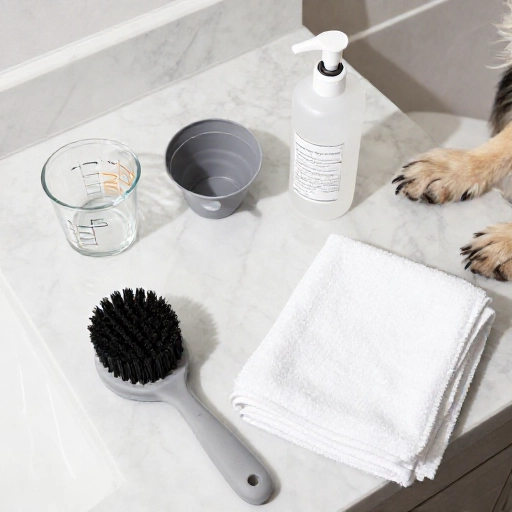
I used to eyeball everything, and eyeballing is exactly how you end up using three times too much. These tiny bathroom upgrades fixed that for me.
- A measuring spoon set: dedicated to the dog tub so I’m not guessing
- A squeeze bottle: for pre-mixed diluted shampoo (my favorite purchase under five dollars)
- A small plastic cup: perfect for pouring warm water over the coat during rinsing
- A rubber curry brush: spreads lather through thick coats so I need less soap
None of this is fancy. But having the spoon right there means I actually measure instead of free-pouring, and my dog’s skin has been noticeably calmer since I started.
Signs You Used Too Much — Or Too Little — Shampoo
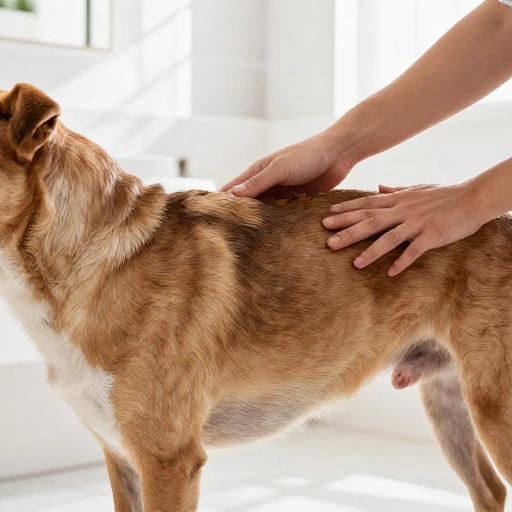
Your dog’s coat will tell you pretty quickly whether you got the amount right. Learning to read it is honestly the best feedback you’ll get.
Too much shampoo looks like: a coat that still feels slightly tacky or filmy after drying, flaking skin, extra scratching, a greasy look within a couple of days, or a dog that smells “clean” but oddly perfumey and irritated.
Too little shampoo looks like: a dog that still smells doggy right after the bath, dull patches, or grease at the base of the tail and behind the ears. In that case, don’t panic — just do a light second wash next time rather than doubling the amount.
Rinsing Matters More Than the Amount You Pour
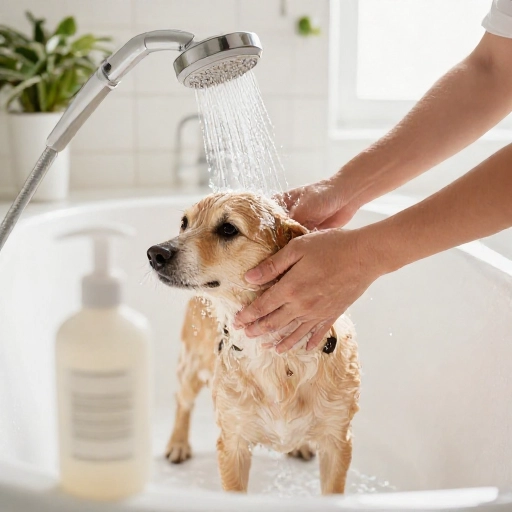
Here’s my unpopular opinion: rinsing is the real make-or-break step. You can use the perfect amount of shampoo and still end up with an itchy dog if you don’t rinse long enough.
I rinse for at least twice as long as feels necessary, using warm water and my fingers to push through the coat all the way to the skin. If I can still feel any slickness, I keep going.
A good test: run your fingers down to the skin and rub. If it squeaks slightly and feels clean rather than slippery, you’re done. Then towel dry well — damp skin under a thick coat is its own problem.
My Final Take: Less Shampoo, Better Baths
If I could go back and tell my younger self one thing about bathing dogs, it would be to use less shampoo and rinse way more. That’s it. That’s the whole secret.
Start with a teaspoon for small dogs and a tablespoon or two for bigger ones. Dilute it, work it in with your hands or a rubber brush, and rinse until you’re bored. Your dog’s coat will feel softer, their skin will be calmer, and your shampoo bottle will last a whole lot longer.
Every dog is a little different, so treat these amounts as a starting point and adjust from there. You’ll find your dog’s sweet spot within a bath or two.
Frequently Asked Questions
How much dog shampoo should I use for a medium-sized dog?
About one to two tablespoons of concentrated shampoo for a dog between 20 and 50 pounds. If you dilute it in water first, that amount will stretch even further and spread much more evenly.
Can I use human shampoo if I use a small amount?
Technically once in a while in a pinch, but I wouldn’t make it a habit. Human shampoo is formulated for a different skin pH, and it can dry out a dog’s coat and cause itching over time. Dog-specific formulas are worth the small extra cost.
Should I dilute dog shampoo before using it?
Yes, whenever the label allows it. A 1:10 mix of shampoo to warm water spreads better, rinses faster, and helps you avoid using too much. Skip diluting only if it’s a medicated shampoo that specifically says not to.
How often should I bathe my dog?
Most dogs do well with a bath every four to eight weeks, depending on their coat, lifestyle, and any skin conditions. Dogs with skin issues may need more frequent baths with a vet-approved shampoo, so ask your vet for a schedule.
What happens if I use too much shampoo?
Leftover residue can strip natural oils, causing dry flaky skin, itching, a dull coat, and sometimes a smell that returns within a day or two. If it happens, give a gentle rinse-only bath with warm water and let their skin recover before the next wash.