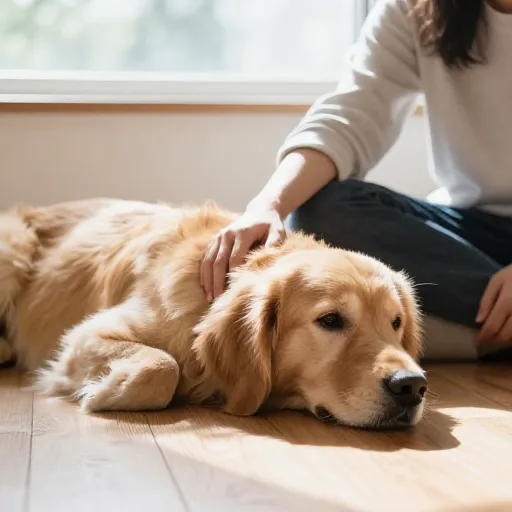
How Often Should You Bathe Your Dog? The Honest Answer Every Dog Parent Needs
I used to think dog baths were a once-a-month chore, like clockwork. Then I got a dog with itchy skin and another with a thick double coat, and everything I assumed went straight out the window.
Turns out, there’s no single magic number. How often your dog needs a bath depends on their coat, their lifestyle, their skin, and even the season. A couch potato pug and a muddy trail-hound have completely different needs.
So here’s the real breakdown — what actually works, what’s too much, and how to tell when your dog is quietly begging for a rinse.
Why the “Once a Month” Rule Doesn’t Fit Every Dog
Somewhere along the way, “bathe your dog once a month” became the universal advice. It’s not wrong, exactly — it’s just wildly generic.
A dog who naps on the sofa all day and never gets dirty can absolutely go six or eight weeks between baths. A dog who swims in the lake every weekend? One week, tops, before they start smelling like a pond.
Think of bathing like haircuts. Some people need one every three weeks, others can stretch it for months. Your dog’s breed, coat, and daily routine decide the schedule — not the calendar.
Coat Type Is Your Biggest Clue
Before you pick a bathing schedule, look at what your dog is wearing. Their coat tells you almost everything.
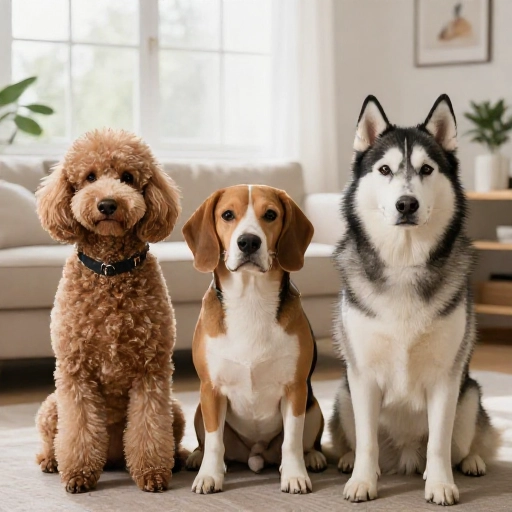
- Short, smooth coats (beagles, boxers, labs): every 4–8 weeks. Dirt slides off easily, but oils build up.
- Double coats (huskies, goldens, German shepherds): every 6–12 weeks. Overbathing strips the natural oils that keep them warm and waterproof.
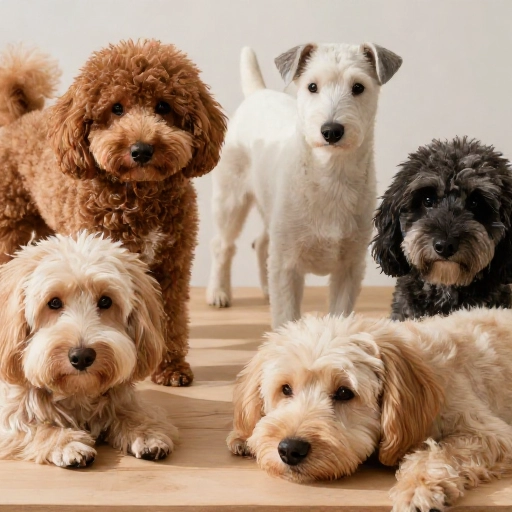
- Curly or woolly coats (poodles, doodles, bichons): every 3–6 weeks. These coats trap debris and mat fast.
- Hairless or thin-coated breeds (Chinese cresteds, xolos): every 1–2 weeks, since oil sits right on the skin.
If you’re ever unsure, ask your groomer what they’d recommend for your specific dog. They’ll know in about ten seconds.
The Sweet Spot for Most Dogs: Every 4 to 6 Weeks
If I had to give one answer that covers the majority of dogs, it’s this: every four to six weeks.
That window keeps the coat clean without wrecking the skin’s natural oil barrier. It’s also roughly how long it takes for that “doggy smell” to start creeping back into the collar and bedding.
Of course, life happens. If your dog rolls in something unmentionable on day three, you bathe them on day three. Common sense beats the schedule every time.
Dogs Who Genuinely Need More Frequent Baths
Some dogs just live messier lives, and that’s fine.
Bathe more often — every 1 to 3 weeks — if your dog falls into these groups:
- Swims in lakes, pools, or the ocean regularly
- Has allergies or a skin condition your vet is managing
- Rolls in dirt, mud, or mystery substances on walks
- Sleeps in your bed (you’ll thank yourself)
- Works as a therapy, service, or hunting dog
When bathing this often, use a gentle, soap-free or oatmeal-based shampoo so you’re not stripping their skin with every wash.
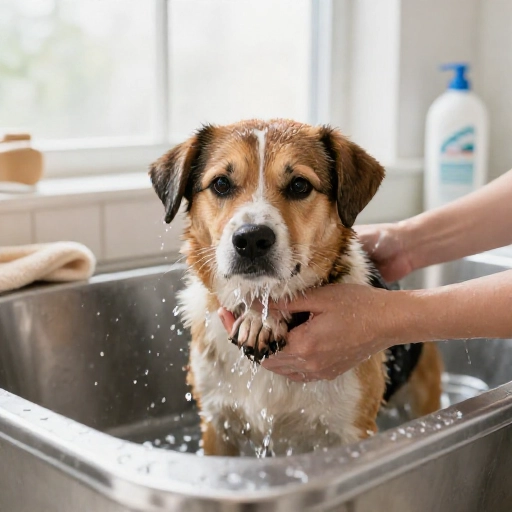
Dogs Who Should Actually Bathe Less
Here’s the part that surprises most people: some dogs do better with fewer baths, not more.
Double-coated breeds like huskies and malamutes have a built-in weather system. Their coat regulates temperature and repels water, and frequent bathing breaks that down. Every 8 to 12 weeks is usually plenty.
Dogs with dry, flaky, or sensitive skin also benefit from longer gaps. If your dog is constantly itchy after bath day, that’s a signal — not a coincidence.
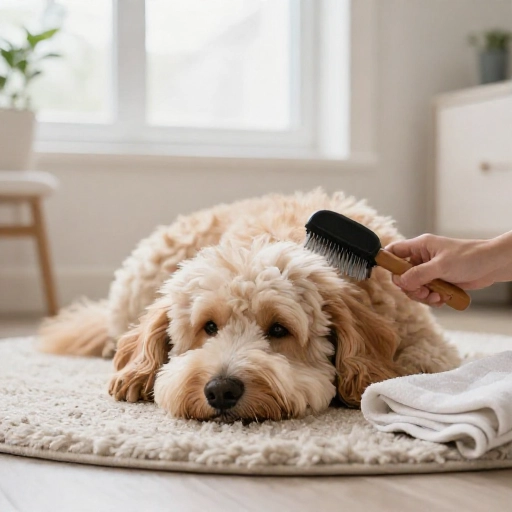
The Sniff Test: How to Know It’s Actually Time
Forget the calendar for a second. Your nose knows.
Give your dog a good sniff at the base of the neck and along the belly. If you catch that distinct “wet dog” or yeasty smell, it’s bath time. If they smell like nothing much, you’ve got time.
A few other green lights: greasy fur when you pet them, visible dirt that brushing won’t lift, dull or flat-looking coat, and scratchy, flaky skin. Any of those means go ahead and run the water.
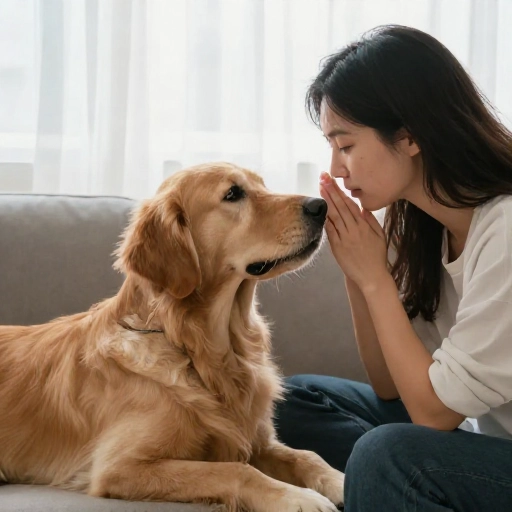
Overbathing Is a Real Problem — Here’s What It Does
I made this mistake with my first dog. Weekly baths, fancy shampoo, thinking I was being a great owner. His skin got dry, flaky, and itchy within a month.
Here’s why: dogs’ skin produces natural oils that protect against bacteria and keep the coat shiny and waterproof. Wash too often and you strip those oils away.
The result is a cycle that looks like this — dry skin, more scratching, more oil production to compensate, then more baths. If your dog’s coat looks dull or their skin is flaky, try stretching the gap instead of shortening it.
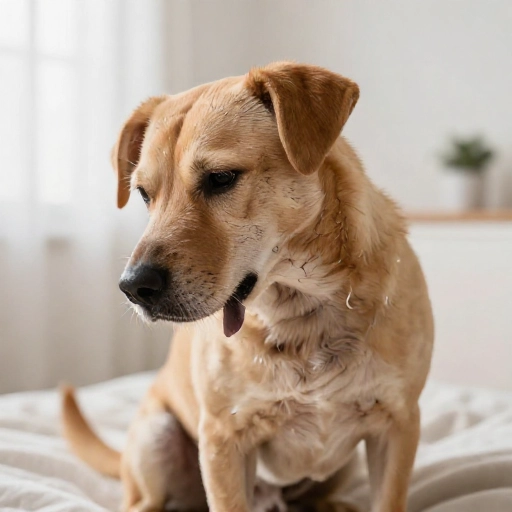
Does the Season Change Anything?
Yes, a little. Summer means more swimming, more hiking, more rolling in grass — so more baths are usually fair game.
Winter is the opposite. Indoor heating dries out skin, and dogs spend more time inside. I stretch bath time by a week or two in colder months and use a moisturizing shampoo when I do bathe.
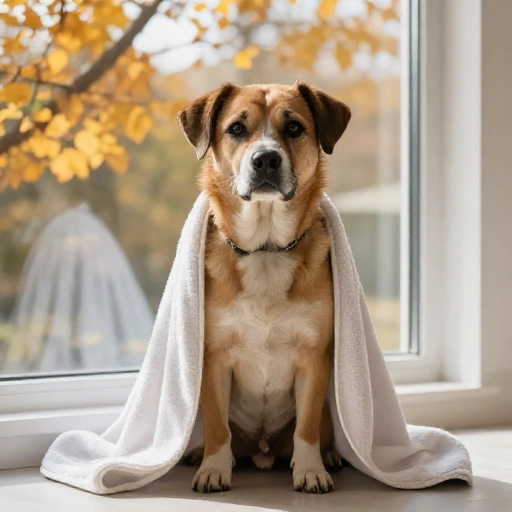
One winter tip: make sure your dog is completely dry before they go outside. A damp coat in cold air is miserable, and it can lead to skin issues.
How to Bathe Your Dog So It Actually Lasts
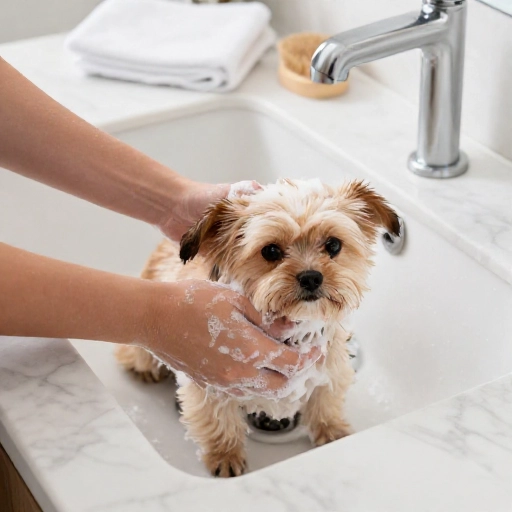
A good bath isn’t just about the shampoo — it’s about technique. Here’s what works for me:
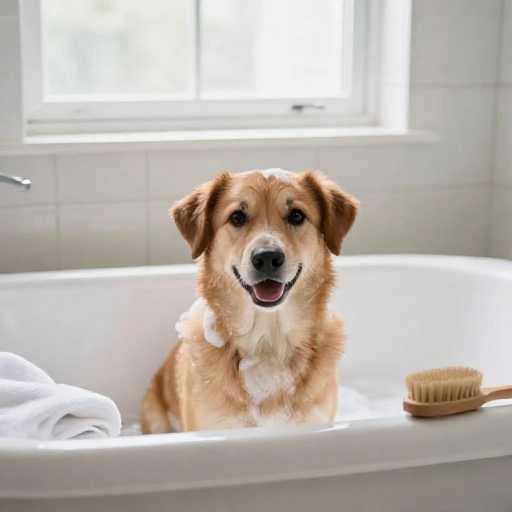
- Brush first. Always. Mats and tangles get ten times worse when wet.
- Use lukewarm water, not hot. Dog skin is more sensitive than ours.
- Dilute the shampoo and work it in with your hands or a rubber brush.
- Rinse, rinse, rinse again. Leftover shampoo causes itching.
- Dry thoroughly with a towel, then a blow dryer on low if they’ll tolerate it.
Skipping the rinse step is the number one reason dogs get itchy after bath day. Don’t rush it.
What About Dry Shampoo, Wipes, and Paw Rinses?
Not every mess needs a full bath. Between wash days, I lean on these shortcuts constantly.
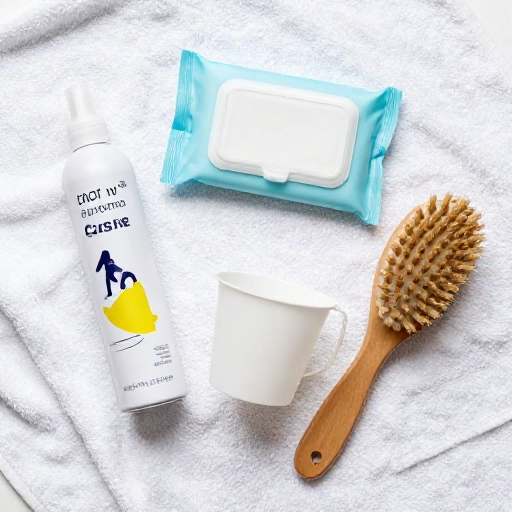
Dog-safe wipes are perfect for muddy paws, drooly faces, and quick freshen-ups. Dry shampoos and foams work well for mild odor, especially on double-coated dogs who shouldn’t get wet often.
Just don’t treat them as a full replacement. Wipes and foams handle surface grime. Real dirt, oil, and allergens need water and shampoo to fully come out.
Final Thoughts
If you take nothing else from this, remember these two numbers: four to six weeks for most dogs, and let the coat, lifestyle, and smell guide you from there.
Your dog doesn’t need a perfect schedule. They need a clean coat, healthy skin, and a bath routine that doesn’t leave them itchy and miserable. When in doubt, go longer rather than shorter — and brush more than you bathe.
Frequently Asked Questions
Can I bathe my dog once a week?
Only if your vet recommends it for a skin condition, or if your dog is regularly swimming or getting filthy. For most healthy dogs, weekly baths dry out the skin and coat.
Is it OK to bathe a puppy?
Puppies can be bathed once they’re at least eight weeks old, using a gentle puppy shampoo. Keep it to every four to six weeks unless they get into something messy.
What if my dog hates baths?
Try a non-slip mat in the tub, lukewarm water, and treats throughout. Some dogs do much better with a handheld sprayer than a full faucet. Go slow and keep sessions short.
Do I need special dog shampoo?
Yes. Human shampoo is too harsh for a dog’s skin pH and can cause irritation. Look for a gentle, dog-specific formula, ideally oatmeal-based for sensitive skin.
How do I get rid of dog smell between baths?
Brush regularly, wash their bedding weekly, use dog wipes on paws and face, and try a dry shampoo or deodorizing spray made for dogs.