10 Big Dog Room and House Ideas That Actually Work for Giant Breeds
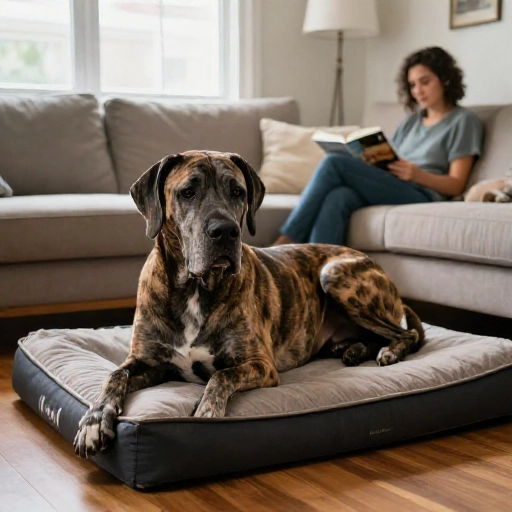
Living with a big dog changes the way you look at your house. Suddenly the coffee table is a hazard, the hallway feels narrow, and that cute little dog bed you bought is basically a pillow for one paw. I learned this the hard way with my 130-pound boy, and I’ve spent the last few years slowly reworking our home around him.
The good news? You don’t need to knock down walls or spend a fortune. Most of the changes that made the biggest difference for us were small, practical, and honestly pretty affordable. A few of them even made the house look better, not worse.
Here are ten ideas I’d recommend to anyone sharing a home with a large or giant breed. Take what fits your space, skip what doesn’t, and adjust as you go.
1. Start With a Mudroom That Can Handle the Mess
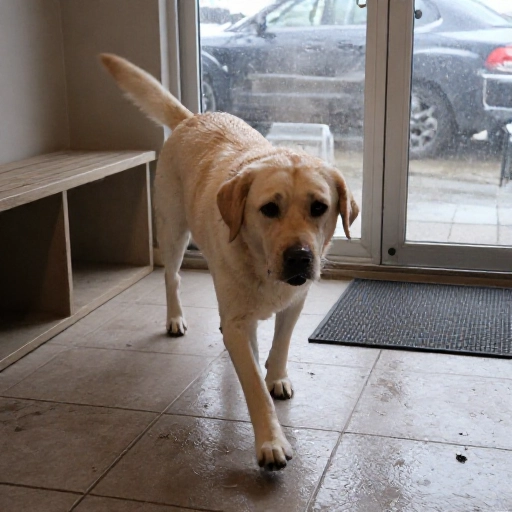
A big dog means big dirt. Paws the size of saucers carry in mud, sand, and mystery debris every single day. If you have any entry space at all, turning it into a proper mudroom zone is the single best upgrade you can make.
I keep a shallow boot tray right at the door, a basket of microfiber towels, and a lidded jar of treats for the “wipe your paws” routine. The treats matter more than you’d think — my dog now stands still for paw wiping because he knows what’s coming.
A few things that helped us:
- A washable runner rug instead of carpet or bare tile
- Wall hooks at two heights, one for leashes and one for towels
- A bench with storage underneath for rainy-day gear
- An open bin for dirty towels so they don’t pile up on the floor
If you don’t have a real mudroom, a two-foot strip of hallway right inside the door works just as well. The key is making cleanup automatic instead of a chore you dread.
2. Give Your Big Dog a Real Living Room Corner
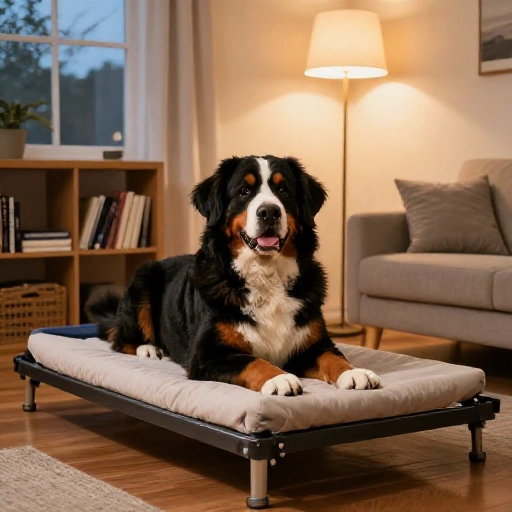
Big dogs want to be where you are. Fighting that is a losing battle, so I stopped trying. Instead of banning mine from the living room, I gave him a corner that’s clearly his — and it solved about half our furniture arguments.
I put an orthopedic bed against a wall where he can still see the front door and the couch. Big dogs love a spot with a view. If the bed slides around on hard floors, a rubber-backed mat underneath stops it cold.
I also added a small side table next to his bed for a water bowl and a few toys. That tiny detail keeps his stuff from spreading across the whole room, which honestly keeps my sanity intact.
3. Turn a Spare Room Into a Full Dog Bedroom
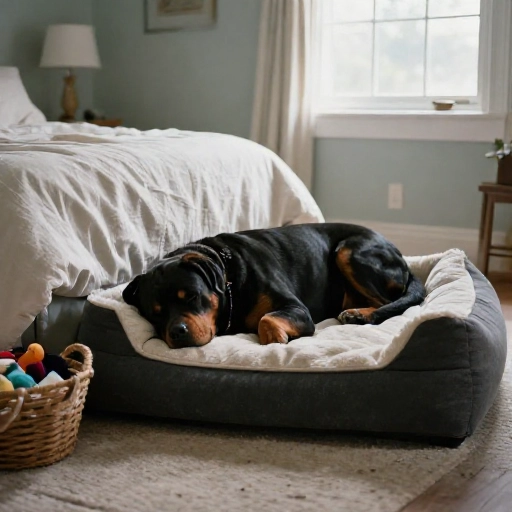
If you’re lucky enough to have an unused room, a dedicated dog bedroom is a game changer. It sounds extravagant, but for a giant breed it’s genuinely practical. They need space to stretch out, turn around, and flop without hitting anything.
Mine has a large bed, a water bowl that can’t tip, a toy bin, and a baby gate at the door instead of a closed door. That gate matters — it lets him feel included while still giving him a quiet place to retreat when the house gets loud.
You don’t need much to make it work. Washable bedding, easy-to-clean floors, and a couple of chew toys are really all it takes. Skip the decorative stuff; it won’t survive.
4. Pick Flooring That Won’t Show Every Scratch
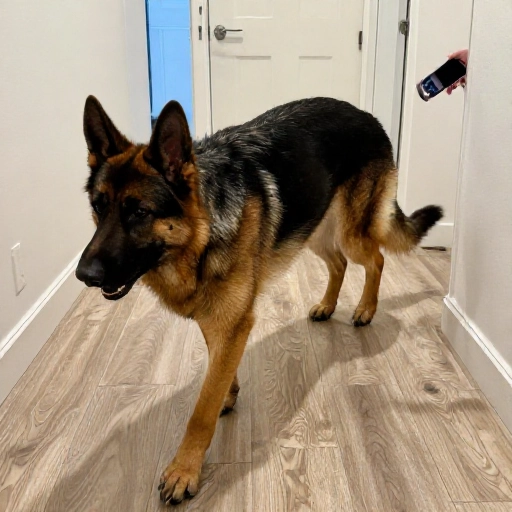
Big dogs and glossy hardwood are not friends. I learned that after about three weeks of sliding paws and new scratches. If you’re choosing flooring, this is worth getting right the first time.
My top picks after living through this:
- Luxury vinyl plank — tough, water-resistant, and forgiving
- Textured or matte finishes, which hide scratches far better than shiny ones
- Low-pile carpet or carpet tiles in the dog’s main hangout spots
- Runners along the paths your dog runs most often
If you’re stuck with slippery floors, rugs and runners fix most of it. They also help older big dogs who struggle with traction. Just make sure whatever you buy has a non-slip backing or a pad underneath.
5. Build a Feeding Station at Their Height
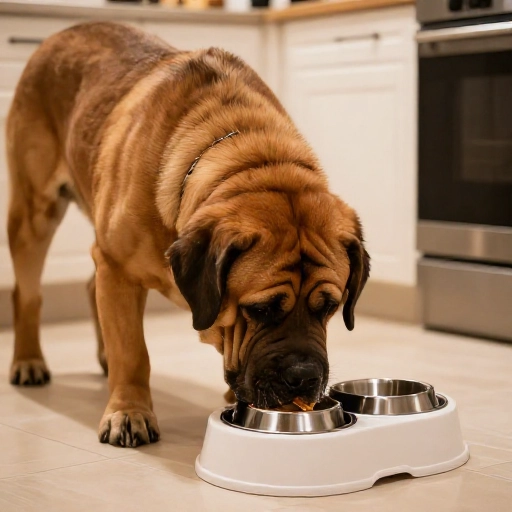
Watching a Great Dane fold itself in half to eat off the floor is a little heartbreaking. Raising the bowls to about shoulder height made a noticeable difference for my dog — he eats slower and seems way more comfortable afterward.
I used a simple wooden stand with two stainless bowls that lift out for washing. Stainless is the way to go with big breeds. It doesn’t hold odors, it doesn’t crack, and it cleans in seconds.
One tip: put the whole station on a waterproof mat with a raised lip. Big dogs drip. A lot. The mat catches the mess so your floor doesn’t have to.
6. Add a Dog Wash Station Indoors or Out
Bathing a large dog in a normal bathtub is a full-body workout. I did it twice before deciding there had to be a better way. A dedicated wash station — even a simple one — saves your back and your bathroom.
If you have a spare corner in a garage or laundry room, a raised tub or shower pan with a handheld sprayer is ideal. Outdoors, a small concrete pad with a hose hookup works just as well in warm weather.
Keeping a caddy with shampoo, a rubber curry brush, and a stack of old towels nearby makes the whole thing fast. Baths go much better when you’re not running around gathering supplies mid-wash.
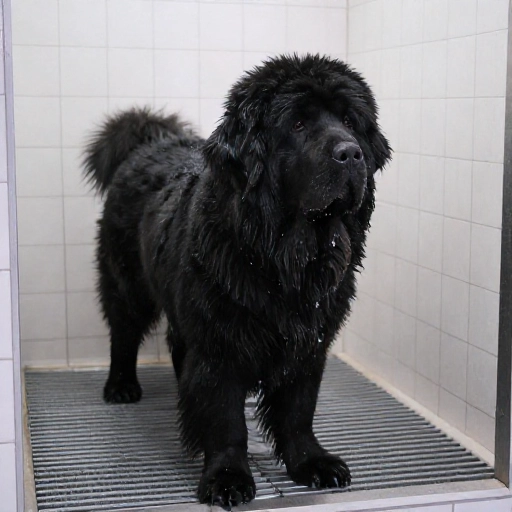
7. Make Stairs and Hallways Safe for Big Bodies
Big dogs take up a lot of hallway. Add a slippery floor and a tight turn, and you’ve got a recipe for slips and bumped hips. This is one of those quiet problems that gets worse as they age.
I added carpet runners down our main hallway and at the top and bottom of the stairs. That alone cut down the scrambling sounds dramatically. Non-slip stair treads are also cheap and easy to install if you have hardwood steps.
Lighting matters too. A night light near the stairs helped my dog navigate at night without hesitation. Small thing, big difference.
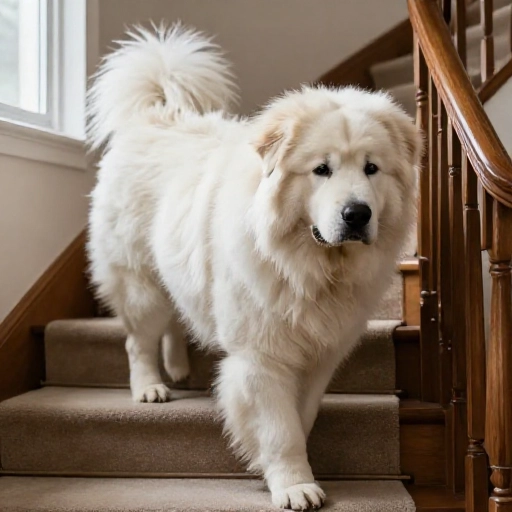
8. Create a Wall for Toys, Leashes, and Gear
Big dog gear takes up serious space. Between the leashes, the harness, the poop bag holders, the brushes, and the dozen toys, it piles up fast. A dedicated wall or closet keeps it from taking over the house.
I mounted a simple rail with hooks and added a few bins at ground level. One bin for toys, one for grooming tools, one for outdoor gear. Everything has a spot, which means I stop tripping over it.
If you want to get fancy, a small pegboard painted to match your wall looks surprisingly good. It also lets you rearrange hooks as your collection grows, which it will.
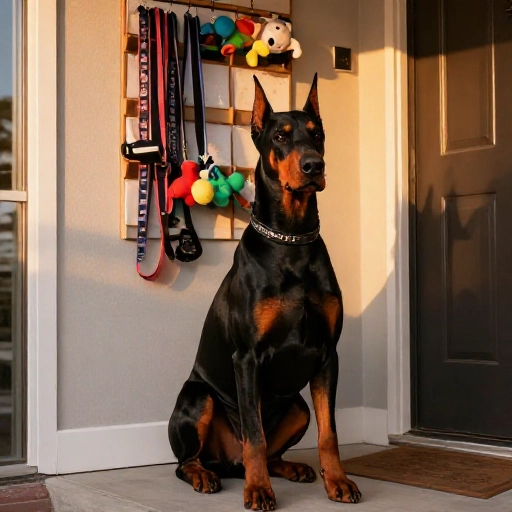
9. Design a Nap Spot Next to Yours
Big dogs are basically Velcro. Mine wants to be in the same room as me at all times, and honestly, I don’t mind. So I built him a nap spot right next to where I work and where I watch TV.
A thick orthopedic bed near my desk means he settles instead of pacing. The key is picking a spot that’s out of the traffic path but still close enough that he feels included.
Adding a small blanket that smells like me helped too. It sounds silly, but he relaxes faster when he has something familiar to curl up with.
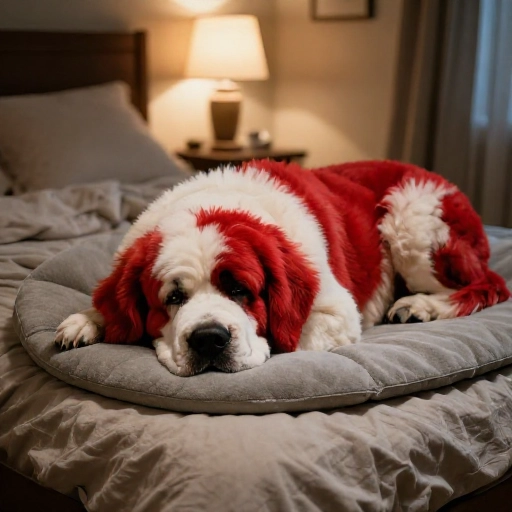
10. Set Up an Easy Potty and Backyard Route
The last thing you want at 6 a.m. is a complicated path to the yard. I cleared a straight route from the back door to the potty spot, added a small light, and made sure the door itself was easy to open with one hand while holding a leash.
If you don’t have a yard, a designated potty spot near the building entrance works. Keeping it consistent helps your dog understand exactly where to go, which speeds up the whole routine.
I also keep a small bin with bags right by the door. It’s a tiny thing, but not having to hunt for a bag at the worst possible moment has saved me more times than I can count.
Wrapping It Up
You don’t have to renovate your whole house to make it work for a big dog. Most of the changes that mattered for us were small — a rug here, a raised bowl there, a better spot for the bed. Together, they turned a house that felt cramped into one that actually works for both of us.
Start with the idea that solves your biggest daily annoyance, and build from there. Your dog will settle in faster, and you’ll spend a lot less time cleaning up after them.
FAQ
How much space does a big dog actually need?
Enough room to stand, turn around, and stretch out fully. A dedicated corner or room helps, but the real key is having clear paths so they aren’t constantly squeezing past furniture.
Are raised bowls really necessary for large breeds?
Not strictly, but many large and giant breeds eat more comfortably with bowls at roughly shoulder height. It also tends to slow down fast eaters, which is generally a good thing.
What’s the best flooring for a house with a big dog?
Luxury vinyl plank is my top pick because it handles scratches and moisture well. If you already have hardwood, rugs and runners go a long way toward preventing slips.
Should I give my dog their own room?
Only if you have the space to spare. A dedicated room is great for giant breeds, but a well-placed bed in a quiet corner works almost as well for most dogs.
How do I stop my big dog from taking over the couch?
Give them a better option nearby. A big, comfortable bed in the same room usually does the trick, especially if you reward them for using it consistently.