How Often Should You Brush, Bathe, and Trim Your Dog? The Ultimate Grooming Schedule for Every Coat
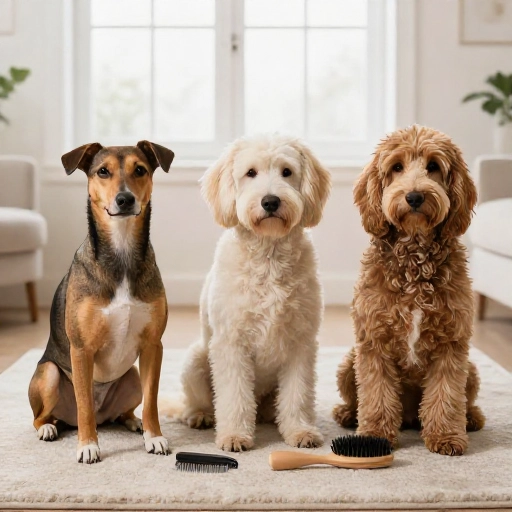
I used to wonder if I was grooming my dog too much or not enough. Every time I saw a shedding tumbleweed roll across my floor, I’d grab the brush. But then I worried I was stripping his natural oils. Sound familiar?
Here’s the truth: there’s no single answer for every dog. Frequency depends on coat type, lifestyle, and even the season. But after years of trial and error (and a few matted messes), I finally landed on a simple schedule that works.
Below, I’m sharing exactly how often to brush, bathe, and trim your dog—broken down by coat type and real-life routines. Use it as your go-to guide, then tweak it for your pup’s unique needs.
The Golden Rule: It Depends on Your Dog’s Coat (But Here’s a Starting Point)
Before you grab the brush or book a bath, look at your dog’s coat. A short-haired boxer has totally different needs than a curly poodle. A double-coated husky? Even more specific.
I always tell friends to think of grooming like skincare: what works for oily skin won’t work for dry skin. Same with fur. Short coats need minimal brushing, while long coats need daily attention.
Here’s my quick cheat sheet to get you started:
- Short coat: Brush once a week, bathe every 6–8 weeks.
- Medium/double coat: Brush 2–3 times a week, bathe every 4–6 weeks.
- Curly/long coat: Brush daily, bathe every 4–6 weeks.
- Hairless or very short: Wipe with a damp cloth weekly, bathe monthly.
Now let’s dive into each area so you can fine-tune your routine.
Brushing Short-Haired Dogs: Once a Week Is Usually Plenty
My beagle mix, Max, has a short, smooth coat. I used to think he needed daily brushing, but his vet laughed and said, “Once a week is fine—unless you want a hobby.”
Short-haired dogs don’t mat easily, but they do shed. A rubber curry brush or a bristle brush once a week removes loose hair and keeps their skin healthy. During heavy shedding season, I bump it up to twice a week.
Bonus: those quick brushing sessions are great for checking for lumps, ticks, or dry patches. I always keep treats nearby so Max thinks it’s a game.
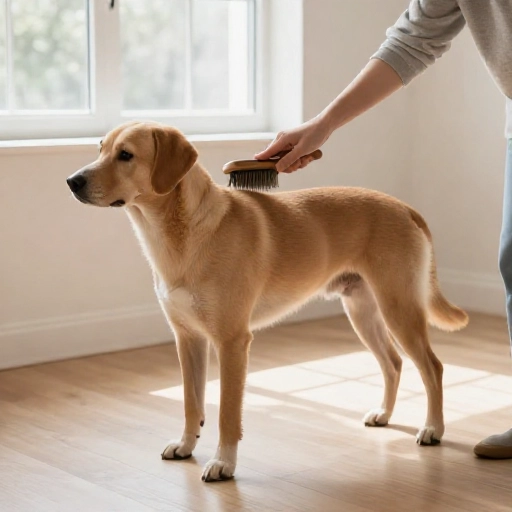
Brushing Medium & Double-Coated Dogs: 2–3 Times a Week (Daily During Shedding Season)
If you have a golden retriever, German shepherd, or husky, you know the struggle. Their undercoat is like a secret fur factory. I learned the hard way that skipping brushing leads to mats and a house that looks like it snowed indoors.
I aim for 2–3 brushing sessions per week with an undercoat rake and a slicker brush. During spring and fall blowouts, I brush daily for about 10 minutes. It sounds like a lot, but it saves me hours of vacuuming later.
Pro tip: brush outside if you can. The birds will thank you for the nesting material.
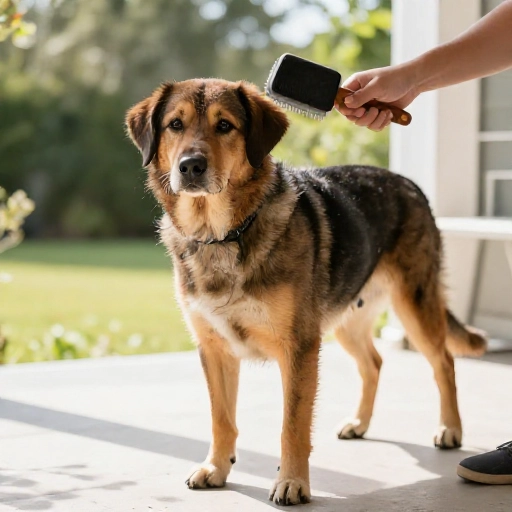
Brushing Curly & Long-Coated Dogs: Daily to Prevent Mats
Poodles, doodles, shih tzus, and Yorkies are adorable—but their coats are high maintenance. I learned this when I skipped two days of brushing on my friend’s doodle. We ended up with a mat so tight we had to cut it out.
For these coats, daily brushing isn’t optional. I use a slicker brush followed by a metal comb to check for hidden tangles. The trick is line brushing: part the fur and brush in layers, all the way to the skin.
Never bathe a matted dog. Water tightens mats like felt. Brush first, then bathe.
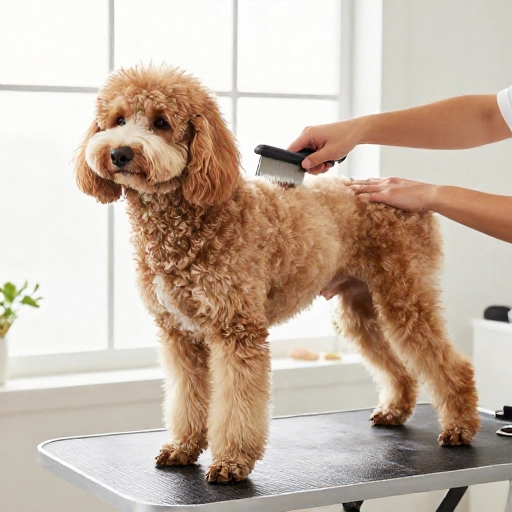
Bathing: How Often Is Too Often? (The 4–6 Week Sweet Spot)
I used to bathe my dog every two weeks because I loved that fresh-dog smell. Then his skin got dry and flaky. Turns out, over-bathing strips natural oils that keep the coat healthy.
For most dogs, every 4–6 weeks is perfect. If your dog has a skin condition or gets seriously dirty, your vet might suggest a different schedule. Always use a dog-specific shampoo—human shampoo is too harsh.
Between baths, I use dog wipes on paws and a damp cloth on the coat. It keeps him fresh without drying him out.
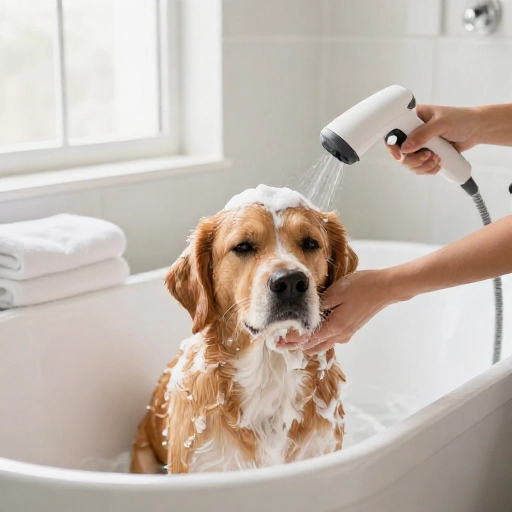
Bathing Schedule by Lifestyle & Coat
Not all dogs get equally dirty. My sister’s lab swims in the lake every weekend, while my neighbor’s chihuahua barely touches grass. Their bath schedules are totally different.
Here’s how I adjust based on lifestyle:
- Active outdoor dogs: Every 3–4 weeks, or after muddy adventures.
- Indoor couch potatoes: Every 6–8 weeks.
- Double-coated breeds: Every 6–8 weeks unless they roll in something smelly.
- Dogs with skin allergies: Follow your vet’s advice—often every 1–2 weeks with medicated shampoo.
When in doubt, smell test. If your dog smells like a corn chip, it’s probably time.
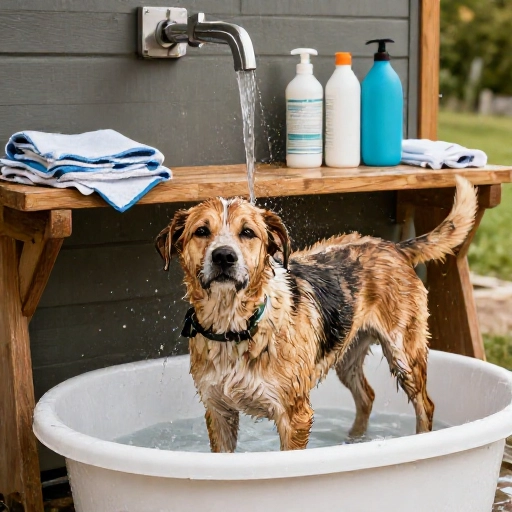
Trimming Nails: Every 3–4 Weeks (The Click-Clack Test)
I’ll be honest: I used to avoid nail trims because I was scared of cutting the quick. But long nails can cause paw pain and even joint issues. Now I’m consistent.
The rule I follow: if I hear click-clack on the floor, nails are too long. I trim every 3–4 weeks. A grinder works great if your dog hates clippers. Just take off tiny slivers at a time.
If you’re nervous, ask a groomer or vet to show you once. Then practice with treats. Your dog’s paws will thank you.
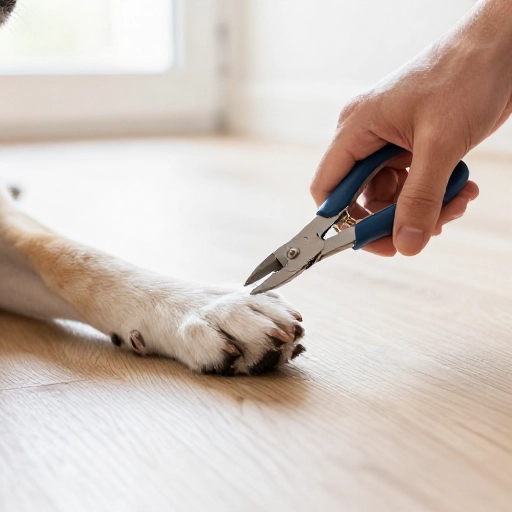
Trimming Hair: Every 6–8 Weeks for Haircuts (Paws & Sanitary More Often)
For breeds that grow hair continuously—like poodles, schnauzers, and doodles—a professional haircut every 6–8 weeks keeps them comfortable and mat-free. I schedule it like a dental appointment.
Between grooms, I trim the sanitary area and paw pads every 2–4 weeks. Long fur there collects dirt and ice balls in winter. I use blunt-tipped scissors and a small clipper.
If you’re not confident, just do a little at a time. It’s better to be slow than to poke your pup.
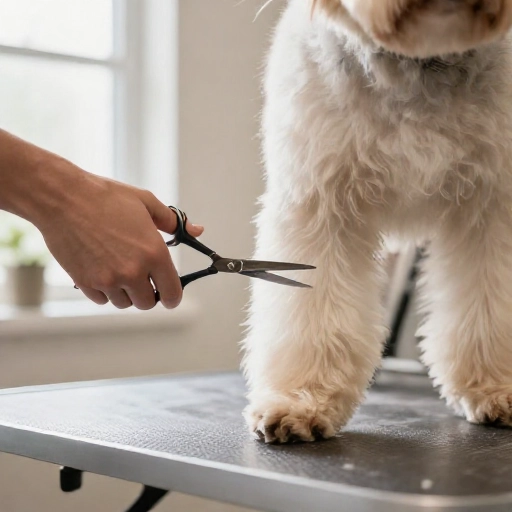
Trimming Ears & Other Spot Treatments
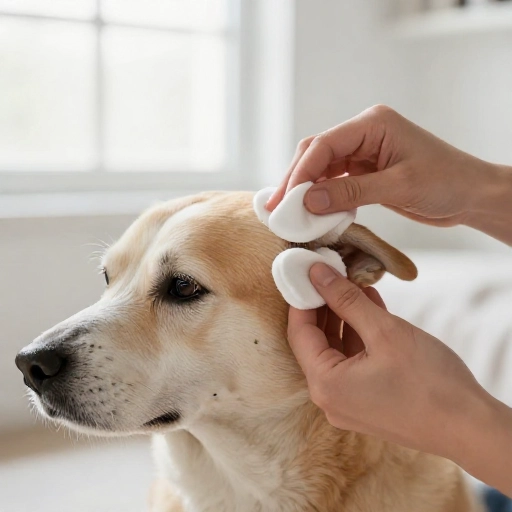
Some dogs, especially poodles and terriers, grow hair inside their ear canals. That can trap moisture and lead to infections. I check my dog’s ears weekly and trim or pluck only if my vet says it’s needed.
I also trim around the eyes for long-haired breeds so fur doesn’t poke their eyeballs. Use blunt scissors and keep your hand between the scissors and the eye. Never use sharp points near the face.
If you see redness, discharge, or a bad smell, skip the trim and call your vet.
Putting It All Together: My Weekly, Monthly, and Seasonal Grooming Calendar
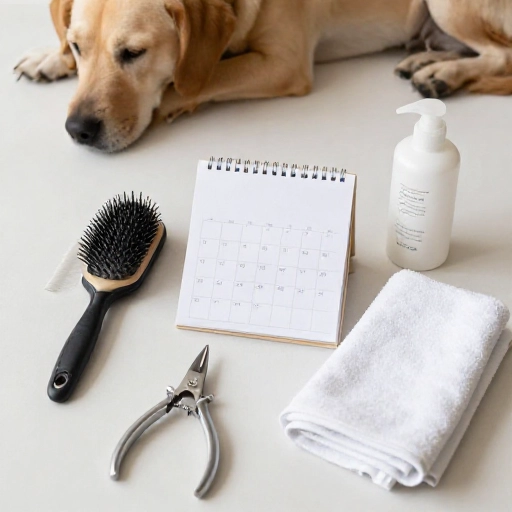
After years of guessing, I finally made a simple calendar. It hangs on my fridge, and it keeps me from forgetting anything important.
Here’s what works for my medium-coated dog:
- Weekly: Brush 2–3 times, check ears, wipe paws, quick teeth brush.
- Every 3–4 weeks: Trim nails, trim sanitary area.
- Every 4–6 weeks: Bath, deep brush-out.
- Every 6–8 weeks: Professional haircut (if needed).
- Seasonal: Daily de-shedding during blowouts, paw balm in winter.
Adjust for your dog’s coat and lifestyle. The best schedule is the one you’ll actually stick to.
Conclusion: Your Dog’s Grooming Schedule Is a Moving Target
Grooming isn’t a one-time checklist. It changes with the seasons, your dog’s age, and even your lifestyle. The key is to pay attention: run your hands over your dog’s coat, check their nails, and notice if they’re itching or smelling.
Start with the guidelines above, then adjust. A little consistency goes a long way. And honestly? Those brushing sessions have become my favorite bonding time with my pup.
Frequently Asked Questions
1. Can I bathe my dog every week?
Unless your vet recommends it for a skin condition, weekly baths can dry out your dog’s skin. Stick to every 4–6 weeks for most dogs.
2. What if my dog hates being brushed?
Start with short sessions and lots of treats. Use a soft brush first. If mats are painful, see a professional groomer—don’t force it.
3. Do short-haired dogs need haircuts?
Usually no. But they may need sanitary trims and paw pad trims to keep things clean and comfortable.
4. How do I know if my dog’s nails are too long?
If you hear clicking on hard floors, they’re too long. Nails should not touch the ground when your dog stands.
5. Is it okay to use human shampoo on my dog?
No. Human shampoo has a different pH and can irritate your dog’s skin. Always use a dog-specific shampoo.