10 Outside Dog Fence Ideas for Every Home (That Actually Work)
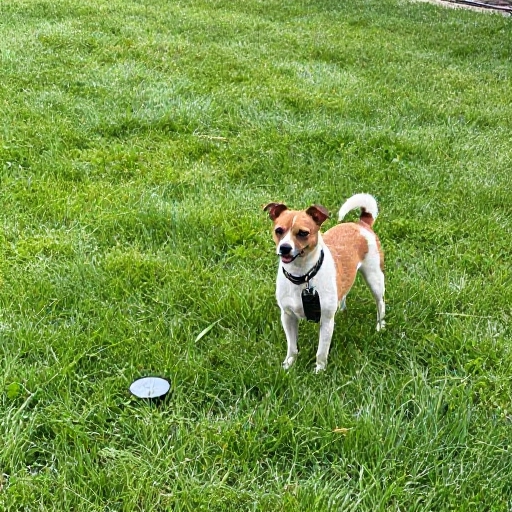
Let’s be real—keeping your dog safe in the yard while still having a beautiful outdoor space can feel impossible. I’ve tried flimsy fences that my dog could jump over and expensive ones that ruined my view. After a lot of trial and error (and a few escapes), I found some outside dog fence ideas that actually work for different homes, budgets, and dog personalities.
Whether you live in a tiny rental, a sprawling farm, or a suburban neighborhood, there is a fence solution that will let your pup roam free and keep your garden looking great. Here are ten practical ideas I wish I had known from day one.
1. The Invisible Wireless Fence for Open Yards
If you have a big, open property and hate the look of physical fences, a wireless underground fence might be your best bet. I use this in my own backyard because it doesn’t block the view of my flower beds. The dog wears a collar that beeps when they get too close to the boundary line.
It’s perfect for dogs that already know basic commands. You can adjust the correction level, and most systems let you set a circular or custom-shaped boundary. Just remember: this isn’t a fence that keeps other animals out.
You’ll need to bury the wire about an inch deep, or use the wireless version that works off a central transmitter. It takes about two weeks for most dogs to learn the boundary.
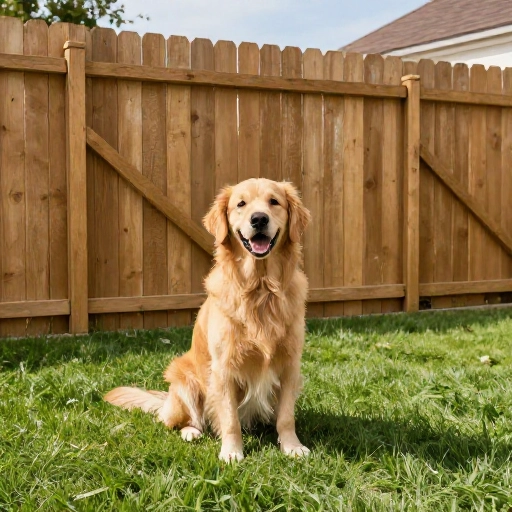
2. The Classic Wood Privacy Fence with a Twist
Wood fences are timeless, but they can be boring. I added a little personality by painting the top boards a different color and planting climbing vines along the base. This keeps the yard private for my dog and adds charm to the whole property.
Make sure the wood is treated to withstand rain and sun. For diggers, I buried the bottom of the fence a few inches into the ground and added a small trench filled with rocks. No more escape tunnels!
You can also go for a semi-private style with spaced boards, which lets your dog see through but still contains them. It’s a great way to keep your pup calm while letting them watch the neighborhood squirrels.
3. The Affordable Chicken Wire Upgrade
You don’t need a fortune to contain your dog. A simple chicken wire fence attached to existing posts or garden stakes works wonders. I used this at my old rental house because I couldn’t dig or install anything permanent.
Just roll out the wire and secure it with zip ties or staples. It’s light, easy to move, and cheap to replace if it gets damaged. For small to medium dogs, it’s a lifesaver.
To make it look better, plant a row of tall flowers or shrubs along the inside. The wire disappears behind the greenery, and your dog stays safe.
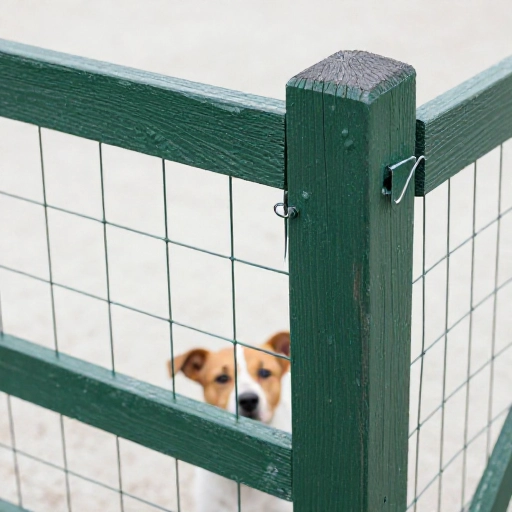
4. The Metal Panel Fence for Strong Jumpers
If you have a dog that thinks fences are just suggestions (I see you, husky owners), go with metal panels. These are the same panels you see at farm supply stores. They are tall, sturdy, and nearly impossible to climb.
I installed a set of these around my vegetable garden to keep my dog out. They come in heights up to six feet, and you can connect them with simple clips. No digging, no cement, just solid containment.
These panels also let light and air through, so your yard doesn’t feel like a prison. And they’re easy to take apart if you ever need to move them.
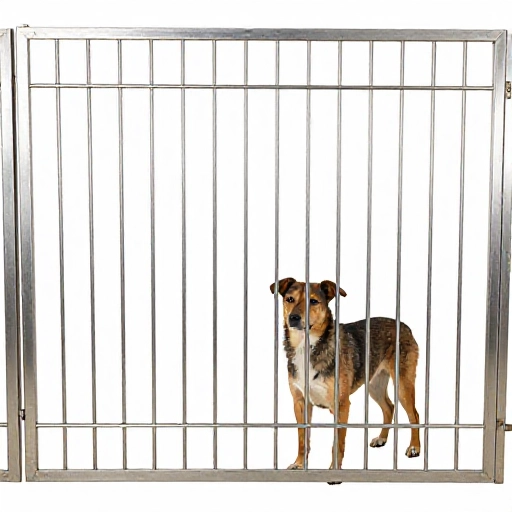
5. The Natural Hedge Fence for a Green Look
Want a fence that blends into your garden? Plant a dense hedge of shrubs like boxwood, privet, or arborvitae. It takes a little patience for them to grow, but once they fill in, you have a living fence that’s beautiful and dog-proof.
I used a mix of evergreen and flowering shrubs to create a barrier that’s thick enough that my dog can’t push through. The bonus? It attracts birds and butterflies.
Just make sure the plants are non-toxic to dogs. Some common hedge plants, like yew, are dangerous. Stick with safe options like hawthorn or viburnum.
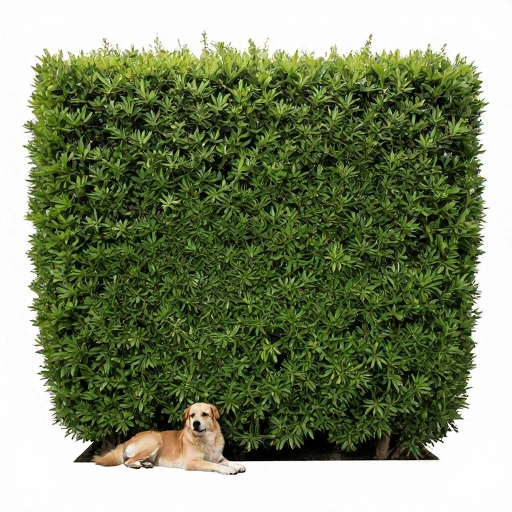
6. The Portable Exercise Pen for Renters
If you rent and can’t install a permanent fence, a large wire exercise pen is your best friend. These fold flat for storage but can create a large, secure area in your yard. I used one when I lived in an apartment with a tiny patio.
They come in various heights and can be shaped into a circle, square, or long run. Most have a door, so you can easily let your dog in and out. They’re also great for keeping your dog away from specific areas like a pool or grill.
You can anchor them with stakes or heavy pots. When you move, just fold it up and take it with you. No landlord drama.
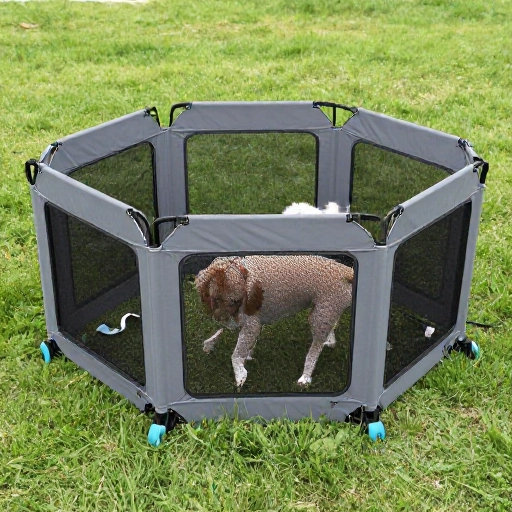
7. The PVC and Wire Combo for Low Maintenance
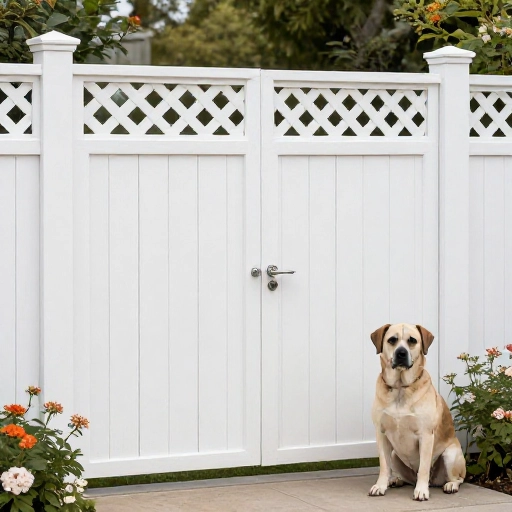
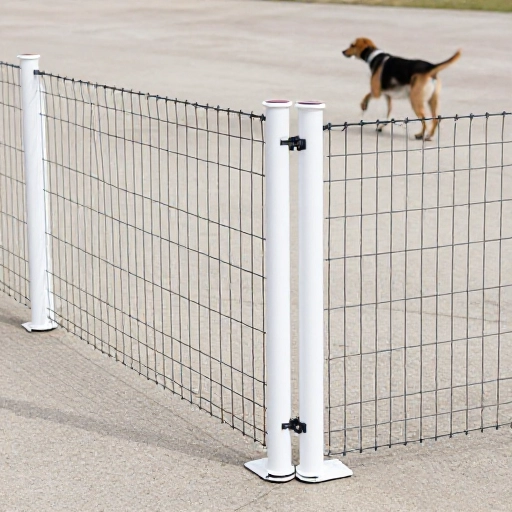
PVC fencing is lightweight, never rots, and cleans up with a hose. We combined PVC posts with a welded wire mesh for a fence that looks neat and lasts forever. The white PVC gives it a clean, modern look that matches any house.
It’s easy to install yourself—just set the posts in concrete and stretch the wire between them. The mesh is small enough to keep puppies in and predators out.
This combo is also great if you have a dog that likes to lean on the fence. The PVC posts are strong and won’t sag over time.
8. The Split Rail Fence with a Wire Backing
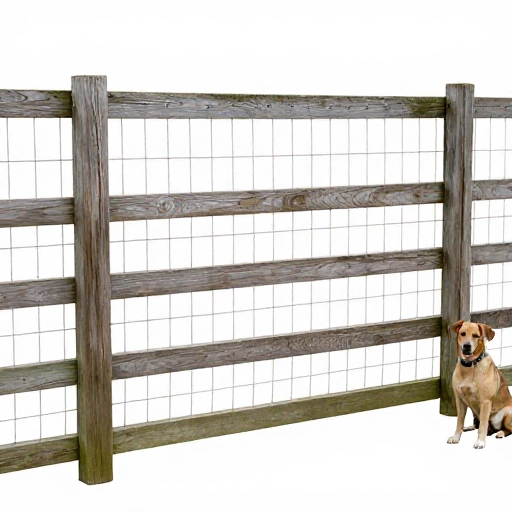
For a rustic, farmhouse look, split rail fences are charming. But they have huge gaps that any dog can slip through. The fix is simple: attach a roll of welded wire or hardware cloth to the back of the rails.
I did this around my back property line, and it looks like a real ranch fence. The wood rails are decorative, and the wire does the actual containing. It’s also very budget-friendly.
Make sure the wire is attached tightly and goes all the way to the ground. For diggers, add a buried wire apron along the bottom.
9. The Electric Fence for Stubborn Escape Artists
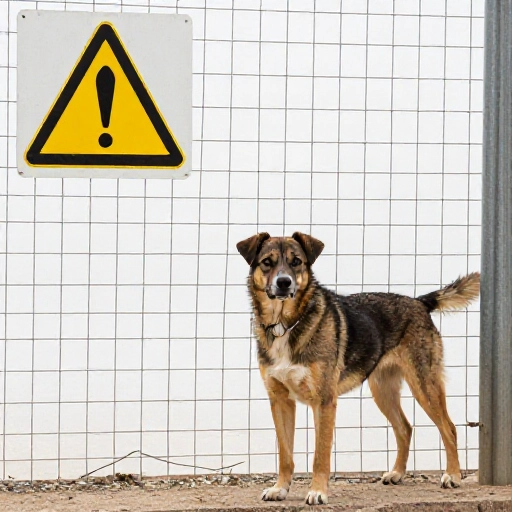
I know this sounds intense, but sometimes a mild electric fence is the only thing that works. I used a solar-powered electric tape system around my garden to keep my dog from digging under the main fence. It’s not cruel—it just gives a small static shock that teaches them to stay away.
You can run a single strand of tape or wire along the top or bottom of your existing fence. Most kits come with a battery or solar panel, so no wiring needed.
This is especially useful if you have a fence that’s otherwise secure but your dog keeps finding small gaps. Just be sure to train them properly with flags and warnings first.
10. The Recycled Pallet Fence for DIY Lovers
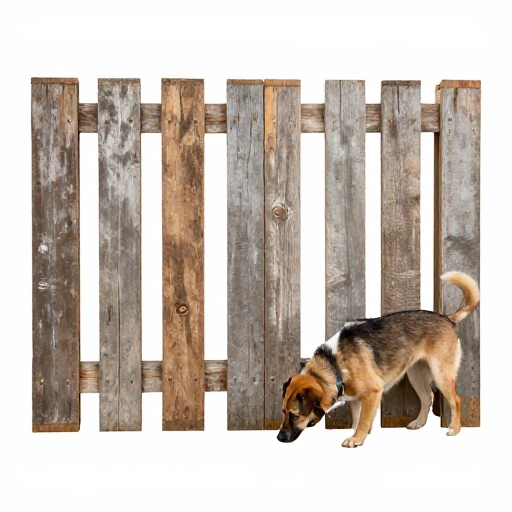
If you love a good weekend project, pallet fences are cheap and customizable. I built one from free pallets I found at a local store. I took them apart, sanded them down, and arranged the boards horizontally with small gaps between them.
It’s not the most permanent fence, but it works well for small yards and calm dogs. You can stain or paint the wood to match your home. The best part? It cost me less than fifty dollars.
Make sure the pallets are heat-treated (stamped with HT) and not chemically treated. And reinforce the corners with extra screws for stability.
Choosing the right fence for your dog comes down to your yard size, your dog’s personality, and your budget. I’ve used several of these ideas myself, and the key is to match the fence to your specific situation. A hyper jumper needs a different solution than a relaxed digger. Don’t be afraid to mix and match—like combining a wooden fence with a buried wire barrier. Your dog will be safe, your yard will look great, and you’ll finally be able to relax outside without worrying.
Frequently Asked Questions
1. What is the cheapest outside dog fence option?
Chicken wire attached to existing posts is usually the cheapest. You can also find free pallets for a DIY project. Both cost under $50 for a small yard.
2. How tall should a fence be for a large dog?
For most large dogs, a fence of at least 5 to 6 feet is recommended. Some breeds like Great Danes or huskies may need 6 feet or more to prevent jumping.
3. Can I use a wireless fence if my dog is stubborn?
Yes, but stubborn dogs need proper training. Use flags to mark the boundary and walk them on a leash for several days before letting them off. Some dogs take longer to learn.
4. How do I stop my dog from digging under the fence?
Bury the bottom of the fence a few inches deep, or lay a strip of welded wire flat on the ground along the fence line. You can also place large rocks or paving stones at the base.
5. Are invisible fences safe for all dogs?
Invisible fences are safe for most healthy adult dogs. They are not recommended for puppies, very young dogs, or dogs with medical conditions like epilepsy. Always supervise your dog during training.