How to Make Gravy for Cats (Safe & Simple Guide)
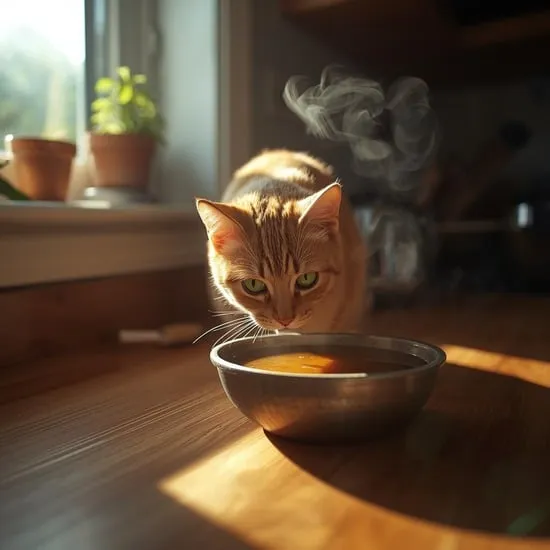
The first time my cat refused her food, I panicked. She sniffed, turned away, and looked at me like I’d personally offended her. That’s when I learned the power of gravy. Learning how to make gravy for cats wasn’t about spoiling her—it was about helping her eat, hydrate, and feel comforted.
Gravy can be a lifesaver for picky eaters, senior cats, or cats recovering from illness. When made correctly, it adds moisture, aroma, and flavor without harmful ingredients.
Why Cats Love Gravy So Much
Cats are drawn to smell and texture more than anything. Gravy enhances both. Understanding how to make gravy for cats starts with knowing that cats are obligate carnivores who crave savory, meat-based flavors.
Gravy can also increase water intake, which is especially helpful for cats prone to urinary or kidney issues.
Is Gravy Safe for Cats?
Yes—when it’s made specifically for cats. Human gravy often contains onions, garlic, salt, and thickeners that are toxic to cats. That’s why learning how to make gravy for cats safely is so important.
LSI-related ideas like cat-safe gravy, homemade cat food toppers, and boosting cat appetite all point to one rule: simple ingredients only.
Ingredients You Can Safely Use
After research and vet advice, I stick to just a few trusted ingredients:
Safe options include:
– Plain chicken or turkey (boiled, no seasoning)
– Unsalted bone broth made for pets
– Water from cooking meat
– A small amount of gelatin or cornstarch (optional, very diluted)
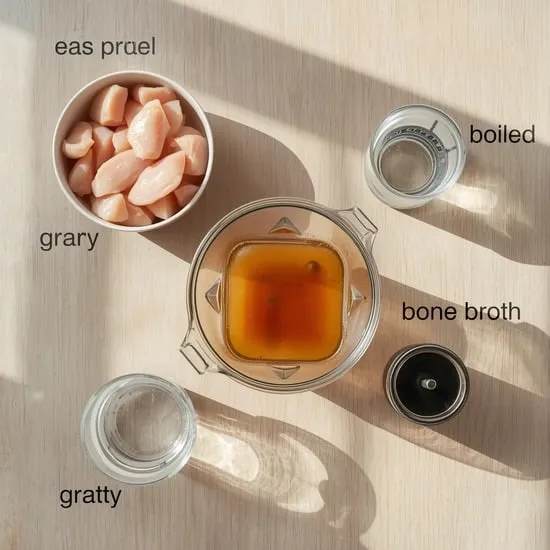
Avoid onions, garlic, salt, dairy, flour, and spices at all costs.
How to Make Gravy for Cats: Step-by-Step
This is the method I use regularly, and it’s never failed me.
Step 1: Boil plain chicken or turkey in water. No seasoning.
Step 2: Remove the meat and save the cooking liquid.
Step 3: Shred a small amount of meat and blend it with the liquid until smooth.
Step 4: Warm slightly before serving (never hot).
This simple method is the foundation of how to make gravy for cats without risking their health.
How Thick Should Cat Gravy Be?
Cat gravy should be thin and pourable, not thick like human gravy. Think soup, not sauce. Too thick can be hard to digest.
When learning how to make gravy for cats, texture matters just as much as ingredients.
How to Serve Gravy to Your Cat
I usually spoon a small amount over regular food or serve it as a topper. Sometimes I offer it alone when my cat isn’t eating solids.
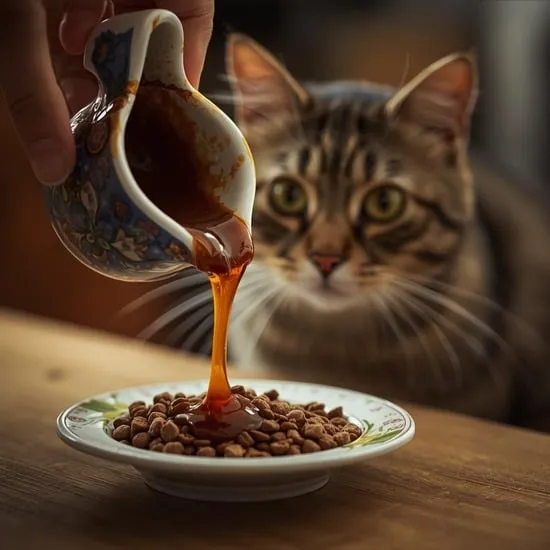
Start with small portions and observe how your cat reacts.
How Often Can Cats Have Gravy?
Gravy should be a supplement, not a full meal. I use it once daily or a few times a week, depending on my cat’s needs.
Overusing gravy can cause cats to refuse regular food, so moderation is key when practicing how to make gravy for cats.
Gravy for Sick, Senior, or Picky Cats
For sick or elderly cats, gravy can be incredibly comforting. The smell alone can stimulate appetite.
For picky cats, gravy can ease transitions to new food or medication. Understanding how to make gravy for cats gave me a gentle tool instead of force.
Storage and Safety Tips
I store homemade gravy in the refrigerator for up to 48 hours or freeze it in small portions.
Always discard leftovers that smell off or look cloudy.
When to Talk to a Vet
If your cat suddenly stops eating or needs gravy to eat at all, consult a vet. Gravy helps—but it shouldn’t mask serious issues.
Learning how to make gravy for cats taught me something deeper than a recipe. It taught me how small acts of care—warmth, patience, and attention—can completely change how a cat feels.
Sometimes love looks like a warm bowl, a gentle smell, and meeting your cat exactly where they are.