How to Pet a Cat the Right Way (Without Stress)
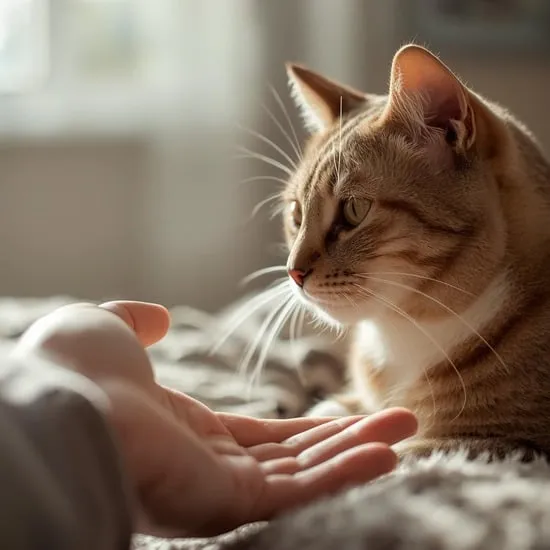
The first time I tried to pet a cat, I thought it was simple. Reach out, scratch the head, done. Instead, I was met with a flicking tail and a sharp look that clearly said, “Not like that.” That moment taught me something important: learning how to pet a cat isn’t about technique alone — it’s about respect, timing, and listening.
Cats aren’t small dogs. They’re sensitive, expressive, and deeply aware of how they’re touched. Once I slowed down and paid attention, petting became a way to build trust instead of breaking it.
Why Knowing How to Pet a Cat Matters
Petting is one of the main ways we communicate affection to cats. But when it’s done incorrectly, it can cause stress, overstimulation, or fear. Understanding how to pet a cat helps create safety instead of confusion.
When a cat feels safe during touch, they relax. When they don’t, they shut down or lash out. The difference often comes down to awareness.
Always Let the Cat Choose First
This was the biggest shift for me. Instead of reaching for a cat, I started letting the cat come to me. A slow approach, a still hand, and patience go a long way.
Learning how to pet a cat starts with consent. If a cat rubs against you, sits nearby, or head-butts your hand, those are invitations.
Best Places to Pet a Cat
Most cats enjoy being petted on the head, cheeks, chin, and along the base of the ears. These areas have scent glands and usually feel comforting.
When I focused on these spots while learning how to pet a cat, I noticed more purring, slow blinking, and relaxed posture.
Places to Avoid (At Least at First)
Belly, paws, tail, and lower back are sensitive areas for many cats. Some cats enjoy belly rubs — most don’t. I learned the hard way that guessing here often leads to overstimulation.
Part of understanding how to pet a cat is knowing when not to touch.
Read Cat Body Language While Petting
Cats constantly communicate through their bodies. A relaxed tail, soft eyes, and leaning into your hand mean things are going well. A twitching tail, flattened ears, or sudden tension mean it’s time to stop.
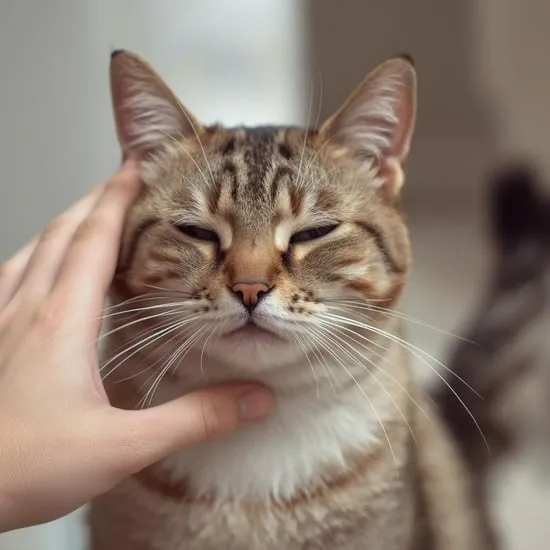
When I started watching body language instead of focusing on my hand, petting became a shared experience instead of a guessing game.
Use Gentle, Slow Movements
Fast or rough motions can overwhelm a cat. I learned to move slowly, keep my hand relaxed, and pet in short strokes.
Mastering how to pet a cat means matching their calm energy, not forcing your own.
Know When to Stop
One of the most loving things you can do is stop before a cat gets overstimulated. I used to think more petting meant more love. Now I know better.
Ending on a positive note builds trust and makes future interactions easier. This lesson is central to learning how to pet a cat respectfully.
Every Cat Is Different
Some cats love constant affection. Others prefer brief, quiet moments. Personality, past experiences, and mood all matter.
There’s no single rulebook for how to pet a cat. There’s only observation and adaptation.
Helping Shy or Nervous Cats Feel Safe
With shy cats, I learned to sit nearby without touching at all. Letting them get used to my presence was more powerful than any petting attempt.
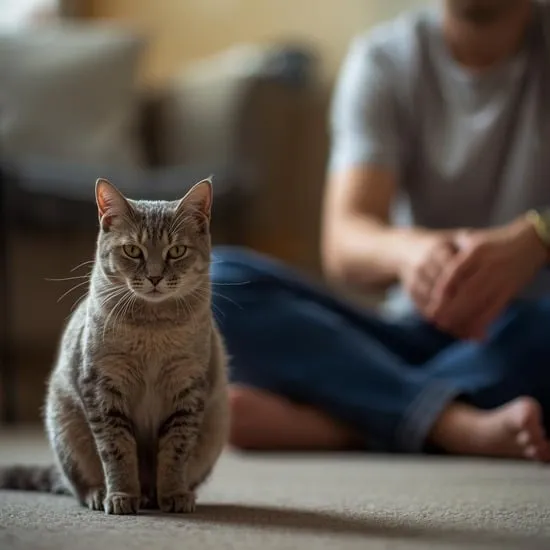
Over time, curiosity replaced fear. When they finally asked for touch, it meant everything.
LSI Tips That Support Better Petting
Understanding feline body language, cat comfort zones, petting overstimulation, and building trust with cats all connect to this topic. They aren’t separate ideas — they’re parts of the same relationship.
Petting as a Form of Emotional Bonding
When done right, petting isn’t just physical contact. It’s reassurance. It’s saying, “I see you. I respect you.”
Learning how to pet a cat taught me patience, empathy, and how powerful quiet connection can be.
If you’re unsure whether you’re doing it right, watch the cat — not your hand. They’ll always tell you what they need if you’re willing to listen.
In the end, the best way to pet a cat isn’t about perfect technique. It’s about presence, kindness, and letting trust grow at the cat’s pace.