Rare Cat Breeds and Their Unique Features Guide
Rare Cat Breeds and Their Unique Features: Why I Was Curious
I have always been fascinated by rare cat breeds and their unique features because they feel almost magical.
While most people know common breeds, I wanted to explore something different.
There is something exciting about discovering a cat few people have seen.
Unique coat patterns, unusual ears, and rare body structures caught my attention.
I started researching rare cat breeds and their unique features late at night.
Each breed felt like its own little world.
Some had curly coats while others had almost no fur at all.
Learning about their origins made the journey even more interesting.
Many of these breeds developed through natural mutations.
Others were carefully bred to preserve rare characteristics.
Their stories made them even more special to me.
As I continued exploring rare cat breeds and their unique features, I realized rarity does not mean better or worse.
It simply means less common and often more specialized.
Some rare breeds require specific care routines.
Understanding temperament and health concerns is important.
Unique appearance sometimes comes with unique needs.
I made sure to read about responsible breeding practices.
Ethical sourcing matters deeply when choosing rare pets.
Not every rare breed suits every lifestyle.
Research helped me separate beauty from practicality.
Knowledge gave me realistic expectations.
That balance made the exploration meaningful.
Exotic Coats and Unusual Physical Traits
One of the most fascinating parts of rare cat breeds and their unique features is their physical appearance.
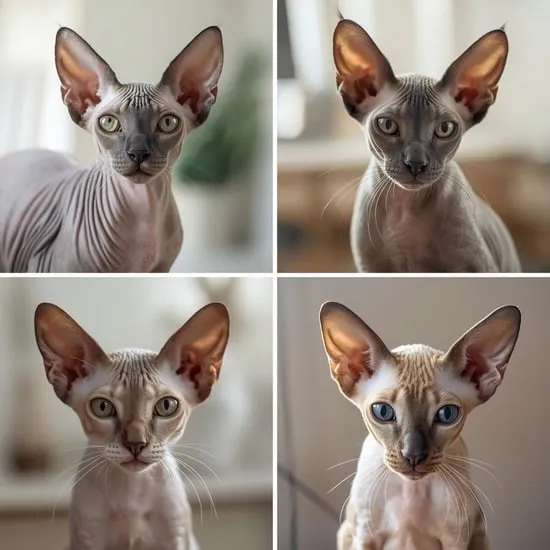
The Sphynx is almost hairless with soft, warm skin.
The Devon Rex has a curly coat and large expressive ears.
The Scottish Fold is known for its folded ears and sweet expression.
The Lykoi, often called the werewolf cat, has a patchy coat.
The Peterbald also stands out with its elegant, hairless body.
These breeds look completely different from traditional cats.
Their unusual traits often come from genetic mutations.
Some features are natural while others are selectively bred.
Understanding these traits helps prepare for proper care.
Each rare breed carries a distinctive charm.
While learning about rare cat breeds and their unique features, I discovered that coat types affect grooming needs.
Hairless cats require regular skin cleaning.
Curly-coated breeds need gentle brushing.
Some rare breeds are sensitive to temperature changes.
Protective clothing may be needed in colder climates.
Unusual ear shapes sometimes require extra cleaning.
Physical differences often mean specific maintenance routines.
It is important to understand long-term responsibilities.
Unique beauty comes with thoughtful care.
Preparation prevents unexpected challenges.
Awareness builds confidence.
Rare Personalities and Temperament Traits
Beyond appearance, rare cat breeds and their unique features also include personality differences.
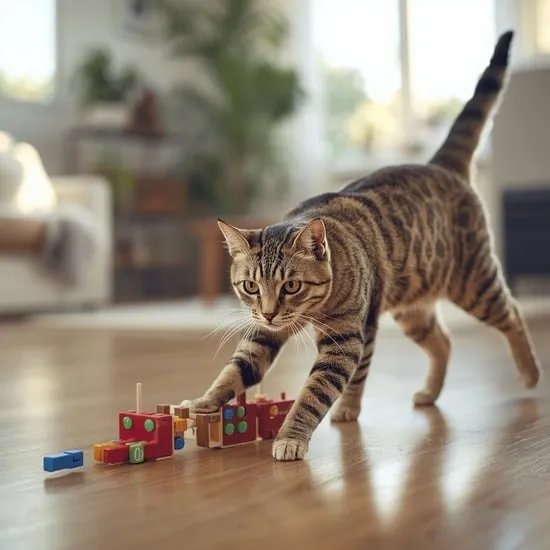
The Bengal is energetic and highly intelligent.
The Egyptian Mau is known for its speed and alert nature.
The Korat forms deep bonds with its owner.
Some rare breeds are very social and vocal.
Others prefer calm and quiet environments.
Temperament often reflects the breed’s origin.
Active breeds require more enrichment and stimulation.
Matching personality with lifestyle prevents stress.
Rare does not always mean difficult.
Understanding temperament creates harmony.
While researching rare cat breeds and their unique features, I noticed many rare breeds are highly interactive.
They enjoy puzzle toys and mental challenges.
Some thrive in households with lots of attention.
Others do best with experienced cat owners.
Early socialization shapes behavior positively.
Routine and structure help them feel secure.
Unique personalities require patient understanding.
Training through positive reinforcement works best.
Each breed has its own emotional rhythm.
Learning those nuances deepened my respect.
Connection grows with knowledge.
Are Rare Cat Breeds Right for You?
After diving into rare cat breeds and their unique features, I realized rarity alone should not guide adoption.
Lifestyle compatibility matters more than exclusivity.
Some rare breeds have higher purchase costs.
Veterinary care may also be specialized.
Responsible ownership means planning for long-term care.
Unique breeds sometimes need experienced handlers.
Researching breeder reputation is essential.
Adoption from reputable sources ensures ethical practices.
Commitment should always outweigh aesthetics.
Choosing thoughtfully protects both owner and pet.
Preparation builds responsible decisions.
Looking back, learning about rare cat breeds and their unique features expanded my appreciation for feline diversity.
Each rare breed tells a fascinating story.
Their unusual traits highlight nature’s creativity.
But every cat, rare or common, deserves love.
Size, coat, or rarity does not define companionship.
Understanding responsibilities brings clarity.
Rare breeds can be wonderful for the right home.
Education empowers better choices.
Passion combined with research creates balance.
Exploration should always include responsibility.
And that awareness makes the journey worthwhile.