Should Cats Eat Grain Free? Let’s Talk About It
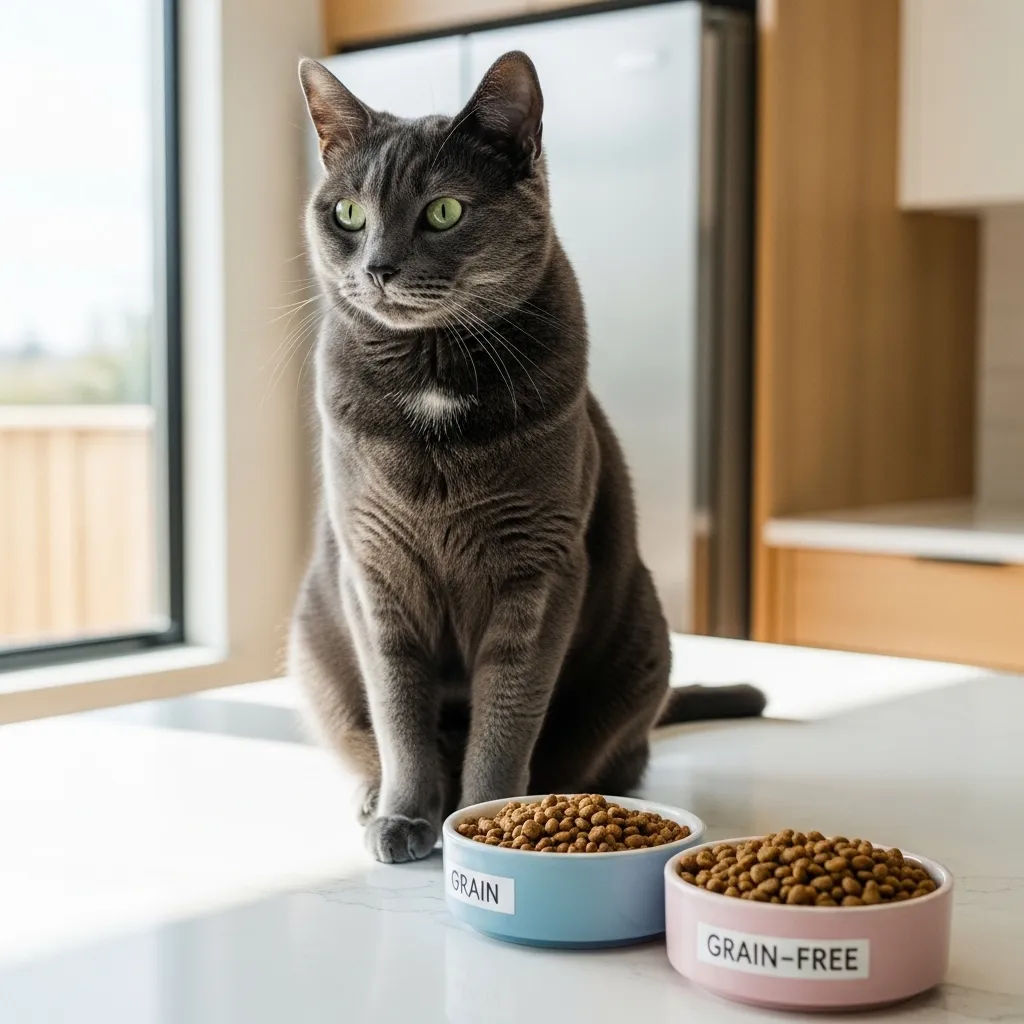
I remember standing in the pet food aisle, overwhelmed by bags labeled “grain-free” with pictures of happy, glossy cats. It made me wonder—was I failing my cat by feeding him regular kibble? The grain-free trend has exploded, but what does science actually say about cats and grains?
Cats are obligate carnivores, meaning their bodies are designed to thrive on meat. But that doesn’t automatically mean all grains are bad. In fact, many grains offer fiber and nutrients. Before you switch your cat’s diet, let’s break down the real story behind grain-free cat food, the benefits, the risks, and what your cat actually needs.
I’ve dug into the research, talked to my own vet, and experimented with my picky eater. Here’s the honest, practical guide to help you make the best choice for your furry friend.
What Does “Grain-Free” Actually Mean?
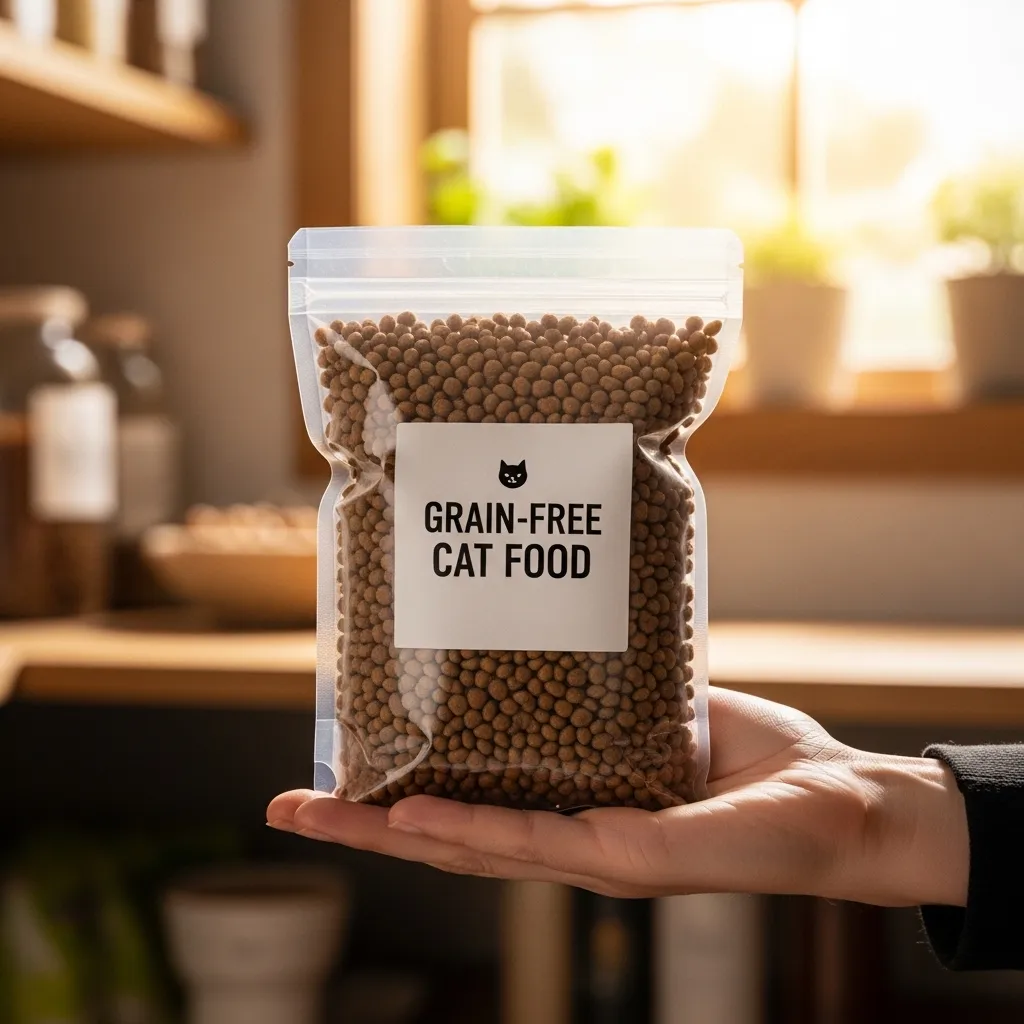
Grain-free cat food simply means it contains no wheat, corn, rice, barley, or oats. Instead, these foods use alternative carbohydrate sources like sweet potatoes, lentils, peas, or tapioca. Many owners assume this means “low-carb,” but that’s not always true.
The idea behind grain-free is to mimic what a cat would eat in the wild—mostly meat and very few plants. But commercial cat food already has a lot more carbs than a wild diet, grain-free or not. So the label alone doesn’t tell you if the food is healthier.
Think of it this way: grain-free is a marketing term, not a nutrition guarantee. Always flip the bag over and read the ingredients.
Are Grains Actually Bad for Cats?
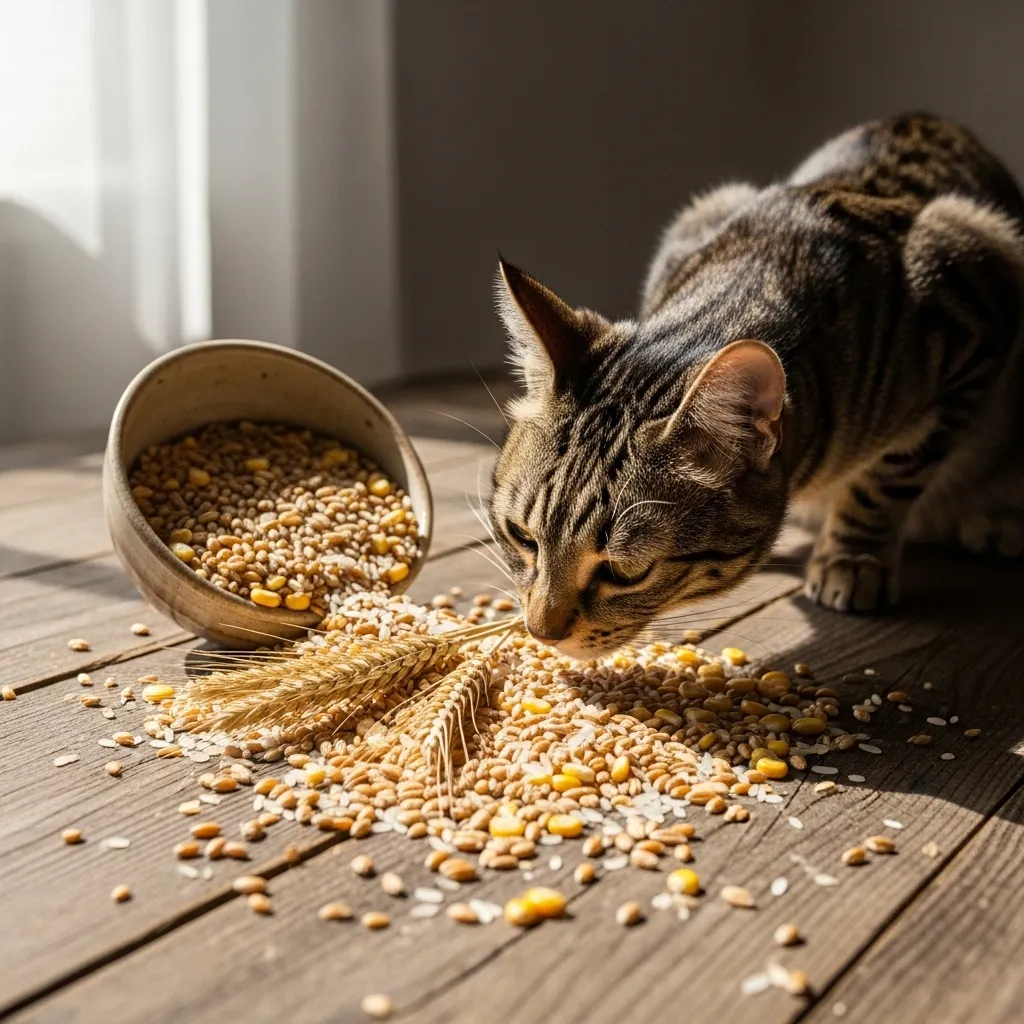
Here’s the truth: most cats digest grains just fine. Wheat, corn, and rice are not toxic to cats. In fact, many vets say grains can be a good source of essential nutrients like B vitamins, iron, and fiber. The real problem is not the grain itself—it’s the quality and quantity.
A cheap kibble loaded with fillers like corn gluten meal is not good for your cat. But a small amount of whole grain rice or oatmeal? That’s a different story. Grains become problematic when they replace real meat protein, not when they’re a small part of a balanced diet.
So unless your cat has a specific grain allergy (which is rare), grains aren’t the enemy.
When a Grain-Free Diet Might Be Helpful
Some cats genuinely benefit from going grain-free. If your cat has chronic digestive issues, itchy skin, or frequent ear infections, a grain allergy could be the culprit. But true grain allergies are uncommon in cats—most food allergies are actually caused by a protein source like chicken or fish.
Another case is diabetic cats. Since grains are carbohydrates, a lower-carb, grain-free diet can help regulate blood sugar. But remember, grain-free doesn’t automatically mean low-carb. You still need to check the carb content.
If you suspect a food sensitivity, talk to your vet before making the switch. A proper elimination diet is the only way to know for sure.
The Hidden Risk: Heart Disease and Grain-Free Diets
This is the part that made me pause. In recent years, the FDA has looked into a possible link between grain-free diets (especially those heavy in peas, lentils, and potatoes) and a heart condition called dilated cardiomyopathy (DCM) in dogs. While the research in cats is less clear, it’s something to keep on your radar.
The theory is that these legume-heavy ingredients may interfere with taurine absorption. Taurine is a critical amino acid for cats—they need it for heart and eye health. Most commercial cat foods are supplemented with taurine, but the balance can be tricky.
My advice? If you’re feeding grain-free, choose a brand that has a strong track record and meets AAFCO standards. And always ensure the food lists a named meat source as the first ingredient.
What About Cats with Sensitive Stomachs?
I have a cat who throws up if he looks at a new food wrong. For sensitive tummies, grain-free can sometimes help because it removes common irritants. But the real key is a limited ingredient diet (LID), which simplifies the recipe to just a few components.
Some cats do better with novel proteins like rabbit or duck instead of chicken or beef. Grains aren’t always the trigger—it could be the specific protein or additive. Don’t assume grain-free is the magic solution. Try a LID formula first, and see how your cat responds.
If you want to test grain-free, introduce it slowly over a week. Mix increasing amounts with the old food to avoid digestive upset.
How to Read a Cat Food Label Like a Pro
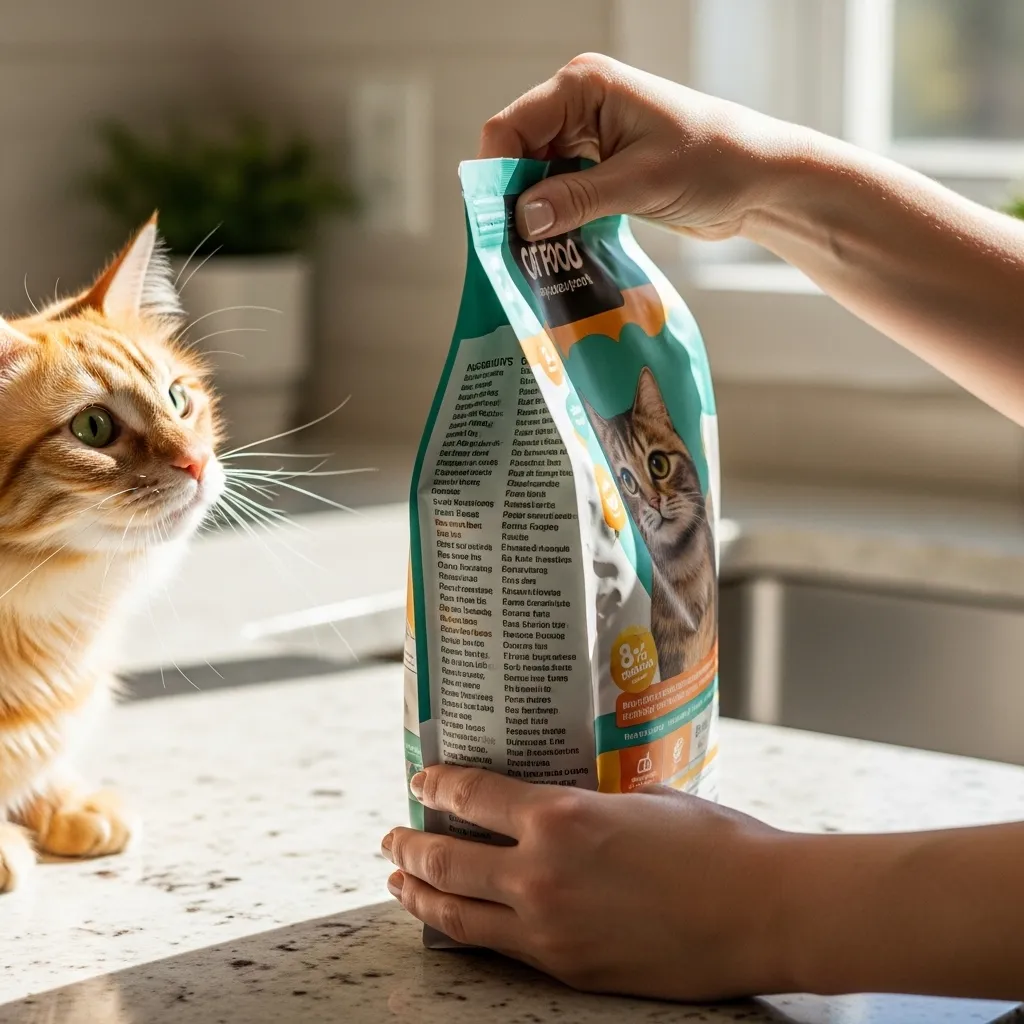
Stop looking at the front of the bag—that’s just marketing. Flip it over and look at the ingredients list. Ingredients are listed by weight, so the first few items tell you what’s really in there. You want a named meat (like chicken or salmon) as the first ingredient, not a “meat meal” or “by-product.”
For grain-free foods, check the carb sources. If peas or potatoes are near the top, that means the food is high in carbs despite being grain-free. Also look for taurine supplementation—it should be listed explicitly.
Don’t forget the guaranteed analysis. Look for at least 30-40% protein (dry matter basis) and moderate fat. A good grain-free food should still be meat-forward, not plant-forward.
Wet vs. Dry: Which Is Better for Grain-Free?
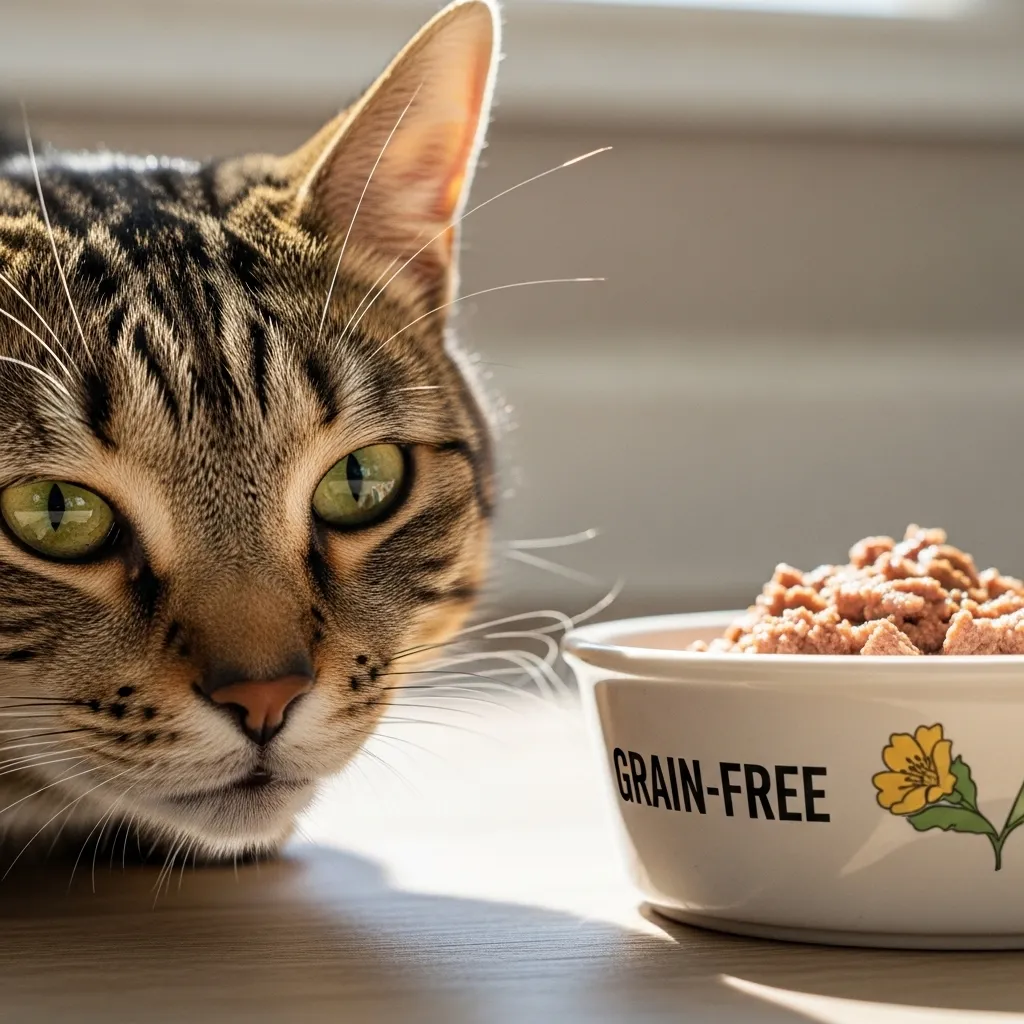
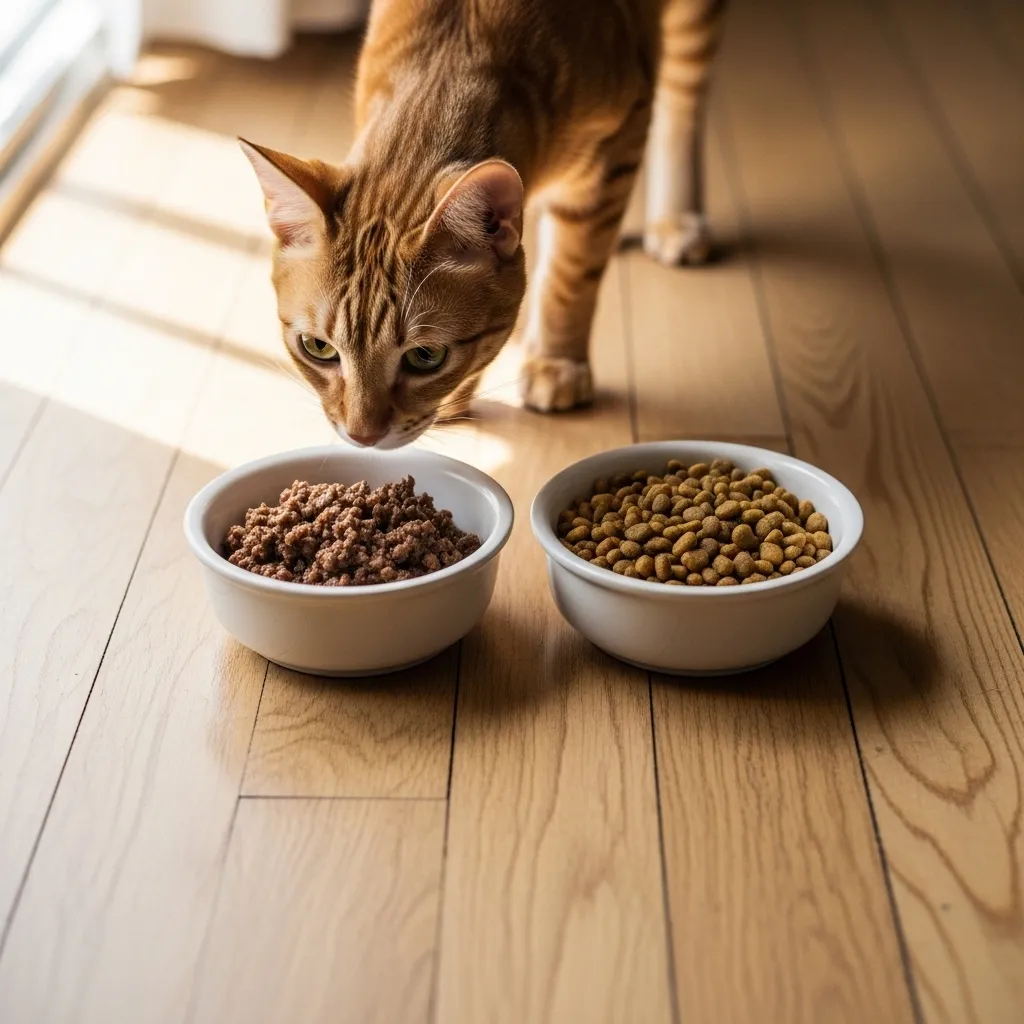
Wet food is naturally lower in carbs and closer to a cat’s ancestral diet. Most wet foods are already grain-free or very low in grains. If you’re worried about grains, switching to a high-quality wet food might be simpler than finding the perfect dry grain-free kibble.
Dry food, even grain-free, still needs a binder like starch to hold the kibble shape. That’s where peas, potatoes, or tapioca come in. So a grain-free dry food can still be high in carbs. The moisture content of wet food also helps with hydration, which is crucial for urinary health.
My personal approach? I feed a mix—mostly wet food with a small amount of grain-free dry for crunch and convenience. Balance is everything.
What the Vet Will Tell You
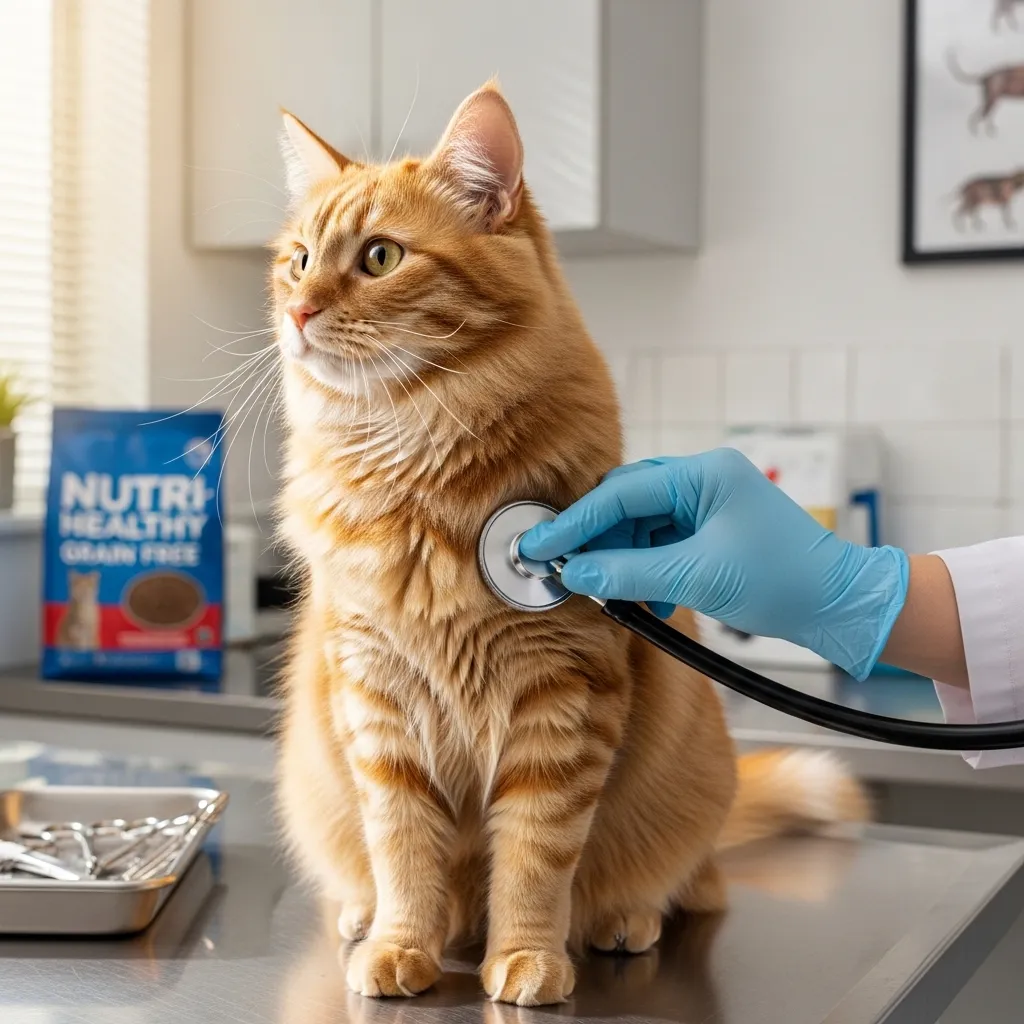
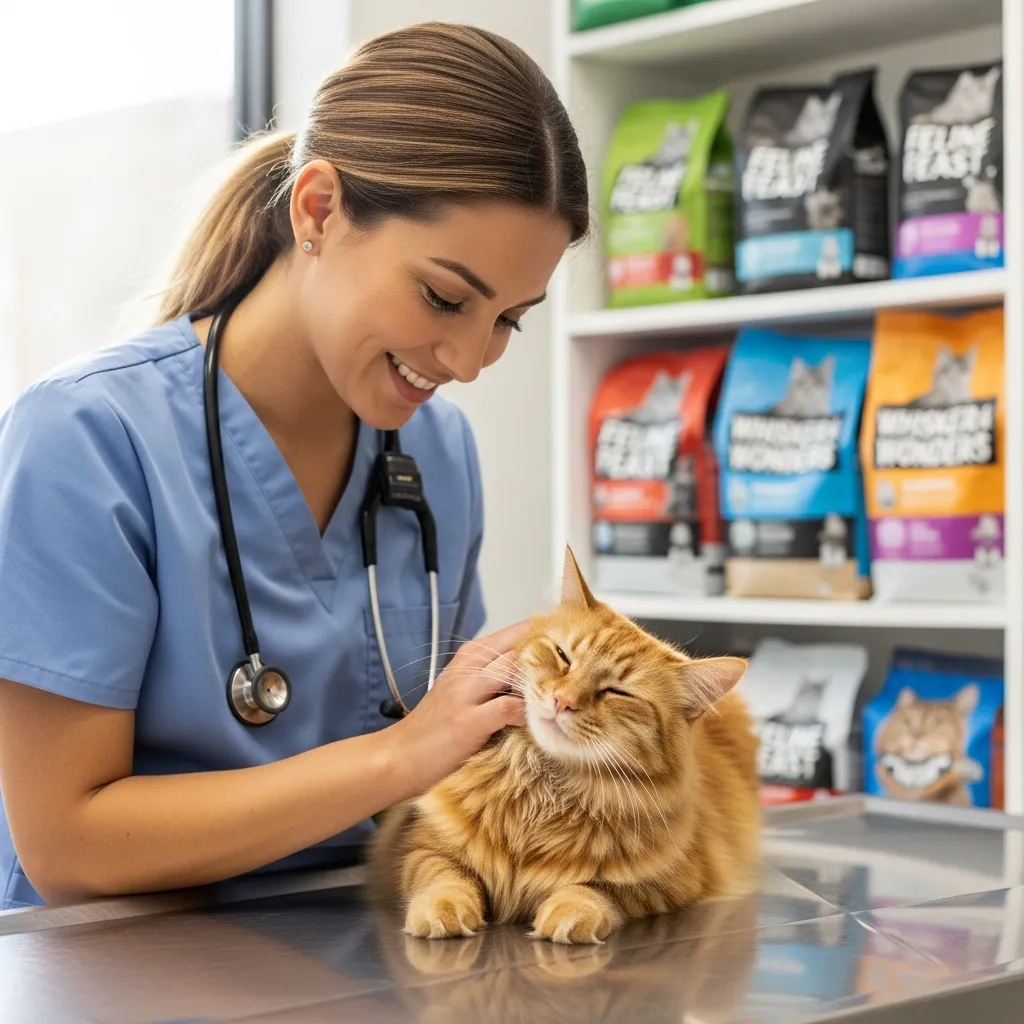
I asked my vet straight up: “Should my cat eat grain-free?” Her answer surprised me. She said it depends on the cat. For a healthy cat with no allergies, a high-quality food with grains is perfectly fine. In fact, some grains provide prebiotic fiber that supports gut health.
She emphasized that the biggest health issues in cats—obesity, diabetes, urinary problems—are more about overfeeding and low-quality ingredients than grains specifically. A grain-free diet won’t fix overeating or a lack of moisture in the diet.
If you want to switch, do it under your vet’s guidance. They can help you choose a brand that meets your cat’s specific needs and monitor for any changes in health.
Budget-Friendly Tips for Choosing Cat Food
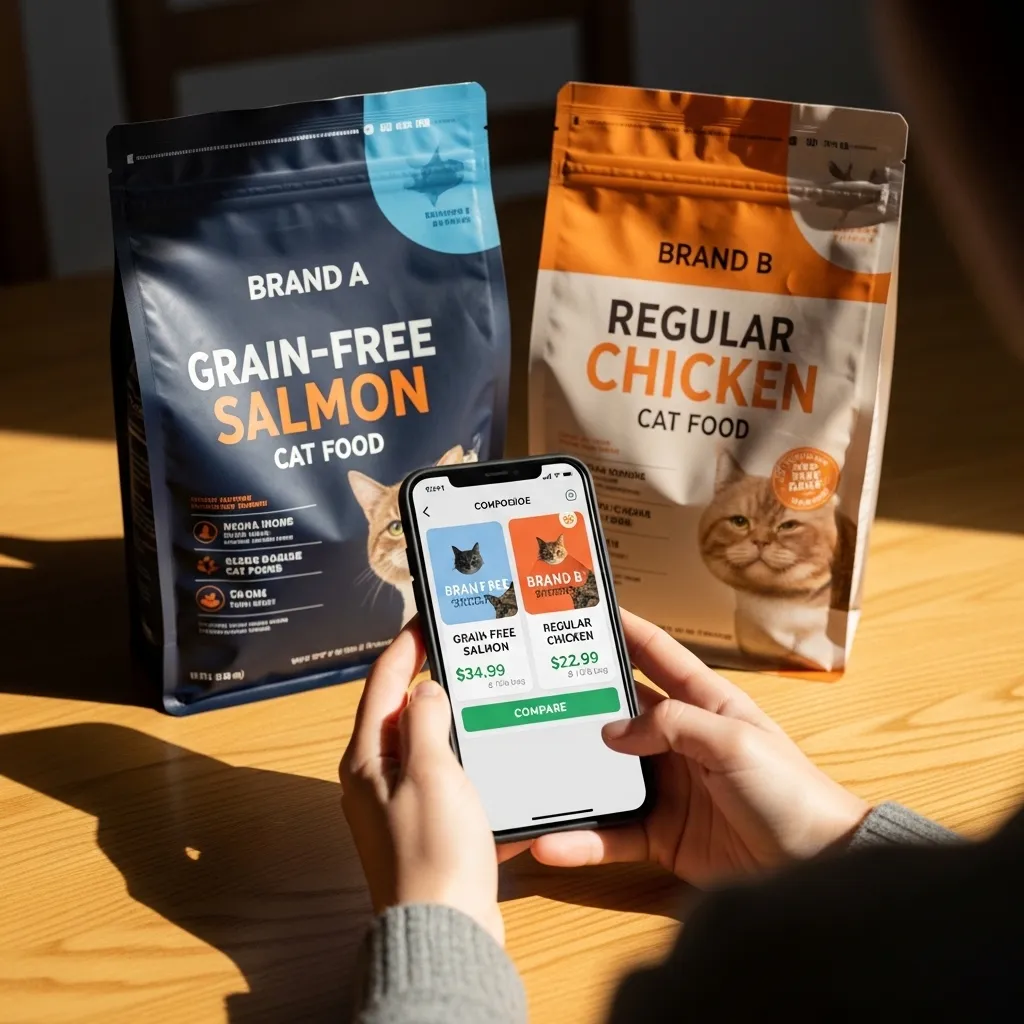
Let’s be real—grain-free cat food can be expensive. If you’re on a budget, don’t stress. You don’t have to buy the trendiest grain-free brand to feed your cat well. Look for foods that list a named meat as the first ingredient and avoid artificial colors or preservatives.
Many affordable brands offer grain-inclusive formulas that are nutritionally complete. A bag of grain-free food that’s mostly peas and potatoes is not better than a grain-inclusive food with real chicken and rice. Price doesn’t always equal quality.
I’ve found that buying larger bags or subscribing to auto-delivery can save money. Also, mix in some affordable wet food to boost moisture—even a cheaper pâté is better than dry food alone.
The Bottom Line: Should You Switch?
After all this research, here’s what I’ve learned: grain-free is not a magic bullet. For a healthy cat, grains are fine. For a cat with specific allergies or health issues, grain-free might help, but it’s not the only option.
The most important thing is to feed a high-protein, moisture-rich diet with real meat as the primary ingredient. Whether that includes grains or not is secondary. Your cat’s health, energy, and coat condition will tell you if you’re on the right track.
So before you panic and throw out your current bag, take a deep breath. Read the label, talk to your vet, and watch your cat. They’ll let you know what works.
Conclusion
Grain-free cat food is a tool, not a cure-all. Some cats thrive on it, others do just as well with grains. The key is to focus on overall nutritional quality, not marketing labels. Feed your cat real meat, keep them hydrated, and listen to their body. That’s the real secret to a happy, healthy feline.
[[IMG:IMG12]]
Frequently Asked Questions
Is grain-free cat food healthier for my cat?
Not necessarily. Healthy cats can digest grains just fine. The health of a diet depends more on protein quality, moisture, and balance than on whether it contains grains.
Can grain-free food cause heart problems in cats?
There’s a possible link between legume-heavy grain-free diets and heart issues in dogs, but research in cats is limited. To be safe, choose a balanced brand with taurine and avoid foods where peas or lentils are top ingredients.
How do I know if my cat has a grain allergy?
Symptoms include itching, ear infections, vomiting, or diarrhea. But true grain allergies are rare. A vet can help you do an elimination diet to pinpoint the real cause.
Should kittens eat grain-free food?
Kittens need a complete and balanced diet for growth. Some grain-free kitten foods exist, but always check that they meet AAFCO standards for growth. Consult your vet first.
Can I mix grain-free and regular cat food?
Yes, you can mix them as long as both are nutritionally complete. Just watch the total calories and carb content. Mixing can help with transitions and keep your cat interested.
[[IMG:IMG13]]