Senior Cat Food Top 7 Picks for Aging Cats
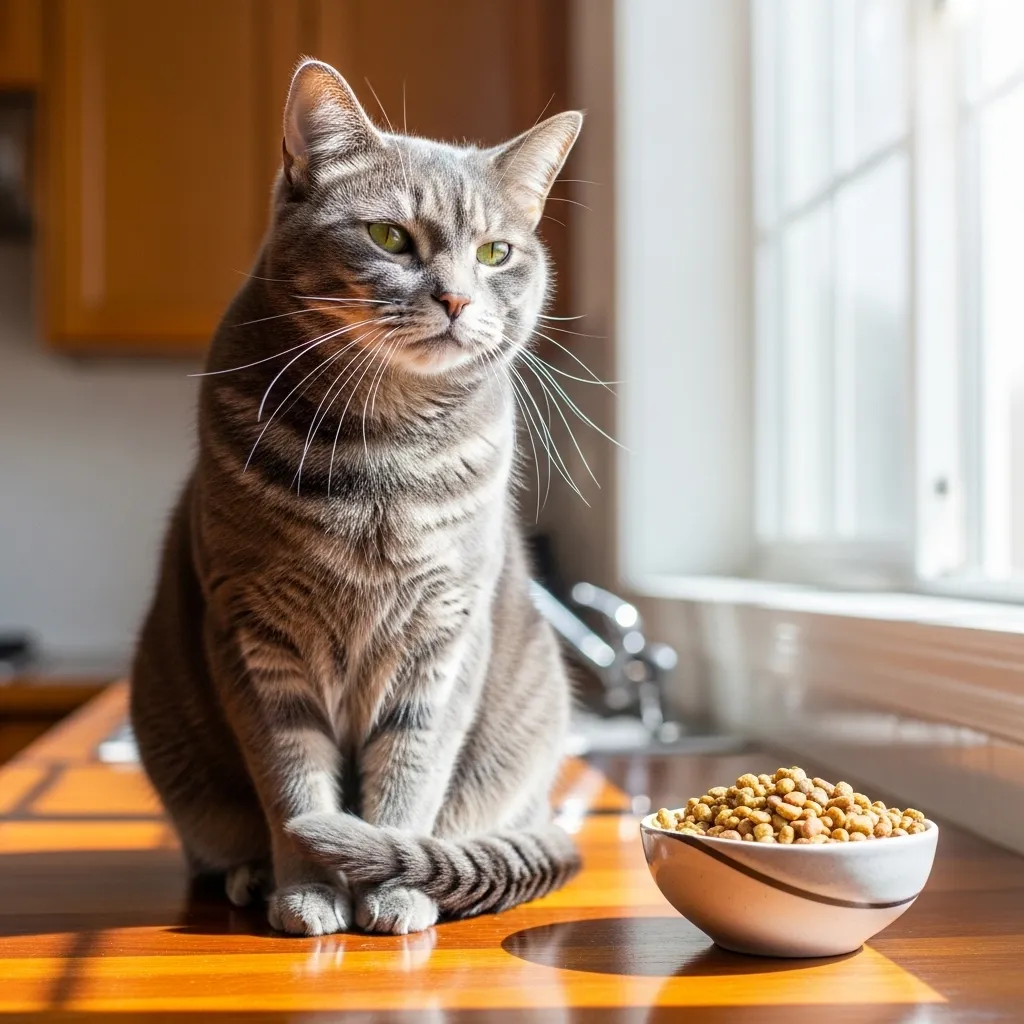
Watching your cat slow down is hard. I remember the first time my tabby, Mochi, struggled to jump onto the couch. She just sat there, staring at the cushion, and my heart broke a little. That’s when I realized her food needed to change too.
Senior cats have different needs. Their kidneys get picky, their joints get creaky, and their teeth might not be as strong. The right food can make a world of difference. It’s not just about filling their bowl—it’s about giving them comfort and energy for their golden years.
I’ve spent hours reading labels and talking to vets. These seven picks are the ones I trust most for aging felines. Let’s dive in.
1. High-Protein, Low-Phosphorus Formulas
Older cats often lose muscle mass. Protein keeps their little bodies strong. But too much phosphorus can stress their kidneys, which is a common issue in senior cats.
Look for a food with real meat as the first ingredient. Chicken, turkey, or fish work well. The phosphorus level should be under 1% for dry food and even lower for wet.
My vet told me this balance is the secret sauce. It supports their kidneys while keeping their muscles from wasting away. Brands like Hill’s Science Diet Senior and Weruva have great options here.
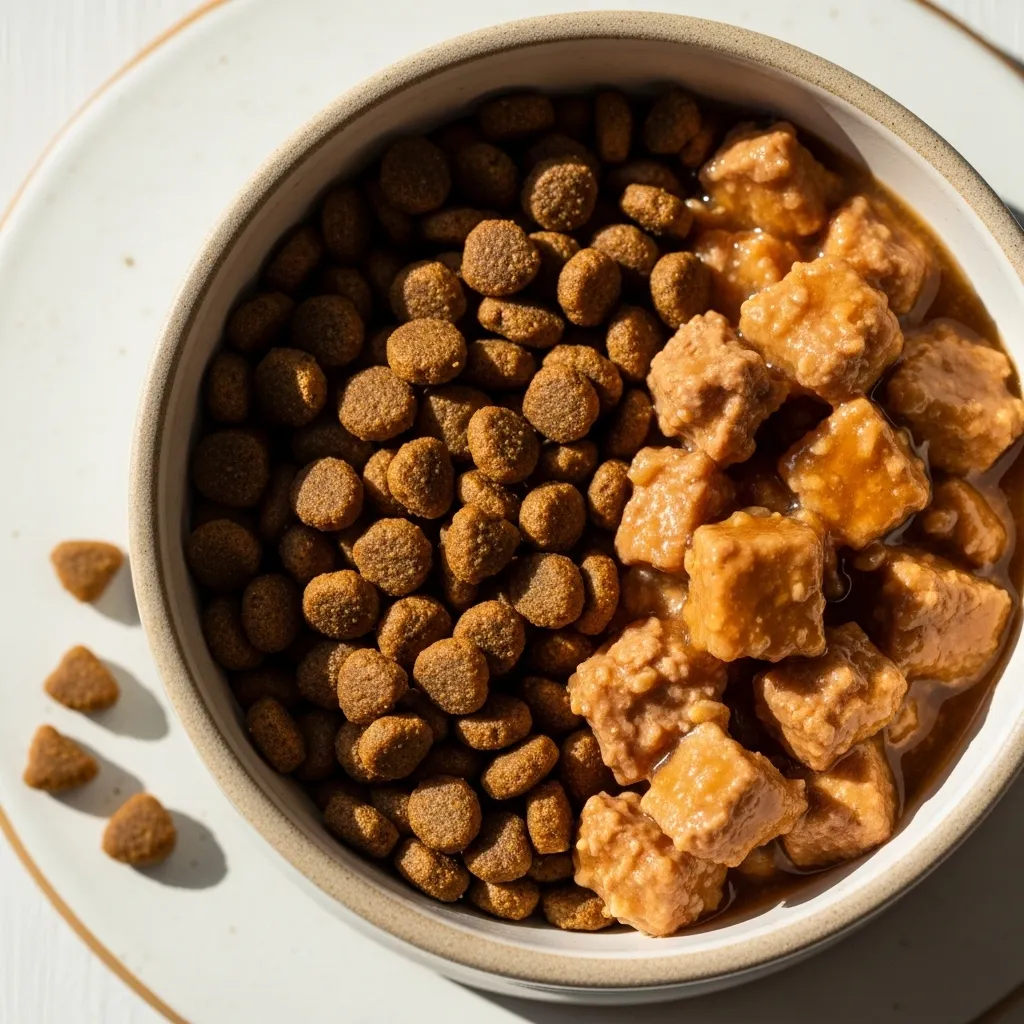
2. Wet Food for Hydration and Easy Chewing
Dry kibble is convenient, but senior cats need moisture. Many older cats don’t drink enough water, which can lead to kidney trouble. Wet food gives them hydration with every bite.
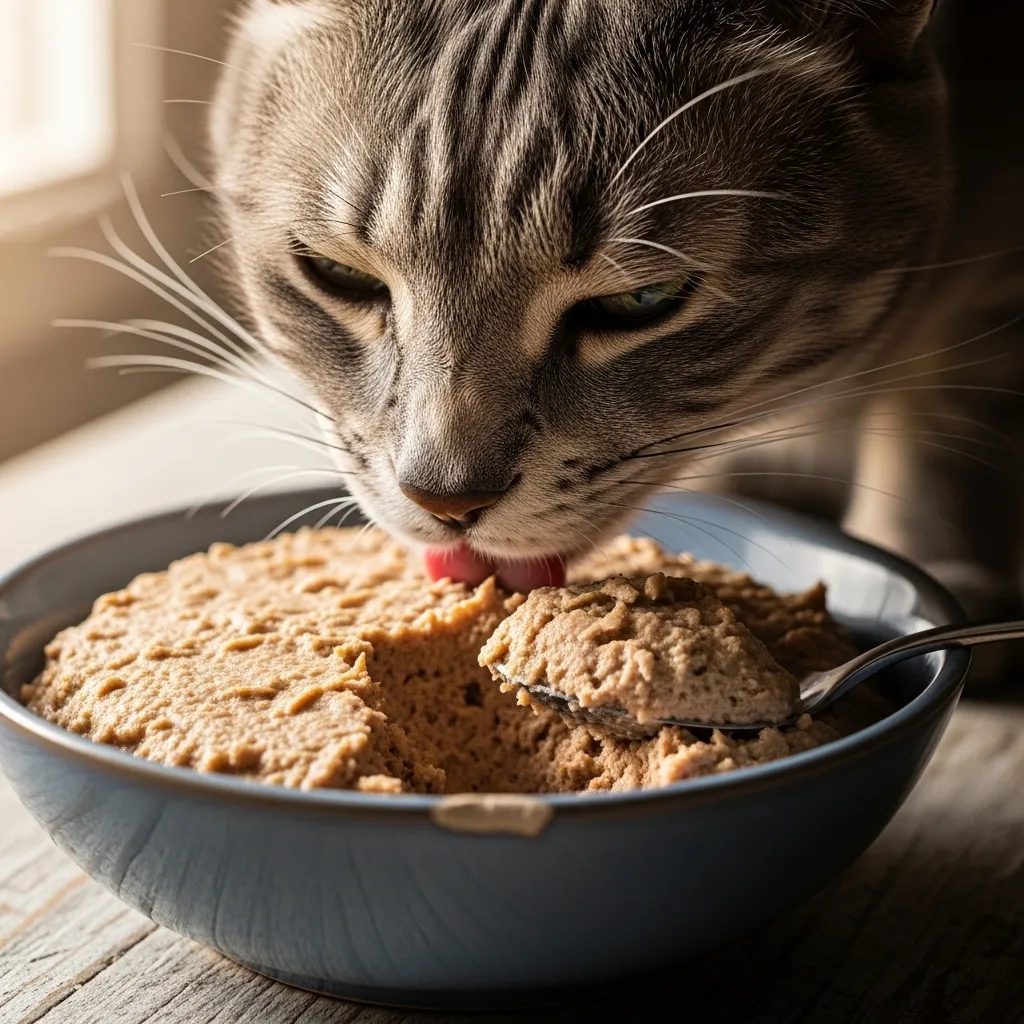
It’s also softer. If your cat has dental issues or missing teeth, wet food is a lifesaver. No painful crunching, just smooth, tasty pâté or chunks in gravy.
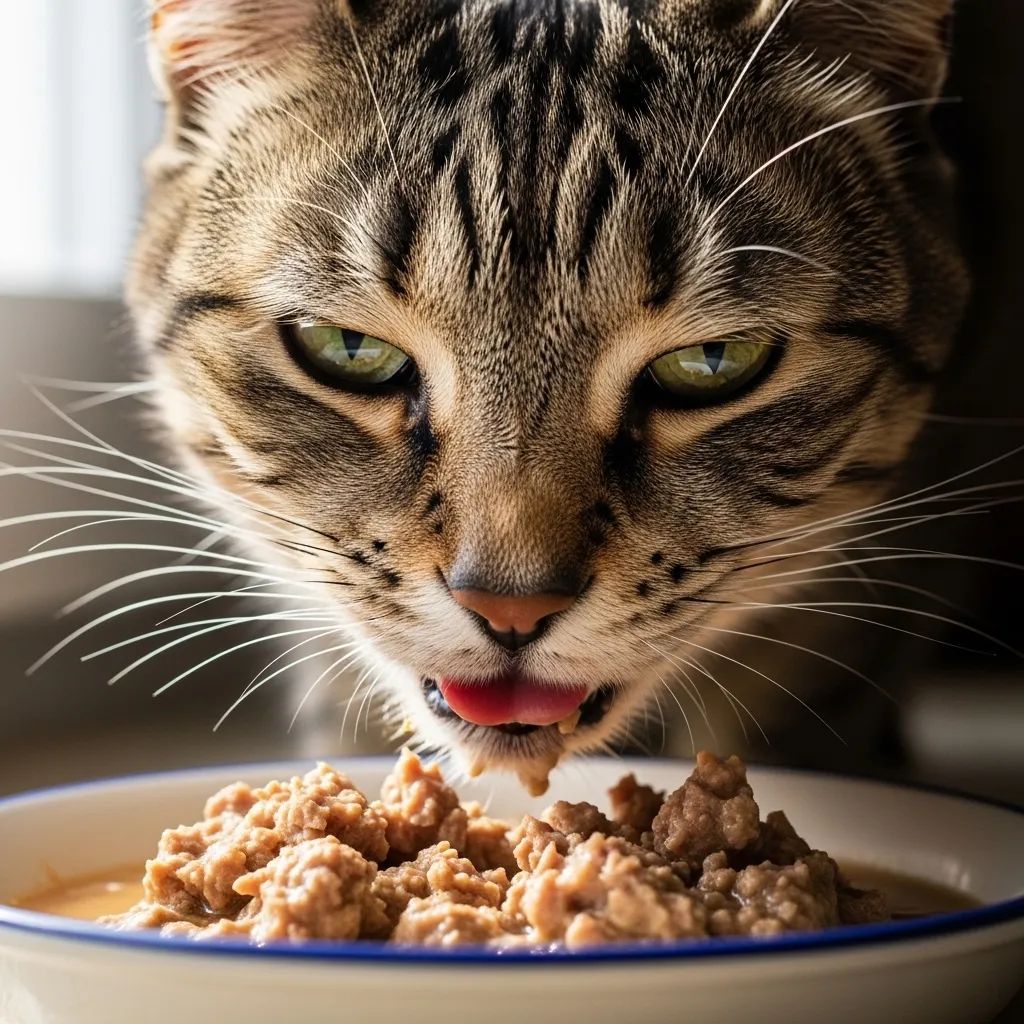
I switched Mochi to a grain-free wet food and noticed she finished her bowl faster. Plus, her litter box visits looked healthier. Try brands like Tiki Cat or Blue Buffalo for senior-friendly wet recipes.
3. Joint Support with Glucosamine and Omega-3s
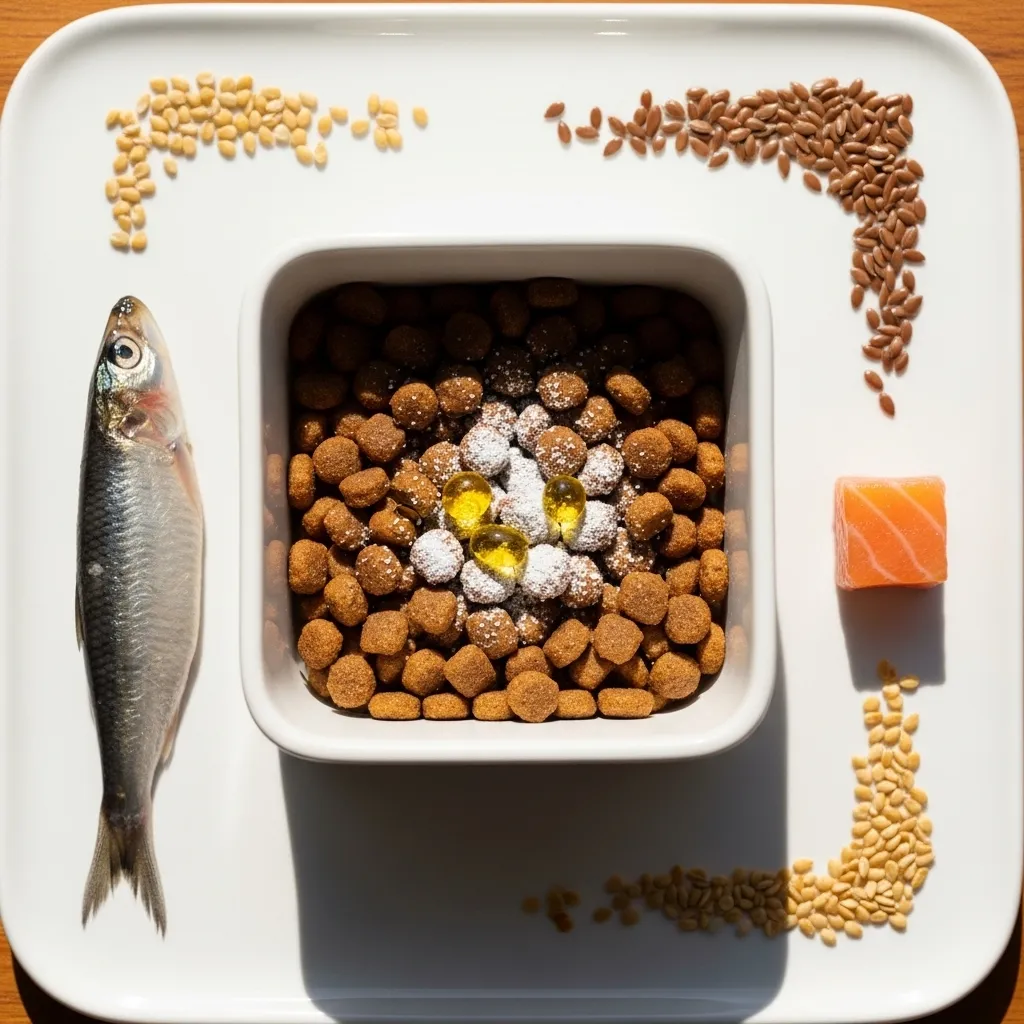
Arthritis is sneaky. Your cat might hide the pain, but you’ll see it in their stiff walk or hesitation to play. Food with added glucosamine can lubricate their joints naturally.
Omega-3 fatty acids from fish oil also reduce inflammation. It’s like giving them a gentle anti-inflammatory without the pills. Look for these on the ingredient list or as added supplements.
I love Purina Pro Plan Bright Mind for older cats. It has both glucosamine and omega-3s. Within a few weeks, Mochi was jumping onto her favorite windowsill again.
4. Easy-to-Digest Ingredients for Sensitive Stomachs
Aging digestive systems get sensitive. Rich foods or too many fillers can cause gas, vomiting, or loose stools. You want simple, clean ingredients that are gentle on the belly.
Look for limited ingredient diets. One protein source, one carb source. No artificial colors or preservatives. Pumpkin or prebiotics are also great for digestion.
Natural Balance L.I.D. is a solid choice. It’s simple and effective. My friend’s 15-year-old cat stopped having tummy troubles after switching to this.
5. Reduced Calorie Formulas for Less Active Cats
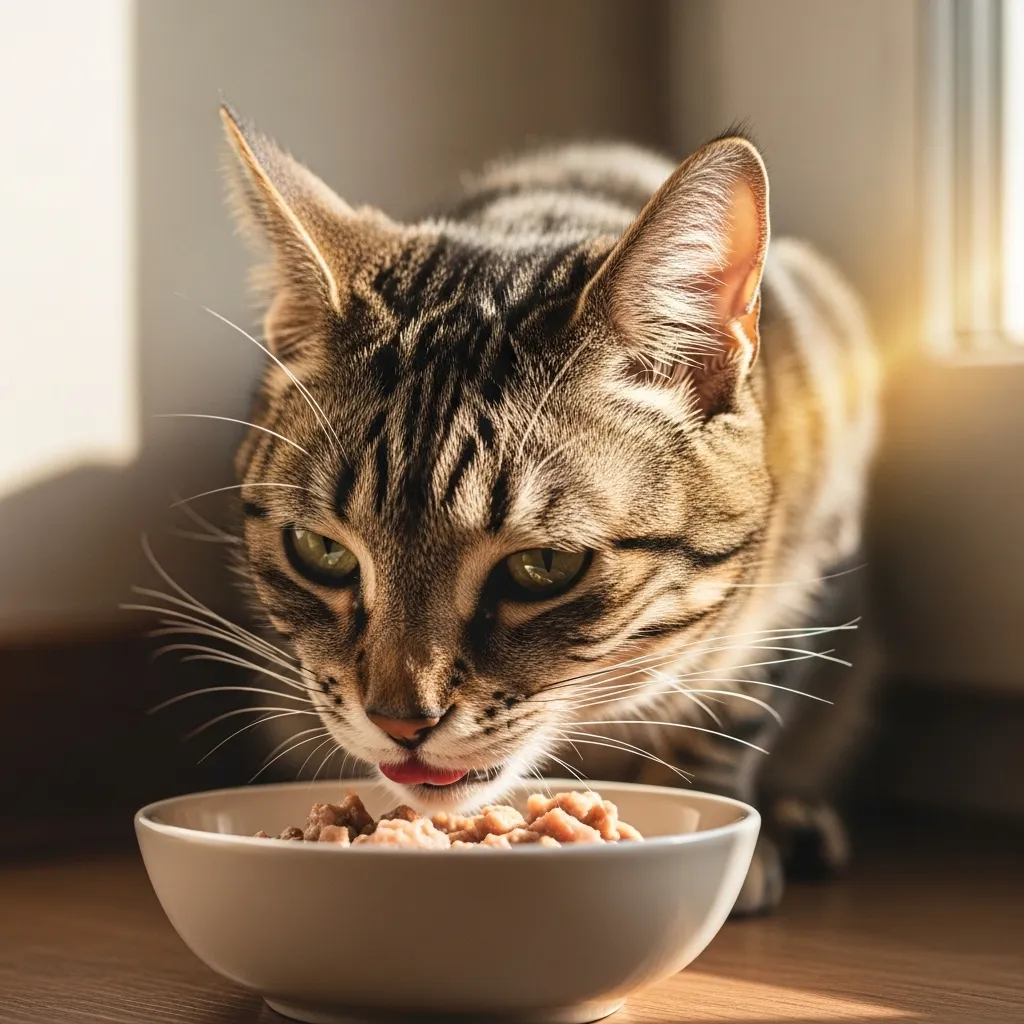
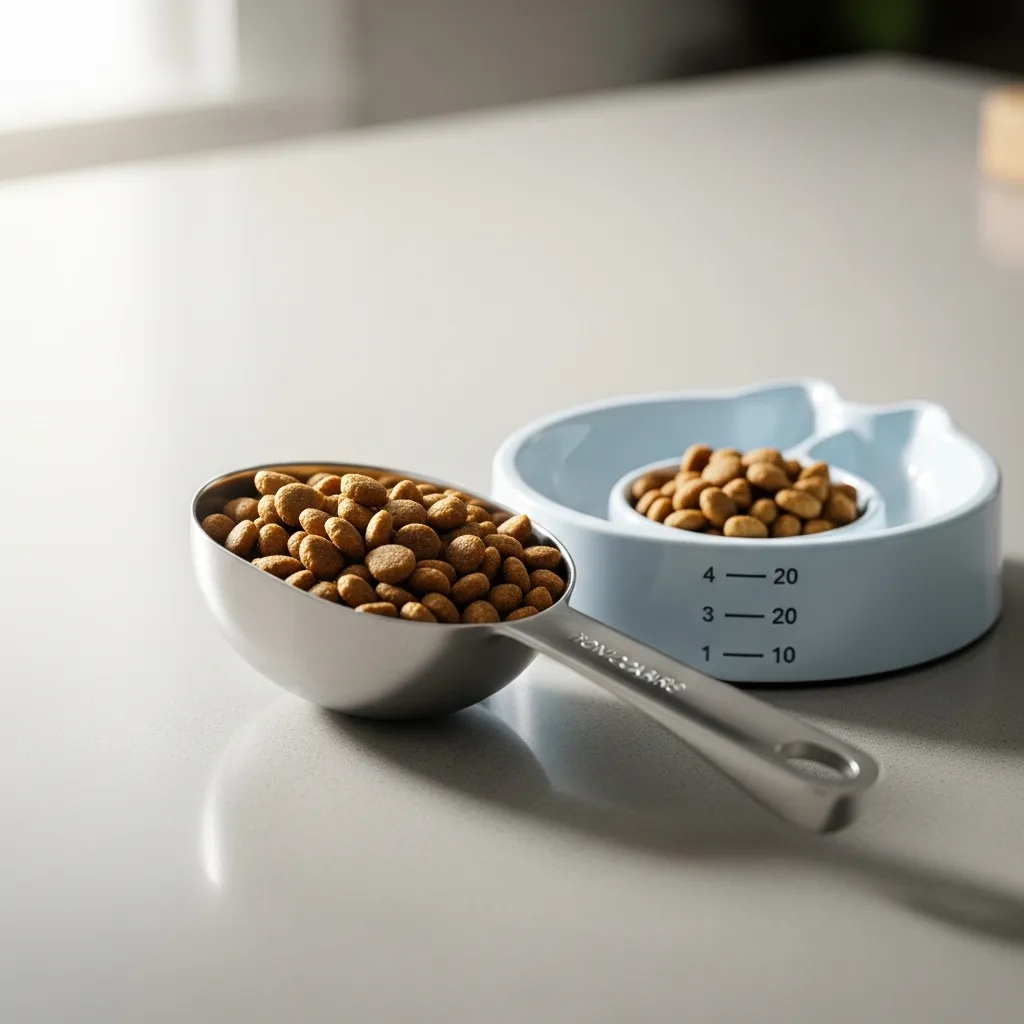
Senior cats nap more. They don’t burn calories like they used to. If you keep feeding them the same amount, they can gain weight fast, which is hard on their joints.
Look for “senior” or “weight management” on the bag. These have fewer calories but still pack the nutrients they need. It helps them stay lean without feeling hungry.
I use Wellness CORE Grain-Free Reduced Fat for my less active older cat. She maintains a healthy weight and still has energy for her short bursts of playtime.
6. Added Taurine for Heart and Eye Health
Taurine is an essential amino acid for cats. They can’t make it on their own. It’s critical for heart function, vision, and overall vitality, especially as they age.
Most commercial cat foods include taurine, but senior formulas often have extra. Check the guaranteed analysis on the label. You want at least 0.1% for dry food.
Royal Canin Aging 12+ is known for its balanced taurine levels. It also has antioxidants that support their immune system. It’s a premium choice, but worth it for peace of mind.
7. Soft Texture for Dental Issues
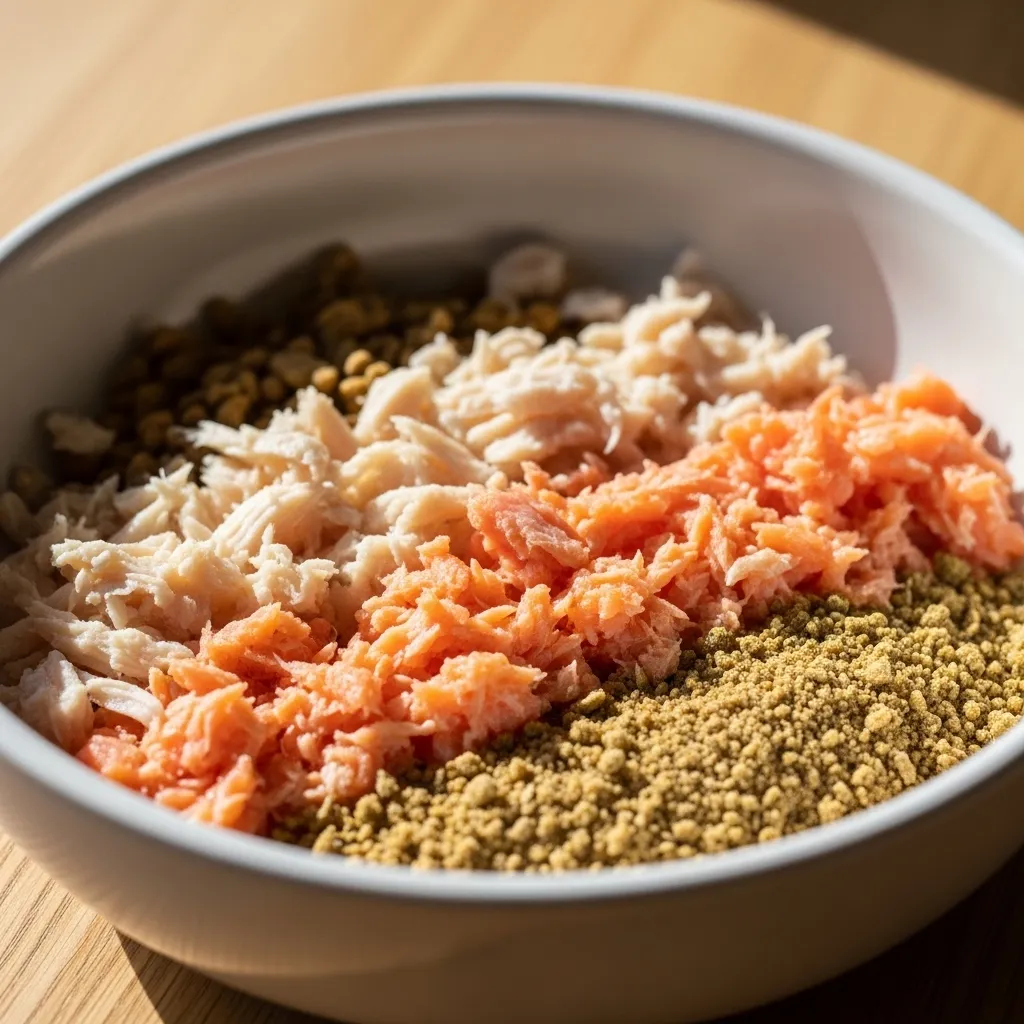
Dental disease is common in older cats. Sore gums or missing teeth make eating painful. Hard kibble can be a nightmare. Soft food or moistened kibble is much kinder.
Some brands make “soft” senior kibble that’s easy to chew. You can also add warm water to dry food to soften it. Wet food is always a safe bet, but look for pâté or minced textures.
Fancy Feast Classic Pâté is a budget-friendly option that’s soft and tasty. My cat loves the chicken flavor. It’s smooth enough for even the most sensitive mouths.
Conclusion
Choosing the right food for your senior cat is an act of love. You’re not just feeding them—you’re helping them feel comfortable, strong, and happy in their later years. Every cat is different, so pay attention to what works for yours. A little trial and error is normal. Trust your instincts and your vet’s advice. Your cat will thank you with purrs and slow blinks.
FAQ
1. When should I switch my cat to senior food?
Most cats are considered seniors around 7 to 10 years old. Start transitioning when you notice changes in energy, weight, or dental health. Your vet can give you a more personalized timeline.
2. Can I mix wet and dry senior food?
Yes, mixing is great. It gives your cat variety and extra moisture. Just adjust portions to avoid overfeeding. Many senior cats love a mix of pâté and softened kibble.
3. Is grain-free better for older cats?
Not necessarily. Some senior cats do well with grains like brown rice for fiber. Others need grain-free if they have allergies. Focus on protein and low phosphorus rather than just “grain-free.”
4. How much should I feed my senior cat?
It depends on their weight, activity level, and the food’s calorie content. Check the feeding guide on the package, but adjust based on your cat’s body condition. A vet can help you find the perfect amount.
5. What if my senior cat refuses to eat new food?
Transition slowly over 7 to 10 days. Mix a little new food with their old food, increasing the ratio daily. If they still refuse, try a different texture or flavor. Patience is key.