Is Refrigerated Pet Food for Cats Worth It? Let’s Talk About It
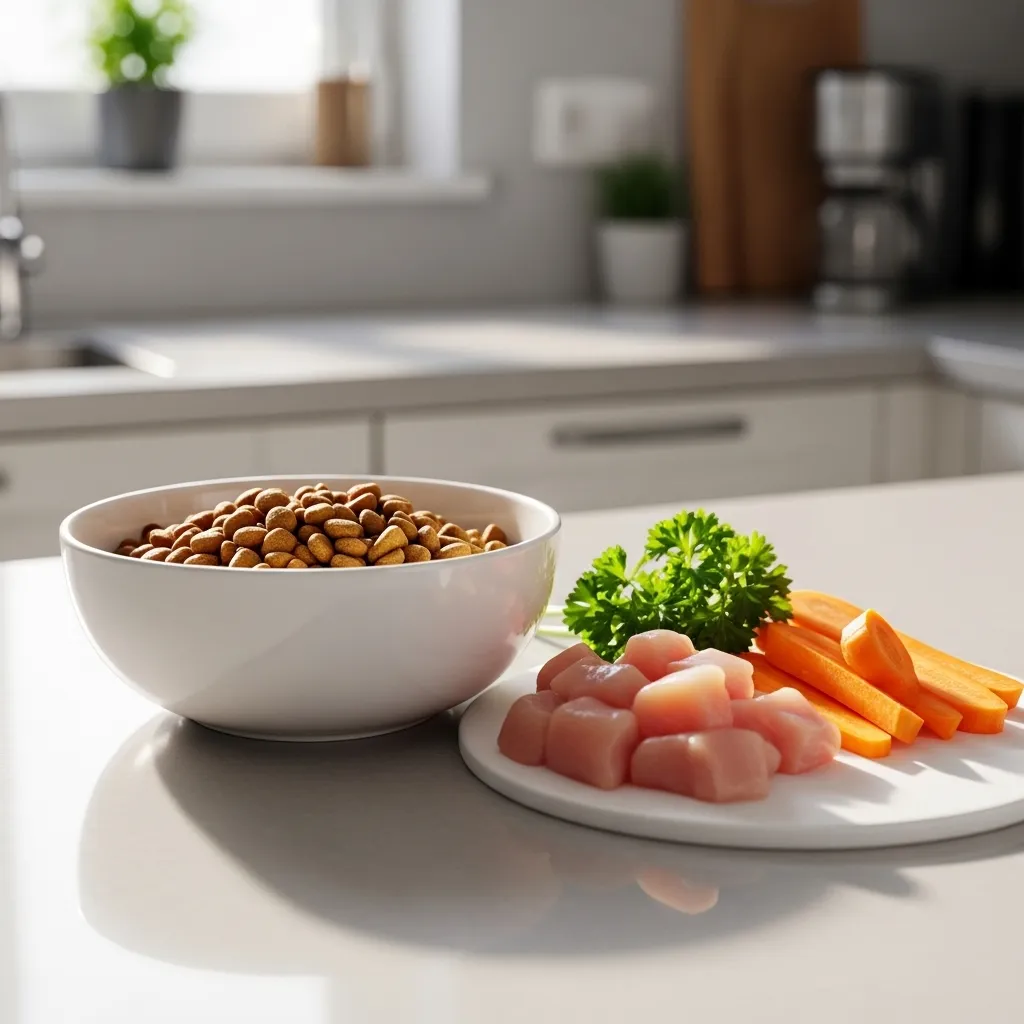
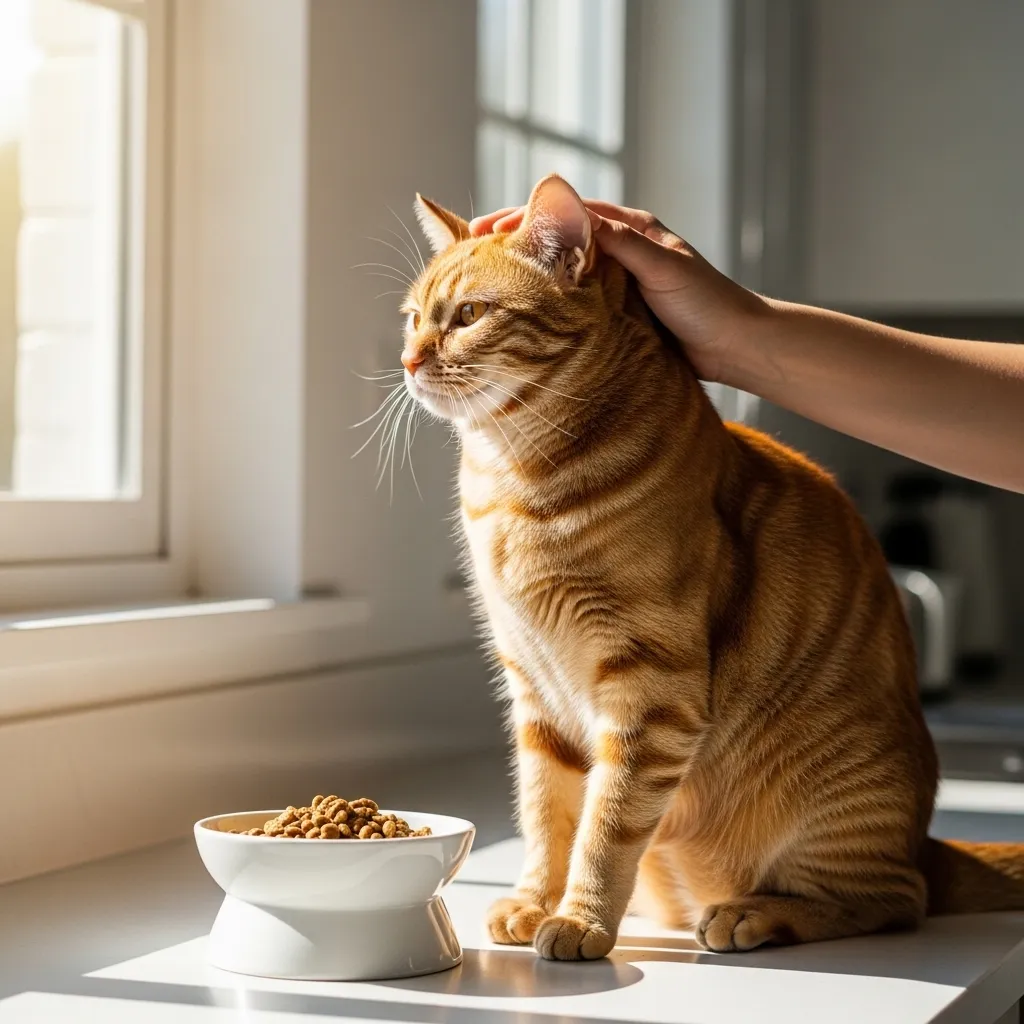
I’ll be honest. A few years ago, I never thought I’d be the kind of cat mom who opens a mini fridge for her feline. But here I am, standing in my kitchen, pulling out a little packet of fresh food. And my cat, Mochi, is practically doing backflips.
You’ve probably seen those sleek, colorful fridges at the pet store. Or maybe a friend told you their cat stopped having tummy troubles after switching to fresh food. It sounds fancy, and a little expensive. But is it actually worth the hype? I dug into this for months, talked to my vet, and tested a few brands. Here’s what I found out.
Refrigerated pet food isn’t just a trend. For many cats, it’s a game-changer. But it’s not for every household. Let me walk you through everything I learned.
What Exactly Is Refrigerated Cat Food?
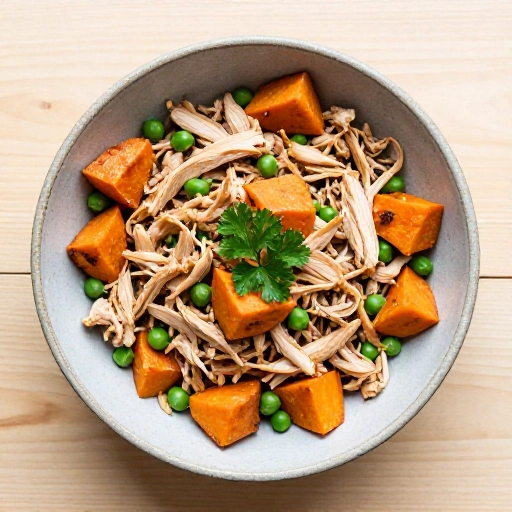
First, let’s clear up the confusion. Refrigerated cat food is different from the shelf-stable cans or dry kibble you’re used to. It’s usually made from fresh or raw ingredients. Think whole meats, organs, and veggies. It’s gently cooked or freeze-dried to keep nutrients intact.
You’ll find it in the cooler section of the pet store, not on the regular shelf. It needs to stay cold. Once you open it, you use it fast, usually within a few days.
It’s basically the human-grade food movement for cats. And yes, it costs more than a standard bag of kibble.
Why Cats Seem to Love It So Much
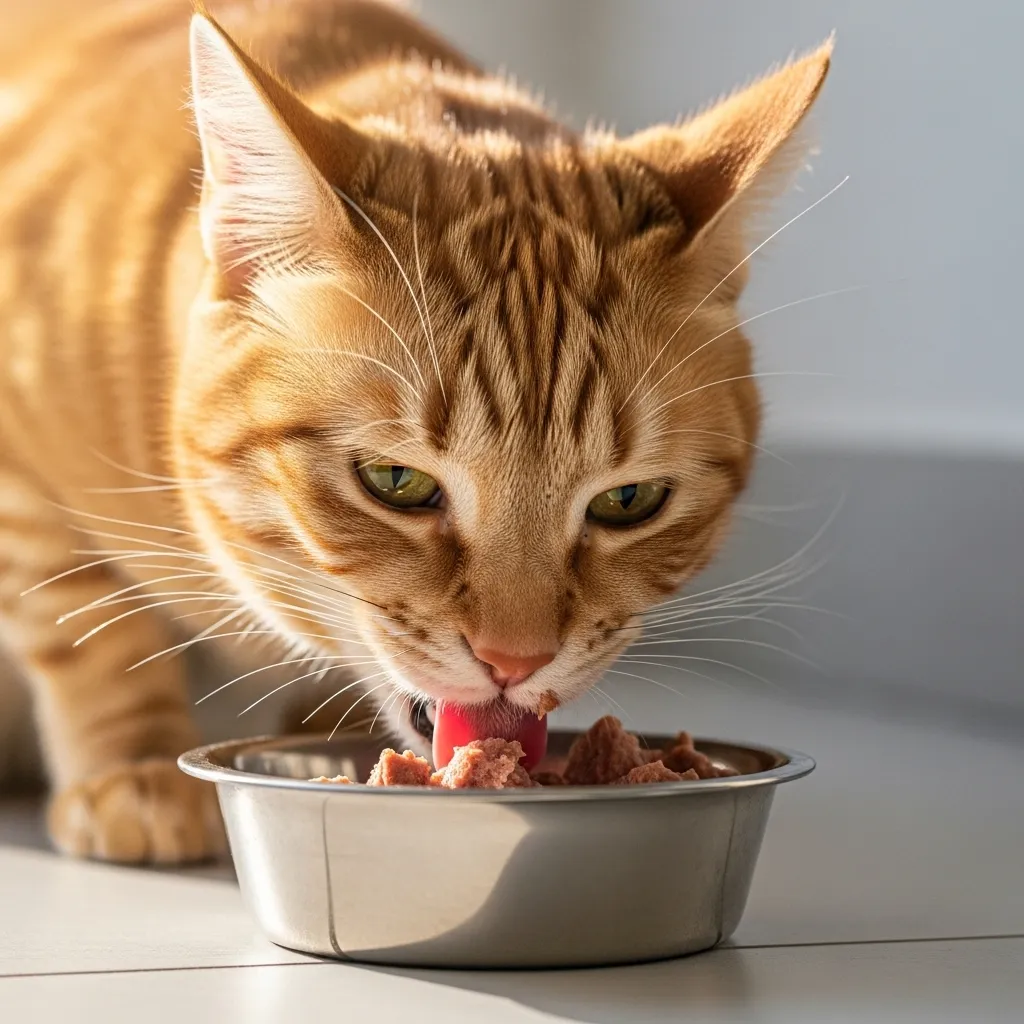
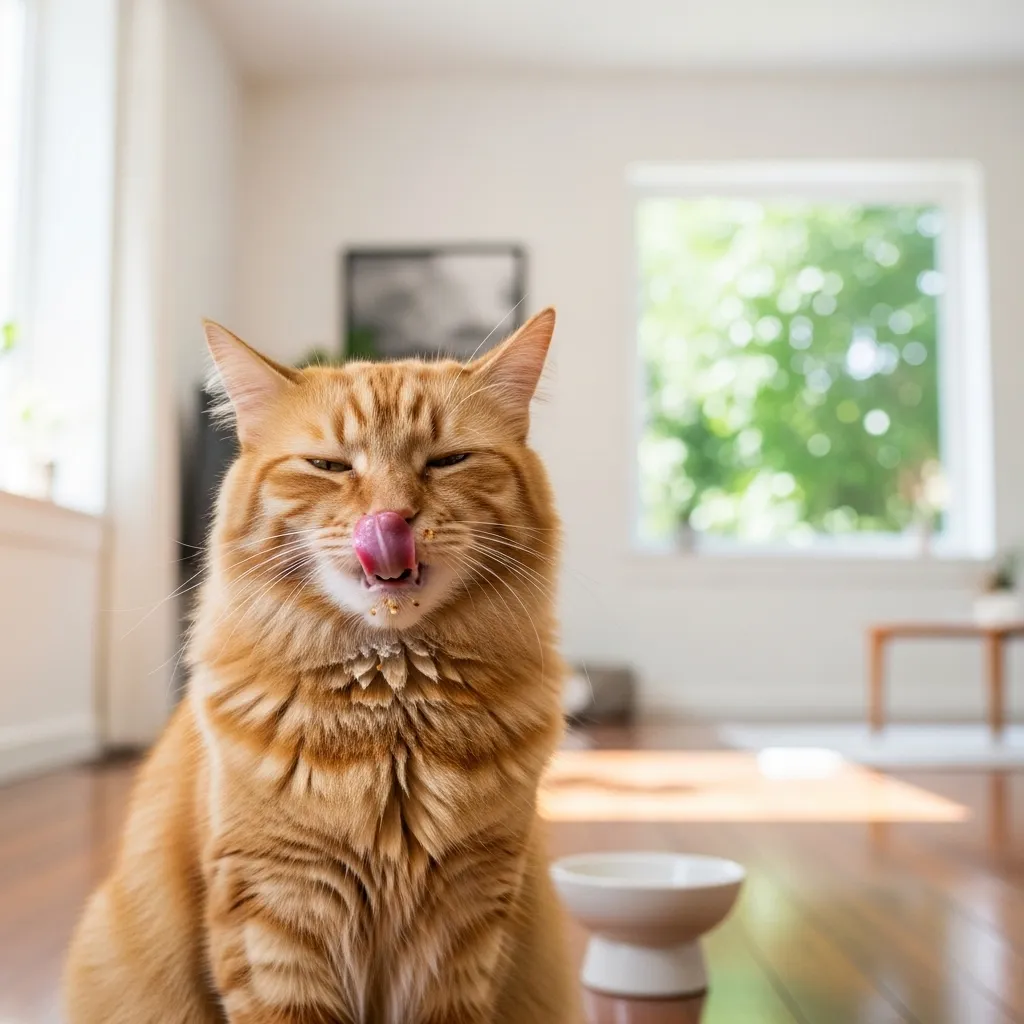
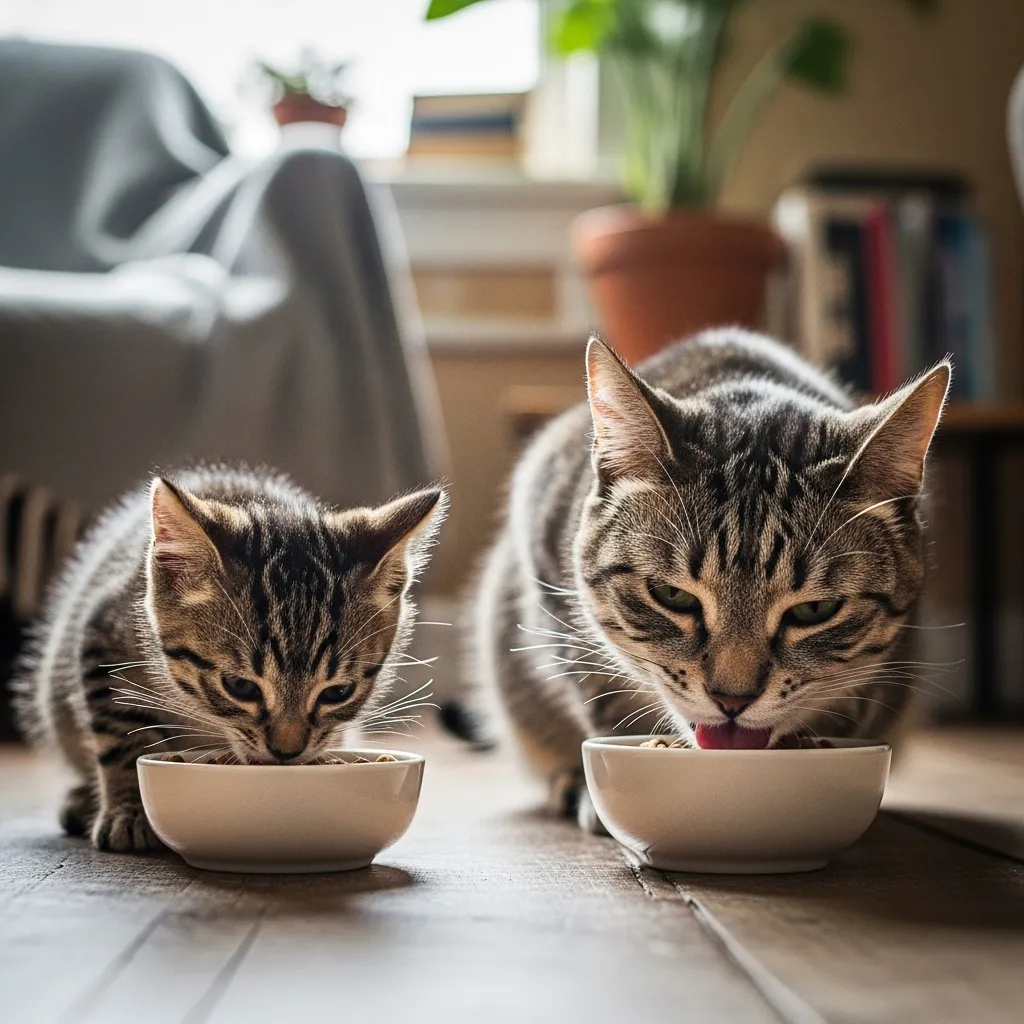
Okay, this is the part that got me. Mochi used to be a picky eater. She’d sniff her bowl, take two bites, and walk away. With fresh food? She cleans the bowl every single time.
Most refrigerated cat food is high in moisture and protein. It smells and tastes more like real meat. Cats are obligate carnivores, so that natural flavor is a big deal for them.
It’s not just about taste, though. Many cats with low appetite or health issues will actually eat this stuff. It’s a huge relief when you’re worried about your cat not eating enough.
The Health Benefits I Actually Saw
After a month on refrigerated food, I noticed real changes. Mochi’s coat got softer. Not just a little softer, but noticeably glossy. Her energy levels went up. She started playing with her toys again like a kitten.
Her litter box visits also changed. Less smell, less mess. That’s because fresh food has fewer fillers and carbohydrates. Cats digest it better.
Some vets say fresh food can help with urinary tract health, allergies, and weight management. Every cat is different, but the improvements can be very real.
The Price Tag: Is It Really That Expensive?
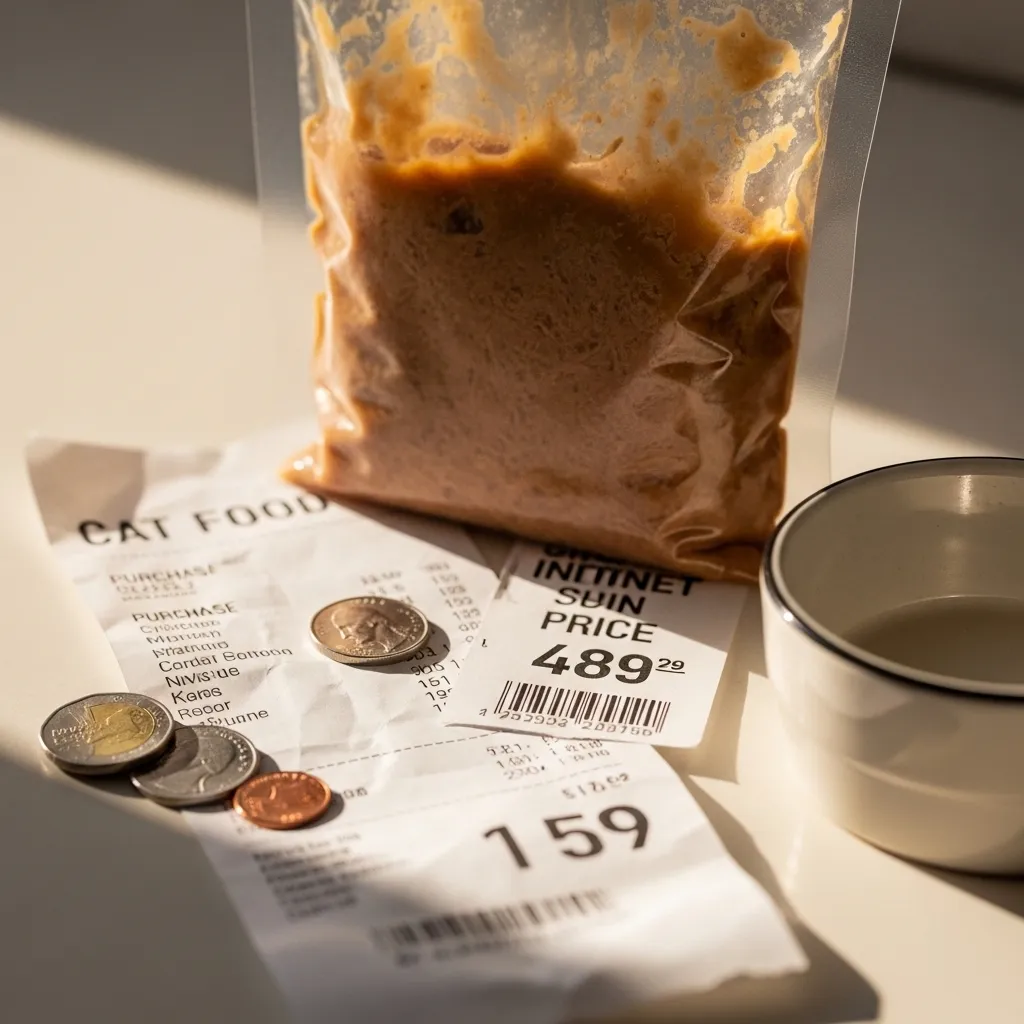
Let’s talk numbers. Refrigerated cat food can cost two to four times more than dry kibble. A small bag of premium kibble might run you $20 for a month. Fresh food? Easily $60 to $100 per month for a single cat.
But think about it this way. You’re paying for whole ingredients. No by-products, no preservatives, no fillers. It’s like comparing fast food to a home-cooked meal.
If you have multiple cats, the cost adds up fast. But some owners find their cats need less food overall because it’s more nutrient-dense. So you might go through it slower than you think.
Does It Help With Hairballs or Digestion?
Short answer: yes, for many cats. The high moisture content in fresh food helps with digestion. It keeps things moving smoothly. Less dry, crunchy food means less fiber overload.
I used to find hairballs on my rug at least once a week. After switching? Maybe once a month. The better nutrition helped Mochi shed less and digest what she did swallow.
If your cat has a sensitive stomach, this could be a huge win. Just introduce the new food slowly over a week to avoid tummy upset.
Is It Safe for Kittens and Senior Cats?
Yes, but with a few caveats. For kittens, you need food that’s specifically formulated for growth. Some fresh brands have kitten recipes with extra calories and calcium.
For senior cats, the soft texture is a blessing. Many older cats have dental issues or missing teeth. Fresh food is easy to eat and digest. Plus, the extra hydration helps aging kidneys.
Always check with your vet before switching, especially for cats with medical conditions. But in general, fresh food is safe and beneficial for all life stages.
How to Store and Serve It Without the Fuss
This is the part that scares some people. Do I need a special fridge? Nope. Your regular kitchen fridge works fine. Just keep it in the back where it’s coldest.
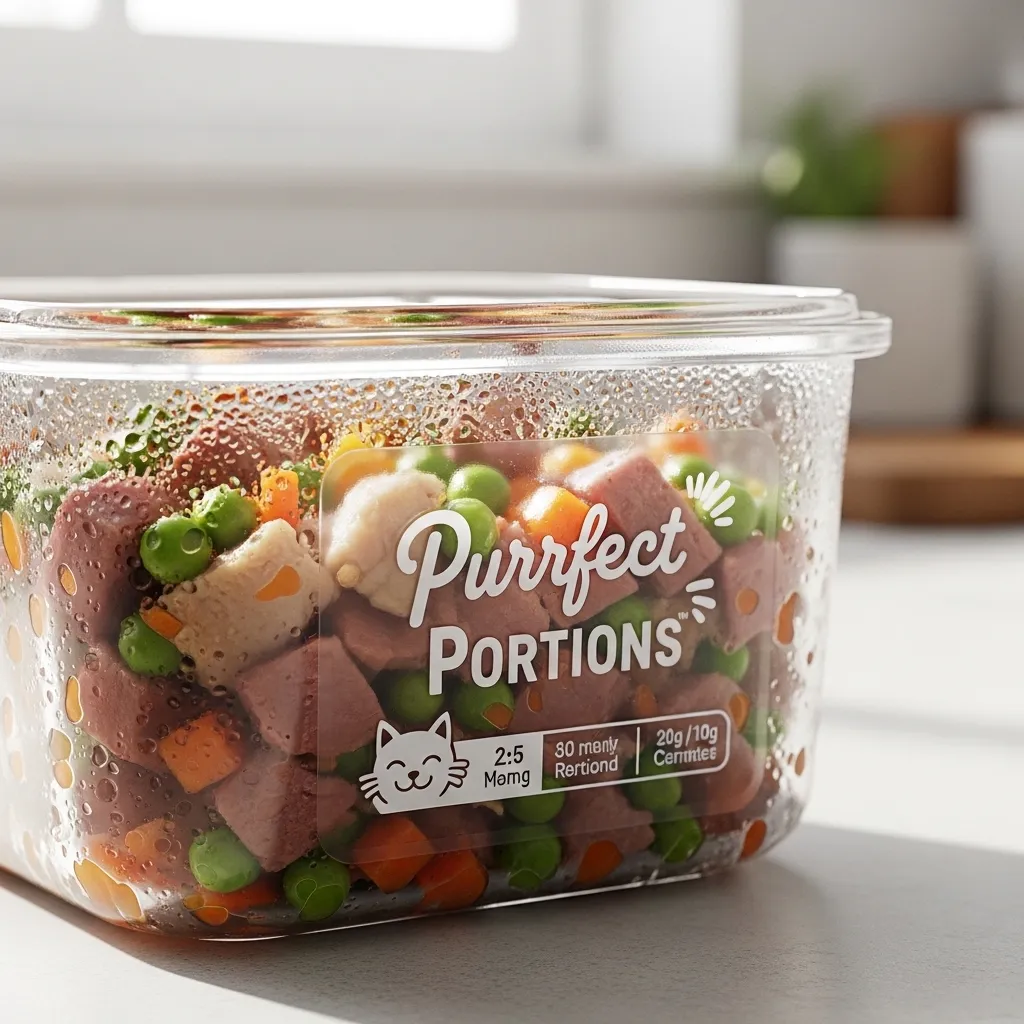
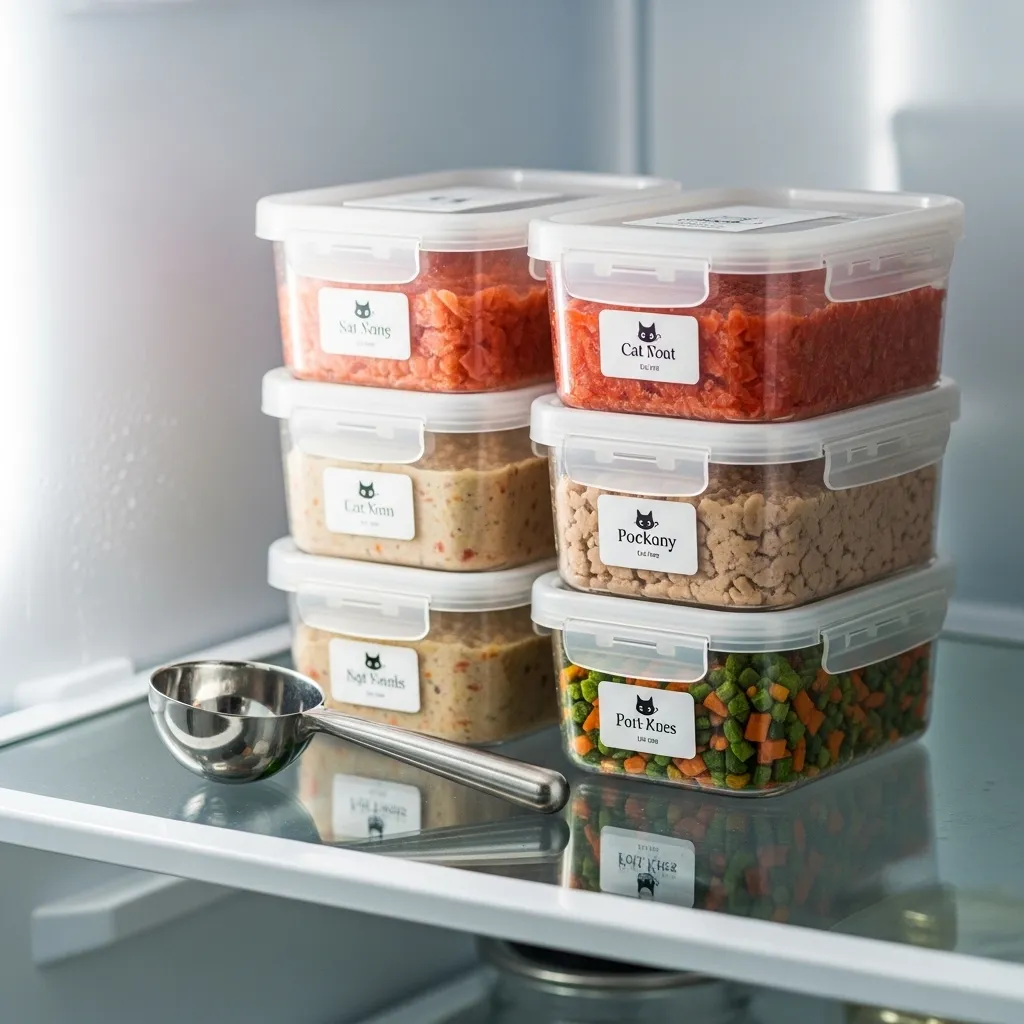
Most brands sell food in single-serving packets or tubs. You thaw what you need. Some come frozen and you defrost in the fridge overnight.
Here’s a tip: portion out the food into small containers or ice cube trays. That way you’re not thawing a whole brick at once. It saves waste and keeps things easy.
What About Raw vs. Gently Cooked?
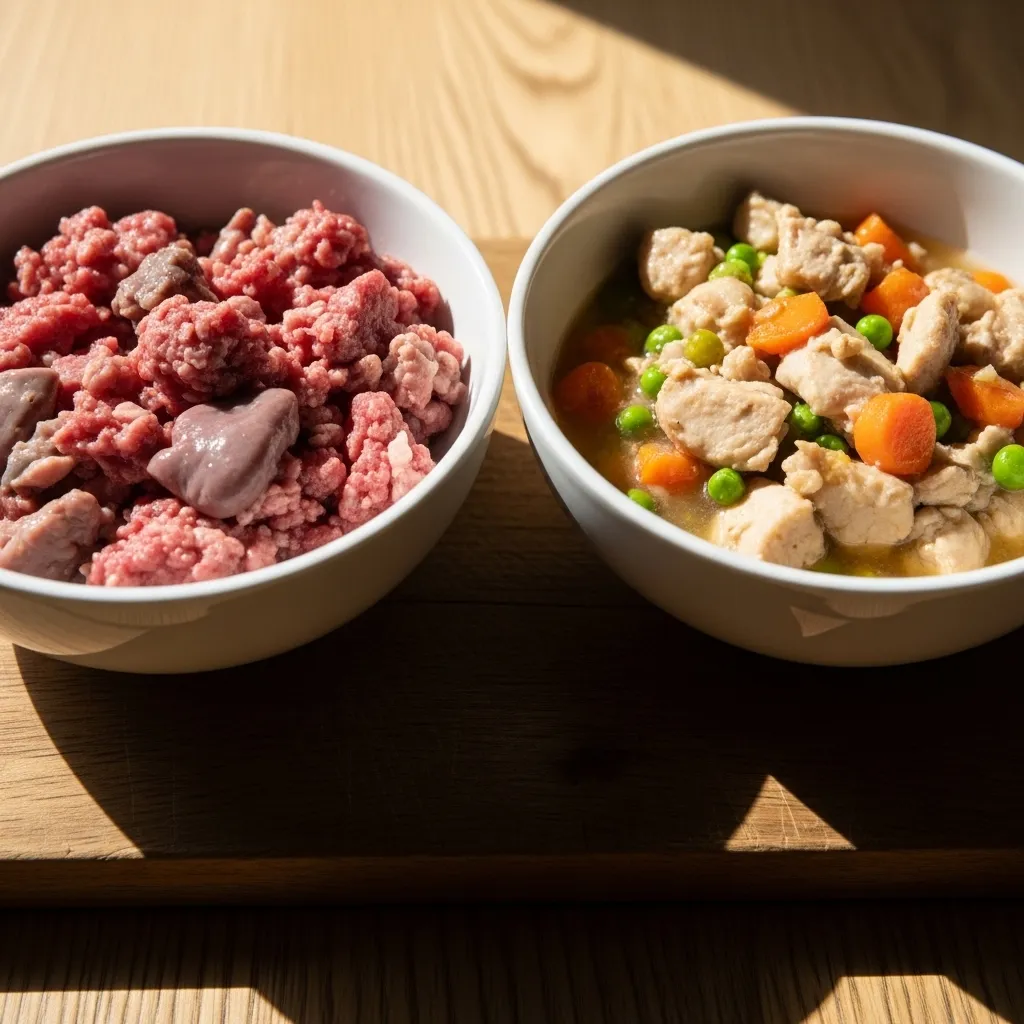
This is a big decision. Raw refrigerated food is uncooked meat, organs, and bones. It’s very natural but carries a small risk of bacteria like salmonella. Some vets don’t recommend it for households with young kids or elderly people.
Gently cooked food is heated at low temperatures to kill bacteria while keeping nutrients. It’s safer and still very healthy. Most owners I know start with cooked.
Unless you’re a raw feeding expert, I’d suggest starting with gently cooked. Your cat will still get amazing nutrition without the worry.
Will It Make My Cat Gain Weight?
Not if you feed the right amount. Fresh food is often lower in carbs than kibble. Carbs are what pack on the pounds in cats. A diet high in protein and moisture helps maintain a healthy weight.
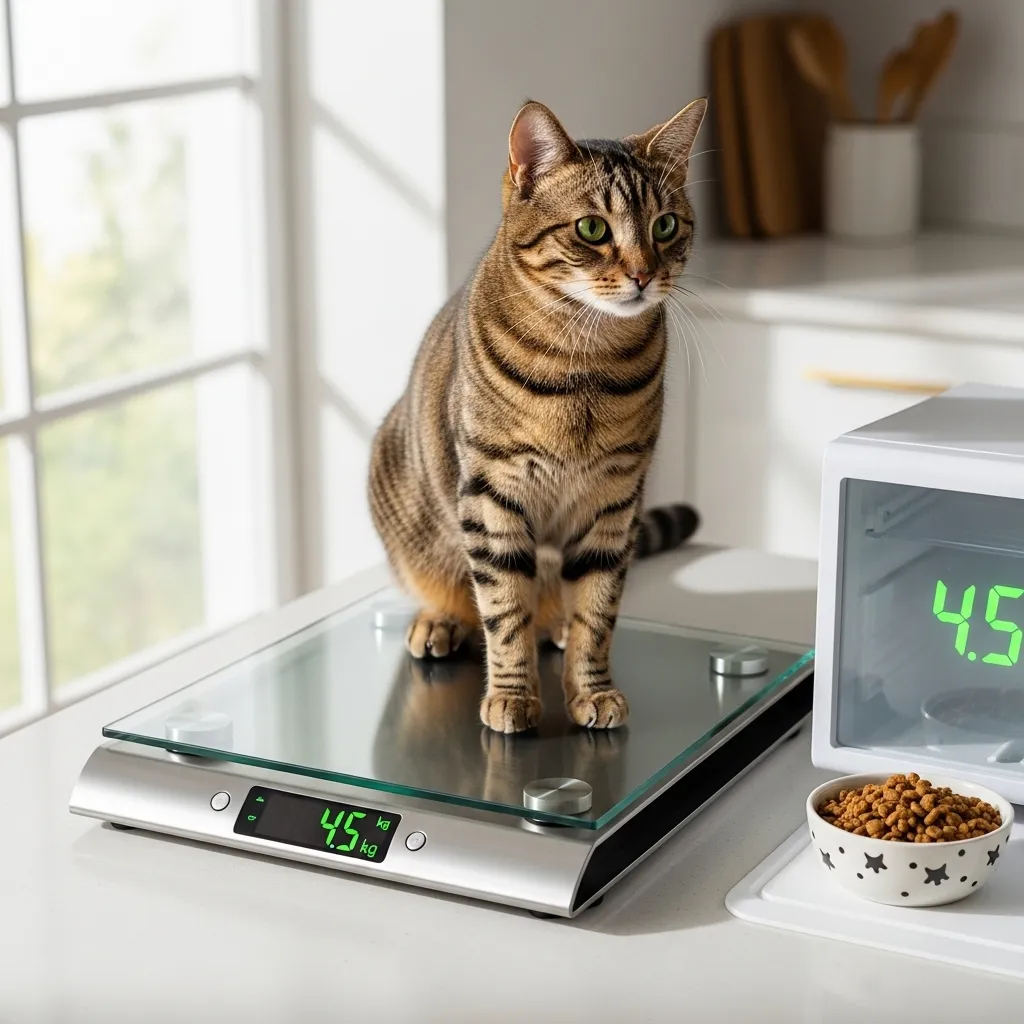
Portion control is still important. Each brand has feeding guidelines based on your cat’s weight. Use a kitchen scale if you want to be precise. I do, and it takes ten seconds.
Many cats actually lose a little weight at first because they’re not eating empty calories. That’s a good thing, as long as they’re still getting enough energy.
My Honest Verdict After Six Months
I’m not going to pretend it’s perfect. The cost is real. The prep takes a bit more effort than scooping kibble. And you have to stay on top of fridge space and expiration dates.
But for me and Mochi? Totally worth it. She’s healthier, happier, and her coat shines like she’s been brushed with butter. I feel good knowing exactly what she’s eating.
If you’re on the fence, try one small bag or a trial pack. See how your cat reacts. You might be surprised. And if it doesn’t work out, you can always go back. No shame in that.
Conclusion: Is It Worth It for Your Cat?
Refrigerated cat food is not a magic cure. But for many cats, it’s a big step up in nutrition and happiness. If you have the budget and your cat has any health or eating issues, it’s absolutely worth trying.
Start slow. Talk to your vet. Pick a reputable brand. And pay attention to how your cat responds. You might just become a fridge food convert like me.
At the end of the day, we all want what’s best for our furry friends. Sometimes that means thinking outside the kibble bag.
[[IMG:IMG12]]
Frequently Asked Questions
Can I mix refrigerated food with dry kibble?
Yes, you can. Many owners do a mix to save money. Just make sure your cat doesn’t only eat the fresh food and leave the kibble. Also, wet food spoils faster if left out, so remove uneaten portions after 30 minutes.
How long does refrigerated cat food last in the fridge?
Unopened, it can last weeks or months depending on the brand. Once opened, use it within 2–4 days. Always check the package for specific dates. If it smells off, toss it.
Do I need to add supplements to fresh food?
Most complete and balanced refrigerated foods have all the nutrients your cat needs. No extra supplements necessary. If you’re feeding a raw diet, you might need to add taurine or other vitamins. Follow the brand’s instructions.
Is refrigerated food safe for cats with kidney disease?
It can be very good because of the high moisture content. But you need a formula low in phosphorus and sodium. Always consult your vet first. Some brands offer prescription-style fresh diets.
Will my cat go back to kibble after eating fresh food?
Probably not willingly. Once cats taste fresh food, they often become picky about dry kibble. If you need to switch back, do it gradually over a week. Mix a little kibble in with the fresh and slowly increase the ratio.
[[IMG:IMG13]]