The 5 Dog-Safe Ice Cream Recipes Your Pup Will Beg For (Vet-Approved & Crazy Easy)
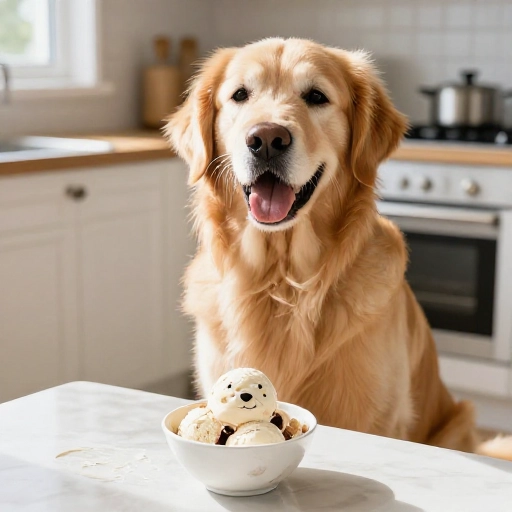
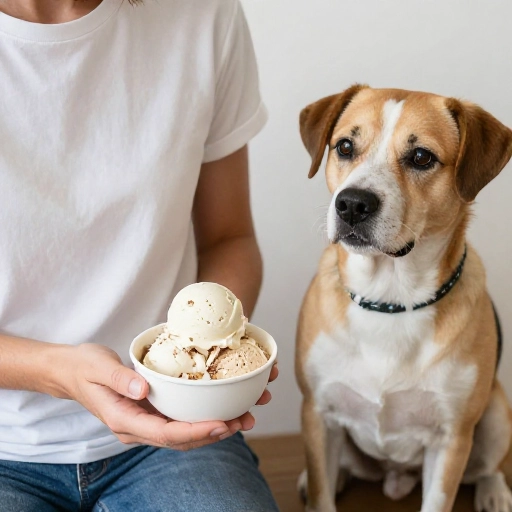
Let’s be honest—summer is tough when your dog stares at your ice cream cone with those big, hopeful eyes. You want to share, but sugar and dairy are a big no-no. I’ve been there, feeling guilty for eating a cold treat while my pup drooled on the floor.
That’s exactly why I started making homemade, dog-safe ice cream. It’s creamy, it’s cold, and it uses ingredients you probably already have in your kitchen. No weird additives, no artificial sweeteners, just pure, tail-wagging goodness.
I’m sharing my top 5 recipes that are so simple, you’ll wonder why you didn’t start sooner. Each one is packed with flavor and nutrients, and they freeze beautifully. Grab your blender, and let’s make some happy memories (and happy tummies).
Why Make This Recipe: Health & Nutritional Benefits for Dogs
Store-bought ice cream is loaded with sugar, xylitol (deadly for dogs), and dairy that can upset their stomach. Homemade dog ice cream flips the script. You control every single ingredient.
These recipes use dog-friendly bases like plain yogurt (probiotics for gut health), peanut butter (protein and healthy fats), and pumpkin (fiber for digestion). Plus, you can sneak in fruits like blueberries and bananas, which are packed with antioxidants and potassium.
It’s not just a treat—it’s a functional snack. Your dog gets hydration, vitamins, and a happy gut, all while cooling down on a hot day. I’ve seen shinier coats and more energy after switching to these homemade versions.
Kitchen Equipment & Tools You’ll Need
Don’t overthink the equipment. You probably have everything already. Here’s what makes the process smooth and mess-free.
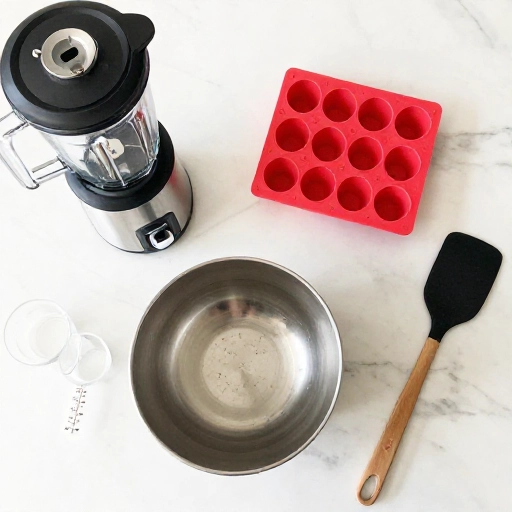
- A blender or food processor (for creamy texture)
- Mixing bowl and a sturdy spoon
- Freezer-safe containers (silicone molds, ice cube trays, or small mason jars work great)
- Measuring cups and spoons
- A silicone spatula (to scrape every last bit of goodness)
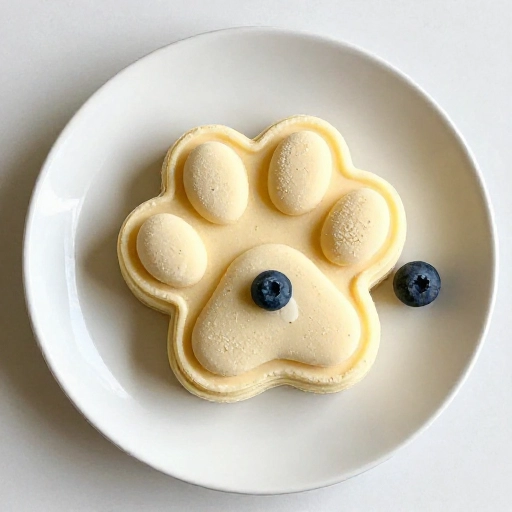
A quick tip: silicone bone molds or paw-print trays make the ice cream look adorable and portion-controlled. But honestly, a simple muffin tin lined with parchment paper does the job too.
Ingredients List & Safe Substitutions
Here’s the core shopping list that works across all five recipes. Feel free to swap based on what your dog loves or what you have on hand.
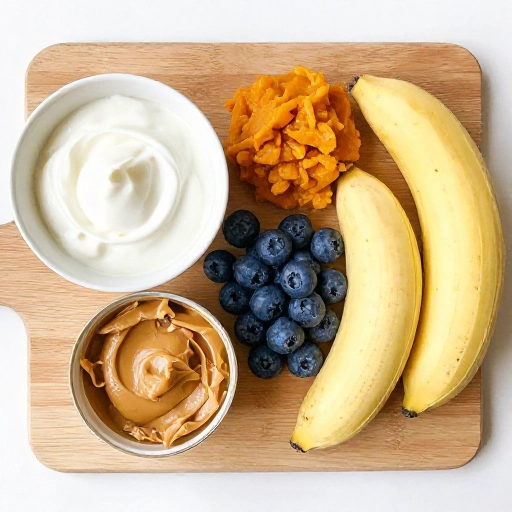
- Plain yogurt (unsweetened, no artificial sweeteners) – substitute with unsweetened coconut yogurt or kefir
- Unsalted peanut butter (no xylitol!) – substitute with sun butter or mashed banana
- Pumpkin puree (100% pumpkin, not pie filling) – substitute with mashed sweet potato or cooked carrots
- Blueberries (fresh or frozen) – substitute with strawberries, raspberries, or diced apple (no seeds)
- Banana (ripe, mashed) – substitute with avocado or cooked oatmeal
- Plain cooked chicken or beef (for savory options) – substitute with bone broth ice cubes
Always double-check labels for xylitol—it sneaks into peanut butter and sugar-free yogurts. When in doubt, keep it simple. Your dog doesn’t care about fancy ingredients.
Step-by-Step Instructions / Preparation Guide
I’ll walk you through the base method that works for all five recipes. Customize the add-ins as you go.
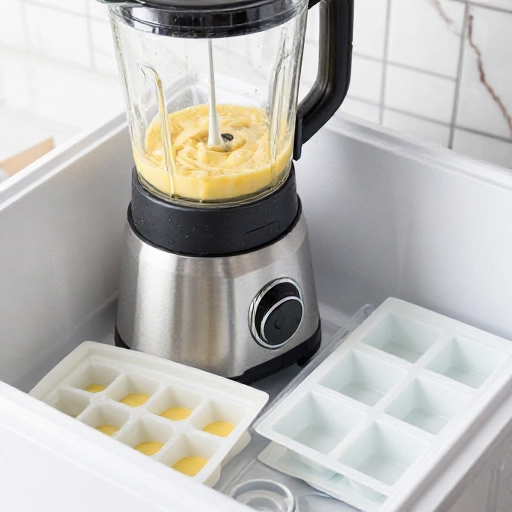
- Blend the base: In your blender, combine 1 cup plain yogurt, 1 ripe banana (mashed), and 2 tablespoons peanut butter. Blend until smooth.
- Add your flavor: For the “Blueberry Bliss” version, toss in ½ cup blueberries and pulse until chunky. For “Pumpkin Spice,” add ½ cup pumpkin puree and a pinch of cinnamon (safe for dogs).
- Pour and freeze: Spoon the mixture into your molds or containers. Tap them gently on the counter to release air bubbles.
- Freeze solid: Place in the freezer for at least 4 hours, or overnight for best results. The texture should be scoopable, not rock-hard.
- Pop and serve: Run the mold under warm water for 10 seconds to release the ice cream. Serve one small portion and watch the joy.
Pro tip: Make a big batch and store them in individual portions. Your future self (and your dog) will thank you on a scorching afternoon.
Feeding Guidelines, Serving Size & Storage Tips
Portion control matters. A small dog (under 20 lbs) should get about 1–2 tablespoons per serving. Medium dogs (20–50 lbs) can have ¼ cup, and large breeds (50+ lbs) can enjoy up to ½ cup. Treats should only make up 10% of their daily calories.
Storage: Keep the ice cream in an airtight container in the freezer for up to 3 months. If you use silicone molds, transfer the frozen pops to a zip-top bag to save space and prevent freezer burn.
Serving tip: Let the ice cream sit at room temperature for 5 minutes before serving. It softens just enough to be easy on their teeth but still cold and refreshing.
Watch your dog the first time they try a new flavor. Some dogs are sensitive to new ingredients. Start with a small lick and wait 24 hours if you’re introducing something like strawberries or pumpkin for the first time.
Final Verdict & Summary
These five dog-safe ice cream recipes are a total game-changer. They’re quick, affordable, and way healthier than anything you’ll find in a pet store. Plus, making them feels like a little love letter to your furry best friend.
My personal favorite is the peanut butter banana base with a swirl of blueberry. My dog does a happy dance every time I open the freezer. I’ve also found that the pumpkin version helps with his digestion after a long walk.
Give it a try this weekend. You don’t need fancy equipment or rare ingredients. Just a blender, some fruit, and a whole lot of love. Your pup deserves a cold treat that’s made just for them.
FAQ: Dog-Safe Ice Cream Questions Answered
Can I use Greek yogurt instead of plain yogurt?
Absolutely. Greek yogurt has more protein and less lactose, which is easier on sensitive stomachs. Just make sure it’s plain and unsweetened. No flavored or “light” yogurts—they often contain artificial sweeteners.
Is xylitol really that dangerous?
Yes, it’s extremely dangerous. Even a small amount can cause a rapid drop in blood sugar, seizures, or liver failure in dogs. Always check the label on peanut butter, yogurt, and any packaged ingredients. If it says “sugar-free” or “low-calorie,” skip it.
How often can I give my dog this ice cream?
Treat it like a special snack, not a meal replacement. Once or twice a week is plenty for most dogs. If your dog has health issues like diabetes or pancreatitis, check with your vet first. Moderation keeps it fun and safe.
Can I use milk instead of yogurt?
Most dogs are lactose intolerant, so cow’s milk might cause gas or diarrhea. Stick with plain yogurt (the live cultures break down lactose) or use unsweetened coconut milk or oat milk as a base. Goat milk is also a great alternative.
My dog is picky. How do I get them to try it?
Start with a flavor they already love. If they go crazy for peanut butter, make that the star. You can also mix in a tiny bit of their regular kibble or freeze the mixture in a Kong toy. The cold makes it more interesting, and the familiar taste seals the deal.