Transform Your Side Yard: 10 DIY Dog Run Designs That Actually Work
My side yard used to be the most useless strip of land on my property. Too narrow for a patio, too shady for a garden, and somehow always muddy. Then I got a dog who refused to do his business on a leash, and suddenly that skinny little space became the most important 60 square feet of my yard.
I’ve built (and rebuilt) a few of these over the years, and I’ve learned what actually holds up to daily zoomies and what just turns into a swamp by February. The good news: none of these require a contractor or a massive budget.
Here are 10 dog run designs I’d happily build again — pick the one that matches your space, your dog, and how much weekend energy you’ve got.
1. The Pea Gravel Potty Run (My Go-To Starter Build)
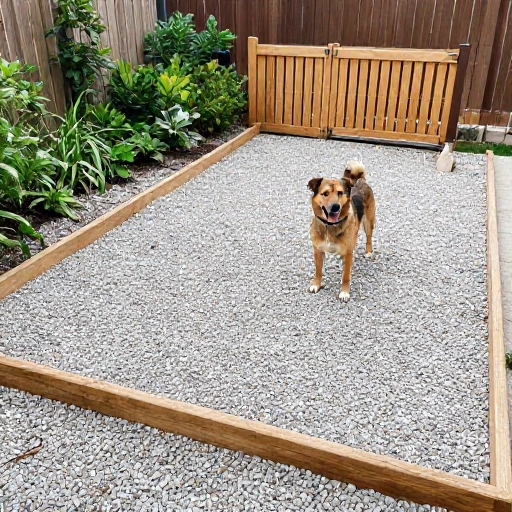
This is the one I recommend to basically everyone with a narrow side yard. You’re building a simple strip — typically 3 to 4 feet wide and as long as your yard allows — filled with pea gravel.
Start by clearing the area and laying down a layer of weed barrier fabric. Then dump 3 to 4 inches of pea gravel on top and edge it with pressure-treated lumber or steel edging so the rock stays put.
The beauty of this design is cleanup. You hose it down, and the waste breaks down or rinses away instead of sitting in mud. It drains fast, it never gets swampy, and it looks tidy from the street.
One tip from experience: buy rounded pea gravel, not the jagged crushed stuff. Your dog’s paws will thank you.
2. Artificial Turf With a Real Drainage Base
I resisted fake grass for years because I thought it looked, well, fake. Then I saw a properly installed dog turf run and changed my mind completely.
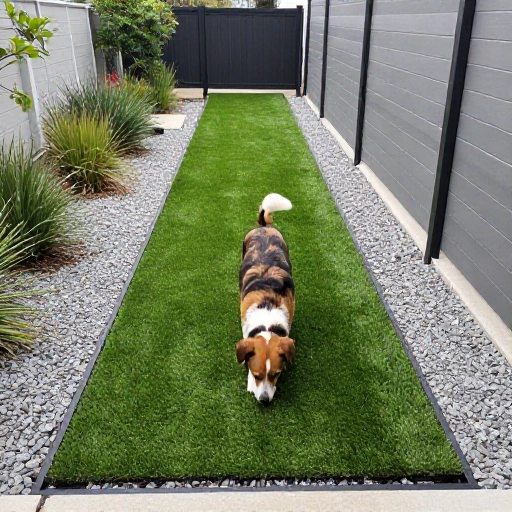
The trick is what goes underneath. You’ll want roughly 2 inches of crushed stone, compacted, then a layer of pet-specific turf with a perforated backing that lets water pass straight through.
Add a light infill layer — silica sand or a pet deodorizing infill — to keep the fibers standing up and reduce odor. Odor is the real enemy here, so plan on a quick rinse every week or two.
Yes, it costs more upfront than gravel. But it stays green all year, it’s soft underfoot, and it’s the cleanest-looking option on this whole list.
3. Cedar Picket Fence With a Self-Closing Gate
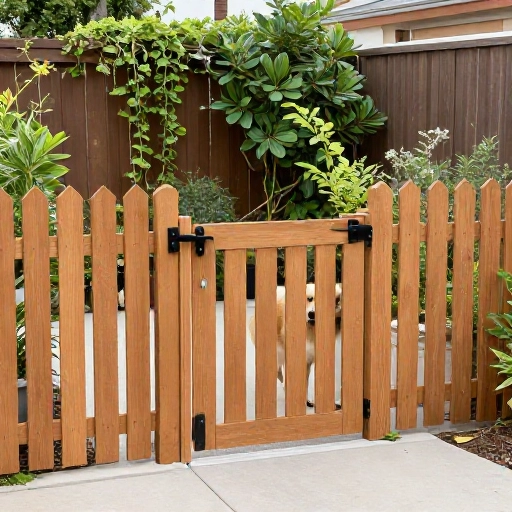
Sometimes the design is the enclosure. A 4-foot cedar picket fence turns a random strip of dirt into an actual, defined dog run — and cedar naturally resists rot and insects.
Set your posts in concrete, leave a small gap at the bottom for drainage, and cap the tops so nobody snags a paw. Four feet is plenty for most dogs to feel contained without making your side yard feel like a prison yard.
Spend the money on a self-closing, self-latching gate. It’s a small upgrade that has saved me from at least two “the dog is loose on the street” panic moments.
Stain it the same color as your house and it reads as intentional design, not a dog cage.
4. The Deck and Pergola Shade Run
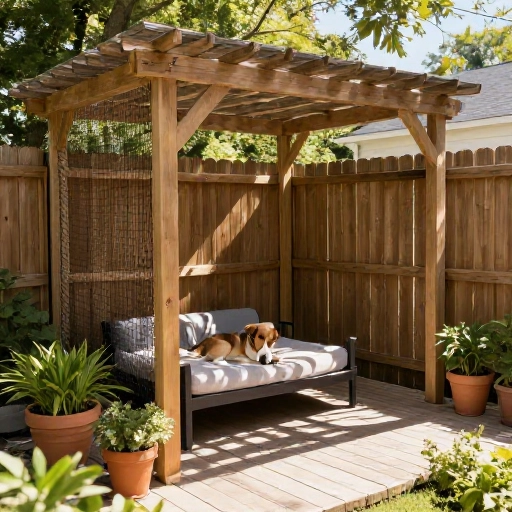
If your side yard gets blasted with afternoon sun, this one’s for you. I built an elevated low deck with a simple pergola overhead, and it’s now my dog’s favorite nap spot.
You don’t need a fancy pergola — four posts and a few crossbeams will do. Drape shade cloth or grow a fast climbing vine over it and you’ve got natural cooling.
Build in a raised water bowl holder so it doesn’t get kicked over, and leave a gap underneath the deck for airflow so moisture doesn’t build up. Keep the deck low — 6 to 12 inches off the ground — so it’s easy for older dogs to step onto.
5. Mulch and Stepping Stone Path
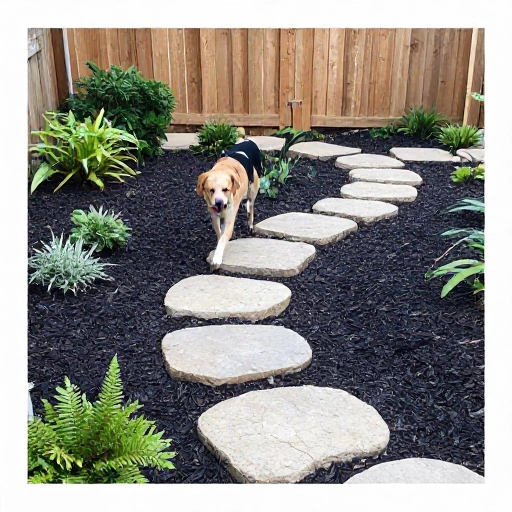
This is the budget version that still looks nice, and it’s great if you’re renting or just don’t want to commit to hardscaping.
Spread 3 inches of cedar or cypress mulch over the run and set large flat pavers in a loose path down the middle. The mulch handles moisture and odor reasonably well, and the pavers give your dog a dry place to stand.
Important safety note: skip cocoa mulch entirely. It contains theobromine, which is toxic to dogs, and it smells good enough that some pups will actually eat it.
Refresh the mulch once a year and this run stays looking clean with almost zero effort.
6. The Zip-Tie Wire Panel Run (A Weekend Build)
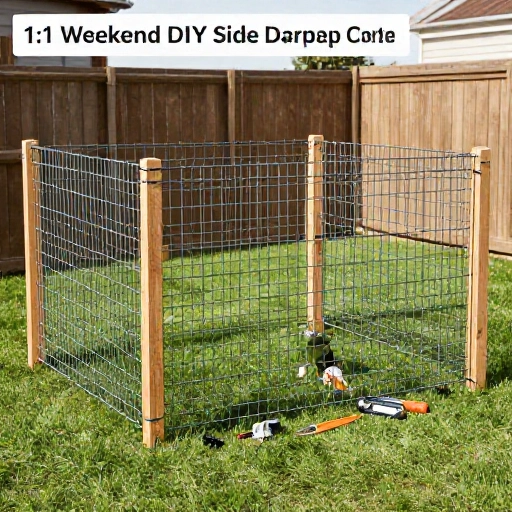
This is my favorite trick for a fast, no-dig dog run. Buy a set of freestanding wire kennel panels — usually sold in 10×10 foot kits — and zip-tie them straight to your existing fence line.
No digging, no concrete, no permits in most places. Set the panels on top of a layer of gravel or pavers and you’re done in an afternoon.
I like to leave one panel as a swinging door so I can walk in without stepping over anything. Add a couple of cinder blocks along the bottom edge if your dog is a digger or a fence-nudger.
If you move, you take it with you. That flexibility is worth a lot.
7. Raised Planter Beds as a Natural Border
Here’s the design that solves two problems at once: you define the run, and you get something pretty to look at.
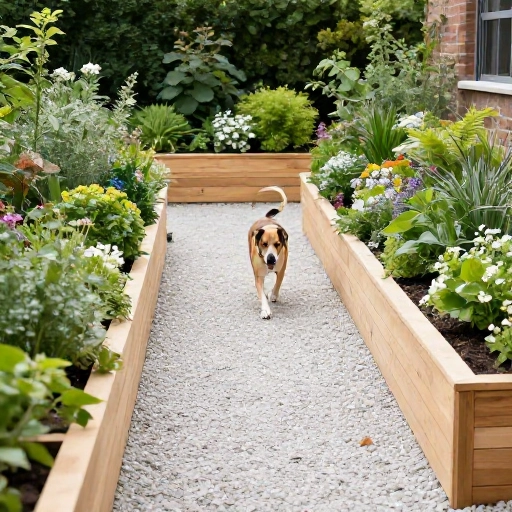
Build raised beds along one or both sides of the run using cedar or composite boards, and plant sturdy, dog-safe greenery — think ornamental grasses, rosemary, or lavender. The beds act as a soft visual and physical boundary.
Keep the beds tall enough (18 inches or more) that a determined dog can’t easily trample the plants, and leave a clear walking lane of at least 3 feet down the middle.
The bonus: the plants cut down on dust, absorb some odor, and make the whole space feel like a garden path instead of a kennel.
8. The Doggy Door Side Yard Loop
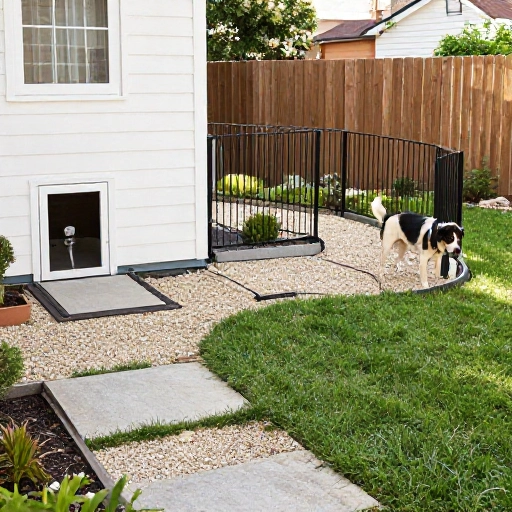
This one is about convenience more than aesthetics, and honestly it changed my daily routine. If your side yard runs alongside the house, install a dog door in the wall or door that opens directly into it.
Seal the run fully — every gap, every corner — so your dog can move between house and yard freely without you playing doorman six times a day.
Add a small concrete pad or paver landing right outside the door to prevent a mud pit from forming at the threshold. That single detail makes the biggest difference.
This setup works best for mild climates or for dogs who just need a quick potty loop, not hours of unsupervised outdoor time.
9. Pavers With a Trench Drain Wash Zone
If I were building a dream dog run from scratch, this is the design I’d choose. It’s the most functional thing on this list.
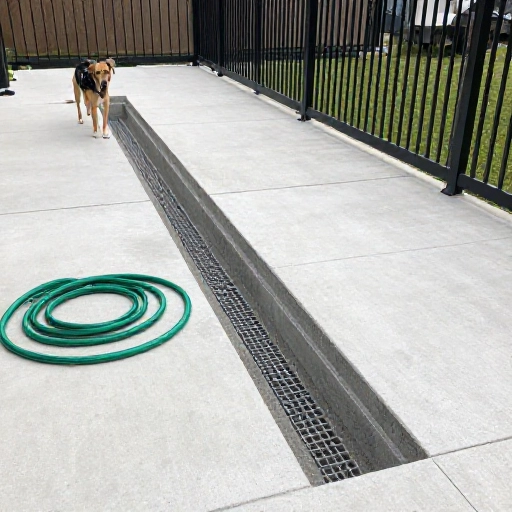
Lay large-format concrete pavers over a sand base, sloping them very slightly toward a linear trench drain at the low end. Cap the drain with a grate your dog can’t catch a toe on.
Now when the run gets messy, you grab a hose, spray everything down, and the water disappears instead of pooling. No mud, no smell, no scrubbing.
It’s more work than gravel, no question. But it lasts decades and it looks like a real patio, which means your side yard stops being an eyesore.
10. Shade Sail and Splash Pad Cooling Run
For hot climates or flat-faced breeds who overheat easily, cooling is the whole point of the design.
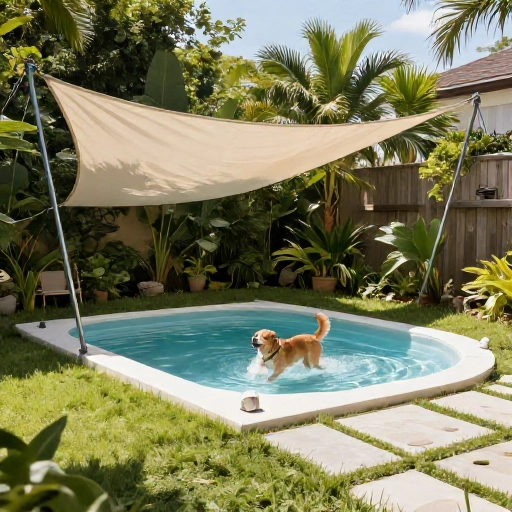
Stretch a triangular or square shade sail over the middle of the run, anchored to posts or the house. It blocks up to 90% of UV and drops the temperature noticeably underneath.
Then add a hard plastic kiddie pool or a splash pad with a low-flow hose attachment. Change the water every day or two — standing water breeds mosquitoes fast, and nobody wants that.
Pair it with gravel or turf underneath and you’ve got a summer-proof run your dog will actually use in August.
Final Thoughts Before You Break Ground
Start with the drainage. Every single one of these designs fails if water has nowhere to go, and that’s the mistake I made the first time around.
Then think honestly about your dog — their size, their energy, their paws, and whether they dig. A design that’s perfect for a senior beagle is a disaster for a husky puppy.
And don’t feel like you have to pick just one. My current setup is pea gravel for the potty strip with a small paver landing by the gate, and it’s held up beautifully for three years.
Frequently Asked Questions
What’s the cheapest DIY dog run design?
The zip-tie wire panel run or the mulch-and-stepping-stone setup. Both can usually be done for under a couple hundred dollars and an afternoon of work, with no digging or concrete required.
How wide does a side yard dog run need to be?
Three feet is the practical minimum for a dog to turn around and walk comfortably. If you can spare four or five feet, do it — you’ll fit a gate, a water bowl, and a shade spot without squeezing.
Is pea gravel safe for dog paws?
Rounded pea gravel is generally fine and drains well. Avoid jagged crushed rock or large river stones, which can be painful on pads and hard for older dogs to walk on.
How do I stop my dog run from smelling?
Good drainage plus a weekly rinse does most of the work. With turf, use a pet-specific infill and rinse more often in summer. With gravel or pavers, pick up solids daily and hose the area down.
Do I need a permit to build a dog run?
It depends on your local rules and how tall the structure is. Low fences and freestanding panels usually don’t require one, but anything attached to the house or over a certain height might. A quick call to your city office saves a lot of headaches later.