Why Do Cats Hide in Small Spaces?
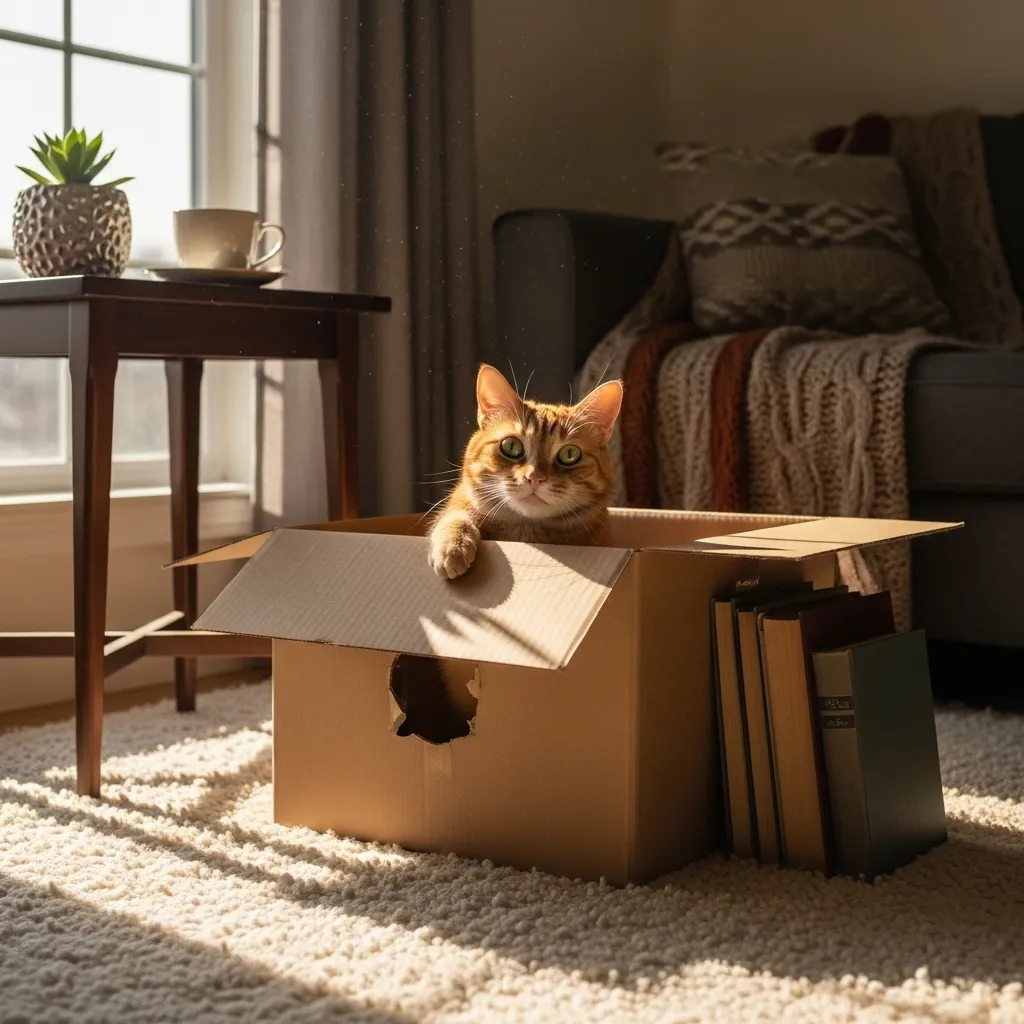
Every cat owner knows the scene: you bring home a big, plush bed, and your cat chooses the empty cardboard box instead. It can feel a little puzzling, even a little funny. But there’s actually a deep, instinctual reason behind this behavior. Your cat isn’t being difficult—she’s being smart.
Think about it from her perspective. In the wild, small spaces mean safety. They offer protection from predators, a perfect spot to nap without surprises, and a way to watch the world without being seen. Your cozy home might feel safe to you, but your cat’s ancient instincts are still very much alive.
Let’s walk through the most common reasons your feline friend seeks out those tiny, tucked-away spots. Understanding this can help you make her feel even more secure and loved.
1. It’s Pure Instinct
Your cat’s DNA is packed with survival tactics from her wild ancestors. Small, enclosed spaces feel like a den. This is a natural place where she can rest without worrying about anything sneaking up from behind.
This instinct is especially strong when she’s feeling sleepy or vulnerable. A small space acts like a protective bubble. It’s not about being scared; it’s about being smart and conserving energy safely.
Even a confident cat will choose a cozy nook for a deep sleep. It’s just good strategy.
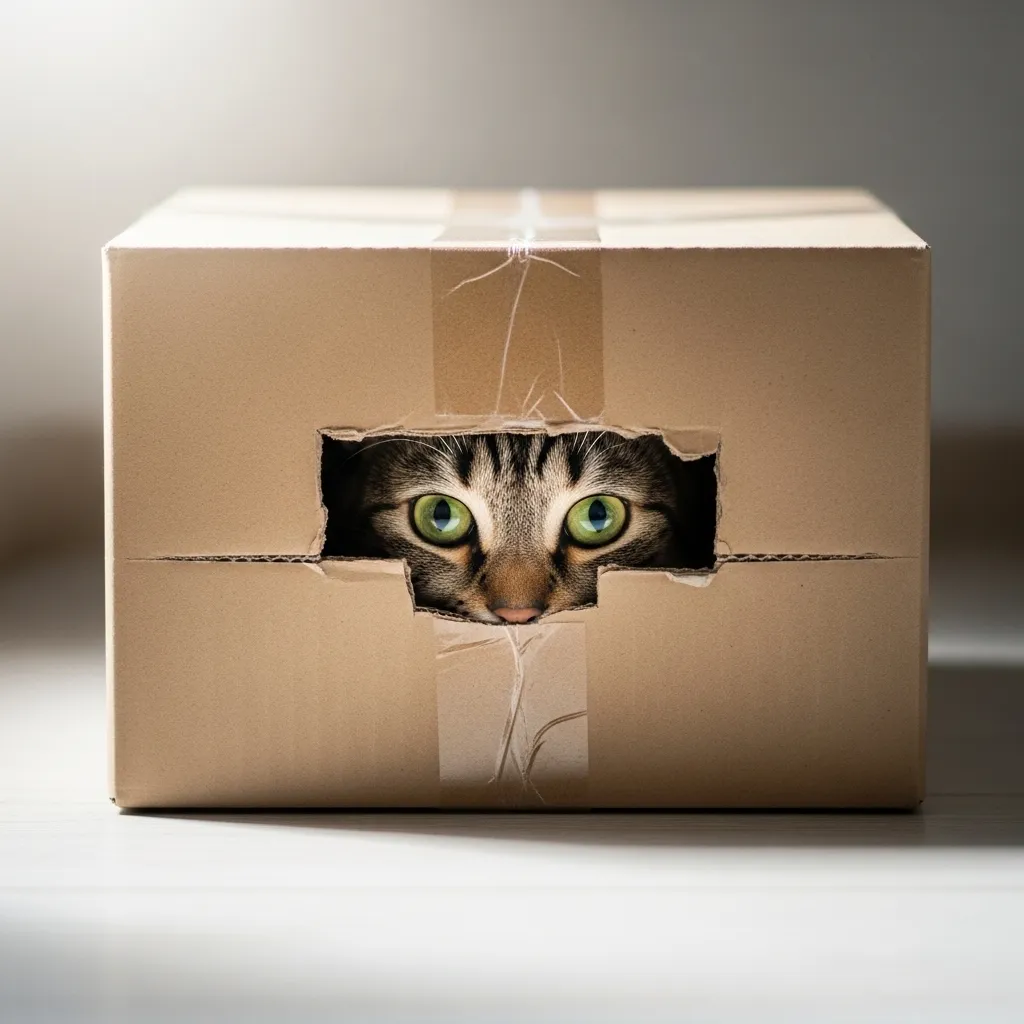
2. They Feel Safe and Secure
Think about how good it feels to wrap yourself in a heavy blanket on a cool day. That gentle pressure is comforting. For cats, the walls of a small box or a tight shelf provide a similar sensation of security.
This feeling of being “held” is deeply calming. It reduces their stress hormones and helps them relax completely. When a cat curls up in a tight spot, she is telling you, “I feel safe enough to let my guard down all the way.”
It’s the ultimate sign of trust.
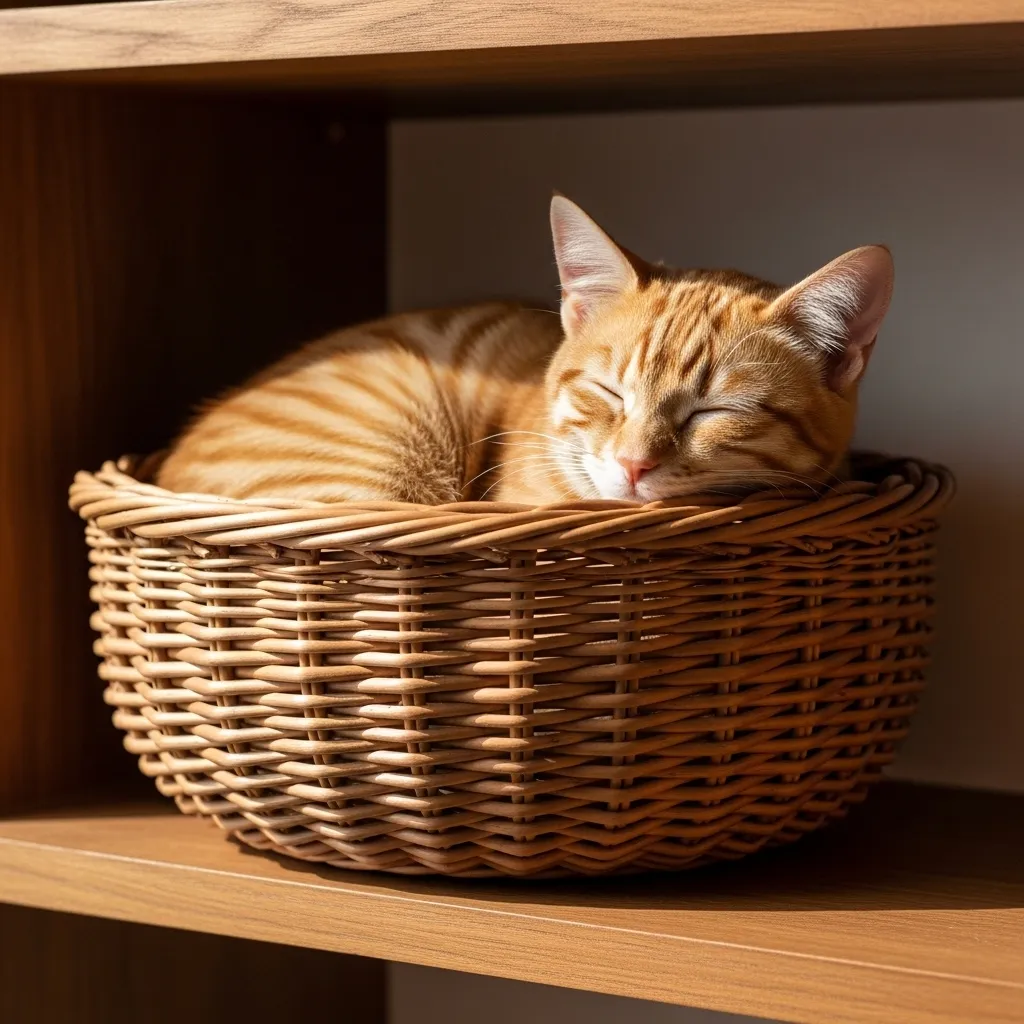
3. They Need a Warm, Cozy Spot
Cats are natural heat-seekers. Their body temperature is a few degrees higher than ours, so they are always looking for ways to stay warm. Small spaces trap body heat much better than open areas.
That sunny spot on the rug is nice, but a small box lined with a soft blanket is like a personal sauna. The smaller the space, the faster it warms up. It’s simple physics, and your cat knows it.
This is why you’ll often find them in laundry baskets, behind a warm laptop, or squeezed into a tiny corner of the sofa.
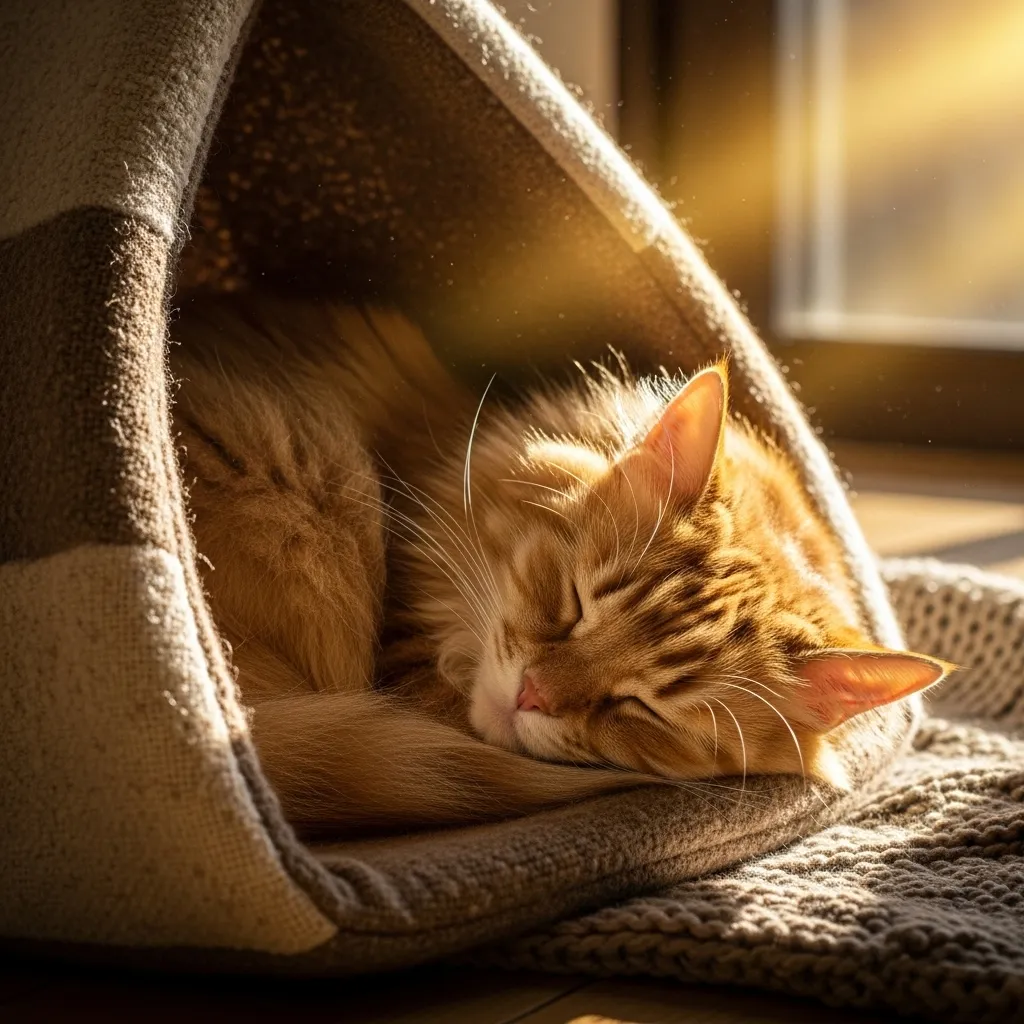
4. They Want to Observe Without Being Seen
Cats are both predators and prey in their minds. A small space offers the perfect hideout. They can watch everything happening in the room—you moving around, a bird outside the window—without feeling exposed.
This gives them a sense of control. They can decide when to come out and interact. It’s their way of saying, “I see you, but you don’t see me.”
This is especially common in busy households or when new people visit. It helps them feel less overwhelmed.
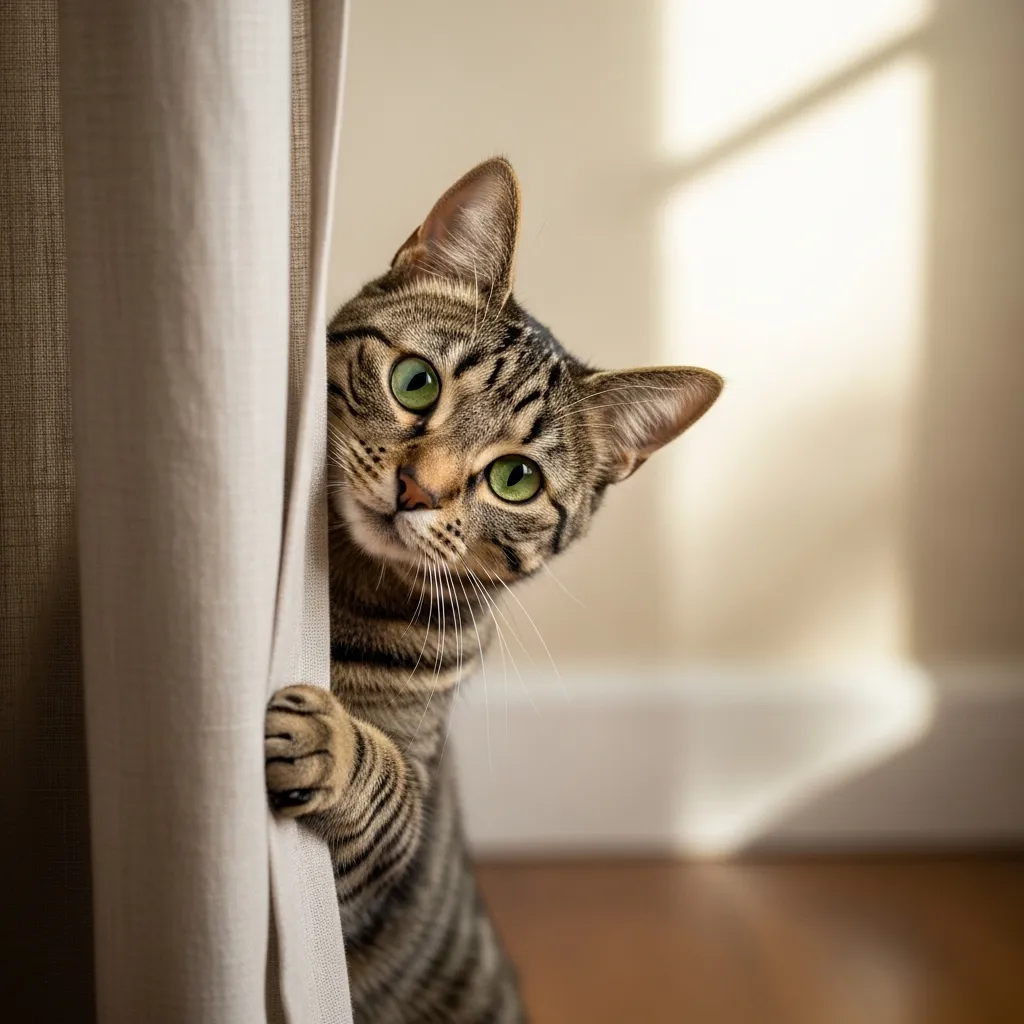
5. They Are Feeling Stressed or Overwhelmed
Just like us, cats need a quiet place to decompress. Loud noises, arguments, a new pet, or even a change in furniture can stress them out. Hiding is their primary coping mechanism.
When a cat retreats to a small, dark spot, she is not being rude. She is managing her own anxiety. It’s her way of hitting the “pause” button on a busy world.
If your cat hides more than usual, check her environment. Give her space and let her come out on her own terms.
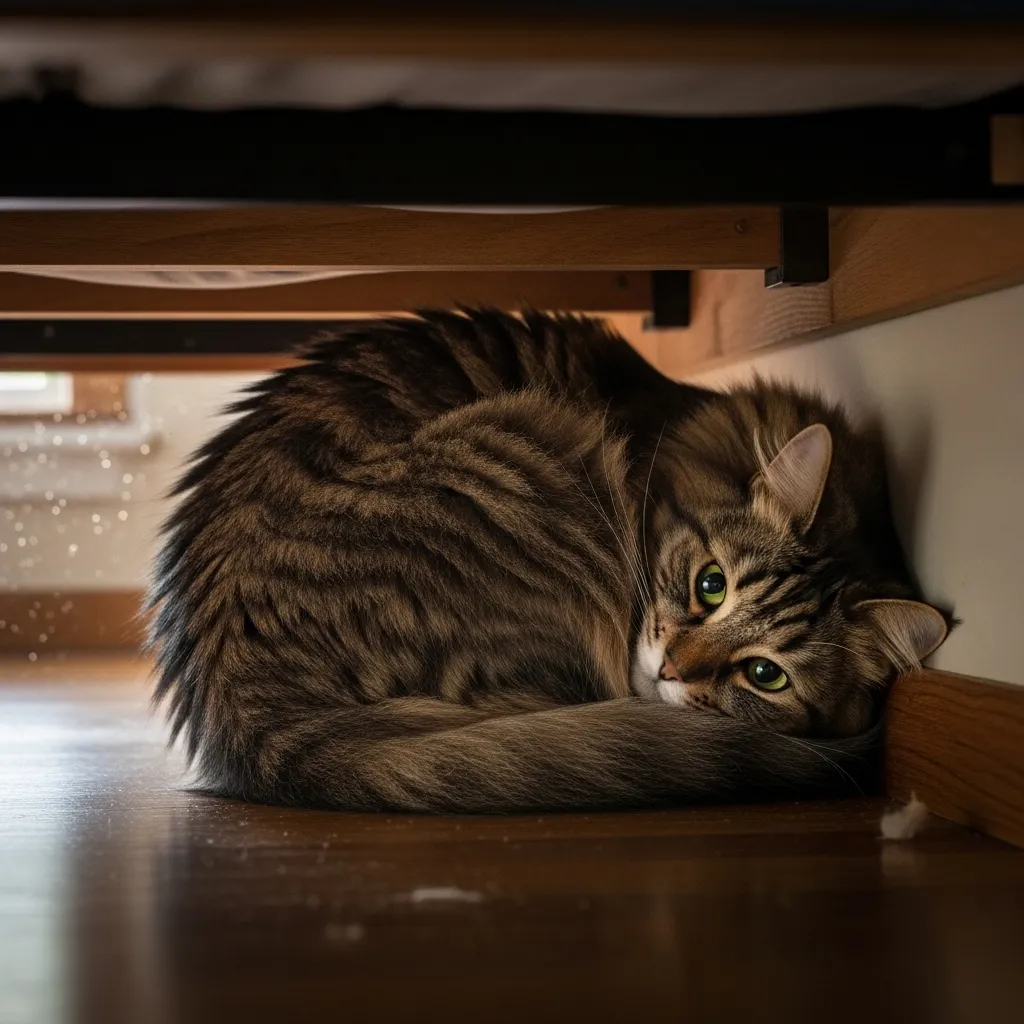
6. They Are Not Feeling Well
In the wild, a sick animal is a vulnerable animal. Cats instinctively hide when they are in pain or feeling unwell. This is a hardwired behavior to avoid attracting predators.
If your normally social cat suddenly starts hiding in unusual places, pay attention. It could be a sign of a medical issue. Look for other clues like changes in appetite, grooming, or litter box habits.
A quick check-up with your vet is always a good idea if the hiding feels new or excessive.
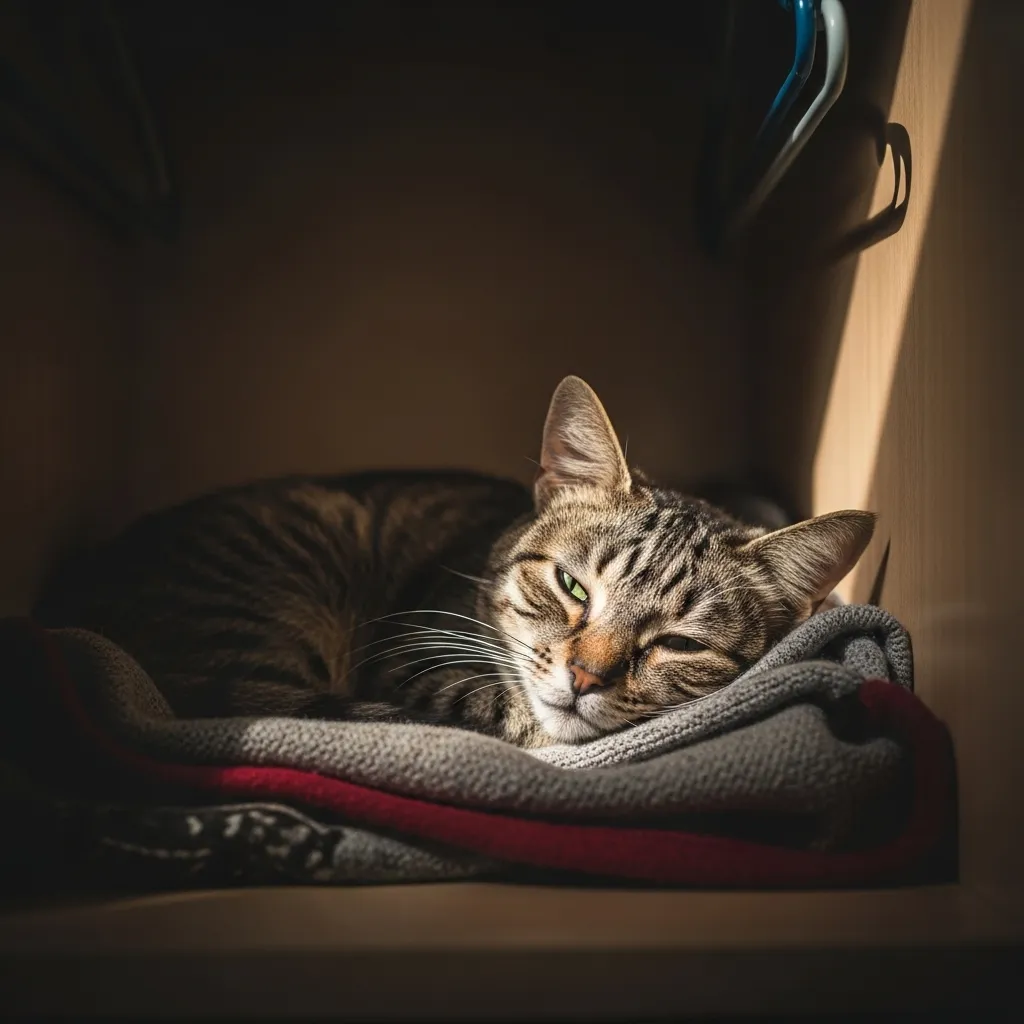
7. It’s a Great Place to Hunt (Play!)
For a cat, a box is not just a box. It’s an ambush point. Hiding inside and then pouncing on a toy (or your ankle) is a core part of play. It mimics the hunting sequence of stalk, chase, and catch.
This is why so many cats love playing “peek-a-boo” from inside a paper bag or a shipping box. It makes the game more exciting for them.
Try tossing a small toy mouse near their hiding spot. You’ll see their natural hunting instincts kick in immediately.
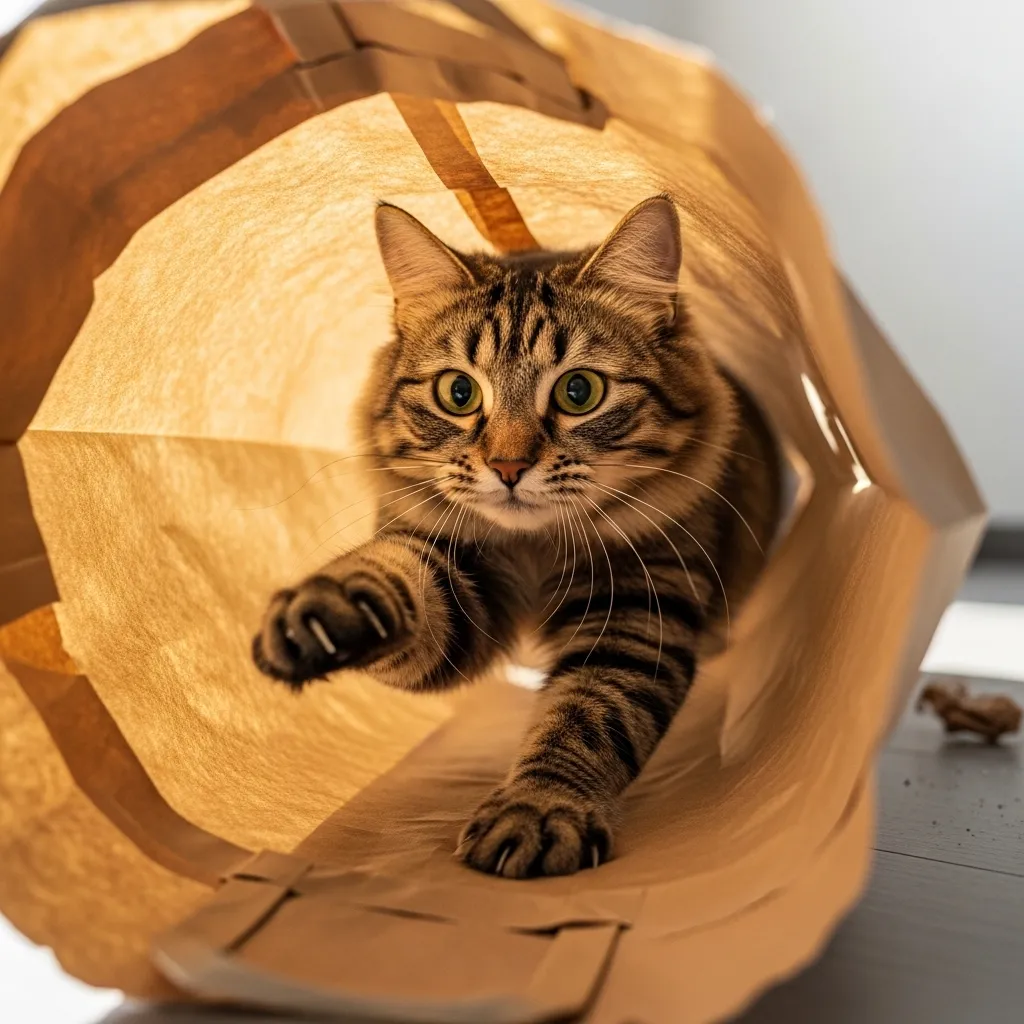
8. They Just Love the Texture
Sometimes, the reason is simple and sensory. Cats love the feel of different materials. A cardboard box has a rough, pleasing texture to scratch. A plastic bag (always supervise!) crinkles in a fascinating way.
A small, soft laundry basket offers a perfect mix of warmth and squishiness. For a cat, finding a great hiding spot is like finding the perfect new chair. It just feels good.
Never underestimate the power of a simple, pleasing texture for a cat.
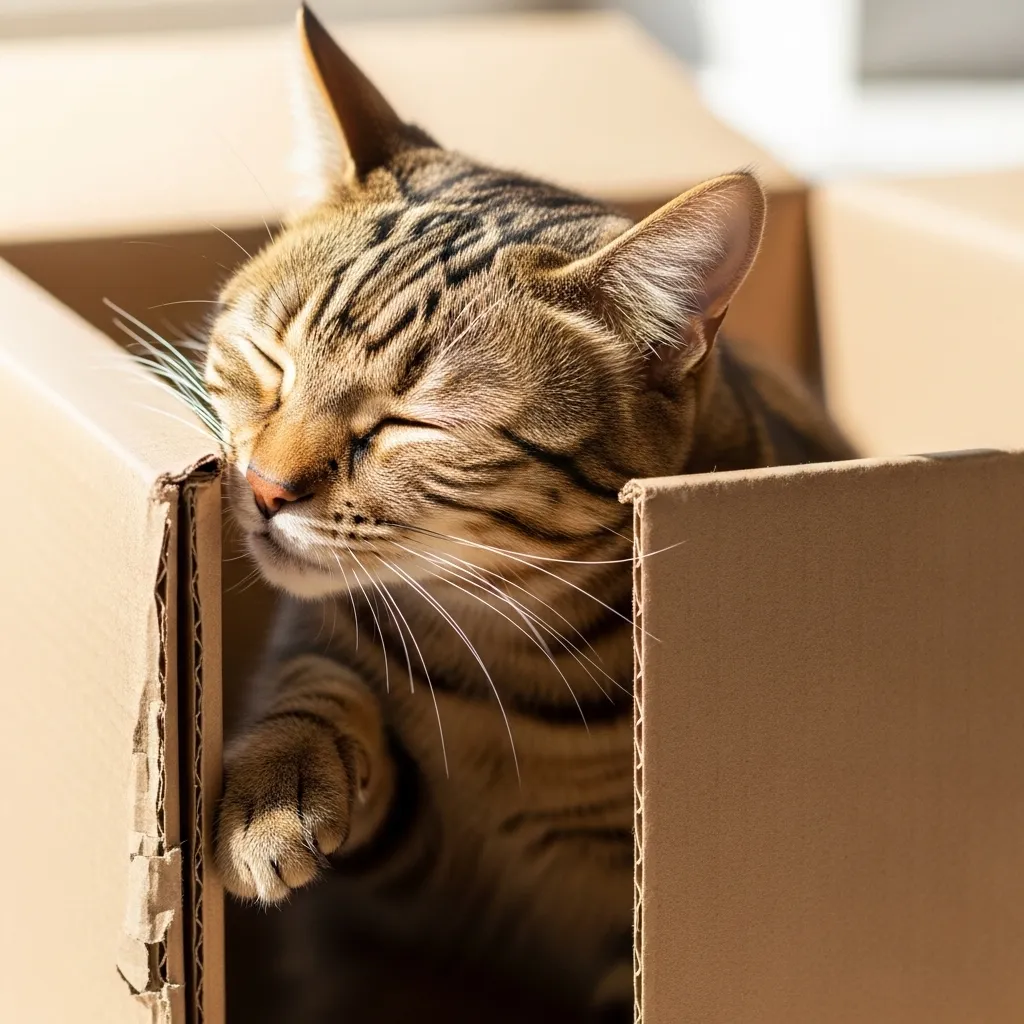
9. It Reminds Them of Their Mother
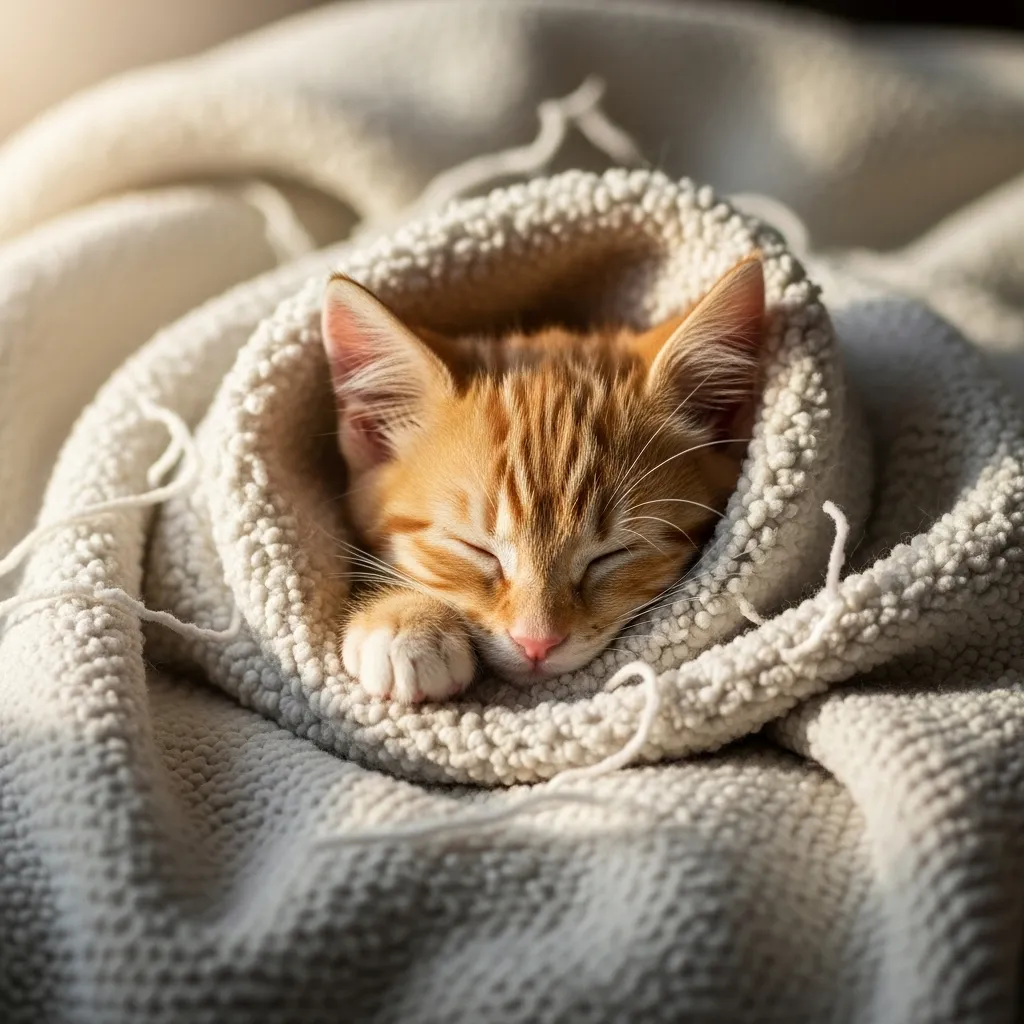
Kittens spend their first weeks snuggled close to their mother and littermates. That feeling of being surrounded and warm is one of their earliest and happiest memories.
A small, enclosed space can trigger that same feeling of comfort and safety. It’s a return to a very simple, happy time in their life.
This is especially true for cats who were adopted very young. The small space becomes a security blanket of sorts.
10. It’s Simply Fun and Private
Let’s not overthink it too much. Sometimes, hiding is just fun. Cats are curious creatures, and a small, dark spot is an interesting place to explore. It’s their personal little room.
They also value their privacy. Just like you might enjoy reading a book in a quiet corner, your cat enjoys having a place where she can be alone with her thoughts. Respect that need for alone time.
A happy cat is one that has options, including a few good hiding spots.
Conclusion
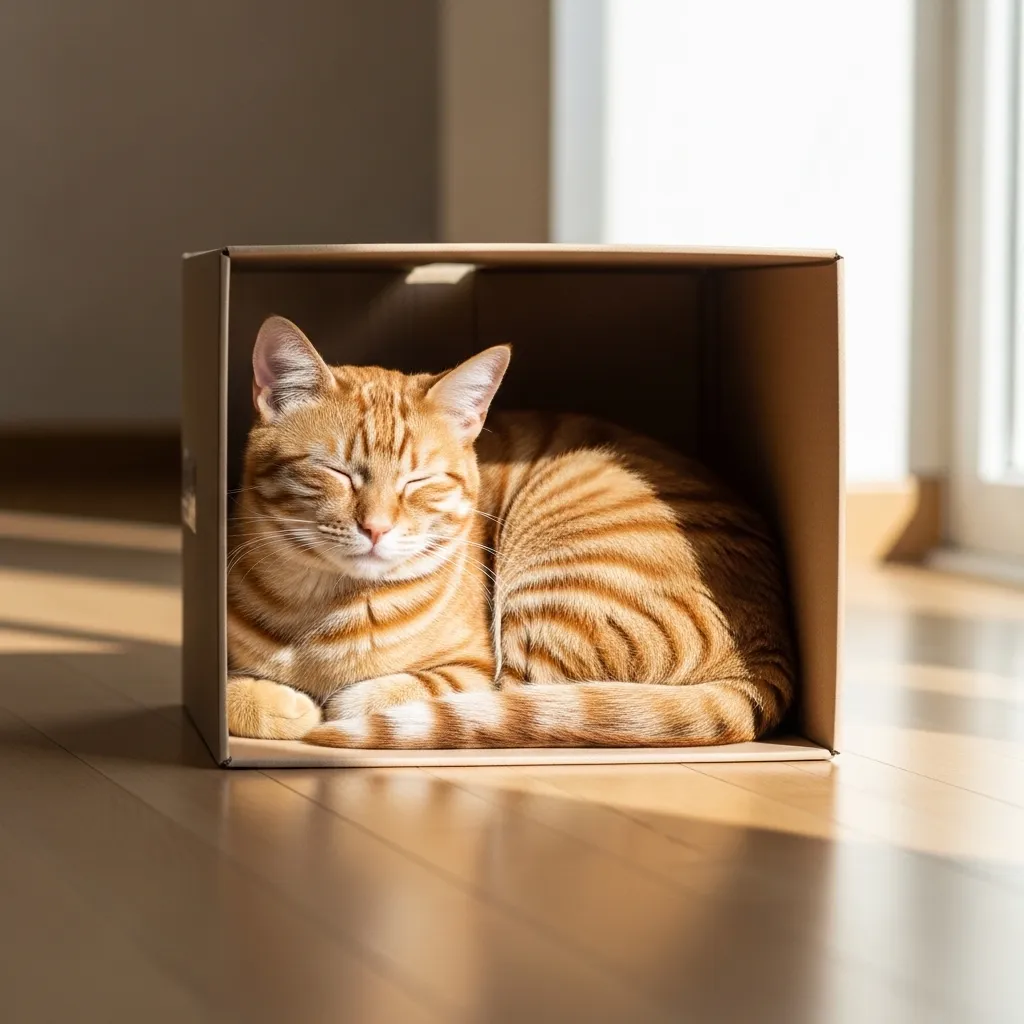
So, the next time you find your cat squeezed behind the sofa or inside a shoebox, don’t worry. She is simply listening to her instincts. She’s staying warm, feeling safe, observing the world, or just having a little fun. These small spaces are her sanctuaries. The best thing you can do is provide safe, cozy options for her and let her come out when she’s ready. A cat who hides is often a cat who feels secure enough to be vulnerable.
Frequently Asked Questions
Should I be worried if my cat hides a lot?
Not usually. Occasional hiding is normal. But if your cat hides constantly, stops eating, or seems very different from her usual self, it’s best to check with a vet to rule out illness or stress.
How can I make my cat feel safe without hiding?
Provide plenty of vertical spaces like cat trees or shelves. Offer cozy beds in quiet corners. Use pheromone diffusers to create a calm atmosphere. Always let your cat come to you for affection.
Is it bad to pull my cat out of a hiding spot?
Yes, it’s best to avoid this. Pulling a cat out can scare her and break her trust. Let her come out on her own. If you need to get her out for a vet visit, use a treat or a toy to lure her gently.
Do all cats hide in small spaces?
Most do, but every cat has a unique personality. Some very confident or social cats might hide less often. The instinct is there, but how much they use it varies. It’s not a problem if your cat doesn’t hide much.
What are the best hiding spots to provide for my cat?
Cardboard boxes with a hole cut in the side are a top choice. Cat caves, covered beds, and small tunnels are also great. Even a simple paper bag (with the handles cut off) can be a big hit. Make sure the spot is quiet and safe.