Your Doberman’s Health: A Complete Guide to a Happy, Thriving Dog
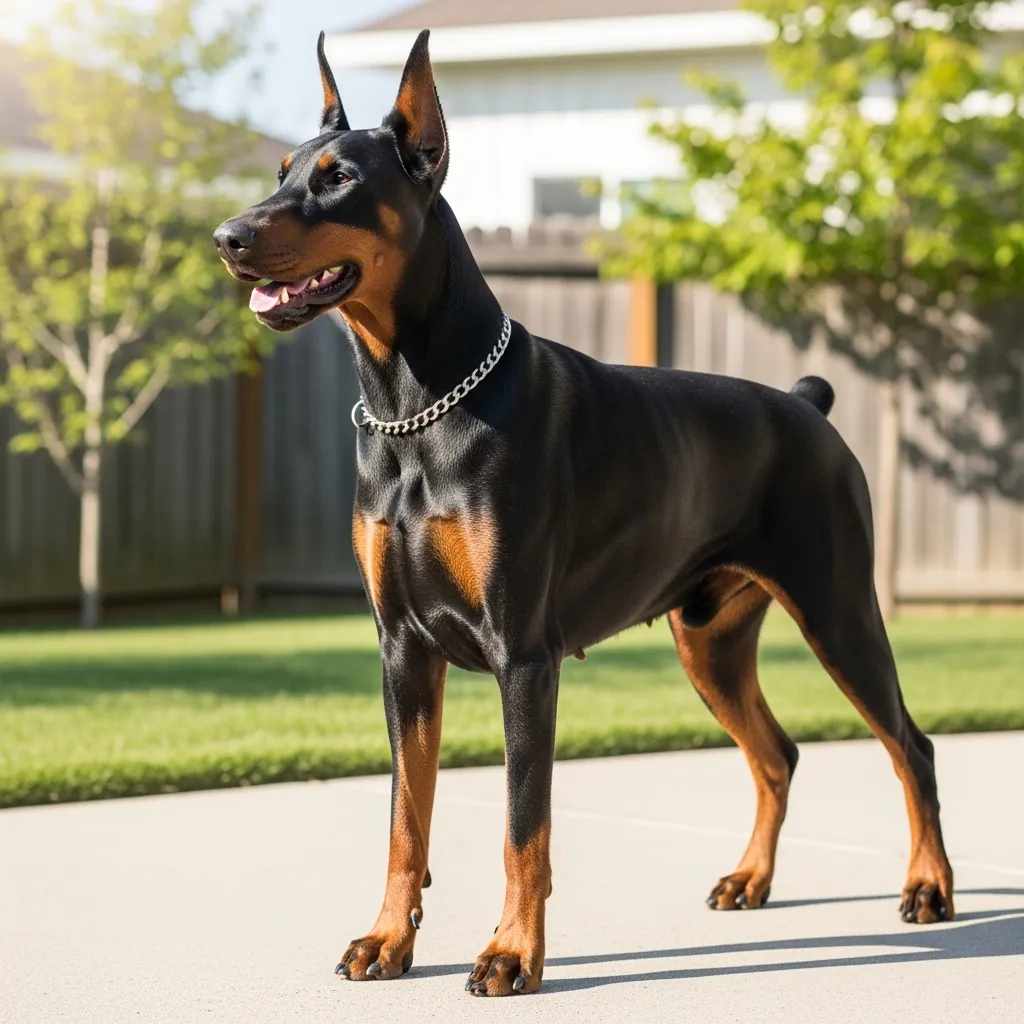
As a Doberman owner, I know these dogs aren’t just pets; they’re heartbeats at our feet. Their loyalty and intelligence are unmatched, but that sleek, powerful physique needs dedicated care to stay in peak condition. I’ve learned that proactive health management is the greatest gift we can give our noble companions.
This breed, while incredibly strong, has a few specific health considerations. The good news? With the right knowledge and routine, you can significantly boost your Dobie’s chances for a long, vibrant life. Think of this guide as your partner in crafting a wellness plan that’s as exceptional as your dog.
1. Know the Genetic Blueprint: Common Breed Concerns
Being informed is the first step in prevention. Dobermans are prone to certain hereditary conditions. Dilated Cardiomyopathy (DCM), a serious heart disease, is a top concern. Regular veterinary screenings, including annual echocardiograms for adults, are non-negotiable.
Von Willebrand’s Disease, a bleeding disorder, and Hip Dysplasia are also on the radar. A responsible breeder will test parent dogs for these issues. Knowing your dog’s genetic risks allows you and your vet to watch for early signs and manage proactively, not reactively.
2. Feed for Strength, Not Just Size
That athletic build needs premium fuel. I choose a high-quality, large-breed formula with real meat as the first ingredient. It supports lean muscle mass without promoting rapid growth in puppies, which can stress developing joints.
Look for foods rich in omega-3 fatty acids for skin and coat health, and taurine for heart support. Portion control is crucial—Dobermans can be food-motivated, and keeping them at an ideal weight is one of the easiest ways to protect their joints and overall health.

3. The Non-Negotiable: Annual Vet Check-Ups
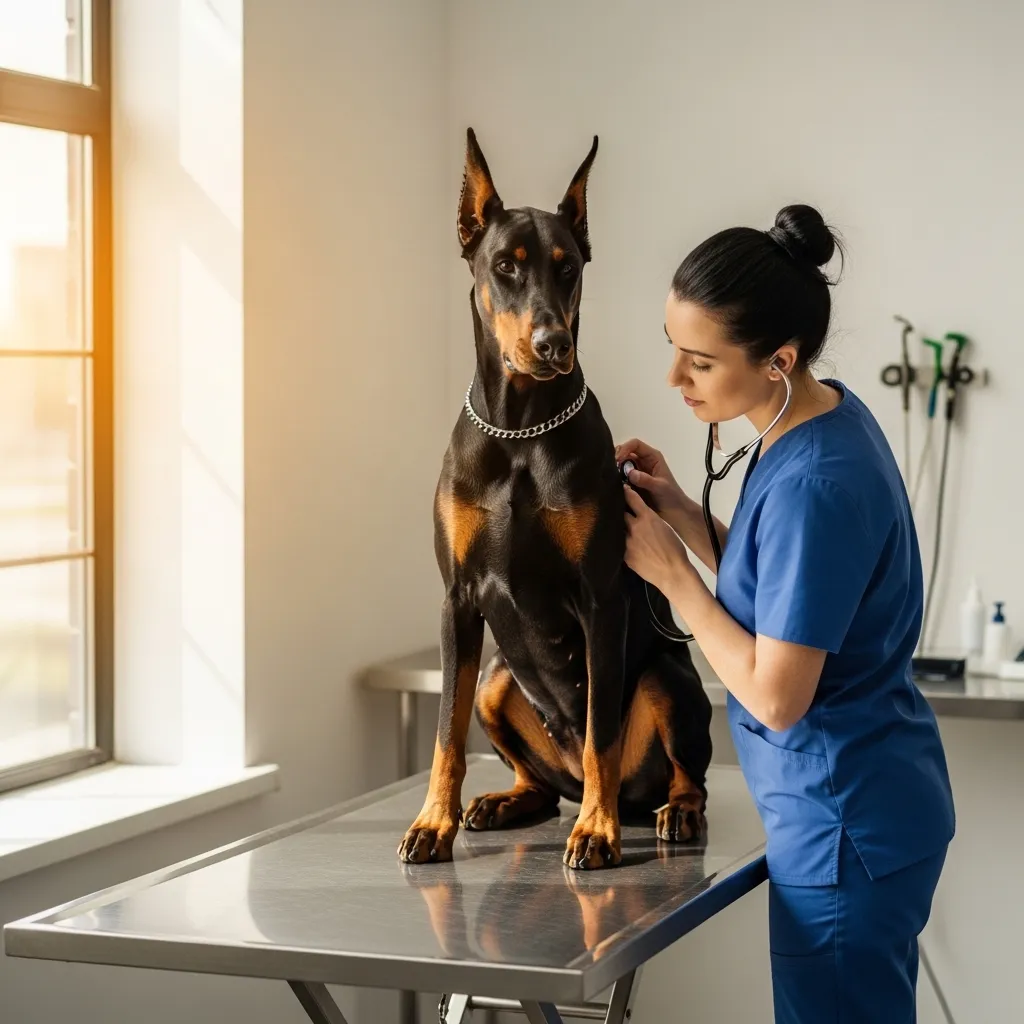
Even if my Dobie seems perfectly healthy, we never skip the yearly vet pilgrimage. This is more than just vaccines. It’s a full “nose-to-tail” inspection: listening to his heart and lungs, checking his weight, evaluating his joints, and discussing any subtle changes in behavior.
These visits establish a health baseline. Catching something early, like a minor heart murmur, can make all the difference in management and outcome. Think of it as essential maintenance for your high-performance companion.
4. Exercise Their Body AND Their Mind
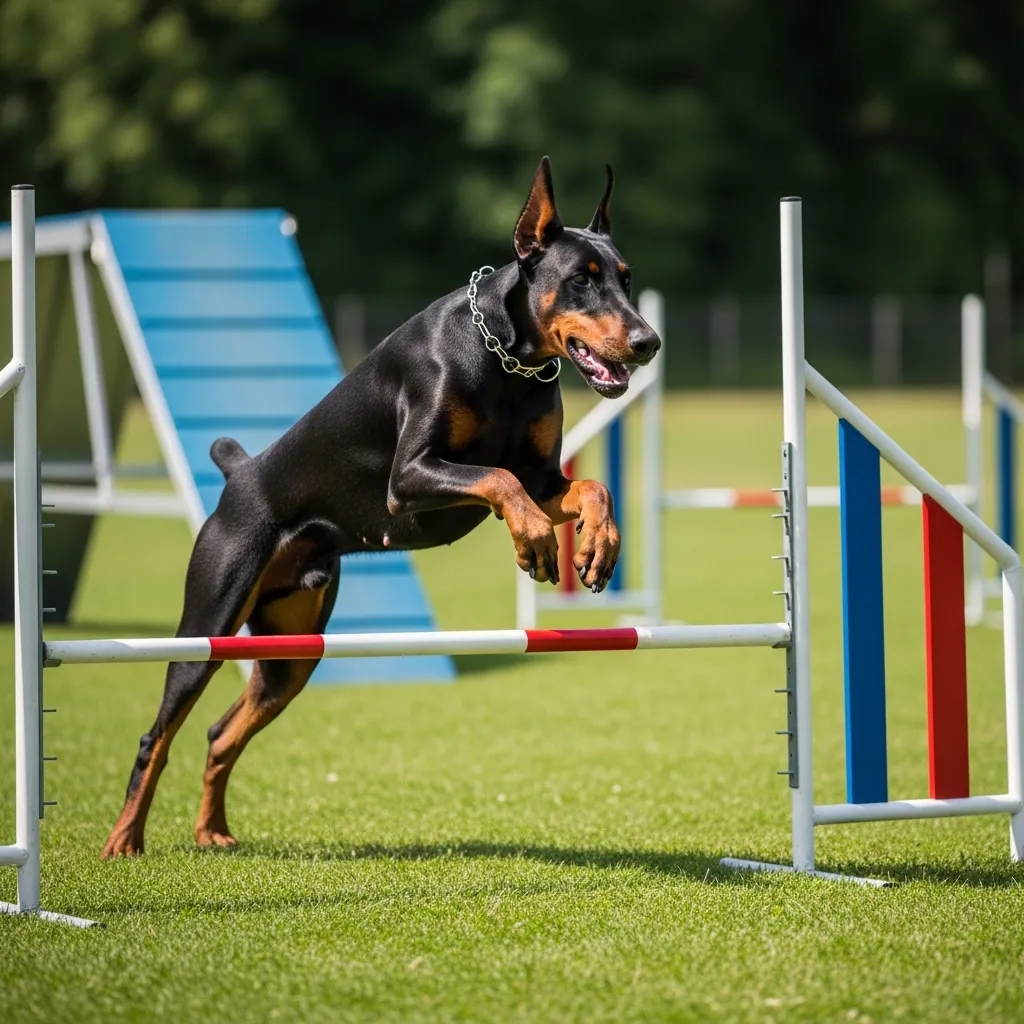
A tired Doberman is a happy Doberman, but physical exhaustion alone isn’t enough. They need mental stimulation to prevent boredom and destructive behaviors. Our routine mixes long, brisk walks or runs with brain games.
I use puzzle feeders, teach new tricks, and practice obedience commands in new environments. This combination fulfills their working-dog heritage, keeps them sharp, and deepens our bond. It’s the perfect recipe for a calm, content dog at home.
5. Dental Care is Whole-Body Care
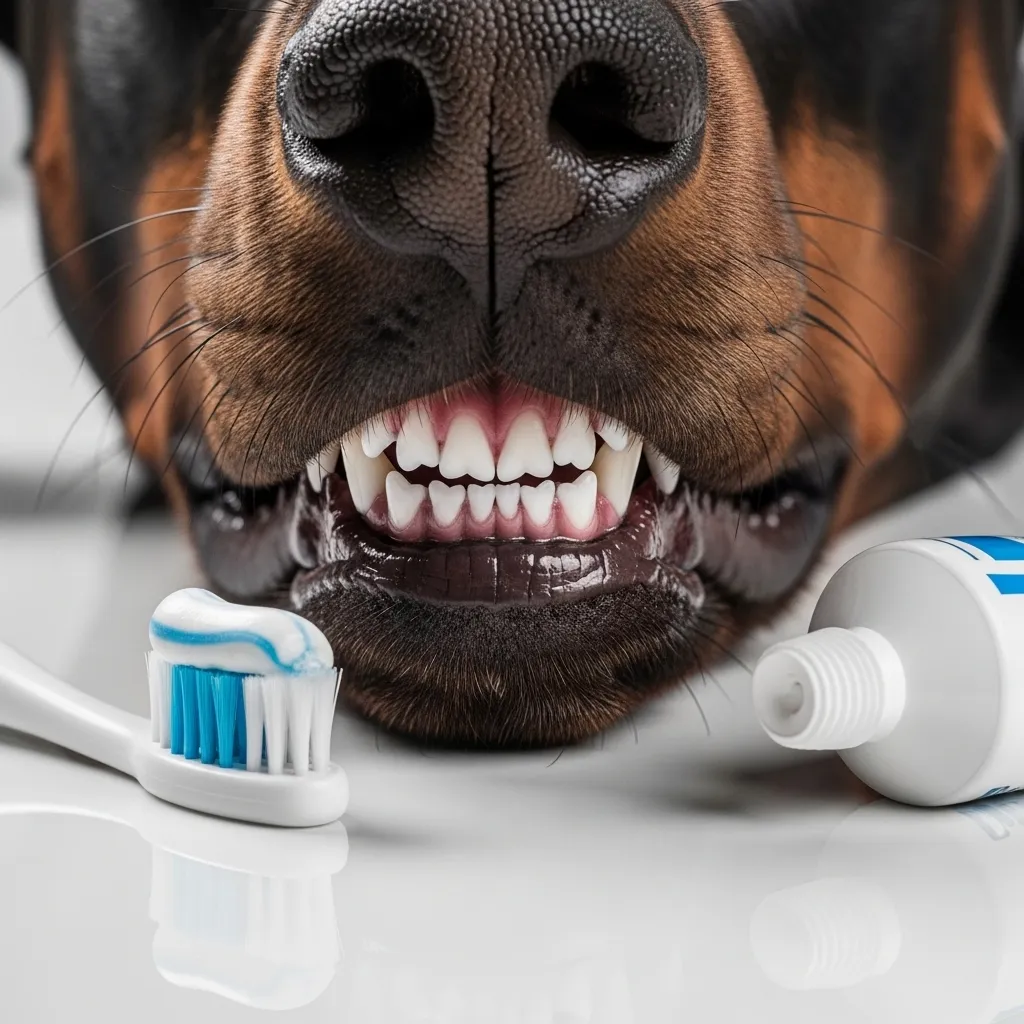
I used to overlook this, but dental disease can lead to serious heart, liver, and kidney problems. Now, tooth brushing is part of our weekly routine. I started slow with dog-friendly toothpaste (never human kind!) and built up tolerance.
Dental chews and approved toys help between brushings. Your vet may also recommend professional cleanings. Fresh breath is a nice bonus, but protecting his internal organs is the real win.
6. Protect Those Sensitive Ears & Skin
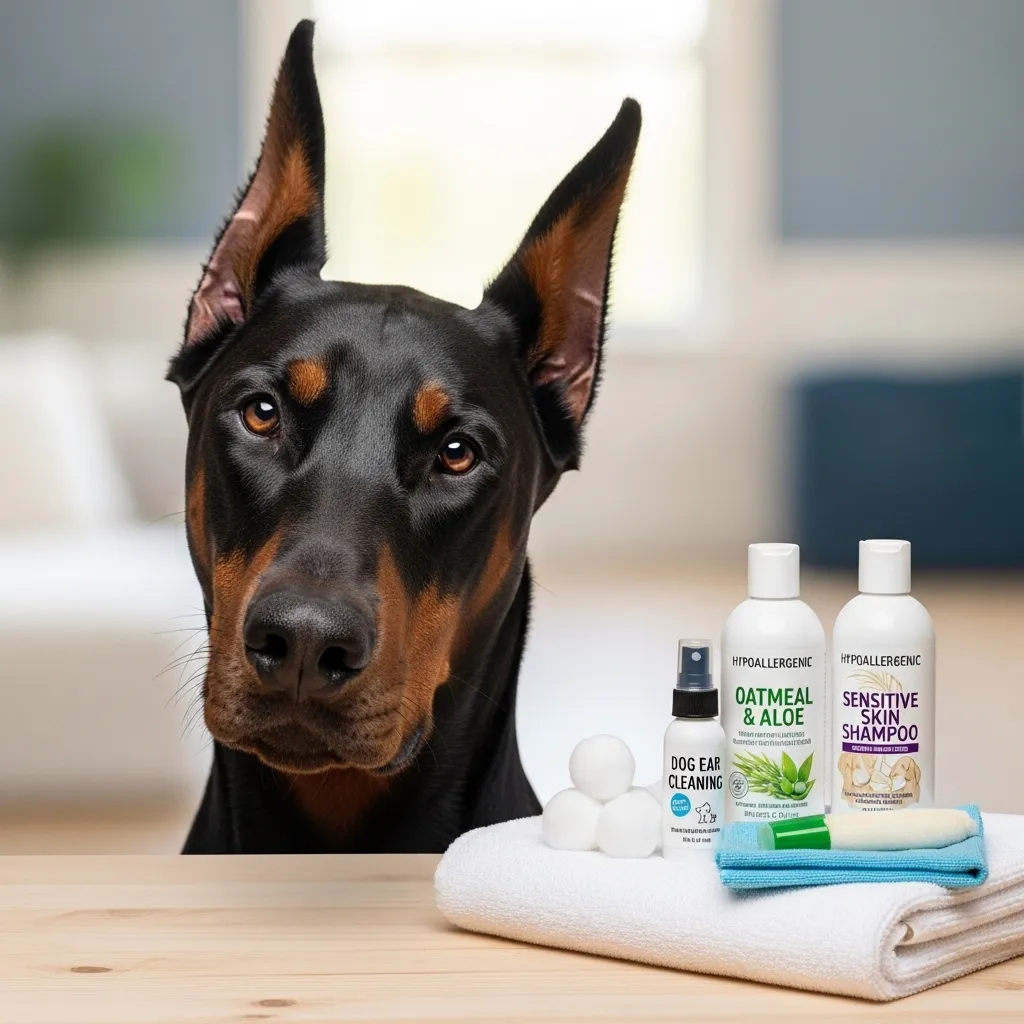
Those elegant, cropped or natural ears need checking. I gently clean the visible part of the ear canal weekly with a vet-recommended solution to prevent infections. For skin, the short coat is low-maintenance but can be prone to dryness and allergies.
A diet rich in omega fatty acids helps. I bathe him only when necessary with a gentle, moisturizing shampoo to avoid stripping natural oils. Regular brushing distributes those oils and keeps his coat gleaming.
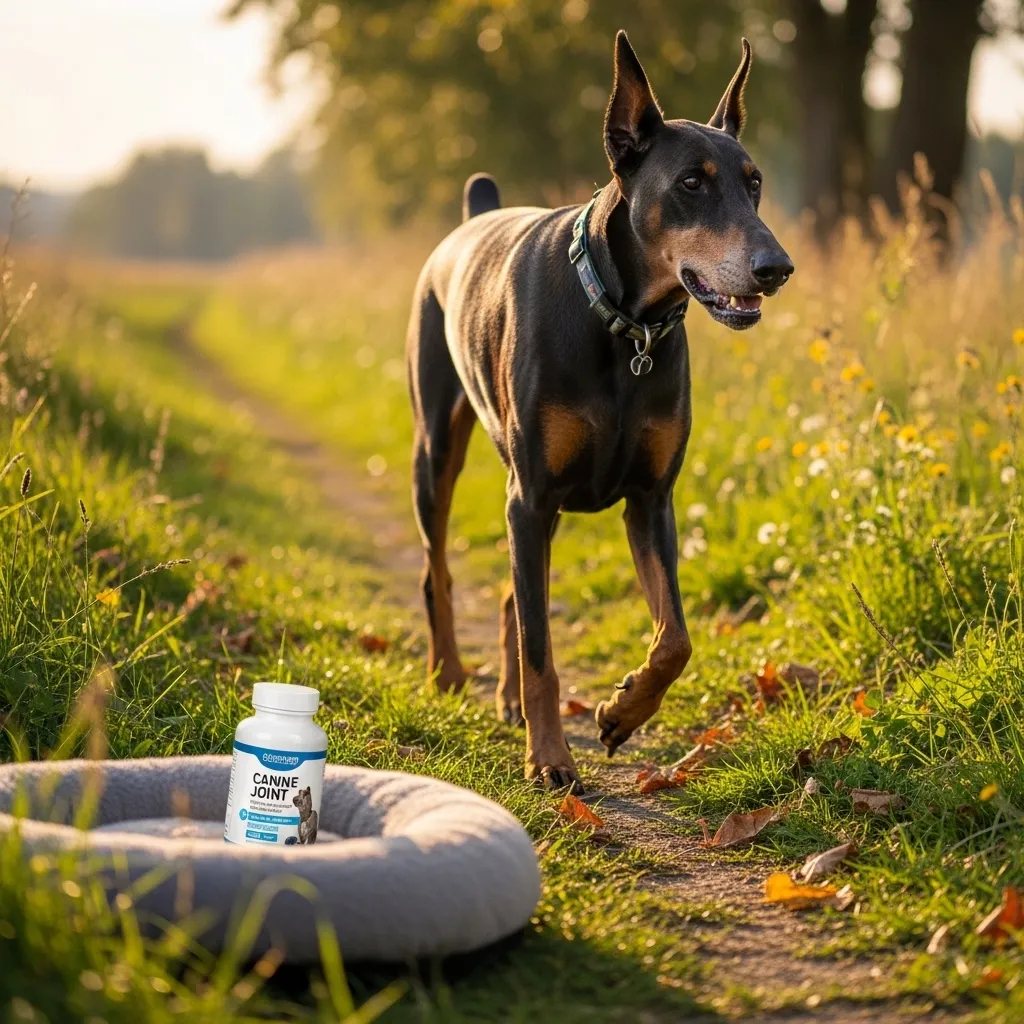
7. Joint Support From Puppyhood to Senior Years
Supporting joint health starts young. For puppies, I avoid forced, high-impact exercise like long jogs on pavement. Let them play and grow at their own pace. For all life stages, maintaining a lean weight is the #1 joint protector.
As my dog ages, I discuss supplements like glucosamine and chondroitin with my vet. Providing orthopedic bedding and using ramps for cars or furniture can also ease stress on aging joints.
8. The Critical Importance of Socialization
Health isn’t just physical. A well-socialized Doberman is a confident, less-stressed dog. I exposed my pup positively to various people, dogs, sounds, and environments during his critical socialization window (up to about 16 weeks).
This continued exposure throughout life prevents fear and anxiety, which can manifest as stress-related health issues. A happy, well-adjusted mind supports a healthy body.

9. Recognizing Your Dog’s “Normal”
You are your Doberman’s best health advocate. I make a point to know his normal energy levels, appetite, water intake, and even his typical breathing pattern at rest. This intimate knowledge means I can spot the slightest deviation immediately.
Is he drinking more? Is he reluctant to jump? Is his cough new? Noticing these subtle clues early and calling the vet can help catch problems before they become emergencies.

10. Planning for the Golden Years
With great care, many Dobermans enjoy long lives. Senior dogs (often 7+) need adjustments. I schedule vet check-ups every six months. We might modify his diet to a senior formula, and his exercise becomes more about consistent, gentle movement than intensity.
Comfort becomes a priority—more cushioned bedding, easier access to favorite spots, and extra patience. These years are a precious time to return all the loyalty they’ve shown us with gentle, attentive care.

Conclusion: A Partnership for Life
Caring for a Doberman’s health is an active, loving partnership. It’s built on consistent routines, informed choices, and that deep bond that lets you sense when something’s off. By embracing these proactive steps—from genetics to geriatrics—you’re not just preventing problems; you’re actively building a foundation for a life full of vitality, adventure, and shared joy. Here’s to many healthy, happy years with your magnificent friend.
Doberman Health Care FAQ
Q: What is the most critical health test for a Doberman?
A: Annual heart screening for Dilated Cardiomyopathy (DCM) with an echocardiogram is arguably the most vital, especially from age 2 onward.
Q: How can I help prevent bloat (GDV)?
A: Feed two or three smaller meals a day instead of one large one, avoid vigorous exercise for at least an hour before and after eating, and use a slow-feed bowl. Know the symptoms (restlessness, unproductive retching) and act fast.
Q: Are Dobermans really prone to separation anxiety?
A: They are very people-oriented and can be. Proper crate training, plenty of exercise before you leave, and leaving them with a puzzle toy can help manage it and reduce stress.
Q: What’s the best exercise for a Doberman puppy?
A: Short, frequent play sessions and free exploration on soft surfaces are best. Avoid forced running or long walks on pavement to protect developing joints.
Q: When is a Doberman considered a senior?
A: Around 7 years old, though some show signs earlier. You’ll notice slower movements, more napping, and possibly gray on the muzzle. This is when biannual vet visits become key.