10 Dog Bee Sting Remedies Every Owner Should Know

It was a beautiful afternoon in the backyard. My dog, Scout, was chasing a butterfly when suddenly he yelped, tucked his tail, and started pawing at his face. A bee had gotten him right on the lip. I remember feeling so helpless in that moment, wishing I had a plan.
If your dog has ever been stung, you know the panic. The good news is, most bee stings are manageable at home if you stay calm and act fast. I’ve put together ten simple, practical remedies that every dog owner should have in their back pocket. These tips come from my own experiences and a lot of late-night research.
Remember, every dog is different. Some can have severe allergic reactions, so always keep an eye on your pup. Let’s get right into it so you know exactly what to do when that buzzy little troublemaker strikes.
1. Stay Calm and Assess the Situation
The very first thing you need to do is breathe. Dogs pick up on our energy, so if you panic, they will too. Your dog might be whining, limping, or frantically licking the spot. You need to be the calm captain of the ship.
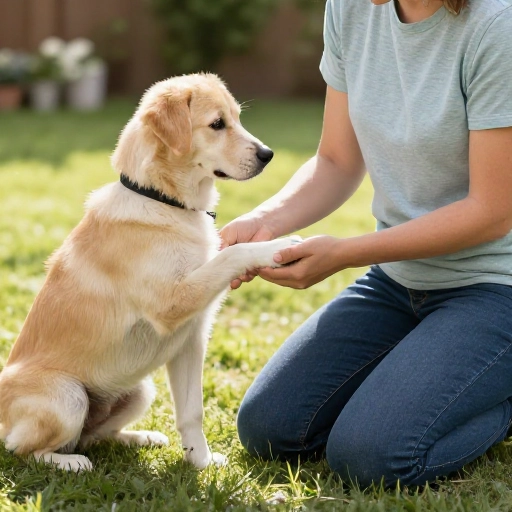
Pick your dog up gently if they are small, or sit down beside them if they are large. Talk in a soft voice. Look for the sting site. Common spots are the face, paws, and mouth because dogs love to investigate with their noses and mouths.
Check for signs of a severe reaction: difficulty breathing, swelling spreading quickly, hives all over, vomiting, or collapse. If you see any of these, skip the home remedies and go straight to the vet. For everything else, you can handle it step by step.
2. Remove the Stinger (If You Can See It)
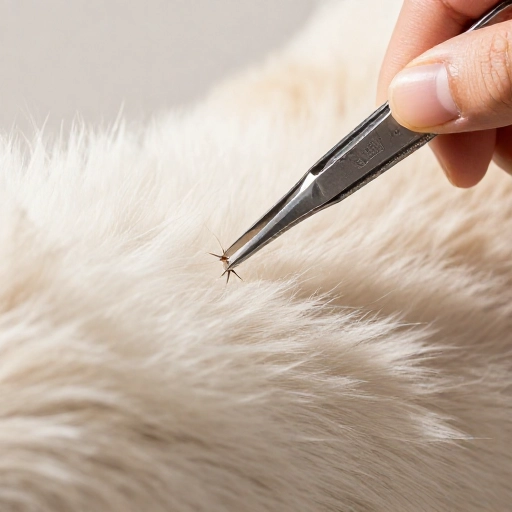
Bees leave their stinger behind, and it keeps pumping venom even after the bee is gone. Wasps and hornets don’t leave a stinger, so if you don’t see one, that’s normal. But for honeybees, the stinger is a tiny black spike that looks like a splinter.
Here’s the trick: do NOT use tweezers. Squeezing the stinger releases more venom. Instead, take a credit card, a fingernail, or the back of a butter knife and scrape it sideways across the skin. This pops the stinger right out without squeezing the venom sac.
If your dog is wiggly, have someone help hold them still. A treat works wonders here. Once the stinger is out, you’ve already stopped a lot of the venom from entering.
3. Make a Simple Baking Soda Paste
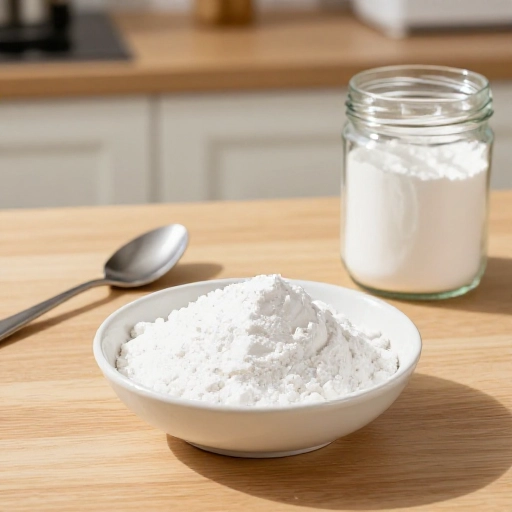
Baking soda is my number one go-to for bee stings. Bee venom is acidic, and baking soda is alkaline, so it helps neutralize the sting and takes the edge off the pain. It’s like magic for itchy, angry skin.
Mix a tablespoon of baking soda with just enough water to make a thick paste. You want it to be spreadable but not runny. Apply a generous glob directly to the sting site. Let it sit for about 10 to 15 minutes.
Your dog might try to lick it off, so distract them with a chew toy or a frozen Kong. After the time is up, gently wipe it away with a damp cloth. You’ll likely see the swelling has already gone down a little.
4. Use a Cold Compress to Reduce Swelling
Swelling is the body’s natural reaction to bee venom. A little puffiness is normal, especially on the face where the skin is loose. But if the swelling makes your dog look like a cartoon character, a cold compress is your best friend.
Wrap a few ice cubes in a thin dish towel or use a bag of frozen peas. Never put ice directly on the skin. Hold the compress gently on the sting area for about 10 minutes. Take it off for 5 minutes, then repeat once more.
This not only shrinks the swelling but also numbs the area a bit, giving your dog relief. For paw stings, you can soak their foot in a shallow bowl of cool water mixed with a splash of witch hazel.
5. Offer a Little Raw Honey (Yes, Really)
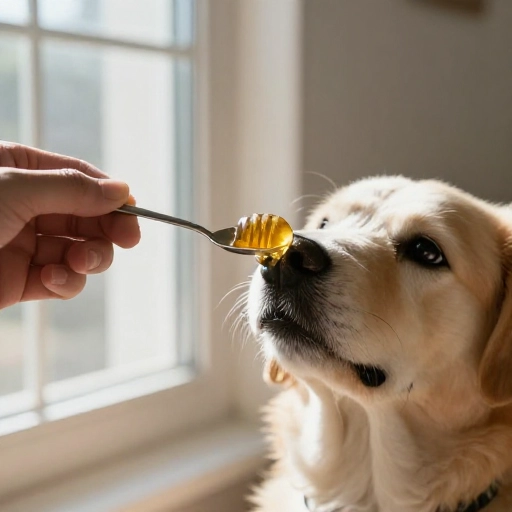
This sounds counterintuitive, but raw honey is a natural antibiotic and anti-inflammatory. A tiny dab can soothe the sting and help prevent infection. Just make sure it’s raw, unpasteurized honey from a local source.
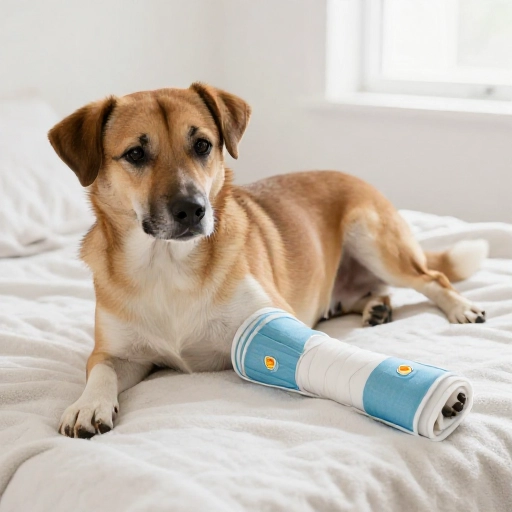
Apply a very small amount directly to the sting. Cover it with a loose bandage if your dog won’t leave it alone, or just let it soak in. The honey draws out moisture and reduces redness.
Be careful not to give too much, especially if your dog is diabetic or very small. A pea-sized amount is plenty for topical use. And don’t use honey if the sting is near the eyes or inside the mouth.
6. Give a Diluted Chamomile Tea Bath
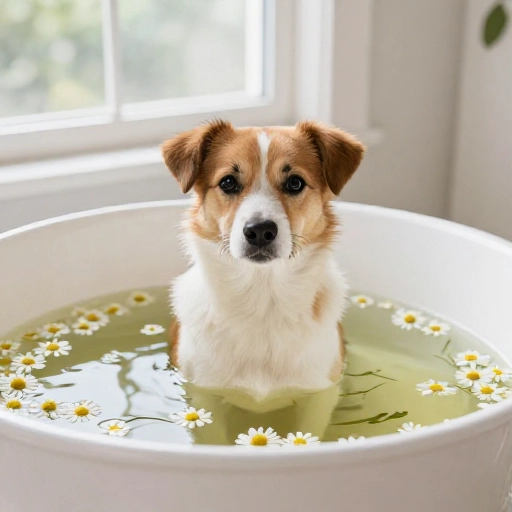
Chamomile is incredibly calming, both for humans and dogs. It reduces itching and inflammation. I keep a box of chamomile tea bags in my pantry just for this purpose. It’s gentle enough for sensitive skin.
Steep two tea bags in a cup of boiling water for about 10 minutes. Let the tea cool completely until it’s room temperature. Then dip a clean cloth in the tea and hold it against the sting for several minutes.
If the sting is on a paw or leg, you can pour the cooled tea into a bowl and let your dog soak their foot for a few minutes. It’s a spa treatment with real healing benefits. Repeat this twice a day until the swelling is gone.
7. Try a Plain Oatmeal Paste for Itchiness
Once the initial pain fades, the itching begins. And a dog that won’t stop scratching can make things worse. Oatmeal is a classic remedy for itchy skin. It’s soothing, natural, and you probably already have it in your kitchen.
Grind a cup of plain, unflavored oatmeal into a fine powder using a blender or food processor. Mix it with a little warm water to form a paste. Slather it on the sting area and let it sit for 10 to 15 minutes.
Rinse with cool water and pat dry. The oatmeal creates a protective barrier that locks in moisture and calms the itch. Your dog will thank you with a tail wag. Just make sure they don’t eat the paste raw—it’s not dangerous, just messy.

8. Give a Small Dose of Benadryl (With Caution)
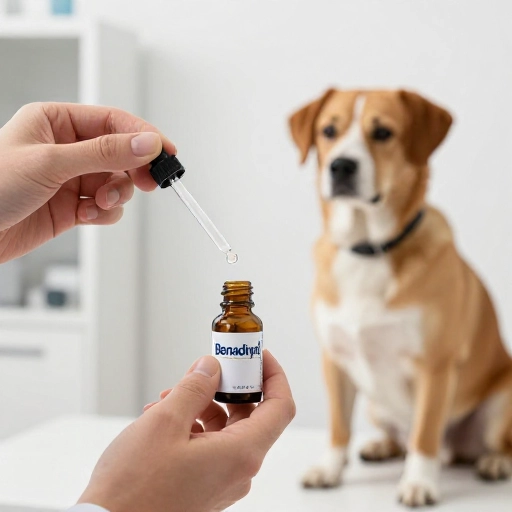
Antihistamines are the gold standard for allergic reactions, and Benadryl (diphenhydramine) is often safe for dogs. But you must get the dosage right. The general rule is 1 mg per pound of body weight, given every 8 to 12 hours.
For a small dog (10–20 lbs), that’s about half a 25 mg tablet. For a medium dog (30–50 lbs), one tablet. For a large dog (60+ lbs), one and a half to two tablets. Always check with your vet before giving any medication, especially if your dog has health issues.
Make sure the Benadryl does not contain any extra ingredients like decongestants or pain relievers. Plain diphenhydramine only. The liquid children’s version is easier to dose for tiny dogs. It will make them sleepy, but that’s actually a good thing—it helps them rest.
9. Keep Their Paws Clean and Dry
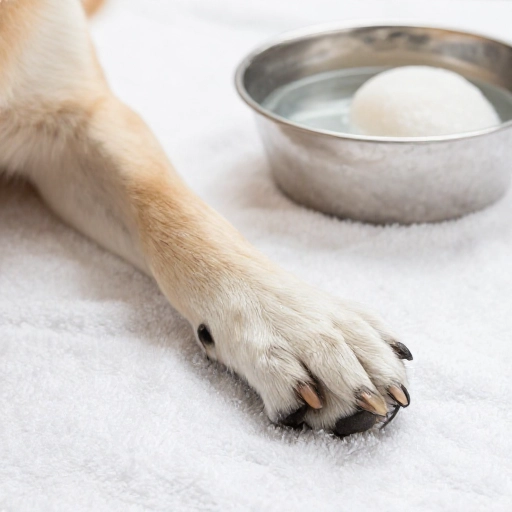
A bee sting on the paw is extra tricky because dogs walk on their feet. Dirt and bacteria can easily get into the sting and cause an infection. Plus, your dog will probably lick and chew at the spot, which makes it worse.
After you’ve treated the sting, gently wash the paw with mild soap and warm water. Pat it dry thoroughly. You can put a clean baby sock over the paw and secure it with medical tape at the ankle to prevent licking.
Change the sock daily and check for any redness, heat, or pus. If you see signs of infection, call your vet. Most paw stings heal within a day or two, but keeping the area clean is the best way to avoid complications.
10. Watch for Delayed Reactions
Some dogs seem fine at first, but then things change hours later. Delayed allergic reactions are rare but possible. That’s why I always keep an eye on Scout for a full 24 hours after a sting, even if he seems okay.
Look out for excessive swelling that spreads to the neck or face, lethargy, diarrhea, or a rash that appears later. If your dog starts wheezing or their gums look pale, that’s an emergency. Don’t wait—go to the vet immediately.
Most of the time, the swelling peaks around 12 hours and then goes down. But being watchful gives you peace of mind and keeps your dog safe. Trust your gut. If something feels off, it probably is.

Conclusion
Bee stings are scary, but they don’t have to ruin your day. With a little preparation and a calm attitude, you can handle most stings right at home. I keep baking soda, chamomile tea, and a bag of frozen peas in my house at all times now. It makes me feel ready.
Every dog is different, so pay attention to how yours reacts. Some dogs get stung and barely flinch, while others swell up like a balloon. Knowing your dog’s normal behavior helps you spot trouble early.
At the end of the day, the best remedy is your love and attention. A snuggle session, a gentle voice, and a cool cloth can do wonders. You’ve got this, and your pup is lucky to have you looking out for them.
[[IMG:IMG12]]
Frequently Asked Questions
How long does a bee sting last on a dog?
Most swelling and discomfort goes down within 24 to 48 hours. The initial redness usually fades after a few hours. If symptoms last longer than two days, check with your vet.
Can I use vinegar on a dog bee sting?
Vinegar works better for wasp stings because wasp venom is alkaline. For bee stings, baking soda is better since bee venom is acidic. If you’re not sure what stung your dog, use a cold compress first and then decide.
Should I take my dog to the vet for a bee sting?
Only if you see signs of a severe allergic reaction: trouble breathing, swelling in the throat or face, multiple stings, vomiting, or collapse. For a single sting on the paw or body, home care is usually enough.
Can a dog be allergic to bees after being stung before?
Yes, allergies can develop over time. A dog that had a mild reaction before could have a stronger reaction the next time. Always watch closely after any sting, even if previous stings were no big deal.
What should I do if my dog gets stung in the mouth?
This is serious because swelling can block the airway. Give them a cold treat like an ice cube or frozen carrot to reduce swelling from the inside. If you see any trouble breathing, go to the emergency vet immediately.
[[IMG:IMG13]]