10 Ways to Get the Perfect Harness Fit
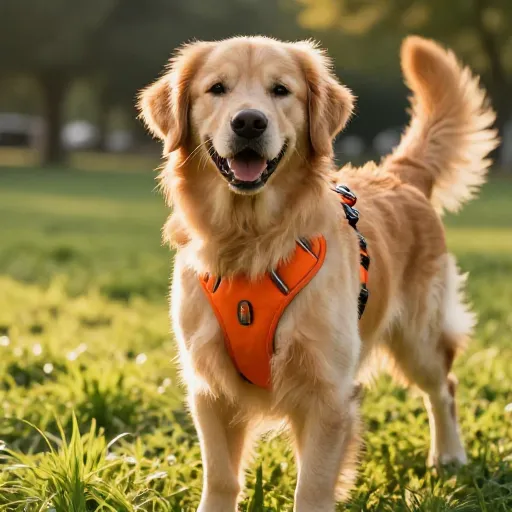
I’ll never forget the day I brought home my first harness. I was so excited to take my pup on a long walk, but within five minutes, he’d wiggled right out of it. He stood there, looking at me like, “What’s next?” That’s when I realized that a harness isn’t just a piece of gear—it’s the key to safe, happy adventures together.
Getting the right fit can feel a little tricky at first. There are straps, buckles, and all kinds of adjustments. But honestly, once you know what to look for, it becomes second nature. Whether you have a wriggly puppy or a seasoned senior dog, these ten tips will help you nail that perfect, snug, and comfortable fit every single time.
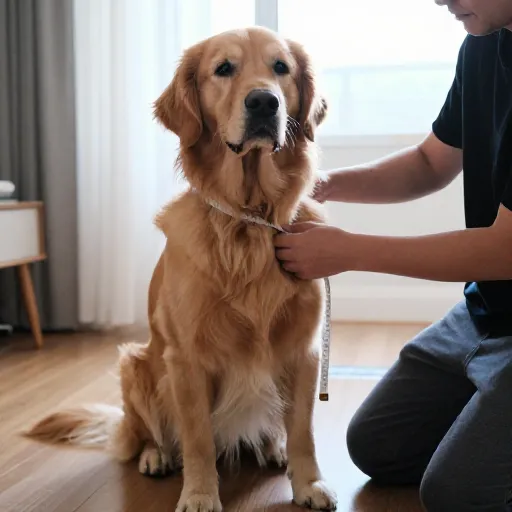
1. Measure Twice, Fit Once
Before you even buy a harness, grab a soft measuring tape. You need two key numbers: the girth (around the widest part of the chest, just behind the front legs) and the neck circumference. Don’t guess—dogs come in all shapes, and a “medium” from one brand might be a “large” from another.
Write those numbers down and keep them in your phone. I do this before every online order, and it has saved me so many returns. A proper measurement is the foundation of a good fit.
Pro tip: measure your dog while they are standing, not sitting or lying down. You want their natural posture.
2. The Two-Finger Rule Is Your Best Friend
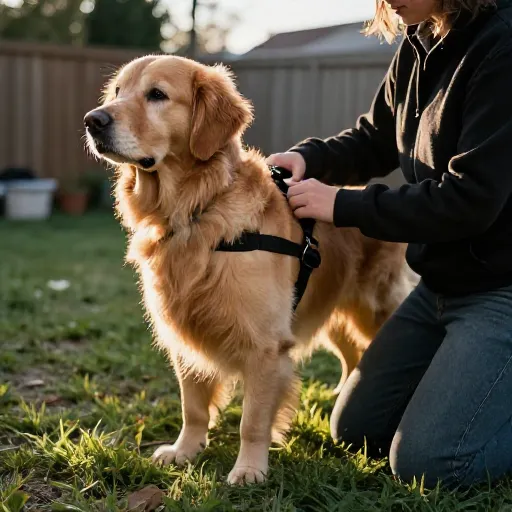
Once the harness is on, slide two flat fingers under any strap. If you can’t get two fingers in, it’s too tight. If you can fit more than two, it’s too loose. This simple test works for the chest strap, the neck strap, and the belly band.
I check this every time I put the harness on. Dogs can lose or gain a little weight, and even a small change can make the fit feel off. Two fingers is the sweet spot between secure and comfortable.
Remember, a harness that’s too tight can rub and chafe. A loose one can slip. The two-finger rule keeps you in the safety zone.
3. Look for the “T” at the Front
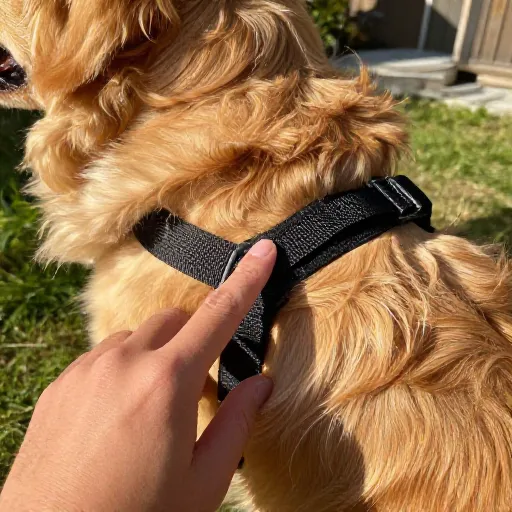
A well-fitted harness should create a gentle “T” shape at the front of your dog’s chest. The vertical strap should rest between their front legs, and the horizontal strap should sit across the breastbone. If it’s sliding to one side or bunching up, it’s not aligned right.
I always check this after my dog takes a few steps. Sometimes a harness shifts during the first minute of walking. A quick adjustment to center that front piece makes all the difference for their movement.
When that “T” is perfect, your dog can trot, run, and play without any restriction.
4. Check the Neck Opening
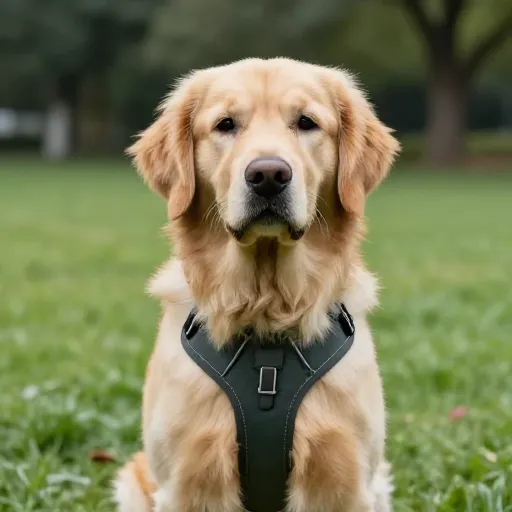
The neck part of the harness should be snug but not choking. You should be able to easily slide a finger between the harness and your dog’s throat. If it’s pressing against their windpipe, it’s too high or too tight.
Many harnesses have adjustable neck straps for this reason. Take the time to find that Goldilocks zone. A harness that presses on the neck can cause coughing or discomfort, especially for brachycephalic breeds like pugs or bulldogs.
I always do a quick “cough test” after fitting: if my dog coughs or tries to paw at the harness, I loosen the neck strap immediately.
5. Don’t Forget the Armpits
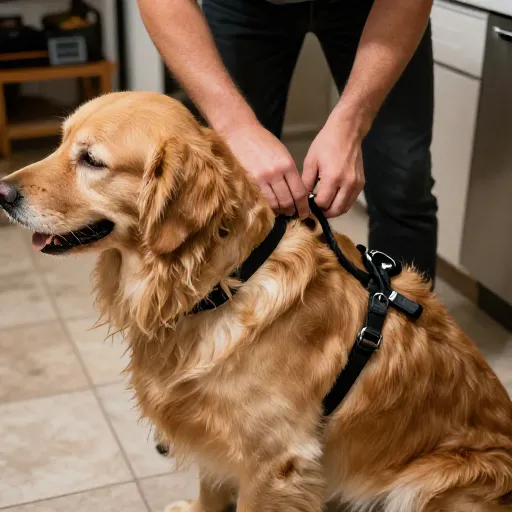
The area right behind your dog’s front legs is super sensitive. If the harness strap sits right in the armpit, it can rub and cause sores over time. The strap should sit a finger’s width behind the leg joint, not directly in the crease.
I learned this the hard way after a long hike. My dog had a little red mark, and I felt terrible. Now I always check that the girth strap is positioned just behind the elbows, allowing full range of motion.
Lift your dog’s front leg gently and see where the strap falls. Adjust until it clears the armpit completely.
6. Test the “Sit and Stay”
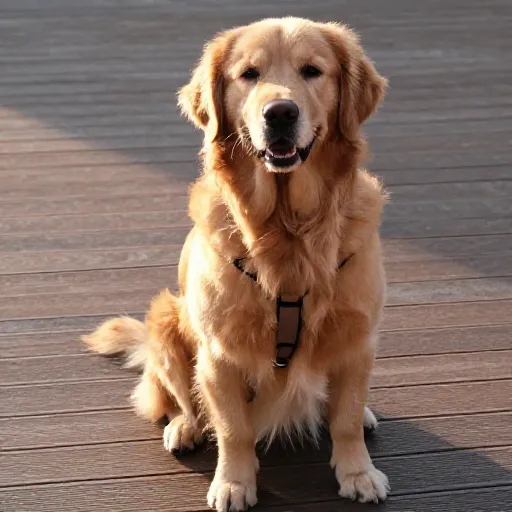
A harness can feel perfect when your dog is standing, but everything changes when they sit or lie down. Put the harness on and watch your dog sit naturally. Does any part dig in? Does the back ring slide up toward their neck?
I always do a quick “sit, down, stand” routine after fitting. If the harness shifts or bunches during these movements, I keep adjusting. A good fit stays put no matter what position your dog is in.
This is especially important for dogs who like to roll on their backs or play bow. You want freedom, not restriction.
7. Pay Attention to the D-Ring
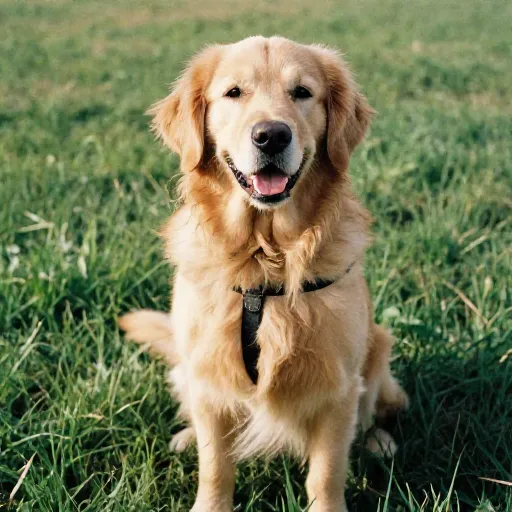
The D-ring where you attach the leash should sit right between your dog’s shoulder blades. If it’s sliding to one side or dropping down their back, the harness is too loose or the straps are uneven. A centered D-ring gives you the best control and balance.
I check this by looking from above. If the ring is off-center, I tighten the side that’s pulling. It’s a small detail, but it makes walks feel so much smoother.
For front-clip harnesses, make sure the front ring sits flat against the chest, not twisted or hanging sideways.
8. Try Before You Buy (If You Can)
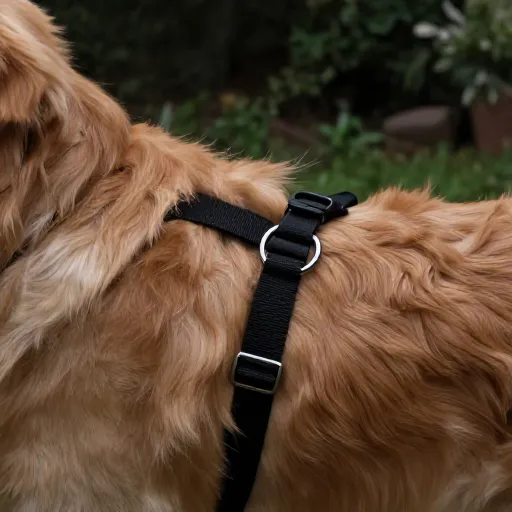
Whenever possible, try the harness on your dog in the store. Every brand fits differently, and what looks great online might not work for your dog’s unique body shape. If you’re ordering online, choose retailers with easy returns.
I keep a list of measurements for each of my dogs, and I always check the brand’s size chart before purchasing. Some brands even have fit guides with photos, which are super helpful.
Don’t be afraid to exchange sizes. A perfect fit is worth the extra effort.
9. Watch for Signs of Discomfort
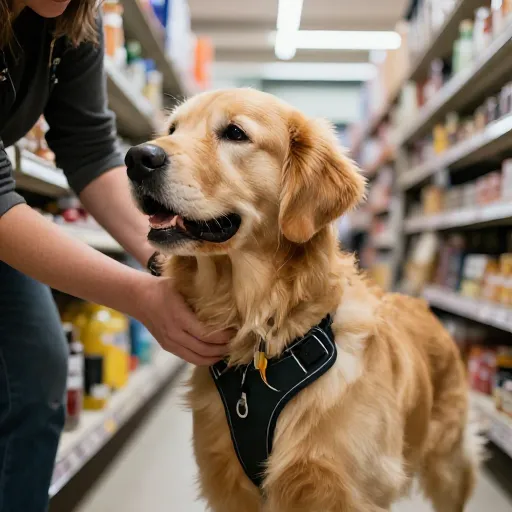
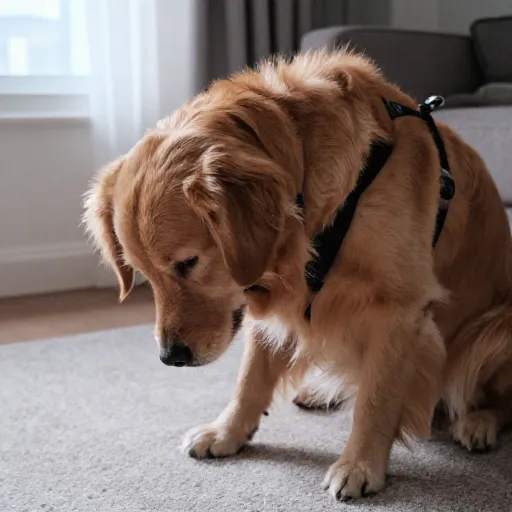
Your dog can’t tell you with words, but they’ll show you. If they’re scratching at the harness, stopping mid-walk, or trying to roll on the ground, something isn’t right. Also check for excessive panting or a change in their gait.
I once had a harness that seemed fine, but my dog kept stopping to nibble at the straps. Turns out a tag was rubbing against her fur. A simple adjustment fixed it, but I almost missed the clue.
Trust your dog’s body language. If they seem off, take the harness off and start fresh.
10. Do a Weekly Fit Check
Harnesses can stretch over time, and your dog’s body can change. I do a quick fit check every Sunday. I go through the two-finger test, check the strap positions, and look for any wear and tear on the fabric or buckles.
This habit has saved me from using a harness that had stretched out just enough to be unsafe. It also helps me catch any fraying or loose stitching before it becomes a problem.
A five-minute weekly check means months of safe, comfortable walks.
Conclusion
Finding the perfect harness fit isn’t about being a perfectionist—it’s about showing your dog you care. A well-fitted harness means more freedom, more comfort, and more joy on every walk. It’s one of those small things that makes a huge difference in your daily life together.
Take your time, use these tips, and don’t be afraid to make adjustments. Your dog will thank you with wagging tails, happy trots, and maybe a slobbery kiss or two. Happy walking!
[[IMG:IMG12]]
FAQ
How tight should a dog harness be?
You should be able to slide two flat fingers comfortably under any strap. If you can’t, it’s too tight. If you can fit more than two, it’s too loose. This rule applies to the neck, chest, and belly straps.
Can a harness hurt my dog’s shoulders?
Yes, if it’s fitted incorrectly. A strap that sits directly in the armpit can cause chafing or restrict movement. Make sure the girth strap sits just behind the front legs, not in the joint crease.
How do I know if my dog’s harness is too big?
If you can fit more than two fingers under any strap, or if the D-ring slides to one side, the harness is too big. Also, if your dog can easily back out of it, it’s definitely too loose.
Should I take the harness off at home?
Generally yes, unless you’re supervising closely. Dogs should not wear harnesses 24/7, as it can cause skin irritation or matting. Let them have harness-free time to relax and stretch.
How often should I replace my dog’s harness?
Check your harness every few months for signs of wear. If you see frayed straps, cracked buckles, or stretched-out fabric, it’s time for a new one. A good harness can last a year or more with proper care.