11 Cavalier King Charles Spaniel Training Tips That Actually Work
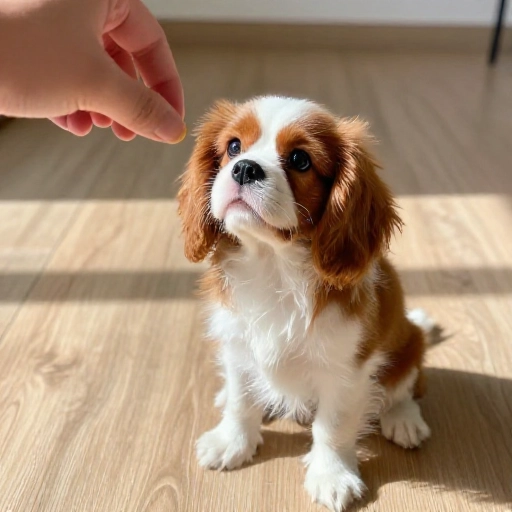
I remember the day I brought my Cavalier home. Those big, soulful eyes and that little wagging tail—I was completely smitten. But I quickly learned that behind that sweet face is a clever, sensitive little dog who needs just the right training approach. Too firm, and they shut down. Too soft, and they run the house. Finding that sweet spot is everything.
After years of trial, error, and plenty of treats, I’ve gathered the training tips that truly work for this special breed. Cavaliers are eager to please, but they have their own gentle way of learning. Here are the 11 tips that made all the difference for me—and I hope they do the same for you.
1. Start with a “Yes” and a Treat
Cavaliers are food-motivated little sweethearts. If you reward the behavior you want, they will repeat it. It’s that simple. Keep tiny, soft treats in your pocket at all times.
Say “yes” the moment your pup does something right. Then give the treat. This builds a positive connection in their brain. They start to think, “Oh, sitting makes the good thing happen.”
Never punish mistakes. Cavaliers are sensitive—a harsh tone can set you back days. Stay patient, stay positive.
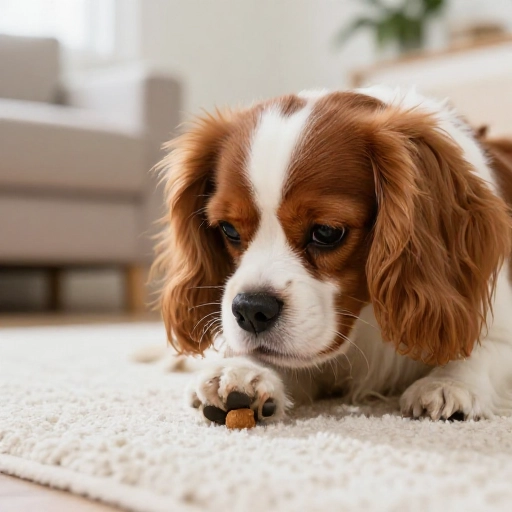
2. Crate Training Is a Safe Space, Not a Punishment
I made the mistake of thinking crates were cruel. Then I learned Cavaliers love their little dens. A crate gives them a quiet place to nap and decompress. It also helps with housebreaking.
Make the crate cozy with a soft bed and a toy. Leave the door open at first. Toss treats inside so they explore on their own. Never force them in or use it as time-out.
Once they see the crate as their happy spot, you’ll both breathe easier. It’s a lifesaver for travel and vet visits too.

3. Leash Training: Patience Over Pulling
Cavaliers love to sniff and explore. That’s great, but pulling on the leash is not. Start indoors where there are fewer distractions. Let them walk a few steps, then stop. Wait until they look back at you.
The moment they look, reward. Then take another step. Repeat. This teaches them that checking in with you is more rewarding than pulling ahead.
Use a harness, not a collar, to protect their delicate necks. And keep walks short at first—five minutes of good walking beats twenty minutes of tug-of-war.
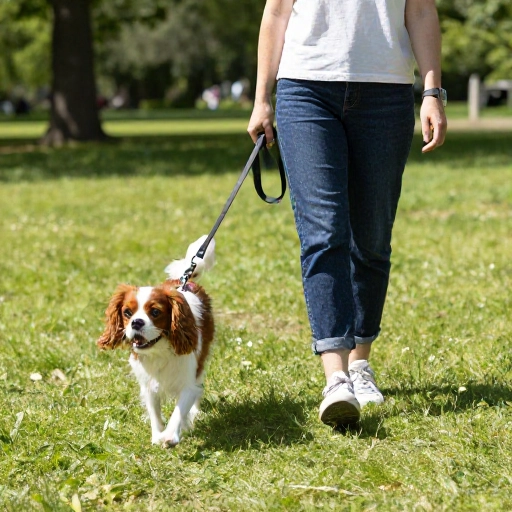
4. Socialize Early and Often
Puppyhood is prime time for meeting new people, dogs, and places. Cavaliers are naturally friendly, but they still need exposure to feel confident. Take them to a quiet park, invite calm friends over, or arrange puppy playdates.
Watch their body language. If they seem scared, don’t push. Let them approach at their own pace. A treat for brave behavior works wonders.
Adult Cavaliers can be shy if they missed early socialization. It’s never too late to start, but it takes more patience. Go slow, and always keep it positive.
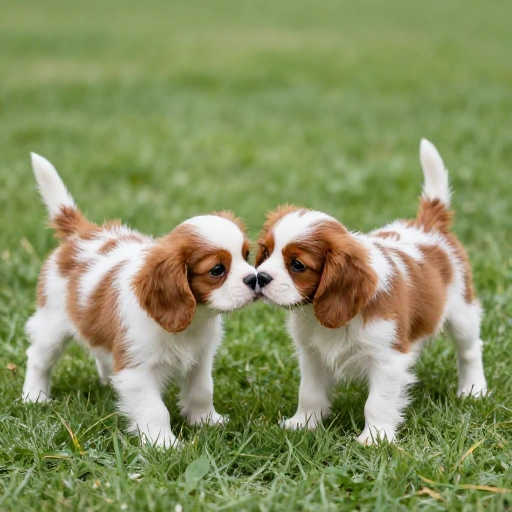
5. Keep Training Sessions Short and Sweet
Forget long, boring drills. Cavaliers have short attention spans. Five minutes of focused training is plenty. Two or three short sessions a day are better than one long hour.
End each session on a high note—a trick they know well, followed by a big reward. This leaves them wanting more. They’ll be excited for the next lesson.
I use mealtime for mini sessions. A few sits, downs, or stays before the bowl goes down. It turns kibble into training currency without extra treats.
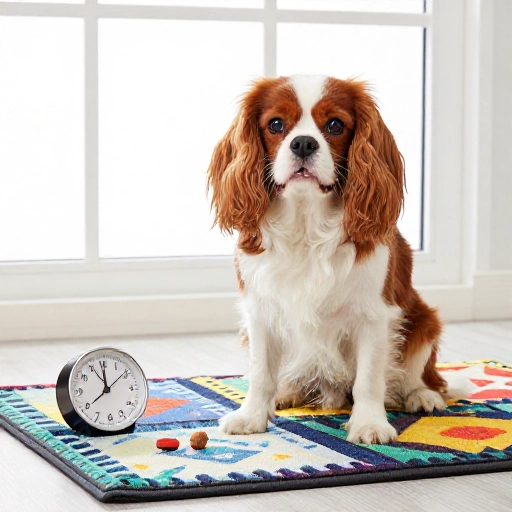
6. Use Their People-Pleasing Nature
These dogs want to make you happy. Use that to your advantage. A warm smile and a happy voice motivate them more than any toy. They live for your approval.
When they do something right, celebrate like they just won a prize. Clap, cheer, say “good dog!” with real joy. They feel your energy and will work hard to earn that praise again.
This also means they hate conflict. If you get frustrated, they get anxious. Stay calm, take a break if needed, and come back with a fresh attitude.
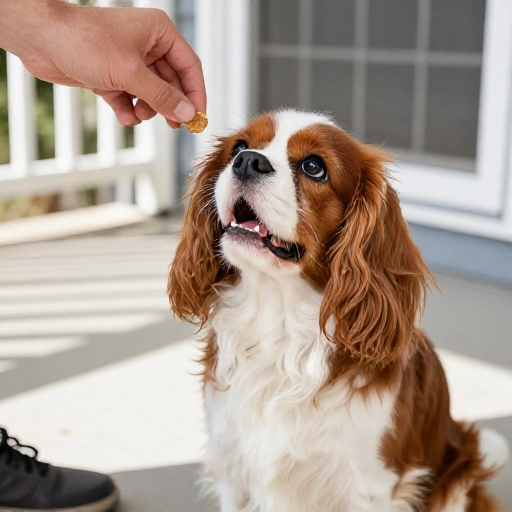
7. Don’t Skip the Basics: Sit, Stay, Come
It sounds boring, but these three commands are the foundation of everything. A reliable “come” can keep them safe near a road. “Stay” helps at the vet. “Sit” is the polite way to ask for anything.
Practice in low-distraction areas first. Then add small challenges—a squeaky toy nearby, a friend walking past. Reward generously for success.
If they struggle, go back a step. Build slowly. Cavaliers learn at their own pace, and that’s okay. Consistency matters more than speed.
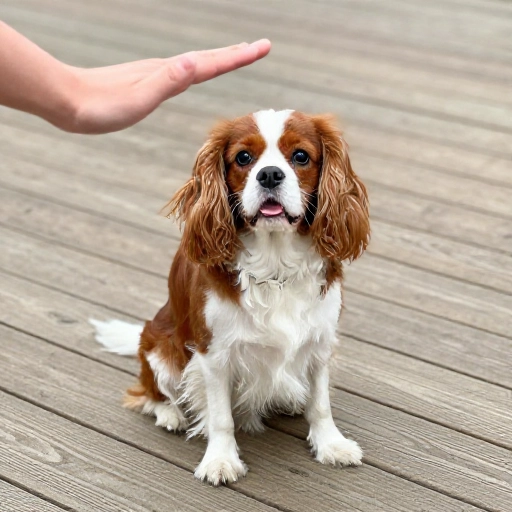
8. Manage Their Prey Drive with Redirection
Yes, even these sweet lap dogs can have a prey drive. A squirrel or bird can trigger a chase. It’s instinct, not bad behavior. The trick is to redirect before they bolt.
Watch for that focused stare and stiff body. Call their name and offer a high-value treat. If they turn to you, reward big. Practice this on walks to build a strong “leave it” cue.
Over time, they learn that checking in with you is more rewarding than chasing. This takes patience, but it’s worth it for their safety.
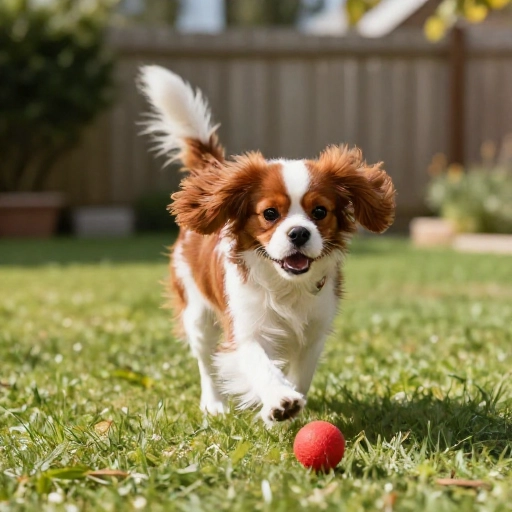
9. Be Consistent with House Rules
If jumping on the couch is okay sometimes but not others, your Cavalier will get confused. They thrive on clear, predictable rules. Decide what’s allowed—and stick to it.
Everyone in the house needs to follow the same rules. One person letting them beg at the table undermines all your training. Have a family meeting if needed.
Consistency also means using the same words and hand signals. “Down” should always mean lie down, not get off the furniture. Keep it simple and repeat.

10. Use Their Love of Coziness for Calmness
Cavaliers are natural snugglers. You can use this to teach calm behavior. Have a designated “calm spot”—a soft bed or blanket in a quiet corner. Reward them for settling there on their own.
When they’re wound up, guide them to their spot with a treat. Sit with them and speak softly. They’ll learn to associate that space with relaxation.
This is especially helpful after playtime or before guests arrive. A calm Cavalier is a happy Cavalier—and a much easier dog to manage.

11. Practice Patience with Housebreaking
Housebreaking a Cavalier takes time and consistency. Accidents will happen. Don’t scold—just clean up and move on. Scolding can make them hide their accidents, which is worse.
Take them out first thing in the morning, after meals, after naps, and before bed. Use the same door each time so they learn the routine. Praise and treat when they go outside.
If you catch them in the act indoors, clap to interrupt, then rush them outside. Reward if they finish there. With patience, they’ll get it. I promise.
Conclusion
Training a Cavalier King Charles Spaniel isn’t about perfection—it’s about connection. Every tip I shared came from real moments with my own dog. Some days were easy, others were messy. But each small success built trust and joy.
Remember, your Cavalier wants to please you. They just need clear, kind guidance. Celebrate the wins, laugh off the mistakes, and keep showing up. That’s how you build a bond that lasts a lifetime.
If you ever feel stuck, go back to basics. A happy voice, a tasty treat, and a little patience can fix almost anything. You’ve got this.
Frequently Asked Questions
Are Cavalier King Charles Spaniels easy to train?
Yes, they are generally eager to please and respond well to positive reinforcement. They are sensitive, so harsh training doesn’t work. Gentle, reward-based methods get the best results.
How long does it take to potty train a Cavalier?
It varies, but most Cavaliers are reliably housebroken within 4 to 6 months. Consistency, frequent potty breaks, and rewards are key. Some may take a bit longer—be patient.
Do Cavaliers have behavior problems?
They can develop separation anxiety if left alone too long. They may also bark or become destructive if bored. Proper training, exercise, and companionship prevent most issues.
What is the best age to start training a Cavalier?
Start as soon as you bring them home, usually around 8 weeks old. Early socialization and basic cues like sit and come set a strong foundation. Puppy classes are also great.
Can Cavaliers learn tricks?
Absolutely! They love learning tricks like roll over, shake, or play dead. Keep sessions short and fun. Their willingness to please makes them quick learners with the right motivation.