11 Heartwarming Facts About Blind Dogs and Their Amazing Lives
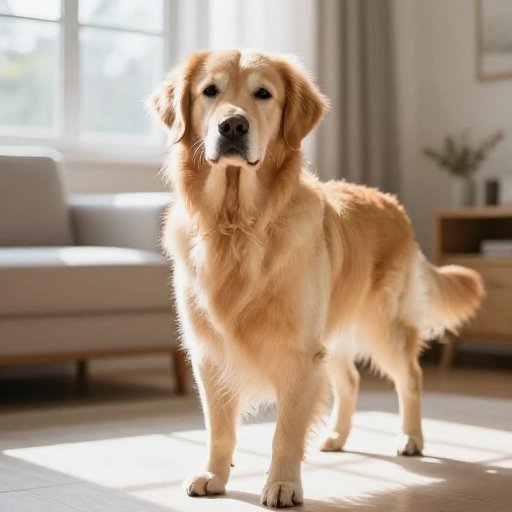
I’ve always believed that dogs don’t let anything slow them down. When I first met a blind dog at a local shelter, I expected sadness. Instead, I saw a tail that never stopped wagging and a nose that seemed to know exactly where to go. That day changed how I see the world, and it made me realize how much these pups teach us about resilience and joy.
Blind dogs live full, happy lives. They rely on their other senses, their people, and their own incredible spirit. Whether they were born without sight or lost it later, they adapt in ways that will blow your mind. Here are 11 heartwarming facts that prove blind dogs are nothing short of amazing.
1. They Build a Mental Map of Your Home
Blind dogs memorize every corner, rug, and piece of furniture in no time. They use a process called “spatial learning” to create a mental map. Within a few days, they navigate without bumping into things.
I watched a blind beagle learn the layout of a new apartment in under a week. He ran from the kitchen to the couch like he had eyes. Their brains are wired for this, and it’s pure magic.
Just keep furniture in the same spots, and they’ll be pros.
2. Their Hearing Becomes Superhuman (Well, Super-Canine)
When a dog loses its sight, hearing takes center stage. They pick up on sounds we barely notice. The crinkle of a treat bag from three rooms away? They hear it instantly.
This makes them amazing at reading your mood. They can tell if you’re happy or upset just by your breathing. One owner told me her blind dog always comes to cuddle when she sighs.
It’s like they have a sixth sense for comfort.
3. They Use Echo Location Just Like Bats
Believe it or not, some blind dogs learn to click their nails or make small sounds to navigate. The sound bounces off walls and objects, helping them “see” the room.
It’s not as precise as a bat’s, but it works. I’ve seen a blind dog pause at the top of stairs, tap a paw, and then descend slowly. They’re problem-solvers by nature.
This skill often develops on its own, no training needed.

4. They Rely on Their Nose Like We Rely on Our Eyes
A blind dog’s nose is a superpower. They sniff the air to find you, their food bowl, or their favorite spot in the yard. Their sense of smell is already 10,000 times stronger than ours, and they lean on it even more.
I met a blind golden retriever who could find a lost toy by scent alone. He’d sniff the floor, turn a corner, and grab it. It’s not magic, it’s just how they roll.
Leaving scent trails with treats can help them learn new spaces faster.
5. They Thrive on Routine and Ritual
Blind dogs love predictability. A set schedule for walks, meals, and bedtime gives them confidence. They know what comes next, and that makes them feel safe.
One friend walks her blind dog the same route every morning. He knows exactly when to turn left and when to stop for a sniff. It’s their little ritual, and he never misses a beat.
Routine isn’t boring to them, it’s freedom.

6. They Read Your Voice Like a Book
Your voice becomes their guide. They learn the difference between “watch out” and “good boy” in a split second. Tone matters more than words.
I always use a cheerful voice when my blind foster dog approaches a new obstacle. He relaxes instantly. They trust you completely, and that bond is stronger because they rely on you.
Talk to them often, and they’ll never feel lost.
7. They Play Fetch Like a Pro (Yes, Really)
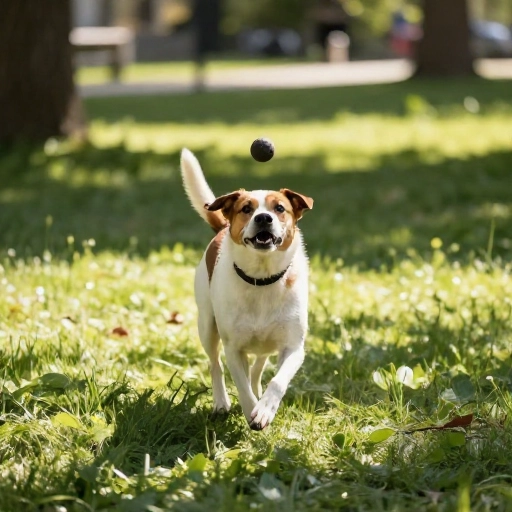
Blind dogs still love to play fetch. You just need a ball that makes noise or has a scent. They listen for it to land and follow the sound.
I’ve seen a blind terrier chase a jingle ball across a yard, grab it, and trot back proudly. He didn’t care he couldn’t see it. The game was the same joy.
Some even play catch by tracking the sound of your hand. It’s hilarious and heartwarming.
8. They Become Experts at Following Touch Cues
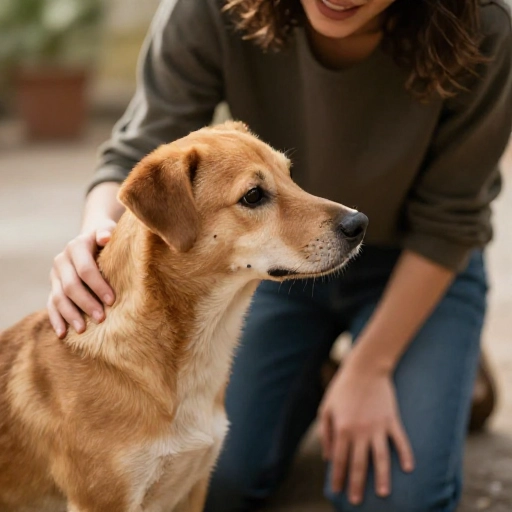
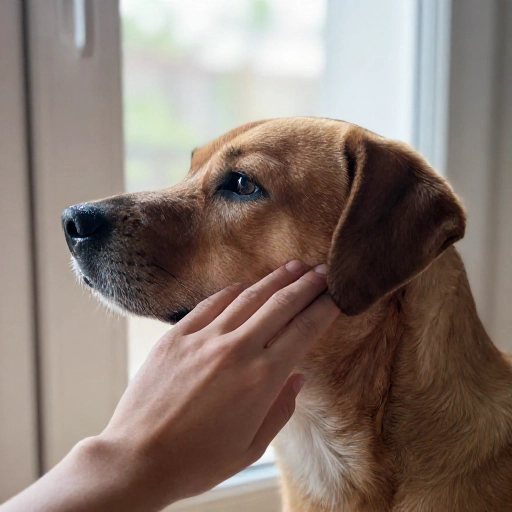
Blind dogs learn to respond to gentle touches. A tap on the shoulder means “stop” or “turn left.” A hand on their back says “I’m here.”
This is called tactile communication, and it’s how many blind dogs navigate crowded spaces. I taught my foster dog to follow a light touch on his hip during walks. He never pulls or gets confused.
It’s a quiet language only the two of you share.
9. They Can Live With Other Pets Peacefully
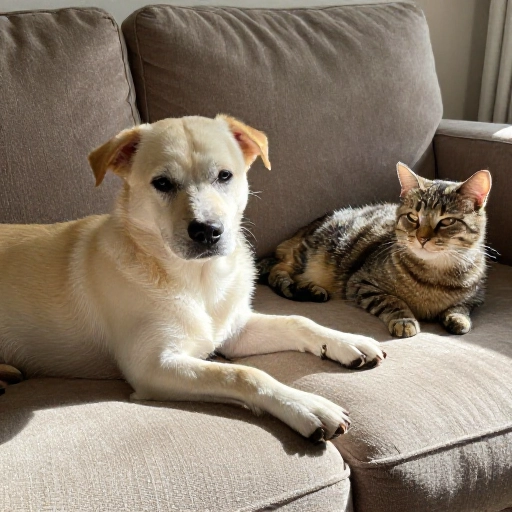
Blind dogs often get along great with other animals. They use scent and sound to recognize friends. I’ve seen a blind dog cuddle with a cat, a rabbit, and even a guinea pig.
They don’t judge by looks, only by vibe. If the other pet is calm and friendly, they’ll bond fast. It’s a beautiful reminder that connection goes beyond sight.
Introduce them slowly, and they’ll find their own rhythm.
10. They Teach Us Patience Without Saying a Word
Living with a blind dog slows you down in the best way. You learn to wait while they sniff a path. You learn to speak softly. You stop rushing.
I used to be impatient before I cared for a blind dog. Now I watch them explore the world with curiosity, and I remember to breathe. They don’t know they’re “missing” anything.
They’re just living, and they do it with grace.

11. They Have No Idea They’re “Different”
Here’s the most beautiful fact: blind dogs don’t know they’re blind. They don’t compare themselves to other dogs. They just live their lives using the tools they have.
They don’t feel sorry for themselves. They don’t get jealous of sighted dogs. They wag their tails, ask for belly rubs, and love you with everything they’ve got.
That’s the real lesson. Happiness isn’t about what you lack. It’s about what you do with what you have.
Conclusion
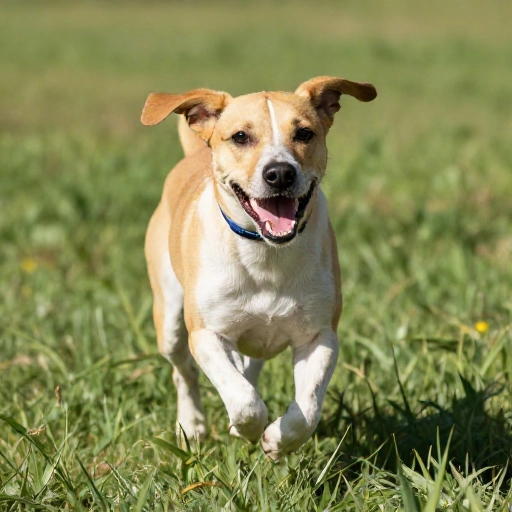
Blind dogs aren’t broken. They’re resilient, clever, and full of love. Every fact I shared comes from watching them adapt, play, and thrive. They don’t need our pity. They just need our patience and a little bit of trust.
If you ever meet a blind dog, don’t look away. Look closer. You might just learn what courage really looks like.
Frequently Asked Questions
Can blind dogs be happy?
Absolutely. Blind dogs live full, joyful lives. They adapt using their other senses and rely on their bond with you. Most are just as happy as sighted dogs.
How do you walk a blind dog?
Use a harness and keep them on a short leash at first. Talk to them often so they know you’re there. Stick to familiar routes and use touch cues for turns.
Do blind dogs need special toys?
Not necessarily, but toys that make noise or have strong scents help. Squeaky toys, treat-dispensing balls, and crinkle toys are great choices.
Can blind dogs play with other dogs?
Yes. They use scent and sound to interact. Many blind dogs enjoy playing with calm, friendly dogs. Supervise at first, but they usually figure it out.
Should I adopt a blind dog?
If you have patience and a stable home, yes. Blind dogs are incredibly loving and adaptable. They just need a little extra guidance and a whole lot of love.