Your Guide to a Fur-Free Home: Dog Deshedding Tips That Actually Work
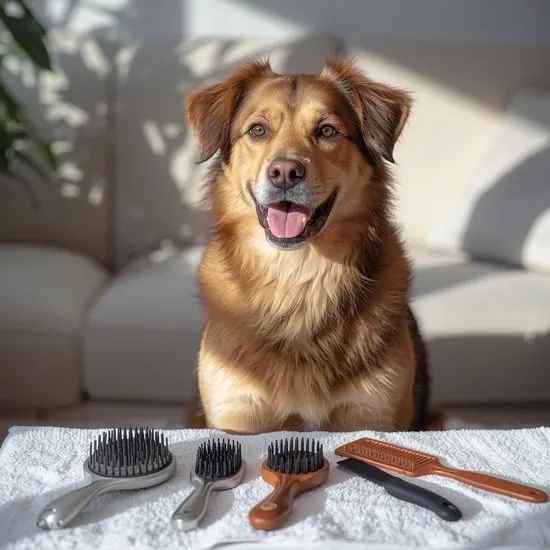
If you share your life with a dog, you share your home with their fur. It’s on the couch, in your coffee, and somehow always on your black pants. I’ve been there! But instead of fighting a losing battle, I learned that managing shedding is all about smart, consistent care. It’s not about stopping a natural process, but about controlling the tumbleweeds.
Think of deshedding as a wellness ritual for your pup. A healthy coat starts from the inside out, and the right tools make all the difference. Whether you have a double-coated Husky or a short-haired Lab, these practical tips will help you keep the fluff under control and your dog feeling (and looking) fantastic.
1. Know Your Dog’s Coat Type First
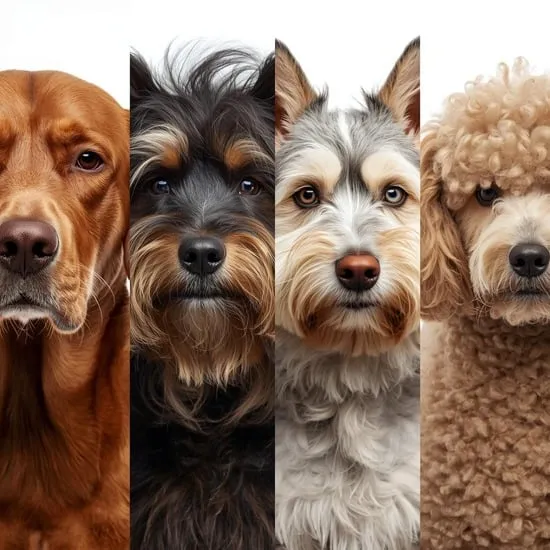
Not all fur is created equal. The very first step is to understand what you’re working with. Is your dog single-coated or double-coated? Does they have a wiry topcoat or silky, long hair? I made the mistake of using the wrong brush for years!
Double-coated breeds (like German Shepherds, Golden Retrievers, and most Spitz types) have a dense undercoat that sheds in clumps, especially during seasonal changes. Their grooming needs are completely different from a Poodle’s curly hair or a Beagle’s short coat. A quick search or chat with your groomer will set you on the right path.
2. Invest in a High-Quality Undercoat Rake
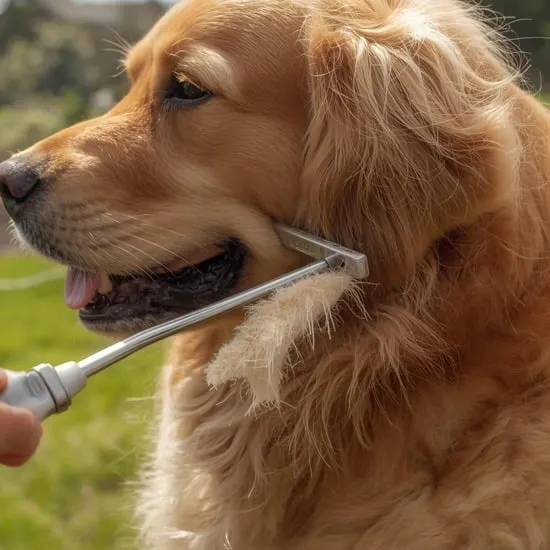
For double-coated dogs, this tool is a game-changer. An undercoat rake has long, rounded teeth designed to reach through the topcoat and gently pull out the loose, fluffy undercoat without hurting the skin or damaging the protective top layer.
I use mine during my dog’s heavy shed seasons, usually spring and fall. Working in sections, I gently rake in the direction of hair growth. The amount of soft undercoat that comes out is astonishing—it’s like pulling out clouds! It dramatically reduces the hair that would otherwise end up around your house.
3. Make the Slicker Brush Your Best Friend
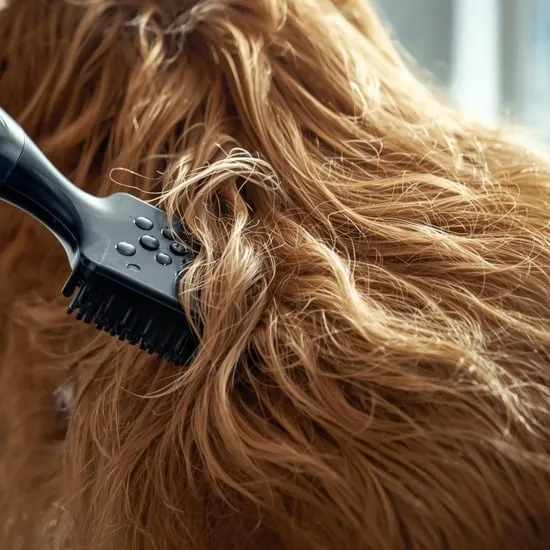
This is my go-to for almost every coat type. The slicker brush, with its fine, bent wires, is perfect for removing mats, tangles, and loose topcoat hair. It’s excellent for medium to long-haired dogs and works wonders on the fluffy furnishings of breeds like Collies.
The key is to be gentle. Use short, soft strokes and don’t press too hard. I like to brush my dog outside or over a hard floor so I can easily sweep up the hair. A quick once-over with this brush a few times a week keeps the coat smooth and prevents loose hair from spreading.
4. Don’t Forget the Power of a Good Bath
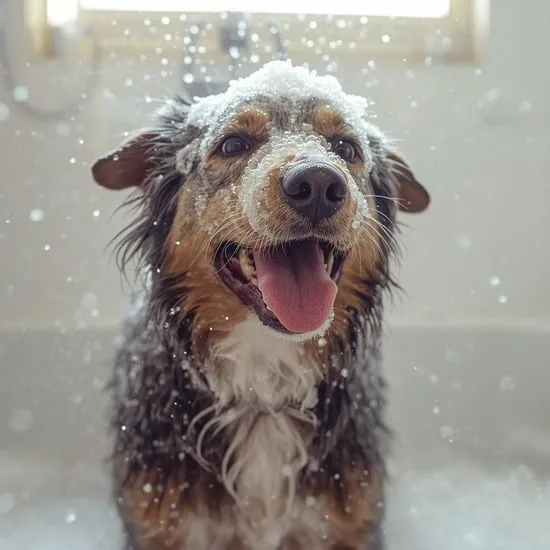
Bathing isn’t just about getting clean; it’s a massive deshedding event. Warm water and a good deshedding shampoo help loosen all that dead hair trapped close to the skin. The massage action of lathering is like a signal for the fur to let go.
My pro tip? Use a rubber grooming mitt or a deshedding tool during the bath, while the coat is wet and saturated with conditioner. You’ll be amazed at the hair you can remove. Just be sure to rinse thoroughly and dry completely to avoid any skin issues.
5. Nutrition is the Foundation of a Healthy Coat
You can’t brush your way out of a poor diet. What your dog eats directly impacts their skin and coat health. A shiny, strong coat sheds less than a dry, brittle one. I noticed a huge difference when I focused on high-quality food rich in omega-3 and omega-6 fatty acids.
Consider adding a spoonful of salmon oil, flaxseed oil, or a fish-based supplement to their meals. Always check with your vet first, but this simple addition can make their coat so much more resilient and less prone to excessive shedding.

6. Establish a “Brush-Before-Play” Routine
Consistency beats intensity. Instead of a marathon grooming session once a month, I do a quick 5-minute brush before our evening walk or play session. My dog now associates brushing with fun, and it’s become a bonding ritual.
This regular habit catches loose hair before it has a chance to fly free all over the house. A little bit of maintenance most days feels so much easier than dealing with a mountain of fur all at once.
7. Hydration Matters for Skin & Coat
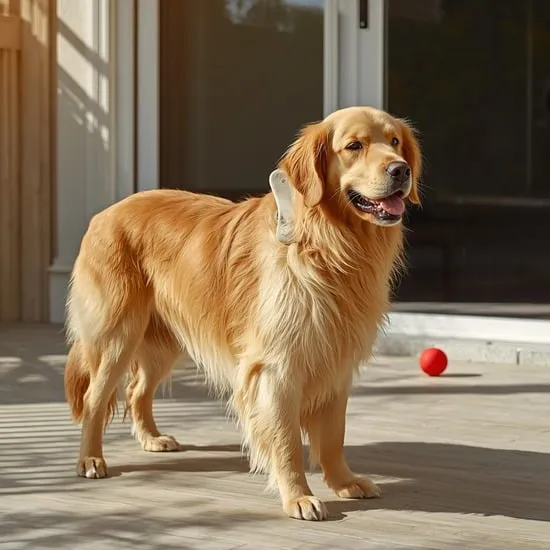
Just like for us, water is essential. Dehydrated skin becomes flaky and itchy, which can lead to more scratching and more hair flying around. Make sure your dog always has access to fresh, clean water.
I even add a bit of water or low-sodium broth to my dog’s kibble sometimes for an extra hydration boost. Healthy, hydrated skin holds onto hair follicles better, meaning less ends up on your floor.

8. Control Shedding with Regular Vacuuming
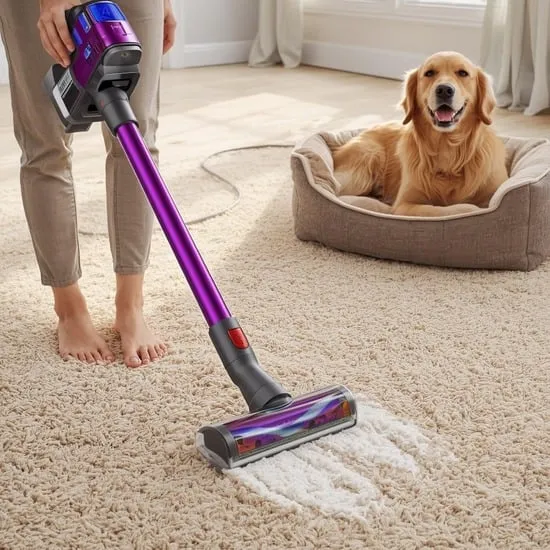
This tip is for your sanity! While you’re managing the source, you still need to tackle what’s already loose. I run a robot vacuum daily to pick up surface fur from hard floors, and I use a pet-specific upright vacuum with a motorized brush roll on carpets and furniture weekly.
Having the right tools makes this chore less daunting. A good vacuum and some lint rollers stationed around the house help you stay on top of it without feeling overwhelmed.
9. Schedule Professional Grooming Sessions
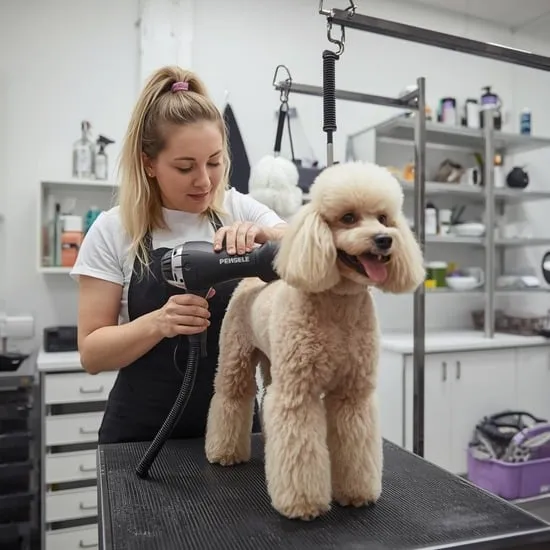
Even as a dedicated home groomer, I book a professional deshedding treatment for my dog twice a year during peak shed. Groomers have powerful dryers and specialized tools that can remove an incredible amount of undercoat in one session.
Think of it as a deep clean for your dog’s coat. It gives you a fresh start and makes your at-home maintenance so much easier for the following months. It’s worth every penny for the reduction in household fur.
10. Be Patient and Make it Positive
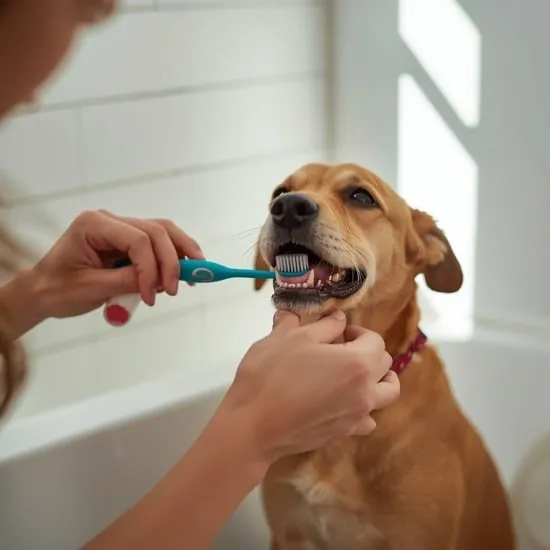
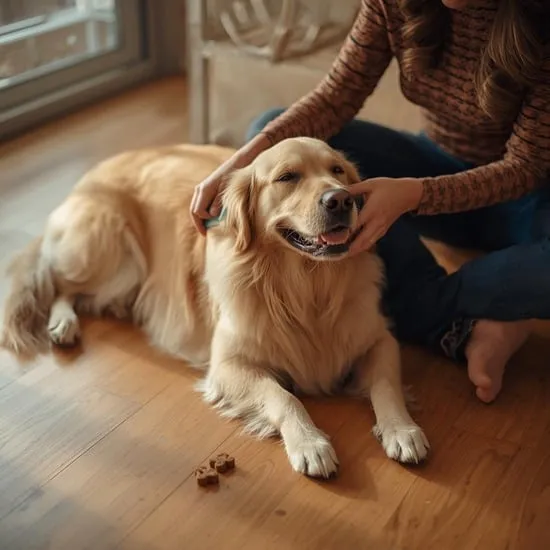
For some dogs, grooming is stressful. If your pup is nervous, go slow. Start with very short sessions, offer plenty of treats and praise, and focus on areas they enjoy first. I started by just brushing my dog’s chest for 30 seconds and built from there.
Turning deshedding into a calm, positive experience means your dog will cooperate more, making the job easier and more effective for both of you. It’s about care, not just hair removal.
Conclusion: Embrace the Fluff (Managed!)
Shedding is a sign of a healthy, living dog in your home. By combining the right tools, a consistent routine, and proper nutrition, you can manage it effectively. It’s not about perfection, but about making life more comfortable and less furry for everyone. Start with one or two of these tips, and you’ll see a difference in no time.
Your Dog Deshedding FAQ
Q: How often should I deshed my dog?
A: It depends on their coat! Double-coated dogs often need weekly brushing, ramping up to daily during heavy shed seasons. Short-haired dogs might do well with a weekly rubber brush session.
Q: Can I shave my dog to stop the shedding?
A: Please don’t, especially for double-coated breeds! Shaving can ruin their coat’s insulating properties, doesn’t stop shedding (the hairs are just shorter), and can lead to skin problems.
Q: What’s the single best tool for shedding?
A: There’s no one-size-fits-all, but for most common shedders, a combination of an undercoat rake (for the bulk) and a slicker brush (for finishing) is unbeatable.
Q: Does diet really affect shedding?
A: Absolutely. A poor diet can lead to dry, unhealthy skin and a brittle coat that sheds excessively. High-quality food with good fats is key for coat health.
Q: My dog hates being brushed. What can I do?
A: Go slow and make it positive. Use high-value treats, keep sessions very short, and just touch them with the brush at first. Patience and consistency will build their tolerance.