11 Jealous Dog Breeds: Understanding Your Velcro Pup

I’ve shared my life with dogs for years, and if there’s one universal truth, it’s this: dogs have big feelings. While we often talk about loyalty and love, another emotion can bubble up just as strongly—jealousy. It’s not a flaw; it’s a sign of how deeply bonded they are to us.
Some breeds are simply more prone to these “green-eyed monster” moments. They were bred to work closely with a single person, guard their family, or be constant companions. That intense focus can sometimes translate into jealousy when they feel their special connection is threatened. Understanding this trait is the first step to a happier, more secure pup.
Let’s explore the breeds where this devoted, watchful nature often shines through a bit more brightly. Remember, every dog is an individual, but knowing these tendencies helps us be better, more empathetic pet parents.
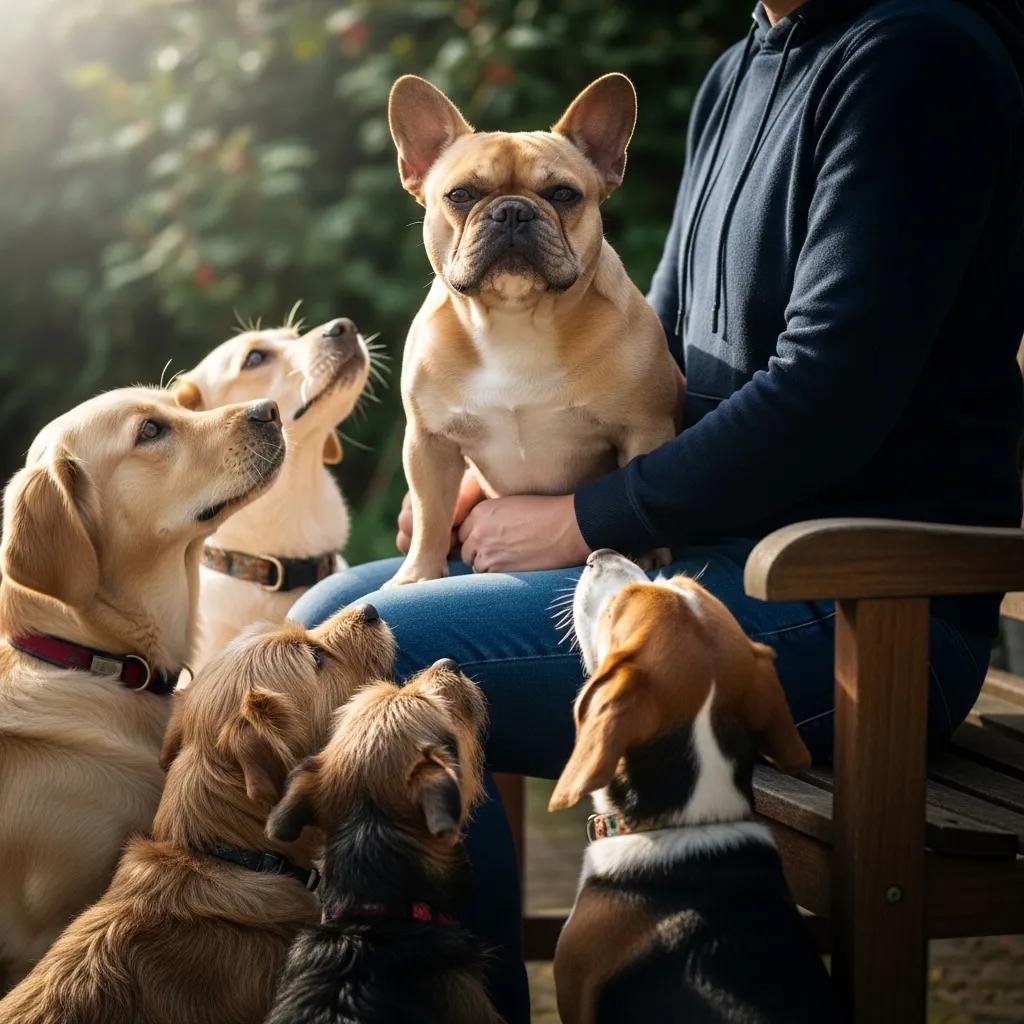
1. The French Bulldog: The Ultimate Lap Hog
Don’t let their comical faces fool you. My Frenchie is the sweetest couch potato, until someone else tries to claim my lap. Suddenly, he becomes a determined little bulldozer, nudging his way in between.
Frenchies form incredibly tight bonds with their favorite person. They thrive on constant companionship and physical touch. A new partner, baby, or even another pet can trigger their insecurity. They’ll whine, paw at you, or give you the most dramatic side-eye if they’re not the center of attention.
The key is to include them. I make sure he gets his own cuddle time and feels part of the action, so he doesn’t feel the need to compete for my affection.
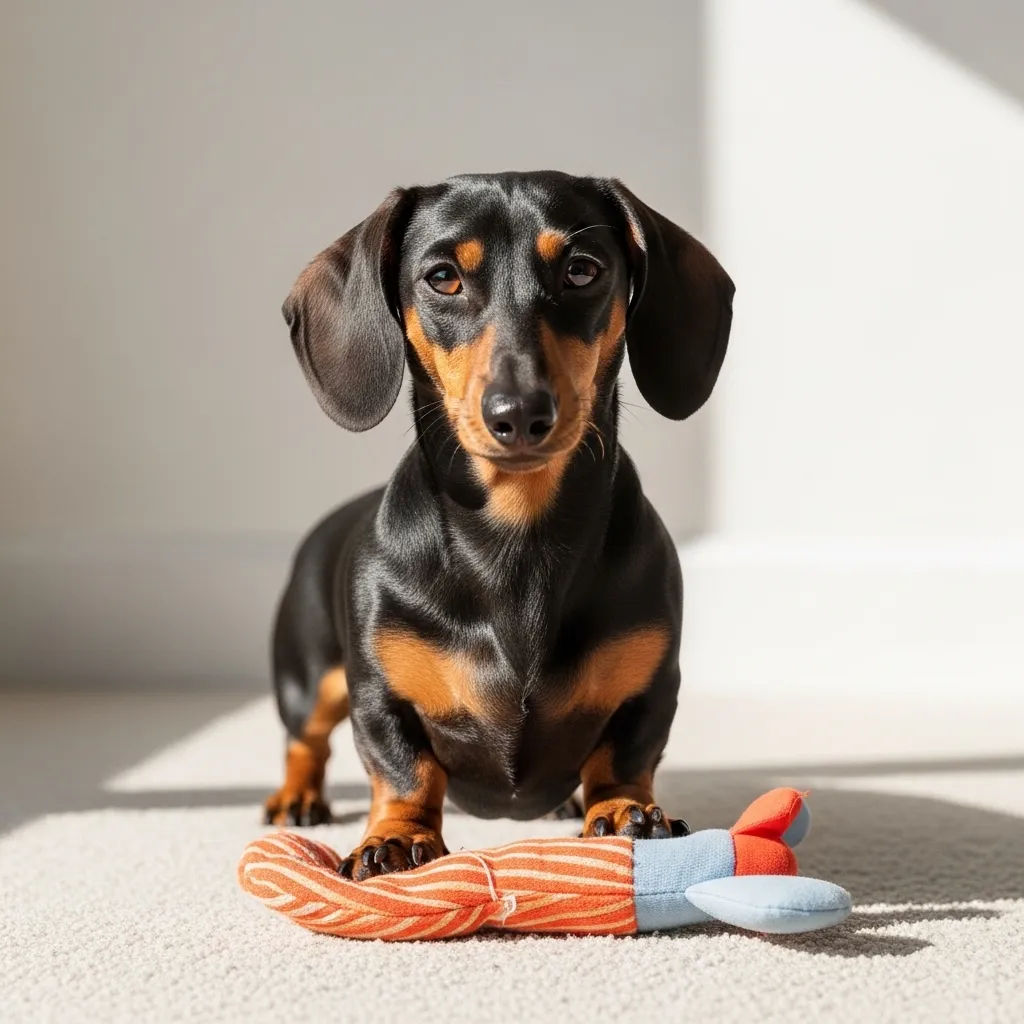
2. The Dachshund: Small Dog, Big Attitude
Bred to hunt badgers independently, the Dachshund has a famously bold and stubborn personality. They are loyal to a fault to their inner circle and deeply suspicious of outsiders or rivals for your love.
I’ve seen a Dachshund literally plant themselves on their owner’s feet, declaring ownership. They can become vocal, bark at “intruders” (like your new date), or even show subtle resource guarding over toys, food, or—you guessed it—you.
Early, positive socialization is crucial for this breed. Teaching them that good things happen when others are around helps manage that protective, jealous streak.
3. The Chihuahua: Fiercely Loyal Shadow
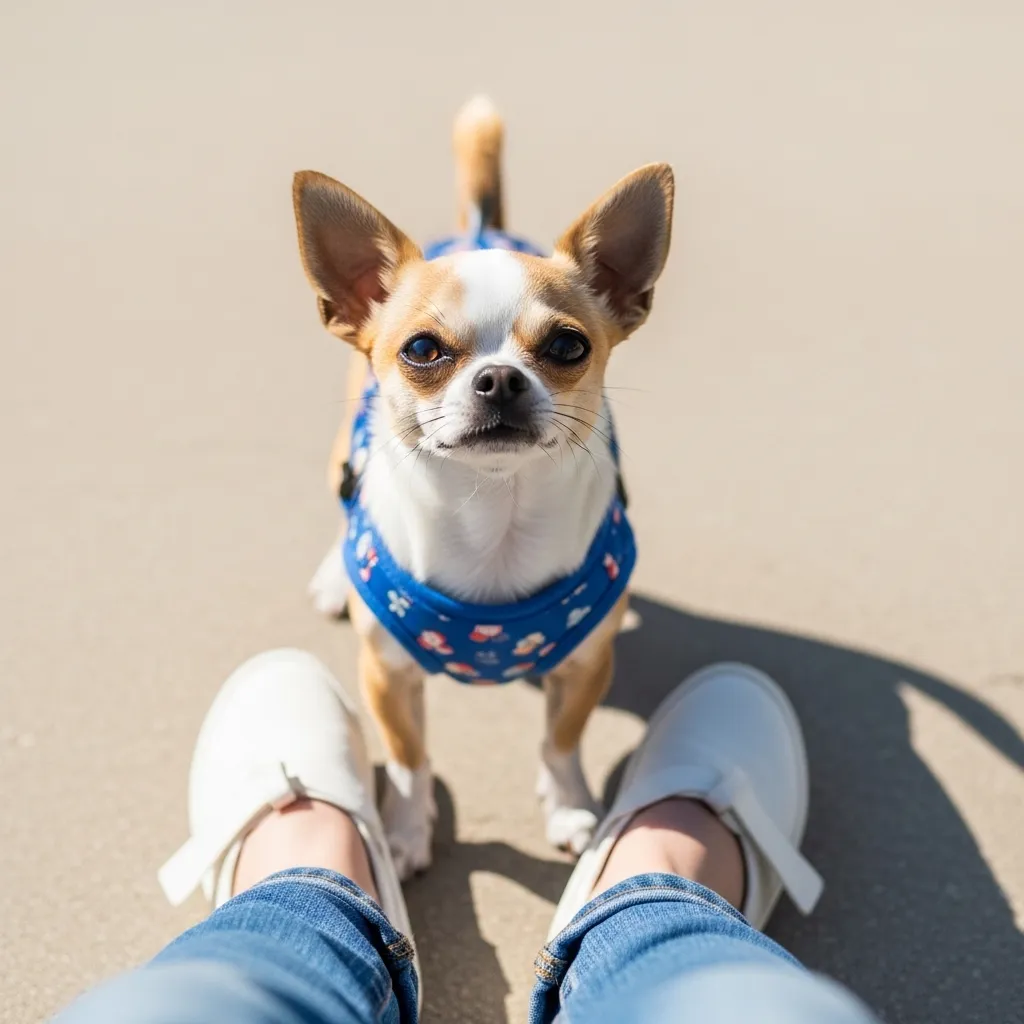
The classic “one-person dog.” My friend’s Chihuahua lives in her sweater pocket and views the world from her arms. Anyone else approaching is met with a tiny, trembling body and a surprisingly loud alarm bark.
Their size makes them feel vulnerable, so they compensate by being hyper-vigilant and possessive of their safety source—you. This can look like jealousy, but it’s often rooted in anxiety and a deep need for security.
Building their confidence through training and ensuring they have a safe space (like a cozy bed) can help them feel secure enough to share you occasionally.
4. The Australian Shepherd: Your Personal Project Manager
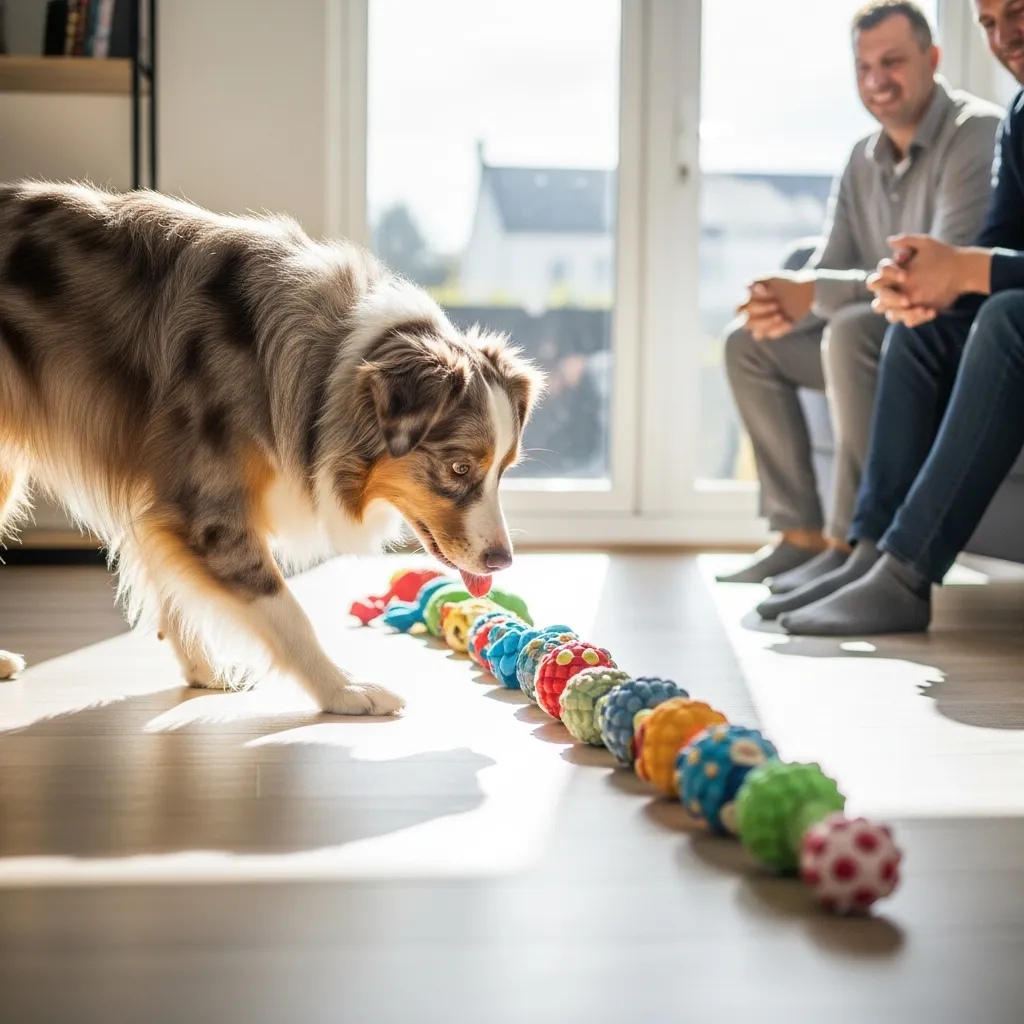
This brilliant herding breed has a job: managing their flock. In a home, that flock is you and your family. They are happiest when involved in everything you do.
An Aussie’s jealousy often manifests as “herding.” They might gently nip at heels to steer you away from another pet, block doorways, or stare intently, trying to control the situation. It’s not malice; it’s their instinct to keep their group together and under their watch.
Giving them a real job, like advanced training or agility, satisfies their need for purpose and focus, reducing anxious or possessive behaviors.
5. The German Shepherd: The Devoted Guardian
No list of loyal, vigilant breeds is complete without the German Shepherd. Their entire being is wired to protect their family. This profound dedication can sometimes cross into jealousy if they perceive a threat to their bond with you.
They might position themselves between you and a guest, become aloof, or show increased alertness when you show affection to someone else. It’s their way of assessing and controlling the environment for your safety.
Clear leadership and rules are essential. When they trust you as a confident leader, their protective instincts become more balanced and less possessive.
6. The Labrador Retriever: The Love Sponge Who Doesn’t Want to Share
It might surprise you to see America’s favorite family dog here. But Labs are famous for their boundless, enthusiastic love. Sometimes, they want all that love to flow right back to them.
I’ve known Labs who would whimper pathetically if another dog got petted first, or who would persistently shove a toy into your hand during a conversation. It’s less about malice and more about an eager, “What about me?!” attitude.
Their feelings are easily soothed with a little attention. Teaching a solid “wait” or “place” command can help them learn patience when you’re busy.
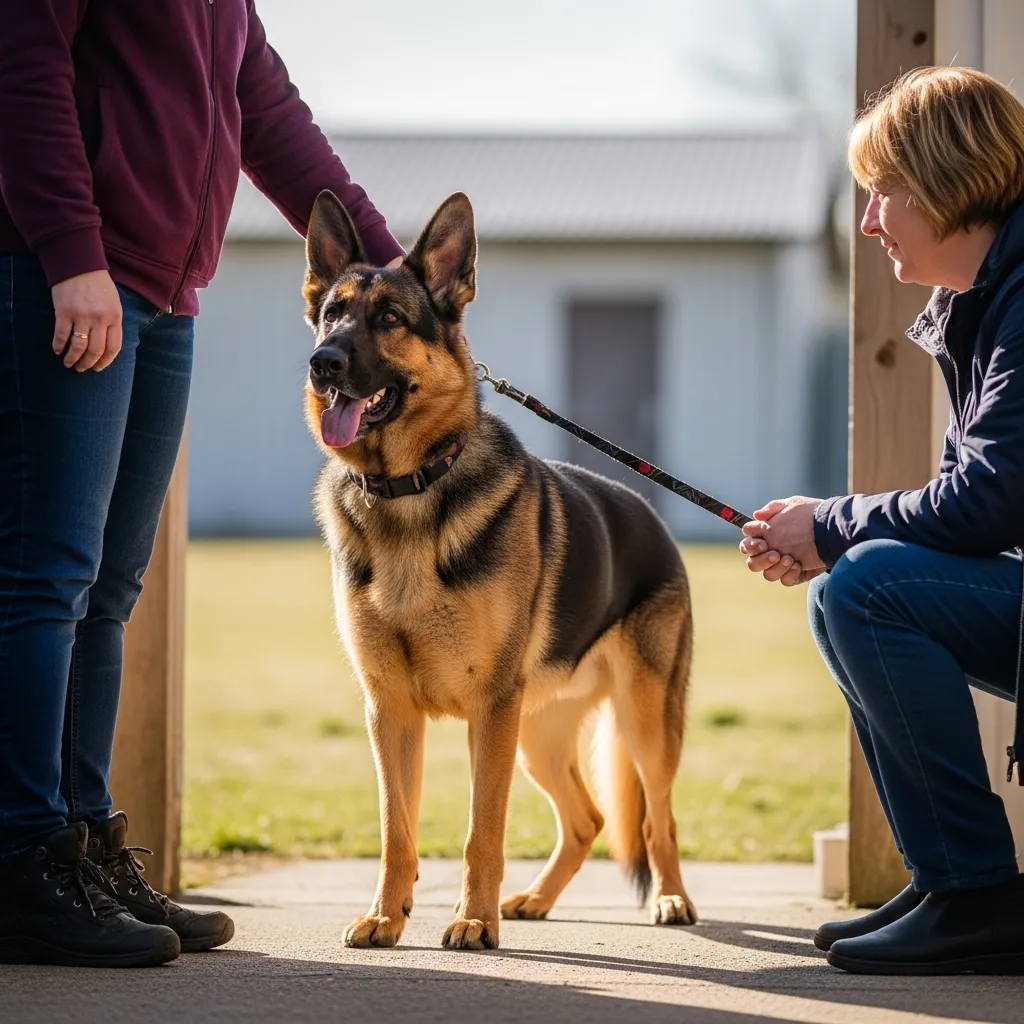
7. The Jack Russell Terrier: Energetic and Opinionated
Bred for tenacity and independence, the Jack Russell has a huge personality in a small package. They bond intensely with their person and have very clear ideas about how things should be—namely, with them as the star.
Their jealousy is active. They might bark incessantly, jump on you, or try to initiate play the moment you divert your attention. Boredom fuels this behavior, turning their sharp minds toward “getting what’s theirs.”
A tired Jack Russell is a happy, less jealous Jack Russell. Ample physical exercise and mental puzzles are non-negotiable for this breed.
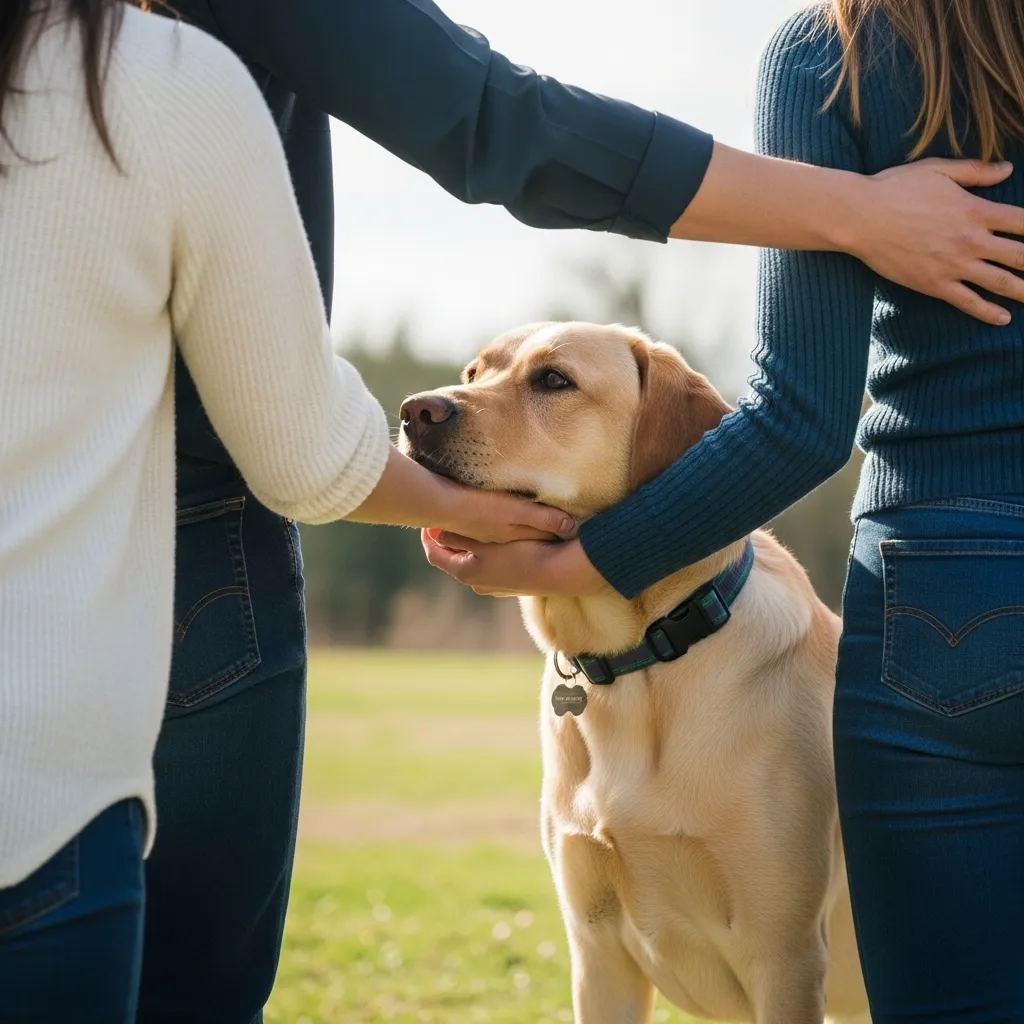
8. The Border Collie: The Intense Eye Contact Expert
The world’s premier herding dog lives to work with their handler. That laser focus is amazing on a farm, but in a living room, it can become an intense, unwavering demand for your undivided attention.
A Border Collie’s “jealousy” is often silent but powerful. They will stare. They might herd children or other pets away from you. They can become stressed or develop obsessive behaviors if they feel sidelined.
Channeling that focus into structured activities is the solution. They need a constructive outlet for their mental and physical energy more than almost any other breed.
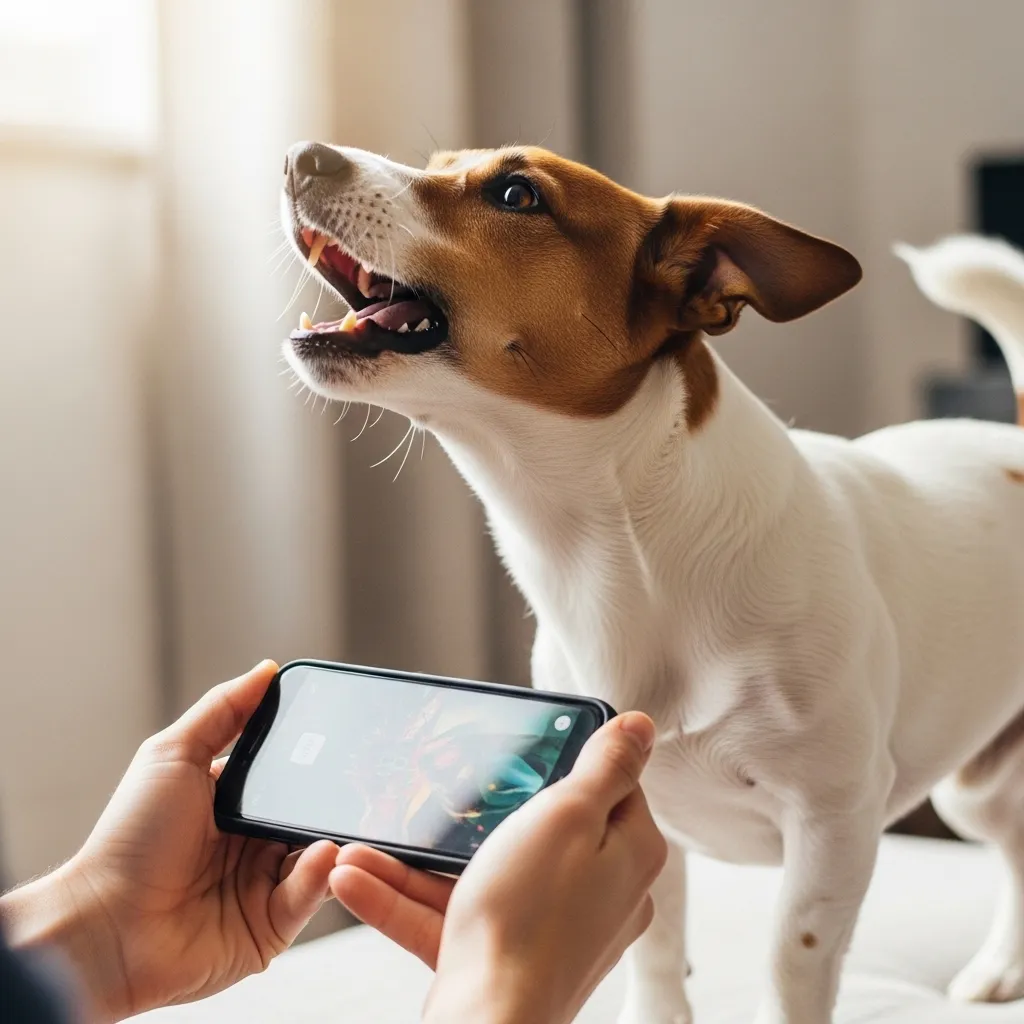
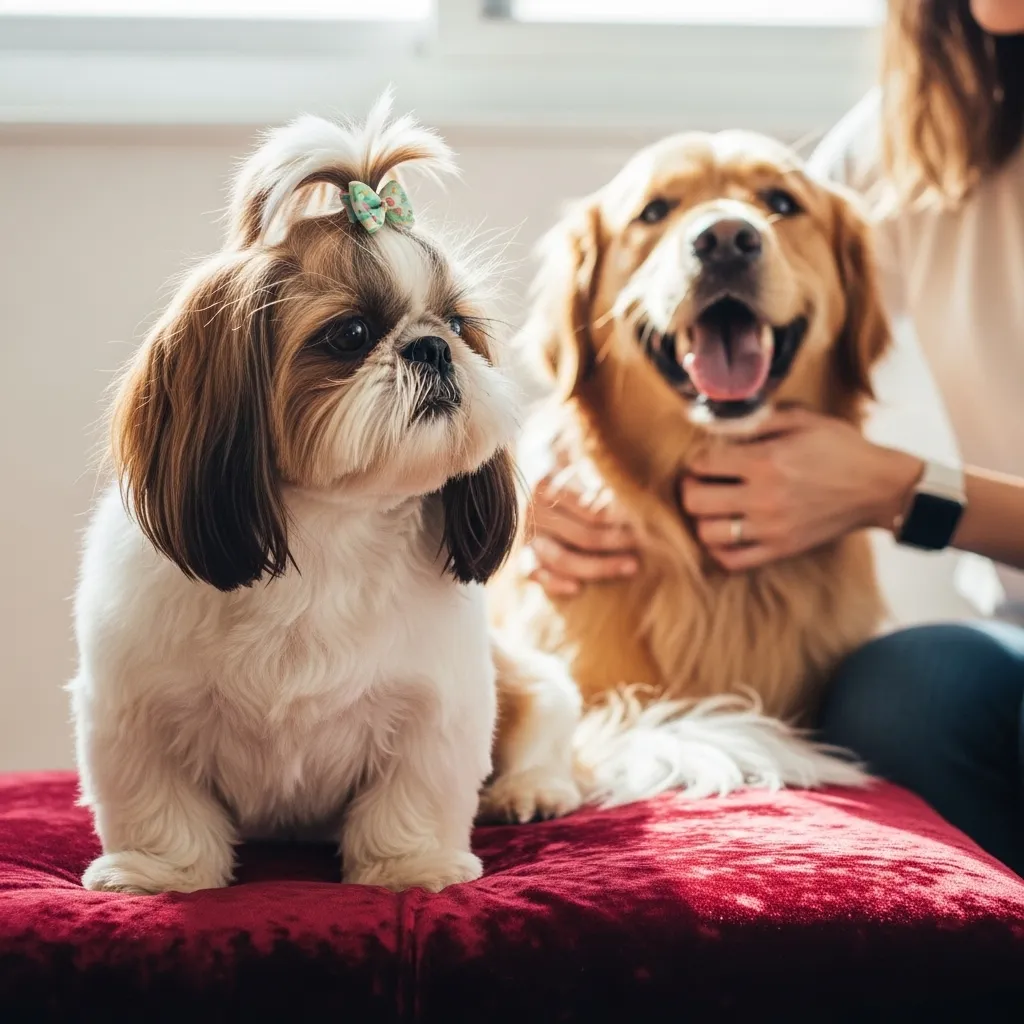
9. The Shih Tzu: The Royal Companion
Bred for centuries to be a lapdog for Chinese royalty, the Shih Tzu expects to be doted on. They are charming and affectionate but can develop a sense of entitlement to your lap and your love.
They may become standoffish or refuse to interact with a new person or pet who has “invaded” their space. Some will simply turn their back in a huff or give a disgruntled snort.
Gentle, consistent training from puppyhood helps them understand they are loved, even when they aren’t the sole recipient of attention at every moment.
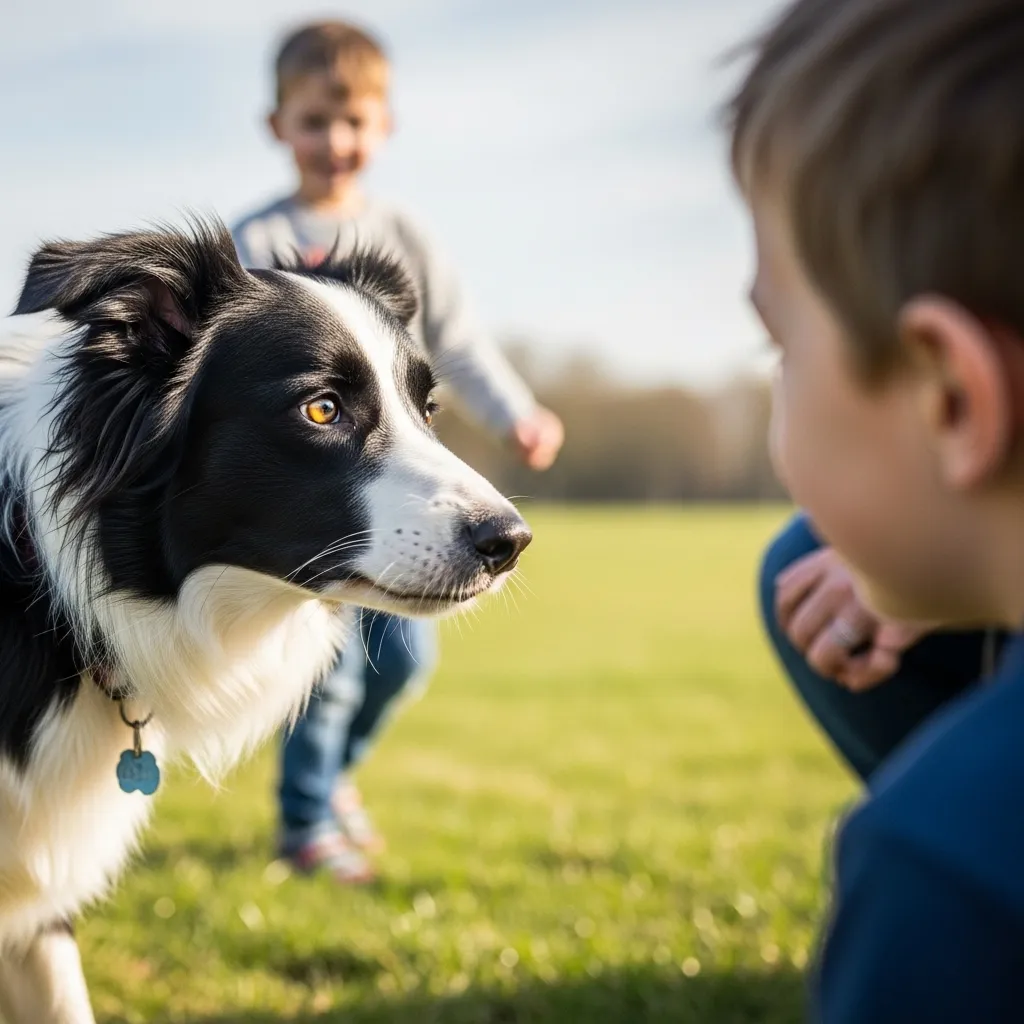
10. The Siberian Husky: The Dramatic Talker
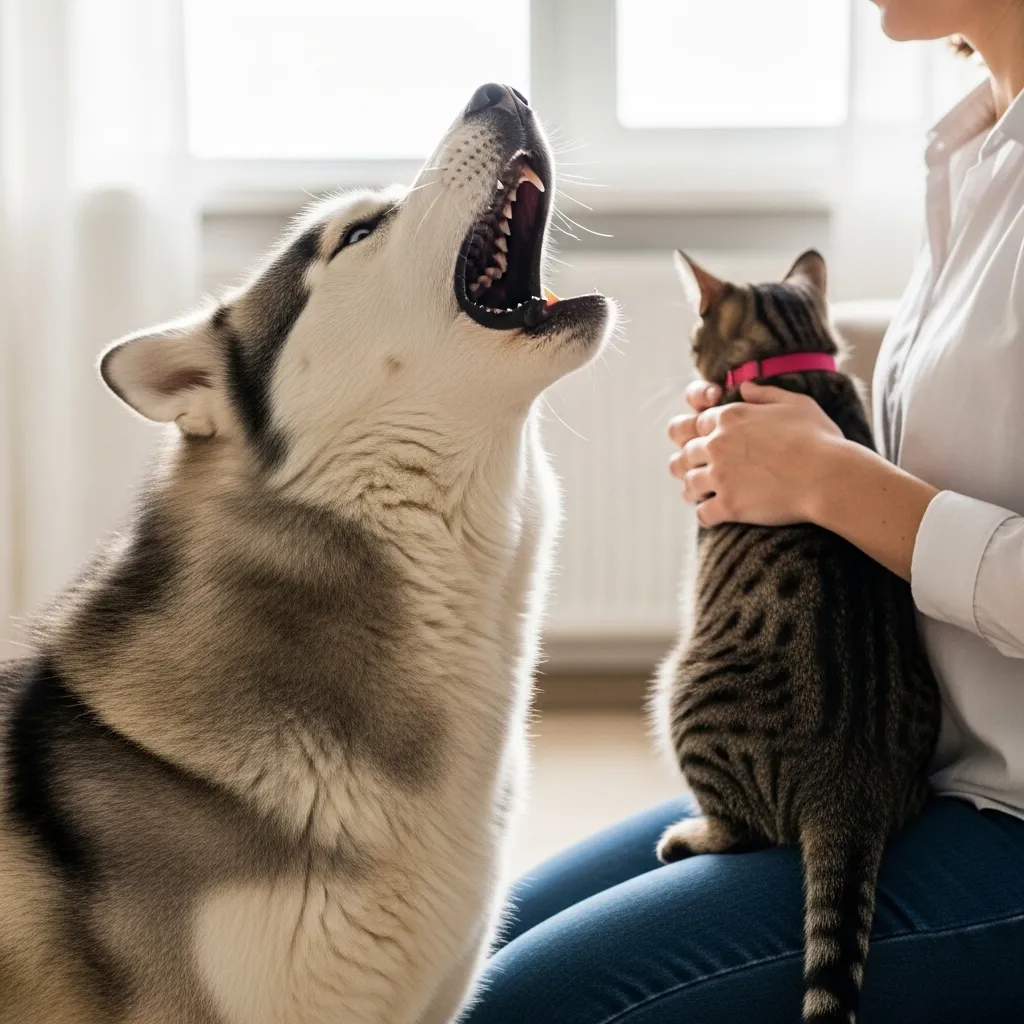
Huskies are pack animals who are vocal about everything—including their grievances. While not possessive in a guarding sense, they are social butterflies who hate being left out.
If you’re petting another dog, a Husky might literally talk back. They’ll howl, “woo-woo,” and physically insert themselves into the situation with theatrical flair. It’s less about jealousy over you as a resource and more about FOMO (Fear Of Missing Out).
Including them in activities and ensuring they have canine companionship can often satisfy their need for social interaction.
11. The Cocker Spaniel: The Sensitive Soul
With those melting, soulful eyes, the Cocker Spaniel is a gentle and loving breed. However, that sensitivity means they are easily hurt by perceived slights or changes in routine.
They can become clingy or visibly sad if they feel ignored. You might notice sighing, moping, or a reluctance to engage if they’re feeling jealous. They are true emotional mirrors.
Positive reinforcement and a stable, predictable environment are key. Make sure they get one-on-one time to reassure them of their special place in the family.
Living Happily with a Jealous Pup
Seeing these behaviors in your dog isn’t a reason for alarm. It’s a sign of a deep bond waiting to be guided. The goal isn’t to eliminate their love for you, but to build their confidence and security.
Focus on positive reinforcement for calm behavior, provide plenty of individual attention and exercise, and never punish the emotion. With patience and understanding, your devoted, sometimes-possessive friend can learn to feel secure even when they’re not in the spotlight.
FAQ: Your Jealous Dog Questions Answered
Q: Is my dog really jealous, or is it something else?
A: It can be a mix! Jealousy often overlaps with resource guarding, anxiety, or lack of socialization. Watch for patterns. If they only act out when you give attention to something else, it’s likely jealousy.
Q: How can I stop my dog’s jealous behavior?
A: Don’t punish it. Instead, reward calm behavior. If they sit quietly while you pet another dog, give them a treat. Manage the environment and give them their own special time to prevent frustration.
Q: Should I get another dog to keep my jealous dog company?
A> This can backfire spectacularly. A jealous dog may see the new pet as a rival, not a friend. Only consider this if your current dog is well-socialized and you can manage a careful, slow introduction.
Q: Can jealousy turn into aggression?
A> It can, especially in breeds prone to resource guarding. Watch for stiffening, growling, or snapping. If you see these signs, consult a professional positive-reinforcement trainer or a veterinary behaviorist immediately.
Q: Will spaying/neutering help with jealousy?
A> It can reduce hormonally-driven behaviors, but jealousy is more about personality and insecurity. The most effective approach is always behavioral training and building a trusting relationship.