11 Puppy Necessities for First Time Dog Owners Don’t Get
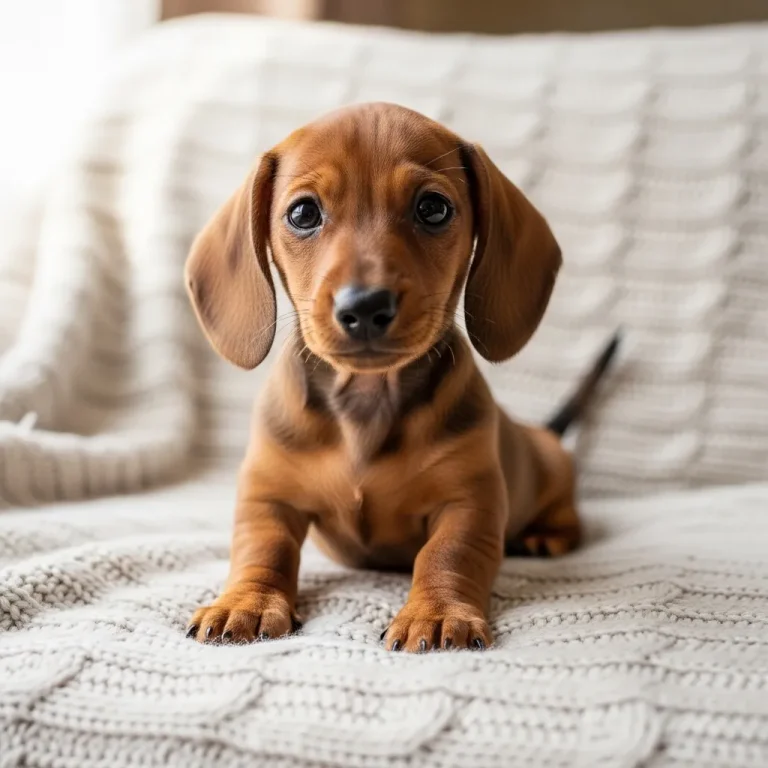
Bringing home a new puppy is pure magic. Those tiny paws, that puppy breath, the way they fall asleep in your lap. But between all the cuddles, there is a mountain of stuff you suddenly need. And if you are shopping for your first dog, it is easy to buy the wrong things.
I have been there. I walked into the pet store with a cart full of cute toys and fancy bowls, only to realize later that half of it was useless. Some items are sold as “must-haves” but actually make life harder. Let me save you the hassle. Here are the puppy necessities that first-time owners often grab, but really should not.
1. The Giant Bag of Cheap Kibble
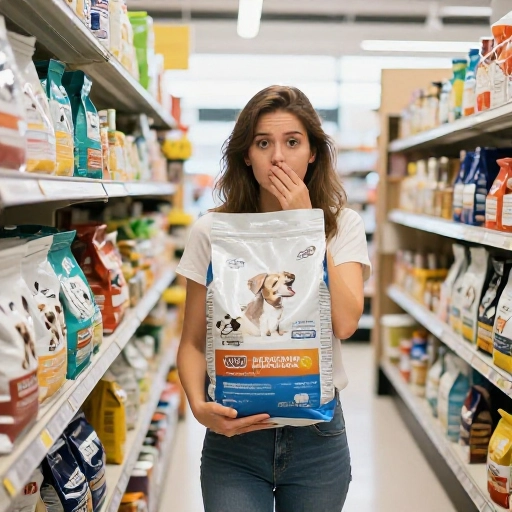
You see a huge bag on sale and think, “This will last forever!” But cheap kibble is often packed with fillers and artificial colors. Your puppy’s stomach is sensitive. One bad batch can lead to messy accidents on your rug and a grumpy pup.
Avoid buying in bulk until you know what your dog tolerates. Start with a small bag of high-quality food. Your vet can help you pick the right one. Your puppy’s digestion and shiny coat will thank you.
2. A Crate That Is “Big Enough to Grow Into”
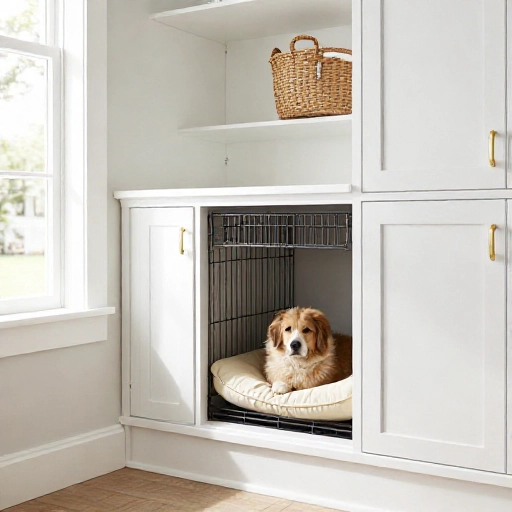
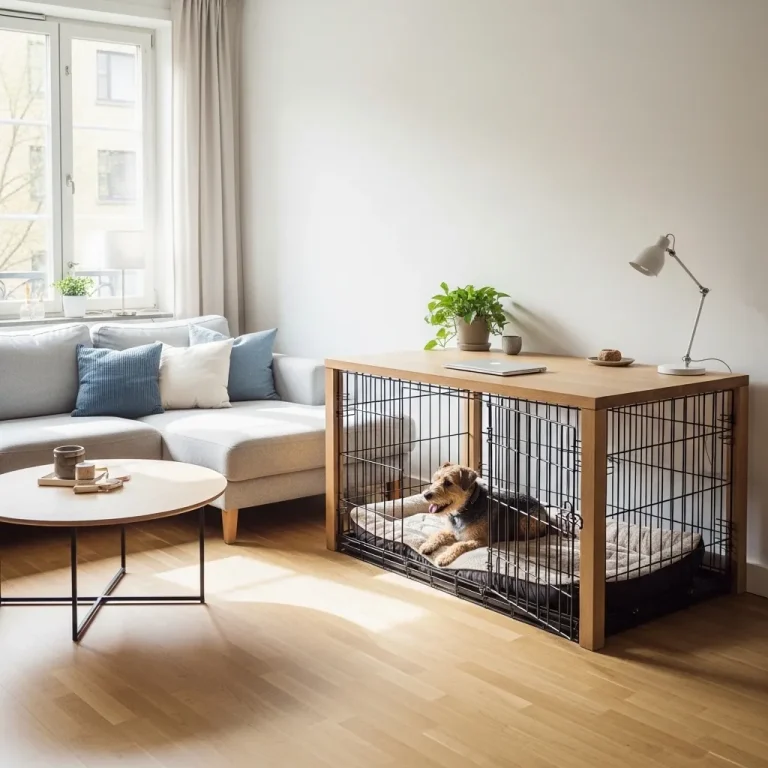
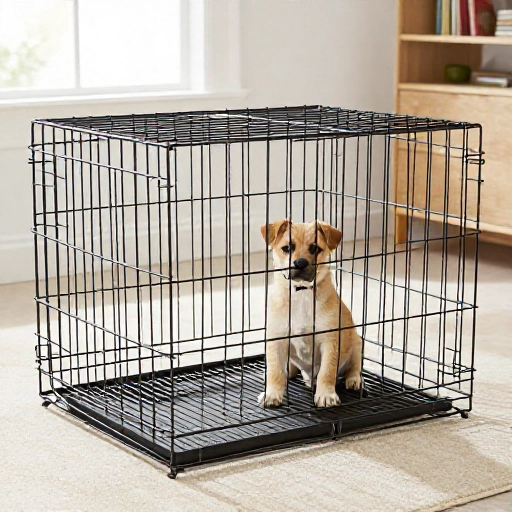
It sounds smart. Buy a large crate now so you do not have to buy another later. But a puppy given too much space will use one corner as a bathroom and the other as a bed. That defeats the whole purpose of crate training.
Get a crate that fits your puppy now. They should be able to stand, turn around, and lie down comfortably. If you want to save money, buy a crate with a divider panel. You can move the wall as they grow.
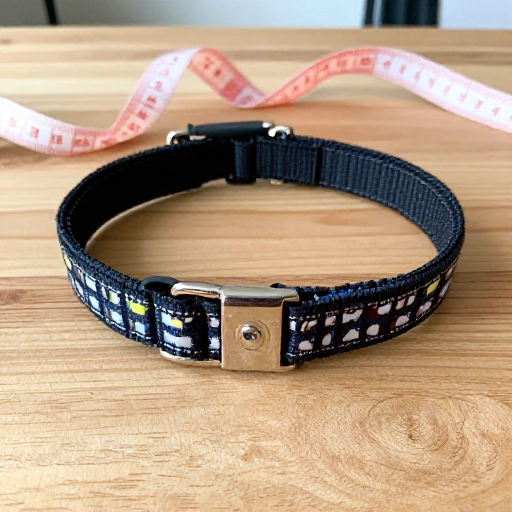
3. A Designer Collar (Before You Know Their Neck Size)
Those leather collars with gold rivets are beautiful. But puppies grow fast. That perfect collar might be too tight in two weeks. Worse, a loose collar can slip right over their head when you are out on a walk.
Wait a bit before spending on a fancy collar. Use a simple, adjustable nylon collar at first. Measure your puppy’s neck weekly. Once they are close to full size, treat them to that nice collar.
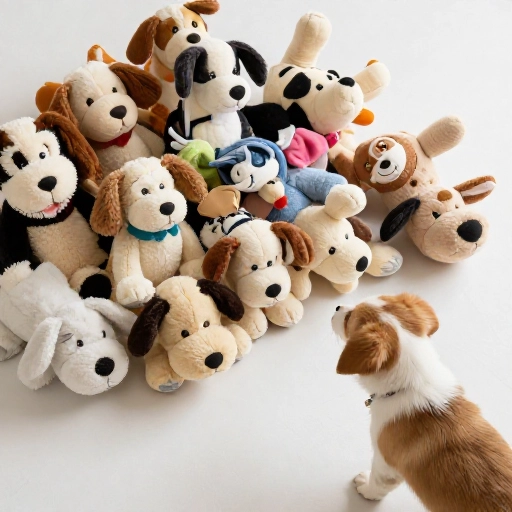
4. A Pile of Plush Toys Without Durability
Soft, fluffy toys are adorable. Your puppy will love carrying them around. Then they will rip the seams open in five minutes. Stuffing everywhere. You become a vacuum cleaner parent.
Instead, buy a mix of tough rubber toys and soft toys designed for light chewers. Check for reinforced seams. And always supervise playtime. One toy with a squeaker inside can become a choking hazard if torn apart.
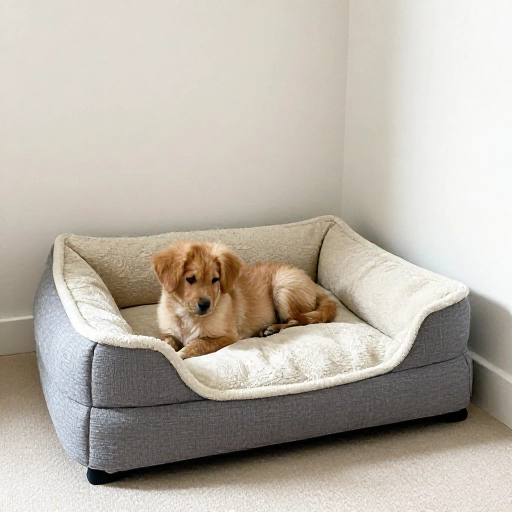
5. A Tiny Bed That You Will Replace Next Month
Pet stores sell tiny, doughnut-shaped beds that look like clouds. They are perfect for a ten-week-old puppy. But in three months, your puppy’s legs will hang off the sides. They will be uncomfortable and may start sleeping on the cold floor.
Buy a bed that fits your dog’s expected adult size. Fold a blanket inside to make it cozy for now. That way, the bed grows with them. It saves money and keeps your pup comfortable longer.
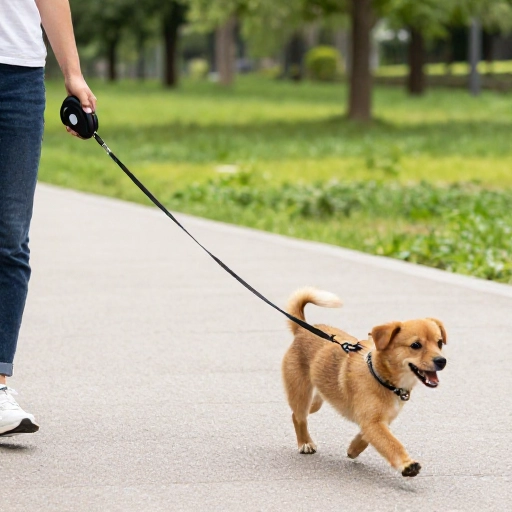
6. A Retractable Leash for Training Walks
Retractable leashes seem great for giving freedom. But for a puppy who needs to learn loose-leash walking, they are a nightmare. The constant tension teaches your dog to pull. Plus, the thin cord can cause burns if wrapped around your hand.
Stick with a standard six-foot nylon or leather leash for training. It gives you control and helps your puppy focus on you. Save the retractable for later, if you ever use it at all.
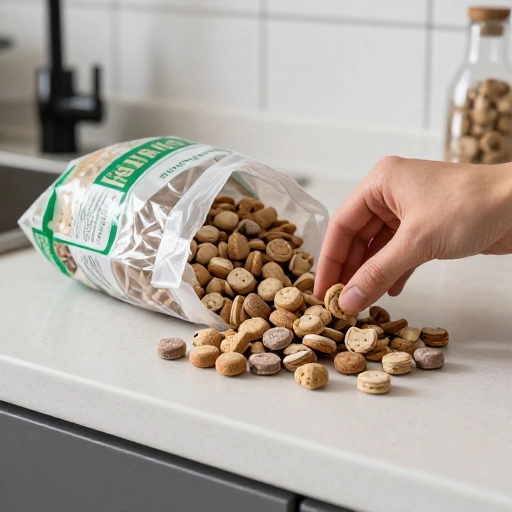
7. A Huge Bag of Treats (That You Will Binge On)
Treats are essential for training. But buying a giant bag of soft, smelly treats means you will run out of self-control. You give too many. Your puppy gains weight. And those treats lose their special value.
Buy small bags of different flavors. Use tiny, pea-sized pieces during training. Reserve the extra-special treats for big wins, like going potty outside. Your puppy will work harder for a rare, amazing treat.
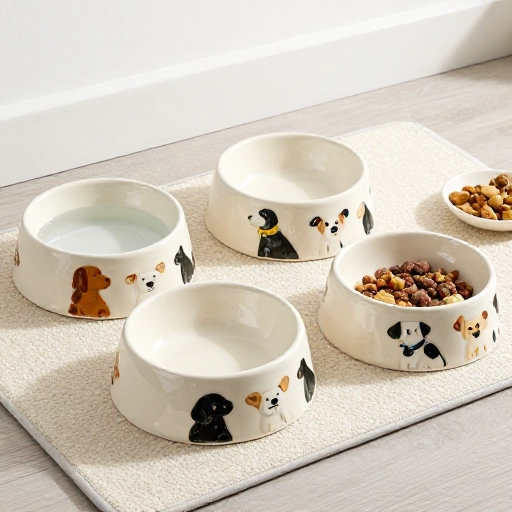
8. A Fancy Food and Water Bowl Set
Ceramic bowls with cute sayings or stainless steel sets with stands look great. But puppies are messy. They splash water everywhere. And a raised bowl might not be right for all breeds, especially large ones prone to bloat.
Start with simple, heavy stainless steel bowls that are hard to tip over. Wash them daily. You can get fancier later. For now, focus on function. Your puppy just wants water and food, not a table setting.
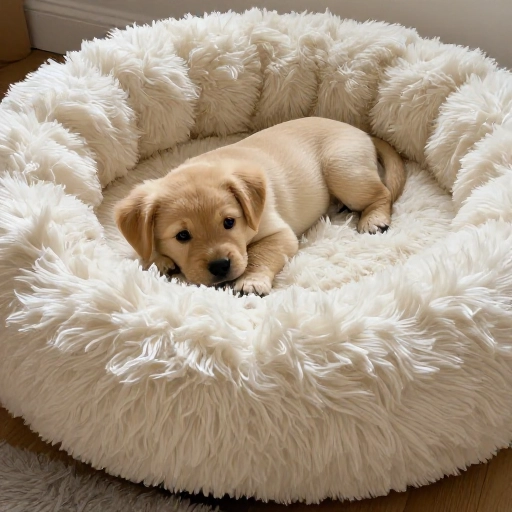
9. A Dog Bed That Is Too Plush and Hot
Thick, fluffy beds look cozy. But many puppies overheat. They end up sleeping on the floor next to the bed anyway. And cleaning a fluffy bed is a chore. Fur sticks, and accidents soak through.
Choose a bed with a removable, machine-washable cover. Look for breathable fabric like cotton or mesh. If your puppy is a chewer, start with a simple mat or towel. Comfort is important, but so is hygiene and safety.
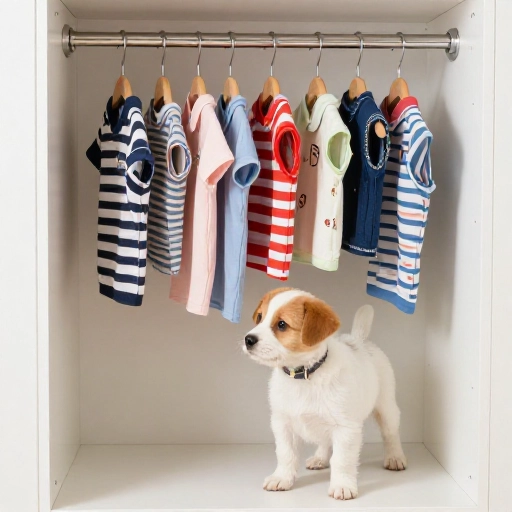
10. A “Just in Case” Wardrobe of Dog Clothes
You see tiny sweaters and raincoats and think, “How cute!” But most puppies hate wearing clothes. And unless you live in a very cold climate, they do not need them. Clothes can restrict movement and cause overheating.
If you really want a jacket for cold walks, buy one simple, well-fitted piece. Do not buy a whole wardrobe. Let your puppy be a puppy. They have fur for a reason.
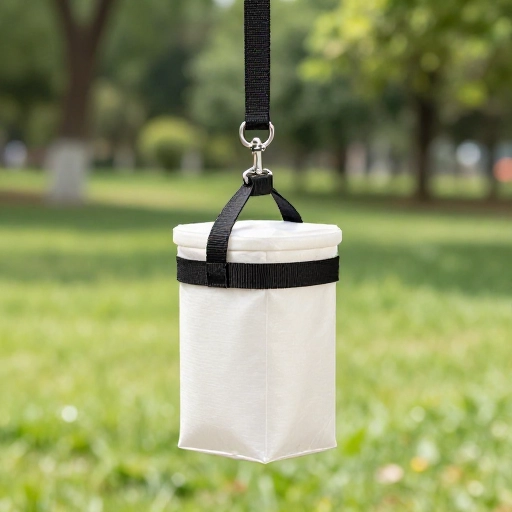
11. The “Bargain Bin” Poop Bag Holder
You can find cheap poop bag dispensers in every checkout aisle. But they break easily. The clip snaps off. The bag roll falls out. And the bags themselves are thin and tear-prone.
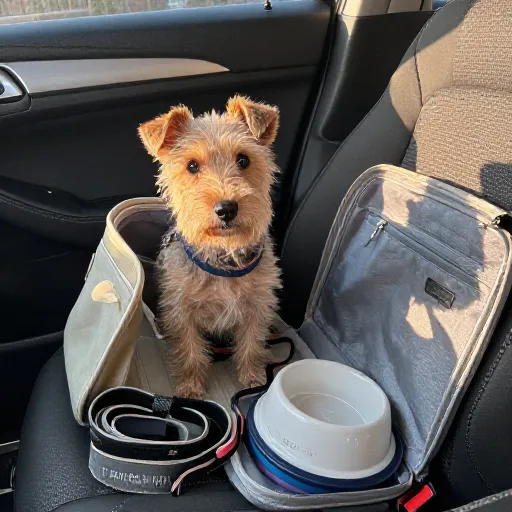
Spend a little more on a durable holder that attaches securely to your leash. Get bags that are thick and leak-proof. It sounds silly, but a broken dispenser on a rainy walk is a real pain. Do not learn this the hard way.
Conclusion
Being a first-time dog owner is a beautiful, messy adventure. You will make mistakes. That is okay. But skipping these eleven “necessities” will save you money, stress, and cleanup time. Focus on the basics: good food, safe toys, a proper crate, and a good leash. Your puppy does not need a fancy wardrobe. They need your patience, your time, and a clean place to sleep. Keep it simple, and you will both be happier.
FAQ
What is the most important thing for a first-time puppy owner?
Patience and a consistent routine. Puppies thrive on predictability. Focus on crate training, potty schedules, and positive reinforcement. The rest is just stuff.
How do I choose the right puppy food?
Talk to your vet. Look for food that lists a named protein (like chicken or salmon) as the first ingredient. Avoid artificial preservatives. Start with a small bag to see how your puppy reacts.
Should I buy a harness or a collar for my puppy?
Both have uses. A harness is great for walks because it prevents neck strain. A collar is good for ID tags. Just make sure the harness fits snugly but not tight. You want two fingers to fit between the harness and your puppy’s body.
How can I puppy-proof my home without spending money?
Use common sense. Move cords out of reach. Close doors to rooms you do not want explored. Use cardboard boxes to block off small spaces. Supervision is your best tool. A tired puppy is a well-behaved puppy.
Is it okay to buy used puppy items?
Yes, but be careful. Avoid used crates that might have damage or sharp edges. Wash any used bedding thoroughly. Never buy used food bowls or toys that have been chewed. Safety first.