12 Home Remedies for Dandruff in Cats
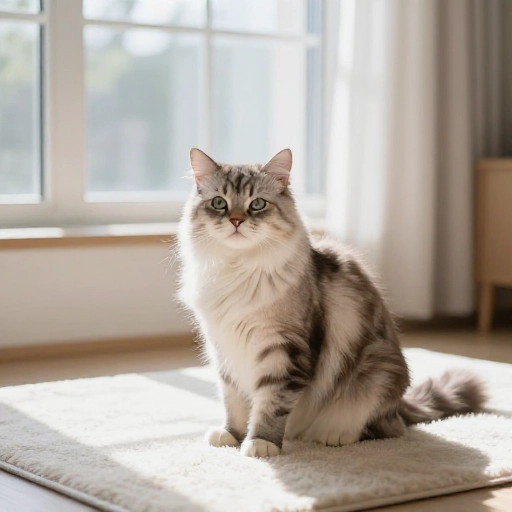
Finding little white flakes on your cat’s favorite spot on the couch can be surprising. When I first noticed them on my tabby’s back, I worried it was something serious. Most of the time, cat dandruff is just dry skin, but it can also be a sign of diet or seasonal changes.
The good news? Many simple remedies start right in your kitchen or bathroom cabinet. I’ve tried several of these over the years with my own cats (and my foster kittens). Always check with your vet first if the flaking seems extreme or your cat is scratching a lot.
Here are 12 gentle home remedies that can help bring back that soft, flake-free coat.
1. Add a Little Fish Oil to Their Food
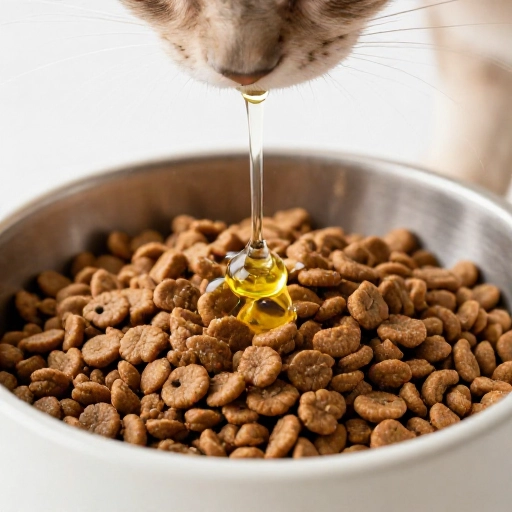
Omega-3 fatty acids are like magic for dry cat skin. I add a tiny drop of salmon oil to my cat’s wet food every other day. It helps reduce inflammation and moisturizes the skin from the inside out.
Start with a very small dose. Too much can cause loose stools. You can find salmon or sardine oil at most pet stores.
Within a week, I noticed less flaking on my cat’s lower back.
2. Brush Your Cat Daily
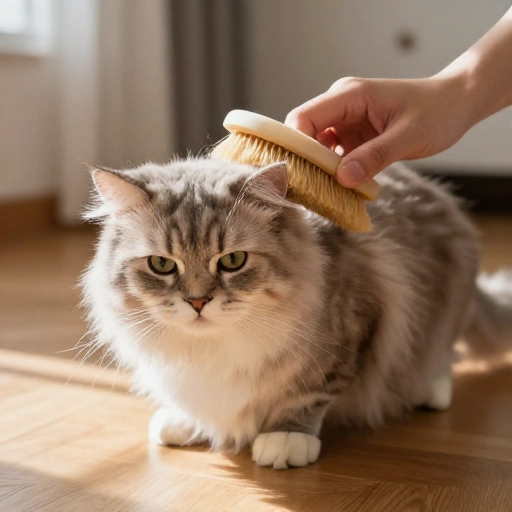
Brushing isn’t just for removing loose hair. It distributes natural oils from the skin all through the coat. These oils are your cat’s built-in moisturizer.
Use a soft bristle brush or a rubber grooming mitt. Spend five minutes each day, especially on the back and tail areas where dandruff often shows up.
- Stimulates blood flow to the skin
- Spreads healthy oils evenly
- Removes dead skin cells gently
3. Try a Humidifier in Your Home
Dry indoor air, especially in winter, makes cat dandruff worse. I run a small humidifier in the room where my cat sleeps. It keeps the air moist and prevents her skin from drying out.
You don’t need a fancy machine. Even a cool-mist humidifier works well. Clean it weekly to avoid mold.
Your cat’s nose and skin will thank you.

4. Coconut Oil (Applied Carefully)
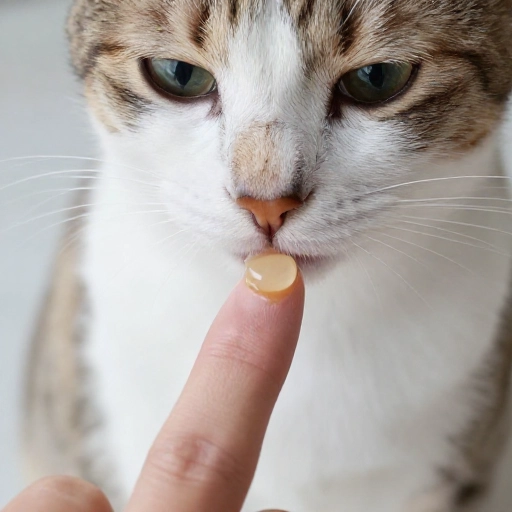
Coconut oil is soothing and antibacterial. I warm a tiny amount between my fingers and rub it into the flaky patches on my cat’s skin. It absorbs quickly and smells nice.
Only use a pea-sized amount. Too much makes the coat greasy and can attract dirt. Make sure your cat doesn’t lick it all off immediately (some cats love the taste).
Apply once a day for a few days, then reduce to twice a week.
5. Oatmeal Bath (the Gentle Way)
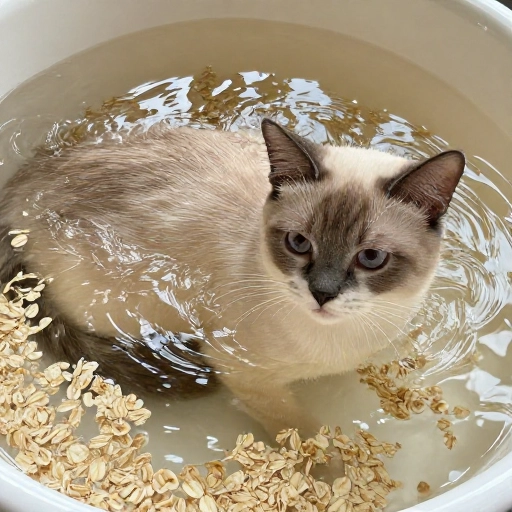
Most cats hate full baths, and I get that. Instead, I make a weak oatmeal rinse. Grind plain oatmeal into a fine powder, mix with warm water, and sponge it onto your cat’s coat.
Let it sit for a few minutes, then rinse well. Oatmeal calms irritated skin and removes loose flakes without harsh chemicals.
Do this only once a month. Over-bathing can backfire and dry out the skin.
6. Switch to a Grain-Free Diet
Some cats are sensitive to grains like corn or wheat. This sensitivity sometimes shows up as dandruff. I switched my cat to a high-protein, grain-free wet food and saw improvement in two weeks.
Look for foods with real meat as the first ingredient. Avoid fillers. A better diet means healthier skin and a shinier coat.
Transition slowly over a week to avoid tummy upset.

7. Apple Cider Vinegar Rinse
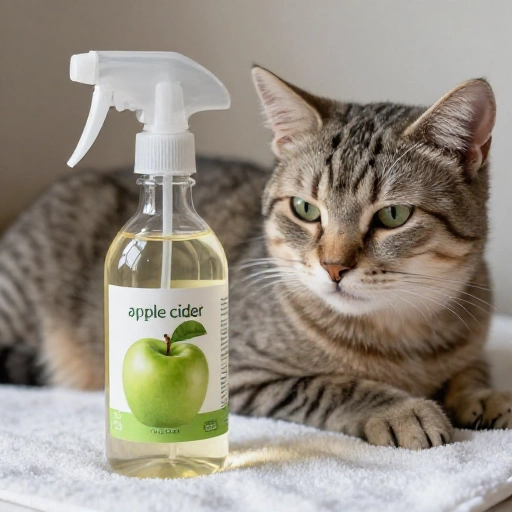
Apple cider vinegar balances the skin’s pH and fights yeast that can contribute to flaking. I dilute one part ACV with three parts water.
Dip a cotton ball in the mixture and dab it on flaky spots. Avoid open wounds or raw skin. Do not use full-strength vinegar—it stings.
This remedy works best for mild dandruff caused by minor fungal issues.
8. Aloe Vera Gel (Pure Only)
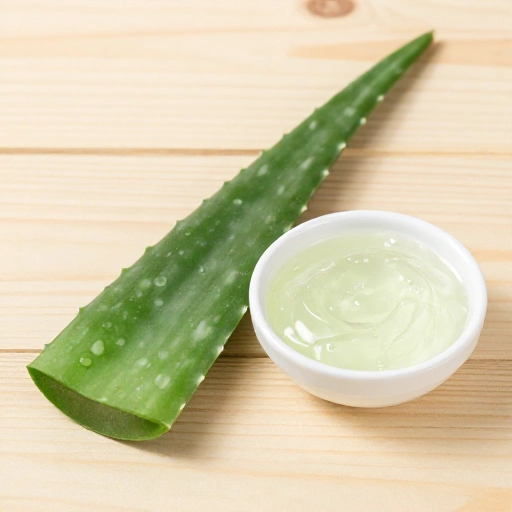
Pure aloe vera gel soothes dry, itchy skin instantly. I use the clear gel from a fresh leaf or a store-bought version with no additives. Apply a thin layer to flaky areas.
Make sure it’s 100% aloe. Many gels contain alcohol or fragrance that irritate cats. Let it dry before your cat grooms herself.
Repeat every other day until flakes disappear.
9. Add Bone Broth to Meals
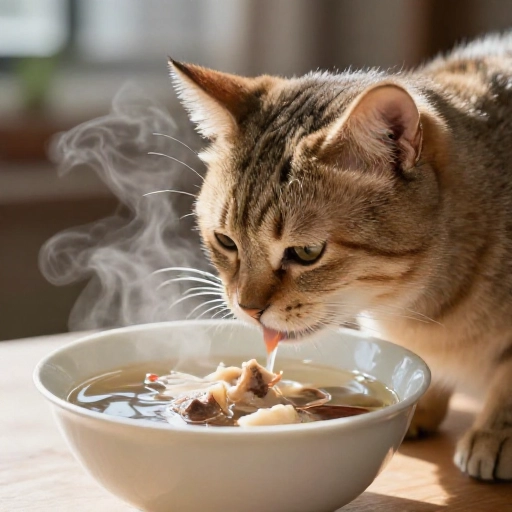
Warm bone broth is hydrating and full of collagen. I pour a tablespoon of unsalted, onion-free chicken bone broth over my cat’s dry food. It adds moisture and nutrients that support skin health.
Homemade is best. Store-bought broth often has too much sodium. Simmer chicken bones with water for 12 hours, strain, and cool.
Your cat gets extra hydration and a tasty treat.
10. Vitamin E Oil Massage
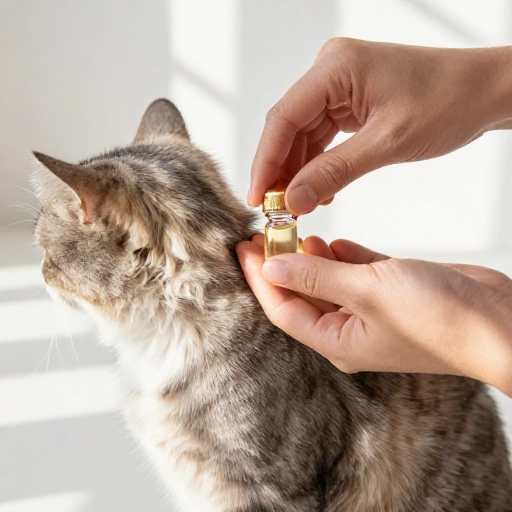
Vitamin E is a powerful antioxidant that repairs dry skin. I prick a vitamin E capsule and squeeze a drop onto my fingertips. Then I gently massage it into the worst flaky patches.
Focus on the back, shoulders, and base of the tail. Do not use too much—a single drop per area is plenty. Your cat’s skin absorbs it quickly.
Use once a week for maintenance.
11. Keep Your Cat Hydrated
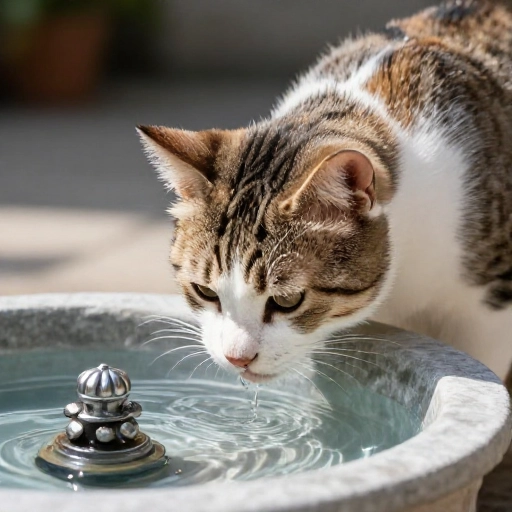
Many cats don’t drink enough water. Dehydration leads to dry skin and dandruff. I place multiple water bowls around the house and change the water daily.
A pet fountain also helps. Cats prefer moving water. Adding wet food to their diet is another easy way to boost moisture intake.
Check your cat’s water intake. If the litter box is dry, your cat needs more fluids.
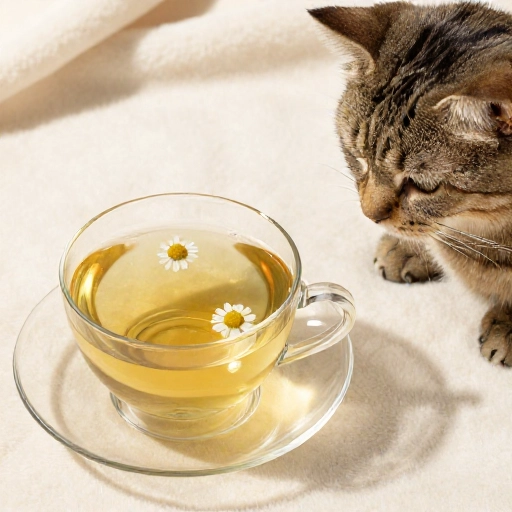
12. Chamomile Tea Rinse
Chamomile tea is calming for irritated skin. I brew a weak cup, let it cool completely, and pour it over my cat’s coat after a rinse. It reduces redness and flaking without stinging.
Use only pure chamomile tea bags. Avoid blends with caffeine or added flavors. Pat your cat dry with a soft towel afterward.
This is a gentle option for sensitive cats who react to other remedies.
Conclusion
Dandruff in cats is usually manageable with simple changes at home. I’ve seen great results with daily brushing, better food, and a little extra moisture in the air. Start with one or two remedies and see what works best for your cat.
Remember: if dandruff persists despite your efforts, or if your cat is scratching bald spots, visit your vet. It could be an allergy or an underlying condition.
Your cat’s coat tells you a lot about their health. A little care goes a long way.
[[IMG:IMG14]]
FAQ
1. Can I use human dandruff shampoo on my cat?
No. Human shampoos contain ingredients that are toxic to cats if licked or absorbed. Always use a cat-specific shampoo or a gentle natural rinse like oatmeal.
2. Is cat dandruff contagious to humans?
No, cat dandruff is not contagious. It is usually caused by dry skin, diet, or mild skin conditions specific to cats. However, if your cat has a fungal infection like ringworm, that can spread to people.
3. How often should I brush a cat with dandruff?
Daily brushing is ideal. It helps distribute natural oils and removes loose flakes. Even five minutes a day makes a difference.
4. Can stress cause dandruff in cats?
Yes. Stress can affect a cat’s skin health and cause excessive grooming or dandruff. Reducing stress with routines, hiding spots, and playtime can help.
5. When should I take my cat to the vet for dandruff?
If dandruff is severe, accompanied by hair loss, redness, or constant scratching, see a vet. It could be a sign of allergies, parasites, or a hormonal imbalance.