13 Best Dog Food for a Healthy Goldendoodle (Plus My Top Pick for a Shiny Coat!)
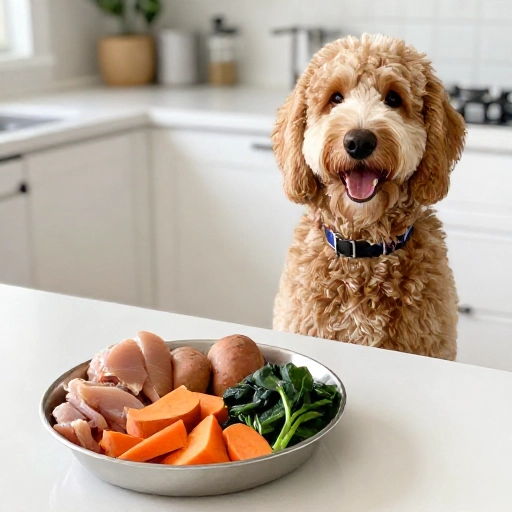
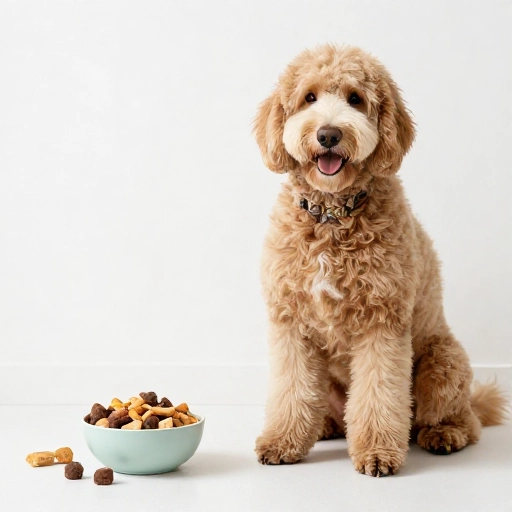
If you’re anything like me, your Goldendoodle isn’t just a pet—they’re a fluffy, four-legged shadow with a bottomless stomach. But with so many bags of kibble lining the shelves, figuring out what to actually feed them can feel way more stressful than it should be. I’ve spent countless hours (and probably too much money) testing different brands with my own goofy doodle, and I’ve learned that what works for one dog doesn’t always work for another.
That’s why I put together this list of the 13 absolute best dog foods for a healthy Goldendoodle. I’m talking about formulas that support those floppy ears, keep their joints springy, and make that gorgeous curly coat truly shine. Whether you have a picky eater or a pup with a sensitive tummy, there’s a perfect match on this list for your furry best friend.
Why Your Goldendoodle Needs a Breed-Specific Diet Plan
Goldendoodles are a wonderful mix of Poodle and Golden Retriever, which means they have some pretty specific nutritional needs. They are energetic, intelligent, and prone to certain health issues like hip dysplasia and skin allergies. Feeding them a high-quality diet isn’t just about filling their bowl; it’s about giving them the building blocks for a long, happy life.
I always look for foods that feature real animal protein as the very first ingredient. This supports their lean muscle mass, which is crucial for those playful zoomies around the living room. Plus, a diet rich in Omega-3 and Omega-6 fatty acids is a game-changer for keeping their skin hydrated and reducing that annoying itching that doodles are famous for.
Finally, since this hybrid breed can be prone to weight gain, a balanced diet with healthy grains or alternative carbs provides steady energy without the crash. It’s about finding that sweet spot where they feel full and satisfied without packing on the pounds. Trust me, a healthy gut and a shiny coat start from the inside out.
Kitchen Equipment & Tools You’ll Need for Easy Feeding
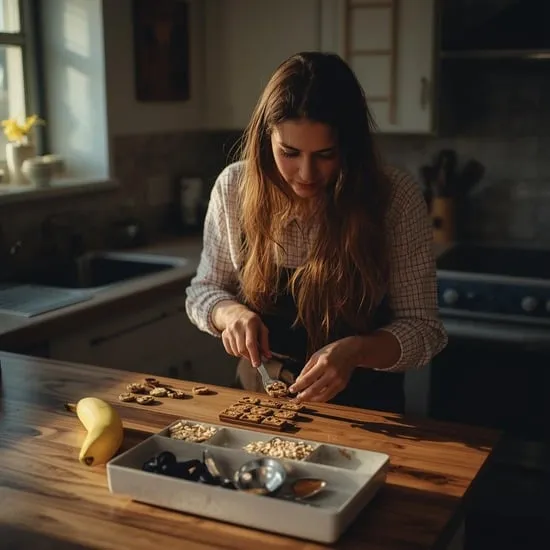
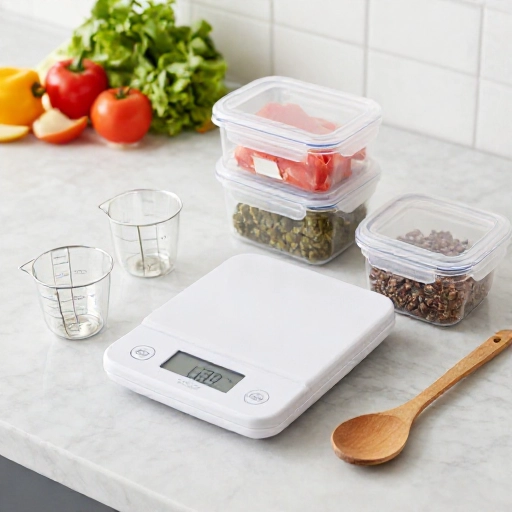
You don’t need a fancy chef’s kitchen to feed your Goldendoodle well, but having the right tools makes mealtime a breeze. I like to keep things simple and practical, so here are the essentials I use every single day to keep my pup happy and healthy.
- Stainless Steel Bowls: These are a must. They are durable, easy to clean, and don’t harbor bacteria like plastic bowls can. I always have one for food and one for fresh water.
- Measuring Cup or Kitchen Scale: Accuracy is key when portioning out your dog’s food. I use a standard measuring cup, but a digital kitchen scale is even better for precise portions, especially if you are mixing kibble with toppers.
- Airtight Storage Container: To keep that kibble fresh and crunchy, you need a good container. I use a large, pet-safe bin that keeps out moisture and pests, which keeps the food tasting great for longer.
- Slow Feeder Bowl (Optional): If your Goldendoodle inhales their food like a vacuum (like mine does!), a slow feeder bowl is a lifesaver. It prevents bloat and helps them digest their food properly.
- Silicone Mat: This keeps the area around their bowls clean and prevents the bowls from sliding around on the floor. It’s a small thing that makes a big difference in keeping things tidy.
Ingredients List & Safe Substitutions for a Healthy Dog
When you’re looking at dog food labels, it can feel like reading a foreign language. But I promise, once you know what to look for, it becomes second nature. The best foods for Goldendoodles are packed with whole ingredients that provide real nutritional value, not just fillers.
Here’s what I always have on my “good list”:
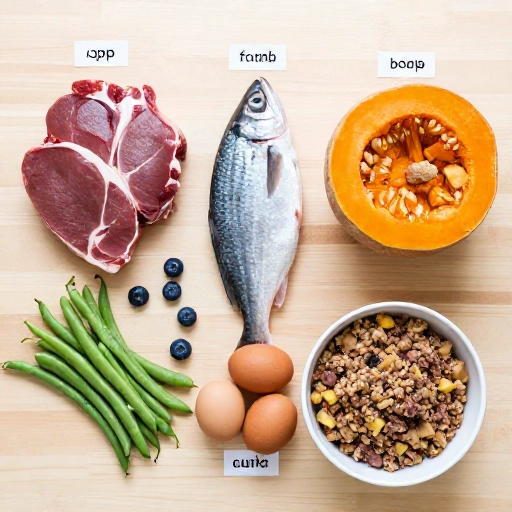
- High-Quality Proteins: Look for named sources like deboned chicken, salmon, lamb, or beef. These provide the essential amino acids for strong muscles.
- Healthy Fats: Ingredients like chicken fat (a great source of linoleic acid), fish oil, or flaxseed are fantastic for that soft, shiny coat and brain health.
- Complex Carbohydrates: Sweet potatoes, peas, lentils, and brown rice offer a steady release of energy and are gentle on their digestive system.
- Fruits & Veggies: Blueberries, carrots, and spinach are packed with antioxidants and vitamins that boost their immune system.
Now, for safe substitutions—if your doodle has an allergy to chicken (which is common), you can easily swap it for a fish or lamb-based recipe. If they are sensitive to grains, look for a grain-free option that uses sweet potato or tapioca as the carb source instead. Just remember to always transition your dog to a new food slowly over a week to avoid an upset tummy.
How to Choose the Perfect Food: A Step-by-Step Guide
Finding “the one” for your Goldendoodle takes a little detective work, but it’s totally doable. I always start by looking at their life stage (puppy, adult, or senior) because their nutritional needs change as they age. A giant breed puppy formula, for example, has the right calcium-to-phosphorus ratio for their growing bones.
Next, I read the ingredient list like a hawk. The first five ingredients tell you 90% of the story. I want to see a specific protein source first, followed by other whole foods. I steer clear of foods with vague terms like “meat meal” or “animal by-product” and avoid artificial colors, flavors, or preservatives like BHA and BHT.
Finally, I consider my dog’s specific needs. Does he have a sensitive stomach? I’ll pick a limited-ingredient diet. Is he a picky eater? I might choose a kibble with a freeze-dried raw coating for extra flavor. It’s all about matching the food to the dog, not the trend. And of course, I always run any major diet changes by my vet first.
Feeding Guidelines, Serving Size & Storage Tips
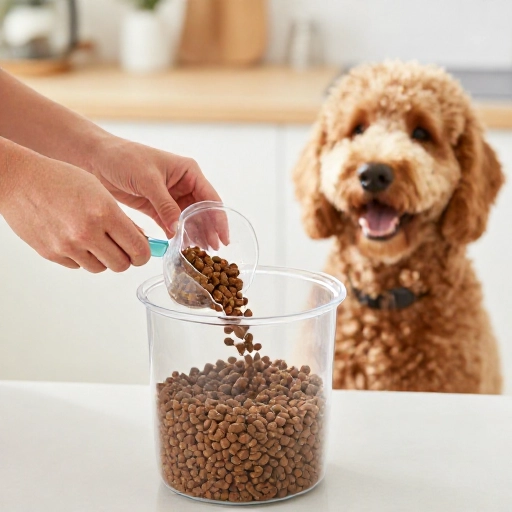
Once you’ve picked the perfect food, you need to know how much to serve. The bag will have general guidelines, but I always treat those as a starting point. A very active Goldendoodle will need more calories than a couch potato, so I adjust based on my dog’s body condition. You should be able to feel their ribs easily but not see them.
I prefer to split my dog’s daily portion into two meals—one in the morning and one in the evening. This keeps their blood sugar stable and prevents that “starving” look they give you an hour after breakfast. For a typical adult Goldendoodle, this usually looks like 2 to 3 cups of high-quality kibble per day, but always check the specific bag you bought.
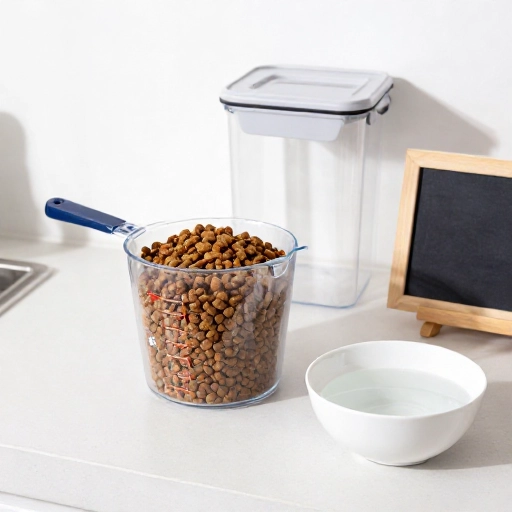
When it comes to storage, I never leave the food in the open bag. I pour it into my airtight container and keep it in a cool, dry place, away from direct sunlight. This locks in the freshness and prevents the fats in the food from going rancid. Also, always wash their food and water bowls daily with hot, soapy water to prevent bacterial growth.
Final Verdict & Summary: My Top Recommendations
So, after all that research and taste-testing (okay, mostly smell-testing), what’s the final verdict? The best dog food for your Goldendoodle is the one that makes them thrive. That means a healthy appetite, a soft and shiny coat, firm stools, and plenty of energy to chase squirrels. It’s a personal choice that depends on your dog’s unique needs and your budget.
If I had to pick a few standouts from the “13 Best” list, I would say that brands like Ollie (for fresh, human-grade meals) and The Farmer’s Dog are the absolute cream of the crop if you can afford it. For high-quality kibble, Hill’s Science Diet and Royal Canin are veterinary favorites that are scientifically backed. For a great budget-friendly option that doesn’t skimp on quality, Purina Pro Plan is a solid choice that many owners swear by.
Remember, you are your dog’s best advocate. Don’t be afraid to experiment (slowly!) until you find the food that gets their tail wagging and their coat glowing. A happy, healthy Goldendoodle is the best reward you can get.
FAQ: Your Goldendoodle Feeding Questions, Answered
How do I know if my Goldendoodle has a food allergy?
Common signs of a food allergy include excessive itching, red or inflamed skin, chronic ear infections, and digestive issues like diarrhea or vomiting. If you notice these symptoms, talk to your vet about trying an elimination diet with a limited-ingredient food to pinpoint the culprit.
Is it better to feed my Goldendoodle dry kibble or wet food?
Both have their benefits! Kibble is great for dental health because the crunching action helps reduce plaque. Wet food is highly palatable and has higher moisture content, which is great for hydration. Many owners like to mix a bit of wet food into the kibble for a tasty, nutritious boost.
Can I give my Goldendoodle homemade food instead of commercial dog food?
Yes, you can, but it requires a lot of dedication and careful planning to ensure it’s nutritionally complete and balanced. You would need to work closely with a veterinary nutritionist to create a recipe that meets all of your dog’s specific vitamin and mineral needs. It’s totally possible, but it’s not something to do without professional guidance.
How often should I change my Goldendoodle’s dog food?
You don’t need to change it just for the sake of variety. In fact, too much variety can upset their stomach. Only switch foods if you are moving from puppy to adult formula, if your vet recommends it for a health issue, or if your dog is not doing well on their current food. Always transition slowly over 7-10 days.
What human foods are safe for my Goldendoodle to eat as treats?
Plenty! Plain, cooked chicken, carrots, green beans, blueberries, and small pieces of apple are all excellent, healthy treats. Just make sure to avoid toxic foods like grapes, raisins, onions, chocolate, and anything with xylitol. Keep treats to no more than 10% of their daily calorie intake to maintain a healthy weight.