13 Cat Safe House Plants That Improve Air Quality
If you’re a cat parent who also loves filling your home with greenery, you’ve probably worried about which plants are safe. I know I have. The last thing any of us want is to bring something beautiful home, only to find out it’s toxic to our curious little companions.
The good news? There are so many stunning, cat-friendly plants that also work hard to clean the air in your home. I’ve gathered my top 13 favorites that are both non-toxic and known for their air-purifying powers. These picks are easy to care for, safe for your feline friend, and will make your space feel like a fresh, green sanctuary.
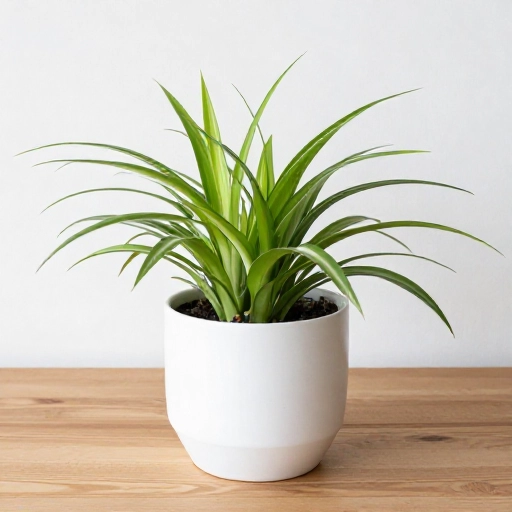
1. Spider Plant (Chlorophytum comosum)
This is probably the most forgiving plant I’ve ever owned. Spider plants are practically indestructible, which is perfect if you’re new to plant care. They thrive in bright, indirect light but will manage in lower light too.
What I love most is how they remove carbon monoxide and formaldehyde from the air. They also produce little “babies” (spiderettes) that you can propagate and share with friends. My cat loves to bat at the dangling leaves, and I never have to worry.
Just keep the soil slightly moist, and this plant will reward you with fresh air and endless greenery.
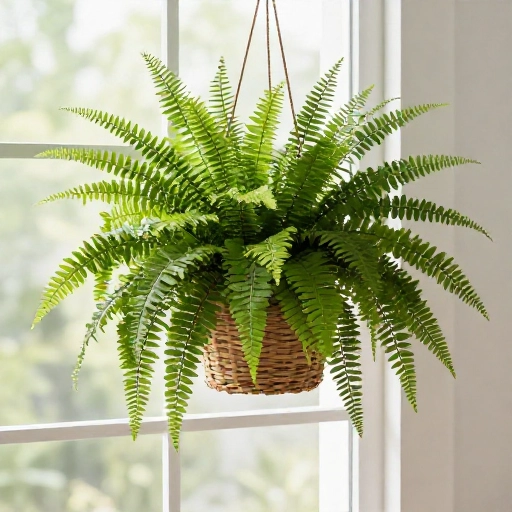
2. Boston Fern (Nephrolepis exaltata)
Boston ferns are like little humidity machines. They naturally add moisture to the air while filtering out pollutants like formaldehyde and xylene. This makes them amazing for dry indoor spaces, especially in winter.
They do best in a spot with indirect light and consistent moisture. I keep mine in the bathroom where the air is steamy, and it’s thriving. My cat occasionally nibbles a frond, but it’s totally safe.
Just mist the leaves every few days to keep them happy and dust-free.
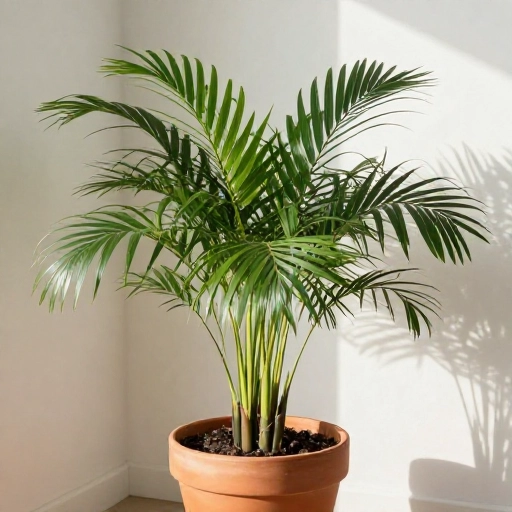
3. Areca Palm (Dypsis lutescens)
If you want a big, dramatic plant that’s safe for your cat, the areca palm is a winner. It’s a natural humidifier and removes toxins like benzene and formaldehyde. Plus, those feathery fronds are so graceful.
I have one in my living room corner, and it instantly makes the space feel like a tropical escape. It likes bright, indirect light and regular watering. My cat loves lying underneath it, probably pretending she’s in a jungle.
It’s also non-toxic, so if she decides to bat at the fronds, there’s no worry.
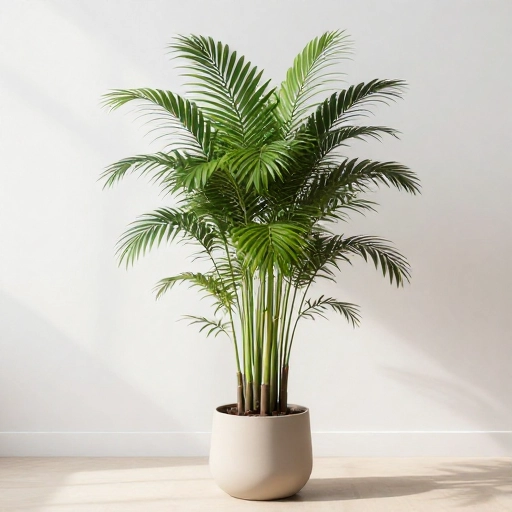
4. Bamboo Palm (Chamaedorea seifrizii)
Bamboo palms are compact and incredibly effective at filtering indoor air. They target benzene, trichloroethylene, and formaldehyde. This makes them excellent for bedrooms or home offices.
They prefer medium to bright indirect light but can tolerate lower light too. I keep mine near a north-facing window, and it’s growing steadily. The leaves are soft and won’t harm your cat if they take a curious bite.
Water when the top inch of soil feels dry, and you’ll have a happy, healthy palm.
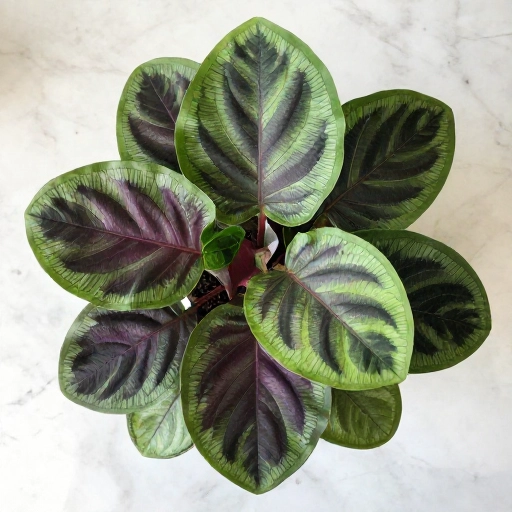
5. Calathea (Calathea spp.)
Calatheas are known for their stunning, patterned leaves that almost look painted. They come in so many varieties, like the rattlesnake or peacock calathea. Best of all, they’re completely non-toxic to cats.
These plants are great at adding humidity and filtering the air, though they’re not the most aggressive purifiers. But honestly, their beauty makes up for it. They like indirect light and consistent moisture.
My calathea sits on a shelf where my cat can’t reach it, but even if she could, it’s safe. Just avoid direct sun, which can scorch the leaves.
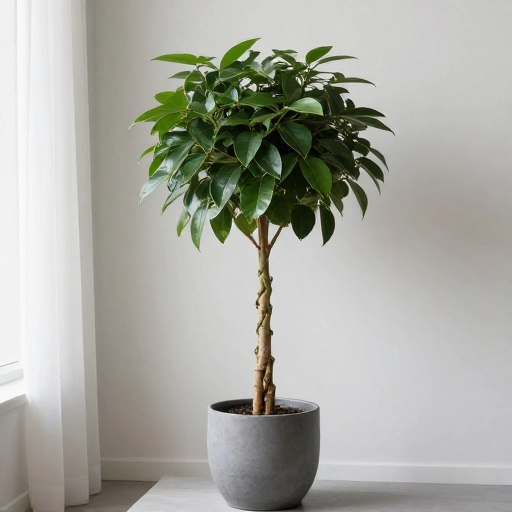
6. Money Tree (Pachira aquatica)
The money tree is a classic for a reason. It’s believed to bring good luck, and it’s also a fantastic air purifier. It removes common indoor pollutants and is completely safe for cats.
I love how its braided trunk adds a sculptural element to any room. It does well in medium to bright indirect light. Let the soil dry out between waterings to avoid root rot.
My cat has never shown interest in it, but even if she did, it’s worry-free. A perfect low-maintenance plant for beginners.
7. Parlor Palm (Chamaedorea elegans)
Parlor palms are petite, elegant, and incredibly easy to care for. They’re one of the best air-purifying palms out there, removing formaldehyde and benzene effectively. They do well in low light, making them ideal for darker corners.
I have one on my desk, and it adds a gentle, calming vibe. Water it when the top soil is dry. It grows slowly, so you won’t have to repot often.
My cat ignores it completely, which is fine by me. It’s a safe, subtle beauty.
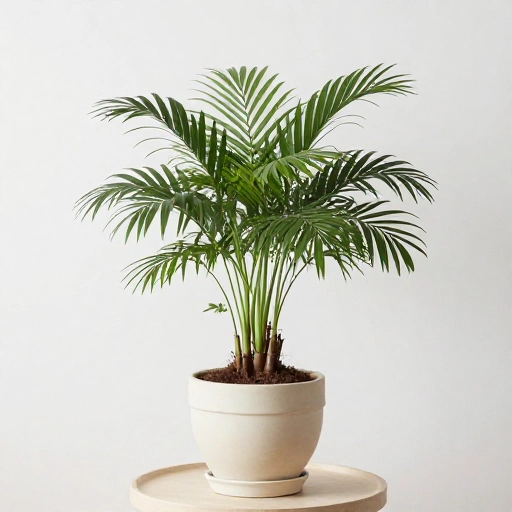
8. Peperomia (Peperomia spp.)
Peperomias are compact, adorable, and come in so many leaf shapes and colors. They’re non-toxic and do a decent job of improving indoor air quality. Plus, they’re perfect for small spaces or terrariums.
I have a watermelon peperomia that my cat loves to sniff. The leaves are thick and waxy, so they’re not tempting to chew. They prefer bright, indirect light and infrequent watering.
Let the soil dry out completely between waterings. They’re basically foolproof.
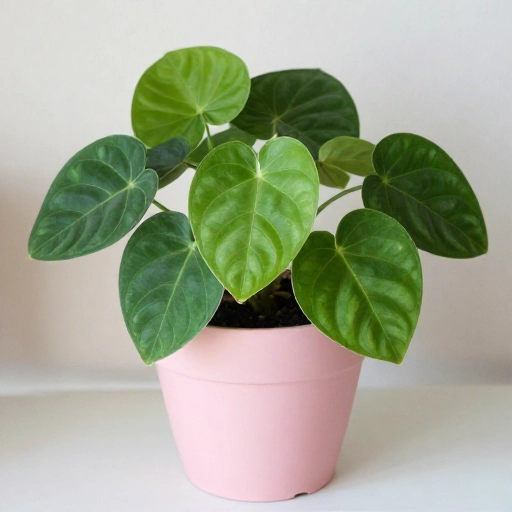
9. Prayer Plant (Maranta leuconeura)
Prayer plants are named for how their leaves fold up at night, almost like hands in prayer. They’re safe for cats and help increase humidity in your home. While not the strongest air purifier, they contribute to a healthier environment.
They love bright, indirect light and moist soil. I mist mine regularly to keep the leaves happy. The patterns on the leaves are absolutely mesmerizing.
My cat has never tried to eat it, but she enjoys watching the leaves move. It’s a fun, interactive plant.
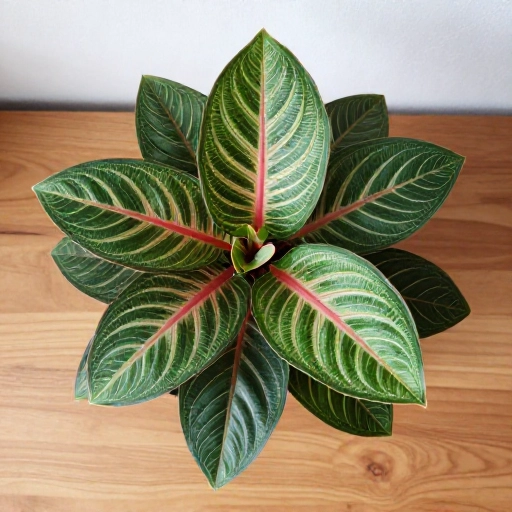
10. Cast Iron Plant (Aspidistra elatior)
If you have a black thumb, this is the plant for you. The cast iron plant can survive almost anything: low light, neglect, and even the occasional cat nibble. It’s tough as nails and completely safe for pets.
It filters formaldehyde and other toxins, making it a great choice for low-light rooms. I have one in a dark hallway, and it’s thriving with minimal care. Water it only when the soil is dry.
My cat has never touched it, but I love knowing it’s safe either way.
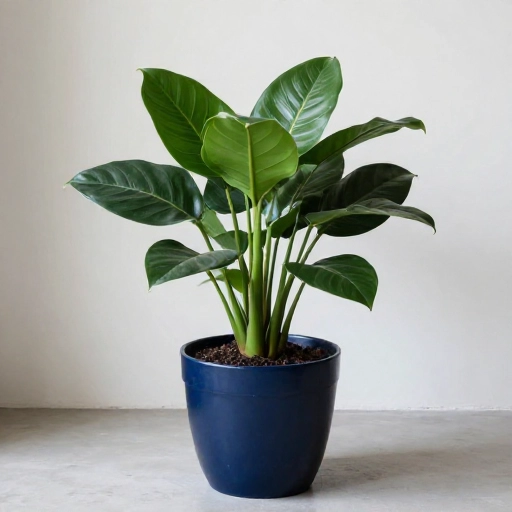
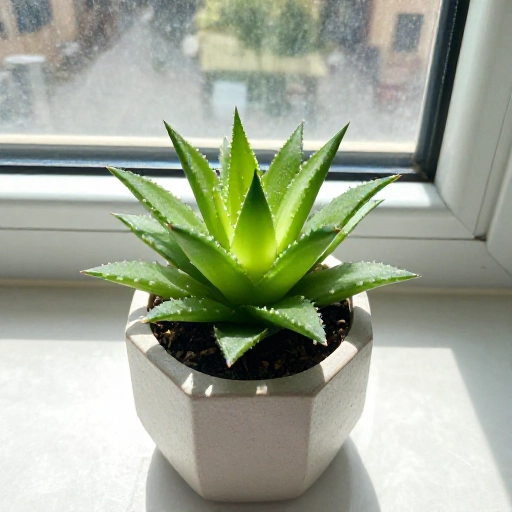
11. Haworthia (Haworthia spp.)
Haworthias are small, spiky succulents that are often confused with aloe. But unlike aloe, they’re completely non-toxic to cats. They’re excellent for small spaces and add a modern, sculptural look.
While they’re not heavy air purifiers, they do release oxygen at night, which is great for bedrooms. They need bright, indirect light and very little water. I water mine once every two weeks.
My cat loves to tap the pointy tips, but they’re too firm to chew. A safe, stylish choice.
12. Christmas Cactus (Schlumbergera bridgesii)
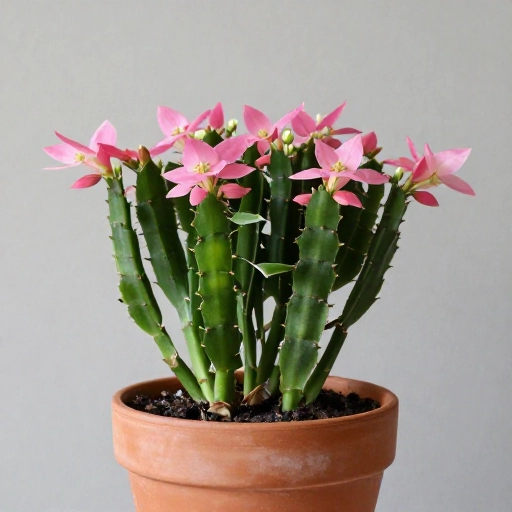
Christmas cacti are festive, long-lived, and safe for cats. They bloom in winter with bright pink or red flowers, adding color when you need it most. They also help improve indoor air quality by removing pollutants.
They prefer bright, indirect light and need more water during blooming season. Let the soil dry out between waterings. I have one that’s been blooming for years.
My cat ignores the flowers but loves to sit near the pot. It’s a safe, cheerful plant.
13. Lipstick Plant (Aeschynanthus radicans)
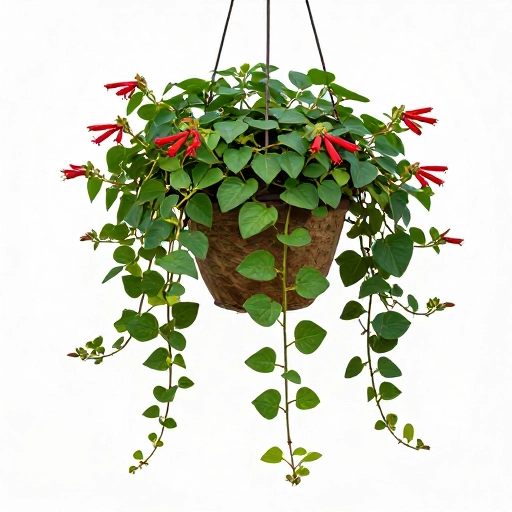
The lipstick plant gets its name from its bright red, tubular flowers that peek out from dark buds. It’s a trailing plant, perfect for hanging baskets. It’s non-toxic and helps filter indoor air.
It loves bright, indirect light and consistent moisture. I keep mine in a hanging planter so my cat can’t reach it, but it’s safe if she did. The flowers are a real conversation starter.
Water when the top inch of soil is dry. It’s a unique, beautiful addition to any cat-friendly home.
Conclusion
Creating a home that’s both green and safe for your cat is totally doable. These 13 plants prove you don’t have to choose between fresh air and your furry friend’s safety. Whether you’re a seasoned plant parent or just starting out, there’s something here for everyone.
Start with one or two, and see how your cat reacts. Most likely, they’ll ignore them or give them a curious sniff. And you’ll get to enjoy cleaner, fresher air every single day. Happy planting!
FAQ
Are all houseplants toxic to cats?
No, many common houseplants are safe. Always check the scientific name before buying, as common names can be misleading. This list is a great starting point.
How do I know if a plant is truly cat-safe?
Check with the ASPCA’s toxic plant list or ask your local nursery. When in doubt, keep the plant out of reach or choose from verified safe species.
Can air-purifying plants really improve indoor air quality?
Yes, studies show certain plants can remove toxins like formaldehyde and benzene. While one plant won’t transform your air, several together can make a noticeable difference.
What should I do if my cat eats a safe plant?
Even safe plants can cause mild stomach upset. Monitor your cat for vomiting or diarrhea. If symptoms persist, call your vet. It’s always better to be safe.
How many plants do I need to purify a room?
A good rule of thumb is one plant per 100 square feet. But even a few plants can improve your space’s feel and air quality. Start small and add as you go.